

Biopharma Innovation and Drug Development under China's New Drug Policy: Insights from the Ningbo Bay Forum
From November 11 to 13, the inaugural Biopharmaceutical (Ningbo) Hangzhou Bay Forum, themed “Drug Development and Innovation in the New Regulatory Environment,” was held in the Ningbo Hangzhou Bay New Zone. The forum was hosted by the China Pharmaceutical Enterprise Management Association and the Administrative Committee of Ningbo Hangzhou Bay New Zone for Development and Construction. It was organized by the Ningbo Hangzhou Bay Life Science Park and the Fudan University Ningbo Research Institute, with substantial support and co-organization from the Zhejiang Pharmaceutical Industry Association, the Ningbo Association for Science and Technology, the Ningbo Pharmaceutical Industry Association, SAPA, SABPA, CABS, and Shell Club.
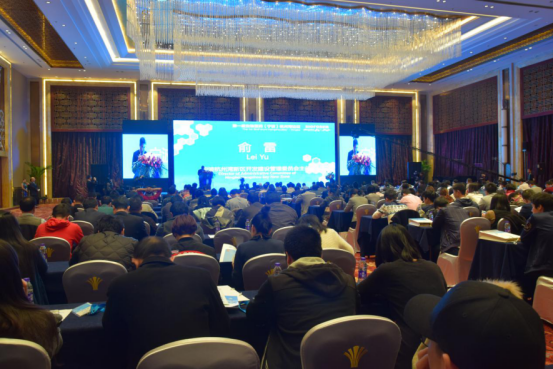
The forum invited government regulatory and review experts, industry research specialists, renowned innovators in drug R&D, senior executives from leading pharmaceutical companies, and prominent investors in the biopharmaceutical sector to engage in in-depth discussions and interpretations of the aforementioned topics. Centering on themes such as the interpretation of new pharmaceutical policies and industry analysis, outsourcing of drug R&D services, innovation and collaboration in drug development, and biopharmaceutical investment and financing, the onsite experts provided multifaceted insights into the challenges and opportunities facing pharmaceutical companies under the new regulatory landscape, trends in R&D outsourcing, and investment and financing dynamics. Together, they explored pathways and support mechanisms for the standardized development of the biopharmaceutical industry, while identifying the direction and key priorities for the growth of the biopharmaceutical sector in the New Area.
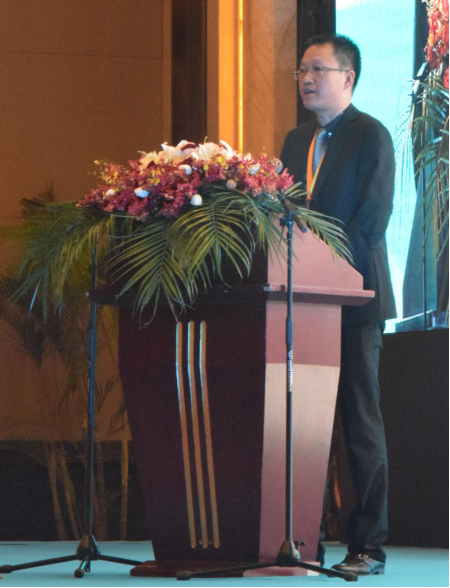
Cai Shijie, Deputy Director of the Administrative Committee of Ningbo Hangzhou Bay New Area
Cai Shijie, Deputy Director of the Administrative Committee of Ningbo Hangzhou Bay New Zone, outlined the investment environment for the life and health industry in the zone during his speech. He stated that the life and health sector is a key component of the “6+4” flagship industrial system of Ningbo Hangzhou Bay New Zone. Platforms such as the Ningbo Hangzhou Bay Life Science and Technology Park, developed under this flagship industrial plan, serve as important vehicles for building a pilot zone for technological innovation. In recent years, the new zone has leveraged its industrial parks to focus on life and health projects, striving to cultivate an industrial cluster with an output value exceeding RMB 10 billion. Currently, the zone has gathered 22 life and health enterprises, including Pharmaron and Shuangcheng Pharmaceutical, with total investments approaching RMB 10 billion. Notably, the completion and operation of major projects such as Pharmaron will inevitably foster a significant agglomeration of biopharmaceutical companies and mid-to-high-end scientific research talent, thereby substantially elevating the pharmaceutical industry standards in both the new zone and Ningbo as a whole.
In fact, BioVillage Ningbo Hangzhou Bay Life Science Park, one of the organizers, is working closely with Pharmaron, a global leader in contract research organization (CRO) services, to build a specialized and international public service platform that actively promotes innovation and development in the life and health industry of the New Area. Tenant companies can access comprehensive facility support covering the entire process from R&D to product commercialization, as well as zero-distance, world-class professional technical services through a customized service platform without leaving the park. This enables tenant companies to achieve entrepreneurial success with lower startup costs and shorter development cycles.
Interpretation of New Drug Policies and Industry Analysis: Challenges and Opportunities, Current Status and Trends
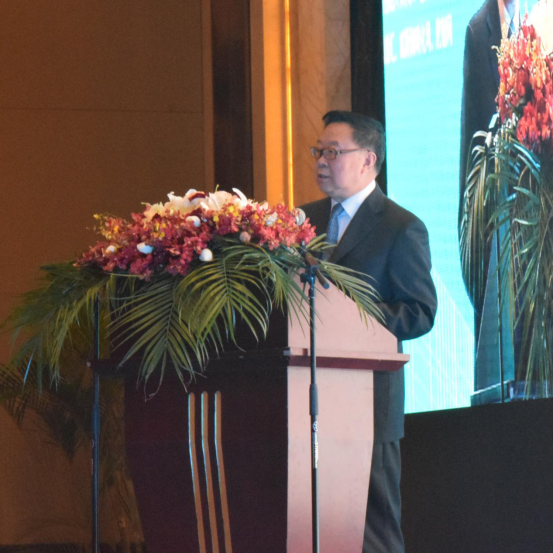
Bian Zhenjia, Special Researcher of the Counselors’ Office of the State Council and Former Deputy Director of the China Food and Drug Administration
Bian Zhenjia, Special Researcher at the Counselors’ Office of the State Council and former Deputy Director of the China Food and Drug Administration, delivered a presentation titled “Drug Innovation in China,” introducing the current state of China’s pharmaceutical landscape and the policy environment for new drug research and development. He stated that since the launch of the National Major Science and Technology Project on Significant New Drug Innovation during the 11th and 12th Five-Year Plan periods, more than 1,500 projects have been approved, with over RMB 13.6 billion in central government funding allocated. These efforts have yielded a series of achievements and secured approvals for multiple new drugs, thereby significantly promoting drug research and development innovation in China.
However, China’s drug innovation capabilities remain weak, resulting in low market share for domestic pharmaceutical companies and a significant gap in overall competitiveness compared with foreign enterprises. The sector continues to face challenges such as weak independent innovation capabilities, a lack of drugs with proprietary intellectual property rights, and insufficient R&D investment. Substantial human, financial, and managerial resources are devoted to marketing instead. Companies closely monitor which drugs are being developed abroad and which ones have been approved by the U.S. FDA, rushing to enter the market once foreign approvals are granted or patents expire.
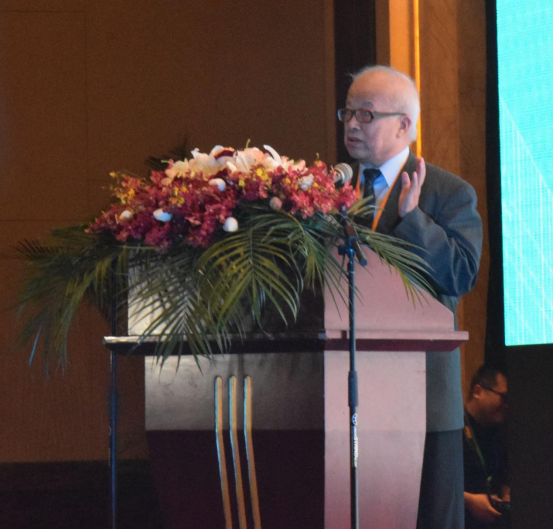
Yu Mingde, Honorary President of the China Pharmaceutical Enterprise Management Association
At the forum, Yu Mingde, Honorary President of the China Pharmaceutical Enterprise Management Association, delivered a presentation titled “The Landscape and Opportunities for the Pharmaceutical Industry Under New Drug Policies,” interpreting the impact of these new policies on the development of the pharmaceutical industry. He analyzed the current development trends and latest policies in the pharmaceutical sector, and put forward recommendations for the development of China’s pharmaceutical industry, summarized as “Three Persistences,” “Four Key Priorities,” and “Forging Ahead on Two Paths.”
CROs Accelerate New Drug Development
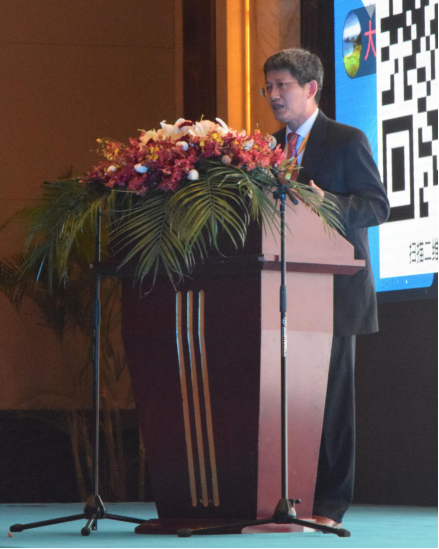
Wang Jufeng, Senior Vice President of Pharmaron Beijing Co., Ltd.
In his keynote address, Wang Jufeng, Senior Vice President of Pharmaron (Beijing) New Drug Technology Co., Ltd., outlined the partnership between contract research organizations (CROs) and new drug development. Citing examples from innovative drug research and the consistency evaluation of generic drugs, he emphasized that pharmaceutical companies and CROs do not maintain an employer-employee relationship, but rather a collaborative partnership. He pointed out that without CROs, new drug development in China would not exist, and many pharmaceutical manufacturers would even face bankruptcy.
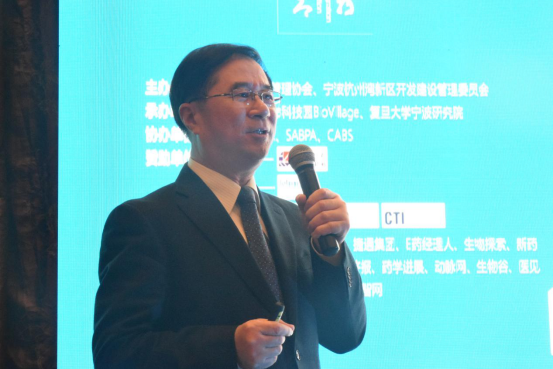
Jiang Shixin, Chairman and President of Rundo Pharmaceutical R&D Co., Ltd., and Chairman of the China Contract Research Organization Alliance
Jiang Shixin, Chairman and President of Rundong Pharmaceutical R&D Co., Ltd. and Chairman of the China Contract Research Organization Alliance, delivered a presentation titled “Clinical CROs Facilitating New Drug Development.” He shared insights on the landscape of drug development under new regulatory policies and highlighted the critical role of CROs in this context. He noted that while CRO services span both preclinical and clinical research phases with varying scopes, their essence remains the same: leveraging specialized outsourcing to save time and capital for pharmaceutical companies and other new drug development institutions, thereby reducing R&D risks and maximizing returns. As the relationship between CROs and pharmaceutical companies grows increasingly close, CROs are no longer merely providing services during the drug development process but are establishing deeper strategic partnerships with pharmaceutical firms.
Furthermore, distinguished experts from both industry and academia, including Zhou Feng, Product and Solutions Expert at Thomson Reuters Life Sciences; Wang Hui, Managing and Founding Partner of Honghui Capital; Li Sirui, General Manager of the Strategic Development Department at Tasly Holding Group; and Zhou Qing, Chief Scientific Officer at Genor Biopharma, delivered insightful speeches at the event. Experts such as Qiu Dongxu, Co-founder of Tianjin CanSino Biologics; Ni Jing, Associate Professor at the International Law School of East China University of Political Science and Law; Zhao Jing, Tenured Professor at Harvard Medical School; Dong Ruiping, CEO of RMX Pharmaceuticals; and Du Juan, Director of the Shanghai Office of Huaya BioPharma International, also engaged in lively discussions on topics including investment and financing in the biopharmaceutical sector and corporate mergers and acquisitions.