

Accelerating Pharmaceutical R&D Innovation Under the New Drug Policy: Leveraging Global Resources with Biopharmaceuticals as the Breakthrough
From November 11 to 13, the inaugural Biopharmaceutical (Ningbo) Hangzhou Bay Forum, themed “Drug Development and Innovation in the New Regulatory Environment,” was held in the Ningbo Hangzhou Bay New Zone. The forum was hosted by the China Pharmaceutical Enterprise Management Association and the Administrative Committee for the Development and Construction of the Ningbo Hangzhou Bay New Zone, and organized by the Ningbo Hangzhou Bay Life Science Park and Fudan University Ningbo Research Institute. It received substantial support and co-organization from entities including the Zhejiang Pharmaceutical Industry Association, Ningbo Association for Science and Technology, Ningbo Pharmaceutical Industry Association, SAPA, SABPA, CABS, and Beike She. The event also invited government regulatory and review experts, industry research specialists, renowned experts in innovative drug R&D, senior executives from leading pharmaceutical companies, and prominent investors in the biopharmaceutical sector to engage in in-depth discussions and interpretations of the aforementioned topics.
Current Status of China's Pharmaceutical Industry
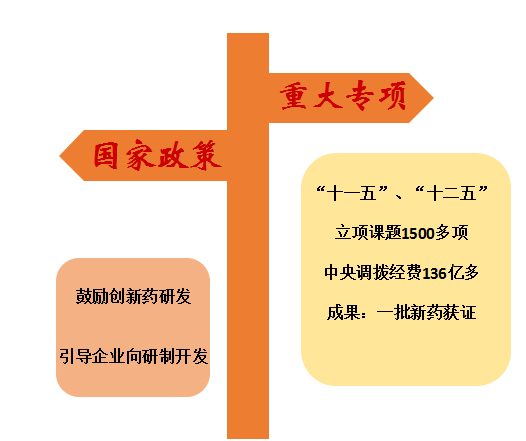
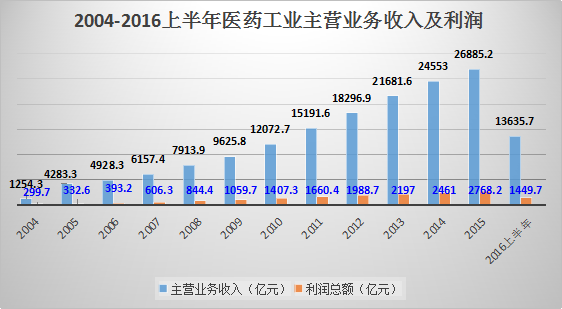
Through more than a decade of sustained efforts, China’s pharmaceutical industry has achieved continuous, stable, and rapid development. Driven by key technological breakthroughs and major national special projects during the 11th and 12th Five-Year Plan periods, the environment for innovative drug development in China has been steadily improving, with enterprises gradually becoming the primary drivers of innovation. The drug review and approval system has undergone ongoing reforms, private capital is accelerating its influx into the pharmaceutical sector, and high-level industry talent is increasingly converging. As a result, China’s biopharmaceutical industry is demonstrating strong growth momentum.
Globally, the growth rate of pharmaceutical markets in developed economies is rebounding, and demand in emerging pharmaceutical markets remains robust. The increasing proportion of biologic drugs and generic chemical drugs in the medication mix presents new opportunities for China’s pharmaceutical exports. Domestically, the national economy maintains a medium-to-high growth rate, while rising disposable household incomes and upgrading consumption patterns, along with the steady advancement of the Healthy China initiative, further improvement of the medical insurance system, population aging, and the implementation of the universal two-child policy, will all continue to drive rapid growth in the pharmaceutical market.
International Standing Reflected in API Sector, While Innovation Remains a Weak Link
China is the world's third-largest pharmaceutical market, but this is primarily reflected in its active pharmaceutical ingredient (API) sector:
China, the World’s Largest Producer and Exporter of Active Pharmaceutical Ingredients (APIs)—With Over 1,360 Types of APIs, APIs Also Constitute the Largest Product Category in the Total Value of Pharmaceutical Imports and Exports.
In contrast to the dominant position of active pharmaceutical ingredients (APIs), China’s innovative drugs hold a limited share in the global pharmaceutical market. Investment in research and development remains at a relatively low level. Currently, there are more than 5,000 pharmaceutical manufacturing enterprises in China, with an industrial output value exceeding RMB 2 trillion. The vast majority of products manufactured by these companies are homogeneous.
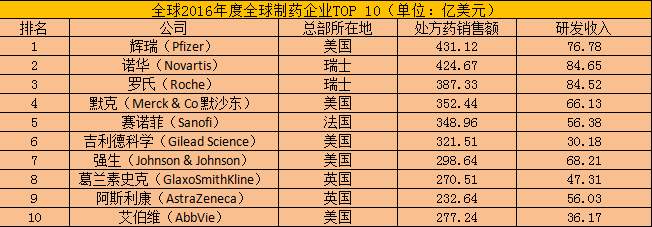
Among the top ten pharmaceutical companies globally, half are U.S.-based, indicating that the United States has a relatively mature system for drug research and development innovation.
Moreover, China lacks pharmaceutical products with independent intellectual property rights, and its R&D investment remains low (typically 3%–5%, reaching a maximum of 10%), whereas R&D spending abroad is significantly higher (generally 15%–20%). Furthermore, over the past decade, Chinese R&D entities have primarily focused on foreign-developed drugs and FDA approvals. Once a drug gained approval overseas or its patent expired, domestic companies flocked to replicate it. These factors have collectively slowed the pace of pharmaceutical R&D in China.
Through years of effort, a number of domestic pharmaceutical companies have gained approval to market their products in developed countries. Some of these products have achieved a certain market share and are exported to the United States and Europe. Additionally, a batch of important formulation products is undergoing research and development in developed nations, with independently innovated drugs being licensed for overseas development or co-developed through partnerships. However, overall, pharmaceutical innovation remains a weak link in China’s pharmaceutical industry.
Bian Zhenjia: Biopharmaceuticals Are the Breakthrough Point
Currently, China’s pharmaceutical R&D remains in a “follower” phase, with most drug development efforts focused on modifying and optimizing existing compound structures. The direction of China’s pharmaceutical R&D is to achieve parity (“running alongside”) with developed countries and other leading nations in innovative drug discovery through sustained investment, ultimately advancing to a “leader” position.
In the realm of new drug development, biopharmaceuticals are poised to be a breakthrough and hold significant promise.
The path to internationalization for chemical drugs and major innovations remains long; in contrast, biopharmaceuticals may hold greater advantages. Biopharmaceuticals primarily refer to a series of products developed by leveraging living organisms, biological tissues, cells, or components, and integrating methodologies from medicine, biology, microbiology, immunochemistry, and engineering chemistry for prevention, diagnosis, treatment, rehabilitation, and healthcare. Compared with traditional Chinese medicine and chemical drugs, biopharmaceuticals offer the advantages of low toxicity and low cost. Bian Zhenjia predicts that biopharmaceuticals represent the future direction and trend of development, and will become a pillar industry in our country.
New Drug R&D and the Policy Environment
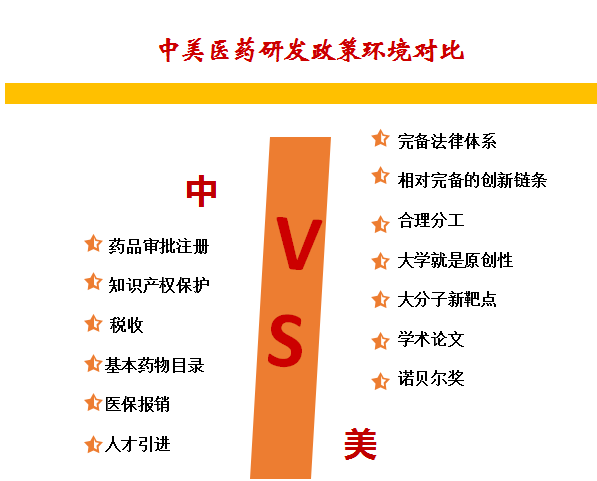
Furthermore, new drug innovation is inseparable from the policy environment. The major special projects and key scientific and technological initiatives under the 11th, 12th, and 13th Five-Year Plans have significantly enhanced the efficiency of new drug innovation. Improvements in the policy environment will further stimulate the motivation of individuals, enterprises, and investors to engage in new drug innovation, thereby fostering a culture of innovation. A favorable policy environment helps accelerate the pace of innovation and provides market-based incentives for innovators.
New Drug Innovation Is Inseparable from Talent
Without talent, innovation is merely empty talk. The development of innovative new drugs requires the recruitment of a large pool of talent, or even entire teams, to foster an environment that encourages such innovation and attracts more individuals to this field, thereby creating a virtuous cycle.
In addition to the issues surrounding innovation, Bian Zhenjia believes that improvements are also needed in clinical research. Clinical trials are crucial for ensuring the clinical safety of drugs. It is essential to strengthen the capacity for clinical trials of new drugs. Only through comprehensive quality supervision and strict, standardized management can we enhance this capacity, ensure the validity of preclinical evaluations, and support new drug research in China.
Yu Mingde: The Policy of “Bringing In” — Leveraging Global Resources to Develop China’s Pharmaceutical Industry
Returnees have injected new energy into the development of China’s biopharmaceutical sector, where breakthroughs in biotechnology often bring about disruptive changes. The advancement of precision medicine and the large-scale production of antibodies are both of groundbreaking significance to China’s pharmaceutical industry. Yu Mingde believes that the technologies brought back by returnees have not only delivered new benefits in both theory and practice, but also provided fresh insights for China’s pharmaceutical industry:
First, Chinese pharmaceutical companies must pursue internationalization and align with the highest global standards for quality and management. Yu Mingde pointed out that transformation and upgrading, which enable manufacturing capabilities to expand overseas, represent the fundamental path forward for China’s pharmaceutical industry. Currently, 103 domestic enterprises and 143 finished dosage forms have obtained international certifications. Among these, more than 60 enterprises have received certifications from the United States, Europe, Japan, Australia, and the World Health Organization (WHO), covering over 100 finished dosage forms. This exemplifies the progress of internationalization.
Second, the internationalization of Chinese capital. Chinese capital is going global, leveraging established overseas enterprises and technologies to address its own deficiencies. Domestic resources are insufficient to meet the current healthcare needs of the Chinese population, whereas abroad there are more abundant resources. Therefore, under the Belt and Road Initiative, China aims to utilize global resources to develop its pharmaceutical industry. Pharmaceutical R&D in China cannot be conducted in isolation. Among the foreign pharmaceutical companies acquired by Chinese entities last year, approximately 16 were valued at over USD 100 million. Conducting R&D independently behind closed doors could take many more years, whereas cooperation, mergers and acquisitions, and technology transfers can accelerate the localization of these technologies in China within a shorter timeframe.
Meanwhile, Yu Mingde also pointed out that the innovation and upgrading of the pharmaceutical industry require multi-party cooperation from relevant authorities and enterprises: relevant authorities should conduct more research and push forward reforms, while enterprises should focus on improving quality and efficiency and accelerating transformation. In this way, China’s pharmaceutical industry will embark on a path of sustained, stable, healthy, and rapid development.