Where Next for Medical Aesthetic O2O? | Innovation Report

Text. Zhang Chen
I. Basic Concepts
Consumer-driven healthcare refers to medical services primarily aimed at altering appearance and enhancing well-being, rather than focusing on the prevention, diagnosis, treatment, and rehabilitation of diseases or disabilities. It is the result of consumers’ proactive choices, where the sociological value pursued by consumers far outweighs the medical value.
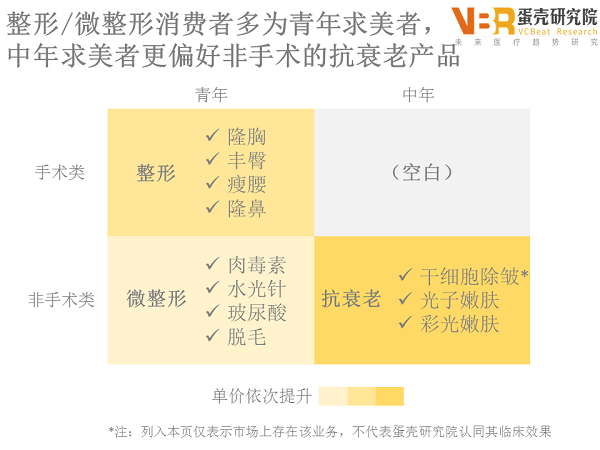
Among the various segments of consumer healthcare, medical aesthetics (hereinafter referred to as “medical aesthetics”) has garnered significant attention due to its large market size and rapid growth. From a business-type perspective, categorized along two dimensions—surgical versus non-surgical procedures, and consumer age groups (young adults vs. middle-aged individuals)—there are three main service categories: minimally invasive cosmetic procedures (non-surgical + young adults), plastic surgery (surgical + young adults), and anti-aging treatments (non-surgical + middle-aged individuals), with average transaction values increasing sequentially across these categories.
II. Industry Chain
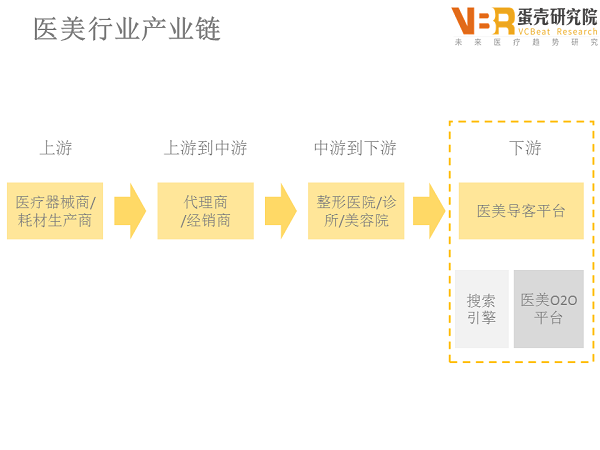
The upstream segment of the medical aesthetics industry chain comprises medical device manufacturers and consumables producers; the midstream consists of agents and distributors connecting upstream to downstream entities, which include plastic surgery hospitals, plastic surgery clinics, hospital departments of plastic surgery, and beauty salons; the downstream segment features patient acquisition platforms for medical aesthetics, with end consumers at the terminal end.
Upstream medical device manufacturers and consumables producers are relatively few in number due to stringent regulatory requirements and high technical barriers, resulting in a highly concentrated industry with higher profit margins for leading enterprises. The market size of medical aesthetic devices is substantial; according to Frost & Sullivan, global sales revenue in the medical aesthetic device market reached approximately USD 4.9 billion in 2016. The United States ranked first with sales of about USD 1.6 billion, followed by China at USD 800 million, and Brazil at approximately USD 600 million. In terms of product categories, the most widely used and fastest-growing medical aesthetic devices include laser beauty instruments, radiofrequency (RF) beauty instruments, cosmetic injection syringes, and liposuction machines. Major medical aesthetic consumables include collagen, skin-whitening injections, hyaluronic acid, botulinum toxin, sheep placenta extract, as well as other prosthetics and injectable fillers. Among similar products, domestically produced items are generally priced 50% lower than imported ones. However, due to inadequate regulatory policies, the market is flooded with various counterfeit and substandard consumables, leading to frequent medical accidents. Consequently, most reputable plastic surgery institutions still prefer to purchase imported products.
Distributors and agents operating between the upstream and midstream segments are fragmented and hold the lowest value within the industry chain. Furthermore, sales channels for medical aesthetics differ from those for conventional medical care; the former targets plastic surgery departments in public hospitals as well as private plastic surgery hospitals, clinics, and beauty salons, while the latter primarily serves public hospitals. Consequently, distributors and agents of general medical devices do not hold a competitive advantage in sales.
Service providers across the mid-to-downstream segments can be broadly categorized into two major camps: public and private. Physicians in the plastic surgery departments of public hospitals tend to prefer technically challenging procedures, such as replantation of severed limbs and digits, aiming for deeper academic achievements. However, as medical aesthetics possesses far stronger consumer attributes than medical ones, private medical aesthetic institutions will inevitably constitute the mainstay of the industry. Currently, the private medical aesthetic sector is relatively fragmented, with no nationwide chain organizations having emerged yet. Nevertheless, given the high marketing costs within the industry, consolidation into chains is the future trend, as it helps reduce customer acquisition costs, enhance institutional standardization, and alleviate safety concerns among beauty seekers.
Downstream patient-acquisition platforms include search engines and medical aesthetics O2O platforms, operating against the backdrop of Chinese medical aesthetics institutions’ heavy reliance on marketing. The rise of medical aesthetics O2O platforms stems from the inability of search engines to address information asymmetry and false advertising.
III. Industry Characteristics
(1) Global Medical Aesthetics Industry: Rising Momentum
Globally, the medical aesthetics market reached $34.6 billion in 2014 and has maintained an average annual growth rate of over 7%. The number of plastic surgeons continues to rise, with the global total exceeding 40,000. The United States ranks first with approximately 6,300 plastic surgeons (accounting for 15.6%), while China ranks third with approximately 2,800 (accounting for 7%).
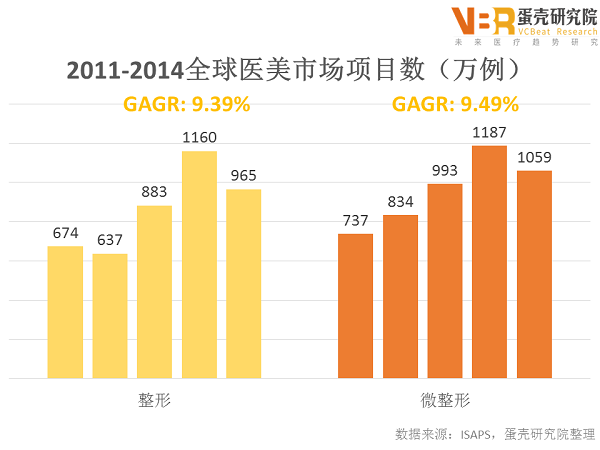
According to data from the International Society of Aesthetic Plastic Surgery (ISAPS), the global number of medical aesthetic procedures totaled approximately 20.24 million in 2014, comprising 9.65 million surgical procedures (plastic surgery) and 10.59 million non-surgical injectable procedures (minimally invasive aesthetics). The popularity and compound annual growth rate of minimally invasive aesthetic procedures both exceeded those of surgical plastic surgery. This trend is attributed to the rapid advancements in various minimally invasive aesthetic technologies in recent years, as well as increased income levels and heightened risk-awareness among beauty seekers. Due to characteristics such as being painless, scarless, reversible, fast-acting, and highly safe, minimally invasive aesthetics are increasingly favored by the market.
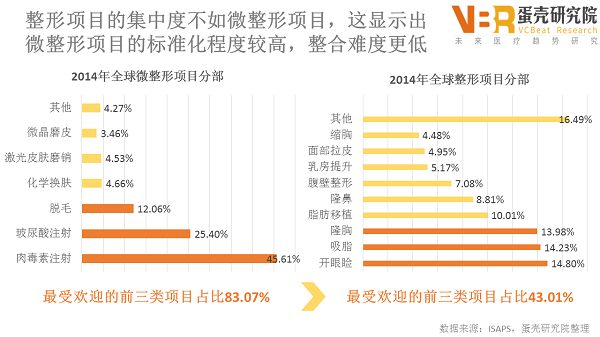
At the granular level of specific surgical and non-surgical aesthetic procedures, the top three most popular surgical procedures are blepharoplasty, liposuction, and breast augmentation, accounting for a combined 43.01% of the market. The top three most popular non-surgical procedures are botulinum toxin injections, hyaluronic acid fillers, and hair removal, representing a combined share of 83.07%. In terms of market concentration, surgical procedures are less concentrated than non-surgical ones, indicating that non-surgical treatments have a higher degree of standardization, lower integration complexity, and are more conducive to chain operations.
(II) South Korea’s Medical Aesthetics Industry: Highly Prosperous
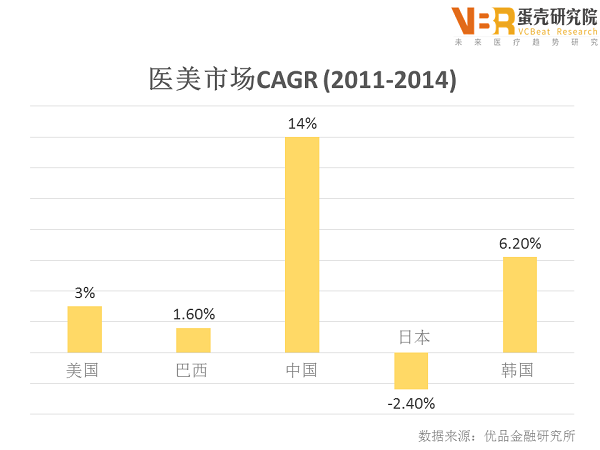
South Korea is the most developed country in the global medical aesthetics industry, with one cosmetic surgery clinic per 10,000 people on average—a ratio unmatched anywhere else in the world. The South Korean medical aesthetics market has maintained a relatively rapid growth rate, with a compound annual growth rate (CAGR) exceeding 6.02% from 2011 to 2014, driven primarily by non-surgical procedures. In 2014, there were a total of 980,313 medical aesthetic procedures performed in South Korea, of which 539,730 were non-surgical treatments, accounting for 55.1%. The CAGR for non-surgical procedures was 17.5%, outpacing that of surgical medical aesthetic procedures.
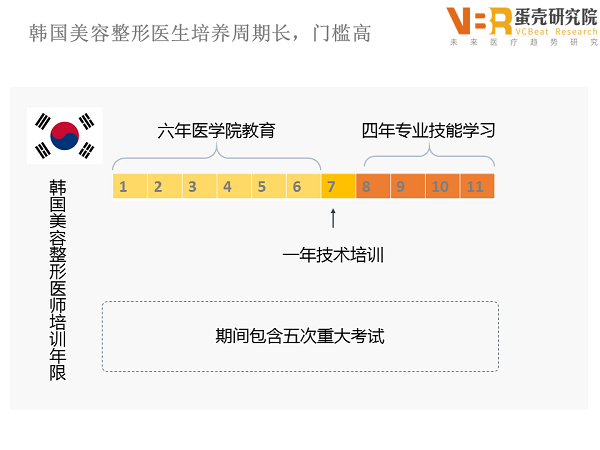
South Korea has a vast number of aesthetic institutions, with over 10,000 registered entities. Seoul alone is home to more than 900 medical aesthetic clinics. The entry barriers for cosmetic surgeons in South Korea are relatively high, resulting in an overall elevated level of technical expertise. To become a registered cosmetic surgeon, one must complete six years of specialized medical school education, one year of technical training, and four years of specialized skills training, along with passing five assessments during this period. The total training duration typically ranges from 11 to 14 years.
Specialized aesthetic hospitals in South Korea operate under a partnership model, with cosmetic surgeons holding the most pivotal role within these institutions. As most aesthetic hospitals are structured as limited partnerships rather than corporations, they are ineligible for public listing. Furthermore, due to the person-centric nature of limited partnerships, the personal brands of Korean cosmetic surgeons often carry greater weight than those of chain institutions.
In addition, a robust and favorable regulatory environment is also one of the essential guarantees for the rapid development of South Korea’s medical aesthetics industry. The dual approach of industry arbitration committees and self-regulatory guidelines covers all segments of the industry.
(III) Taiwan’s Medical Aesthetics Industry: Structural Adjustment
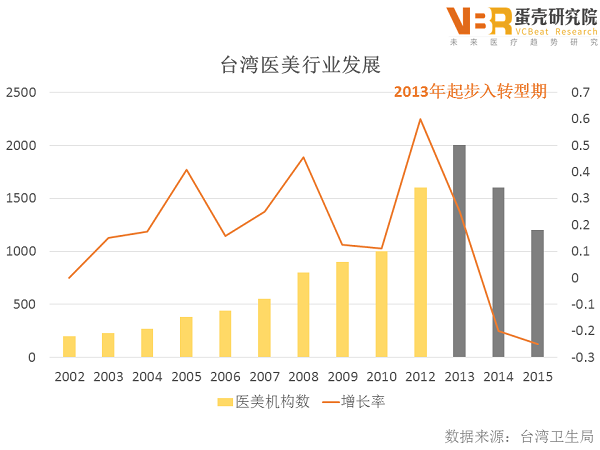
Unlike South Korea’s highly prosperous medical aesthetics industry, Taiwan’s sector is undergoing a period of structural adjustment. Between 2013 and 2015, nearly half of all medical aesthetics clinics in Taiwan shut down, driven by a variety of factors. From a macroeconomic perspective, slowing economic growth and the outflow of young people have led to declining demand for aesthetic procedures. In terms of competitive dynamics, South Korea and Japan continue to attract Taiwanese consumers seeking aesthetic treatments. Within Taiwan’s own medical aesthetics industry, rapid expansion on the supply side prior to 2013 resulted in widespread disordered competition. Finally, strengthened regulatory oversight by the Taiwanese authorities has also been a significant contributing factor.
Notably, within Taiwan’s medical aesthetics industry, the anti-aging segment has been less affected by the current market adjustment due to stable demand. Thermage is widely utilized, and Ultherapy has already received regulatory approval. This resilience is attributed to the demographic profile of the primary clientele for anti-aging services, who tend to be older and have more stable incomes.
IV. Overview of China’s Medical Aesthetics Industry
(I) Current Industry Status
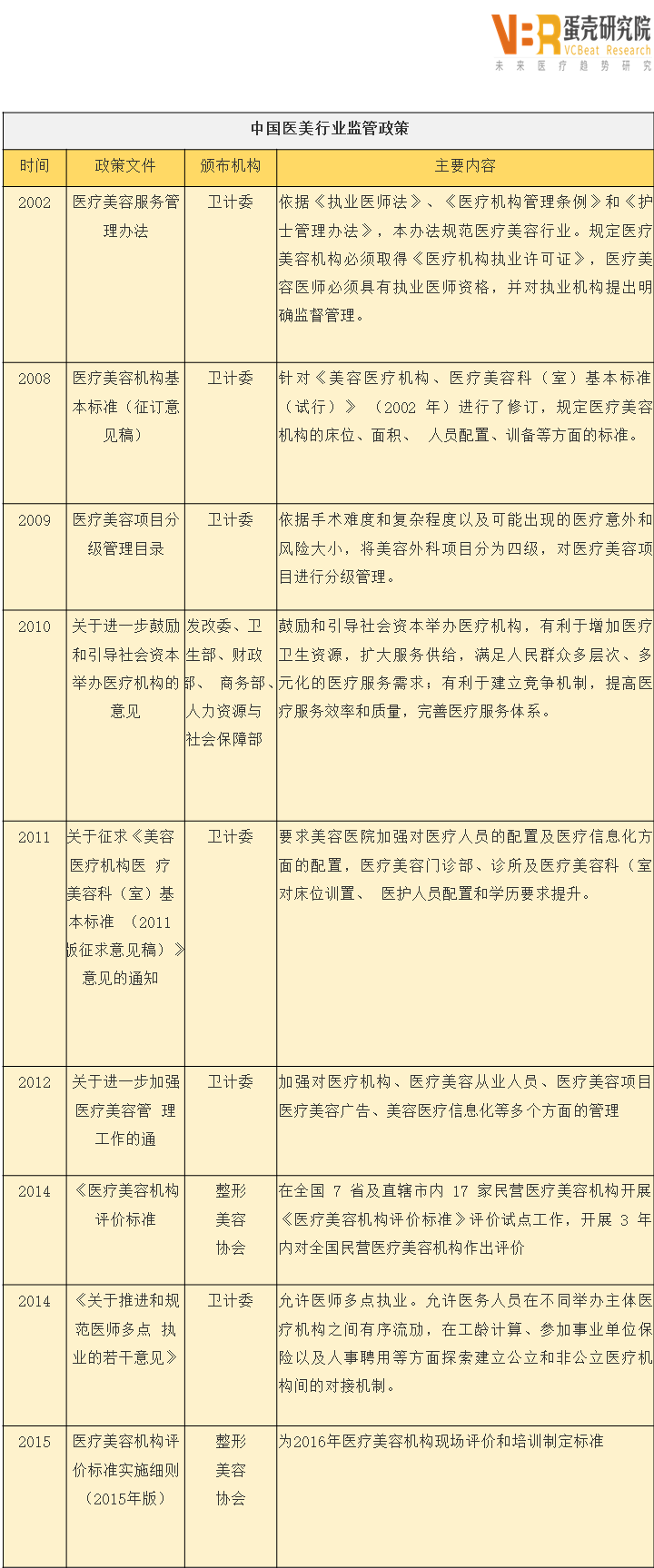
1. Tighter Policy Regulation, Allowing Multi-Site Practice
Currently, China’s medical aesthetics industry is plagued by widespread irregularities, with medical malpractice incidents occurring frequently, leaving many consumers apprehensive. These industry irregularities include:
(1) Opaque pricing
(2) False Information and Products
(3) Medical Malpractice Caused by Non-Compliant Operations
(4) Regulatory gaps and unlicensed operations
In recent years, governments at all levels have successively introduced regulatory policies for the medical aesthetics industry, aiming to clarify market entry standards and eliminate industry irregularities, including cracking down on the production and sale of counterfeit and substandard medical aesthetic products, as well as shutting down illegal medical aesthetic institutions lacking proper operating qualifications.
In November 2014, the National Health and Family Planning Commission issued the “Several Opinions on Promoting and Regulating Physicians’ Multi-Site Practice,” permitting physicians to practice at multiple locations. Currently, there are fewer than 3,000 certified medical aesthetic physicians in China, a number that is woefully inadequate relative to the vast market demand; this shortfall has created fertile ground for the proliferation of beauty consultants. The liberalization of multi-site practice has increased physician mobility, which helps improve overall industry efficiency.
2. Rapid Growth in Industry Scale, with Minimally Invasive Aesthetic Procedures Becoming the Mainstream
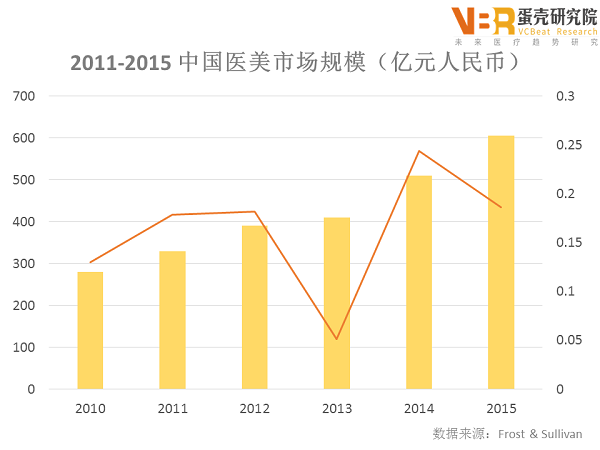
According to Frost & Sullivan, the market size of China’s medical aesthetics industry was approximately RMB 60 billion in 2015, maintaining rapid growth over the previous five years. In 2015, there were about 5,000 active medical aesthetics institutions in China, performing approximately 6.4 million medical aesthetic procedures.
Meanwhile, China’s medical aesthetics industry has exhibited trends similar to those in developed countries such as South Korea, with the growth rate of non-surgical cosmetic procedures far outpacing that of surgical ones. The proportion of non-surgical treatments among all medical aesthetic procedures rose from 67.8% in 2009 to 71.84% in 2013, and continues to grow.
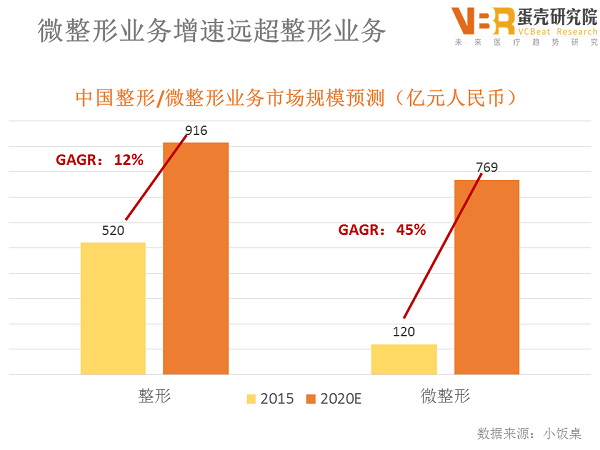
The rapid development of the minimally invasive cosmetic procedure business is mainly attributed to the following reasons:
(1) Safety. Compared with surgical cosmetic procedures, minimally invasive aesthetic treatments primarily employ non-invasive or minimally invasive techniques such as injections and lasers, significantly enhancing safety and substantially reducing prospective patients’ concerns prior to decision-making.
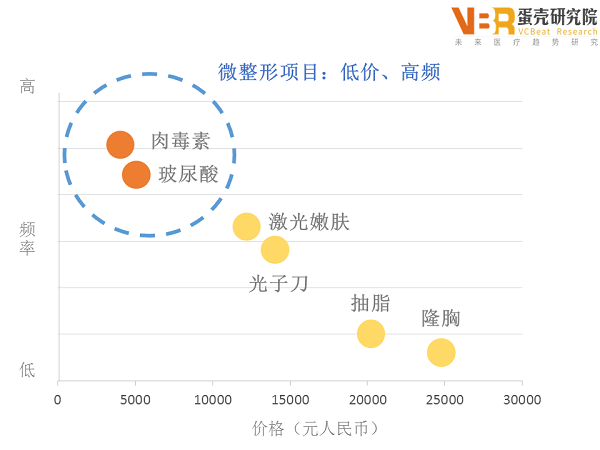
(2) Convenience. Micro-plastic surgery procedures are relatively quick, typically taking only about 10 to 20 minutes to complete, with rapid onset of results. Unlike traditional plastic surgery, which requires a certain period of postoperative recovery, micro-plastic surgery involves virtually no downtime, thereby not disrupting the normal work and social lives of aesthetic seekers, primarily young female white-collar professionals.
(3) Affordability. The unit price of minimally invasive cosmetic procedures is lower than that of surgical cosmetic procedures, leading to increased demand. The new consumers are those who previously could not afford the cost of cosmetic surgery, such as college students and white-collar workers who have recently entered the workforce.
(4) Sustainability. The longevity of results from surgical cosmetic procedures is often limited, typically requiring between one and five repeat sessions. In contrast, non-surgical aesthetic treatments offer more sustained engagement, generating relatively steadier cash flow. For instance, hyaluronic acid injections are administered on average every four to eight months to maintain volumizing effects, while botulinum toxin injections are given approximately every four months.
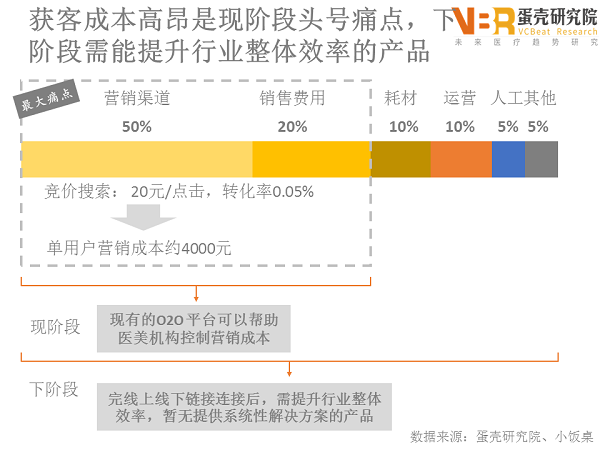
Customer acquisition costs in the plastic surgery sector are extremely high, with marketing channels and sales expenses accounting for approximately 70% of an institution’s total expenditures. While existing medical aesthetics O2O platforms help meet the strong demand from medical aesthetics institutions to reduce marketing costs, they overlook other needs such as staff training and customer relationship management. In comparison, non-surgical aesthetic procedures exhibit a higher degree of standardization, making them easier to operate on a chain basis than surgical plastic surgery institutions. Based on these two points, both surgical and non-surgical medical aesthetics institutions have a need to use medical aesthetics SaaS solutions to lower marketing costs and improve management efficiency; however, there are currently no products on the market that adequately address this full range of needs.
3. A cultural atmosphere that glorifies physical appearance, with consumerism objectifying the body
Post-80s and post-90s generations are becoming the mainstay of the workforce, while post-95s are flooding university campuses. The pursuit of physical appearance by these two generations has made them willing to invest money in altering their personal image. The fertile ground for this fashion-conscious and beauty-driven social atmosphere is the consumerism that swept the globe after the fall of the Berlin Wall. In an atomized social structure, consumption has transformed from a necessary activity for survival into the primary purpose of life. Nearly all social activities are constructed around consumption, with the body and physical attractiveness becoming consumable elements. Accompanied by the booming development of the modern advertising industry and the remarkable dissemination power of internet tools, humanity has begun to actively construct the concept of “beauty.” The flawlessly retouched faces presented by fashion magazines, film and television media, and internet influencers have set standards that are nearly impossible to achieve through natural growth, creating pressure on teenagers and adults to keep up. This pressure may trickle down into schools, workplaces, and other circles of acquaintances, turning idol-induced pressure into peer pressure. Choosing medical aesthetic procedures can alleviate this social pressure and reduce anxiety, but it also brings about a new round of pressure, akin to an arms race. The “beauty economy” can be seen as a side effect of “amusing ourselves to death,” which constitutes the sociological foundation for the rapid development of the medical aesthetics industry. It is almost certain that the demand for medical aesthetics, driven by consumerism, will only continue to grow in the foreseeable future.
4. Declining Costs of Minimally Invasive Procedures, Proliferation of Emerging Technologies, and Accelerated Digitalization
Medical aesthetic technologies are continuously iterating and updating, with new techniques emerging one after another. The most significant feature is the substantial reduction in minimally invasive procedure costs, which has lowered both the barrier to entry and the associated risks for the general public.
Here are some technological trends:
(1) Minimally invasive techniques are gradually being adopted for small-area dermal filler procedures; the high support and stability of hyaluronic acid products have made fillers more convenient for areas such as the nose, chin, and forehead.
(3) Innovations in medical aesthetic devices have minimized scarring and deliver immediate results post-procedure;
(4) Breakthroughs in anti-aging technology: Autologous stem cell culture promotes cellular repair.
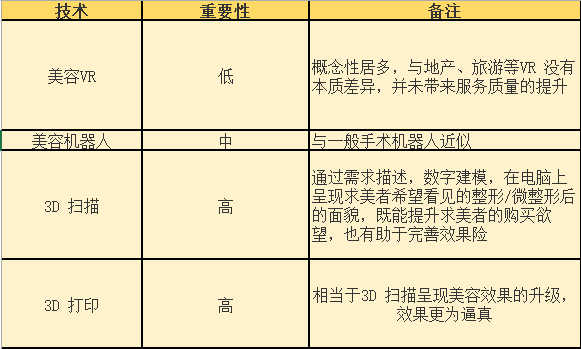
(For more new technologies related to medical aesthetics, such as beauty robots, 3D scanning, 3D printing, VR, and smart hardware, please refer to Appendix I: New Technologies in the Medical Aesthetics Industry at the end of the article.)
(II) Trends in the Second Half of 2016
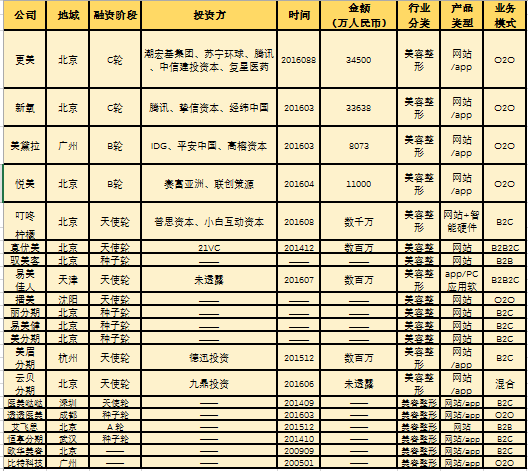
SoYoung and Gengmei have successively completed their Series C financing rounds, solidifying the competitive landscape for plastic surgery and non-surgical aesthetic O2O services on internet-based medical aesthetics platforms. Taking Gengmei as an example, its Series C funding amounted to RMB 340 million, with investors including Suning Universal, CHJ Jewellery Group, Tencent WeCreate Space, China Securities Co., Ltd., Fosun Pharma, and Legend Capital.
Internet-based medical aesthetics platforms have currently amassed significant consumer-facing traffic. The next step will likely involve making further breakthroughs on the business-to-business (B2B) side, with the aim of enhancing overall industry efficiency. These breakthroughs may come from stronger players such as So-Young and Gengmei, which are actively seeking to expand into certain enterprise-level services. Nevertheless, startups still have opportunities, as it is difficult for major players to cover every aspect and allocate resources to each niche segment. Moreover, the decision-making mechanisms of large companies are often less agile than those of smaller players.
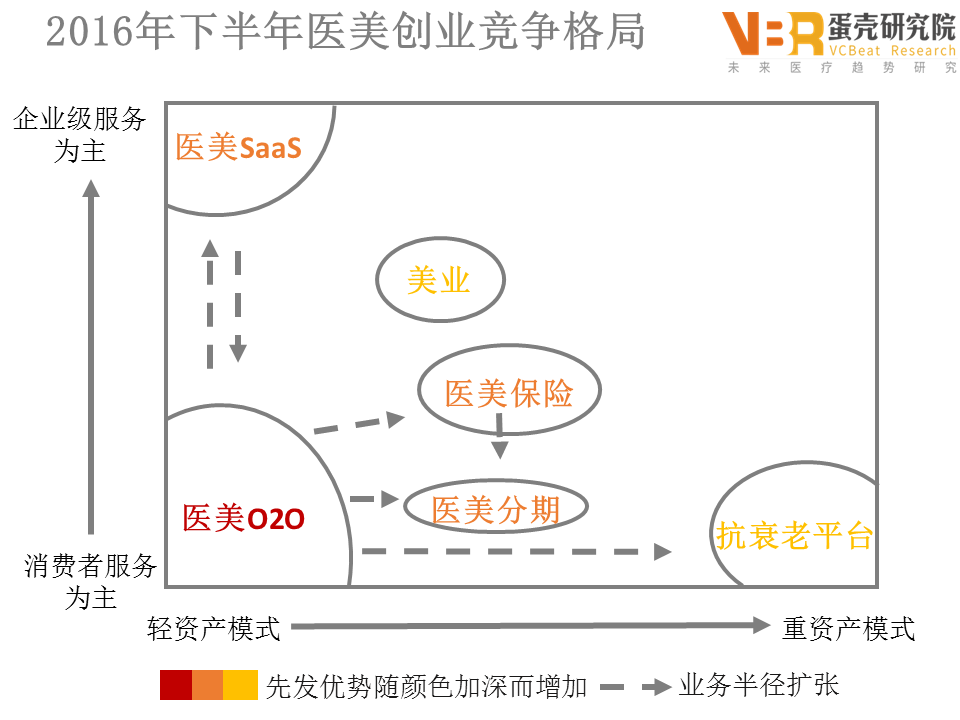
After careful analysis, these potential opportunities include, but are not limited to, anti-aging services, medical aesthetics insurance, installment payment plans for medical aesthetics, SaaS solutions for the medical aesthetics industry, and the broader beauty industry.
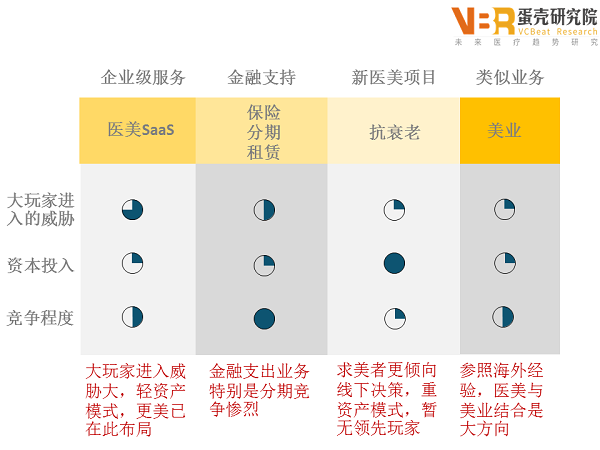
1. Enterprise-level services (medical aesthetics SaaS) will be one of Gengmei’s key strategic focuses in the next phase
For many small and medium-sized medical aesthetic institutions, the demand for SaaS extends beyond mere cloud services to include additional resources and business model support. Currently, many such institutions have a low level of digitalization, which is precisely what SaaS solutions can address. The convenience and cost-effectiveness of cloud-based deployment enable these institutions to streamline their business operations without the need to build proprietary systems. In addition to basic Office Automation (OA), aesthetic clinics require capabilities in marketing management, membership management, and supply chain management. Unlike traditional Customer Relationship Management (CRM), the management of marketing, memberships, and supply chains is inherently data-driven, relying on comprehensive network-wide data support and demanding higher timeliness in feedback. This is particularly critical for medical aesthetic marketing, which currently constitutes the largest expenditure for these institutions.
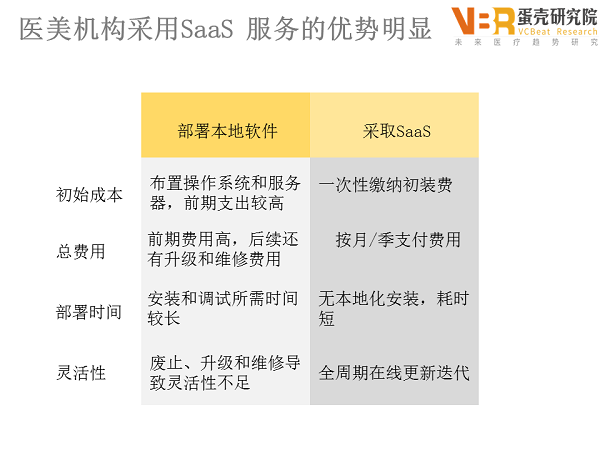
Enterprise-level services for the medical aesthetics industry can help physicians launch their practices more rapidly, enable medical institutions to be established quickly and operated efficiently, and accelerate cash flow turnover. For instance, Gengmei’s merchant backend includes services such as traffic monitoring and customer relationship management (CRM). Having already connected with a large number of offline aesthetic clinics and provided a suite of enterprise-level services, Gengmei has gained a first-mover advantage in the medical aesthetics SaaS sector, which may not be welcome news for other players. Another typical company offering CRM SaaS solutions for medical aesthetics is Aiyou Cloud. Its SaaS platform provides aesthetic institutions with autonomous and controllable marketing models, secure information systems, and traceable cloud-based data and services. This enables institutions to integrate operational strategies—such as marketing campaigns and user incentives—with functionalities including online consultations, appointment scheduling, membership top-ups, coupon redemption, and post-operative instructions. In contrast to the CRM SaaS model, another approach, represented by Yumeike, starts with physician-focused tools to accumulate a base of doctors, then establishes offline clinics, and subsequently develops an integrated online-to-offline clinic management system, thereby upgrading a shared surgical platform into a “cloud clinic” for medical aesthetics. This pathway aligns more closely with the preferences of plastic surgeons transitioning from public healthcare institutions.
2. The anti-aging sector holds significant potential, but with no clear market leader yet, an asset-light model may be difficult to drive.
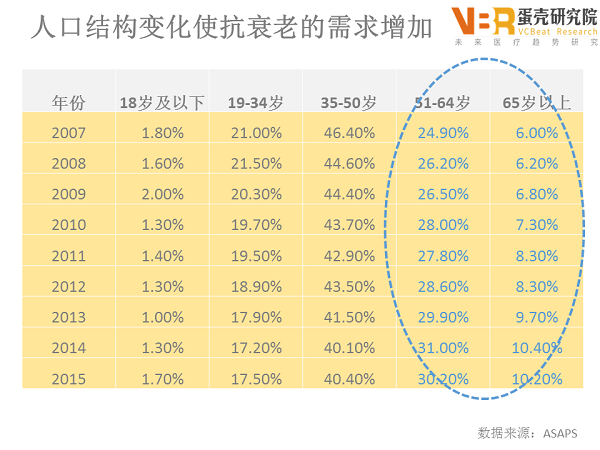
The landscape of the plastic surgery and minimally invasive aesthetics sector has largely taken shape, yet a significant market segment remains without a dominant player: anti-aging. With demographic shifts, the proportion of aesthetic patients aged 50 and above is increasing, but their anti-aging needs remain inadequately addressed.
Organismal aging is not equivalent to cellular aging; however, the former is the cumulative result of the latter. Therefore, organismal aging can be characterized to some extent by the percentage of senescent cells. If new cells generated through proliferation not only fully replace dead cells but also substitute a portion of senescent cells, the organism exhibits a more youthful phenotype. For instance, mouse studies have demonstrated that aged stem cells placed in a young microenvironment can undergo partial rejuvenation (Rescuing replication and osteogenesis of aged mesenchymal stem cells by exposure to a young extracellular matrix. Yun Sun, et al. The FASEB Journal, May 2011, vol. 25 no. 5: 1474-1485). Thus, the primary strategies for anti-aging involve repairing cells, improving cellular metabolism, activating cellular functions, and promptly clearing and treating damaged and senescent cells. Cell therapy aims to achieve disease recovery and anti-aging effects by implanting specific types of cells to supplement and regulate diseased cells, thereby increasing the number of normal cells and enhancing cellular activity.
There are few major players in the anti-aging sector, which is predominantly composed of fragmented small and medium-sized institutions. A representative startup is Dingdong Lemon, established in October 2015, which provides one-stop anti-aging solutions. It offers users precise skin management, health management, genetic management, and facial contouring services, along with related anti-aging products. Its product lineup includes the Ningyue APP, Ningyue Clinics (Anti-Aging Centers), smart hardware, as well as health supplements and cosmetics. The smart hardware is used to collect user data on skin texture, hydration levels, oiliness, wrinkles, and even genetic information. This data is analyzed in the cloud to generate personalized plans. Its anti-aging database and data analytics capabilities distinguish it from the traditional small-scale workshop model, potentially marking the beginning of the integration of internet and big data technologies into anti-aging aesthetic institutions. In June 2016, Dingdong Lemon announced that it had secured tens of millions of RMB in angel funding from Shenzhen Qianhai Xiaobai Interactive Capital Management Co., Ltd.
Due to the high unit price of anti-aging programs, which ranges from hundreds of thousands to one million yuan, the decision-making process of their target customers differs significantly from that of individuals seeking minimally invasive cosmetic procedures. Given the substantial financial involvement, users rarely make decisions based solely on online information; instead, they invariably require in-person experiences at physical stores. This necessitates that the business operate primarily under an asset-heavy offline model, with online services serving only as a supplementary channel.
Finally, given the consistently high repurchase rate for anti-aging services, the demonstration effect of high-income individuals within their social circles plays a significant role in the initial stage, particularly among fashion and film stars.
3. The medical aesthetics insurance sector has promising prospects, particularly for outcome-based insurance products that differ from traditional accident insurance.
Medical malpractice has always been one of the concerns for beauty seekers before making decisions, and medical aesthetics insurance can help increase their sense of security. In addition to beauty seekers, medical aesthetic institutions can also reduce worries about getting entangled in medical disputes and the associated extra costs.
Currently, both Yinuo Guanjia and Wukong Insurance have initiated collaborations with large-scale internet medical aesthetics platforms and insurance companies to develop medical aesthetics insurance products. Yinuo Guanjia, in partnership with Gengmei and PICC (People’s Insurance Company of China), has launched an accidental injury insurance policy with a premium of RMB 25 and a coverage amount of RMB 50,000. This policy is available to individuals aged 3 to 70 and covers approximately 80% of medical aesthetic service categories. Wukong Insurance, together with SoYoung and Taikang Online, has introduced “Oxygen Insurance,” which includes both accidental injury coverage and outcome-based coverage. It protects three major types of aesthetic procedures: non-surgical cosmetic treatments, rhinoplasty, and blepharoplasty. The premiums are offered at two tiers—RMB 19.9 and RMB 99—with coverage amounts ranging from RMB 400 to RMB 50,000.
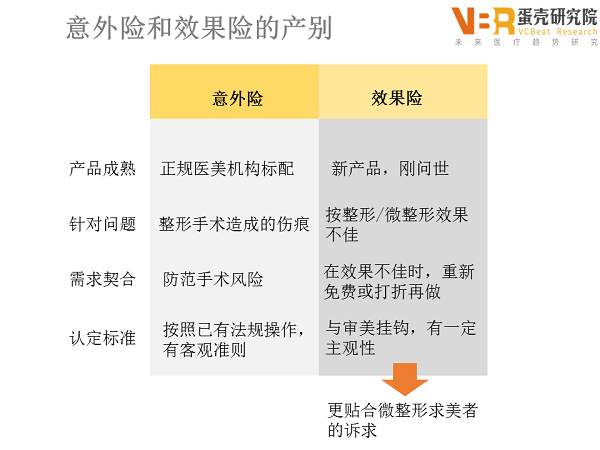
Accident insurance has become standard at many reputable medical aesthetic institutions, yet it fails to address the primary concern of aesthetic seekers. For these individuals, scarring is a low-probability event, while dissatisfaction with aesthetic outcomes represents their greatest worry. In other words, their focus is not on compensation for scarring, but rather on whether they can undergo revision procedures free of charge or at a discounted rate if unsatisfied with the results. This demand was nearly impossible to meet under traditional insurance product models. However, within the ecosystem of "Internet Plus" and big data, innovation and customization of insurance products tailored to specific consumption scenarios have emerged as a new trend, significantly increasing transaction frequency and volume across various niche segments.
Currently, the only notable attempt in this area is Oxygen Insurance, a collaboration between Wukong Insurance and So-Young. This initiative aims to address the pain point in current medical aesthetics insurance, which typically covers only disability but not scarring. It establishes clear underwriting standards for complications such as embolism, swelling, pain, infection, scarring, and asymmetry, and provides coverage for aesthetic outcomes. However, since aesthetic results involve a degree of subjective judgment, precise quantification poses technical challenges. Therefore, outcome-based insurance may require stronger technological support, such as big data and artificial intelligence, as well as pre-procedure 3D scanning and 3D printing, to clearly define patients’ expectations before treatment.
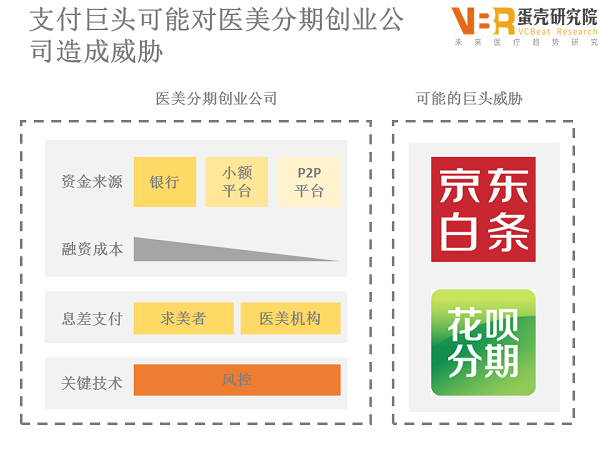
4. Strong consumer demand for installment payments makes risk control critical, with potential competitive threats from Ant Group’s Huabei and JD.com’s Baitiao.
The wave of startups in medical aesthetics installment financing began in late 2015, with the successive launches of products such as Mei Fenqi, Meimei, Meimei Fenqi, Li Fenqi, Meme Dai, Liren Dai, Yimei Fenqi, Vivian Fenqi, and Yimeijian. Although the market share of medical aesthetics installment financing currently represents only a small fraction of the overall medical aesthetics market, it constitutes an incremental market segment. For beauty seekers, there is strong demand for installment payment options, particularly among young white-collar workers with limited liquidity. For medical aesthetics institutions, these installment products lower the entry barrier for consumers, thereby helping to increase revenue.
The profit model of installment plans for medical aesthetics is based on interest rate spreads. Currently, the distinction among the business models of various medical aesthetic installment platforms lies in which party serves as the payer. One type, represented by Li Fenqi, relies on credit card payments, with the interest spread paid by the beauty seekers. The other type, represented by Mei Fenqi, has the medical aesthetic institutions cover the cost. The capital is not provided by the startup companies offering these installment services but is raised through other financial channels. Classified by funding sources, these include commercial banks, microcredit companies, and P2P lending platforms. The former conducts business by linking to credit cards; its advantages are simple procedures and no occupation of the primary card’s credit limit, although it requires prior card issuance. There are significant differences in the cost of capital across different channels.
Based on public information and interviews, most startups in the medical aesthetics installment payment sector have failed to achieve positive cash flow. The most critical issue is that their risk control models have underperformed expectations, resulting in persistently high bad debt rates. In the early stage, many such startups lowered risk thresholds at all costs to capture market share and meet KPIs set by their marketing departments. In the middle stage, the sophistication of their risk control models lagged behind, failing to effectively manage risks. In the later stage, frequent medical disputes arose; some patients, dissatisfied with cosmetic outcomes—whether due to objective technical shortcomings or subjective aesthetic preferences—refused to continue making installment payments. While some medical aesthetics installment companies publicly claim bad debt rates of 2–3%, the actual figures are far higher.
A significant number of players, including those affiliated with the Putian medical network, have entered this field, and some fatalities have been reported. Since scenario-based risk control relies on credit data, it may face competition from the installment payment services offered by giants such as Alibaba and JD.com.
5. Beauty Industry Entrepreneurship: The Next Potential Boom Point
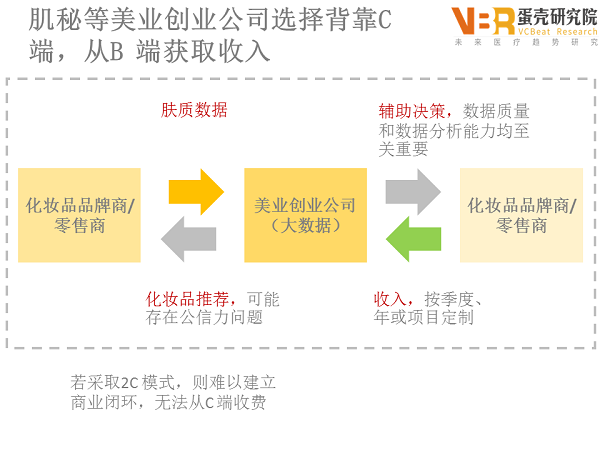
The consumer base for medical aesthetics significantly overlaps with that of the beauty industry’s makeup and skincare segments, giving rise to several startups such as Jimi, Meike, and HwaHae. Traditional beauty consumers tend to rely heavily on interactions with in-store cosmetic sales consultants at physical retail locations, lacking sufficient opportunities and channels to independently understand their skin characteristics or learn about cosmetic and skincare products.
Against the broader backdrop of consumption upgrading among the middle class, consumers in the beauty and wellness industry have raised their expectations and demands. The traditional approach—relying on advertising, low prices, and subsidies to retain users before monetizing through additional services—is no longer viable. This model not only risks cementing a low-end brand image and driving away high-net-worth, high-value customers, but also fails to establish genuine consumer relationships due to heavy upfront cash burn. As a result, it primarily attracts price-sensitive consumers and has fallen out of favor with investors.
Newly emerged, technology-driven startups in the beauty industry first collect consumer data through skin analysis, then leverage various data mining techniques to match suitable cosmetic ingredients. In this way, the beauty data analytics derived from consumers can provide decision-making support for cosmetic brands and retailers, enabling these startups to generate revenue by serving B-end clients. This model is similar to that of Gudong Lemon’s anti-aging centers, which use smart hardware to collect user data and recommend personalized solutions after analysis. Its advantage lies in the larger volume of data, while its drawback concerns data validity. However, considering the high marketing costs incurred by traditional cosmetic companies, every 1% improvement in model accuracy can result in substantial cost savings. Throughout this process, data ownership and analytical capabilities become the core competitiveness of these startups.

The medical aesthetics industry has seen a surge in technological innovations, such as beauty robots, VR-based aesthetic experiences, 3D scanning, and 3D printing. Among these, the advancement from 3D scanning to 3D printing deserves particular attention.
Acknowledgments: This article specially thanks Wu Yangkeyue from Xiaofanzhuo for the assistance and suggestions provided.
To download the full PDF version, please follow the official WeChat account of VCBeat and reply with the keyword “Medical Aesthetics"Acquisition
By VCBeat. Please credit the WeChat Official Account when reposting.VBResearch2016
↓↓↓