

Youmai Medical Clinic's Innovative Implementation of Tiered Healthcare through the 'Second Opinion for Critical Illnesses' Model
Re-diagnosis of Critical Illnesses, also known as second-opinion services (referred to abroad as “The second opinion”), aims to ensure that the initial diagnosis did not involve missed or misdiagnoses, thereby providing patients with an authoritative assessment and treatment plan. Currently, few medical institutions in China offer this service.
VCBeat (WeChat: vcbeat) interviewed Beijing Youmai Medical Clinic, which began prominently promoting its “serious disease re-diagnosis” (i.e., second-opinion diagnosis) model in the second half of last year. The clinic submitted a report on its practical experience to the national competent authorities, which received comments and affirmation from Vice Premier Liu Yandong of the State Council.
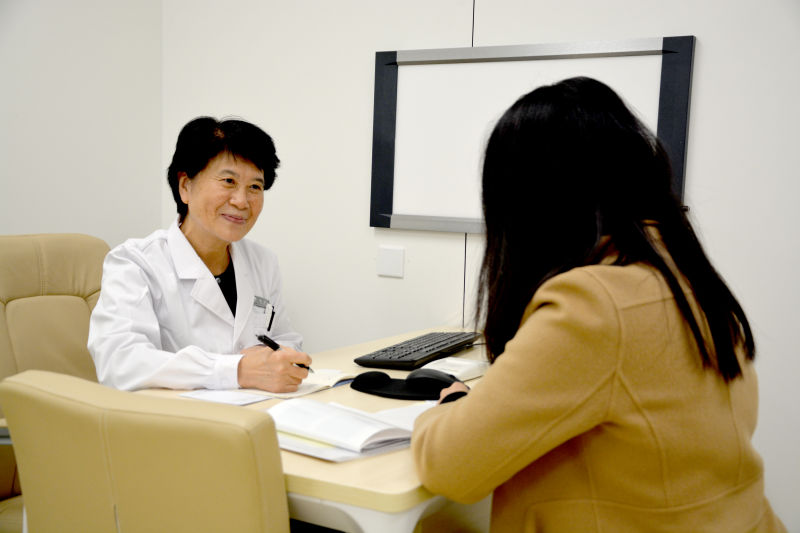
Dean Xu Ling of Youmai Medical Clinic Diagnoses and Treats Patients
Medical resources in China are not only scarce but also highly unevenly distributed. In North China, for example, Peking Union Medical College Hospital (PUMCH) attracts a large volume of patients seeking medical consultations. Youmai Clinic, located adjacent to PUMCH, also receives patients from across the country. During the consultation process, Youmai Clinic has observed that many visiting patients are not there for initial diagnoses; instead, they bring comprehensive test reports and medical images. This is also a characteristic feature of patient visits at PUMCH.
Why do patients from across China flock to Peking Union Medical College Hospital (PUMCH) for treatment? One reason is that regional, municipal, and county-level hospitals lack the corresponding diagnostic and therapeutic capabilities. Another reason is that patients seek opinions and treatment plans from authoritative experts when facing major or complex conditions, leading to an inversion in the distribution of high-end medical resources. In reality, however, due to its high patient volume, PUMCH also faces challenges such as short consultation times and insufficient deliberation.
Youmai Clinic was established by retired specialists from Peking Union Medical College Hospital (PUMCH) who continue to contribute their expertise. Its core medical and nursing team also hails from PUMCH, ensuring a high level of professionalism and authority. Additionally, Youmai Clinic adheres to a “30-minute consultation” model, allowing for thorough understanding and communication regarding patients’ medical histories, test results, and other relevant conditions.
According to Ms. Dai Jinjin, head of Youmai Clinic, the 30-minute consultation slot reflects the sense of responsibility and professional ethics of senior experts from Peking Union Medical College Hospital. By optimizing pre-consultation communication and appointment scheduling, the number of patients seen by each expert can be reasonably managed. Based on a 30-minute allocation per patient, each expert’s daily caseload is capped at approximately 15 patients. This approach not only facilitates thorough doctor-patient communication and alleviates tensions in doctor-patient relationships, but also ensures that patients receive the most accurate diagnoses and treatment plans.
“According to the follow-up survey conducted by Umai Clinic, overall patient satisfaction exceeded 95%.”
In addition, Youmai Clinic provides patients with full-cycle health management, offering regular post-consultation reminders for medical check-ups and rehabilitation plans, along with recommendations on diet and lifestyle. The recommended post-consultation check-ups and rehabilitation plans are generally intended to be carried out locally by the patients. Although Youmai Clinic is capable of providing initial consultations and examinations, it does not derive profit from these services.
This is also determined by Youmai’s unique conflict-of-interest mitigation mechanism. It is understood that specialists participating in the consultations receive only consultation fees, which are not linked to costs for diagnostic tests or medications; free from financial conflicts of interest, their clinical decision-making process is more independent.
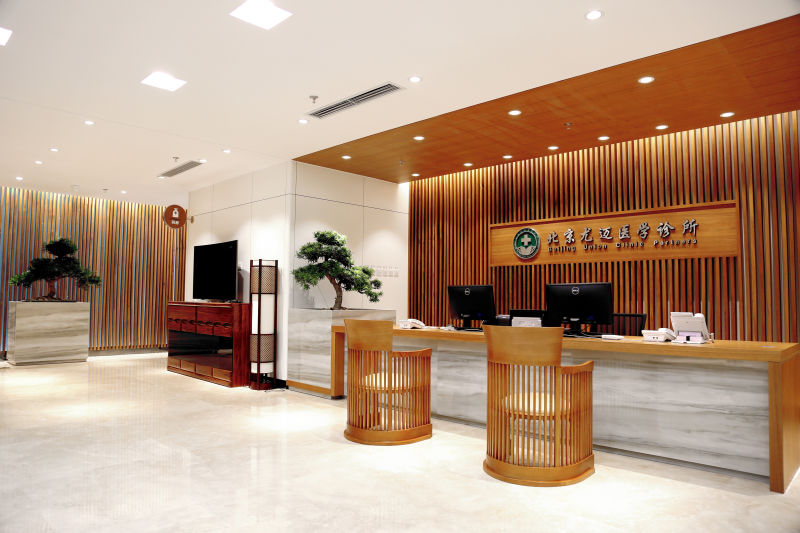
Exterior View of Youmai Medical Clinic
In fact, the model of separating prescribing from dispensing and implementing tiered diagnosis and treatment aligns closely with the key priorities of healthcare reform. According to Ms. Dai Jinjin, in August last year, Youmai Clinic submitted the “Report on the Practice of Second Opinions for Serious Diseases” to the State Council. Liu Yandong, Vice Premier of the State Council, provided the following written instructions: “Retired experts from Peking Union Medical College Hospital are continuing to contribute their expertise by actively participating in privately run medical services, meeting diverse societal needs, controlling unreasonable costs, and exploring innovative approaches—a practice worthy of affirmation.”
Ms. Dai Jinjin explained that the critical illness re-diagnosis, or so-called second opinion services, offered by U-Med can help alleviate the strain on healthcare resources at major hospitals. U-Med generally recommends that patients undergo examinations and treatment locally, with U-Med providing only the diagnostic and treatment plan along with a list of essential tests. This approach enables effective utilization of local medical resources, facilitating initial diagnosis at primary care institutions and implementing a two-way referral system.
Tiered diagnosis and treatment is a key focus of current healthcare reform. The model of expert-led consultation plays a significant guiding role: experts determine treatment plans and refer patients to primary care institutions, which not only resolves the issue of patients seeking medical care through multiple referrals but also provides grassroots medical units with practical clinical experience. Meanwhile, the Youmai Expert Team places strong emphasis on cultivating the next generation of healthcare professionals. Physicians at local hospitals who treat patients can receive guidance from the Youmai Expert Team, which greatly benefits the development of the grassroots medical workforce.
“Medical resources are not easily mobile, which was the reason for the previous difficulties in implementing tiered diagnosis and treatment. However, by guiding patients and enhancing communication within the system, the pathway to achieving tiered diagnosis and treatment is promising,” said Ms. Dai Jinjin.
VCBeat noted that this model could be integrated with the internet to enable remote consultations. When reporters proposed this idea to Ms. Dai Jinjin, she stated that senior experts from Peking Union Medical College Hospital are rigorous in their diagnostic approach, placing great emphasis on traditional Chinese medicine’s four diagnostic methods—inspection, auscultation and olfaction, inquiry, and palpation—and stressing direct communication and interaction with patients. They determine treatment plans based on patients’ specific clinical presentations, an advantage that internet-based telemedicine lacks.
Youmai has already launched online appointment registration, and post-consultation communication can also be conducted via the internet. In the future, it will continue to deepen its use of internet technologies to improve the efficiency and satisfaction of medical consultations.
It is worth noting the investor behind Youmai Clinic: Beijing Mianshi Investment. According to Ms. Dai Jinjin, their investment in Youmai Clinic was not driven by profit motives, but rather as a form of social giving back. Recently, Youmai Clinic entered into an intent-based partnership with the Chinese Red Cross Foundation to solicit 5,000 case studies across China for research on “second opinions for serious illnesses.” Selected patients will receive complimentary diagnostic services from experts participating in this initiative.
When asked about future plans, Dai Jinjin stated that Youmai will strengthen health management and case management, providing patients with full-cycle, sustainable health solutions and delivering compassionate care. This is indeed a key development direction for the second-opinion market. Also promising is the deep integration of second opinions with insurance and high-end financial services, making them an indispensable component of healthcare delivery.
VCBeat (WeChat ID: vcbeat) has found that several companies in China are currently promoting second-opinion medical services, including Haorensheng Insurance Group, CITIC Credit Card Services, Yihu Doctor, and 39 Internet Hospital.
Hao Rensheng’s approach involves integrating second-opinion services into health insurance products. When a customer files a claim for a critical illness, Hao Rensheng provides a second diagnosis from renowned physicians to help confirm the diagnosis and optimize the treatment plan. Beyond enhancing customer satisfaction with health insurance, a key objective of this strategy is cost containment.
“Cost containment” is one of the core objectives of second-opinion services in the United States, a practice closely tied to the country’s unique health insurance system. Under this system, coverage is jointly funded by employers and individuals and underwritten by commercial insurance companies. To optimize treatment plans and minimize costs as much as possible, insurers engage their affiliated medical teams in the diagnostic and therapeutic process. For serious or complex conditions, multiple rounds of consultations are typically conducted, giving rise to what is known as “The second opinion.”
Commercial medical insurance in China remains imperfect, with second-opinion services embedded within life and health insurance products. Beyond the proactive initiatives by Hao Rensheng, many life insurers offer similar services, such as expert panel consultations and health management.
Furthermore, internet healthcare teams, such as those in mobile health, have also begun to venture into the second-opinion consultation model. Yihu Doctor, whose core business is an expert appointment and follow-up platform, proposed last year its intention to offer second-opinion services; however, compared with its primary operations, second-opinion consultations are not a core focus.
This July, 39 Internet Hospital, which focuses on telemedicine services and second opinions for complex and critical conditions, secured RMB 50 million in angel-round financing. The company claims to adopt a telemedicine model to implement tiered diagnosis and treatment, providing patients with better treatment plans. This enables patients with complex and critical illnesses in remote areas to access professional and authoritative medical services close to home. Currently, this appears to be the most suitable approach for promoting second-opinion consultations across society.
At the end of the interview, Dai Jinjin stated that as a pioneer in second-opinion consultations and re-diagnosis for critical illnesses, Youmai will steadily expand this model while accumulating operational experience. In the future, it may establish a certain number of “critical illness re-diagnosis” centers across China. Meanwhile, the market for second-opinion services remains vast and awaits continued development.