

Genetic Testing: An Emerging High-Potential, High-Valuation Sector Still in Strategic Layout Phase | 2016 Annual Review
In 2013, Hollywood superstar Angelina Jolie underwent a preventive double mastectomy due to her carriage of cancer-causing genes, thereby bringing genetic testing (Genetic testing) into the public eye.
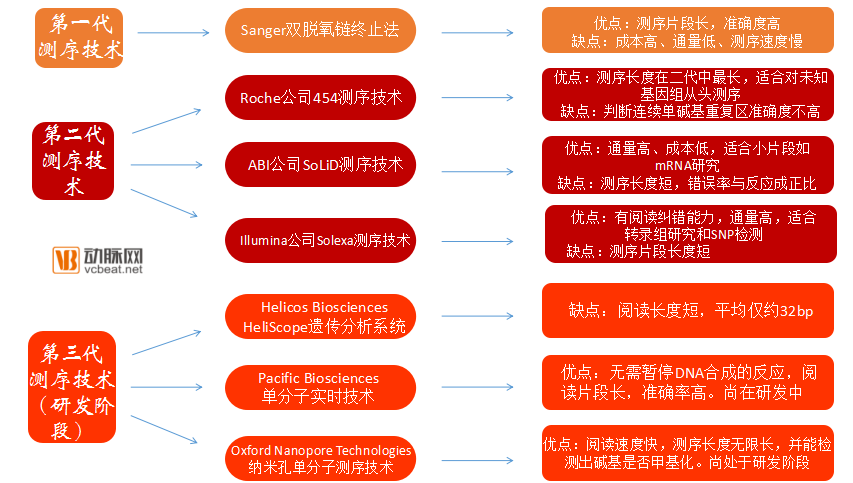
Gene testing technology originated in 1994, when the United States pioneered colorectal cancer genetic screening in certain populations. With the completion of the Human Genome Project, human understanding and mastery of genetic information have advanced unprecedentedly. From the first-generation direct detection technologies represented by Sanger sequencing and indirect sequencing technologies represented by linkage analysis, to the emergence of next-generation sequencing (NGS) technologies such as Illumina’s Solexa and ABI’s SOLiD in 2005, gene testing platforms at the molecular level have continuously developed and improved. The efficiency of gene testing has steadily increased, turnaround times have significantly decreased, and testing methods have undergone revolutionary changes. Meanwhile, the cost of gene sequencing has dropped from $100 million in 2001 to just $1,000 today, further driving gene testing technology toward large-scale, commercialized development.
By analyzing genetic information from DNA samples, gene testing technology can predict the likelihood of developing various diseases, as well as individual behavioral traits and tendencies, such as cancer or leukemia, athletic potential, and alcohol tolerance. As the technology continues to mature, gene testing-related products and services have gradually moved from laboratories into clinical practice and everyday life. The applications of gene testing span oncology, genetic disorders, sports health, biopharmaceuticals, and maternal and child reproductive health, serving as a foundational support for precision medicine. In 2010, next-generation sequencing (NGS) technology was named one of the “Top Ten Scientific Breakthroughs” by Science magazine. It is fair to say that gene testing technology is the next world-changing innovation.
In recent years, China’s genetic testing sector has experienced explosive growth, emerging as a focal point for both clinical diagnostics and scientific research. The scope of genetic testing has expanded beyond the specialized domain of monogenic disorders to encompass complex diseases and personalized applications, such as targeted gene panel testing, individual exome sequencing, and whole-genome analysis.
The application of genetic testing in the clinical field is mainly reflected in the auxiliary diagnosis of diseases, with non-invasive prenatal testing (NIPT) as a representative example. Currently, genetic testing has been widely used in disease risk prediction, clinical diagnostic assistance, early cancer screening, personalized medication, biopharmaceuticals, and other scientific research fields.
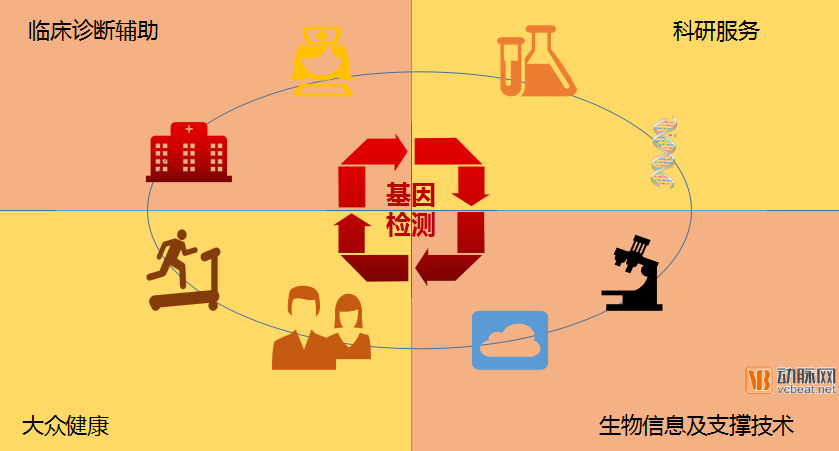
Subsectors of the Genetic Testing Industry
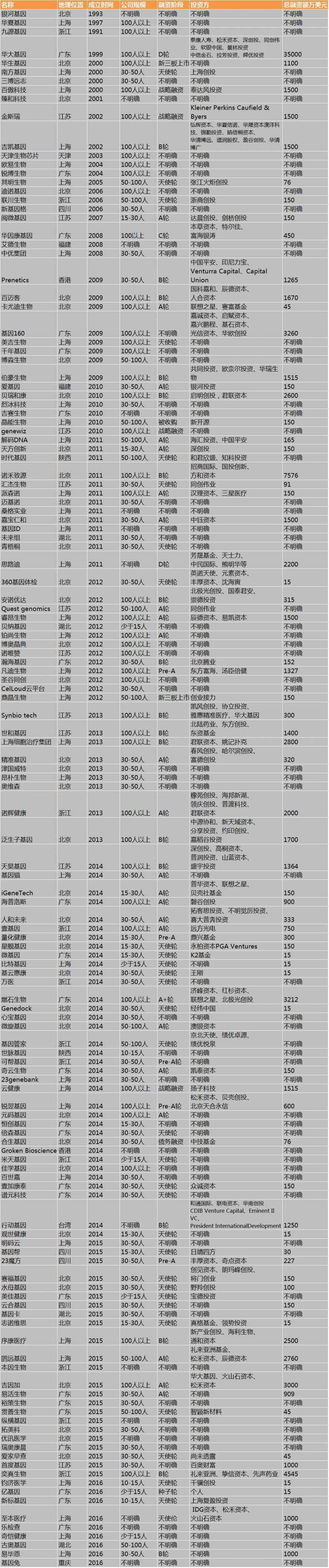
Technological advancements and significant cost reductions have driven the widespread adoption of genetic testing, making it no longer a mysterious and inaccessible technology for the general public. This has also led to a surge in startups in recent years. We have compiled data on 137 companies involved in genetic testing, categorized by project name, founding date, geographic location, and financing history. The data is current as of November 2016 (excluding cases with unclear financing information), and the total financing raised by these genetic testing companies exceeds $1 billion.
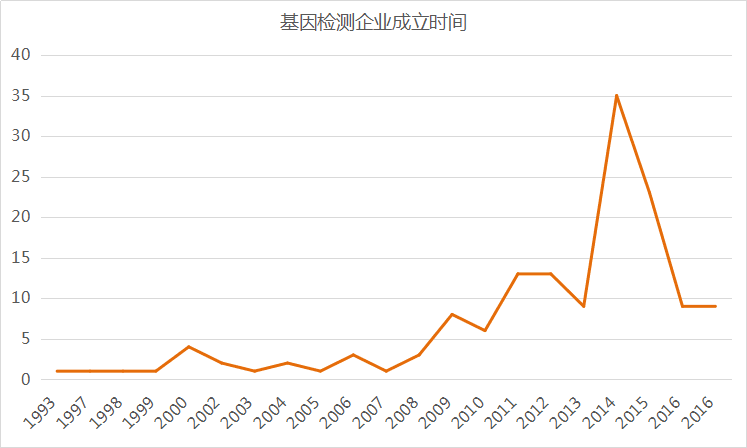
In the late 1970s, the first generation of DNA sequencing technology, known as Sanger’s dideoxy chain-termination method, was introduced, significantly advancing the field of molecular biology. In 1997, Yang Huanming, Yu Jun, Wang Jian, and others proposed a forward-looking strategic framework for the Chinese Human Genome Project, laying the foundation for the development and future of genomics in China. The Human Genome Center of the Institute of Genetics, Chinese Academy of Sciences, was officially established in Beijing. In 2000, the “working draft” of the Human Genome Project was completed through the collaborative efforts of 16 centers across six countries: the United States, the United Kingdom, Germany, Japan, France, and China. However, due to the low data throughput, high sequencing costs (the cost of completing the human genome sequencing in 2001 was $100 million), and reliance on manual operations associated with first-generation sequencing technologies, their application in genetic analysis was limited, and the number of genetic testing companies remained exceedingly scarce. During this period, established Chinese genetic testing companies such as Daan Gene and BGI emerged, marking the nascent stage of China’s genetic testing industry.
In 2005, Roche launched the 454 Genome Sequencer based on pyrosequencing technology, marking the advent of the next-generation sequencing (NGS) era. In 2007, Applied Biosystems (ABI) introduced the SOLiD system, a next-generation high-throughput sequencing platform that innovatively employed di-base encoding technology, making it the most accurate sequencing technology to date. The Illumina Solexa Genetic Analyzer was subsequently launched; although it produced shorter read lengths compared to its predecessors, it offered higher throughput and lower costs. As sequencing technologies continued to advance, global sequencing costs declined year by year. In 2010, BGI purchased 128 HiSeq 2000 sequencers from Illumina, becoming the genomic center with the largest sequencing throughput worldwide. New-generation gene sequencing companies such as Berry Genomics, Biomarker Technologies, and Huayinkang emerged successively. China’s genetic testing industry was in its incubation phase.
After 2011, the number of startups began to surge, and genetic testing gradually moved closer to clinical and public health applications. In 2014, Illumina released a new high-end gene sequencer capable of accurately determining whole-genome sequences, bringing sequencing costs into the “thousand-yuan era.” Cost control further facilitated the popularization and promotion of genetic testing, leading to a comprehensive boom in China’s genetic testing industry in 2014.
From 2015 to 2016, although the number of domestic genetic testing startups declined slightly, the sector continued to experience explosive growth. The ongoing marketization and commercialization of genetic testing led to a surge in sequencing data, rendering the speed of whole-genome data analysis insufficient to meet demand. Consequently, effectively reducing the storage space required for DNA data has become an urgent challenge. Biotechnology has begun to collaborate with information technology to jointly address the challenges associated with large-scale storage and computation of genomics data. Meanwhile, aligning with the “Internet Plus” trend, genetic testing has formed cross-industry partnerships to explore additional channels. Genetic testing is ushering in a new era.
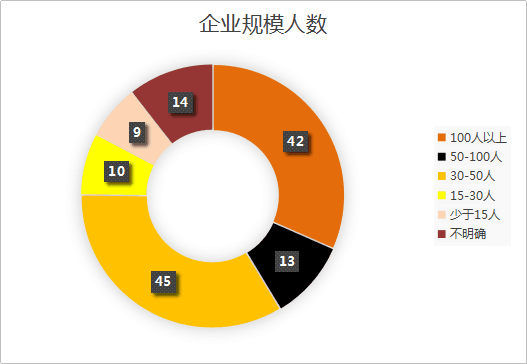
Genetic testing companies primarily provide service-oriented or research-based solutions, with minimal involvement in manufacturing processes. Coupled with their reliance on internet-driven business models, which eliminate the need for dedicated sales teams, these companies rarely scale to a large size. Due to the homogeneity of their services and distribution channels, company sizes tend to cluster in the range of 30–100 employees. Nevertheless, some companies exceed 100 employees, driven by their specific scale, strategic footprint, or business models.
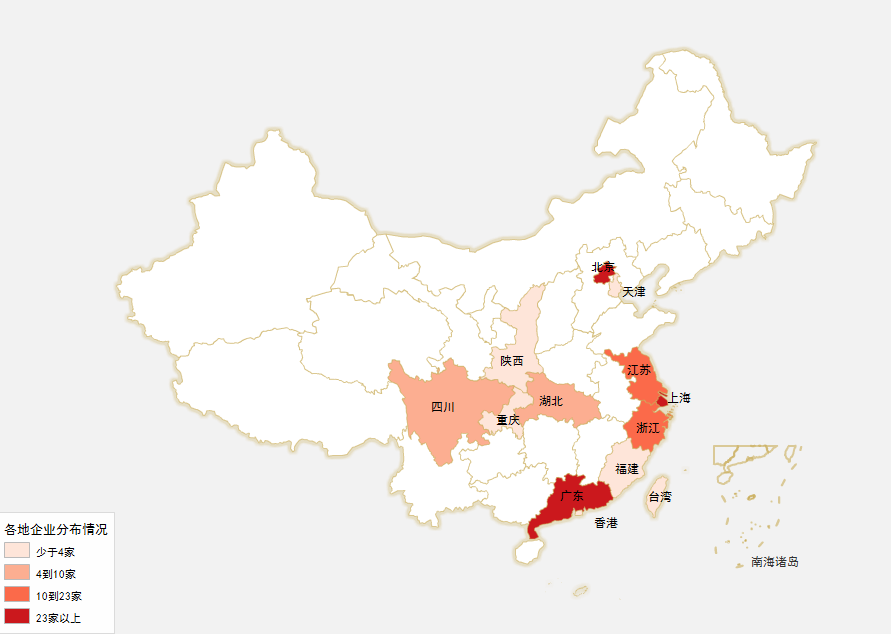
Genetic testing companies are primarily concentrated in Beijing, Shanghai, and Guangdong, with 40, 36, and 23 enterprises respectively. The Jiangsu-Zhejiang region follows, with 10 companies in Jiangsu and 11 in Zhejiang. As coastal open cities, these areas boast advanced economic and scientific research capabilities. Given that genetic testing is a cutting-edge emerging technology with high entry barriers, it is natural for companies to establish themselves in such locations. Although Beijing is not a coastal city, its status as the capital ensures unparalleled talent resources and economic strength, resulting in the highest number of genetic testing companies nationwide. Inland provinces along the Yangtze River, such as Sichuan and Hubei, also host a portion of genetic testing enterprises (four each). Startups in these regions were founded relatively later, suggesting a trend of expansion into inland areas.
Startup Financing Rounds
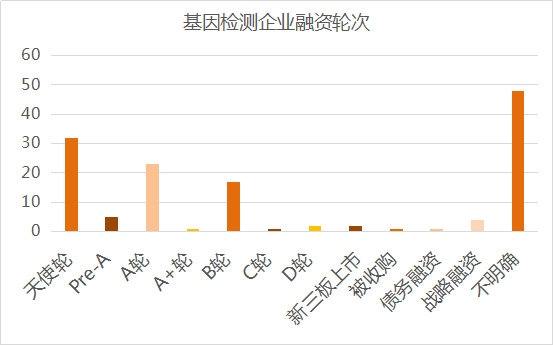
Of the 137 companies, 90 have secured financing, primarily at the angel and Series A stages. Seventeen companies have progressed to Series B or later, with BGI Genomics and 3D Medicines having completed their Series D financing rounds. Although most companies remain in the early growth stage, some have entered phases of stable growth and maturity. After years of development, genetic testing companies are gradually maturing.
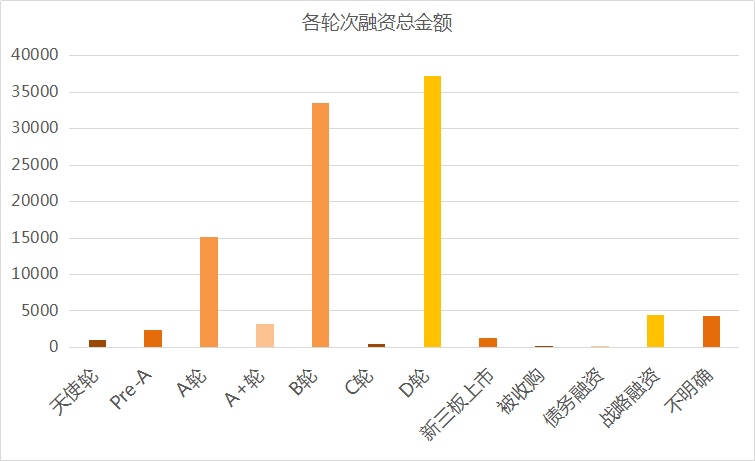
In 2016, 34 companies secured financing, with 23 of them at the angel or Series A stage and raising amounts mostly exceeding RMB 10 million. However, the majority of capital entering the market was still absorbed by companies beyond Series B. How to achieve rapid growth in an environment where star enterprises have already emerged remains a challenge for startups.
In January 2016, GeneChem, a comprehensive provider of gene research services, announced the completion of its RMB 100 million Series B financing round. Investors included Honghui Capital, Huaxia Xinnuo, Huasheng Capital (a fund under China Renaissance), and Aoyang Technology, among others.
In January 2016, ViewSolid Biotech, a biotechnology company in the field of genetic testing, secured tens of millions of RMB in Series A financing from Fortune Capital. ViewSolid Biotech is dedicated to research on genotyping and genetic testing technologies, providing related technical services to scientific researchers. Meanwhile, it has developed a range of high-quality molecular biology products, offering powerful tools for researchers.
In January 2016, Shanghai Ruikang Biotechnology secured hundreds of millions of RMB in Series A financing, with Chende Capital and iCapital as investors. With years of experience in the field of molecular diagnostics for leukemia, the company currently offers four universal gene panels targeting different types of leukemia patients. By integrating genetic testing with leukemia diagnosis, it has established a one-stop diagnostic and therapeutic system covering initial diagnosis, disease subtype classification, medication guidance, prognosis assessment, follow-up visits, and minimal residual disease (MRD) detection. Additionally, in response to clinical customer needs and suggestions, the company has launched NGS panels targeting solid tumors with high incidence in China, further enriching its product portfolio and providing personalized diagnostic and therapeutic services to clinical customers and patients.
In January 2016, Tianfang Innovation, a genetic testing technology service platform, secured tens of millions of RMB in Series A financing from Shenzhen Capital Group. By integrating genetic testing with big data technologies, the company provides customized and precise health and medical services.
In January 2016, GeneBang completed a RMB 2 million angel financing round, with Sifang Ventures as the investor. GeneBang is a trading platform for biological products and services, offering an integrated service platform that combines “bioinformatics analysis, laboratory services, and product procurement.” It establishes a shared platform for both supply and demand sides, linking their resources to enable researchers to obtain the most cost-effective and best-matched products and services in the shortest possible time.
In February 2016, Saifu Gene completed an angel financing round of tens of millions of RMB, with investors including Chuangjian Capital, Jiangmen Fund, and Longma Peak Ventures. Saifu Gene is a precision medicine service provider dedicated to improving the accuracy of clinical diagnosis and patient cure rates through gene technology. It also maps individual genomic information for health-conscious customers and provides personalized health recommendations. Its ultimate goal is to ensure that everyone has a “user manual” for their genes.
In March 2016, DecodeDNA completed its Series A financing round, raising tens of millions of RMB. The round was led by Haihui Venture Capital, with Ping An Venture Capital participating as a co-investor. This infusion of capital will provide strong momentum for the company’s business growth, advance the research and development of IVD kits and their certification by the China Food and Drug Administration (CFDA), and further optimize its product portfolio and industrial layout.
In March 2016, iGeneTech announced the completion of its Series A financing round, raising tens of millions of RMB. The round was led by a newly established healthcare industry fund under Puhua Capital, with participation from Legend Star and Beike She Fund. iGeneTech is a platform company positioned around technological innovation in biotechnology itself. With gene capture technology at its core, the company is committed to providing design, manufacturing, testing, and data services for genetic testing products to enterprises, clinical laboratories, and hospitals within the industry. Its business scope includes genomic capture, methylation capture, optimization of genome editing effects, and transcriptome capture.
In April 2016, Shanghai Cell Therapy Group secured RMB 185 million in Series B financing, with investors including Legend Capital and Yaoji Playing Cards. The Shanghai Cell Therapy Engineering Technology Research Center is a municipal-level engineering technology research center approved by the Shanghai Municipal Science and Technology Commission. It is an R&D institution and therapeutic platform dedicated to the full industry chain of cell therapy.
In April 2016, Starship Genomics announced the completion of a tens-of-millions-RMB angel financing round, invested by Yongbai (Shanghai) Investment Holding Co., Ltd., the China-based investment arm of Penta Global Advisers, a renowned private equity fund in the Asia-Pacific region. Starship Genomics is a genetic testing company serving both consumers and industry clients, dedicated to providing extremely convenient genetic testing services. These services enable users to better understand their health risks and physical characteristics, helping them prevent and intervene in potential health issues at an early stage. The company currently offers more than 40 products across four series: nutritional metabolism, health risks, physical characteristics, and innate traits. The funds will be used to expand the team and apply artificial intelligence to the field of genetic data mining.
In May 2016, the genetic testing company HaploX announced the completion of its RMB 50 million Series A financing round, with the investors undisclosed. It is understood that HaploX’s current core business comprises two main segments: cancer genetic testing and genetic testing for healthy individuals. The former involves performing genetic tests on blood or tissue samples from cancer patients to guide targeted therapy and monitor prognosis. The latter entails analyzing an individual’s genetic makeup to assess their risk of hereditary diseases, particularly hereditary cancers. HaploX’s core technology is ultra-sensitive liquid biopsy for tumors, which encompasses technologies for isolating, amplifying, sequencing, analyzing, and interpreting ultra-low quantities of circulating tumor cells (CTCs) or cell-free DNA (cfDNA) from peripheral blood.
In May 2016, Action Genes, a Taiwanese oncology technology company, announced that it had secured $12.5 million in Series B financing. The round was led by Hotung Group and CDIB Capital (the overseas investment arm of China Development Financial Holding Corporation), with participation from Eminent II VC, Hua Nan Venture Capital, President International Development, and UMC Capital (the investment arm established by United Microelectronics Corporation). Action Genes is dedicated to providing advanced clinical cancer genetic testing and clinical pharmaceutical information analysis reports, aiming to improve the quality of cancer treatment and implement personalized cancer therapy plans.
In June 2016, Prenetics, a Hong Kong-based innovative biotech company specializing in precision medicine, secured $10 million in Series B funding from Ping An Insurance of China and Lippo Group of Indonesia. Prenetics’ independently developed iGenes pharmacogenomic test predicts drug responses based on individual genetic differences by analyzing oral cell samples collected from patients, thereby assisting physicians in prescribing the most appropriate medications and dosages.
In June 2016, iGene secured tens of millions of RMB in Series A financing, led by Galaxy Investment, with participation from several other domestic institutions. The funds raised in this round were primarily allocated to two areas: first, technological investment to further strengthen its R&D and technical advantages; and second, market expansion to reach a broader range of sectors.
In June 2016, Geneseeq, a cancer genetic testing company, secured RMB 60 million in Series B financing from Beilu Pharmaceutical, Oriental Venture Capital, and Dongzi Fund. Among them, Beilu Pharmaceutical injected RMB 30 million into Geneseeq as additional capital, acquiring a 22.73% equity stake in the company upon completion of the capital increase.
In June 2016, Genowis secured millions of RMB in angel financing, with ZhenFund and Lingshi Investment as the investors. Genowis is a precision medicine technology service provider based on genomics, offering high-throughput, high-precision genomic data solutions for clinical and personal genomics. Its services include the design, implementation, and industrial incubation of research projects such as multi-omics integrated analysis of disease molecular mechanisms, dynamic monitoring of tumor treatment, and spatial molecular pathology analysis of tumors.
In July 2016, Lianchuan Bio, a genomics solutions platform, announced an angel round of financing amounting to tens of millions of RMB, with Zheshang Venture Capital as the investor. Through this round of financing, Lianchuan Bio will accelerate its layout in medical testing and precision medicine.
In July 2016, Synbio Tech secured tens of millions of RMB in Series B financing, with investors including Kaifeng Venture Capital, Xieli Investment, and Yahui Precision Medicine Fund. Synbio Tech is a biotechnology company specializing in DNA synthesis, dedicated to applications and development based on next-generation DNA synthesis technologies, and has built three globally leading “GPS” DNA technology platforms. Building upon Genotype (“G”) and Phenotype (“P”), it introduces the concept of Synotype (“S”).
In July 2016, Precision Genetics secured RMB 20 million in Series A financing from Chunfeng Venture Capital. Precision Genetics is a high-tech enterprise specializing in biological genetics. It integrates big data—such as genomic, proteomic, and metabolic small-molecule data—with clinical resources and research projects to enable personalized and precise screening, diagnosis, and treatment of clinically relevant diseases, as well as to promote the application of genetic testing technologies in China’s scientific research sector, with a particular focus on reproductive health and cancer prevention and control.
In August 2016, Genetron Health announced the successful completion of a $20 million Series A financing round. The round was led by Lilly Asia Ventures, with participation from Sinopharm Capital and Chende Capital. Headquartered in Shanghai, China, and San Diego, California, USA, Genetron Health holds proprietary patented technologies in single-cell sequencing, DNA methylation sequencing, and bioinformatics. The company’s main products and services include cancer diagnosis and personalized treatment, as well as non-invasive prenatal testing (NIPT). Committed to advancing precision medicine, Genetron Health strives to provide patients with early and accurate diagnostic and therapeutic information. This financing will support Genetron Health in the research, development, and commercial translation of non-invasive genetic sequencing tests for cancer and other genetic disorders. Additionally, Genetron Health will leverage this funding to further expand its R&D efforts and accelerate the market launch of new products related to cancer diagnosis and personalized treatment.
In August 2016, Genetron Health successfully completed a Series A financing round of RMB 200 million, marking the largest Series A investment in the liquid biopsy segment of China’s precision medicine sector to date. The round was led by BGI Genomics, with participation from Volcanic Stone Investment, Sinopharm Capital, and other investors. Genetron Health specializes in tumor genetic testing. Its mClone technology analyzes ctDNA data obtained from multiple liquid biopsies during treatment to monitor the dynamic changes of tumor molecular clones, assess the distribution and evolution of sensitive and drug-resistant clones, and provide reference information for subsequent therapeutic strategies after clinical progression. The primary use of this financing is to launch the cfDNA Baseline Project, which aims to establish a baseline database of tumors in the Chinese population through dynamic monitoring of cancer patients, thereby providing precise and critical genetic testing evidence for each step of clinical treatment for tens of millions of cancer patients in China.
In September 2016, Genetron Health (Beijing) Technology Co., Ltd. announced the completion of its Series B financing round, amounting to hundreds of millions of RMB. The round was led by Vcanbio Cell & Gene Engineering Corp., with participation from New Horizon Capital, existing Series A investors Fenxiang Investment and Joywin Capital, as well as Jiadao Gongcheng and other investment firms. Genetron Health is an innovative biotechnology company specializing in cancer genomics solutions, providing high-quality molecular diagnostic analyses to the general healthy population, cancer patients, and individuals at high risk for cancer in China. With nearly two decades of accumulated experience in cancer genomics research, Genetron Health is among the first gene technology companies in China to enter the field of precision oncology.
In September 2016, the gene sequencing company Xukang Medical secured RMB 140 million in Series B financing. The lead investor, New Industry Venture Capital, invested RMB 40 million; Haili Biological invested RMB 10 million; its affiliate, Tonghe Capital, together with Zhang Haiming, Chairman of Haili Biological, jointly invested RMB 40 million; and other investors collectively contributed RMB 50 million. The proceeds from this financing round will be used for Xukang Medical’s daily operations, including product research and development, business expansion, preclinical studies and clinical trials, product registration with the China Food and Drug Administration (CFDA) and other administrative approval-related activities, as well as marketing and sales.
In September 2016, Shanghai Zhiben Bio announced that it had secured $10 million in angel-round financing from IDG Capital, Sinowood Capital, and Volcanic Stone Capital. The company focuses on the field of oncology, leveraging advanced technologies represented by high-throughput next-generation sequencing (NGS) to comprehensively detect genetic abnormalities closely related to cancer treatment. Its current product portfolio comprises four major series—Su, Yuan, Zhi, and Ben—designed to provide personalized medication consultation and dynamic monitoring for cancer patients. The investment will be allocated to team building, product optimization, and the research, development, and clinical translation of the latest diagnostic and therapeutic technologies in oncology.
In October 2016, Shanghai Realbio announced the successful completion of a RMB 40 million Pre-A financing round, led by Shenzhen Songhe Innovation Capital, with participation from Hangzhou Beike Venture Capital Fund and Beijing Tianhe Yongxin. The funds raised in this round will be used for product optimization and upgrades, the recruitment of high-end talent, and the establishment of an independent clinical laboratory.
In October 2016, Hangzhou Yizhen Biotechnology secured RMB 200 million in Series B financing, with investors including Lilly Asia Ventures, Trustbridge Partners, and Simcere Pharmaceutical. Co-founded by Dr. George Church, a professor at Harvard Medical School and a pioneer in genetics, along with his team, Yizhen Biotechnology maintains offices in North America, Asia, and Europe, exerting global influence. Its management team boasts over a decade of experience in whole-genome sequencing, leveraging globally leading next-generation sequencing platforms and proprietary technologies to provide professional genetic testing products and services for clinical and consumer markets.
In November 2016, Novogene, a unicorn company, announced the completion of its Series B financing round, raising RMB 500 million. Investors included CMB International (a subsidiary of China Merchants Bank), SDIC Innovation Investment, and Fanghe Investment. Novogene is a provider of genomics solutions, dedicated to advancing the application of cutting-edge molecular biology technologies and high-performance computing in life sciences research and human health. Its business scope encompasses scientific services and medical healthcare.
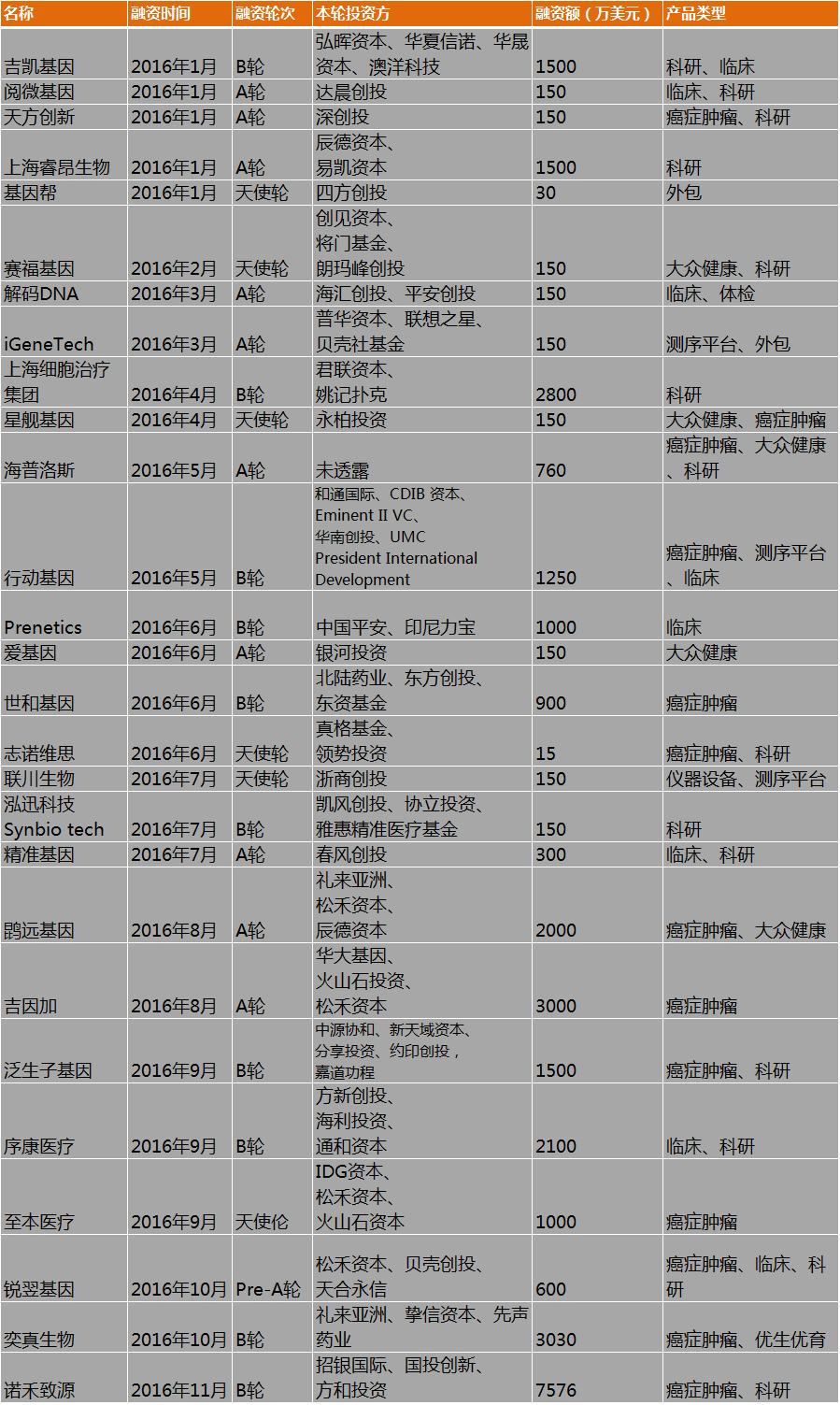
Although there was already a surge in startups in early 2014, nine genetic testing startups were still established in 2016. In 2016, there were a total of 33 financing and investment events related to genetic testing companies, with investment amounts mostly in the tens of millions of RMB. Among the funded companies, those serving the clinical sector accounted for a significant proportion, particularly services related to cancer and oncology, which is also the development direction for most genetic testing companies.
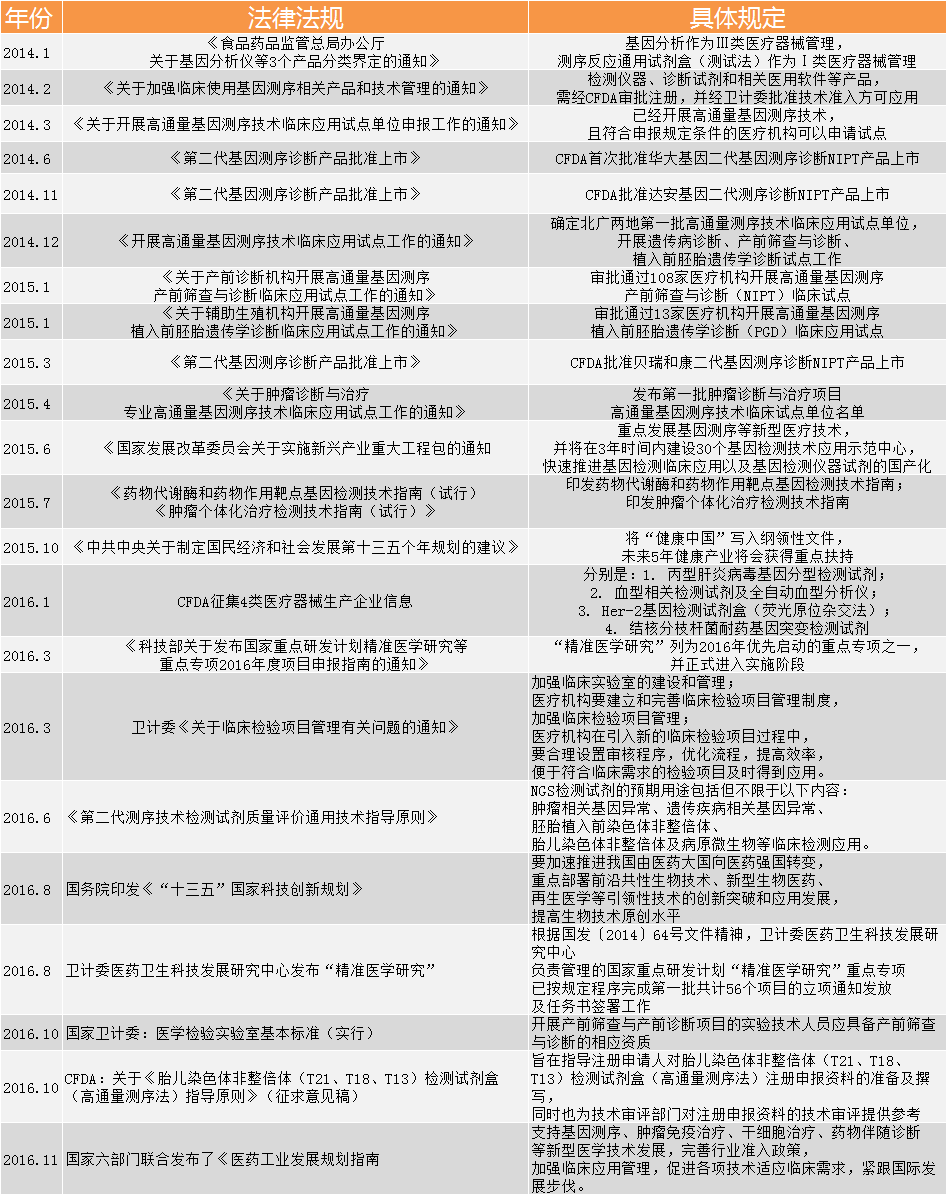
Overall, the national policy environment is favorable. The increasingly standardized and mature regulation of clinical-grade products also underscores the promising future prospects of this field.
Gene testing-related companies are currently one of the hottest sectors in “Internet + Healthcare.” While there are many startups in this field, their business models are often highly similar. Entrepreneurs must therefore consider whether to pursue differentiation or focus on flat, niche sub-segments.
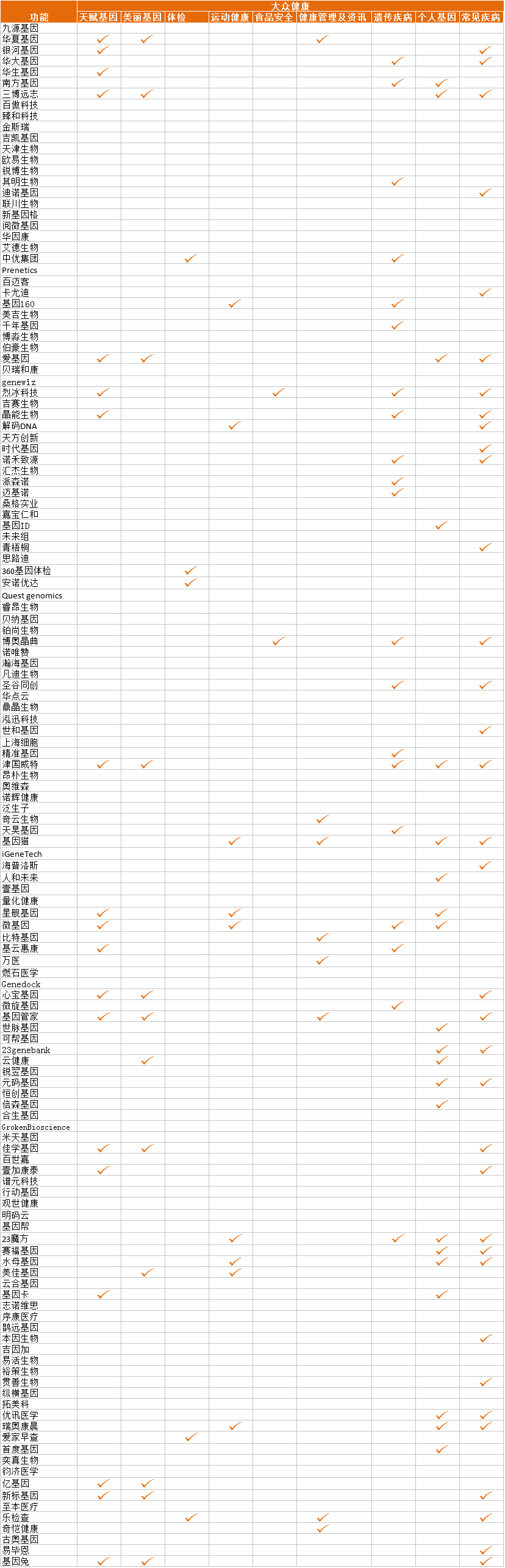
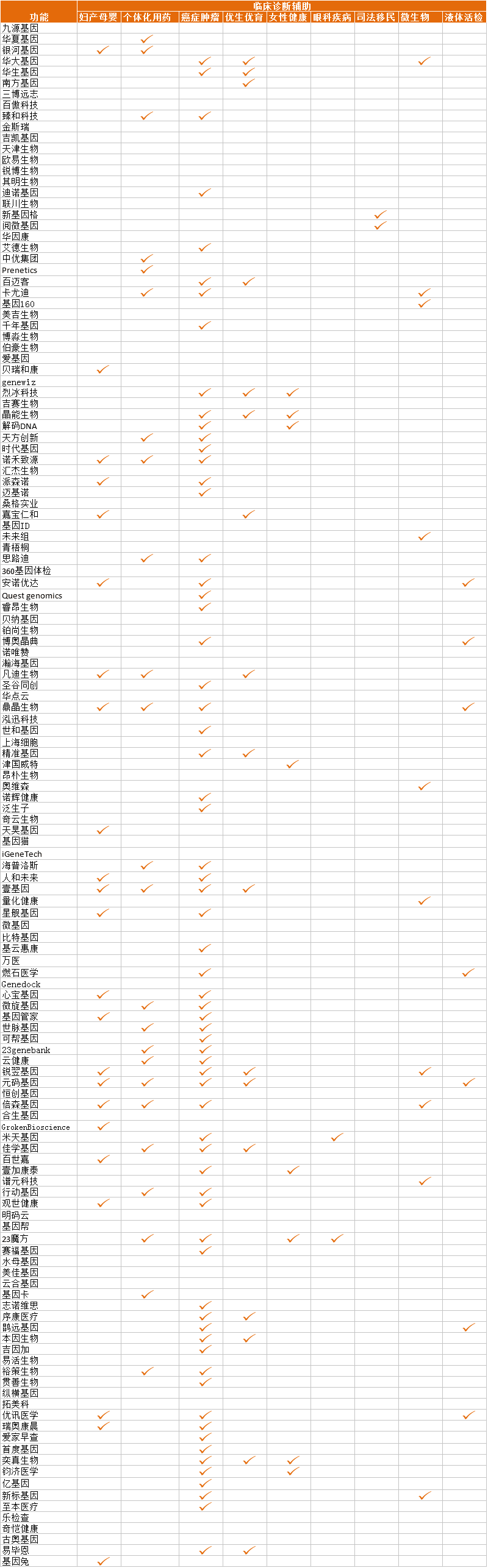
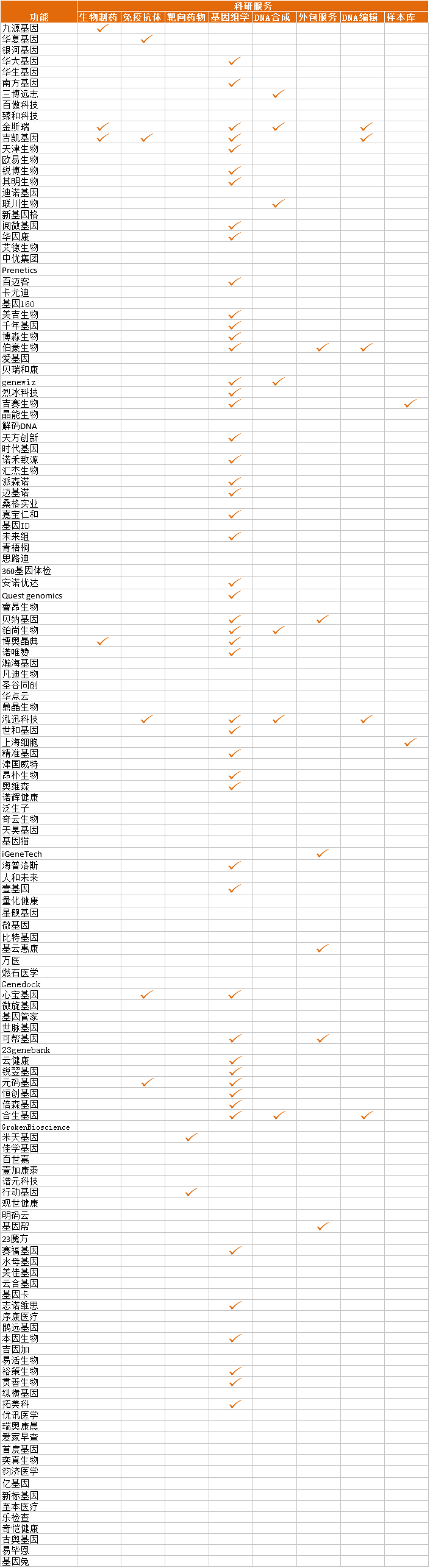
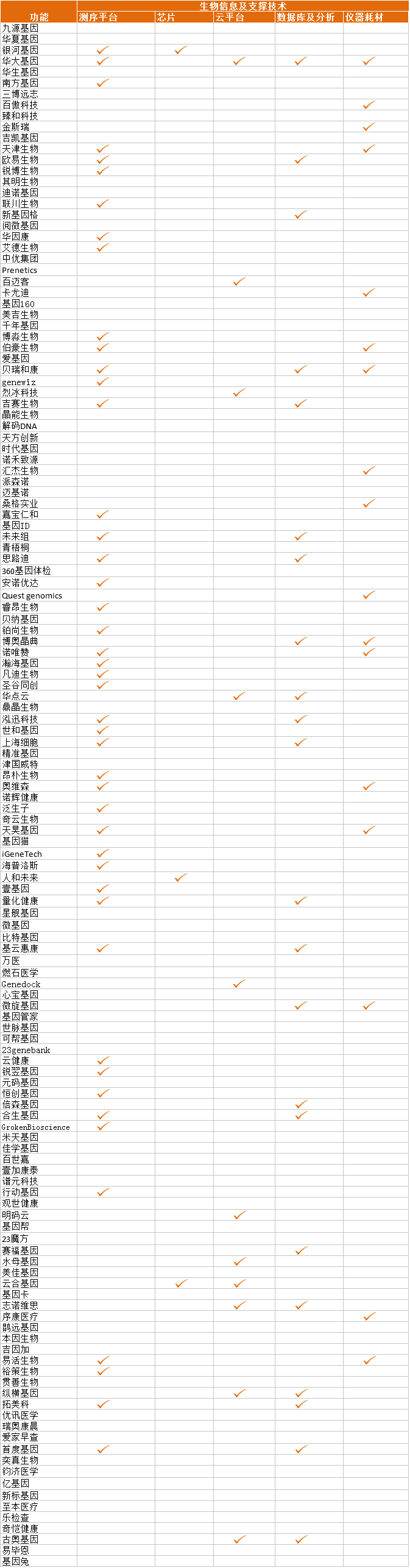
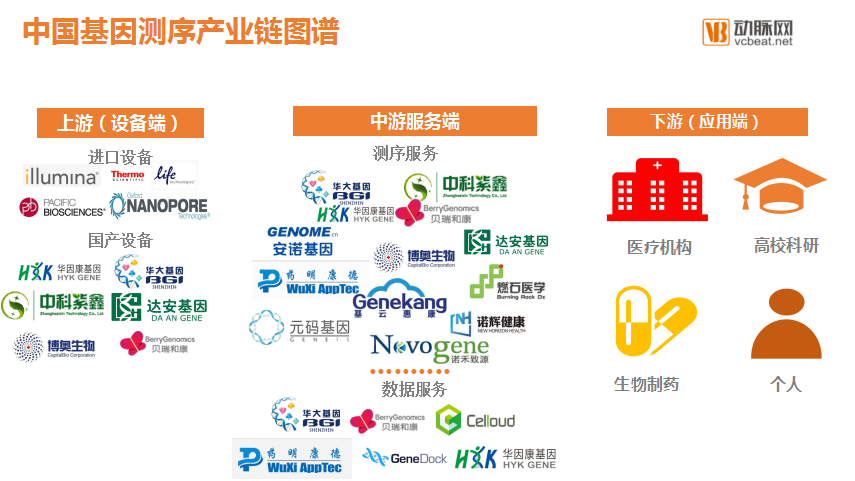
The gene sequencing market can be divided into three segments: the upstream market for sequencing instruments and reagent consumables; the midstream market for gene sequencing services; and the downstream market for bioinformatics analysis.
The upstream markets for sequencing instruments and consumables are nearly monopolized by European and American companies, with Illumina holding the largest market share; domestic related enterprises primarily enter the market from the mid-to-downstream segments.
The midstream and downstream markets target hospitals, pharmaceutical manufacturers, research institutions, and consumers, and can be categorized into mass health, clinical diagnostic support, scientific research services, and bioinformatics services.
The mass health sector primarily offers non-medical diagnostic services, including testing for talent-related genes, beauty-related genes, disease risk, and personalized genetic traits. It also provides exercise-related health and management services, mainly targeting individual consumers (B2C) to enable early intervention for health risks. The sector typically adopts an O2O (Online-to-Offline) model and can leverage the internet to collaborate and interact with companies in other fields, such as insurance and mobile health.
Clinical diagnostic assistance primarily encompasses eugenics and healthy reproduction, microbial testing, prenatal screening, early cancer screening and precision medication, as well as liquid biopsy. The most typical application is non-invasive prenatal testing (NIPT). Although NIPT falls under the broader category of liquid biopsy, it is listed separately due to the high level of activity in this field. NIPT utilizes next-generation sequencing (NGS) technology to sequence cell-free DNA fragments (including cell-free fetal DNA) in maternal peripheral plasma. Bioinformatic analysis of the sequencing results yields fetal genetic information, thereby enabling the detection of three major chromosomal abnormalities. Another key application lies in the field of oncology, where nearly all genetic testing companies are involved. Some companies focus mainly on cancer risk prediction and can be categorized under general public health services. These oncology applications include early cancer screening and precision medication for tumors.
Scientific research services can be divided into medical applications and non-medical applications: Non-medical applications include new methods for environmental pollution control through environmental microbial genomics research, oil reservoir exploration, and geological studies; they can also be used in areas such as livestock and crop breeding. Medical application services are utilized in the biopharmaceutical field, including research on biopharmaceuticals, immunotherapies, and targeted therapies; outsourced scientific research services; and additionally encompass certain genomics studies, such as mRNA transcriptome sequencing, as well as biobanking.
Bioinformatics and other supporting technology sectors primarily provide solutions and related services to genetic testing companies and healthcare institutions. For example, they offer sequencing platforms and data analysis services to medical institutions, supply instruments and consumables to research organizations, or provide bioinformatics cloud platforms and acceleration chips to address the data processing challenges currently faced by genetic testing enterprises.
The above summarizes several product models of genetic testing companies, which primarily focus on providing services and solutions. The revenue model is mainly based on service fees. The business model is predominantly B2B, while the B2C model mainly offers public health services.
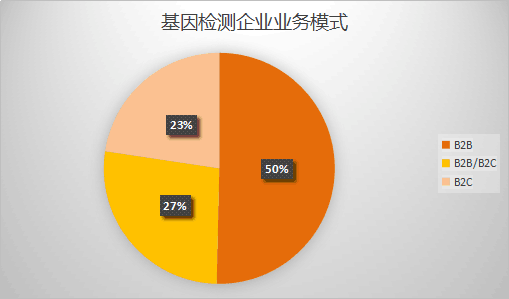
This service model is similar to online shopping. Users order services through websites or other channels, and the company mails the materials required for sample collection to them. After users complete the sample collection themselves (blood samples must be collected at a hospital), they mail the samples back to the company. Companies operating under this model are typically asset-light and do not require dedicated sales teams.
Compared to the former model, the B2B model has higher technical barriers and encompasses a broader range of product offerings and service segments. In terms of product types, it provides not only genetic testing services but also bioinformatics cloud platforms, big data analytics, and outsourced solutions. Regarding its service clientele, it covers medical institutions, academic and research organizations, as well as the biotechnology and pharmaceutical sectors.
Additionally, interactive models with other sectors via internet channels are also emerging:
Genetic testing companies are further refining their services and facilitating channel expansion by forming alliances with other industries, such as mobile health, insurance, and healthcare institutions. Taking the “genetic testing + insurance” model as an example: through collaboration, insurance companies offer insurance products linked to genetic testing services, providing corresponding claims settlements if users are diagnosed with covered conditions. For genetic testing firms, this model helps promote the adoption and popularization of genetic testing; for insurers, these new products attract a broader consumer base, while the unique nature of genetic testing enables insurers to engage more deeply in the healthcare process. Unlike the other two models, no company operates this as a standalone business model; instead, it is integrated with other models as a supplementary business channel.
In 1999, BGI entered the market by offering gene sequencing services and has since grown into the world’s largest gene sequencing organization. In 2013, BGI acquired Complete Genomics, beginning its upstream expansion along the industry chain. In 2014, two of BGI’s sequencers received approval from the China Food and Drug Administration (CFDA). In 2015, BGI launched BGI Online, a cloud-based platform for genomic data analysis, thereby entering the data analytics segment.
Roche, which started as a pharmaceutical company, gradually extended its reach into the upstream and midstream segments of the gene sequencing industry chain through acquisitions: it acquired 454 Life Sciences in 2007 and Genia Technologies in 2014 to establish a presence in the upstream market; in 2014, Roche also acquired the U.S. diagnostics company Ariosa to enter the non-invasive prenatal testing (NIPT) field, thereby venturing into midstream sequencing services; in the same year, Roche further acquired the bioinformatics company Bina, achieving comprehensive coverage across the entire industry chain.
Illumina started with gene sequencing equipment and is now expanding into the midstream segment of the industry chain. In 2012 and 2013, Illumina acquired BlueGnome and Verinata Health, respectively, marking its entry into the midstream sequencing services sector. In 2012, the company launched BaseSpace, a cloud computing platform for sequencing. Additionally, earlier this year, Illumina established a new company, Grail, to focus on cancer detection.
Based on the market moves of the three global giants in recent years, industry leaders are showing a trend toward vertical integration.
For BGI, the proportion of equipment and consumables costs is exceptionally high. Although it has already achieved a leading international position, its development remains constrained by foreign upstream companies due to its very weak bargaining power in the upstream supply chain. Therefore, for relatively mature enterprises such as BGI, Daan Gene, Berry Genomics, and Kangsheng Biotech, reducing reliance on foreign companies and seeking breakthroughs in the upstream market will be their primary strategic direction.
However, for most startups, seeking breakthroughs in the upstream sector is currently not very realistic. Startups face two main challenges: first, how to integrate into the market. There is an overemphasis on technology itself with insufficient user engagement. Currently, the focus of the gene testing industry remains on the research market, while the transition to the application market requires further advancement; second, companies are overly concentrated in the mid- and downstream segments, leading to intense homogenized competition. At present, some companies have already launched third-generation sequencing technologies, and a bioinformatics cloud market is beginning to take shape. How to address market pain points and how to find differentiation amidst similar competition are issues worth exploring for startups.
The development of any industry is inevitably accompanied by a series of challenges. Although the genetic testing sector currently faces numerous issues, this also serves as an indirect indicator of its rapid growth. The field of genetic testing boasts broad prospects, yet the road ahead remains long and arduous.
References:
[1] Margulies M,Egholm M,Altman WE,et al. Genome sequencing in open microfabricated hig ⁃density picoli⁃ter reactors[J]. Nature,2005,437(7057):376-380.
[2] LiuTiecheng. Applications of Genetic Testing in Clinical Practice and Scientific ResearchUse.[N]Academic Journal of Chinese PLA Medical School.2014,35(6):648-650.
[3] Shao Xiangyang. Development of Next-Generation Sequencing (NGS) Technology and Its Application in Oncology Research.[J]. Journal of Molecular Diagnostics and Therapy, 2016, (8).
[4] iResearch. 2016 Global Next-Generation Sequencing Industry Investment Banking Research Report.
Copyright Notice
This report is produced by VCBeat. All text, images, and tables contained herein are protected by applicable trademark and copyright laws. Portions of the text and data have been sourced from publicly available information, with ownership retained by the original authors. No organization or individual may reproduce or distribute this report in any form without prior written permission from our company. Any unauthorized commercial use of this report shall constitute a violation of the Copyright Law of the People's Republic of China, other relevant laws and regulations, and applicable international conventions.
Disclaimer
This research report is prepared based on information that VCBeat considers reliable and currently publicly available. VCBeat strives to, but does not guarantee, the accuracy and completeness of such information. Due to limitations in research methodologies, sample sizes, and the scope of data collection, the data presented herein only reflect the basic conditions of the surveyed population during the survey period. It serves solely for the current research purposes and provides a general reference for the market and clients. Furthermore, VCBeat does not guarantee that the views or statements contained herein will remain unchanged. At different times, VCBeat may issue reports with information, opinions, and estimates inconsistent with those presented in this report.
VCBeat does not consider recipients of this report as its clients merely by virtue of their receipt thereof. This report is distributed only where permitted by applicable laws and regulations, solely for informational purposes, and shall not be construed as advertising in any manner. Under no circumstances shall the information contained herein or the opinions expressed constitute investment advice to any person. Where permitted by law, VCBeat and its affiliates may hold equity interests in the companies mentioned in this report and may provide or seek to provide capital raising, financial advisory, or other related services to such companies.
Note: I am Zhou Mengya, an author at VCBeat. If you are an investor interested in genetic testing or biopharmaceuticals, or if you are engaged in entrepreneurship in these fields and seeking media coverage, please feel free to contact me. We also welcome any leads on relevant companies. WeChat ID: rencontre_my; Email: zhou.my@vcbeat.top