Six Digital Innovation Models in Drug R&D: An Innovation Report
Wen. Zhang Chen
In September 2016, the overseas digital health platform Validic conducted a survey on “Innovative Trends in the Application of Digital Health Data and Devices to Clinical Trials.” The respondents included 166 researchers, experts, and technical professors from the biopharmaceutical and life sciences industries. The survey results showed that over 97% of respondents were optimistic about digital tools accelerating drug development.
Addressing what is regarded as the “ultimate pain point” among all challenges faced by pharmaceutical companies has become increasingly urgent. How can new technologies be leveraged to solve this problem? VCBeat Research Institute has summarized six major digital innovation models based on current market innovations and forecasted the prospects for digital innovation in China’s pharmaceutical industry.
1What Is Digital Innovation in Drug R&D?
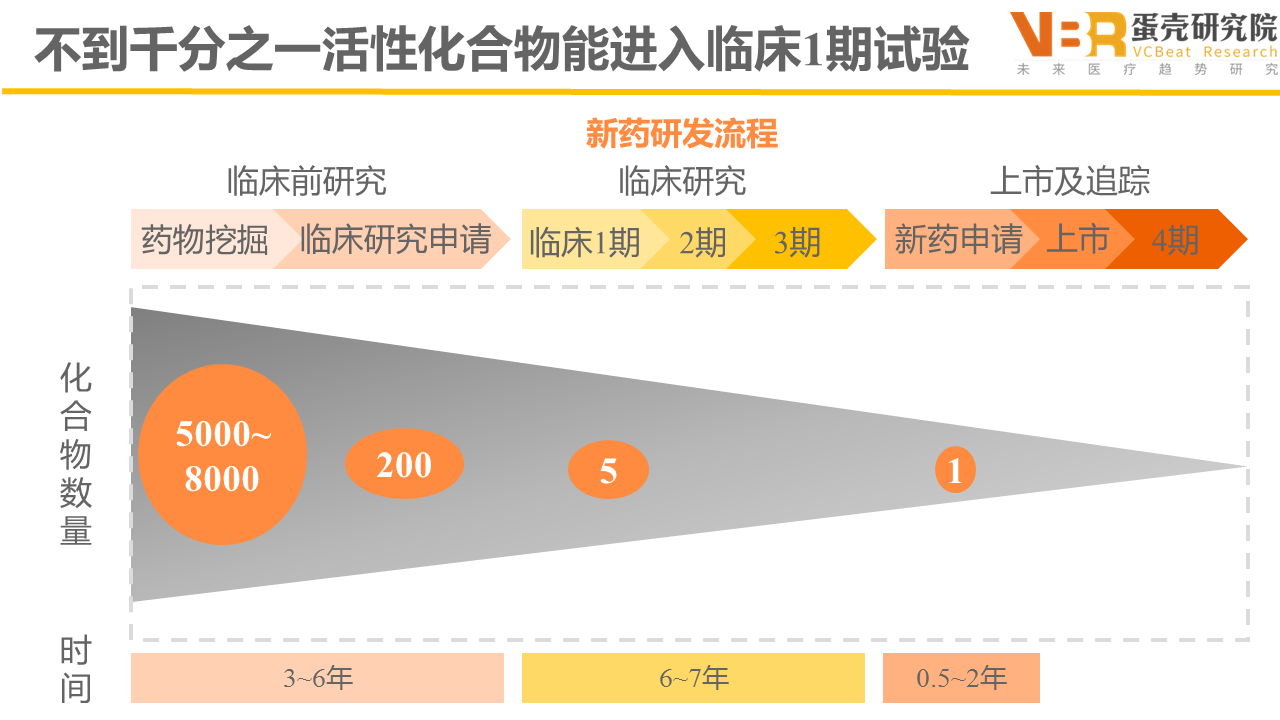
General, biopharmaceutical companies need to spendIt takes $500 million to $1 billion and 10 to 15 years to successfully develop a new drug. The high risk, long development cycle, and substantial costs associated with new drug R&D represent one of the most significant pain points for pharmaceutical companies. Digital health technologies not only transform the way patient data is collected in the healthcare sector but also revolutionize how pharmaceutical companies gather data from clinical trial participants. Through wearable devices, medical equipment, sensors, and mobile applications, pharmaceutical companiesandCROs can remotely collect participants’ clinical data, activity data, and key biomarkers. Clearly, this can re-Structure the process of new drug development,Enabling pharmaceutical companies to improve efficiency, reduce costs, and mitigate risks. This is specifically reflected in a reduction in the number of site monitoring visits and follow-ups, as well as fewer instances of manual data entry for tracking purposes. Furthermore, these innovations also help clinical trial participants gain a deeper understanding of their own health status and the investigational drug.
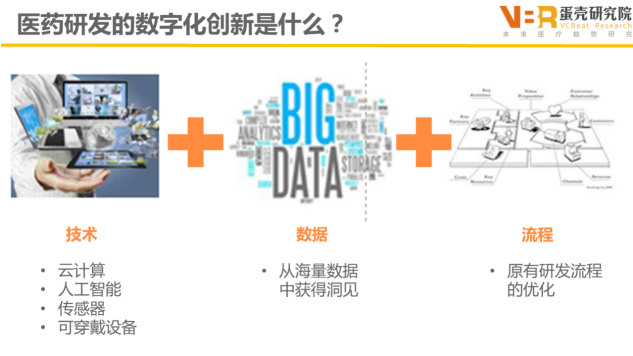
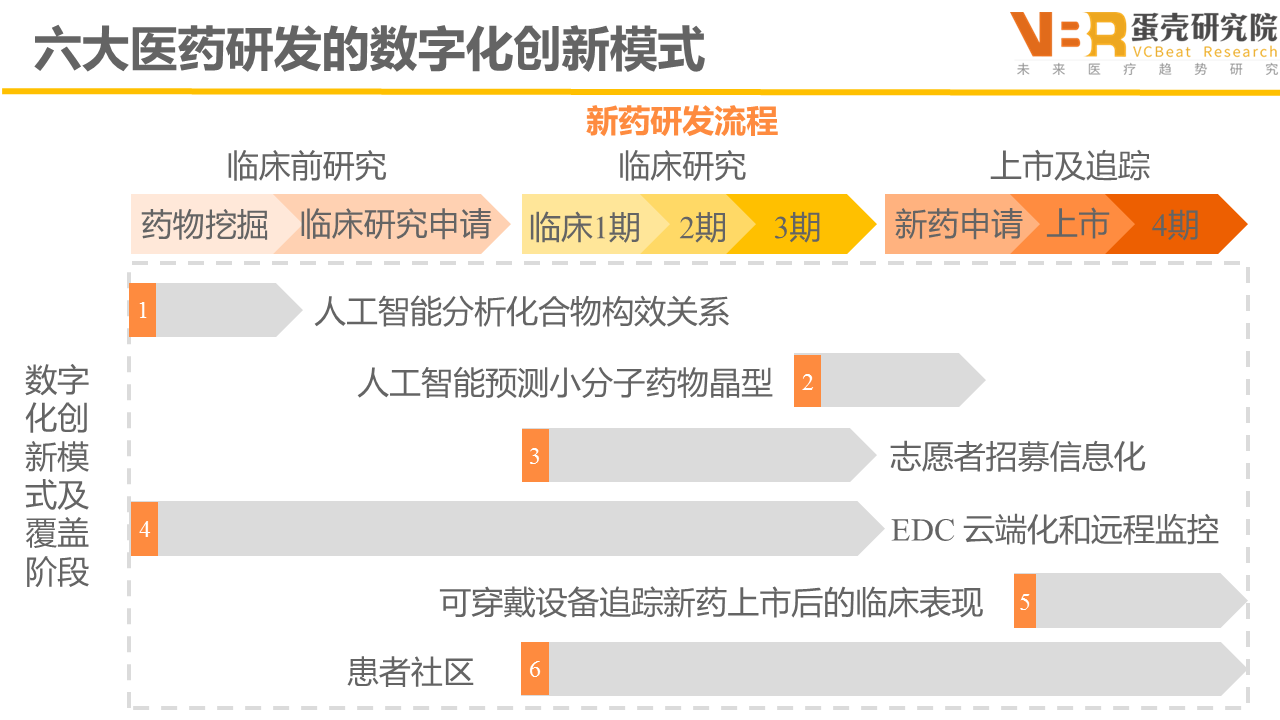
Some established pharmaceutical companies have begun to explore digital innovation in drug R&D and formulated corresponding digital innovation strategies. Currently, the core of such digital innovation in drug R&D lies in leveraging artificial intelligence, cloud computing capabilities, vast amounts of patient-generated data, and ubiquitous digital devices, applying them to the following six areas:
(1) Artificial Intelligence Analysis of Structure-Activity Relationships of Compounds
(2) AI Prediction of Small-Molecule Drug Crystal Structures
(3) Informatization of Volunteer Recruitment
(4) Cloud-based EDC and Remote Data Monitoring
(5) Wearable Devices Track Clinical Performance of New Drugs Post-Launch
(6) Patient Community
2Digital Innovation Models in the R&D of Six Types of Drugs
2.1 Artificial Intelligence for Structure-Activity Relationship Analysis of Compounds
Structure-Activity Relationship (SAR) of drugs refers to the relationship between the chemical structure of a drug and its pharmacological efficacy. The earliest SAR studies qualitatively inferred, in an intuitive manner, the relationship between the structures of physiologically active substances and their biological activities, thereby further inferringTarget EnzymeStructure of Active Sites and Design of Novel Bioactive Molecules. With the advancement of information technology, computer-aided quantitative structure-activity relationship (QSAR) has become the primary direction in SAR research, and QSAR has also emerged as one of the important methods in rational drug design. Based on the extent to which chemical structures influence biological activity, drugs are broadly classified into non-specific structural drugs and specific structural drugs. The biological activity of the former is mainly determined by their specific physicochemical properties. In contrast, for most drugs, chemical structure and biological activity are interrelated; these drugs generally exert their therapeutic effects by binding to receptors on host cells.
Numerous software programs can now simulate the analysis of structure-activity relationships (SAR) of compounds on computers, predict their potential biological activity, and thereby enable targeted screening of the most promising drug candidates, significantly reducing the time required for drug discovery.
Leveraging artificial intelligence can further accelerate the analysis of structure-activity relationships in drug development.When thousands of compounds show potential efficacy against a particular disease, yet their safety profiles are difficult to assess, the value of artificial intelligence (AI) becomes evident: it can rapidly identify the safest compounds as the most promising candidates for new drug development. Furthermore, AI can be employed to evaluate the safety of novel drugs that have not yet entered animal or human clinical trials.Because the target proteins and receptors for each drug are not entirely specific, interactions with non-target receptors and proteins can lead to side effects. Artificial intelligence can screen and analyze the side effect profiles of nearly a thousand existing known drugs to determine whether side effects will occur and assess their severity. This enables the selection of candidates with the lowest probability and minimal harm from actual side effects for entry into animal and human clinical trials, thereby significantly increasing the likelihood of success while saving time and costs. Furthermore, artificial intelligence can be utilized to simulate and evaluate the absorption, distribution, metabolism, and excretion (ADME) of drugs within the body, as well as optimize dosing regimens.- The relationship between concentration and effect, etc., has accelerated drug development.
Atomwise is a representative startup in the field combining drug discovery with artificial intelligence. It leverages supercomputers to analyze existing databases and employs proprietary algorithms to simulate the drug development process, analyze the structure-activity relationships of compounds, and assess new drug risks at early stages, thereby significantly reducing the cost of drug R&D. With the aid of IBM’s Blue Gene supercomputer, Atomwise’s powerful computational capabilities enable it to accomplish numerous tasks, such as evaluating 8.2 million compounds and identifying potential treatments for multiple sclerosis within days. In 2015, the company announced progress in seeking treatments for Ebola virus disease, identifying two existing drugs that could potentially combat the Ebola virus in just one week.
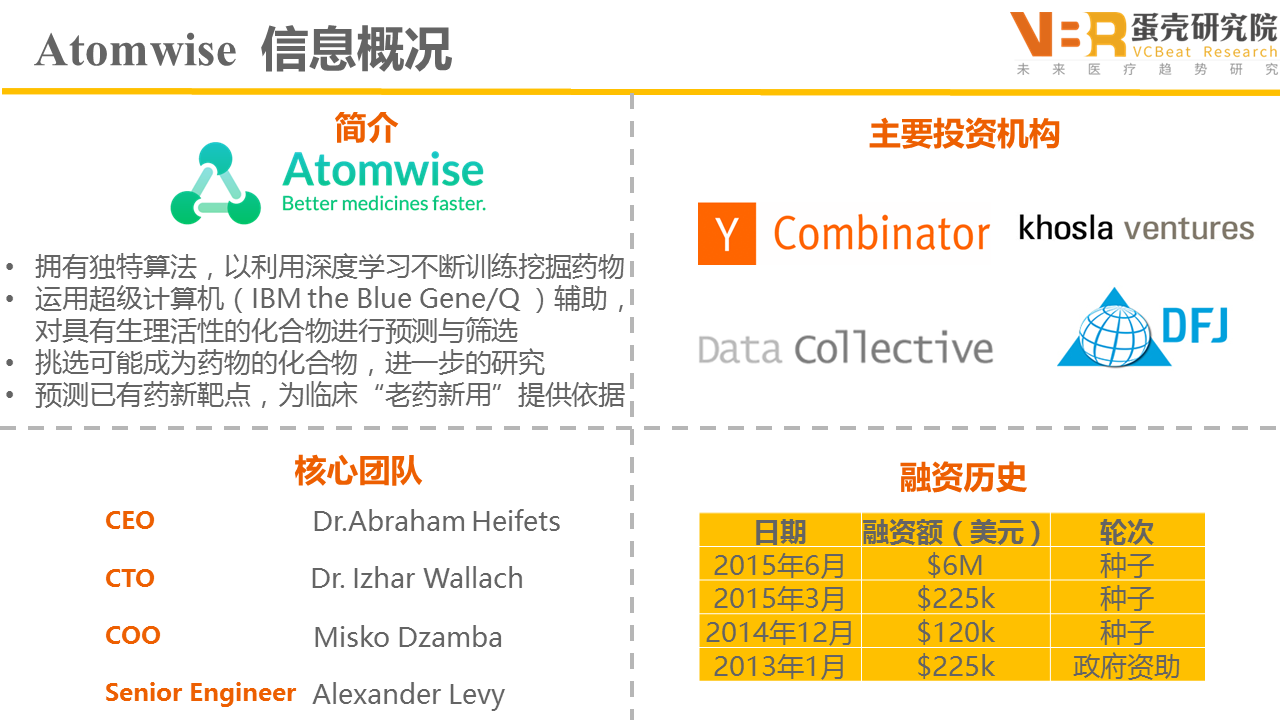
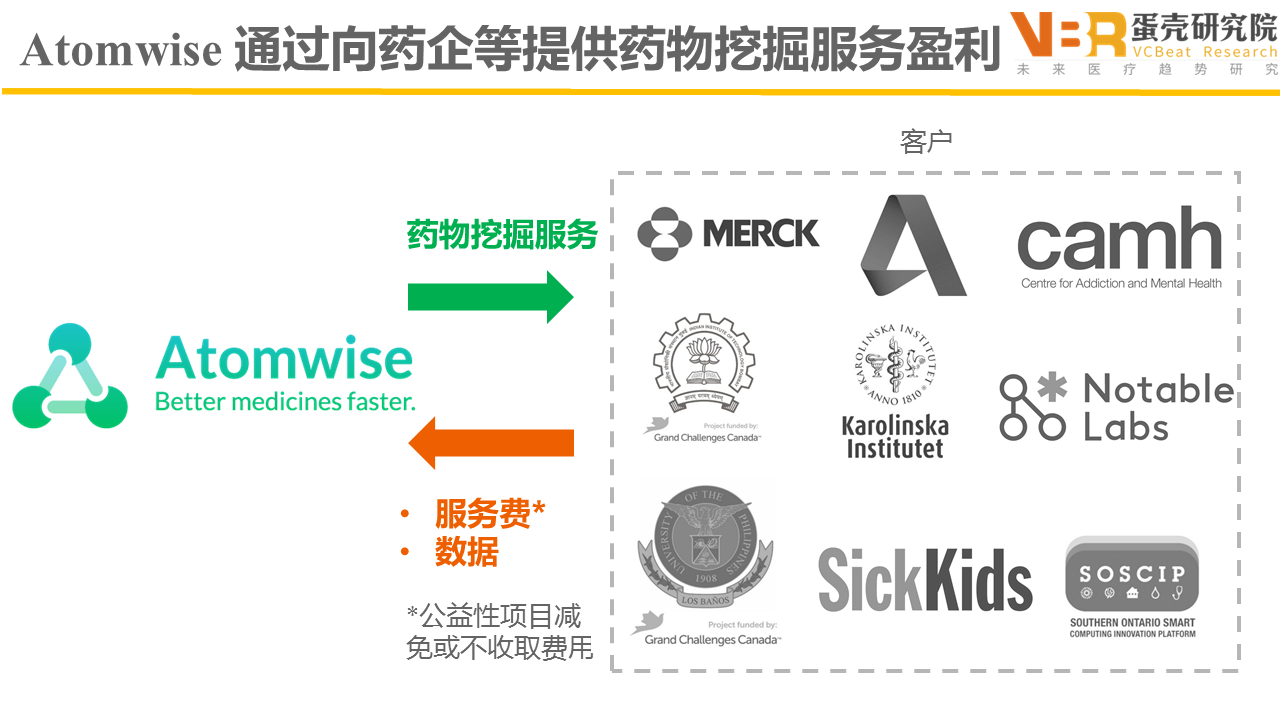
In terms of business model,Atomwise generates revenue by providing drug candidates to pharmaceutical companies, biotechnology firms, and research institutions. Atomwise can predict which compounds are truly effective and which are not. Atomwise has established collaborations with companies such as Merck.
2.2 Artificial Intelligence for Crystal Form Prediction of Small-Molecule Drugs
Drug polymorphs are of critical importance to pharmaceutical companies, as they not only determine the clinical efficacy of small-molecule drugs but also hold substantial patent value. In simple terms,Patents for drug crystal forms are the most important after patents for drug compounds.of patents, are a critical bargaining chip for originator drug companies to prevent or delay generic drug manufacturers from launching generics into the market after the expiration of their compound patents; drug crystal form patentsCan Extend Drug PatentsFor blockbuster drugs, this period of two to six years translates into billions of dollars in market value.For generic drug manufacturers, circumventing crystal form patents enables them to launch products immediately after the expiration of the originator’s compound patent, thereby rapidly capturing market share through low-price strategies.
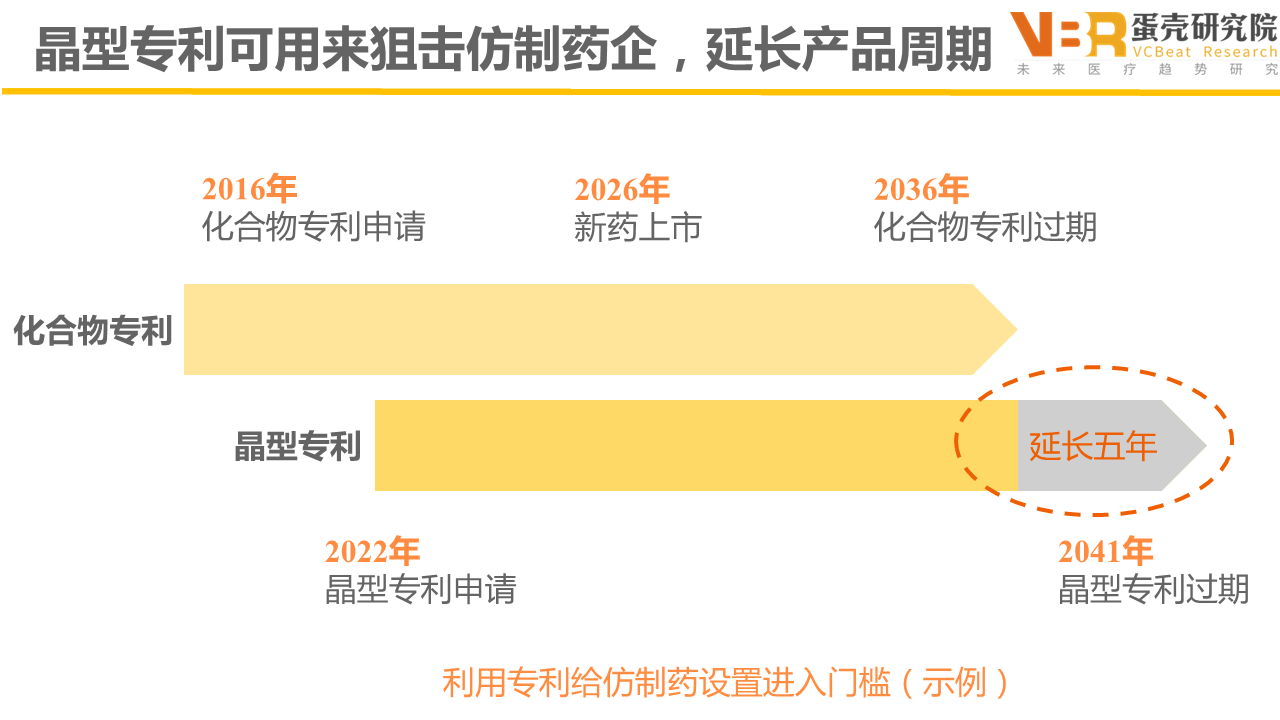
Here is an example.A Brief Introduction to Common Strategies for Leveraging Drug Polymorph Patents to Block Generic Drugs. Assuming a certain small-molecule drug isPatent applications for specific compounds were filed in 2016, with the patents set to expire in 2036. As pre-formulation studies commenced in 2022, the pharmaceutical company subsequently applied for a crystal form patent for the drug. The product was launched in 2026 to strong market reception, prompting generic drug manufacturers to enter the market. However, even after the compound patent expires in 2036, generic manufacturers will still be unable to use the active pharmaceutical ingredient for production; they must wait until the crystal form patent expires in 2041. Thus, the crystal form patent extends the barrier against generic market entry by five years beyond the compound patent’s expiration, allowing the originator company to secure higher revenues.
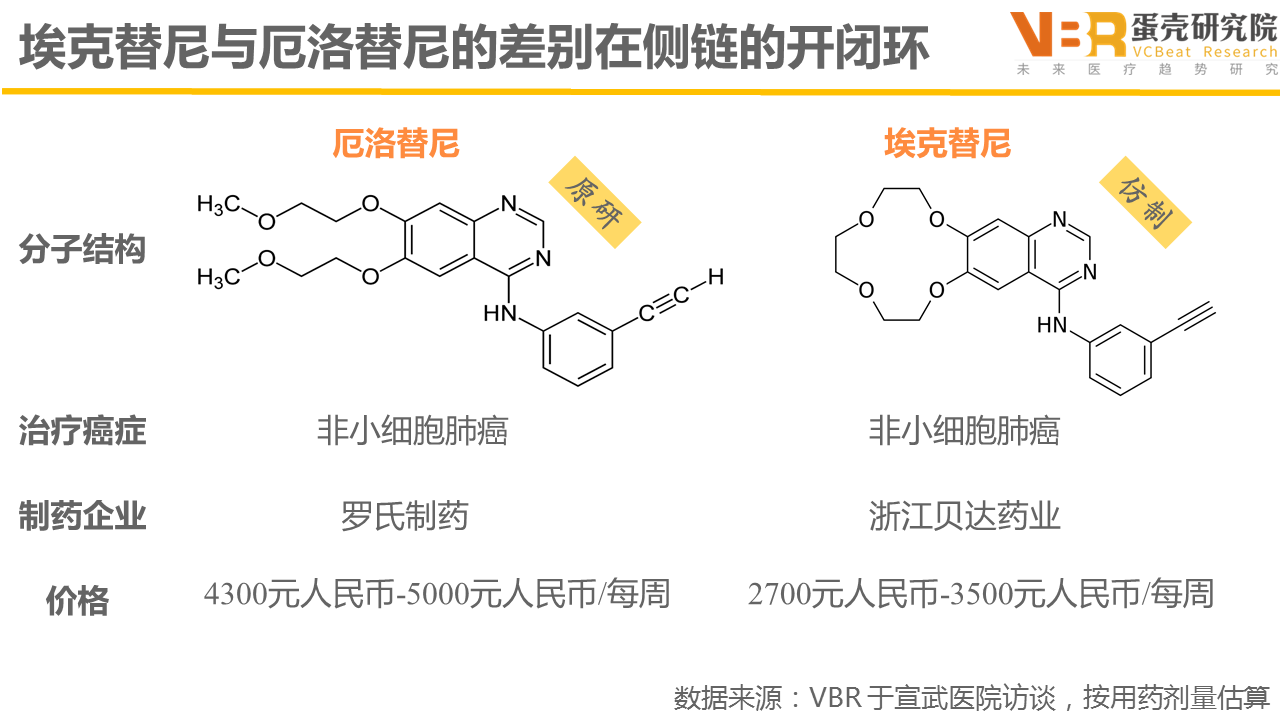
Take the well-known molecular targeted drug for lung cancer, icotinib hydrochloride, as an example. During drug development, multinational pharmaceutical companies, considering patent protection, strive to cover as much structural modification space as possible. Icotinib features a clever side-chain cyclization structure; while its overall molecular structure is similar, resulting in lower risk, the differences are reasonable and successfully circumvent existing patents. From Roche’s perspective, as the developer of erlotinib, icotinib’s patent breakthrough has led to reduced revenue, highlighting a common pain point for pharmaceutical companies with strong original research capabilities.
To address these pain points, several digital innovation solutions have emerged. Take XtalPi, a startup, as an example. The company provides drug crystal form design services to innovative pharmaceutical companies worldwide, primarily offering drug crystal form prediction and crystal form patent protection services. These offerings help pharmaceutical companies improve R&D efficiency while reducing quality and patent risks associated with their drugs. Headquartered in Shenzhen, the company was founded inIn September 2015, the company secured tens of millions of RMB in Series A financing from Tencent and Renren Inc. in December 2015. Its independently developed FACES system, which integrates artificial intelligence and cloud computing, efficiently performs dynamic configuration of drug polymorphs across thousands of cores in the cloud, enabling the prediction of all possible polymorphic forms of a small-molecule drug within thirty days. Compared to traditional drug polymorph development, XtalPi’s solution eliminates pharmaceutical companies’ concerns about missing critical polymorphs due to the limited search space of experimental methods, allowing them to more effectively address polymorph patent challenges from generic drug manufacturers. Furthermore, polymorph prediction technology significantly shortens the polymorph development cycle, facilitates more effective selection of suitable drug polymorphs, accelerates the overall R&D timeline, and reduces costs.
2.3 Digitalization of Volunteer Recruitment
Recruiting suitable volunteers has always been one of the challenges facing pharmaceutical companies. In the drug development process, where time is money, the indirect costs caused by delays are not to be overlooked, in addition to the direct costs of recruitment.In practice, most clinical trials have to significantly extend their timelines. Because it is difficult to identify a sufficient number of patients within the originally scheduled timeframe.Such complications are not uncommon; according to Bayer’s data,Ninety percent of clinical trials fail to recruit a sufficient number of patients within the designated timeframe, typically taking approximately twice as long as planned. According to research from Tufts University, the cost of drug development is substantial, with each additional day incurring approximately $37,000 in operational costs and an estimated $1.1 million in lost revenue. In the past, volunteer recruitment relied primarily on posters, online advertisements, and flyers distributed in physicians’ offices. According to Validic’s research, 27% of U.S. clinical studies were stalled due to the inability to recruit enough suitable volunteers using these traditional methods.
Now, digital health devices offer new options. Technological advancements may increase the probability of successful recruitment.In 2016, Biogen conducted a study using Fitbit to track the activity of patients with multiple sclerosis. As a result, 248 patients were successfully recruited within 24 hours, and 77% of them completed the follow-up study. This experiment demonstrated that a small subset of wearable device users are highly willing to engage in self-quantification and share their physiological data. Recruiting large numbers of volunteers for clinical trials using digital health devices, including medical-grade wearables, is becoming an emerging trend.
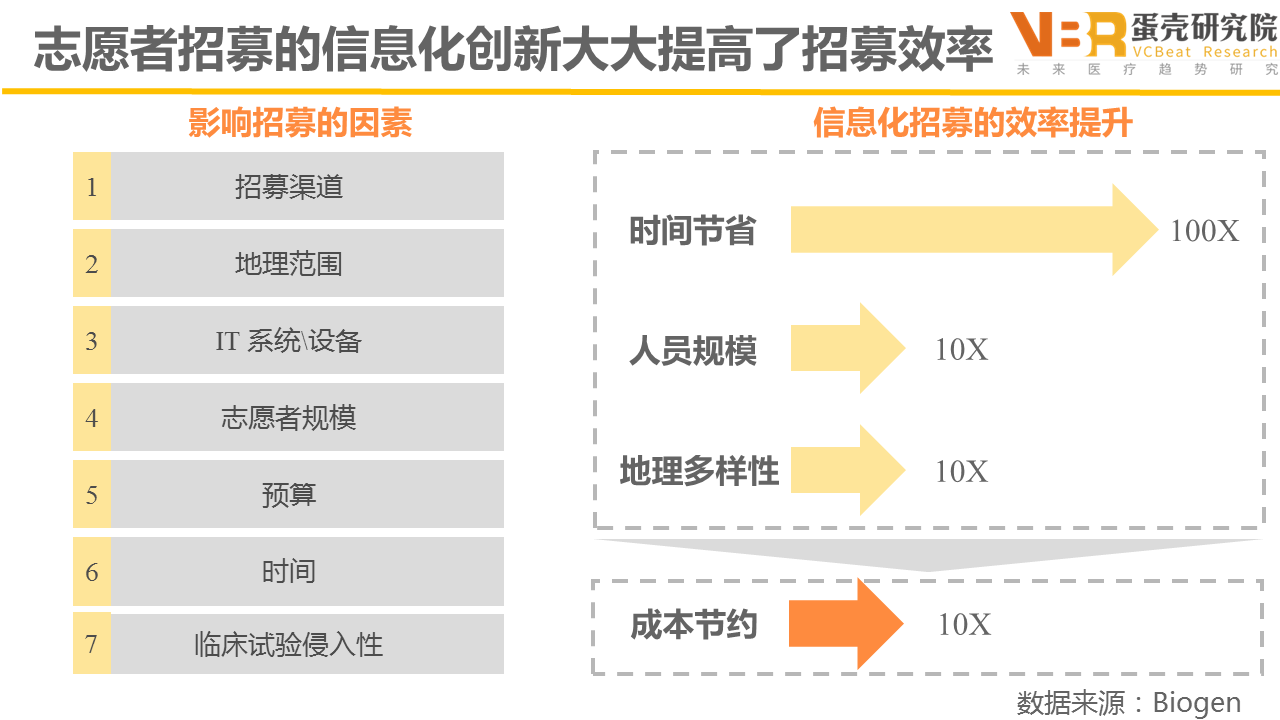
For example, the Icahn School of Medicine at Mount Sinai (The Icahn School of Medicine at Mount Sinai developed an application using Apple’s ResearchKit framework. This app recruited asthma patients for a large-scale clinical study via the iPhone. Over 50,000 people downloaded the application, and approximately 8,600 participated in the clinical trial without any face-to-face contact with researchers. This app-based volunteer recruitment method significantly expanded the geographic reach of clinical research. Only 13% of participants lived near the institute in New York. In previous similar clinical trials, if participants were required to visit a research center, nearly all of them were local residents. Ensuring geographic diversity often entailed substantial costs to establish multi-regional research centers, which undoubtedly required more researchers and a higher budget. From the participants’ perspective, many past clinical trials were invasive, whereas advances in mobile health and sensors have made participation more comfortable, as the process is largely non-invasive.
It is worth mentioning that, Recruiting participants for clinical trials using apps and wearable devices is more appealing to patients with chronic conditions and those living in remote areas. For instance, recruiting participants has always been very challenging in clinical trials involving Alzheimer’s disease. Digital health devices andThe transformation brought about by ResearchKit is significant, both in terms of recruitment volume and eligibility screening. Moreover, the reduction in costs is particularly striking. Previously, such recruitment efforts often cost $10,000 to enroll a few hundred participants, whereas now, thousands of participants can be recruited for just $1,000.
2.4 EDCCloud-based and Remote Information Monitoring
Once a clinical trial commences, researchers must regularly collect participant data to determine the drug’s effects and monitor potential adverse events. Traditional clinical trial data acquisition and data management exert negative impacts on the trials themselves, which can be categorized as follows:
(1) The investment in new drug development is substantial, yet the success rate remains low. The primary approach involves extensive screening of candidate compounds while closely monitoring their efficacy and toxicity. If a compound is found to have any serious defects, development should be halted immediately to control R&D expenditures. Relying solely on paper-based methods for clinical trial data collection throughout the entire clinical trial process may delay decision-makers in identifying issues, leading to avoidable financial waste.
(2) Given that study subjects must be representative and the overall population is limited, many current new drug clinical trials are conducted simultaneously across multiple centers. This involves information exchange between different centers. Paper-based methods for clinical trial data collection result in high communication costs for horizontal coordination.
(3) When drug clinical trials enter Phase III and Phase IV, adverse reactions become the focus of monitoring. Paper-based information collection and communication may have negative impacts on both patients and the R&D process. In the event of unexpected situations requiring emergency treatment by physicians, it is essential to have immediate access to the patient’s pathology, medication history, allergic reactions, and contraindications; paper-based information collection methods are not conducive to timely emergency care.
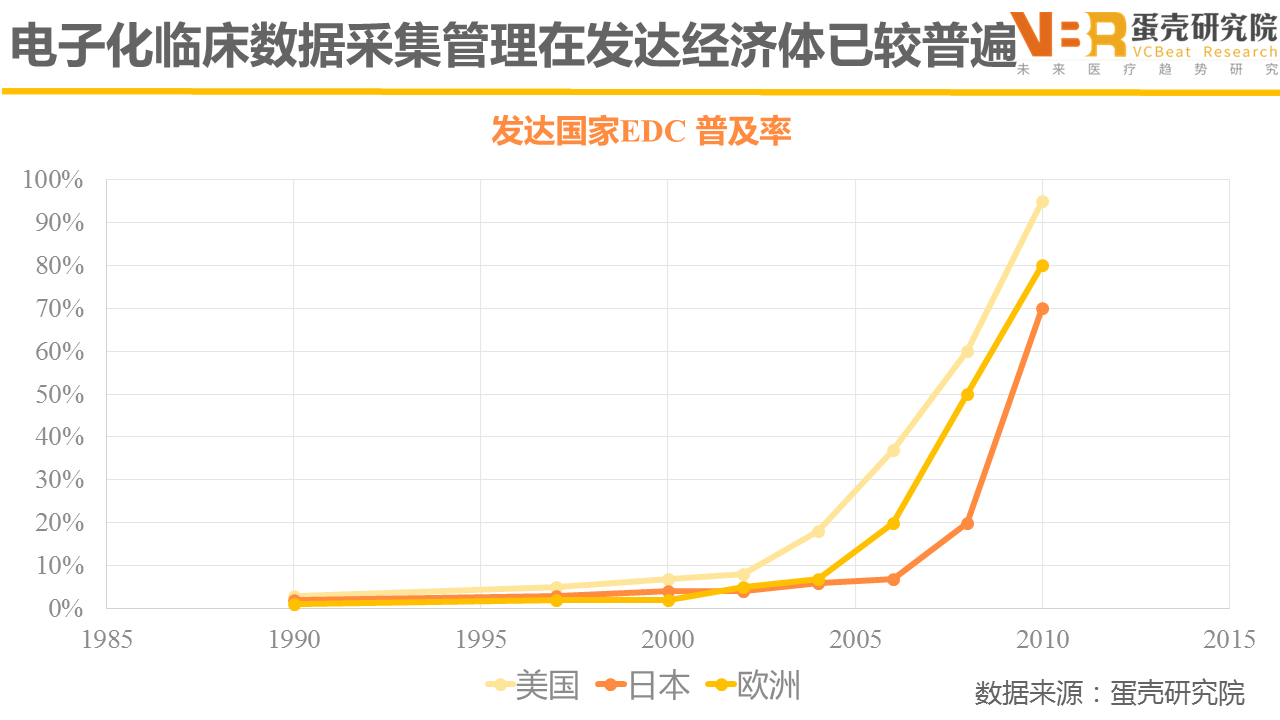
The collection and management of clinical trial data directly impact the quality of drug development trials. Enhancing informatization can effectively reduce the time required for drug development, streamline the new drug approval process, and thereby lower associated costs.Since 1995, biopharmaceutical companies and Contract Research Organizations (CROs) in the United States, Japan, and Europe have gradually transitioned from traditional paper-based clinical data collection and management to electronic systems. Multi-stage data analysis based on Electronic Data Capture (EDC) enables faster decision-making, allowing researchers to expand sample sizes and geographic coverage, adjust allocation ratios among different study groups, re-estimate sample sizes, modify study arms, or terminate trials. Furthermore, for volunteers, EDC facilitates more timely feedback on adverse events, thereby better safeguarding their health and safety.
Medidata Solutions is a leader in the field. Headquartered in the United States, this technology company specializes in developing and marketing cloud-based platform applications for clinical trials and data analysis processing. The company provides clinical applications, data analytics, and benchmarking, offering state-of-the-art tools to participants in clinical trials—including pharmaceutical researchers, physicians, and patients—to plan and manage clinical trials, thereby shortening drug development cycles, reducing R&D costs, and mitigating development risks. Its core flagship product is Medidata Rave, currently the most popular comprehensive solution combining an Electronic Data Capture (EDC) system with a Clinical Data Management System (CDMS). The EDC system captures data from research sites worldwide and exports it in formats compliant with industry standards. Meanwhile, the EDC system continuously integrates other types of data, such as Laboratory Information Management Systems (LIMS), electronic Patient-Reported Outcomes (ePRO), Interactive Voice Response Systems (IVRS), and Interactive Web Response Systems (IWRS).
Domestic BenchmarkingMedidata’s corporate entity is Taimei Medical, which was established in 2013. In February 2016, Taimei Medical secured tens of millions of RMB in Series A financing from Matrix Partners China, and in June 2016, it obtained tens of millions of RMB in Series B financing from Northern Light Venture Capital.
2.5 Wearable Devices Track Clinical Performance of New Drugs Post-Launch
With strengthened regulatory oversight, post-marketing surveillance of the drug will continue. The primary data monitored are the clinical efficacy and adverse reactions observed after the new drug is used in a larger population. The medication guide will be revised accordingly based on feedback from this phase. If serious adverse reactions not identified in prior studies are discovered during this phase—for example, if use of the drug significantly increases the incidence of atherosclerosis among users—The FDA will mandate the withdrawal of the drug from the market. Pharmaceutical companies will be required to continue demonstrating the therapeutic benefits after the drug’s launch, while Phase IV clinical trials remain highly expensive. Ongoing clinical studies necessitate sustained engagement with patients, enabling pharmaceutical companies to collect data from each participant.
Digital medical devices facilitate long-term monitoring without driving up costs. For example, patients with multiple sclerosis typically need to see a neurologist two to three times per year, and each consultation only15 minutes. By leveraging wearable devices, it is possible to effectively monitor symptoms of multiple sclerosis in patients. The monitoring encompasses comprehensive physical and psychological assessments, symptom progression, treatment tolerance, and changes in therapy. Another example is Biogen’s use of an iPad-based neurological assessment tool to reduce costs and better track daily disease fluctuations. This application has undergone FDA clinical validation and provides quantifiable data. Based on the assessment results, physicians can more accurately identify changes in relevant factors, enabling pharmaceutical companies to gain deeper insights into which patients respond best to medication and which experience adverse effects. In this way, wearable digital medical devices can help pharmaceutical companies continue to monitor the interactions between drugs and factors such as age, gender, and disease status after market launch.
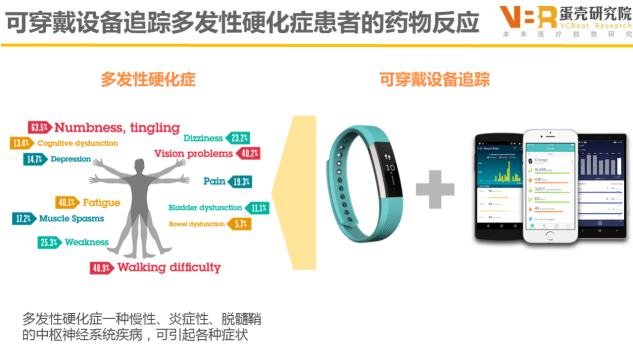
Of particular concern is the tracking of serious adverse reactions. Digital health devices can help pharmaceutical companies detect early issues—problems that, due to sample size limitations, were never identified during clinical trials—enabling rapid response to safeguard patient safety and protect corporate reputation.
2.6 The Role of Patient Communities
Both patients and pharmaceutical companies have an urgent need to understand the factors influencing a specific drug, to improve therapeutic efficacy and outcomes. From the patient’s perspective, a growing number of individuals with the same medical condition are congregating in online communities to discuss their illnesses. Patients frequently share, without reservation, information that may influence their responses to medications they are currently taking, along with related factors. In some active online communities, strong user bonds have been established among patients, who are eager to assist one another and willing to share data.
PatientsLikeMe is the pioneer of such online communities, where patients improve their health outcomes through data sharing. Meanwhile,PatientsLikeMe generates revenue by selling data. Pharmaceutical companies obtain anonymized patient data, which facilitates a deeper understanding of diseases and ultimately enhances the efficiency of drug development.
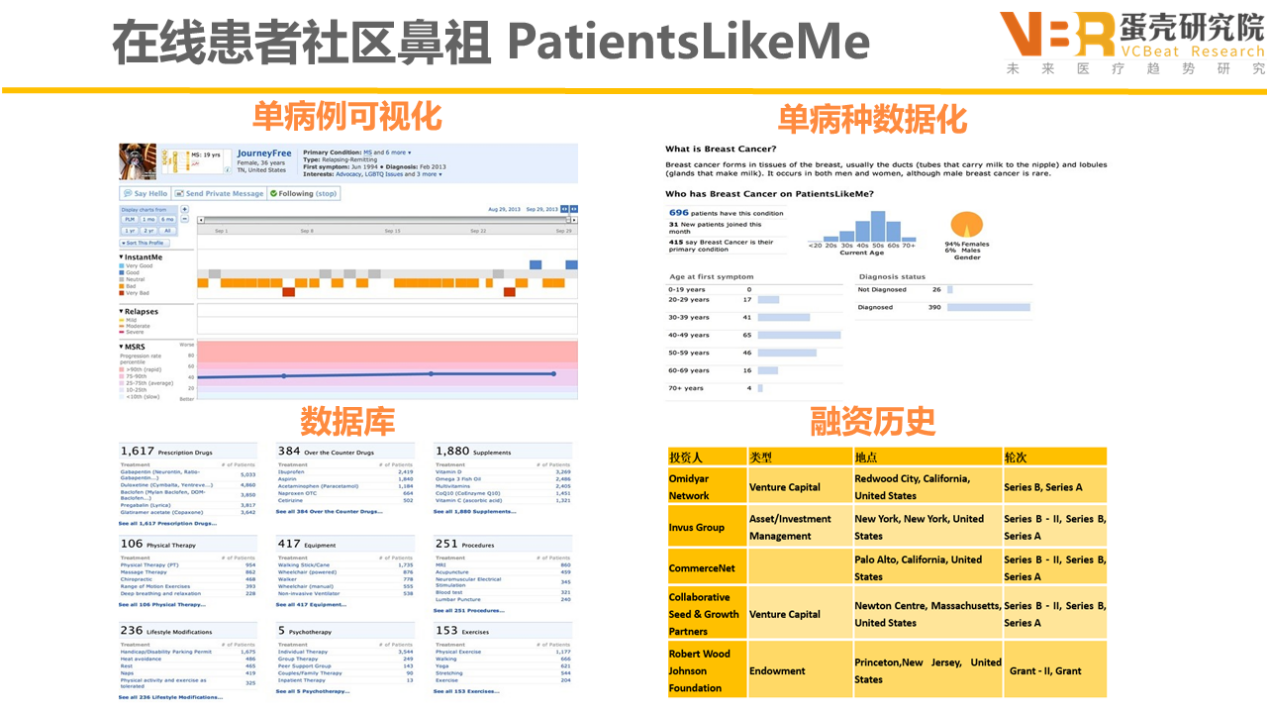
The greatest advantage of patient online communities, such as PatientsLikeMe, lies in their ability to collect vast amounts of high-quality data that are unattainable through conventional clinical trials. Leveraging internet platforms for data collection offers low costs, large volumes, and diverse samples, facilitating the analysis of the effects of various factors and enabling the discovery of potential correlations, such as those related to age, gender, and lifestyle habits. Conducting clinical trials is extremely costly for pharmaceutical companies, typically involving only hundreds of patients; consequently, the ability to accurately predict all potential effects of a drug is constrained by these cost limitations. In contrast, patient communities possess extensive datasets—particularly from patients with chronic diseases—making them a valuable resource in the eyes of pharmaceutical companies.
Companies in China adopting similar models includeHaalthy received an investment of several million RMB from FreeS Fund in March 2016. (Note: Strictly speaking, Haalthy is not benchmarked against PatientsLikeMe, which also uses patient relationships as its entry point, but rather against NantHealth.))
3. The Prospects of Digital Innovation in China’s Pharmaceutical Industry
3.1 China's pharmaceutical industry is in a stage of rapid development.
From 2010 to 2015, the global pharmaceutical market grew at an average annual rate of 4.5%.Among all emerging markets, China has the largest and fastest-growing pharmaceutical market.China's pharmaceutical market surpassed Japan in 2013 to become the second-largest globally, trailing only the United States.
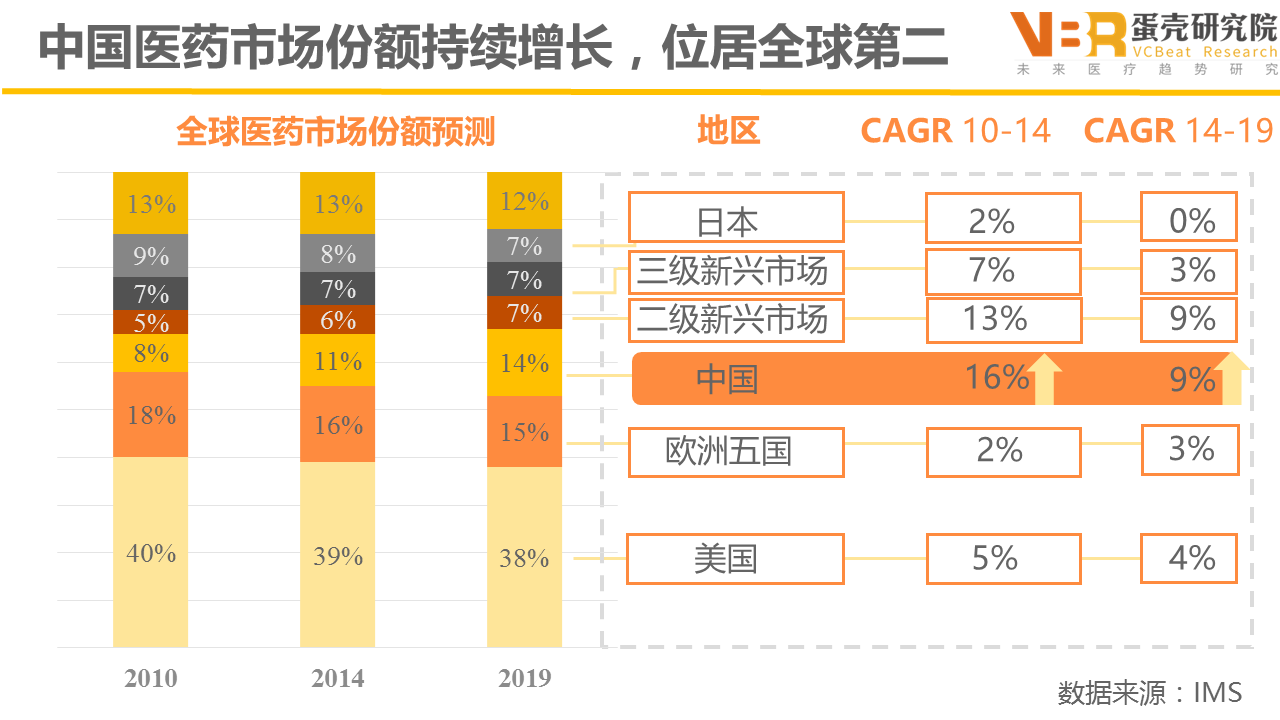
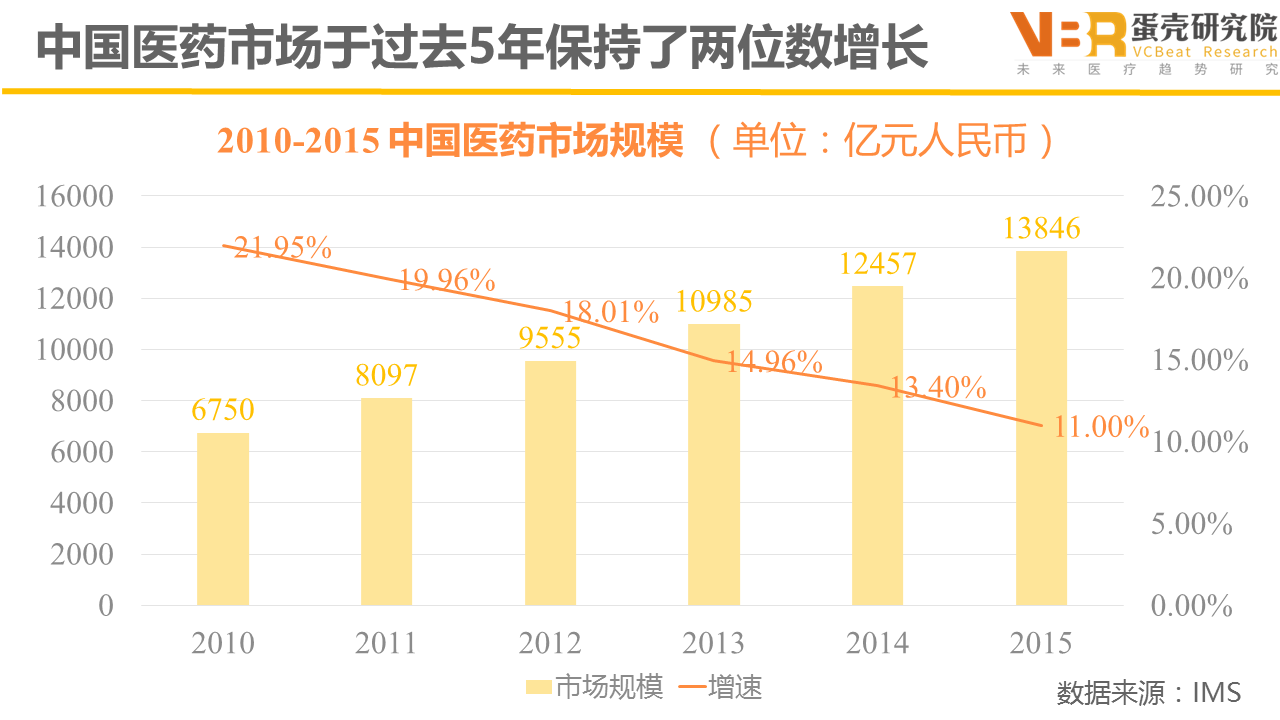
Over the past five years, the scale of China's pharmaceutical market has grown fromRMB 675 billion in 2010 rose to RMB 1.386 trillion in 2015, representing a compound annual growth rate (CAGR) of 15.5%. Although the growth rate declined year by year, it generally maintained a very high double-digit pace.
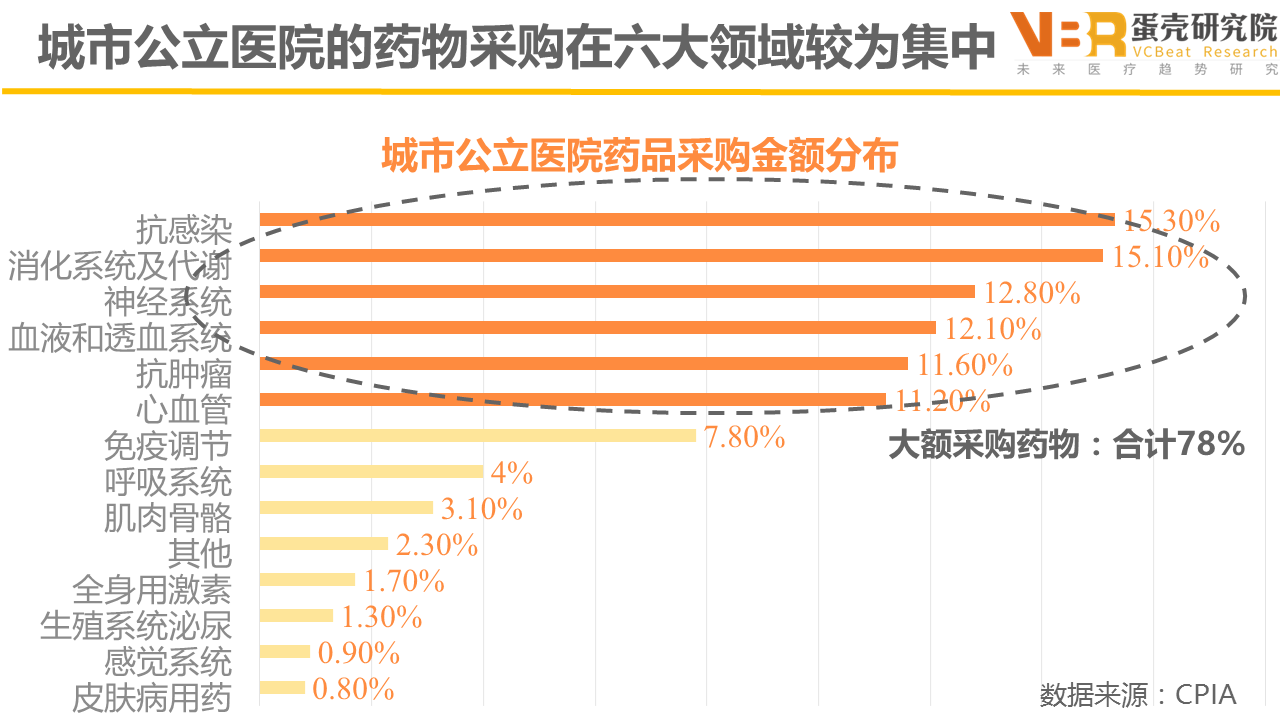
Hospitals remain the primary destination for patient care, particularly urban public hospitals with abundant medical resources. According to statistics on drug procurement categories in urban public hospitals, anti-infective agents, drugs for the digestive system and metabolism, blood and hematopoietic system drugs, cardiovascular and nervous system drugs, antineoplastic agents, and immunomodulators rank highest in procurement expenditure. In other words, pharmaceutical R&D and innovation in these therapeutic areas are likely to be more favored by the market.
3.2 Policy Drives Innovation in the Pharmaceutical Industry
Currently, generic drugs account for approximately 95% of domestically produced pharmaceuticals in China. The industry faces overcapacity yet lacks significant innovation. First, domestic pharmaceutical companies have relatively weak R&D capabilities, with R&D expenditure accounting for only 3%–5% of revenue, compared to 15%–20% for foreign innovator drug companies. Second, the domestic drug review process is slow, resulting in severe backlogs of registration applications. To address these issues, the government has introduced a series of policies since 2015 to drive reforms in drug development and approval, including clinical trial data self-inspection, consistency evaluation for generic drugs, and priority review for certain drugs.
Self-Inspection of Clinical Trial Data Marks the Beginning of This Round of Drug Review Policy Reform, with the Primary Objective BeingManagementCDEReview backlog. In July 2015, the China Food and Drug Administration (CFDA) issued the Announcement on Launching Self-Inspection and Verification of Drug Clinical Trial Data, requiring 1,622 submitted applications toAll drug registration applicants under review shall, in accordance with the Good Clinical Practice (GCP) for Drug Trials and other relevant requirements, conduct self-inspections of the clinical trials for drugs already submitted for production or import registration applications against the clinical trial protocols, to ensure the authenticity and reliability of the clinical trial data.Self-inspection policies have intensified the divergence in pharmaceutical companies' competitiveness. Companies with diverse product portfolios have been minimally affected, whereas smaller firms with limited product lines and weak R&D capabilities have faced significant impacts. Meanwhile, these policies also encourage innovative drug development. Self-inspections offer no second chances for generic drugs with unreliable data, but regulatory authorities treat innovative drugsOpportunity for deficiency response remains available.
2016In March, the State Council issued the “Opinions on Conducting Consistency Evaluation of Quality and Efficacy for Generic Drugs,” requiring that generic drugs approved for marketing before the implementation of the new registration classification system for chemical drugs, which had not been reviewed and approved in accordance with the principle of consistency in quality and efficacy with the originator drug, must undergo an assessment of their consistency in quality and efficacy with the originator drug. The policy mandates that generic drugs must contain the same active ingredient, have the same dosage form, the same route of administration, and the same strength as the originator drug. According to the regulations, oral solid dosage forms of chemical generic drugs approved for marketing before October 1, 2007, and included in the National Essential Medicines List (2012 Edition), were required to complete the consistency evaluation by the end of 2018; those failing to meet this deadline would not be eligible for re-registration. Furthermore, after the first product of a given variety passes the consistency evaluation, other manufacturers producing the same variety must complete their consistency evaluations within three years.Consistency Evaluation Raises Higher Requirements for Generic Drug Development in China, which will enhance the level of generic drug research and development in China in the long run.
2015In August 2015, the State Council issued the "Opinions on Reforming the Review and Approval System for Drugs and Medical Devices," implementing a special review and approval system for innovative drugs to enhance the efficiency of new drug research and development. In February 2016, the China Food and Drug Administration (CFDA) released the "Opinions on Resolving the Backlog of Drug Registration Applications by Implementing Priority Review and Approval," which further detailed the classification criteria for the priority review and approval system.Priority support for new drugs and clinically urgent needsDrugs with significantly improved quality and therapeutic efficacy. Pharmaceutical companies with strong R&D capabilities and a focus on innovation will enjoy more pronounced advantages.
3.3 Prospects for Digital Innovation in Pharmaceutical R&D
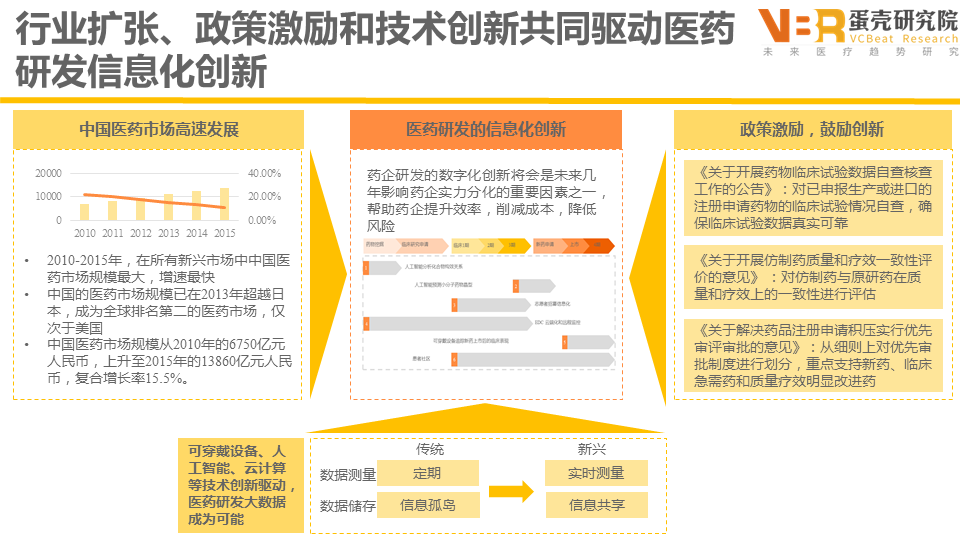
Considering the development trends and policy-driven initiatives in China’s pharmaceutical industry, along with innovations and advancements in medical-grade wearable devices, artificial intelligence, and cloud computing, digital innovation in drug R&D will become one of the key factors influencing the differentiation of pharmaceutical companies’ competitiveness in the coming years. Digital innovation in drug research and development is not merely a technological upgrade but an integral part of pharmaceutical companies’ strategic transformation. Traditionally, pharmaceutical companies focused solely on providing medications (therapeutic interventions); however, the current landscape imposes higher demands, requiring these companies to expand their scope into treatment, diagnostics, and patient monitoring.
Appendix: New Drug Launch Process (TakingFDA as an example)
(1) Preclinical Trials
Through laboratory and animal studies, the biological activity of a newly developed compound against a specific disease is demonstrated, and its safety is evaluated.
(2) Application for Clinical Study of New Drugs
Upon completion of preclinical trials, an Investigational New Drug (IND) application is submitted to the U.S. Food and Drug Administration (FDA). If the FDA does not issue a clinical hold within 30 days of submission, the IND application is deemed effective, allowing human clinical trials to proceed. The IND application must include: preclinical trial data, the clinical trial protocol, study sites, principal investigators, the chemical structure of the new compound, route of administration, all toxicity findings from animal studies, and manufacturing information for the compound. The entire clinical development plan for the new drug must be reviewed and approved by the Institutional Review Board (IRB). Applicants are required to submit annual progress reports on the new drug clinical trials to both the FDA and the IRB.
(3) Phase I Clinical Trial
Clinical trials in this phase typically enroll 20–100 healthy volunteers. The primary objective is to ensure drug safety, particularly to determine the safe dosage range. Additionally, clinical trial data from this phase are collected, covering dimensions such as absorption, metabolism, excretion, and duration of pharmacological effect in the volunteers.
(4) Phase II Clinical Trial
Clinical trials in this phase typically enroll 100–500 relevant patients. The primary objective of the study is to determine the clinical efficacy of the drug.
(5) Phase III Clinical Trial
Clinical trials in this phase typically enroll 1,000–5,000 outpatient and inpatient participants, with studies often conducted across multiple medical centers. Under strict physician supervision, further data are collected on the drug’s clinical efficacy, adverse reactions, and drug–drug interactions. These Phase III trials employ placebo-controlled, double-blind designs. Phase III clinical trials represent the most critical step in the entire new drug development process.
(6) New Drug Application
Upon completion of the three phases of clinical trials, an analysis of the accumulated data to demonstrate the safety and efficacy of the new drug allows for the submission of a New Drug Application (NDA) to the FDA. The NDA must include all previously collected data. Typically, an NDA dossier comprises approximately 100,000 pages. Although the FDA is required to complete its review within six months, delays are common due to the high volume of applications and the substantial documentation involved.
(7) Market Approval
If the FDA approves a new drug for marketing, it may be commercially distributed and made available for use by physicians and patients. However, relevant data must still be submitted to the FDA on a regular basis, including information on adverse effects and quality management. For certain drugs, the FDA may also require continued Phase IV clinical trials to monitor potential long-term adverse effects.
(8) Phase IV Clinical Trials
Certain drugs continue to be monitored after market approval, with primary surveillance data focusing on clinical efficacy and adverse reactions observed when the new drug is used by a larger population. The medication usage guidelines will be revised accordingly based on feedback from this phase. If serious adverse reactions not identified in prior studies are discovered during this phase—for example, if use of the drug significantly increases the incidence of atherosclerosis among the treated population—FDA The drug will be mandatorily recalled from the market.
To download the PDF version, please follow the VCBeat official WeChat account and reply with the keyword “Drug Development“Get
Author: VCBeat. Please credit the WeChat official account when reposting.VBResearch2016
↓↓↓