

Consumer Genomics Faces Misinformation and Misuse: Still Far from Delivering on Public Health Promise
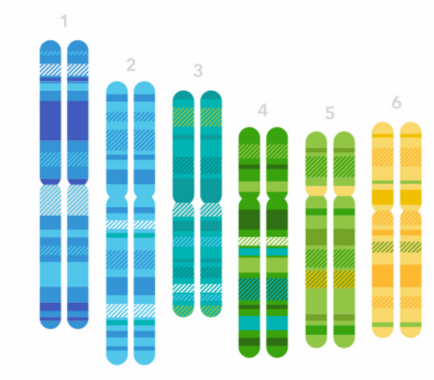
More than a decade ago, when most people were still using feature phones, scientists completed the sequencing of the first human genome. This endeavor cost $3 billion. In an era where smartphones have become a core consumer technology, DNA sequencing has rapidly evolved from an expensive, infrequently used process into a fast, reliable, relatively affordable, and widely applied predictive tool. It can help us understand disease risks and enable personalized treatment.
Today, DNA sequencing, primarily conducted by Illumina, a company based in San Diego, has become a key component of healthcare technology. This technology is being used to develop targeted drugs and therapies. Countless research collaborations and significant investments have been made in this field, such as President Obama’s Precision Medicine Initiative. Additionally, scientists have developed consumer-oriented genetic testing kits, which allow users to learn about their ancestry and obtain snippets of health information.
However, consumer-centric digital health tools with comprehensive genomics capabilities are still in their infancy. Data from Rock Health shows that genomics and DNA sequencing became one of the top six digital health funding sectors for the first time this year, with financing reaching $274 million in the third quarter.
Consumer Genomics at a Tipping Point
Justin Kao, Co-founder and Senior Vice President of Business Development and Partnerships at genetic testing startup Helix, stated that the industry is on the verge of significant transformation.
Justin Kao stated, “The consumer genomics industry has reached an inflection point: sequencing and data storage costs are declining, our understanding of the genome is growing exponentially, and consumer interest continues to rise. We believe these factors will significantly drive industry growth.”
Helix is developing a collaborative platform involving multiple partners, aiming to become the central hub for all DNA sequencing-related matters.
He stated, “By developing such a platform, companies across different sectors and of varying scales will be able to create novel genomics-based applications. We also believe that the genomics industry will see increasing innovation. When hardware challenges transition into software problems, we have witnessed explosive innovation on other platforms, such as mobile devices and cloud services. We are striving to bring about a similar transformation in genomics, helping all developers integrate their genomic insights into products and deliver richer consumer experiences.”
On the other hand, the FDA is also conducting rigorous evaluations of direct-to-consumer DNA testing companies (the FDA has called on multiple companies offering and promoting such testing services to submit explanatory analyses rather than premarket review reports). This has deterred more companies from entering the market.
The Development of Existing Consumer Genomics Companies
Recently, several new companies have entered the consumer genomics industry. They have pursued one of two strategies: either offering testing services through third-party laboratories followed by lifestyle coaching covering aspects such as nutritional intake and exercise, or developing new services based on next-generation sequencing technology. But is the consumer market ready?
Dr. Eric Topol, a geneticist and cardiologist at the Scripps Research Translational Institute, stated that while researchers have obtained reliable data and conducted robust studies, related products are based on weak science and have been brought to market too rapidly.
Topol stated, “I believe that consumer genomics companies currently fall into two categories,”Some companies market products lacking an evidence base, such as nutrigenomics, weight management, and exercise genomics.。Some companies, however, focus on compiling an impressive volume of data, primarily concerning drug-DNA interactions and risks of major diseases.Therefore, certain highly problematic companies exaggerate unreliable data and then provide unsubstantiated data services.
These companies did indeed pass FDA review, but this does not mean that the agency can prevent companies that have not made any actual health claims from entering the market.
“Like many products in the U.S. and even global markets, such as dietary supplements, these items are unregulated,” said Topol. “As long as they don’t make health claims, they can sell virtually anything. Even so, many people still buy these products, which is truly unfortunate. It essentially exploits individuals with limited access to information.”
“Of course, Topol believes that the FDA’s role should not be limited to reviewing companies. ‘There are many things on the market that need regulation, such as testing services, dietary supplements, and various devices. I hope this issue can be addressed,’ he said. ‘I hope the FDA, Consumer Reports, and other public oversight bodies can maintain honesty and objectivity in their documentation and provide recommendations to the public. Unfortunately, no one is doing this.’”
He also believes that the FDA should collaborate with leading consumer genomics companies to help them provide more health-related information.
Although products such as 23andMe’s saliva testing kits have paved the way for genomics by sparking consumer curiosity about ancestry and health, FDA regulations stipulate that these companies may only provide limited health information without clinician authorization. In 2013, the company was ordered to immediately cease providing its testing services. In an open letter, the FDA clearly stated that it would review the countless genetic tests conducted by 23andMe on each partially sequenced genome, which significantly hindered the development of 23andMe’s sequencing methodology.
The company delisted its home testing kits, retaining only the version that provides ancestry information. Subsequently, 23andMe began offering this service in the UK, while stating its intention to comply with FDA regulations. It submitted an application for approval of a DNA test for Bloom syndrome. The test was ultimately approved in February 2015 as part of a de novo review process, indicating that the FDA had not previously considered the availability of any equivalent devices. During the waiting period for approval, the company raised $79 million. With these funds, 23andMe shifted its business focus away from research and drug development, and began selling a new testing service in the United States in October 2015. Upon launching the new product, 23andMe claimed it was superior to its previous offerings; however, the disease risk analysis provided did not reach the level of its earlier products.
“I believe 23andMe has actually made outstanding contributions: it not only provides drug-DNA interaction and recessive allele testing, but also offers risk analysis for many diseases,” said Topol. “Unfortunately, the FDA halted this service, and 23andMe has failed to restore all of its service offerings.”
23andMe currently offers genotyping services. This service provides insights into ancestry, genetic relationships, and certain health risks by examining a set of markers across the genome. Although 23andMe had initiated development efforts for exome sequencing or next-generation sequencing technologies capable of delivering more comprehensive information, the company abandoned this plan in October, stating that it would focus on its existing products.
A 23andMe spokesperson stated, “We aim to advance scientific and genomic research through a variety of approaches, thereby providing long-term support to our customers. In addition to our consumer products, we have a medical team that is working to transform the way we discover and develop novel therapies.”
The company declined to discuss its plans for the coming months or year, but emphasized that consumer genomics remains a nascent field.
The spokesperson stated, “We have gained an understanding of the fundamental mechanisms of disease by starting from genetic information. We hope our findings will extend beyond our customer base and generate significant social impact. Our goal is to continuously adapt to evolving insights in human genetics and serve as a trusted source of information; we will undoubtedly have a deeper understanding of genetics tomorrow than we do today.”
Another leader in the “omics” industry is uBiome, a company headquartered in San Francisco. The company produces a direct-to-consumer microbial genomics testing kit. Recently, it has enhanced its product offerings by adding SmartGut, a new screening test based on DNA sequencing technology.
By using a home collection kit, individuals and their physicians can leverage SmartGut to conduct comprehensive screening tests, thereby identifying key microbes that may cause health issues and can only be detected through DNA sequencing. This not-yet-released testing technology requires users to swab a small amount of stool and send the sample directly to the uBiome laboratory for sequencing. Once the results are available, SmartGut will provide actionable gut microbiome information for users to share with their doctors.
Topol mentioned companies such as uBiome and 23andMe, which have stood out in clinical validation and peer-reviewed work, and statedAll companies entering this field should use validated data to support their work.。
He stated, “We often fail to recognize the importance of dietary and exercise counseling. If you are committed to educating the public, you should provide them with valuable information. I am aware of some companies that excel in this area,”But those companies focused on food and exercise, as well as the more recent ones advising you on which wine to drink, are, in my view, utterly unreliable.。”
Topol did not name these companies, but we have identified a similar one. Vinome is a wine delivery service based in Northern California. The company is partnering with Helix to offer customers personalized wine recommendations matched to their DNA. Although such pairings lack scientific basis, the company focuses more on providing consumers with an engaging experience. According to Stat News, Vinome completed its soft launch earlier this year and has delivered approximately 300 bottles of wine to date.
Initially, Vinome would inquire about customers’ taste preferences and then examine the variants of their taste receptor genes, as determined by results from a saliva-based DNA testing kit. Given that only a limited body of research has linked specific genes to particular taste perceptions, Vinome decided to start afresh by first analyzing the genetic variations of 500 participants and subsequently conducting taste tests. It was at that point that Helix became interested in this testing approach.
Dr. James Lu, Senior Vice President of Applied Genomics at Helix, told Stat News in a statement, “Helix is well aware that current genetic research has not yet identified any genetic polymorphisms associated with wine. However, Helix is pleased to collaborate with Vinome, as they have employed a novel, engaging, and modern approach to developing their wine recommendation algorithm.”
"For such products, it is necessary for consumers to understand the current academic understanding of genomics. Another report from Rock Health states that the more consumers participate in genomic research, the better, as this field requires all available data."
The report stated: “One of the primary objectives of genomics is to provide personalized and actionable recommendations to help users improve their health status.。”Further research is needed to understand how genes influence and interact with human health. Scientists also require more diverse genetic and phenotypic data (such as personal health information), along with open access to these interconnected data sources.。
“We can achieve this goal by raising the profile of genomics, developing superior consumer products, and designing more relevant consumer use cases.”
“Genetic data within the ecosystem increases when consumers purchase direct-to-consumer genomics products, undergo genetic testing in physicians’ offices, or participate in clinical research trials. The genomics industry can and should encourage consumer participation in these activities.”
Scaling Up Consumer Genetic Testing
Although 23andMe (a website providing personal genomic services) remains the leader in the consumer genomics industry, this does not mean that other healthcare companies are overly concerned about missing out on a market worth approximately $2 billion to $7 billion, as they have already begun to engage in research on next-generation sequencing technologies.
Helix, a personal genomics startup, is a digital research and development center for testing all things DNA-related. Having shifted its focus from consumers to physician-led institutions, it has announced a series of prominent partners: the Icahn School of Medicine at Mount Sinai, National Geographic Society, and the startup ExploraGen. All these organizations will collaborate to deploy Helix’s Illumina-powered genetic testing services. The company has also previously partnered with the genetic information company Invitae.
Helix aims to provide a mass-market platform for individuals who have pre-ordered DNA tests. National Geographic’s popular legacy product, Gene 2.0 Next Generation, will launch on the Helix platform in November. Helix will send out saliva swab kits and store the resulting DNA sequence data in the cloud, enabling National Geographic to identify ancestral markers within the DNA. In addition, the innovative company Exploragen is developing a suite of scientifically grounded applications that leverage DNA analysis to decode taste preferences, thereby creating more personalized “epicurean experiences” (with Vinome being the first).
Helix’s testing will offer advanced exome sequencing, which automatically examines the protein-coding regions of the genome without requiring consumers to undergo additional tests. Consumers can access their genetic interpretations via a centralized digital platform; however, it remains unclear how consumers will pay for this platform, including through partner companies (with the exception of the National Geographic test, which is priced at $149).
Helix is not currently focused on building a single application, but rather aims to empower others to create new consumer genomics products.
“By handling laboratory processes, e-commerce, sample collection, data storage, and related logistics and operations, we are committed to enabling our partners to focus on what they do best—developing new software and applications for consumers,” said the founder of Helix. “Under this model, partners (ranging from large, trusted companies to lesser-known independent developers) will be able to develop DNA-powered applications that were previously unfeasible due to high fixed costs.”
Kao's ConjectureThe future of genomics will be “a software problem, not a hardware or chemistry problem,” and it will become increasingly affordable for consumers.。
“In fact, developers do not need to understand the complexities of sequencing itself, as Helix has already dedicated significant efforts to mastering this process,” he said. “On the Helix platform, we anticipate offering DNA-powered applications for under $20.”
The partnership with the Icahn School of Medicine at Mount Sinai signifies the company’s entry into the healthcare sector. Unlike its competitor 23andMe, a website offering personal genomic services, the company has elevated genetic testing to a new level.The first application tested on the Helix platform can only be used with clinician approval and enables parents to understand the risk of transmitting certain genetic disorders to their children.In addition, the company will also provide genetic counseling.
Dr. Chen, Director of Digital Health and Personalized Medicine at Icahn, stated, “The awareness that consumer genomics will become the next frontier in cutting-edge technology should not be underestimated.” He added, “While clinical care practices are important, truly leveraging digital technologies to reach the general public is a remarkable achievement.”
Chan explained that the partnership with Helix will enable Mount Sinai to provide whole-genome sequencing and counseling services to a broader population.
“We recognize that there is a segment of the population that has not yet accessed this service,” said Chan. “They may be interested in learning about genomics and seeking professional insights through a suite of personalized healthcare services or emergency applications. By partnering with Helix, we can launch a more comprehensive product on Helix’s primary platform, offering full-spectrum genetic counseling services and expanding access to reach a broader audience. In the process, we will gain deeper understanding of patients’ perspectives and needs.”
Although the Icahn-Helix partnership offers benefits for genetic counseling, its ability to scale consumer genomics is limited, partly because experts rarely engage in direct conversations with patients.
“Currently, this booming new field lacks qualified genetic counselors.,” Chan said. “I am an advocate for digital health and promote finding appropriate solutions to bridge this gap. When genetic counseling is truly needed, we find that some simple procedures can be automated; however, telemedicine platforms and testing providers are unable to offer counseling services, thereby preventing us from engaging further with consumers.”
Chan is passionate about research in consumer genomics, but also acknowledgesThis field is plagued by the misuse of misinformation, or its management remains immature.。
“You could say that I’ve recently become engrossed in Twitter. There is some truly reliable information circulating, but also a fair amount of tedious junk,” she said. “The same holds true for what we call science. Some scientific findings have been rigorously studied, validated, adopted, and trusted, while others remain mere anecdotal reports.”
Another issue related to genetic information isHow will you leverage genetic information? As tools and protocols in consumer genomics mature, it becomes increasingly critical to ensure that all data serves the public good., Topol said.
“No one in the world, not even doctors, can process all the data. Data is constantly changing, so it is best to leave data processing to machines. I believe machines can help handle genetic data,” he said. “If you have ever used a virtual assistant, it may take some time to get used to it, but you will be surprised to find that such virtual assistants are actually very helpful. However, virtual assistants cannot perform in-depth analytical research, especially when it comes to medical aspects of personal health and wellness; they may only scratch the surface. In such cases, you need to do the calculations yourself. Good algorithmic software outperforms TMI.”
Another company aims to provide consumers with more information about their DNA, which is stored in Veritas, a software firm based in Boston. Although whole-genome sequencing is typically performed only in clinical settings under specific conditions, Veritas seeks to democratize access to individual whole-genome sequencing. The company recently announced the availability of myGenome, a $999 service that includes whole-genome sequencing, interpretation, and pre- and post-test genetic counseling. Consumers can access and browse their genetic test results.
The company initially launched this $999 test last year, focusing primarily on identifying specific gene mutations, before expanding in January to offer a $299, 26-gene test that assesses genes associated with certain high-penetrance cancers. By providing whole-genome sequencing and timely video consultations, myGenome believes that the $999 price point will better facilitate the advancement of genetic technology.
Leveraging Consumer Genomics to Address Health Issues
Starting from gene sequencing, several health R&D-focused companies have begun to explore areas not yet touched by other enterprises: although these companies only possess very basic genetic data and do not provide medical claims, they have actionable insights for the current market situation.
In September, Arivale, based in Seattle, began selling saliva collection kits and a suite of mobile applications to support its proposed “scientific pathway to health” program. Arivale, in partnership with Fitbit (a U.S. technology company), offers users a range of options, including containers for saliva collection, urine samples, buccal swabs, professionally ordered blood tests, and accompanying mobile applications.
Users download the application and complete an online assessment, using the app to share their health goals, medical history, lifestyle, stress levels, personality traits, and well-being index. The user’s data results (analyzed independently by external clinical partner LabCorp) can be integrated with Arivale. The goal is to create a personalized data cloud for each user by incorporating their genetics, clinical laboratory results, gut microbiome, sleep patterns, and activity levels.
Although Arivale invests significant effort for each user, its goal is not to seek disease-related information on behalf of users. It does not provide any information related to genetic counseling, as this is a long-term process.
Newtopia, based in Toronto, provides users with genetic testing as well as scientifically grounded health management and coaching programs.
Through testing, personalized coaching, and activity trackers linked to a companion app, Newtopia aims to help users reduce the risk of preventable chronic diseases such as obesity, type 2 diabetes, heart disease, and stroke. The platform operates in four steps: employees complete an online profile to allow the platform to assess their current health and lifestyle; they then mail in saliva samples for genetic testing. Once the genetic test results are available, the platform matches employees with tailored recommendations. Through this matching process, Newtopia is committed to providing employees with actionable steps toward achieving better health.
Habit is a personalized nutrition startup that received $32 million in support from Campbell's Soup Company and announced in October its plan to launch in 2017. When consumers purchase test kits and provide data on their genetics, health profiles, and metabolism, each newly formed habit is recorded and sent to the laboratory.
Habit also allows users to input data related to their health goals. The company then collects and analyzes this data using machine learning algorithms to formulate personalized, reasonable dietary plans for users. Each user is assigned a dedicated diet coach and can receive online guidance; furthermore, Habit can deliver specially prepared meals directly to the user’s doorstep. The company will also launch a mobile application that tracks user progress and integrates social networking features.
“Look around you. The people surrounding us differ in body shape, height, age, gender, and lifestyle. It is a common misconception that we all require the same types of food, consume the same quantities, and eat at the same times each day,” wrote Neil Grimmer, CEO of Habit, in a blog post. “In daily life, our common sense is often guided by scientific insights. Our bodies require various nutrients, which are transported through the bloodstream via veins. We must obtain these essential elements from external sources to meet our body’s needs and maintain physiological balance.”
Therefore,Although genomics research is still in its infancy for consumers, but we have seen that many companies have already entered this field,These companies leverage people’s innate curiosity and strive to integrate such information with genetic data. However, it is important to recognize that the path of genomic scientific research remains unclear.。
“The development of genomics is truly remarkable,” said Chan. “Our understanding of genetics has entered a new phase, yet we must remain humble. This field is an evolving process; some interim findings remain immature, and we have not yet resolved all the challenges. If people misuse genetic advancements, act irresponsibly, or fail to value these achievements, the consequences could be severe.”
Report Author: Heather Mack
Original Source:http://www.mobihealthnews.com/content/depth-consumer-genomics-and-road-legitimacy