

Axial Biotherapeutics Secures $19.15M Series A Funding to Advance Gut Microbiome-Based Therapies for Central Nervous System Disorders
Axial Biotherapeutics, a newly established microbiome therapeutics company based in Boston, USA, aims to treat central nervous system disorders by directly modulating patients’ microbiomes. The company officially launched on November 30 (local time) and secured $19.15 million in Series A financing, led by Longwood Fund and Domain Associates. Other investors included Kairos Ventures and Heritage Medical Systems.
It may sound somewhat strange, but the bacteria in your gut could indeed determine your brain function. The brain and the gut are connected via certain neurotransmitters, a pathway known as the gut–brain axis. Research from University College Cork has shown that gut microbiota can influence the formation of myelin, the insulating membrane surrounding the axons of nerve cells, thereby affecting the transmission of nerve impulses. A substantial body of preclinical studies has now demonstrated an association between gut bacteria and certain neurological disorders, such as autism and Parkinson’s disease.
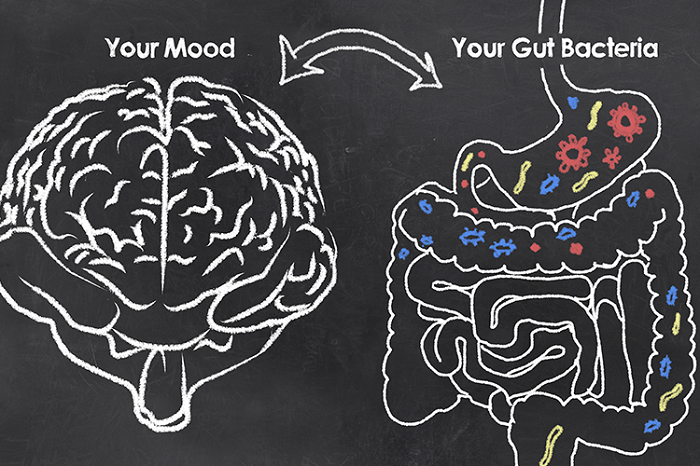
Brain: Always Trust the Sensations of Your Gut Bacteria
The field of gut microbiome science has garnered significant attention in recent years, but experimental research remains confined to mouse models, with no clinical studies conducted in patients yet. However, in a Q&A email, David Donabedian, co-founder and CEO of Axial Biotherapeutics, expressed his view that the scientific theory is already established; all that remains is to translate it into reality.
“Growing evidence indicates that the composition of the microbiota, particularly the gut microbiota, significantly impacts human health. Dysbiosis of the microbiota can lead to a wide variety of diseases.” He further added that more research should be conducted to further elucidate the relationship between the microbiota and various central nervous system disorders.
Axial’s technology platform is licensed from the Mazmanian Laboratory at the California Institute of Technology, which is led by Professor of Microbiology Sarkis Mazmanian. This laboratory was among the first to engineer the gut microbiota in mouse models and demonstrate that this approach can ameliorate autism symptoms. Professor Mazmanian also participated in the founding of Axial and will join the company’s executive team. His research extends well beyond the impact of the gut microbiota on autism, and all related findings will inform the company’s future development goals.
Axial’s broader ambition is to pioneer an in vivo microbiome research platform dedicated to investigating gut-brain axis-related disorders, with the aim of developing novel therapies and identifying potential biomarkers from the perspective of the interplay between the microbiota and the nervous system. Given that current therapeutic options for neurological diseases are generally suboptimal, Axial seeks to leverage this platform to discover more effective treatments. The company’s CEO, Donabedian, further stated that Axial will adjust its pipeline candidates in response to market demands and regulatory requirements.
Currently, the most promising areas for breakthroughs in the human microbiome industry are gastrointestinal infections and metabolic or immune-related diseases. The greatest advantage of applying microbiome-based therapies to these conditions lies in the fact that microbes are already abundant in the gut, blood, and immune system, enabling rapid and pronounced therapeutic effects.
For instance, the following companies are applying microbial therapies in the aforementioned fields: Second Genome, a San Francisco-based company, focuses on treating inflammatory bowel disease (IBD) and metabolic disorders; Seres Therapeutics, based in Boston, has a Phase II clinical-stage drug for treating recurrent infections of the gut pathogen Clostridioides difficile, as well as early preclinical programs targeting IBD, metabolic disorders, and drug-resistant bacterial infections; another Boston-based company, Synlogic, utilizes engineered probiotics for the precise treatment of two rare diseases: urea cycle disorders and phenylketonuria.
However, one company similar to Axial is also conducting research on the somatic microbiome within the brain–gut axis: Kallyope, which was founded in New York City in December 2015. The company secured $44 million in its Series A financing round and, to date, has not announced any clinical research results. Kallyope is likewise building a drug discovery platform applicable to multiple central nervous system disorders.
It is reported that Axial Biotherapeutics has not yet been formally established. Addressing the intense competition in this field, Donabedian acknowledged that the human microbiome is currently a hot topic, but he believes Axial holds distinct advantages. “As people gain a deeper understanding of the correlation between microbial dysbiosis and disease, it will trigger a new wave of startups and investments in the field of microbiome-based medicine. We are aware that one or two other companies are also conducting research on the gut-brain axis, but we remain confident that Axial Biotherapeutics will assume a leadership position in research on the central nervous system-microbiome interface.”