

Five Scientists Awarded 2017 Breakthrough Prize in Life Sciences for Pioneering Molecular and Cellular Biology Research
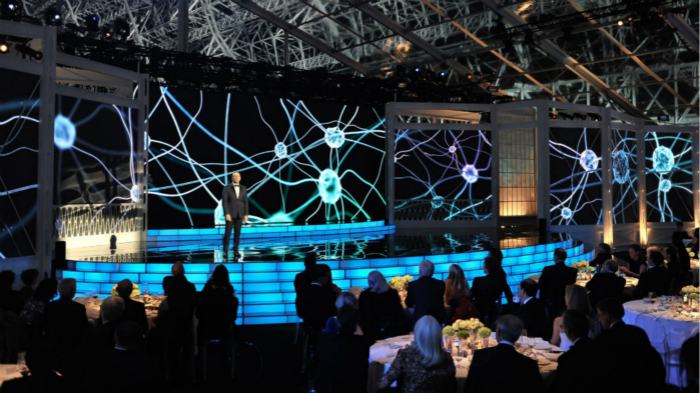
On the evening of December 4 (U.S. time) at 10:00 PM, the Breakthrough Prize, hailed as the “Oscars of Science” and the “Luxury Version of the Nobel Prize,” was announced at NASA’s Ames Research Center in Silicon Valley. This year’s awards placed particular emphasis on scientists who have made outstanding contributions to the field of molecular cell biology, advancing our understanding of genetic information and the pathogenesis of certain diseases.
This award was established by Facebook founder Mark Zuckerberg, together with Google co-founder Sergey Brin and Russian venture capitalistYuri Milner et al.Jointly established, the awards include the Breakthrough Prize in Mathematics, the Breakthrough Prize in Fundamental Physics, the Breakthrough Prize in Life Sciences, the New Horizons in Physics Prize, and the New Horizons in Mathematics Prize, among others, to honor individuals who have made outstanding contributions in the fields of life sciences, fundamental physics, and mathematics.
As each laureate receives a prize of up to $3 million, the award is known as the “Nobel Prize Deluxe.” Notably, Jack Ma and his wife joined the Breakthrough Prize Foundation in 2013, donating $3 million annually.
Not only are the prizes generous, but the award ceremony is also star-studded,This year’s awards ceremony was hosted by actor Morgan Freeman, with a performance by pop star Alicia Keys. Since its inception in 2013, this red-carpet awards gala has aimed to raise the public profile of scientists, and all invited Hollywood guests have had some connection to the scientific community.
At the awards ceremony, Facebook founder Mark Zuckerberg stated, “We have devoted more time to focusing on and supporting science. The 2017 Breakthrough Prize laureates are leading figures in the fields of physics, mathematics, and life sciences. Their breakthroughs will open up new possibilities and help make the world a better place.”
This year, five individuals were awarded the Breakthrough Prize in Life Sciences, each receiving a $3 million prize.Award winners, willParticipate in all-day talks and panelsThematicdiscussions, such as gravitational waves and the gene-editing technology CRISPR-Cas9.
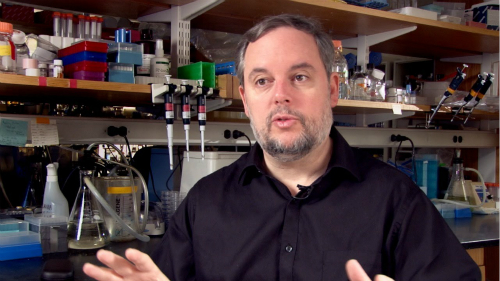
Professor in the Department of Genetics and the Division of Medical Sciences at Harvard Medical School, he has elucidated how eukaryotic cells sense and respond to DNA damage, providing new insights into cancer development and treatment. Elledge also received last year’s Lasker Award for his research on DNA damage.
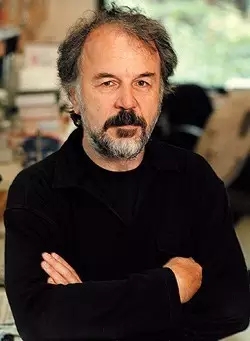
Professor of Molecular Biology at the University of California, Santa Cruz, and Director of the Center for RNA Molecular Biology. His contribution lies in elucidating the critical role of RNA in the composition of ribosomes, which are essential organelles for protein synthesis and play a vital part in life processes. Noller’s discovery bridges modern biology with the origins of life.
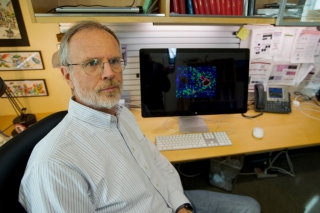
Professor of Developmental Biology at Stanford University and Investigator at the Howard Hughes Medical Institute,One of the discoverers of Wnt,Pioneering Research on the Wnt Signaling Pathway, a Critical Cellular Signaling Cascade. The Wnt signaling pathway plays a pivotal role in developmental biology, carcinogenesis, and stem cell biology. Several companies are leveraging his research to develop therapeutics for low bone density and colon cancer.
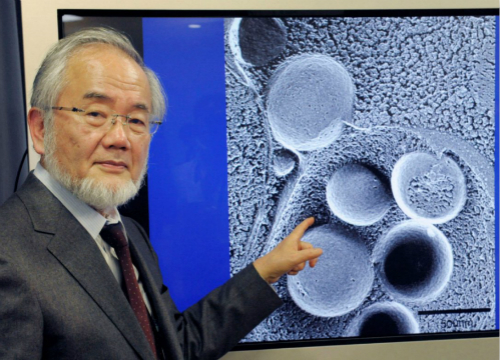
Japanese molecular and cell biologist. Currently Professor Emeritus at the Graduate University for Advanced Studies (SOKENDAI), Professor Emeritus at the National Institute for Basic Biology, and Distinguished Professor at the Institute of Innovative Research, Tokyo Institute of Technology. Professor Ohsumi is a pioneer in the field of autophagy research.He is also the sole recipient of this year’s Nobel Prize in Physiology or Medicine. The prestigious award once again recognizes his significant contributions to the field of autophagy.
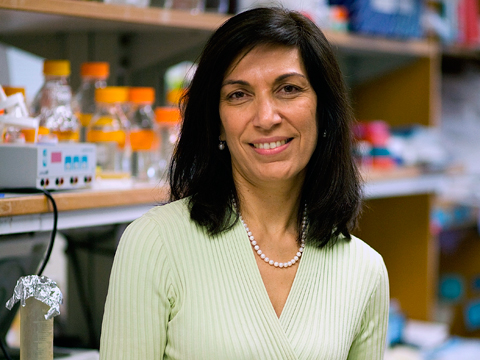
A rare disease researcher at Baylor College of Medicine, she has successfully elucidated the genetic and biochemical mechanisms underlying spinocerebellar ataxia and Rett syndrome. This work may have implications for drug development in neurodegenerative diseases such as Alzheimer’s disease and Parkinson’s disease.