Digital Innovation in the Nutrition Industry: Frontier Trends and Product Insights

By Gu Beini, Mo Renying, Deng Xueyuan, Sun Liyan
Overview of the Overall Nutrition Industry Market
Before delving into the topic of digital innovation in the nutrition industry, let us first examine the market demand within this sector, particularly its current status, trends, and core pain points. After all, contemporary innovation efforts are ultimately aimed at meeting these demands and addressing various pain points.

The pursuit of a healthy lifestyle has led to increased demand for improved nutritional intake. A healthy life relies on three pillars: balanced nutrition, regular and appropriate exercise, and adequate rest and sleep. The growing health consciousness among contemporary populations has further intensified the focus on how to eat in a healthy and nutritious manner.
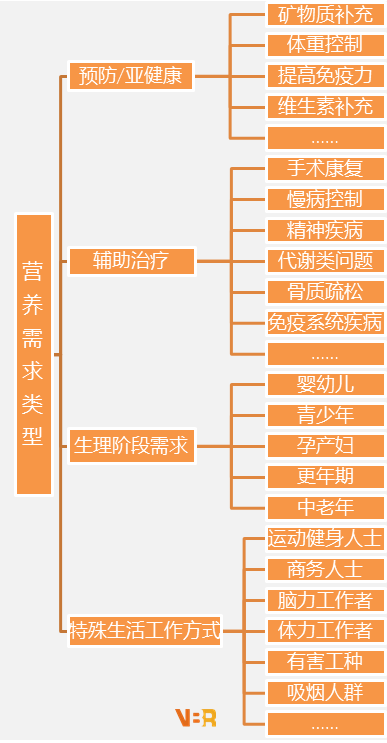
Nutritional intake plans can help address various health issues to a certain extent. Several categories are outlined below:1. Enhancing bodily functions and reducing disease risk (trace element balance, weight management, immune system enhancement);2. Supporting the treatment and control of chronic diseases (diabetes, cardiovascular diseases, mental disorders, chronic inflammation, osteoporosis, and other metabolic conditions);3. Meeting the health needs of individuals at different physiological stages (infants and young children, adolescents, pregnant and postpartum women, menopausal women, and middle-aged and elderly adults);4. Addressing the specific health requirements of particular occupations and lifestyles (athletes, knowledge workers, business professionals, workers in hazardous environments, smokers, and individuals with irregular sleep patterns).
To eat healthily in daily life, people should first optimize the combination of food ingredients and control portion sizes to make meals more beneficial to health; additionally, they can compensate for nutrients that are relatively lacking in their regular diet by choosing to take nutritional supplements and other health products.
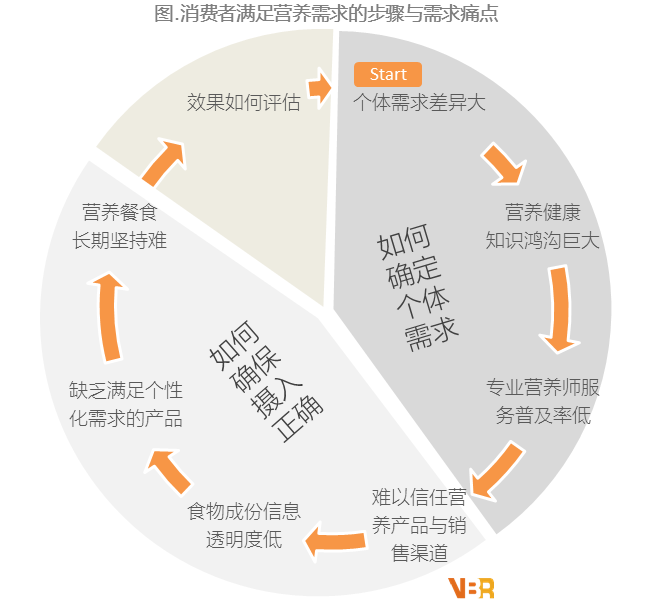
A core characteristic of human nutritional requirements is that, due to individual variability, there are significant differences in the specific nutrients and dosages needed by each person. Starting with an understanding of individual nutritional needs, the process for consumers to obtain healthy nutritional products can be simplified into three steps: 1. Identify individual needs; 2. Ensure proper intake; 3. Evaluate efficacy and implement cyclical management.
In the current context of China, there is a significant gap in nutritional health knowledge, and the penetration rate of professional dietitian services remains very low. There is a lack of transparency regarding food composition; consumers have limited trust in nutritional products and their distribution channels; there is a shortage of nutritional products that meet personalized needs; long-term adherence to healthy, nutritious meals is difficult; and there are no effective methods for evaluating the efficacy of nutritional supplements. These represent the key pain points in the current consumer market for the nutrition industry, which will be further analyzed in relation to these pain points in the subsequent discussion on digital innovation scenarios within the nutrition industry.
Based on the aforementioned market pain points, previous consumer reports, and relevant observations, VCBeat has identified several trends in nutrition industry consumption.
Trend 1: Consumers Expect Nutrition Management to Play a Greater Medical Role
Often, food is no longer just food. According to a Nielsen survey, nearly 80% of global consumers report that they choose to consume appropriate foods to prevent diseases or address specific health issues, such as common conditions including obesity, diabetes, hypertension, and hyperlipidemia. Here, we introduce the concept of Medical Nutrition Therapy (MNT).
Medical Nutrition Therapy(MNT, Medical Nutrition Therapy) is the provision of appropriate nutrients based on the pathophysiology of the disease and the patient’s psychological and physiological characteristics, aiming to enhance the body’s resistance, promote tissue repair, and reduce the burden on organs. It involves adjusting nutrient supply to meet clinical needs and facilitate early functional recovery, as well as restricting or quantitatively controlling nutrient intake to correct imbalances caused by metabolic disorders.
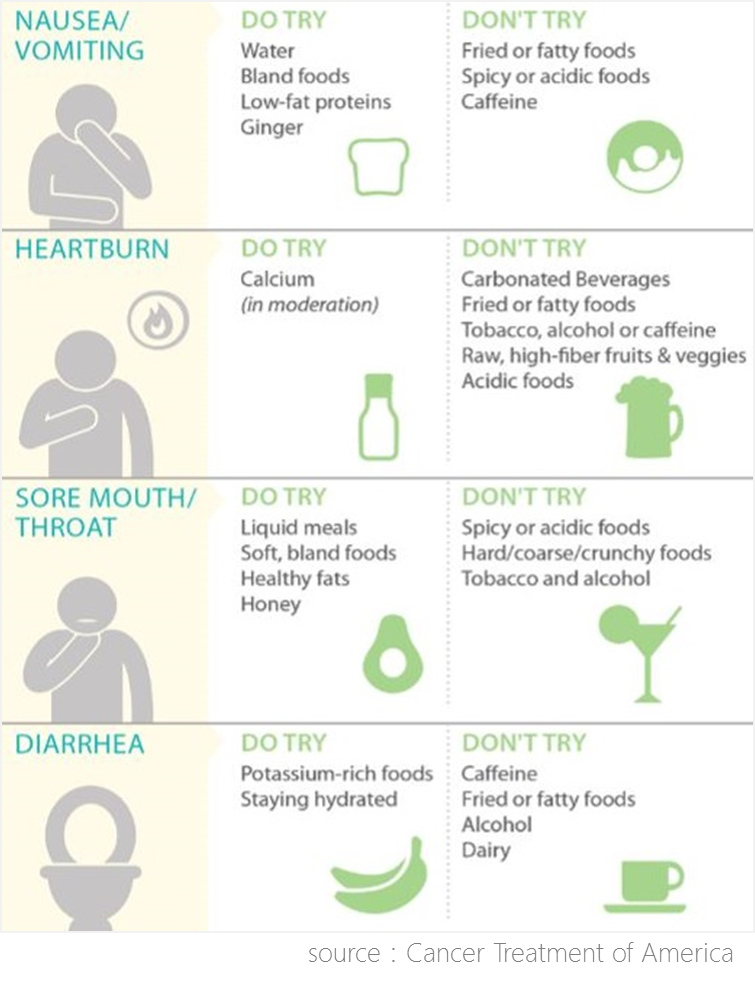
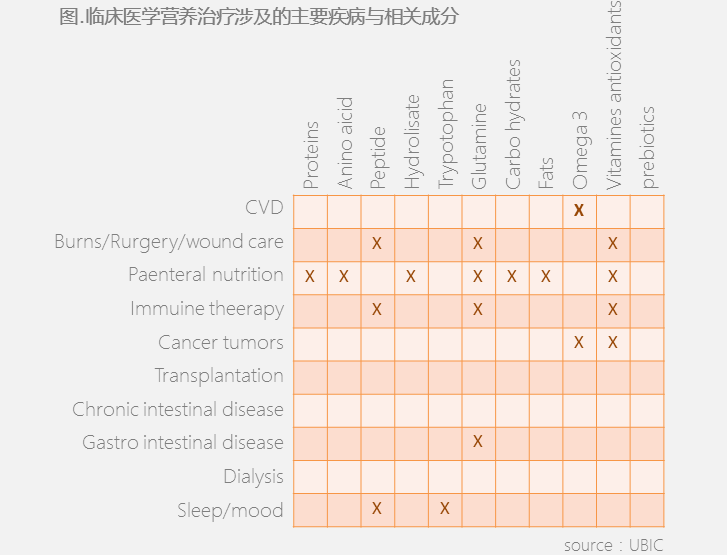
Taking cancer as an example, according to data from the U.S. Cancer Data Center: 80–90% of cancer patients exhibit varying degrees of malnutrition. 20–40% of cancer patients may die from malnutrition or related factors. As shown in the figure, nutritional management significantly improves adverse symptoms in cancer patients.
Medical Nutrition Therapy Is No Longer Limited to In-Hospital Settings
Medical nutrition is an integral component of comprehensive patient care in hospitals. Dietary therapy holds equal importance to pharmacotherapy, surgery, physical therapy, and other specialized treatments. A rational diet not only improves patients’ general condition and facilitates disease cure and health recovery, but can also serve as an active therapeutic factor in its own right. In the management of chronic diseases, medical nutrition plays a significant role by controlling disease progression through customized dietary plans. These treatment protocols are typically developed by registered dietitians based on the patient’s medical history, clinical examinations, functional assessments, and prior dietary patterns. Conditions managed through such interventions include diabetes, cardiovascular diseases, osteoporosis, immune system disorders, as well as mental health conditions and oncology care.
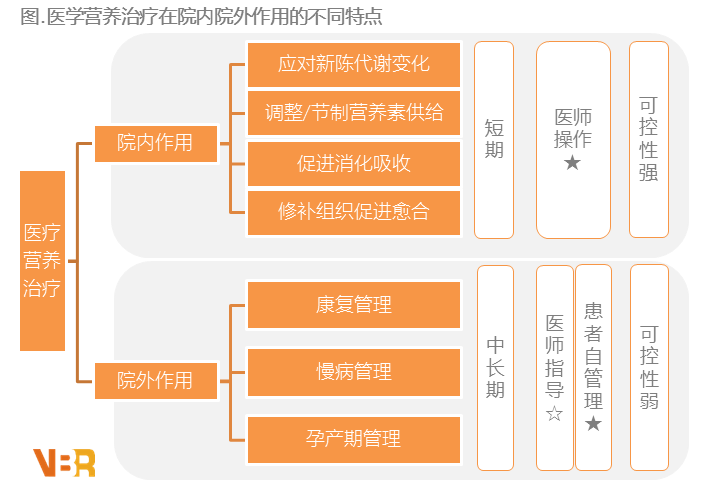
We can categorize medical nutrition into short-term therapeutic interventions within hospitals and longer-term rehabilitation and chronic disease management outside of hospital settings.
Emerging New Categories of Medical Nutrition Products
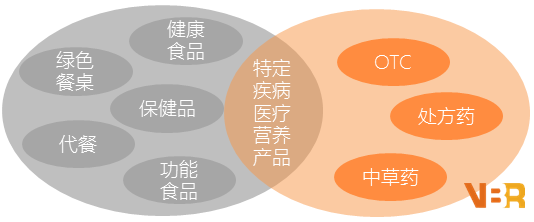
In the field of medical nutrition therapy, growing awareness among general consumer-patients is being driven by increased patient self-management and home-based care behaviors, as well as advancements in rehabilitation management. Consequently, relatively specialized nutritional regimens are extending beyond hospital settings into community and home environments. Nutrition products centered on specific diseases are emerging as a new category of nutritional foods.
Trend 2: Consumers Demand Greater Self-Management
For a long time, general consumers have remained highly confused about how to manage their diets and regulate nutrition in a healthier way. A significant information gap exists between these consumers and professionals, product and service providers, and distributors. Contemporary consumers exhibit a stronger desire for self-control across various aspects; they are more eager to bridge this information gap and achieve greater clarity in their dietary choices. In fact, most pain points in market demand can be attributed to this severe information asymmetry.
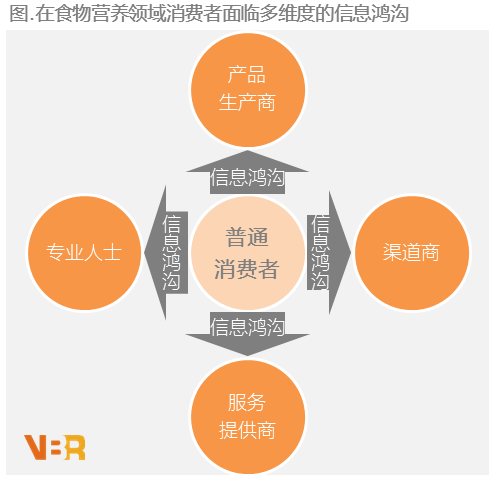
Ordinary consumers first fail to fully understand their own health status, and second, lack sufficient nutritional knowledge to guide the selection of appropriate foods and supplements, as well as determine proper dosages and methods of intake. Furthermore, their understanding of product manufacturers, distributors, and service providers is limited. Ultimately, information gaps across various dimensions and stages prevent them from achieving effective self-management.
And now, the situation continues to grow more complex. For example, according to Nielsen reports, consumers are considering increasingly complex factors when purchasing health-related products in their pursuit of wellness. Many consumers struggle to understand the instructions for health products; although product labels and informational materials are provided, this information is often too technical to be clearly understood, thereby hindering consumers from making appropriate purchasing decisions.
Trend 3: Growing Demand for Personalized Nutrition
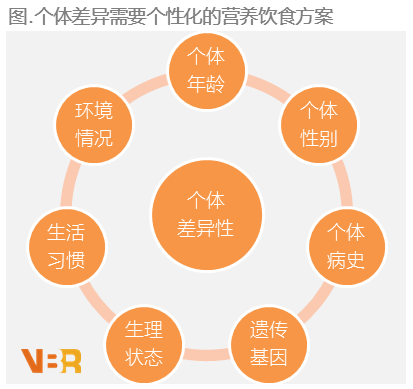
Nutritional management is highly individualized, influenced by a variety of personalized factors such as age, sex, internal physiological status, medical history, lifestyle habits, and environmental conditions. For the same health issue, different individuals require distinct nutritional and dietary management plans; a one-size-fits-all approach often yields unsatisfactory results.Personalized nutritional needs are fundamentally more aligned with the principles of nutrition science, yet the historical market has failed to provide consumers with personalized nutrition products.Emerging technologies such as the internet, big data, and artificial intelligence are advocating for and facilitating personalized models across many sectors, and the nutrition industry is no exception.
In line with the trend of consumption upgrading, in the field of nutrition, some consumers are willing to pay a premium for more targeted and effective personalized products or services.
Personalized Needs Drive Demand for More Widespread Dietitian Services
Historically, personalized out-of-hospital nutritional management and guidance services provided by registered dietitians were accessible only to a select few, such as athletes and other special populations covered by their employers, or were available exclusively within the realm of premium healthcare services. Due to the scarcity of qualified dietitians, the non-essential nature of nutritional guidance for many individuals, and limitations in social insurance coverage, accessing personalized nutritional counseling was considered a luxury under traditional models.

However, the demand for dietitian services has become increasingly significant, as the more targeted nutritional management plans provided by dietitians are a prerequisite for personalized nutrition management. How to leverage innovative technologies and models to make dietitian services less of a luxury and accessible to more consumers is precisely what some startups are currently striving to address.
Personalized Concept of Medical Nutrition Therapy
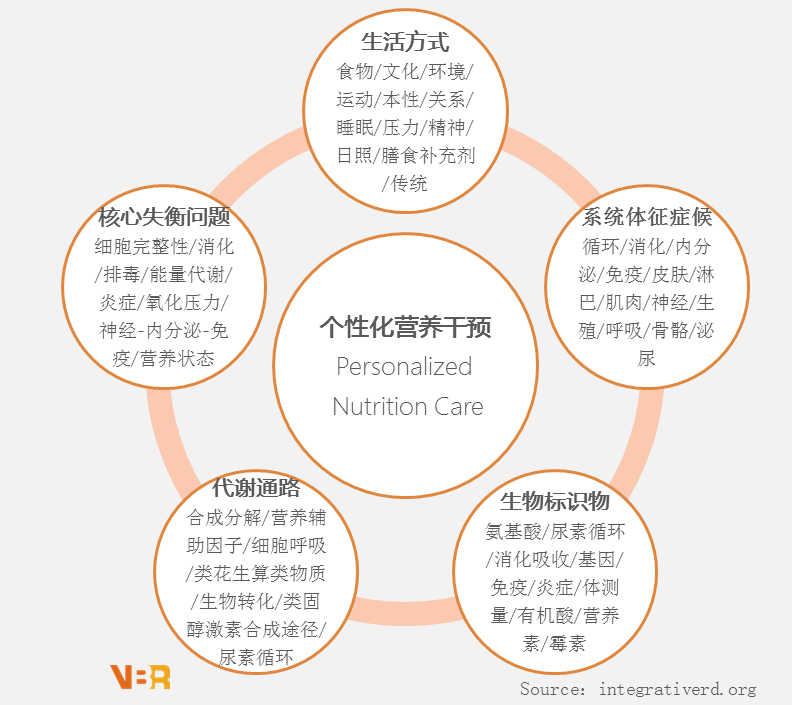
In the field of medical nutrition therapy, the concept of personalized nutritional intervention has also been proposed. Below is a description of the model for advancing personalized nutritional intervention by the Integrative and Functional Medical Nutrition Therapy (IFMNT) Practice Group, a subgroup of the Academy of Nutrition and Dietetics in the United States.
A recent report by Boston Consulting Group (BCG), titled “From Insights to Action: Tapping into China’s Health and Wellness Consumer Goods Market,” points out that Chinese consumers rank among the highest globally in both their willingness to upgrade spending on health supplements and the importance they attach to such products. In 2013, nutritional and health supplements rose to the second-highest position in Chinese consumers’ expenditure rankings, marking a significant increase compared with their ranking two years earlier.
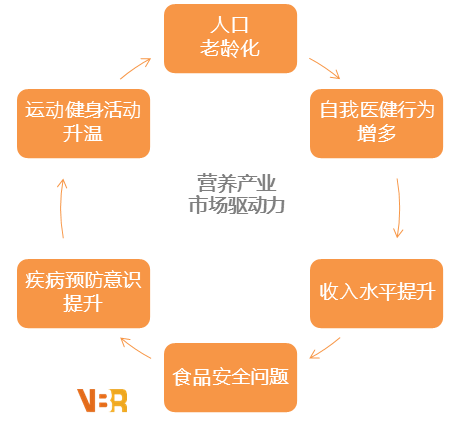
Chinese consumers’ increased investment in nutrition and health is driven by multiple factors, including the overarching trend of population aging; specific food safety concerns in China; the deepening of health self-management and home care practices in recent years; heightened awareness of disease prevention; and the growing enthusiasm for fitness activities among urban populations, which promotes healthy lifestyle habits.
According to a McKinsey survey, Chinese consumers’ concerns about food safety have risen further, with the proportion of consumers worried that their food intake could be harmful to their health increasing from 60% in 2012 to 72% in 2015. To eat more healthily, people are increasingly opting for organic and green foods.
In recent years, there has been a heightened awareness of disease prevention among the public, leading to an increase in home-based self-care and health management practices. Meanwhile, China’s aging population trend is intensifying, resulting in a further rise in the proportion of individuals suffering from chronic diseases. Under the current paradigm of chronic disease self-management, the needs of these patient populations are becoming more deeply defined, thereby driving the development of related products.
In 2020, the market size of China’s health consumer goods sector was expected to exceed RMB 400 billion. Over the past three to five years, China’s health supplement consumer market has achieved an average annual growth rate of 10%–11%, and this annual growth rate is projected to remain at around 11% in the coming years. According to data from Euromonitor International, China became the world’s second-largest market for health supplements in 2013.
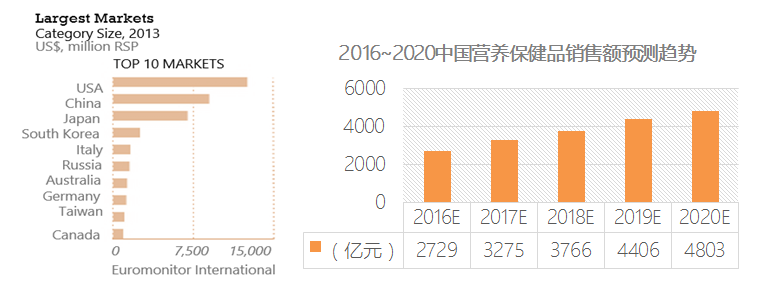
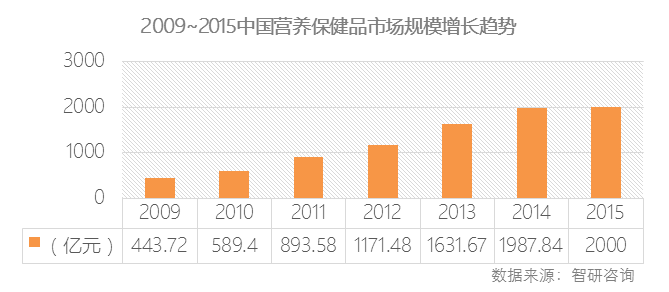
Furthermore, data indicates that between 2010 and 2014, the industry’s average annual growth rate ranged from 10% to 15%, with sales revenue expanding from RMB 85.6 billion to RMB 200 billion. In the future, China’s health supplement sales in the Asian market are projected to account for 44% of the global share.
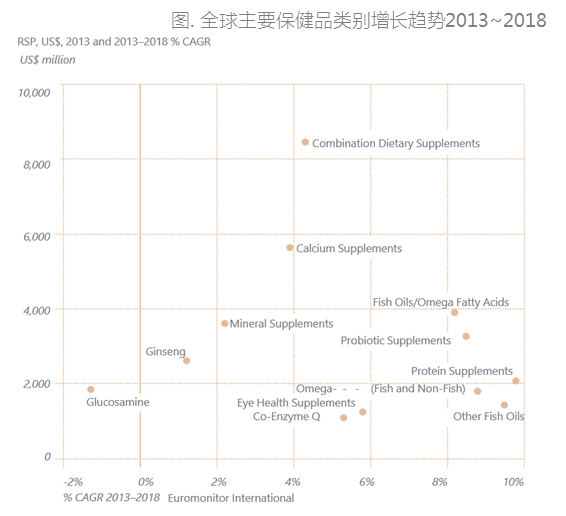
Global Growth Trends in Major Dietary Supplement Categories
According to Euromonitor data, the fastest-growing health supplement categories globally include fish oil, probiotics, and protein products, while compound dietary supplements and calcium tablets account for a larger share of the total market size.
Strong Demand Among Chinese Consumers for Other Health Foods
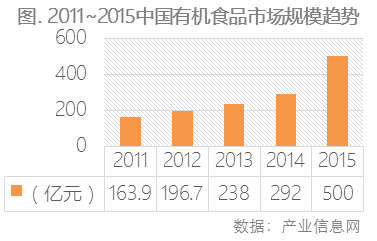
In addition to health supplements, Chinese consumers’ demand for green and healthy foods is also growing rapidly. Products centered on the concepts of healthy eating and balanced nutrition—such as organic foods, low-fat and low-sodium foods, and whole-grain foods—are increasingly favored by Chinese consumers. According to 2013 data from Statista, China was the fourth-largest market for organic foods globally, with a market size of $2.7 billion. In 2015, the consumption scale of organic foods in China reached approximately RMB 50 billion.
Significant Gap in Per Capita Health Supplement Consumption Between China and Developed Countries
In terms of total volume, Chinese consumers rank among the top in the nutritional supplements market; however, there is a significant gap in per capita consumption compared to other major markets. Data from 2014 shows that per capita spending in China was only one-fifth of that in the United States. The Chinese market still holds substantial growth potential in the future.

Three Core Consumer Groups
The Elderly Population: According to survey data from the China Health Care Association, annual sales of health supplements in China currently amount to approximately RMB 200 billion, with elderly consumers accounting for more than 50% of this figure. Market forecasts predict that between 2014 and 2050, the consumer market for China’s elderly population will grow from around RMB 4 trillion to approximately RMB 106 trillion, with a particularly notable increase in spending on healthcare and medical services. Product offerings are primarily focused on functions such as immune regulation, management of common chronic conditions, anti-fatigue, anti-aging, calcium supplementation, and lipid regulation.
Urban Women: Urban women have become another key demographic for health supplements, with the market size continuing to expand. Most women purchase health supplements for purposes such as beauty and skincare, weight loss, blood nourishment, and intestinal detoxification. A commercial report jointly released by Taobao and CBNData points out that women are the primary consumers of health supplements; those aged 22 to 50 account for approximately 60% of total sales in the health supplement market, while the share of young female consumers (aged 18–28) is gradually increasing.
Young Children Population: Infants, toddlers, and children also constitute a significant customer segment for the nutrition industry. A new baby boom occurred in China between 2014 and 2018, leading to an increase in the size of this population.
From a historical development perspective, China has undergone stages of food shortage, food sufficiency, and food abundance. Today, the availability of food itself is no longer the key factor affecting residents' nutritional health; rather, the critical solution to nutritional issues, achieving nationwide nutritional improvement, and enhancing physical fitness lies in leveraging state capacity to ensure food access for all citizens—particularly impoverished and vulnerable populations—and providing scientific guidance. Since the founding of the People's Republic of China, national nutrition policies have evolved through three major developmental stages.
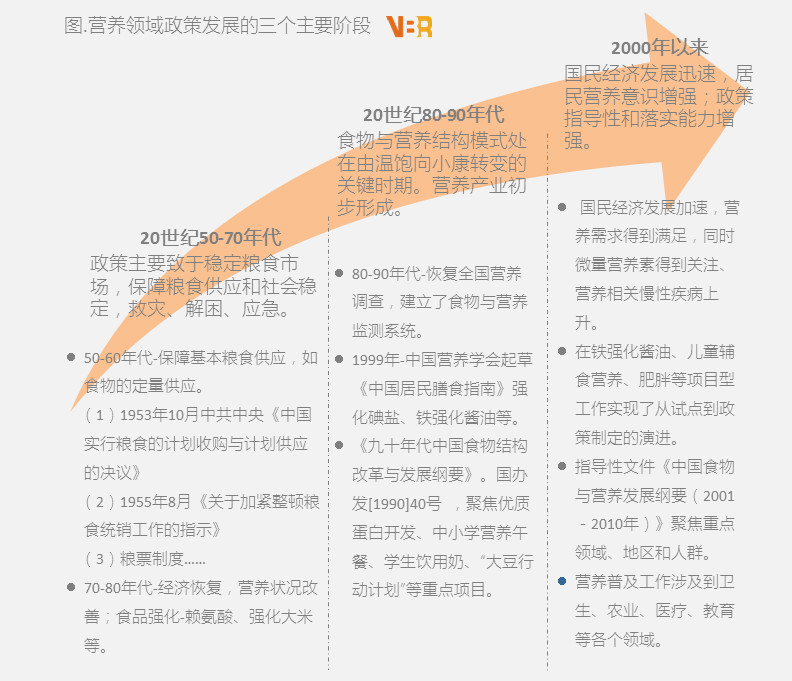
An analysis of past and present conditions reveals that China’s current nutrition improvement efforts remain predominantly driven by research projects and investments from health authorities, which are often difficult to sustain over the long term. Addressing nationwide nutrition challenges requires greater commitment of resources and effort from multiple sectors.

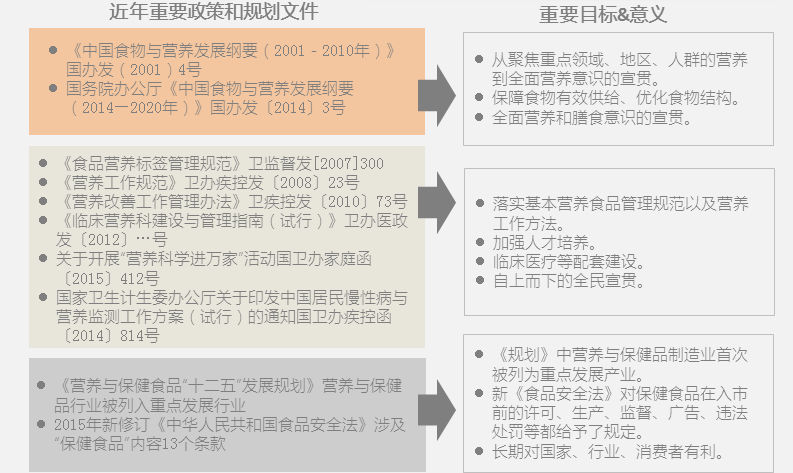
Currently, policies in the field of nutrition are being disseminated to the general public through multi-stakeholder engagement involving the government, industry enterprises, policy research and publishing institutions, as well as community and social service organizations. While China has made progress in implementing nutrition-related policies, challenges remain.

Overall, as a key industry prioritized for development by the state, the nutrition and health care sector boasts broad prospects. However, from a policy perspective, China’s progress in the field of nutrition still lags significantly behind that of countries such as Japan and the United States, thereby hindering the further development of the nutrition industry.
Policy: Heavy on Planning, Light on Design—There is a need for more goal-oriented and strategic top-level design, and effective implementation of such designs requires robust mechanisms, particularly in the areas of cross-departmental collaboration and government-enterprise partnerships.
Lack of basic research in the field of nutrition, with insufficient foundational data support——The monitoring system in the field of nutrition is still in its developmental stage, and grassroots research in specific areas, such as nutrition and intellectual development, as well as exercise and nutrition, remains insufficiently in-depth.
Lack of Specialized Talent and Training—Compared with countries such as Japan, China faces a severe shortage of professionals in the field of nutritionist practice and training, and inadequate policy and legal frameworks have further exacerbated the chaotic and uneven quality within the industry.
Top Priority: Nutrition Legislation Is Crucial—The United States and Japan enacted nutrition-related legislation at an early stage. Only by accelerating the enactment of nutrition laws, clarifying rights and responsibilities, can we better address interdepartmental coordination and mobilize societal resources to participate in nutritional improvement.
Digital Innovation Scenarios in the Nutrition Industry
Driven by multiple factors, including policy and economic influences, consumers’ awareness of health and nutrition continues to rise. A prerequisite for adequate and rational nutritional supplementation is that consumers clearly understand their own nutritional and health status. However, the reality is that consumers remain passive in both their awareness and methods of nutritional assessment. Traditional nutritional diagnosis and treatment fail to adequately meet personalized needs, leading consumers to often follow trends blindly when selecting nutritional products or services. Limitations in recognizing and differentiating among various products make it difficult for them to properly manage their nutrient intake and assess their nutritional status.
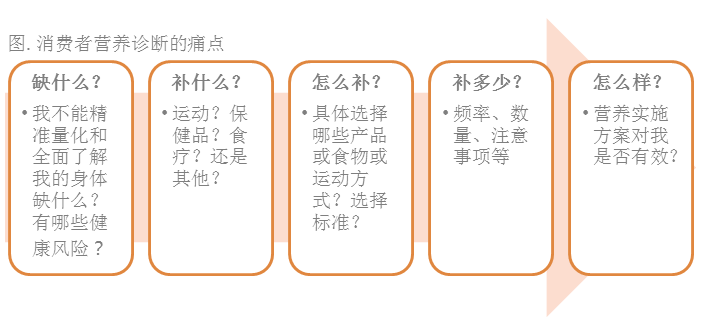
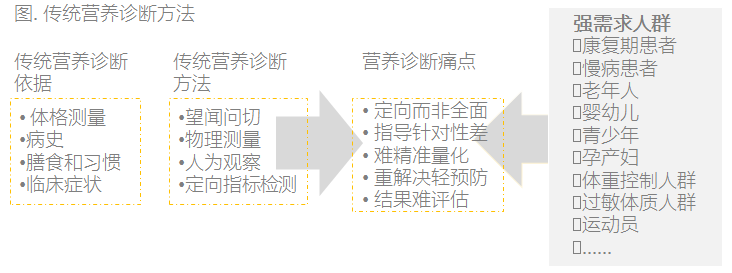
Traditional methods of nutritional diagnosis are primarily based on retrospective physical examinations, thereby lacking the capacity for control and prediction of potential nutritional and health risks.
Applying Genetic Testing Technologies from Precision Medicine to Nutritional Diagnosis
Compared with traditional nutritional diagnostic methods, there is limited understanding of the interaction between dietary and genetic factors and their impact on overall health. Nutritional genomics primarily investigates the interplay between dietary nutrients and genes at both molecular and population levels, as well as its effects on human health. It aims to establish dietary intervention strategies and nutritional healthcare approaches based on individual genomic structural characteristics, propose more personalized nutrition policies, and thereby facilitate the effective application of nutritional research findings in disease prevention, ultimately promoting human health.
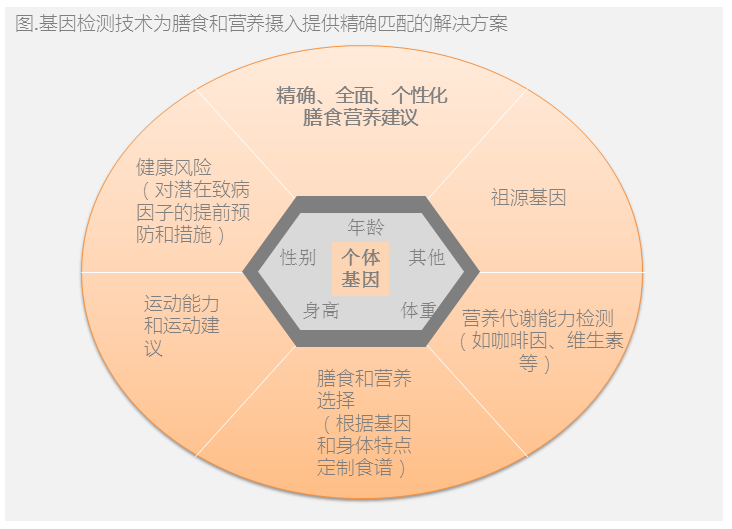
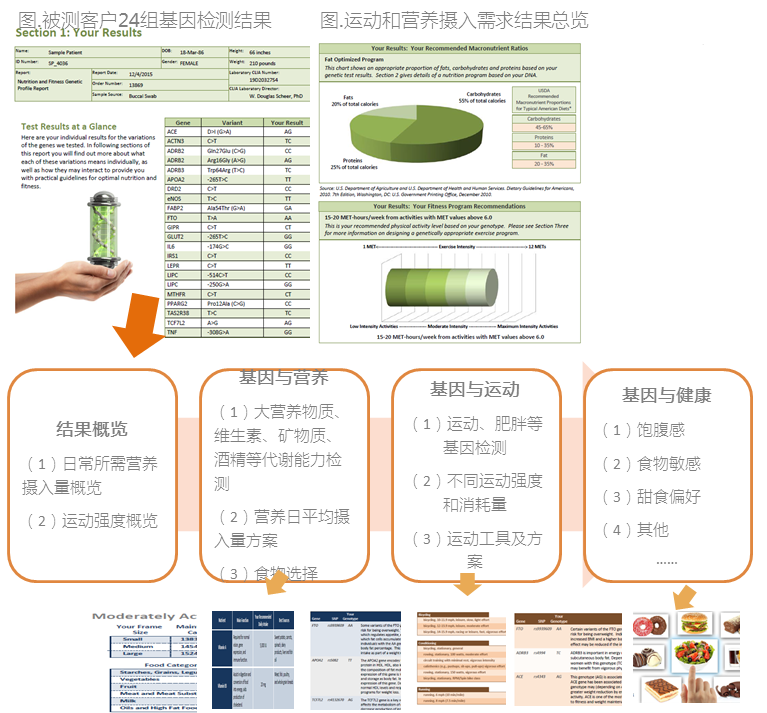
In recent years, the application of genomic technologies in nutritional research has been rapidly expanding, and the influence of gene polymorphisms on the relationship between dietary factors and disease has garnered increasing attention from nutritionists.

The Gap Between Demand and Supply in Nutritional Care
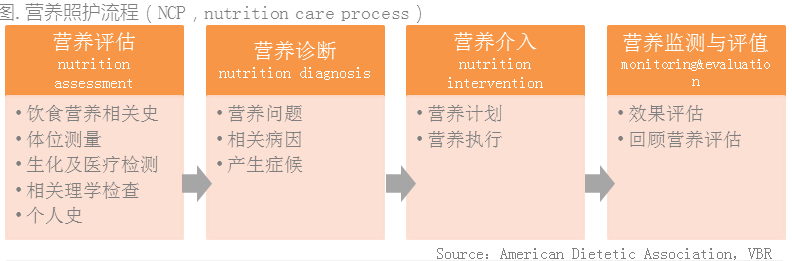
Nutrition Care Process (NCP) is a specialized field that relies on nutritional science and professional medical diagnostic methods. According to the Academy of Nutrition and Dietetics, NCP comprises four steps: nutrition assessment, nutrition diagnosis, nutrition intervention, and nutrition monitoring and evaluation. The implementation of NCP requires registered dietitians to help plan interventions and conduct assessments, which inevitably entails high costs. In particular, there is a severe shortage of qualified dietitians in China. Beyond the necessary collaboration during inpatient treatment, accessing professional dietitian services outside hospital settings has historically been a luxury.
In 2015, China had only approximately 4,000 clinical dietitians, equating to one dietitian per 325,000 people. In contrast, Japan, the country with the highest life expectancy globally, had a total of 400,000 dietitians among its population of over 100 million, or roughly one dietitian per 330 people, with the number of dietitians being 2.4 times that of clinicians. The United States boasted as many as 90,000 registered dietitians. Furthermore, more than 70% of U.S. hospitals have established “Nutrition Support Teams” composed of physicians, clinical dietitians, pharmacists, and nurses to provide parenteral and enteral nutritional support to patients.
To address the imbalance between the shortage of dietitians and the growing demand for nutritional services among general consumers and patients, private dietitian services are beginning to enter ordinary households at lower costs and with greater efficiency through innovative models that leverage digital technologies such as the internet, big data, and artificial intelligence.
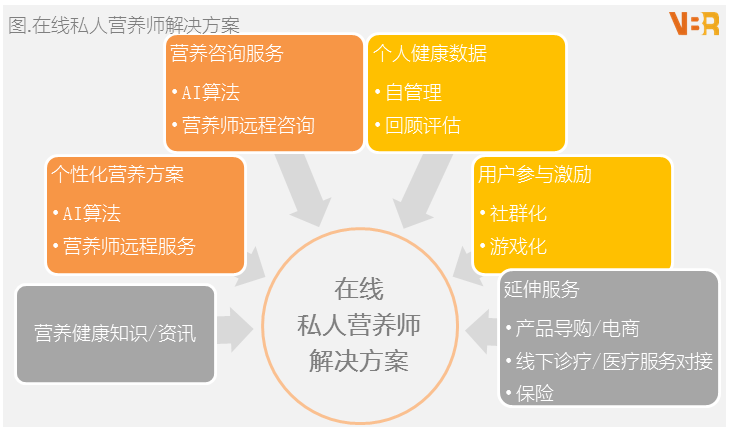
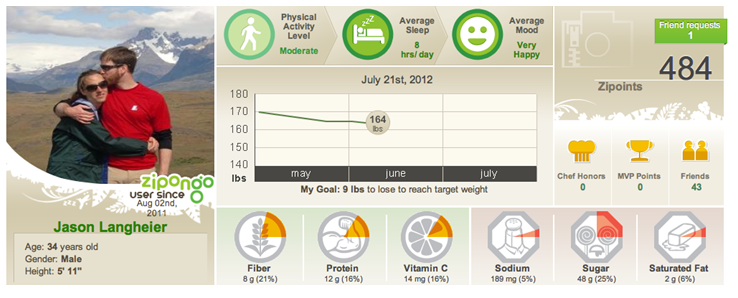
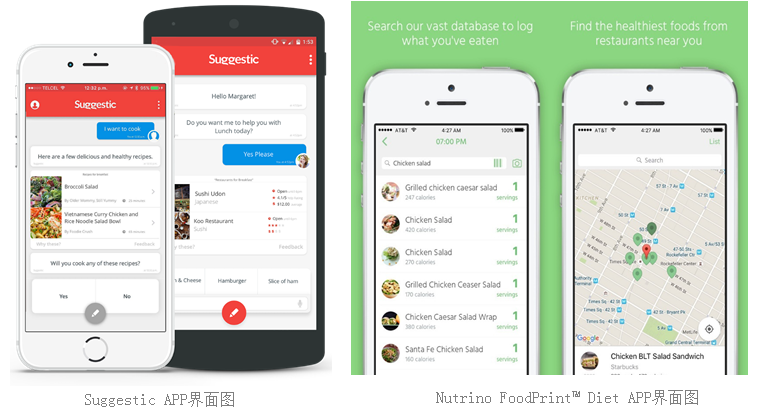
As illustrated, the core services of online private nutritionists are typically delivered via mobile applications, offering remote nutritional counseling or leveraging artificial intelligence and algorithms to provide personalized nutrition management plans and dietary recommendations. These applications feature significantly enhanced personalization, integrating individual health data with community-based and gamified elements to promote self-management.
Artificial Intelligence Technology and Nutrition Science
Several startup teams, both domestically and internationally, have developed virtual nutritionist applications leveraging technologies such as machine learning. Some research findings indicate that, supported by machine learning, virtual nutritionists may provide more effective advice than human nutritionists. In November 2015, David Zeevi’s team published a paper in *Cell*, elucidating the positive impact of applying machine learning to nutrition science.

The core value of artificial intelligence technology here lies in providing more tailored medical nutrition therapy plans through data interpretation, without consuming the scarce resources of dietitians or physicians.
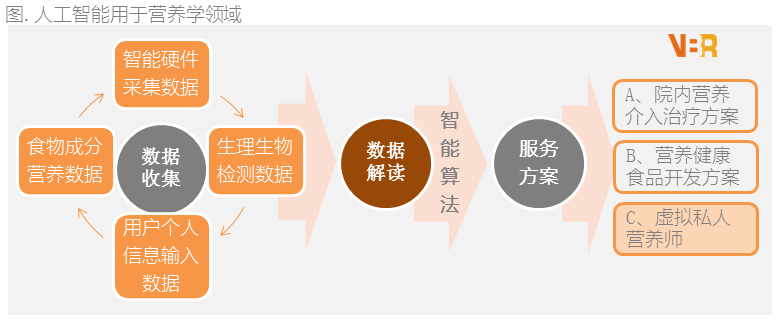
Furthermore, it is worth noting that the application of intelligent algorithms in nutrition not only enables personalized nutritionist services but also supports clinical medical nutrition therapy interventions within hospitals, while providing product development solutions for nutritional health food enterprises.
End-to-End Nutrition Services
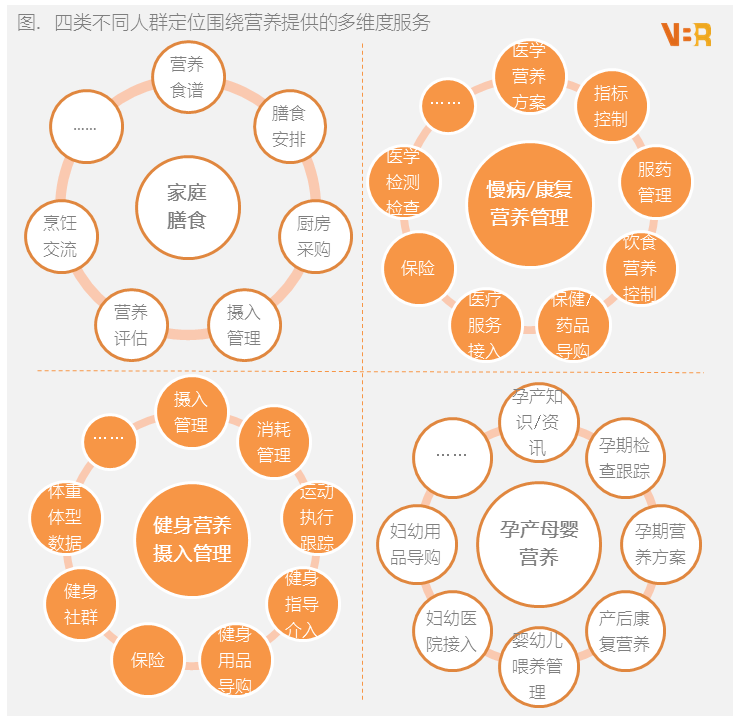
Nutrition management is not an isolated practice; it is closely intertwined with daily diet, physical exercise, and disease prevention and treatment. With private nutritionist services as the core value proposition, addressing the extended needs of the target user base is essential to highlight this core value. These extended services often serve as value-added offerings that generate revenue. Many applications achieve such extensions through integrations with other platforms, such as fitness apps and wearable devices. Depending on the target population, current solutions primarily focus on four areas: family meal planning, fitness management, chronic disease/rehabilitation management, and maternal and infant nutrition.
Analysis of the Business Model for Online Nutrition Service Applications
Overall, the business models of current online service applications centered on nutritional management exhibit the following characteristics:
1. Centered on nutritional management, extending into adjacent fields
2. Deliver a comprehensive user experience through integration with other applications.
3. Most B2C services are offered free of charge, with revenue models established by driving the purchase of other related products or services.
4. Acquiring and analyzing ingredient data for nutritional food products, along with data on their health impacts, has become a critical pathway to building a competitive moat.
5. As with many health-related apps, user stickiness remains a thorny issue.
6. In the B2B model, these companies also provide user acquisition and management, data analytics, and related services to health supplement and functional food manufacturers, pharmacies, pharmaceutical factories, medical institutions, and insurance companies, supporting R&D, marketing management, and clinical decision-making.
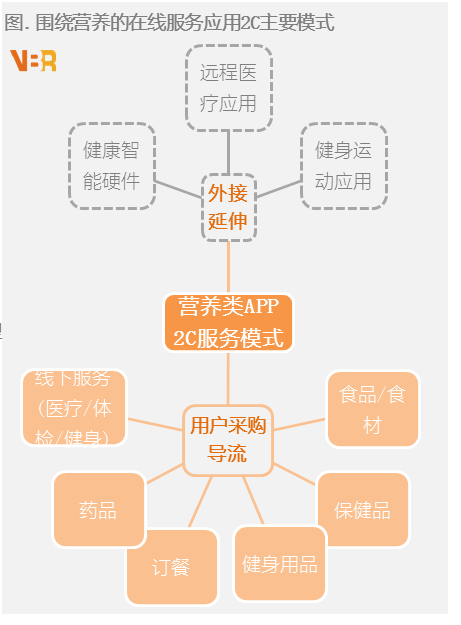

For the business model that acquires traffic through free services and then monetizes it by selling related products via e-commerce, the following three points are crucial:
First, control the costs of free services, such as using artificial intelligence to replace manual labor;
Second, increase traffic by, on the one hand, targeting large and fast-growing user segments, and on the other hand, enhancing user stickiness;
Third, target products for which users have strong purchasing habits, with particular consideration given to online purchasing behavior.
User Positioning
Nutrition management often involves daily dietary habits and occurs on a day-to-day basis, leading to high-frequency demand among populations with strong needs for such management. Consequently, nutrition-focused apps tend to achieve higher user engagement frequencies compared to apps centered on more clinically oriented medical diagnostic needs.
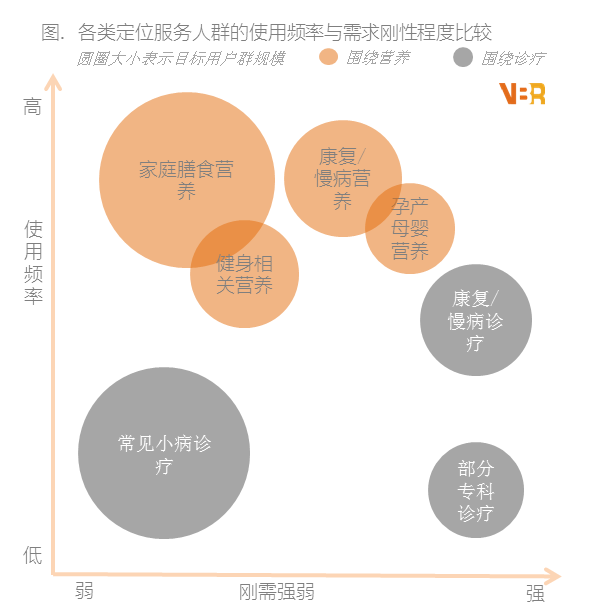
General household dietary nutrition management caters to a large user base, which can easily drive traffic. However, its low level of professionalism also implies lower entry barriers, intense competition, and fragmented user characteristics. In contrast, nutrition management tailored to specific populations demands higher professionalism and addresses more clearly defined user needs. Some overseas applications that initially entered the market through household dietary solutions have begun to deeply target specific groups with more rigid demands for nutrition management and medical nutrition therapy after attracting initial traffic.
...... ...... ......
The above is not the complete version. To download the full PDF version, please follow the VCBeat Research Institute official account and reply with the keyword “Digital Nutrition"Acquire
To read more articles by this author, please visitGu Beini Column
Author: VCBeat. Please credit the WeChat Official Account when reposting:VBResearch2016
↓↓↓