

Fitbit Acquires Pebble for Under $40 Million, Focusing Solely on IP and Software Assets
According to U.S. media reports, rumors emerged in early December that Fitbit was close to reaching an agreement to acquire Pebble, a struggling manufacturer of fitness trackers and smartwatches. Sources familiar with the matter revealed that the acquisition price could be less than $40 million, including the assumption of Pebble’s debts.
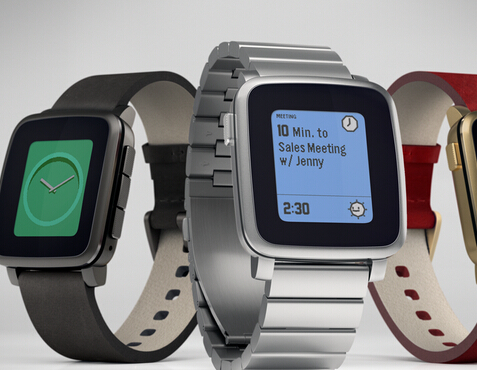
Yesterday, Fitbit confirmed the news. However, Fitbit acquired only Pebble’s intellectual property and less than half of its employees. Notably, Fitbit will not assume Pebble’s debts or hardware assets, nor will the brand be transferred. Under the agreement, Pebble remains available for sale, and CEO Eric Migicovsky will not join Fitbit; instead, he will take a position in the hardware development division of the renowned investment firm Y Combinator.
“Wearable devices are becoming increasingly sophisticated, with smartwatches adding health monitoring and fitness features for users. We see an opportunity to build on our strengths and expand Fitbit’s leadership in the industry,” said James Park, CEO, President, and Co-Founder of Fitbit. “Through this acquisition, we will accelerate the expansion of our platform and ecosystem, making Fitbit a more integral part of consumers’ daily lives and a tool for building healthcare services. In the areas of prevention and wellness, insurers and employers need to integrate more meaningful wearable technologies.”
Pebble also released a farewell letter and posted a status update for its latest crowdfunding products on the Kickstarter platform. It confirmed that among the three new products crowdfunded this May, the Core and Time 2 devices will no longer be shipped, and customers’ payments will be refunded in sequence. For existing Pebble devices, the company encourages users to continue using them.
“Pebble smartwatches will continue to function normally,” Pebble stated. “However, device functionality and service quality may be diminished, and software updates and new features will no longer be provided on a regular basis. Our new focus will be on applying Pebble’s unique expertise and algorithms to future Fitbit wearable products. We are also working to reduce Pebble products’ reliance on cloud services, ensuring that all Pebble devices remain active for the foreseeable future.”
According to Bloomberg, approximately 40% of Pebble’s employees, primarily software engineers, will join Fitbit. “Pebble’s knowledge, philosophy, and culture will continue at Fitbit,” said Pebble. “The majority of our team and resources will move to Fitbit, providing development tools and expertise for its future products. As our transition progresses, we will have new, exciting stories and milestone products to celebrate. This is a bittersweet moment; undoubtedly, we will miss what we leave behind, but we are excited about our future.”
Pebble laid off 25% of its workforce this March and has been mired in a financial crisis ever since. From 2015 to the present, Pebble raised approximately $26 million in venture capital. The company had previously received higher acquisition offers. In 2015, Citizen intended to acquire Pebble for $74 million, but the offer was rejected at the time. Later, after the Pebble Time Round experienced sluggish sales, Intel proposed a $70 million acquisition on the condition that Pebble would not launch crowdfunding campaigns for the Pebble 2 and Pebble Time 2 on Kickstarter. Unfortunately, Pebble declined this offer as well. Today, Fitbit’s acquisition price stands at only approximately $34 million to $40 million.
Fitbit is also facing a crisis. The company’s IPO price was $50 in 2015, but it has now plummeted to $8.40. This decline is primarily attributed to the cooling of the smart wearable market and sluggish product sales.