Gengmei 2016 Medical Aesthetics White Paper: China's Market Size Projected to Reach RMB 796.3 Billion
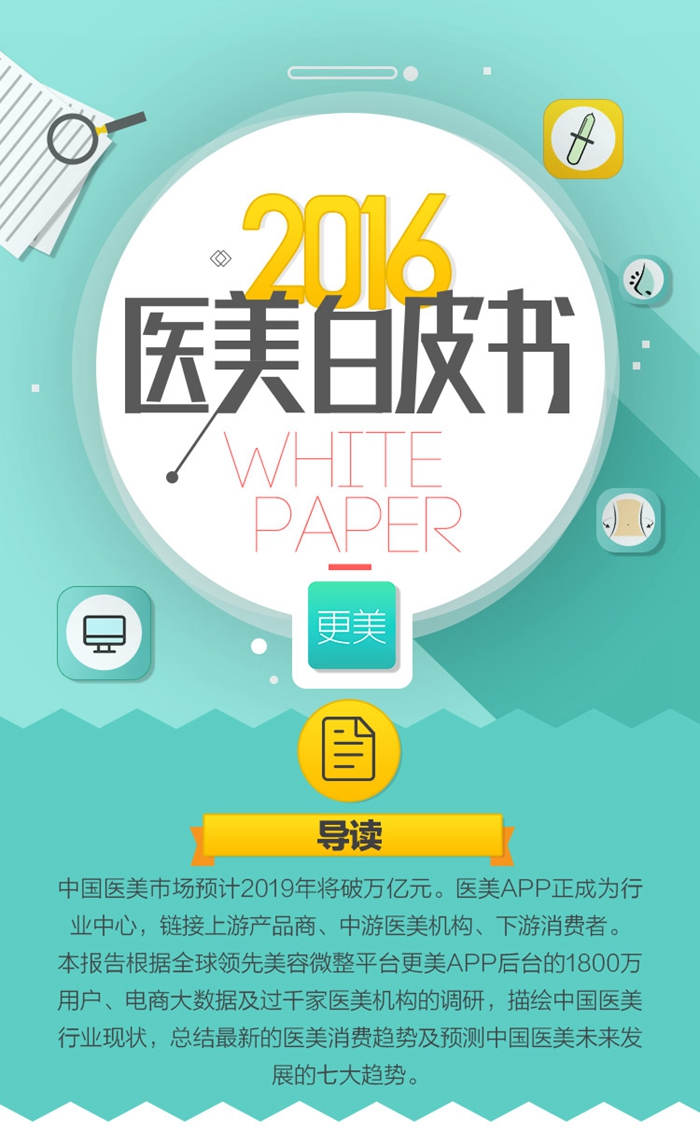
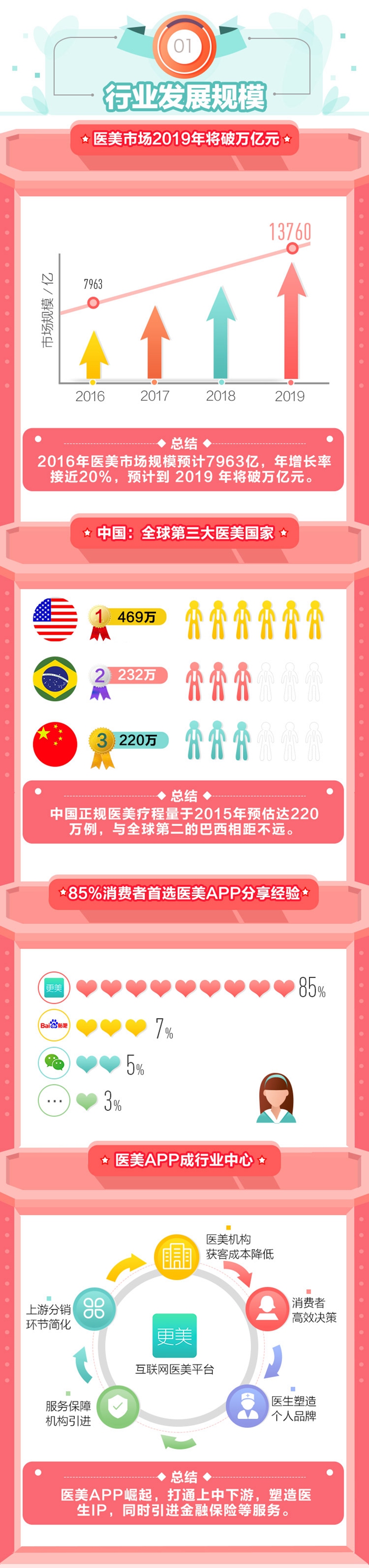
In 2016, the market size of China's medical aesthetics industry was projected to reach RMB 796.3 billion, with an annual growth rate nearing 20%, and was expected to surpass RMB 1 trillion by 2019. The number of legitimate medical aesthetic procedures in China was estimated at 2.2 million in 2015, solidifying its position as the third-largest market globally, closely trailing Brazil, which ranks second.
To help the public better understand this rapidly evolving industry, Gengmei, a platform for minimally invasive aesthetic procedures, has released its annual industry white paper for the second consecutive year. The report analyzes the current state of the medical aesthetics sector, profiles cosmetic procedure users, examines the consumption preferences of young users born after 1995, and forecasts seven major development trends in the industry.
Liu Di, founder of the Gengmei app, stated, “The popularization of medical aesthetics in China is accelerating, with post-90s and even post-95s cosmetic surgery users demonstrating stronger sharing awareness and more active consumption. As the most efficient channel connecting users with the industry, medical aesthetics apps are gradually becoming the central hub of the medical aesthetics sector, linking upstream, midstream, and downstream stakeholders.”
95Late Entrants to the Aesthetic Medicine Market: The Younger They Are, the More Willing They Are to Spend Future Money
It is reported that this medical aesthetics white paper was compiled based on big data and research from Gengmei’s 18 million users’ active behaviors, plastic surgery diaries, consumption data, and user surveys, as well as from over 10,000 doctors and more than 6,000 institutions partnered with Gengmei.
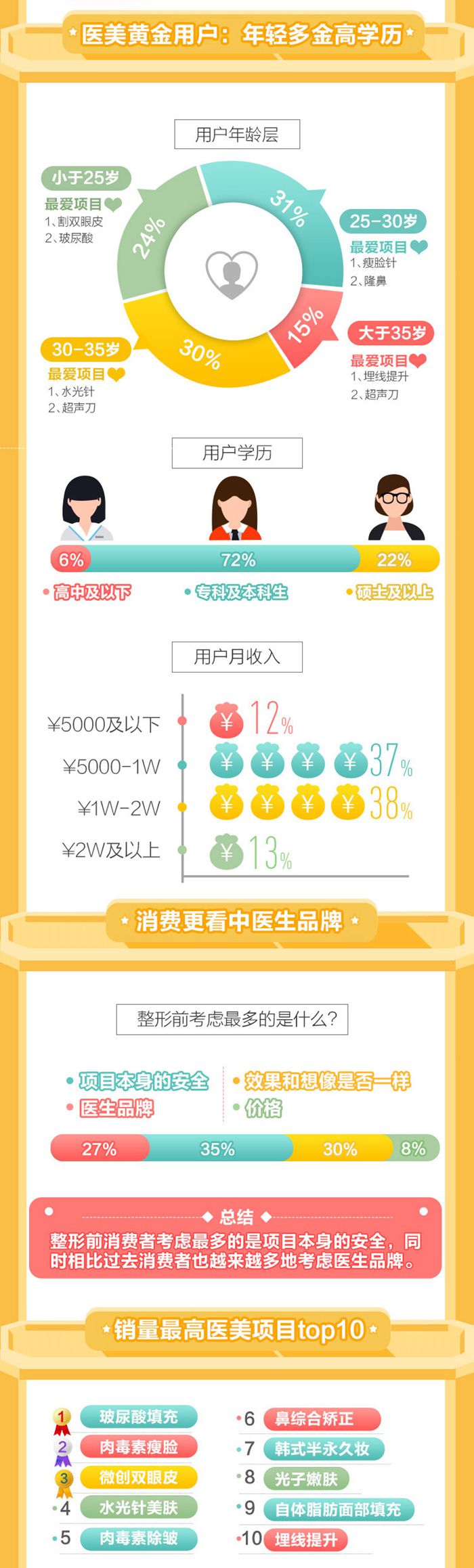
The white paper reveals that active users of cosmetic procedures are “young, high-income, and highly educated,” with 61% aged between 25 and 35 years, 94% holding at least a college degree (associate’s or bachelor’s), and 88% reporting a monthly income exceeding RMB 5,000.
Compared to last year, medical aesthetics users are trending younger, with those under 25 accounting for 24% of the user base, a 5% increase from last year. Notably, many individuals born after 1995 have entered the medical aesthetics market.
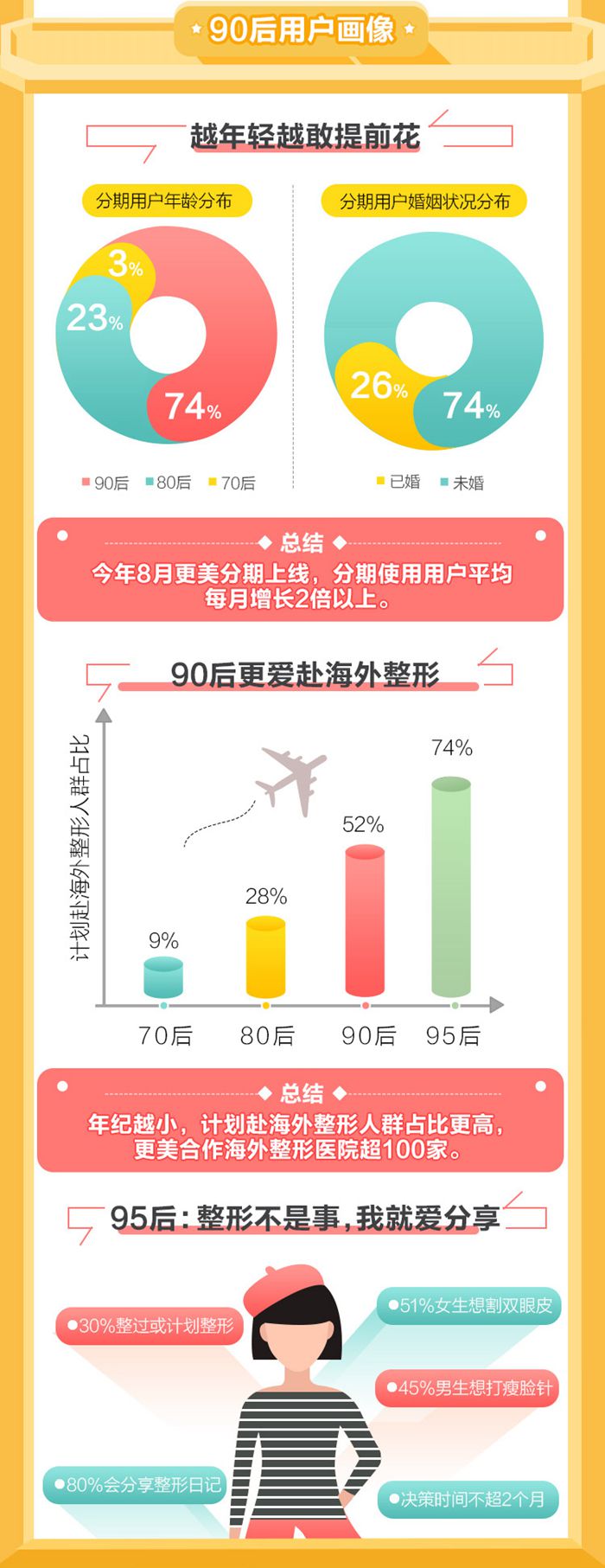
The report also found that younger cosmetic procedure users are more inclined to spend future income. In the second half of 2016, Gengmei launched installment payment services for medical aesthetics. By November, among users of this service, those born in the 1990s accounted for 74%, those born in the 1980s for 23%, and those born in the 1970s for 3%. Regarding overseas cosmetic surgery, individuals born after 1995 showed greater enthusiasm than their older counterparts, with 86% expressing interest in undergoing procedures abroad.
Men and Women Have Vastly Different Goals for Plastic Surgery; Yang Yang and Yang Mi Make the List as Aesthetic Ideals
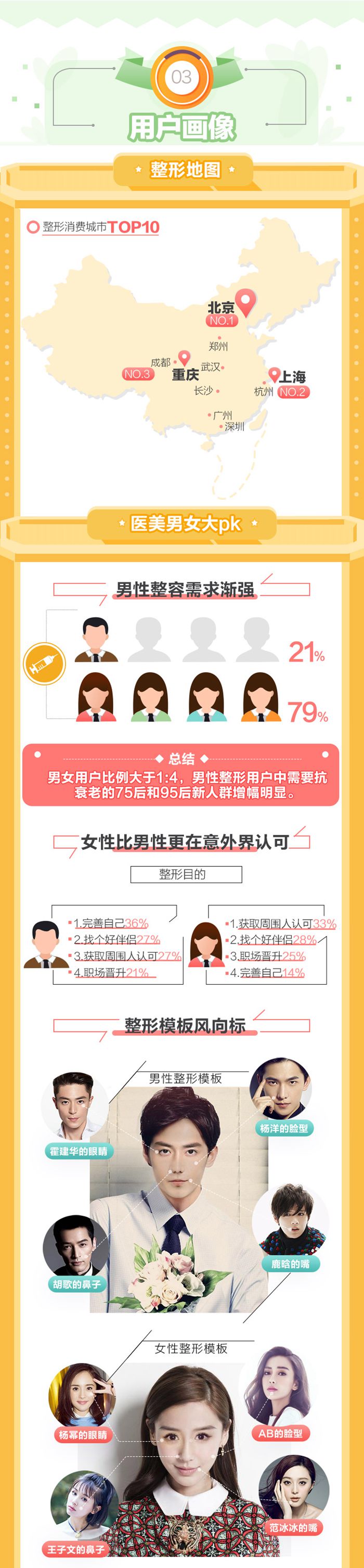
Consistent with last year’s medical aesthetics report, this report unveils the top ten Chinese cities by aesthetic medicine consumption and the top ten best-selling medical aesthetic procedures. Compared with 2015, Beijing surpassed Shanghai for the first time in 2016 to become the city with the highest transaction volume in the medical aesthetics sector, while Shanghai ranked second. Chongqing outperformed Chengdu to secure a spot among the top three. Hyaluronic acid fillers, botulinum toxin injections for facial slimming, and minimally invasive double eyelid surgery emerged as the top three best-selling procedures.
According to the report data, women remain the primary consumer group in the medical aesthetics and plastic surgery industry, while the proportion of male consumers has increased by 4% compared to last year. Among men, there is a significant increase in the number of new customers from the post-1975 and post-1995 generations seeking anti-aging treatments.
The goals of cosmetic surgery also differ between men and women.33% of women undergo plastic surgery to gain recognition from those around them, while 34% of men do so for self-improvement.
New plastic surgery templates for men and women have just been released. The male template features Yang Yang’s face shape, Wallace Huo’s eyes, Hu Ge’s nose, and Lu Han’s mouth; the female template features Angelababy’s face shape, Yang Mi’s eyes, Wang Ziwen’s nose, and Fan Bingbing’s mouth.
Medical Aesthetics Apps Become Industry Hubs, with Clear Business Models “Easiest to Monetize”
In recent years, with the rise in consumer spending power and the growing popularity of Japanese and Korean aesthetic trends, the adoption of medical aesthetics has accelerated significantly, while cosmetic procedure consumers have become more inclined to share their experiences.
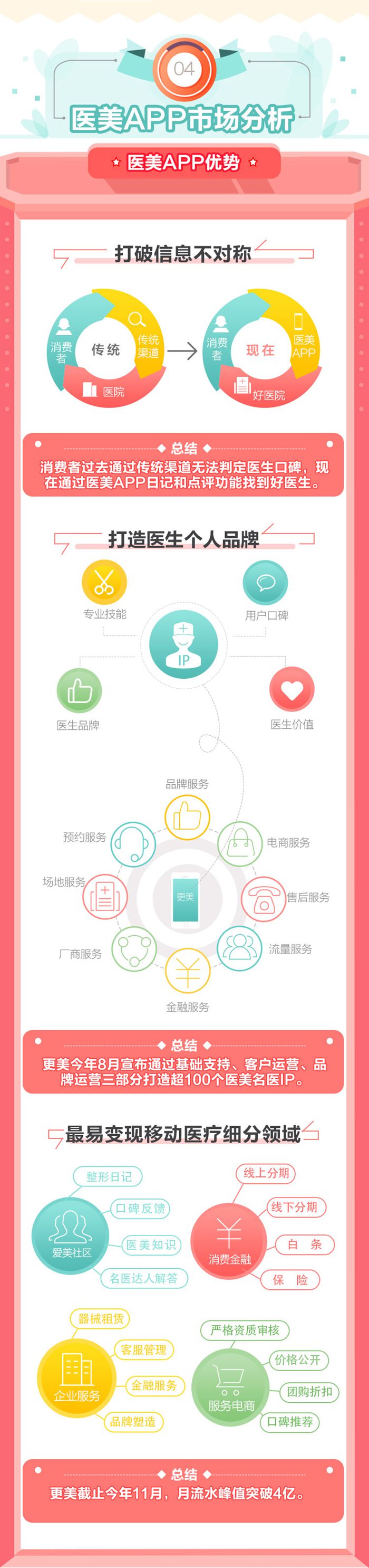
According to the 2016 White Paper on Medical Aesthetics, medical aesthetics apps were chosen by 85% of consumers as their preferred platform for sharing plastic surgery experiences, owing to user diaries and convenient review features. Baidu and WeChat ranked lower, accounting for 7% and 5%, respectively, while other sharing channels, including Douban and Zhihu communities, made up the remaining 3%.
Leveraging substantial user traffic, medical aesthetics apps are becoming the hub of the industry: they streamline distribution for upstream manufacturers, reduce customer acquisition costs for clinics, facilitate efficient decision-making for consumers, enable physicians to build their personal brands, and integrate financial, insurance, and legal services to protect users.
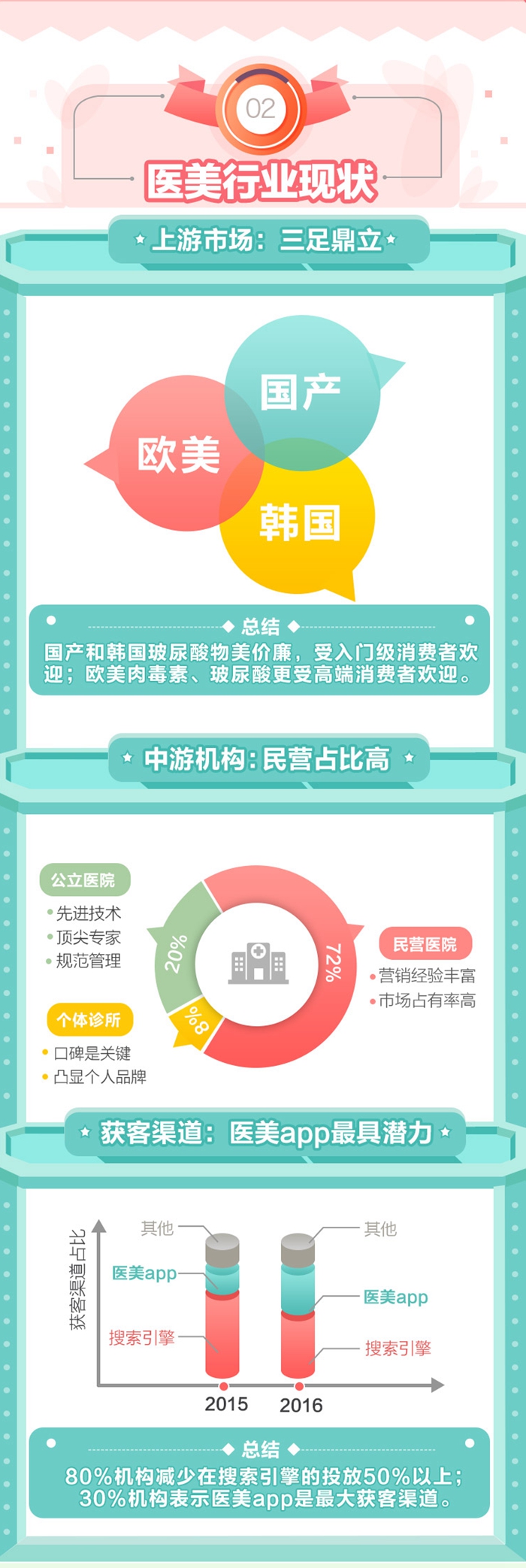
The report indicates that, influenced by the 2016 Wei Zexi incident, approximately 80% of medical aesthetic institutions are reducing their investment in search engines, with some small and medium-sized entities cutting spending by an average of more than 50%. Over 30% of these institutions stated that medical aesthetic apps are becoming their primary customer acquisition channel.
Medical Aesthetics Consumer Finance and Doctor IP Will Remain Hot in 2017
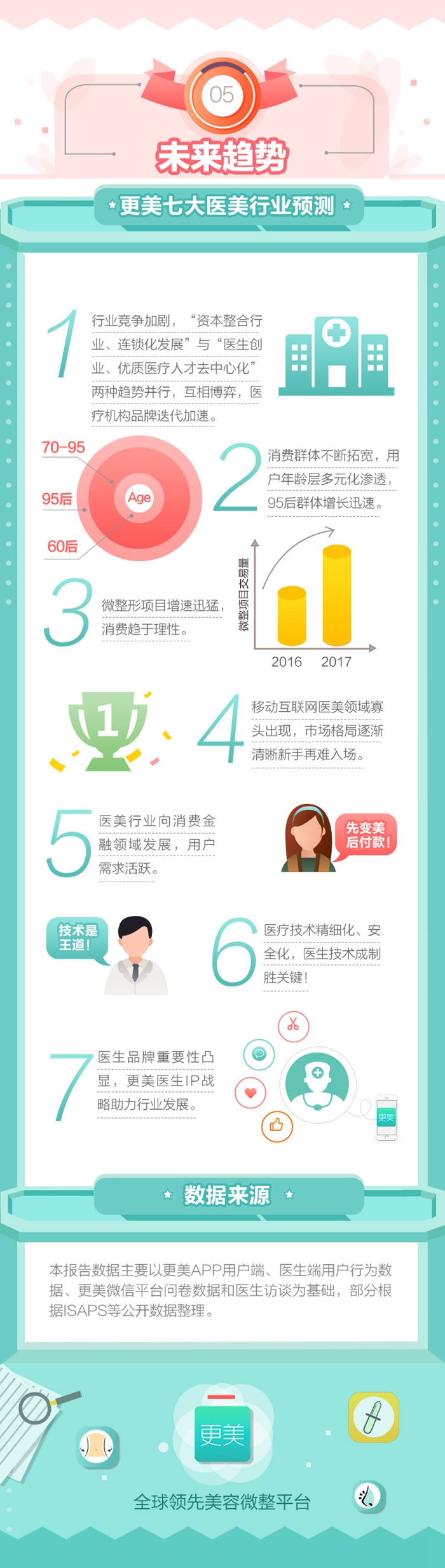
In this white paper, the Gengmei app also leverages big data to make seven major trend predictions for China’s medical aesthetics market in 2017, noting that consumer finance and physician IP—both highly popular this year—will continue to gain momentum in 2017.
1. Intensified industry competition has seen two parallel and interacting trends—“capital-driven industry consolidation and chain-based development” versus “physician entrepreneurship and the decentralization of high-quality medical talent”—accelerating the iteration of healthcare institution brands;
2. The consumer base continues to expand, with user demographics diversifying across age groups; the post-95s cohort is experiencing rapid growth;
3. Rapid growth in minimally invasive cosmetic procedures, with consumption becoming more rational;
4. Oligarchs have emerged in the mobile internet-based medical aesthetics sector, clarifying the market landscape and making it increasingly difficult for new entrants to break in;
5. The medical aesthetics industry is expanding into the consumer finance sector, with active user demand;
6. Medical technology is becoming more refined and safer, with physicians’ technical expertise emerging as the key to success;
7. The Importance of Doctor Brands Becomes Prominent, and Gengmei's Doctor IP Strategy Boosts Industry Development.
It is reported that the Gengmei app has intensified its efforts in consumer finance this year by launching medical aesthetics insurance and installment payment services, with the number of installment users growing at an average monthly rate of over two-fold. Meanwhile, Gengmei has initiated a plan to cultivate 100 key opinion leader (KOL) profiles for renowned medical aesthetics specialists, establishing this as its strategic objective for 2017.
Below is the full text of the white paper report: