

CipherGene: Decoding Genetic Data for Precision Medicine — A Story of Elite Scientists' Entrepreneurial Journey
“All human diseases, except for trauma, may be inextricably linked to genetic factors.” This statement was made to our reporter by Yu Weishi, Founder and CEO of SafeGene.
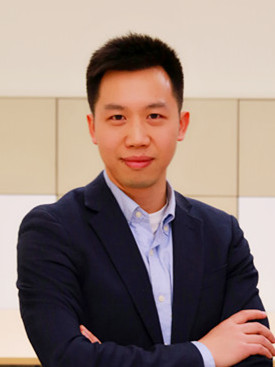
Yu Weishi, Founder and CEO of Saifu Gene
Saifu Gene is a service provider specializing in the analysis and interpretation of genetic data, as well as the development of genetic diagnostic products. Unlike other companies in the genetic testing sector, Saifu Gene’s flagship product is not the currently popular circulating tumor DNA (ctDNA) testing or non-invasive prenatal testing, but rather focuses on neurological disorders—specifically epilepsy—a field that remains largely unexplored in China.
Yu Weishi told reporters, “Although precision medicine products for epilepsy remain scarce in the current market, epilepsy is the disease most likely to achieve precision medicine after cancer. We hope that the efforts of our team’s experts will truly assist clinicians in delivering precise diagnosis and treatment to patients.”
Currently, approximately 65 million people worldwide are affected by epilepsy, with 80% of them living in developing countries. In China, the prevalence of epilepsy is seven per thousand of the total population, amounting to nearly 9 million cases, with an additional 400,000 new cases diagnosed each year. More alarmingly, over 50% of these patients are children. “Therefore, precise diagnosis and effective treatment of epilepsy are urgently needed,” said Yu Weishi, with a particularly serious expression.
Interdisciplinary Academic Elite Team
64 PhDs
“Actually, when I first started building this team, it was because I recognized the complexity of human diseases and realized that individual efforts alone could hardly make a significant impact. Only by uniting more talented individuals could we achieve something meaningful and translate foundational technologies into clinical applications,” recalled Yu Weishi, reflecting on his entrepreneurial journey.
In 2011, after earning his Ph.D., Yu Weishi joined the U.S. National Institutes of Health (NIH) to conduct epigenetic research on induced pluripotent stem cells in the field of regenerative medicine. Prior to this, he had been engaged in research on cancer, diseases, and genetics, seeking to elucidate the links between gene signaling pathways and the onset and progression of diseases and tumors. As his research deepened, he gained a more profound understanding of the relationship between genes and diseases. This led him to consider how these technologies could be translated into clinical practice to benefit patient care.
By a stroke of serendipity, two years after moving to the United States, Yu Weishi met several like-minded friends, including Liu Xiangtao, the current co-founder of the company, as well as other core members. At the time, the group discussed gene sequencing and agreed that the cost of personal genome sequencing would inevitably decrease in the future, while the efficient, high-quality analysis and interpretation of the resulting massive datasets would pose significant challenges. “We thought, ‘There are so many Chinese PhDs in the U.S. who serve as technical pioneers at their respective institutions. If we could bring them together, wouldn’t that create greater synergies?’” said Yu Weishi. Subsequently, they pooled their own funds to have team members’ blood samples sequenced and conducted practical data analysis. In retrospect, it was precisely that initial drive and entrepreneurial spirit that gradually brought together today’s team.
In 2013, the team’s initial framework was established. Although it consisted of only five members, it spanned multiple disciplines, including bioinformatics, molecular medicine, and genetics. “At that time, we were mostly limited to exploring publicly available genetic data and conducting simulation exercises to assess their potential utility for future clinical applications,” recalled Yu Weishi. “We had a vision back then, but we hadn’t yet considered turning it into a company.”
Perhaps it was luck, or perhaps their technical foundation was solid enough. Within less than three months, the team secured its first case. Zhongshan Hospital in Guangdong reached out to Yu Weishi through intermediaries, requesting an analysis of whole-exome sequencing and RNA-Seq data for a patient. No specific cancer diagnosis was disclosed, nor was any other patient information provided, making it a completely blind test.
“At that moment, I thought to myself: since we have accepted the challenge, we might as well give it our best shot.” With this mindset, Yu Weishi and his team embarked on an in-depth analysis and interpretation of the data. Recognizing the critical importance of timing in cancer treatment, the team worked around the clock for a week and finally completed the analytical report. The final results confirmed a 35-year-old male patient with colorectal cancer, fully aligning with the clinical diagnosis.
What truly excited Yu Weishi, however, was the test results for the patient’s targeted drug biomarkers. The report indicated that several of the patient’s genetic loci were associated with clinically available targeted therapies at the time. In other words, armed with this report, physicians could directly initiate targeted treatment for the patient based on the recommendations provided. “Discoveries that can be applied in clinical practice are even more exhilarating than those made during prior technical research.” Recalling his first case, Yu Weishi still appeared visibly thrilled.
It was at that moment that Yu Weishi realized that the work he was doing was clinically valuable. On the other hand, however, he began to ponder: if it took a team of several people working around the clock for an entire week to handle just one patient, how would they cope with a growing number of patients in the future? After careful consideration, Yu Weishi made a decision: expand the team and, more importantly, build an intelligent platform for genomic data analysis capable of reducing labor costs.
In the following period, Yu Weishi consciously dedicated his weekends to participating in various investment and entrepreneurship events, engaging with interdisciplinary professionals in the medical field, integrating resources, and expanding his team. In 2013, he was elected President of the Chinese Students and Scholars Association at NIH-Frederick, while also serving as President of the Washington D.C. Young Entrepreneurs Association and as a Director of the Association of Chinese Professionals in America. Over two years, Yu Weishi united 64 Chinese Ph.D. holders in the United States to form an expert team and spent another two years building a proprietary database linking diseases, genes, and drugs. Currently, this database contains information on over 10,000 disease-related genes and genetic mutation sites, with continuous real-time updates.In 2015, as entrepreneurship surged in China, Yu Weishi decided to lead his team back to China to establish a company. He gave up a relatively stable position in the U.S. federal government, withdrew his pending EB-1A green card application, and forfeited more than one million dollars in NIH government funding along with promotion opportunities. He applied for the global selection program of Microsoft Accelerator and stood out from 1,500 companies with a 2% acceptance rate, gaining admission to Beijing Microsoft Accelerator. Within a year, more than ten Ph.D. team members transitioned to full-time roles, covering multiple fields including oncology, genetic disorders, bioinformatics, and genetic counseling—a competitive advantage that other teams would find difficult to replicate in such a short timeframe.
Data Analysis Is the Bottleneck
Also a future direction
“My doctoral research focused on tumor gene signaling pathways. At that time, next-generation sequencing (NGS) and bioinformatics were rarely involved; I conducted experiments exclusively related to Sanger sequencing. Although I occasionally downloaded publicly available NGS data from the internet, it was difficult to find suitable data analysts for assistance, and performing data processing independently was extremely complex.” Yu Weishi believes that data analysis will undoubtedly become a critical challenge and key factor in future genetic testing.
“During my time at the NIH, resources were shared; there was a dedicated sequencing center and analysis team with whom we could frequently communicate to interpret analytical data. It was then that I gained profound insights into the analysis and interpretation of next-generation sequencing (NGS) data,” said Yu Weishi. At that time, NGS was already a mature technology in the United States, whereas it was still in its early stages in China. Considering potential future bottlenecks in genetic testing and leveraging his own strengths, Yu Weishi further solidified his decision to focus on NGS-based genetic data analysis and interpretation as the direction for his entrepreneurial venture.
Anjing, Automated Analysis Platform
Help Achieve Precision Diagnosis and Treatment of Epilepsy
“After returning to China, we did not yet have our own laboratory, and the objective conditions were not in place for disease areas such as cancer, where treatment is a race against time,” said Yu Weishi. “Furthermore, given the complexity of cancer and the currently limited range of targeted therapies, the market is saturated with similar products, with many highly competitive companies already taking the lead. Therefore, we chose to collaborate with domestic cancer hospitals to conduct more in-depth research and development of cancer therapeutics specifically tailored to the Chinese population.”
During our time in the United States, we accumulated significant research expertise in neurological disorders, particularly epilepsy, which constitutes a competitive advantage for us. Consequently, we first launched Anjing, an integrated solution for clinical screening, diagnosis, and treatment of epilepsy. The introduction of Anjing marks a zero-to-one breakthrough in the precision diagnosis and treatment of epilepsy in China. Its most distinctive feature is the application of whole-genome and whole-exome sequencing to the diagnostic and therapeutic management of epilepsy.
Epilepsy has numerous etiologic factors, with over 60% being genetically determined. Currently, no company in China has conducted systematic and in-depth research on the genetics, etiology, and pharmacogenomics of epilepsy, nor developed such findings into a commercial product. “From this perspective, we hold a first-mover advantage,” stated Yu Weishi.
Traditional gene panels can only screen for diseases caused by mutations at known loci, rendering them ineffective against primary unknown mutations. Anjing’s breakthrough lies in applying whole-genome testing to the clinical diagnosis of epilepsy, pioneering a new model for epilepsy diagnosis and treatment. This approach not only screens for diseases caused by known locus mutations but also enables screening and precise diagnosis of epilepsy caused by primary unknown mutations. It offers broader coverage and has increased the positive detection rate by 50%. By providing deeper insights into the mechanisms of epilepsy, it offers greater reference value for clinical medication and better supports clinical diagnosis and treatment.
This October, the company held a launch event for its intelligent gene data analysis platform, enabling automated analytical workflows for the Anjing product.
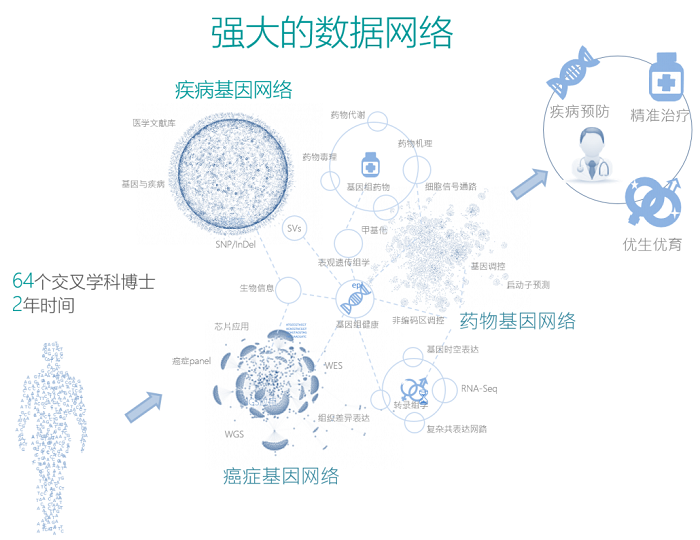
By automatically searching and comparing against its database, the platform can filter and match data for known variants to generate test reports automatically. For previously unreported variants identified in the literature, our proprietary scoring system screens these candidates, which are then validated through manual review. A key highlight of the platform is its dual-layer risk management system, which provides more accurate predictions of disease risk at both the gene level and the variant level. Yu Weishi revealed that the platform incorporates machine learning capabilities; as the sample size grows, the accuracy of its risk assessments will continue to improve.
“We will continue to adjust and upgrade the platform to further enhance its aesthetics and ease of use, thereby optimizing the user experience, with the ultimate goal of enabling access via mobile phones,” said Yu Weishi. “Throughout this process, we have maintained ongoing communication with clinicians and will incorporate their feedback into the platform.”
Collaborative Clinical Practice
In-Depth Disease Exploration
Currently, Anjing operates as a B2B2C third-party testing product, primarily collaborating with clinicians. In this process, technical capability and accuracy are paramount; only after gaining the recognition of clinicians will patients undergo testing and data analysis, and only then will physicians consider the reports as a basis for clinical diagnosis and treatment. Yu Weishi stated, “Our underlying technological architecture is something that other companies find difficult to replicate. This specialized analysis and interpretation of data provides valuable guidance for clinical practice.”
“To develop superior products for the diagnosis and treatment of epilepsy, we will continue to invest in R&D targeting the underlying neural systems and recruit more specialized talent,” Yu Weishi told reporters. His ambition extends beyond merely diagnosing epilepsy; he aims to conduct in-depth exploration of the associations between genetic loci and the disease. Currently, the company has established collaborations with several experts, hoping to identify novel biomarkers through the accumulation of samples. This effort holds not only immediate diagnostic significance but also points to critical directions for future clinical therapeutics.
In addition, the company has established a branch in Suzhou, planning to promote QuanJing, a consumer-grade genetic testing product for healthy individuals. QuanJing is primarily designed for major disease screening and health management among the healthy population. Yu Weishi believes that although consumer-grade genetic testing is not currently an essential need, it is highly likely to become the next wave of consumer technology. As genetic data from the Chinese population accumulates to a certain scale, there will be greater confidence in using genetic testing for precise disease localization, as well as for disease prevention and health management in healthy individuals. “This is a process that takes time. Reaching all consumers through genetic technology and fundamentally influencing them is no easy feat, but it is also a remarkable achievement,” stated Yu Weishi.
Looking ahead, the company aims to promote Anjing and other products to more hospitals, thereby benefiting a greater number of clinical patients. Meanwhile, Yu Weishi also hopes to build a more professional sales team and expand product distribution channels. In terms of product research and development, the company will continue to upgrade and optimize the Anjing product line, while also planning to launch clinical diagnostic and therapeutic products targeting conditions such as autism and Alzheimer’s disease, with the goal of achieving precise diagnosis and treatment for diseases that have long plagued human health.
The company completed its angel financing round in February this year, with joint investment from Chuangjian Capital, Jiangmen Ventures, and Longma Peak Venture Capital. The next round of financing was launched a few days ago.