

BioTelemetry Acquires TelCare for $7M to Enter Diabetes Management Market
Remote Sensing Technology Medical Equipment CompanyBioTelemetry (formerly CardioNet) recently acquired TelCare, a technology company dedicated to diabetes management. BioTelemetry will prepay700$10 million in cash, with additional payments based on TelCare’s subsequent performance, capped at $5 million. It is understood that the evaluation criteria are as follows: TelCare must achieve annual revenue of $5 million and attain profitability by the end of 2017.
This acquisition will clearly help BioTelemetry carve out new opportunities and strengthen its presence in the steadily growing population health management market. Both companies are veterans in the field of mobile health.
In a statement, Joseph H. Capper, Chairman and CEO of BioTelemetry, stated that the company’s leadership in analyzing and transmitting complex digital health information is becoming increasingly evident, and that it possesses unique advantages to optimize TelCare’s population health management system and accelerate its market penetration. “TelCare offers wireless glucose monitoring systems, and more impressively, high-complexity cloud-based population analytics technology; its robust platform holds significant potential for transformation. We believe this transaction will make a substantial contribution to BioTelemetry’s future growth.”
In 1994, CardioNet, the predecessor of BioTelemetry, was established, initially dedicated to monitoring arrhythmias using mobile devices. Its flagship product, MCOT (Mobile Cardiac Outpatient Telemetry), received FDA approval in 2002. The company went public in 2008 and applied for a Current Procedural Terminology (CPT) code for its products that same year. As early as 2009, BioTelemetry began mentioning its intention to further penetrate the chronic disease management market, but it made no substantial progress in this area until its recent acquisition. Over the years, BioTelemetry has completed numerous acquisitions, including PDS Heart, Biotel, ECG Scanning and Medical Services, CardioCore, MedNet Technologies, Radcore Lab, VirtualScopics, and the ePatch platform from Delta Danish Electronics.
TelCare, founded in 2008, raised over $60 million prior to its acquisition, with investors including Norwest Venture Partners, Mosaic Health Solutions, The Qualcomm Life Fund, and Sequoia Capital. TelCare rose to prominence in 2011 when its cellular-enabled blood glucose meter received FDA clearance, becoming the first product of its kind to obtain official approval.
TelCare’s diabetes management system comprises two components: hardware and a mobile application. The hardware is a blood glucose meter that connects to smartphones and enables bidirectional communication with an FDA-certified health management server. The app, available for both iPhone and Android platforms, keeps patients and their families regularly informed about the progression of the condition. The wireless system uploads real-time data to a cloud-based analytics engine for data analysis and trend monitoring, providing caregivers with key insights into the patient’s health status, such as whether therapeutic intervention is required.
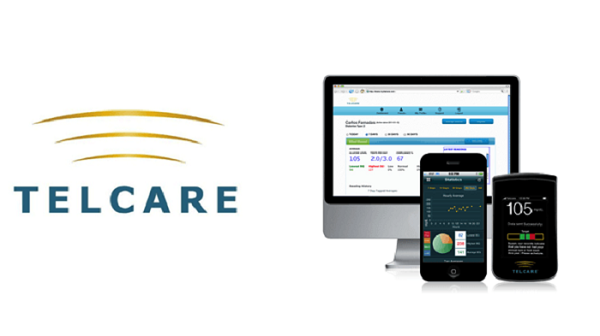
TelCare's Diabetes Management System
BioTelemetry Chairman Capper stated during the earnings conference call that this acquisition represents a new strategic direction for the company.
As one of the few highly profitable players in the digital health industry, BioTelemetry possesses strong core competencies in real-time remote data collection, analysis, storage, and distribution. The company believes that TelCare’s digital population health management capabilities can further enhance its longstanding efforts to improve healthcare outcomes and reduce costs, particularly addressing the urgent need for efficient solutions in chronic disease management. Diabetes was selected as the entry point because it imposes a significant burden on the healthcare system: estimated annual direct costs of diabetes in the United States reach $245 billion.
Throughout his career, Capper has led a series of companies focused on diabetes and has witnessed firsthand the positive impact of robust diabetes management programs on patients. Furthermore, both companies believe that by integrating their latest remote digital technologies, they can address the “most critical gap” in traditional health management programs—limitations imposed by time and space.