Sichuan Regional Healthcare Reform Report: Pathways to Affordability and Efficiency
Recently, the State Council issued a notice on “Further Promoting and Deepening the Experience of Healthcare System Reform,” calling for the dissemination of reform experiences from pilot regions. As a populous province in western China with vast geographical expanse, complex provincial and social conditions, and a relatively weak foundation in healthcare services, Sichuan reflects the characteristics of most regions across the country. This background lends significant reference value to the lessons learned from Sichuan’s reforms. This report will examine the feasibility of this model by using healthcare reform in Sichuan Province as a case study.
At this stage, evaluations of healthcare reform are predominantly derived from the patient perspective, with the most tangible impacts being the consumption of time and financial resources.This report will adopt the patient’s perspective to examine current policies and measures, focusing on cost and time as key outcome indicators, with the aim of observing the progress of healthcare reform in Sichuan Province and identifying opportunities within the reform process.。
“Three hours in line, three minutes with the doctor.” The doctor didn’t even have time to drink water or use the restroom all morning, leaving them utterly exhausted.
How Difficult Is It Really to Seek Medical Care?
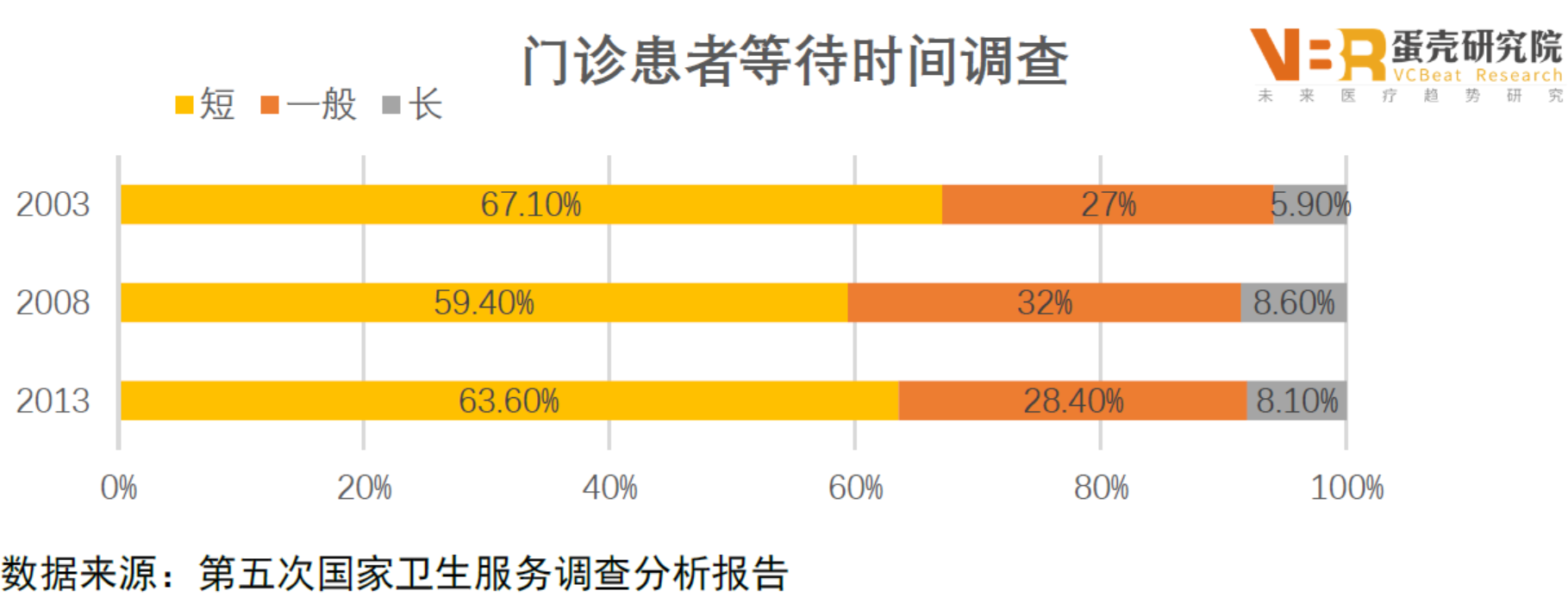
The "Analysis Report of the Fifth National Health Services Survey" shows that in urban areas, 11.0% of outpatient respondents reported "long waiting times," compared with 5.2% in rural areas. The average waiting time for hospital admission was 1.24 days overall, with 1.36 days in urban areas and 1.12 days in rural areas.
By 2015, there were a total of 10.69 million healthcare workers in China, including 3.04 million physicians engaged in clinical diagnosis and treatment. The total number of patient visits throughout 2015 reached 7.7 billion. On average, each physician handled 2,534 patient visits annually. Based on 300 working days per year, this equates to an average of 8.5 patients seen per physician per day.
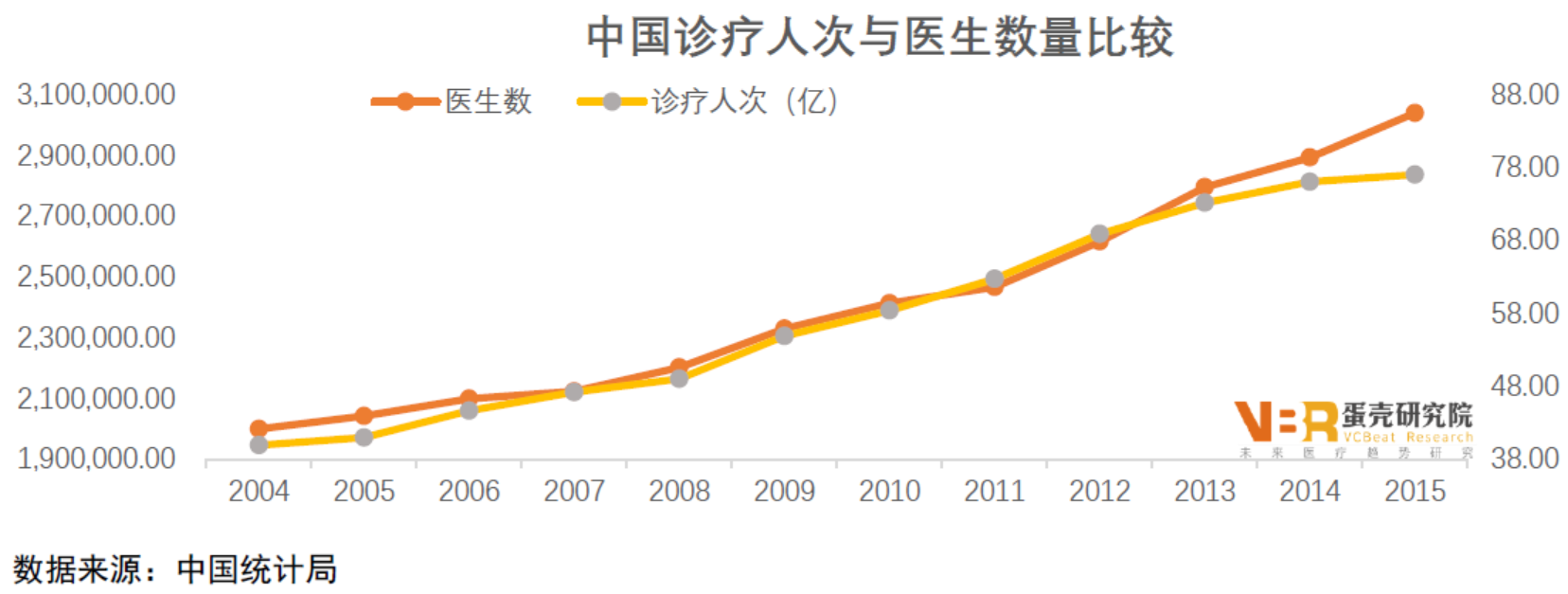
With each physician handling an average of 8.5 patient visits per day, the workload is not severe enough to cause long queues for medical consultations. Moreover, given the rapid growth in the number of physicians, the issue of workload is generally easing.
Let us further examine the concentration of patient demand at higher-tier hospitals resulting from the uneven distribution of medical resources.
As of the latest data, 48.8% of patients seeking medical treatment at hospitals (excluding primary healthcare institutions) chose tertiary hospitals, although these institutions account for only 12.5% of the total number of tiered hospitals.However, the physical footprint of hospitals has not expanded proportionally with patient visit volumes, leading to a perception of severe overcrowding. The workload per physician in tertiary hospitals exceeds the national average, which inevitably prolongs patient waiting times and shortens consultation durations, thereby giving rise to the widely recognized phenomenon of “difficulty in accessing medical care.”
1.2 High Cost of Medical Care
Currently, approximately 6.8 people in China are diagnosed with malignant tumors every minute. In the face of critical illnesses, nearly 50% of families need to borrow money for medical treatment, and the exorbitant costs are sufficient to cause “one person’s illness to plunge the entire family into poverty.”
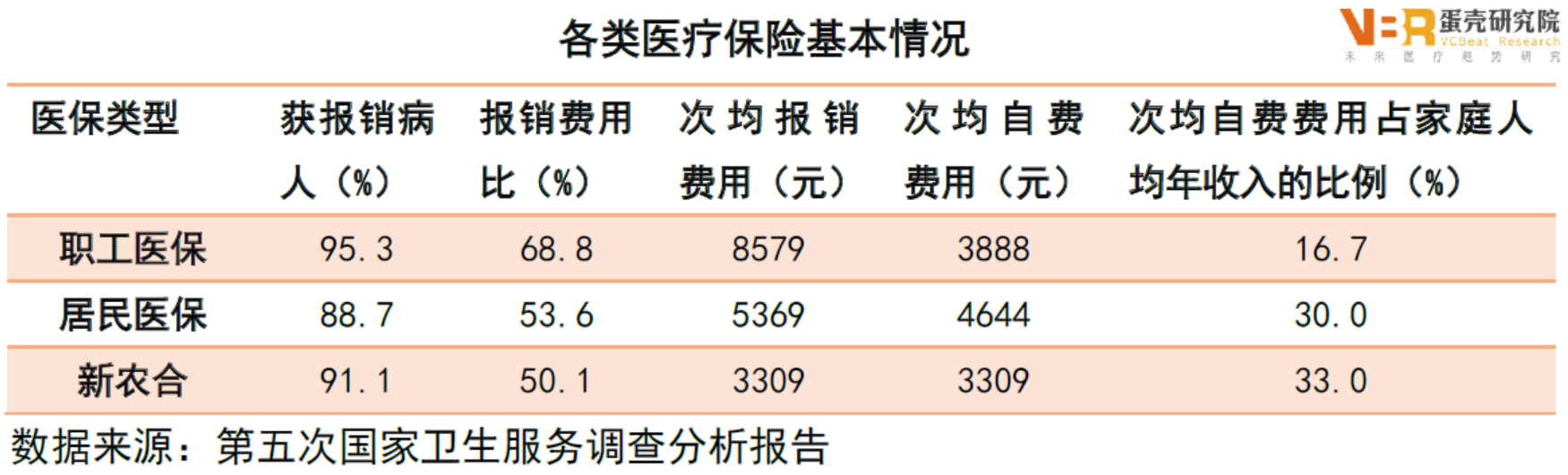
The Analysis Report of the Fifth National Health Services Survey shows that among the insured population, the average out-of-pocket expense per visit as a percentage of annual per capita household income was 33.0% for patients covered by the New Rural Cooperative Medical Scheme (NRCMS) and 30.0% for those covered by the Urban Resident Basic Medical Insurance (URBMI), significantly higher than the 16.7% for patients covered by the Urban Employee Basic Medical Insurance (UEBMI).
According to the National Bureau of Statistics’ data from January to July 2016, the average outpatient visit cost at tertiary public hospitals was RMB 289.5, a year-on-year increase of 4.9%; at secondary public hospitals, it was RMB 188.2, up by 3.1% year on year. The average inpatient stay cost at tertiary public hospitals was RMB 12,869.5, a year-on-year increase of 2.8%; at secondary public hospitals, the average inpatient cost per person was RMB 5,535.8, up by 3.4% year on year.
In 2015, the per capita disposable income of residents was RMB 21,966. As previously mentioned, 48.8% of medical visits occurred at Grade 3A hospitals. Based on a three-person household, a family could annually afford up to 5 inpatient admissions and 227 outpatient visits at Grade 3A hospitals. According to estimates from the National Health and Family Planning Commission, the average number of annual outpatient visits per person at Grade 3A hospitals was 1.11, with 0.05 inpatient admissions. With the continuous expansion of basic medical insurance coverage and current reimbursement rates exceeding 50%, the resulting out-of-pocket medical expenses do not impose an unbearable financial burden on households.
However, this situation is indeed occurring. The perception that medical care is expensive has deep roots in people’s minds. The underlying reason lies in the significant income disparity between urban and rural areas. In 2015, the per capita disposable income of urban residents was RMB 31,195, while that of rural residents was RMB 11,422, representing a gap of 200%. It can thus be inferred that rural households have accumulated less capital than their urban counterparts, resulting in substantially lower financial capacity to bear medical costs.
For a single critical illness episode, the current deductible for critical illness coverage under the basic medical insurance scheme, in which most rural residents participate, is RMB 17,690. Consequently, patients seeking treatment for critical illnesses at tertiary hospitals must pay at least RMB 8,845 out-of-pocket. This population is relatively sensitive to medical expenses, and the uncertainty surrounding the expected duration of treatment further exacerbates public anxiety over healthcare costs.
In terms of outpatient costs, the expenses are not actually high relative to income levels and consumer prices. The perception that "medical care is expensive" stems from a mismatch between those who incur the expenses and those who generate household income. Individuals who frequently seek outpatient treatment are predominantly the elderly and those with frail health; these groups are typically not the primary income earners in their families. As their daily consumption tends to be modest, medical expenditures constitute a significant portion of their spending, thereby reinforcing the stereotype that "medical care is expensive."
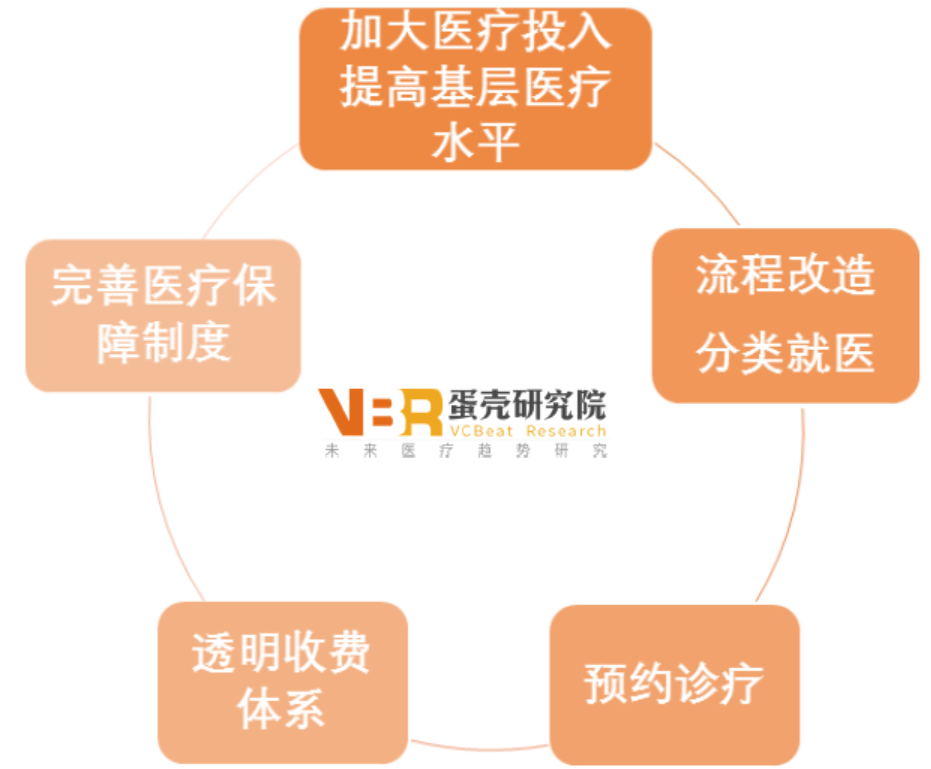
The most prominent issues in China’s healthcare sector are manifested in the widespread public complaints about “difficulty and high cost in accessing medical care.” The underlying causes include insufficient government investment in healthcare resources; irrational and uneven allocation of medical resources, leading to low utilization efficiency; and complex administrative affiliations along with fragmented management of healthcare institutions, which hinder the formation of synergistic efforts.
Healthcare reform policies across various regions have largely been directed at addressing these issues:
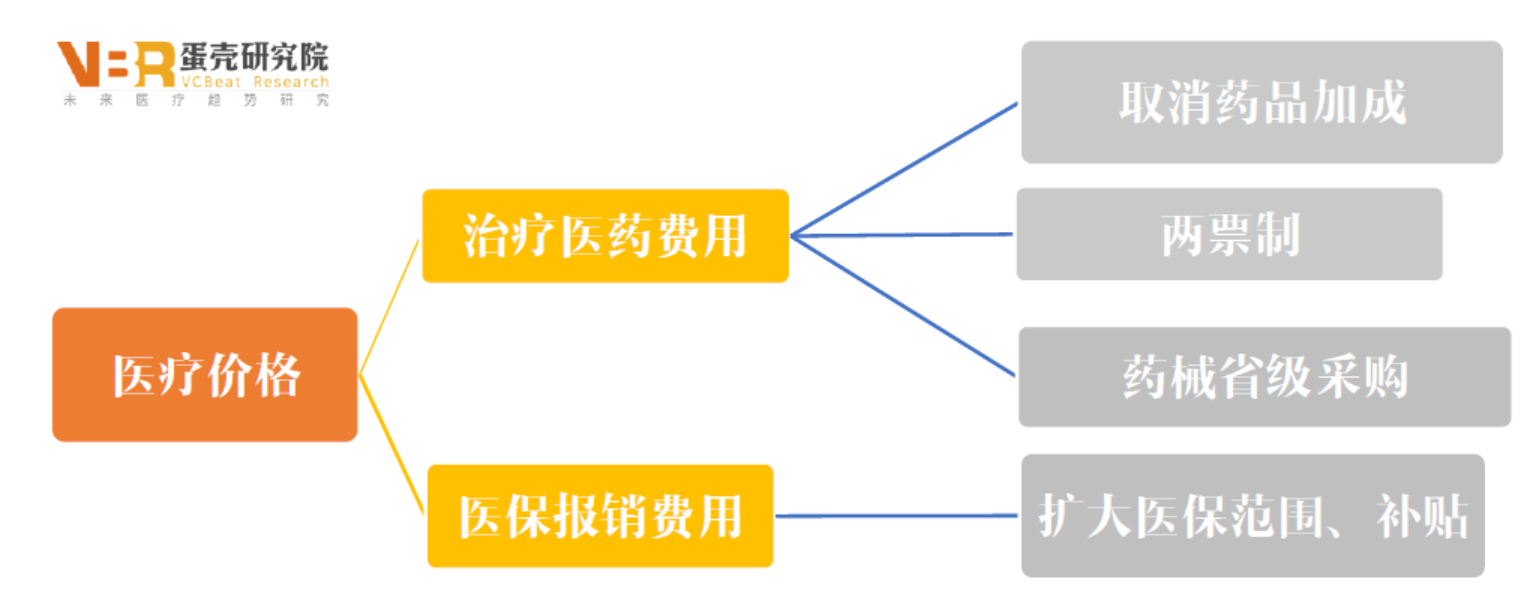
Medical pricing can be categorized into pre-reimbursement prices (covering treatment and pharmaceuticals) and post-insurance reimbursement prices, based on different stages of the care continuum. Therefore, regulating medical prices requires interventions at both of these stages.
To address these two categories of costs, Sichuan Province has primarily adopted measures such as abolishing drug markups, implementing the “two-invoice system” for pharmaceuticals, and conducting provincial-level centralized procurement of medical devices to regulate medical prices.
Regarding medical insurance, Sichuan Province primarily adopts measures such as expanding coverage, merging urban and rural resident basic medical insurance schemes, and increasing subsidies to regulate reimbursement.
3.1 Controlling Medical Treatment Costs
3.1.1 Drug Markups: Public Hospitals in Pilot Cities to Eliminate Drug Markups

Drug MarkupSpecifically, hospitals sold drugs at a 15% markup over the inbound procurement price to generate partial profits and cover drug storage and distribution costs.
How to: Apply markups, supplement medical service fees
Since October 1, 2013, Sichuan Province has abolished drug markups (excluding traditional Chinese medicine decoction pieces) in county-level public hospitals. The resulting loss in drug revenue is offset through a combination of measures: a 70% compensation via adjustments to medical service prices, a 20% government subsidy, and a 10% absorption by the hospitals themselves. Specifically, the adjustments to medical service prices include a RMB 6 increase for outpatient (including emergency) consultation fees (TCM syndrome differentiation and treatment), a RMB 9 increase for inpatient consultation fees (TCM syndrome differentiation and treatment), and a RMB 9 increase for Level I, II, and III nursing care fees. Corresponding adjustments have also been made to items such as specialist outpatient consultation fees (TCM syndrome differentiation and treatment) and outpatient/emergency observation consultation fees. Local medical insurance schemes have provided coverage for the resulting cost increases. Currently, Sichuan Province is expanding the scope of pilot cities for the comprehensive reform of provincial-level public hospitals.
Public hospitals in pilot cities will completely eliminate drug markups (with the exception of traditional Chinese medicine decoction pieces) and establish a scientific compensation mechanism through increased government funding and reduced hospital operating costs. Meanwhile, Sichuan Province will study and introduce a reform plan for medical service pricing, lowering prices for drugs, consumables, and examinations and treatments involving large-scale medical equipment, while raising prices for medical services that reflect the labor value of healthcare professionals, such as surgeries, diagnostic and therapeutic procedures, and traditional Chinese medicine services. The price ratios between medical institutions of different levels and among various medical service items will be gradually rationalized. A dynamic price adjustment mechanism based on changes in cost and revenue structures will be implemented, with two-tiered hierarchical management at the provincial and municipal (prefectural) levels.
How It Stands: Medical Service Fees Rise, Health Insurance Provides Coverage, Overall Costs Decline
According to statistics on drug prices in public hospitals in Sichuan Province, where the markup on pharmaceuticals has been abolished, the 15% hospital-end drug markup has been eliminated for most medicines. Hospitals have compensated for this loss by increasing certain medical service fees, with the remaining shortfall covered by hospital funds and government subsidies, thereby reducing out-of-pocket drug expenses for patients.
However, there is no corresponding funding source for hospital drug management and distribution costs. Consequently, hospitals are compelled to incorporate these costs into the charges for other services. Currently, such cost-shifting is primarily reflected in increased consultation and treatment fees. Based on data from cities and counties that have already adjusted their fee structures, the comprehensive adjustment rate for compensation categories stands at 42.3%. As these adjustments remain within the scope of medical insurance coverage, they have not increased the out-of-pocket costs for patients.
Overall, this approach has achieved the goal of cost control, but balancing the interests of hospitals will require time.
3.1.2 Two-Invoice System: “Implemented in Areas Where Conditions Are Ripe”
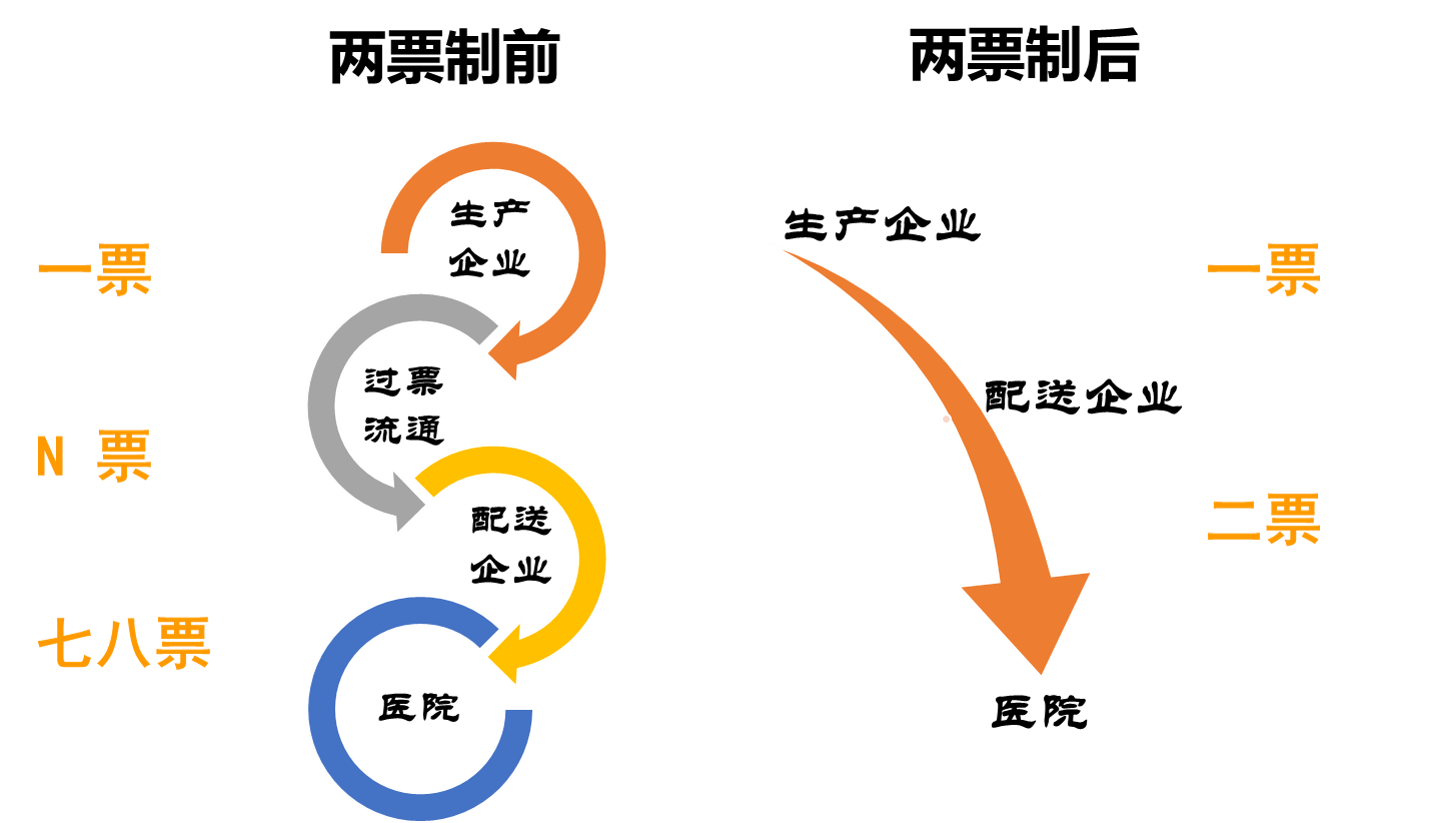
Two-Invoice SystemSpecifically, the manufacturer issues one invoice to the distributor, and the distributor issues one invoice to the medical institution.
By eliminating intermediaries such as agents and invoice-passing companies, illegal and non-compliant practices—including commercial bribery, fraudulent invoicing, and money laundering—have been eradicated, thereby purifying the market. Furthermore, the number of primary distributors for each product is capped at two.
Currently, there are eight provinces piloting the "Two-Invoice System," categorized as follows: four established provinces—Anhui, Jiangsu, Fujian, and Qinghai; and four new provinces—Zhejiang, Shanghai, Sichuan, and Shaanxi.
HowDo: Conditional Implementation
Sichuan Province’s Implementation Guidelines on the “Two-Invoice System” Were Recently Released; Starting from December 31, 2016, the Two-Invoice System Will Be Fully Implemented Across All Public Medical Institutions in the Province (Excluding Grassroots Medical Institutions in Ethnic Minority Areas and Other Designated Regions).
This policy is similar to the “Two-Invoice System” previously implemented in Shaanxi Province. In consideration of the capacity to ensure pharmaceutical supply at the primary care level, and adhering to the principles of integrating short- and long-term measures and coordinating urban and rural areas, it encourages and supports the integration of regional pharmaceutical distribution across urban and rural areas, thereby addressing the “last mile” challenge in rural pharmaceutical delivery. It permits issuing one additional invoice for pharmaceutical purchases and sales on top of the “Two-Invoice System,” so as to guarantee effective pharmaceutical supply at the primary care level; that is, limited secondary distribution is allowed.
The Implementation Rules explicitly stipulate for the first time that the allocation of pharmaceuticals within domestic distribution group enterprises, such as transfers to wholly-owned or holding subsidiaries, shall not be considered as constituting a single invoice., which signifies the compliance of internal transfer invoicing within large-scale distribution enterprises. This will prompt more pharmaceutical circulation companies to form alliances and establish pharmaceutical holding companies, thereby advancing toward group-based, intensive development.
How It Went: Historical Experience Yields Minimal Results
The "Two-Invoice System" in Sichuan Province has only recently been rolled out, and its effects have not yet become apparent. Drawing on the example of Fujian Province, one of the first pilot provinces with a relatively comprehensive implementation, a research report by the Ministry of Finance on the implementation of the Two-Invoice System pointed out that Fujian’s policy has pushed drug markups from the distribution channel back to the ex-factory stage of pharmaceutical manufacturers. In response to restrictions on markups in intermediate distribution channels under Fujian’s Two-Invoice System, pharmaceutical manufacturers have adopted a sales commission model characterized by “high invoicing and high rebates.” In practice, this approach has had a clear regulatory effect on the prices of certain key monitored drugs, but it has had limited impact on the prices of most other drugs.
The pharmaceutical distribution industry in China is becoming increasingly homogeneous. We remain reserved about the impact of the “Two-Invoice System” on drug prices in Sichuan Province after its implementation; however, the Two-Invoice System plays a decisive role in drug traceability and in standardizing the pharmaceutical distribution market.
3.1.3 Drug and Medical Device Supply: Provincial-Level Centralized Procurement

Provincial-Level Centralized ProcurementCentralized tendering and procurement shall be conducted by provincial-level drug procurement agencies; pilot cities for the comprehensive reform of public hospitals may adopt a model of independent procurement at the municipal level through the provincial centralized drug procurement platform.
How to: Provincial Consortium, Strong Voice
Sichuan Province has implemented the centralized procurement policy for pharmaceuticals in medical institutions since 2006.
The Centralized Procurement Service Center for Essential Medicines was established in January 2011 amidst the wave of new healthcare reforms. National pilot cities for public hospital reform, linked to central government initiatives, conduct independent procurement at the municipal level through provincial drug procurement platforms. Vigorous efforts are being made to promote transparent (“sunshine”) procurement of high-value medical consumables and medical devices and equipment, and a risk assessment system for the procurement of high-cost medical equipment has been established.
Currently, the provincial procurement platform in Sichuan Province has achieved unified procurement of drugs, vaccines, medical consumables, and medical equipment, basically realizing full-category provincial unified procurement.
How to: Improve Quality and Cap Prices
Sichuan was among the first provinces to implement provincial-level centralized procurement of pharmaceuticals and medical devices. The actual transaction prices of drugs are primarily determined by market competition and are aligned with reform policies such as centralized drug procurement and health insurance payment methods.
Centralized procurement involves provincial-level price negotiations for certain patented and exclusively manufactured drugs, effectively controlling procurement costs, rationalizing the prices of some products, and promoting the intensive development of pharmaceutical distribution enterprises.
Notably, Sichuan Province took the lead in launching centralized procurement for in vitro diagnostic (IVD) reagents, marking a significant step toward the rationalization and standardization of pricing for this category of reagents and pharmaceuticals.
3.2 Medical Insurance
How to: Promote Universal Health Coverage
Sichuan Province is actively promoting the "Healthy Sichuan" universal health insurance initiative, with a focused effort on unifying the urban and rural medical insurance systems.
How It Stands Out: Extensive Coverage, Superior Claims Settlement
Overall Development Status: By the end of 2015, eight cities (prefectures) and four districts (counties) in Sichuan Province had unified the basic medical insurance systems for urban and rural residents. The comprehensive enrollment coverage rate reached 98%. The policy-based reimbursement rates for inpatient expenses under the Basic Medical Insurance for Urban Employees and the Basic Medical Insurance for Urban Residents were 82.0% and 73.1%, respectively.
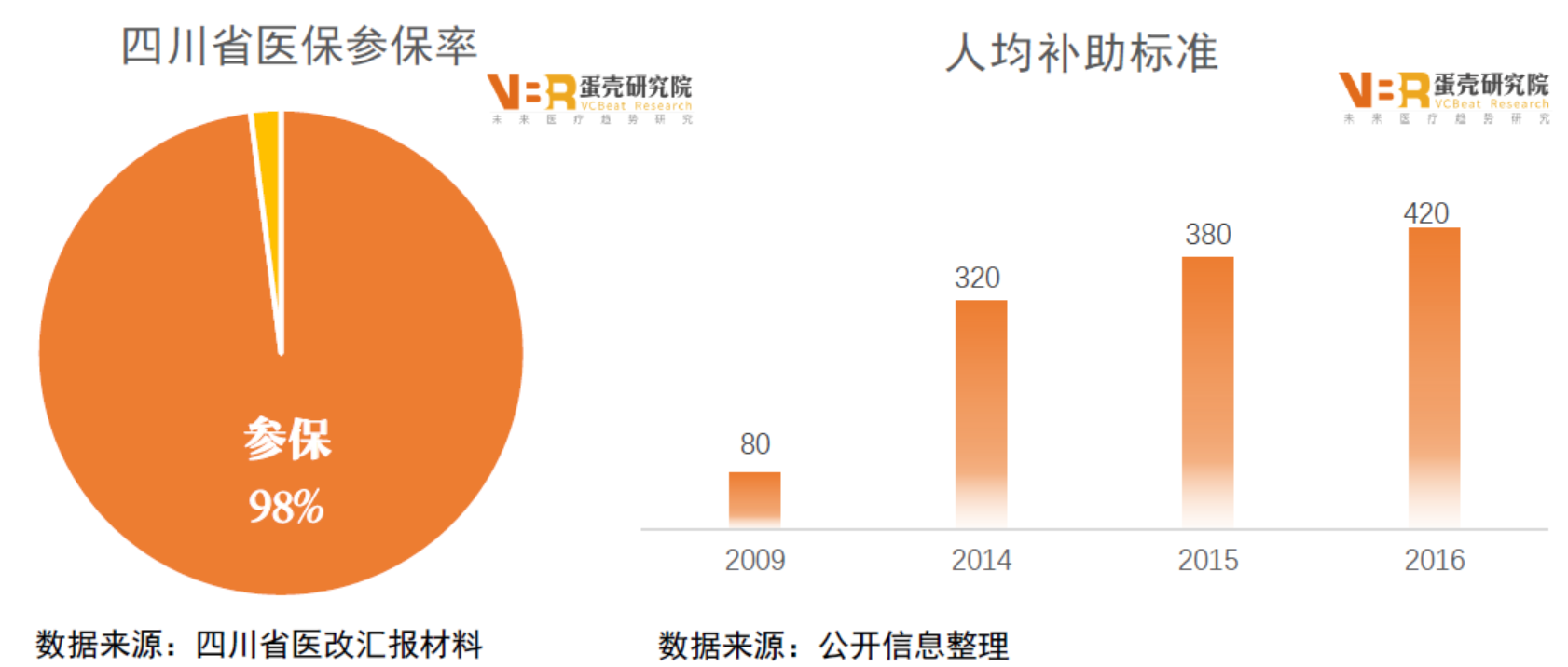
In 2016, the subsidy standard for resident basic medical insurance was increased by RMB 40 from the previous year’s level, reaching RMB 420 per person per year. Meanwhile, the individual contribution for residents was raised by RMB 30 from the 2015 baseline of no less than RMB 120 per person, resulting in a new minimum average contribution of no less than RMB 150 per person.
Currently, both the urban and rural resident basic medical insurance fund and the employee basic medical insurance fund in Sichuan Province are operating soundly. The funds are in healthy condition, with revenues slightly exceeding expenditures and remaining relatively stable. The cumulative surplus is robust, laying a solid foundation for subsequent reforms in the medical insurance sector.
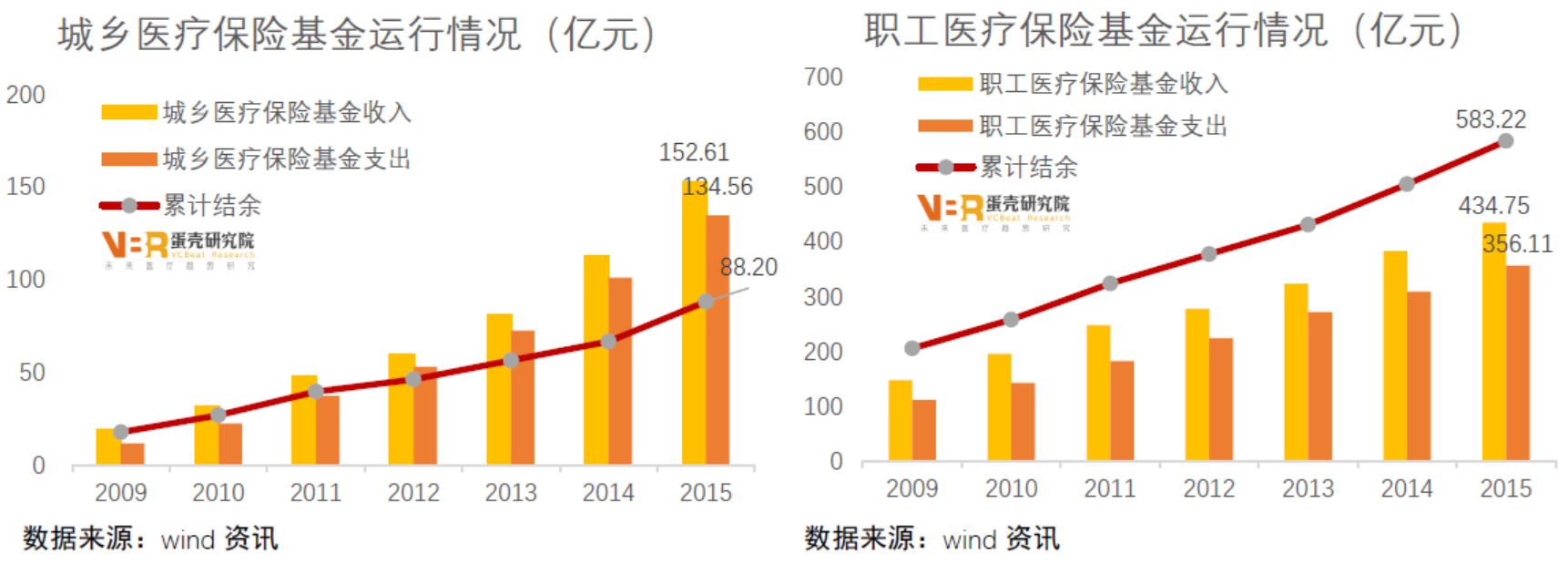
(From the perspective of individual contributions and compensationTaking Chengdu, which has the most favorable medical insurance policies, as an example, we conducted a simple calculation to estimate inpatient reimbursement outcomes.):
Basic Data:
In 2015, the average monthly per capita income in Chengdu was RMB 4,760;
The average hospitalization cost per visit at Grade 3A hospitals was RMB 12,869.5; the average hospitalization cost per visit at Grade 2A hospitals was RMB 5,535.8.
Payment Policy:
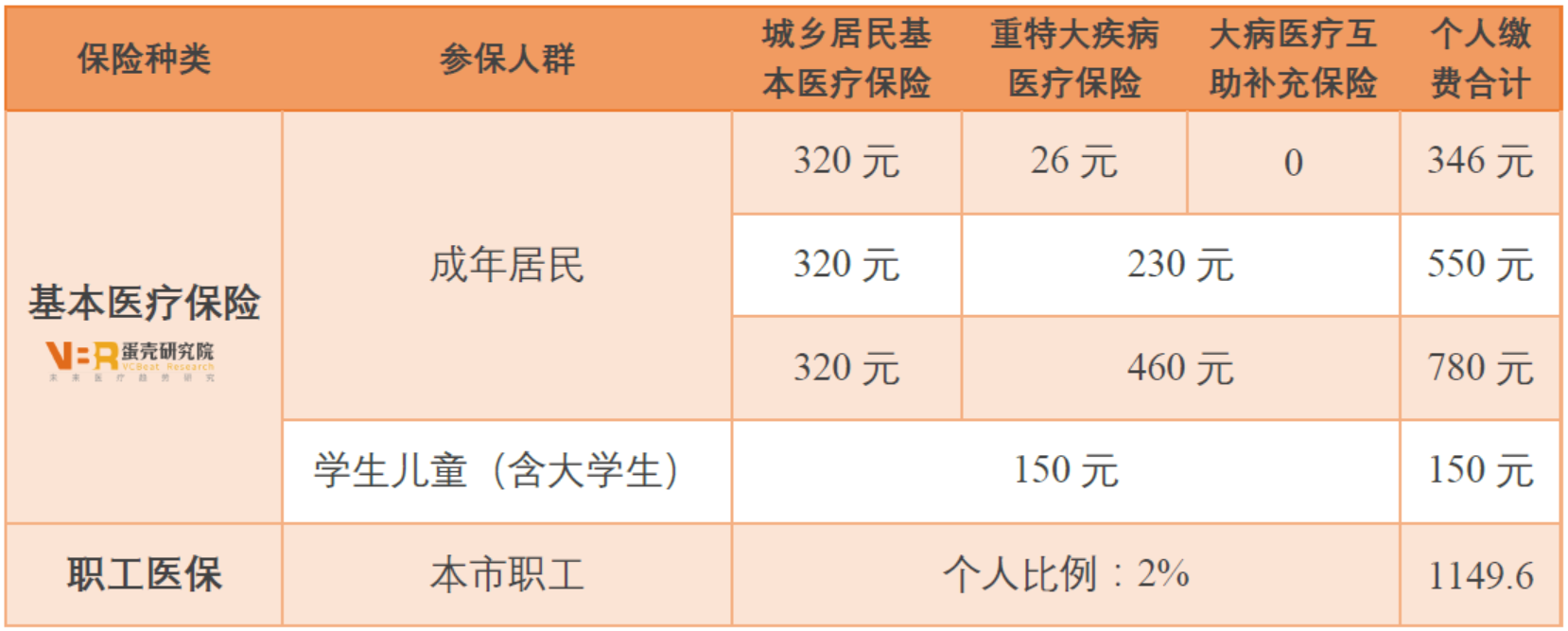
Compensation Policy:
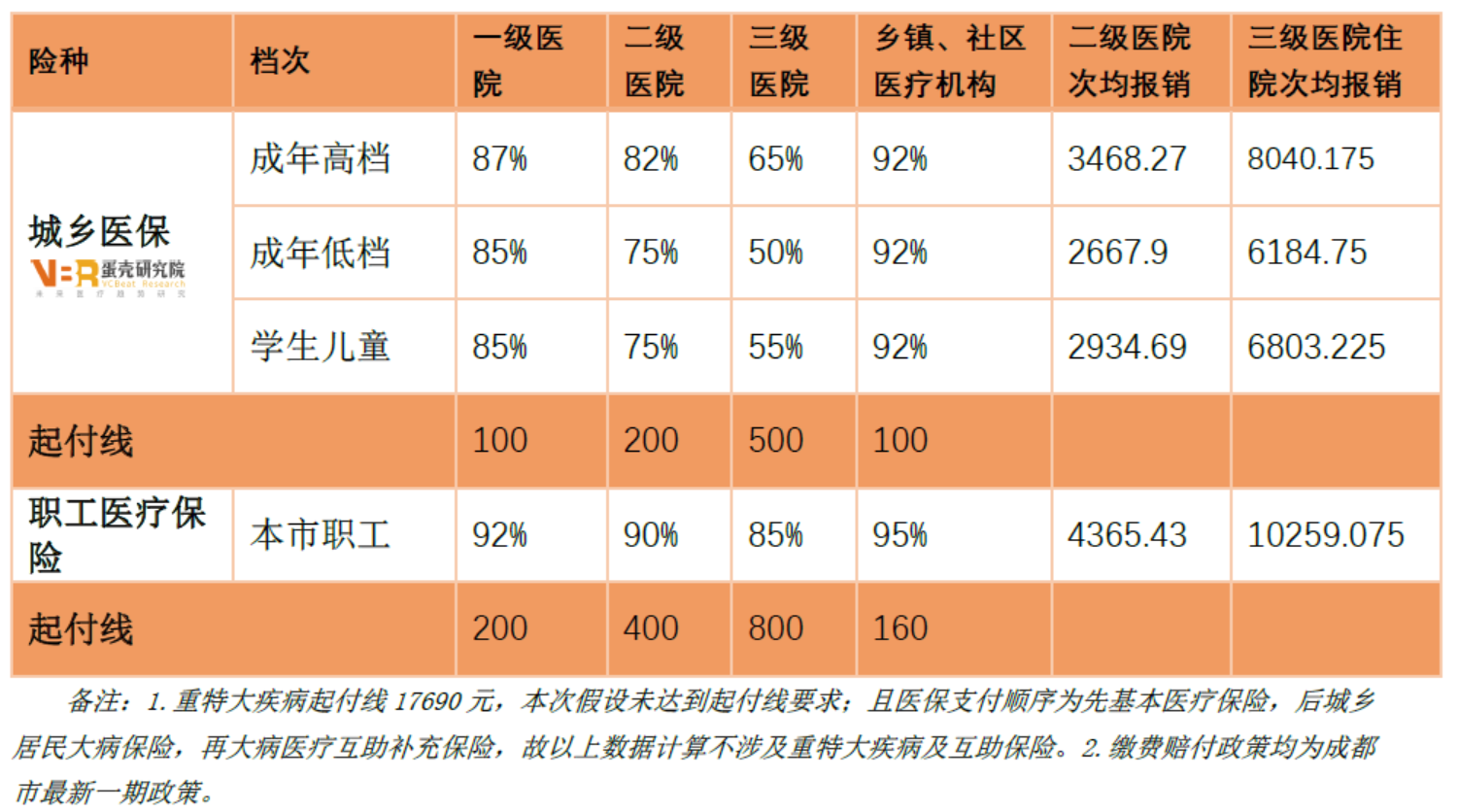
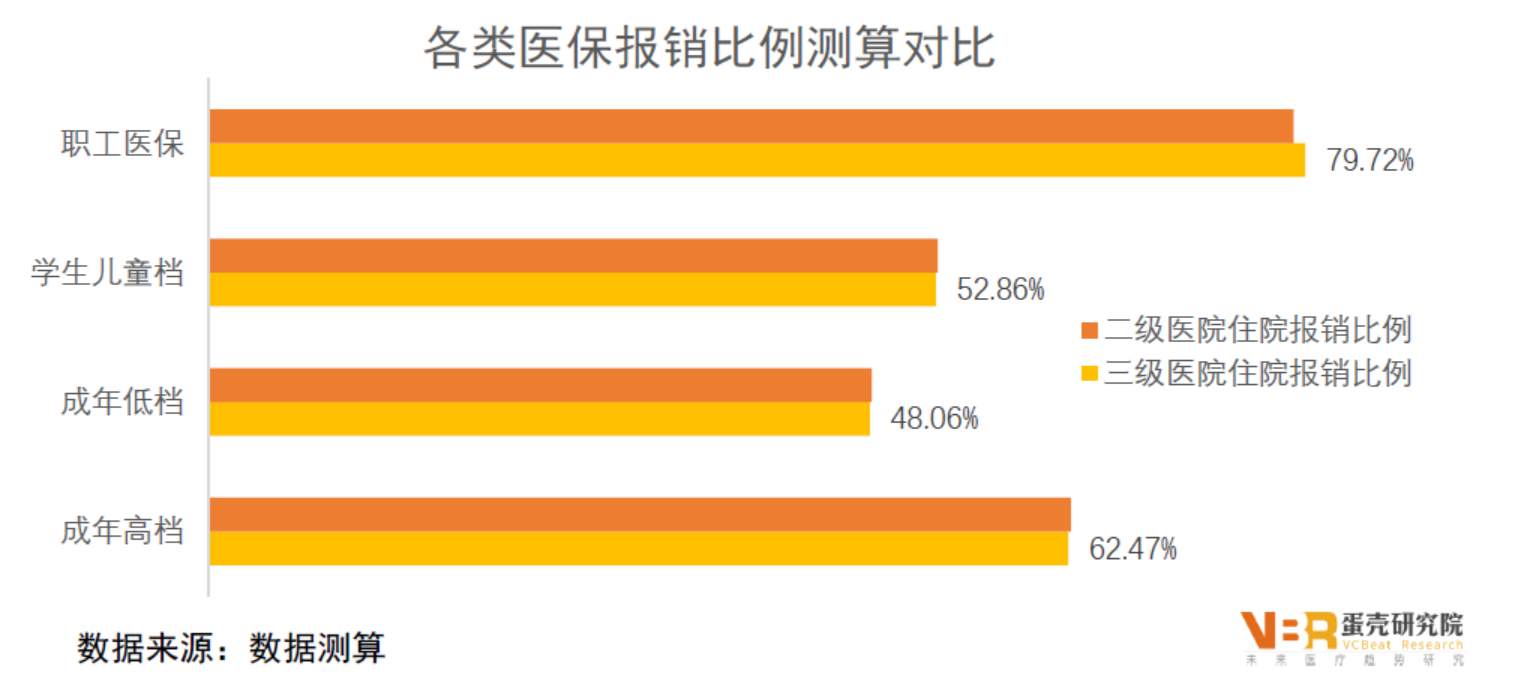
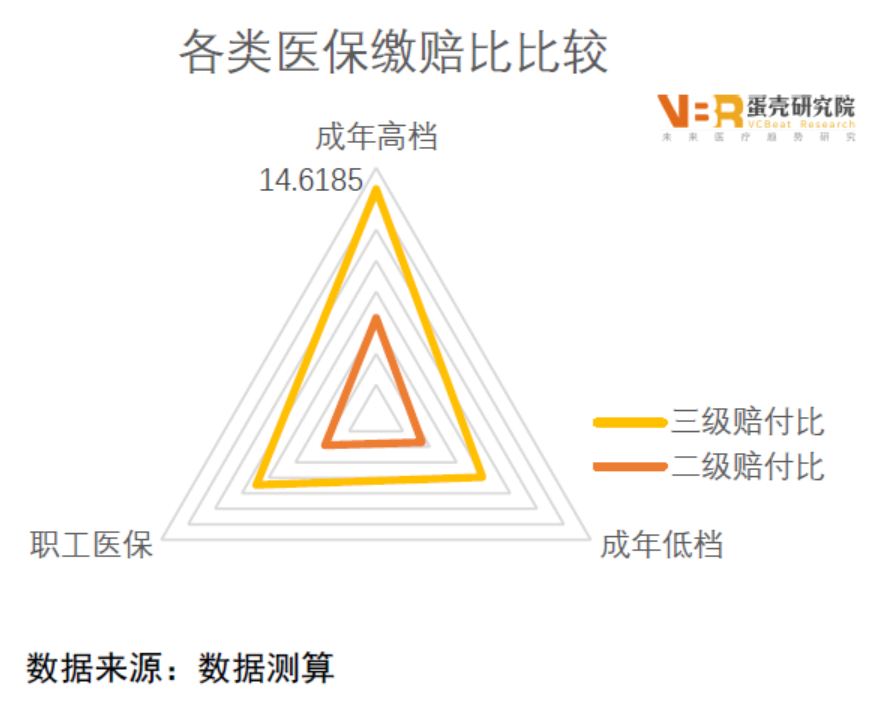
Based on the aforementioned estimates of out-of-pocket reimbursement amounts for single hospitalizations at secondary and tertiary hospitals, the actual reimbursement rate for employee basic medical insurance in Chengdu, Sichuan Province, is approximately 80%. For urban and rural resident basic medical insurance, the reimbursement rate remains around 62% for the high tier and around 48% for the low tier. Compared with the data reported in the *Analysis Report of the Fifth National Health Services Survey*, the reimbursement rates for all types of insurance in this region are higher than the national average.
Tips:
We have analyzed the ratio of premiums to claims payouts. The medical insurance for students and children offers exceptional value for money; if you are eligible, do not miss this opportunity!
Regarding employee basic medical insurance and urban-rural resident basic medical insurance, the high-tier plan for adults offers the best cost-effectiveness, followed by employee basic medical insurance, while the low-tier plan for adults has the lowest cost-effectiveness. When given the choice next time, do not hesitate: opt for the high-tier plan under the Urban-Rural Resident Basic Medical Insurance for adults. Use the money saved to purchase supplementary commercial health insurance (basic medical insurance is essential; even if you buy commercial insurance, having basic medical insurance will result in lower premiums for commercial coverage).
3.3 Qian – Summary of “Exploring the High Cost of Medical Care”
According to data released by the Sichuan Provincial People's Government and the Health and Family Planning Commission, a number of measures have yielded certain results.
From October 2013 to March 2014, pilot county-level public hospitals in Sichuan Province abolished drug markups, resulting in a 0.81% decrease in the average outpatient drug cost per visit and a 6.38% decrease in the average inpatient drug cost per person.
Through multiple measures, the upward trend in the average outpatient cost per visit at large hospitals in Sichuan Province in 2015, as well as the average inpatient cost per admission at county-level medical institutions and community health service centers, reversed for the first time, decreasing by approximately 0.17%, 0.78%, and 4.74%, respectively, compared with 2014.
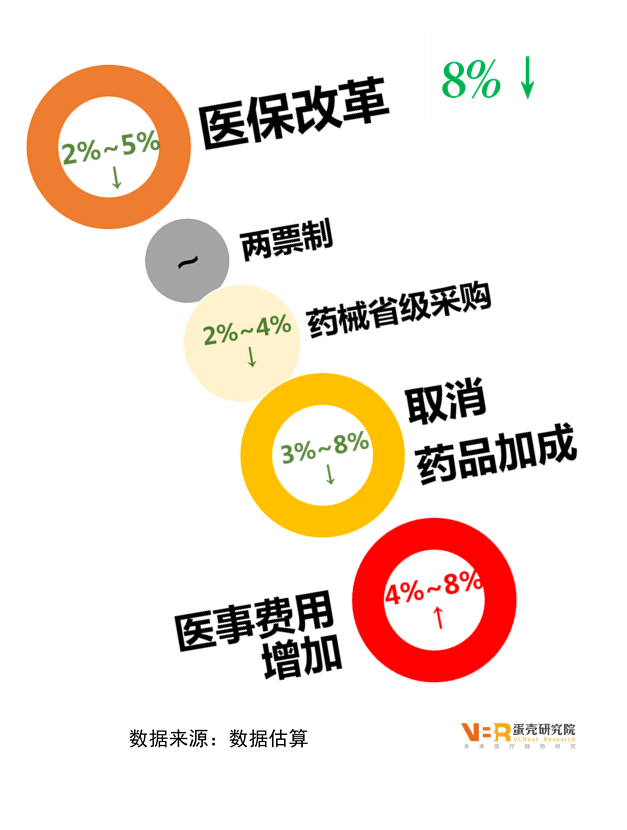
The average cost per inpatient stay under the New Rural Cooperative Medical Scheme (NRCMS) decreased by 1.15% year-on-year, while the actual inpatient reimbursement rate rose by 0.5 percentage points to 63.5%. Based on data disclosed by Sichuan Province and our prior analytical estimates, we believe that Sichuan’s medical insurance coverage has reached a relatively high level, with the medical insurance fund operating soundly as it progresses toward the unification of urban and rural medical insurance systems. Optimizations and reforms in medical insurance policies are expected to provide patients with a 2%–5% reduction in out-of-pocket expenses.
Through measures such as the two-invoice system, the elimination of drug markups, and provincial-level procurement of medical devices, we estimate that a cost-containment target of approximately 10% can be achieved.The "Two-Invoice System" has not been very effective in cost control, but it is crucial for clarifying the pharmaceutical market.
Based on the scope of cost-control impact, the cost-control ratio, and other associated effects, we estimate that abolishing drug markups can achieve a cost-control target of 3%–8%;
Provincial-level centralized procurement helps stabilize drug purchase prices and provides certain negotiation advantages. Based on estimates that incorporate the risk-free interest rate and the scope of impact of such centralized procurement, this policy has contributed 2%–4% to cost containment.
Overall, hospitals offset certain revenue shortfalls by increasing fees for medical services, which generally affects cost-containment outcomes by 4%–8%. Based on our corresponding estimates, the implementation of the aforementioned measures would result in an approximately 8% reduction in healthcare expenditure growth in Sichuan Province.
The current difficulty in accessing medical care is primarily due to the excessive concentration of patients, which has led to insufficient resources and long waiting times at high-level hospitals.To address the emerging issues, Sichuan Province has implemented the following measures:
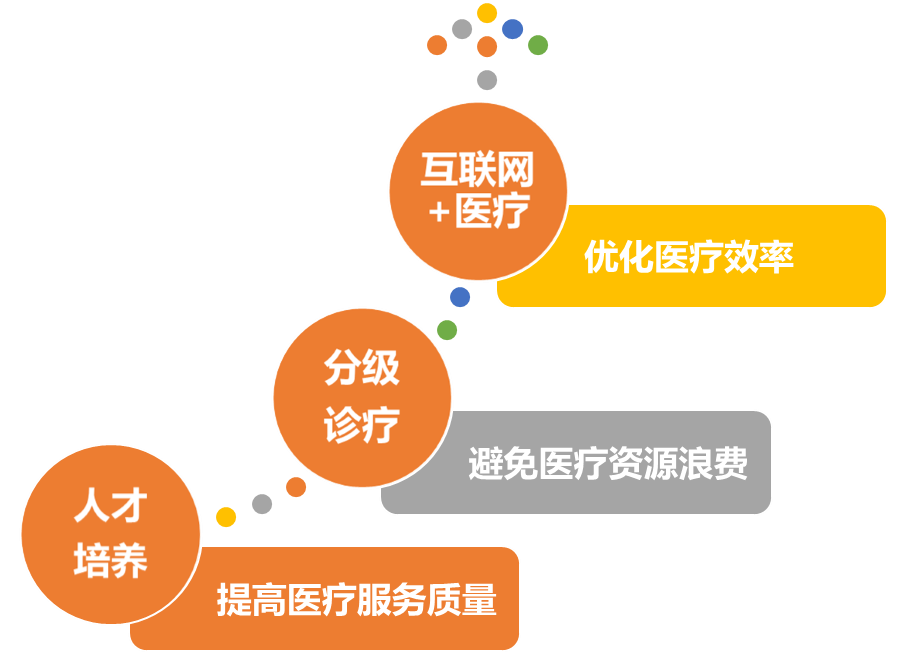
Next, we will discuss Sichuan Province’s explorations in alleviating the “difficulty of accessing medical care” from the perspectives of talent development, tiered diagnosis and treatment, and Internet+ healthcare.
4.1 Talent Development: Enhancing the Quality of Medical Services
How to Proceed: Policy Guidance and Enhanced Training
By issuing policies such as the “Implementation Opinions on Encouraging and Guiding Educational and Health Professionals to Serve at the Grassroots Level” and the “Opinions on Strengthening the Development of the Health and Family Planning Workforce,” multi-party collaborative efforts have introduced a series of supporting policies in areas including staff establishment, professional title promotion, position setting, and open recruitment.Healthcare Personnel Discounts。
A "dual-track" system is implemented for the professional title promotion of primary healthcare technical personnel.
Implement the pilot program for special posts for general practitioners.
Improve the management and assessment system for paired assistance between urban and rural hospitals.
Launch the “Silver-Haired Talent Attraction Initiative”, actively guide retired discipline leaders and key professional staff to seek re-employment in private hospitals or primary healthcare institutions.
Uphold the Synergy of Medical Practice, Education, and Research, with a focus on improving the quality of training for various types of healthcare professionals. Increase efforts in recruitment through public examinations and direct assessments to promote employment for more medical graduates. Vigorously advance physicians’ multi-site practice in accordance with laws and regulations. Second, strengthen the “three trainings.” Focus on expanding coverage and enhancing quality by intensifying standardized residency training, standardized general practitioner training, on-the-job training, and continuing education, thereby comprehensively improving the “four professional competencies” of medical personnel: academic qualifications, professional titles, practice credentials, and job-specific skills.
How It Stands: Increased Headcount, Rationalized Structure
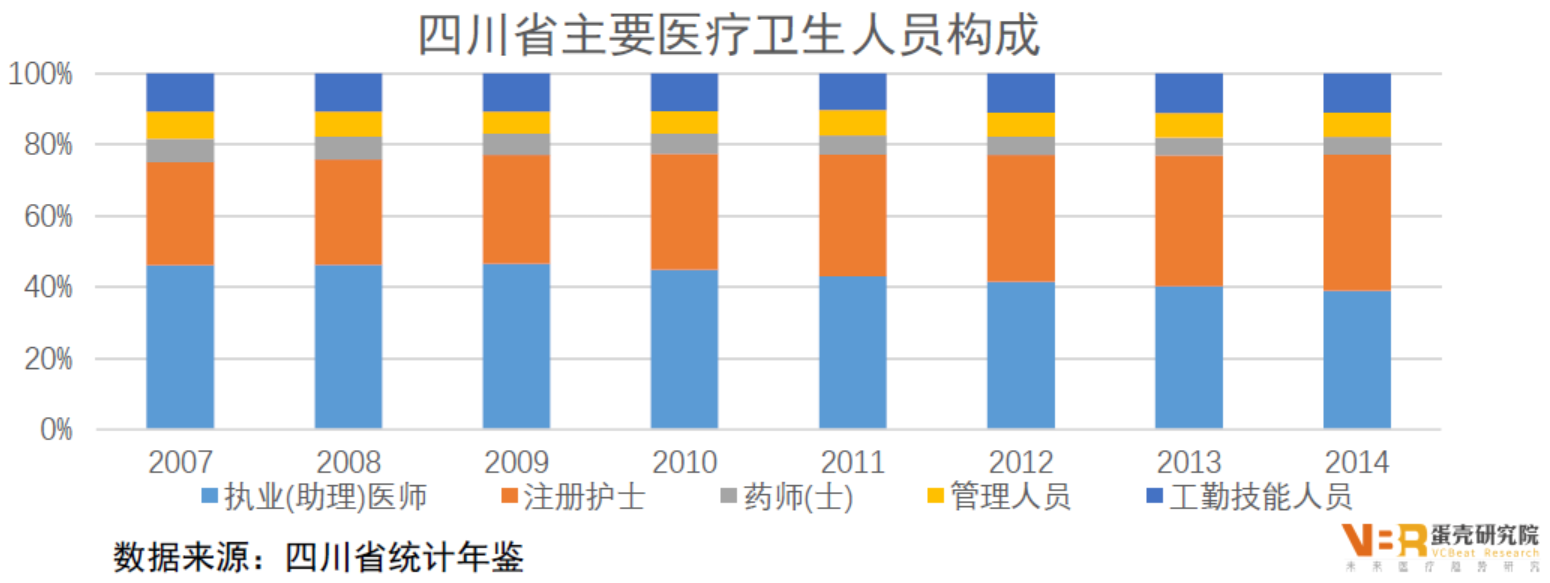
Sichuan Province is home to 33 institutions offering professional education in medicine and health (including 8 universities, 7 higher vocational colleges, and 22 secondary health schools); the total enrollment in medical and health institutions stands at 227,000 students. An additional 17,000 senior professional title positions have been created, and a cumulative total of 19,000 medical personnel have been dispatched to grassroots levels.
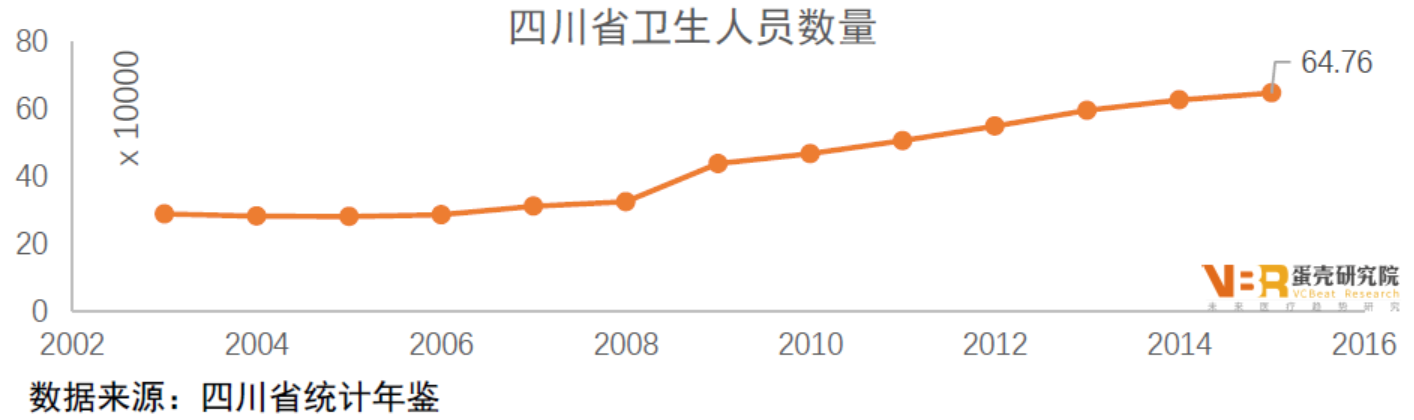
By the end of 2015, Sichuan Province had 647,600 healthcare workers, ranking fourth nationwide. There were 2.24 licensed (assistant) physicians and 2.34 registered nurses per 1,000 population. The number of healthcare workers maintained a continuous annual growth rate of approximately 5% over eight years, with the workforce structure becoming increasingly rational and stable.
4.2 Tiered Diagnosis and Treatment: Avoiding Waste of Medical Resources
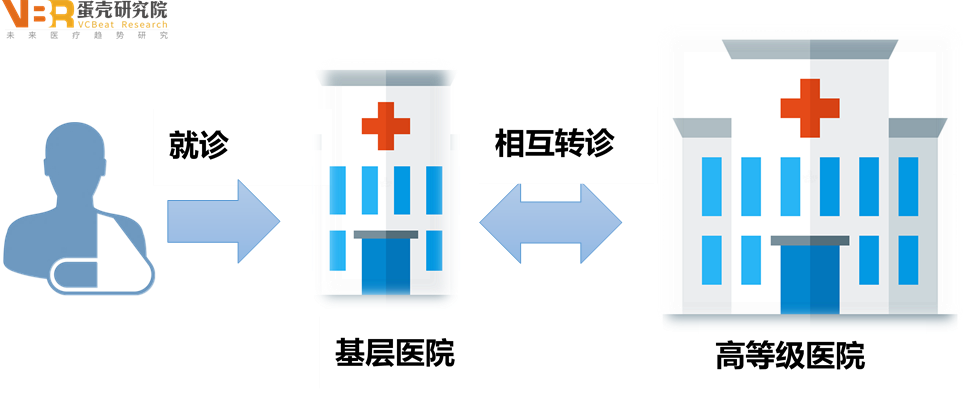
The so-called tiered diagnosis and treatment system involves classifying diseases based on their severity, urgency, and complexity of treatment, with medical institutions at different levels assuming responsibility for treating corresponding conditions, thereby achieving initial consultation at the primary care level and two-way referrals. This policy will yield significant results only when the effectiveness of talent development, as discussed above, reaches a certain level.
How to Do It: A Combination of Punches, Let Your Feet Do the Talking
Sichuan Province has implemented the following policies regarding tiered diagnosis and treatment:
Relaxing Access Requirements for Medical Technologies:Relaxing Hospital-Level Requirements for Medical Technology Access: Delegating the Clinical Application of 16 Class II Medical Technologies with Mature Clinical Use and Controllable Safety Risks to Primary Healthcare Institutions
Strengthen Pairing Assistance, Teleconsultation, and Mobile Medical Services in Ethnic Minority Regions。
Large hospitals are required to reduce the average daily outpatient volume per physician by 5%, and reserve no less than 20% of appointment slots for referrals from primary care institutions.
Healthcare Insurance Innovation: Driven by Financial Incentives, Letting Patients Vote with Their Feet
In October 2014, it took the lead in issuing a regulation stipulating that reimbursement would be denied for ordinary patients covered by the New Rural Cooperative Medical Scheme (NRCMS) who bypassed designated healthcare tiers for inpatient care, with exceptions made only for emergency cases, special populations, and specific diseases.
For all three basic medical insurance schemes, the reimbursement rate for inpatient care at primary healthcare institutions reaches 90% or higher, whereas it is only around 40–50% at provincial-level hospitals. Under the New Rural Cooperative Medical Scheme (NRCMS), the reimbursement rates at provincial, municipal, county, and township medical institutions are 55%, 65%, 82%, and 90%, respectively. The reimbursement rate for Urban Employee Basic Medical Insurance ranges from 75% to 96%, while that for Urban (and Rural) Resident Basic Medical Insurance ranges from 40% to 95%.
Widen the gap in deductible thresholds for inpatient expense reimbursement across medical institutions of different tiers: primary-level facilities have deductibles of only RMB 20–150, while provincial-level institutions reach approximately RMB 1,000. Patients referred upward need only pay the difference in deductibles, whereas those referred downward are exempt from paying any deductible.
Define the Scope of Referral:
Designated one to two municipal tertiary hospitals as lead institutions to establish 11 municipal “Medical Care Zones,” thereby creating a “1+11 Medical Care Zone” service system covering the entire province. Compiled the Sichuan Province Catalogue of Basic Medical Conditions (Trial) and the Sichuan Province Catalogue of Complex and Critical Conditions (Trial), each including 100 conditions, to clearly define the scope of diagnosis and treatment for medical institutions at all levels. Issued bidirectional referral guidelines for 173 common conditions across 21 specialties, including rehabilitation medicine, to standardize practices in medical institutions.
How is it: The effect is significant
According to data released by the Sichuan Provincial Health and Family Planning Commission, by the end of 2015, the year-on-year growth rates of outpatient (including emergency) visits and discharges at municipal-level large medical institutions in Sichuan Province had decreased by 8 and 7.88 percentage points, respectively, compared with the period prior to the implementation of tiered diagnosis and treatment. In contrast, the year-on-year growth rates of outpatient (including emergency) visits and discharges at county-district level general hospitals increased by 8.84 and 8.35 percentage points, respectively, compared with the pre-implementation period. The province-wide rate of patient visits within county jurisdictions has reached 87.72%.
4.3 Internet + Healthcare: Optimizing Medical Efficiency
The continuous improvement in the substance and quality of medical services, driven not only by advances in diagnostic and therapeutic techniques and methods, but also by the gradual shift in patient information management from a business-centric to a patient-centric model, is moving toward integrated information systems, intelligent service functionalities, and structured electronic health record content.
Currently, the most prevalent application of medical information technology is information sharing, with electronic health records (EHRs), telemedicine, and regional interoperability being the most prominent areas. Meanwhile, data mining has also been profoundly applied in clinical decision support.

Sichuan Provincial Health and Family Planning Commission released the “2015 Key Work Plan for ‘Internet+’,” designating home-based telemedicine as a breakthrough point for innovating internet-enabled healthcare service models. It standardized the fee structures of internet hospitals and made concerted efforts to cultivate a cohort of innovative demonstration enterprises and institutions in the “Internet+ Healthcare” sector, thereby steering the healthy and rapid development of the industry. Seizing this opportunity, a number of high-quality “Internet+ Healthcare” projects have come into public view, while major hospitals have leveraged their respective strengths to actively integrate platforms and aggregate resources through internet-based approaches.
Sichuan’s healthcare reform has actively introduced internet technologies to improve medical efficiency, aiming to address the difficulty of accessing medical care through digital transformation. On the path of “Internet + Healthcare,” Sichuan Province has taken the following steps:
Healthy Sichuan:The first provincial-level medical service cloud platform in China, established in October 2014.
Home Telemedicine:Established the Home Telemedicine Management and Guidance Center, responsible for managing information related to home telemedicine.
Internet Medical Services Pilot:In October 2015, a pilot program for internet-based medical services was launched, using “Healthy Sichuan” as the provincial entry point for home telemedicine and as an open, unified information system platform.
Resident Health Card:Province-Wide Unified Health Card for Basic Data Sharing
Primary Healthcare Management Information System:Seamless integration of health records with primary care, and effective linkage with the medical insurance system
Big Data Analysis and Utilization:Strategic Cooperation with the Big Data Center of University of Electronic Science and Technology of China: Integrating Big Data Application Technologies with Healthcare Services
4.3.1 Health Sichuan: Provincial Unified Platform
The Information Center of the National Health and Family Planning Commission initiated and operates the provincial public-service cloud platform, "Healthy Sichuan," which provides a unified display of medical information across the province. The platform has integrated 350 hospitals, presenting information on more than 1,000 medical institutions at secondary level or above and nearly 20,000 physicians. It has imported 70 million health records and 40 million New Rural Cooperative Medical Scheme (NRCMS) records, providing over 900,000 appointment slots each month.
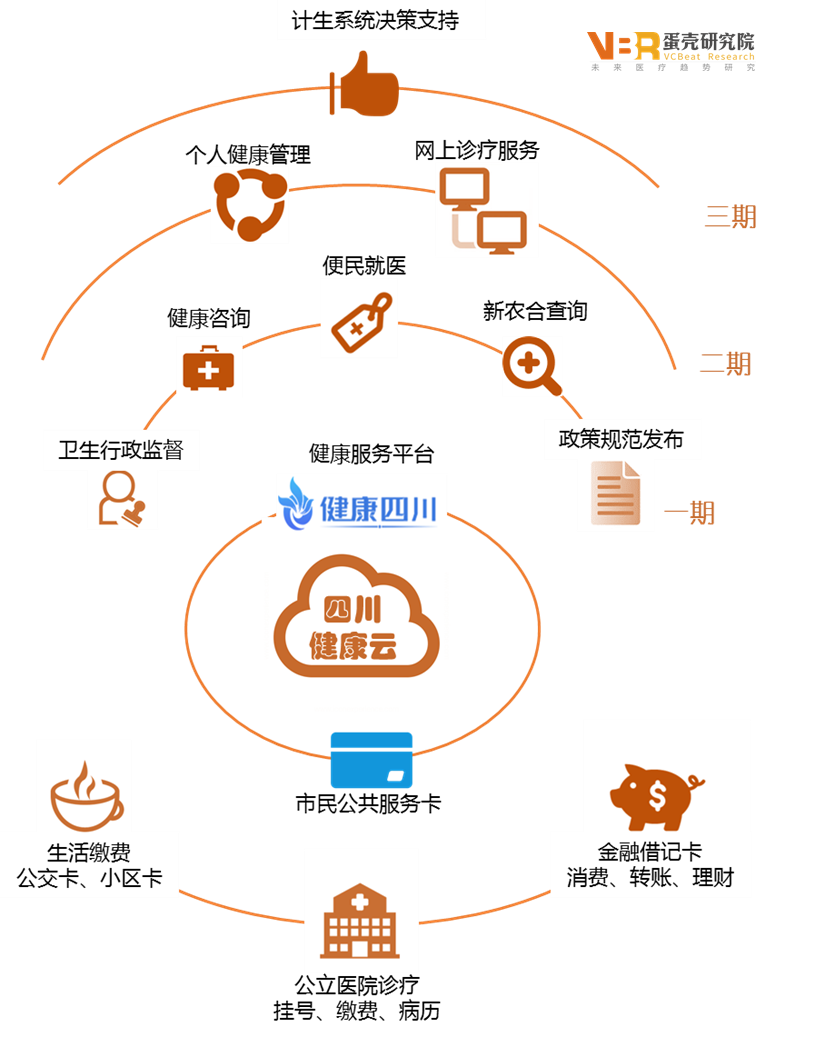
Currently, services such as medical navigation, appointment registration, information inquiry, online preliminary diagnosis, online payment, and health management are provided through portals, mobile apps, WeChat, and other channels. To support the full implementation of the universal two-child policy, real-time integration has been achieved with pediatric and obstetrics/gynecology appointment slots and bed availability data from all maternal and child health institutions at secondary level and above across the province.

Based on our actual testing experience, the website has successfully listed all secondary and tertiary hospitals in Sichuan Province, with an activation rate exceeding 80%. It offers ample appointment slots, ensuring that each doctor has at least one half-day session per week available for online booking. By combining schedules across multiple doctors, patients can achieve on-demand appointments and timely consultations. Additionally, rotating physicians provide free, lightweight online consultations daily to help patients address minor health issues and offer medical advice.
We compared this system with Guahao.com, the current market leader. As a government-run public platform, Health Sichuan holds advantages in hospital coverage and physician appointment availability. Its clear logic and smooth operation are commendable achievements for a government-led public service platform.
Meanwhile, Sichuan Province is implementing a province-wide unification of the Resident Health Card (One-Card System), enabling residents to seek medical treatment at any public hospital with their health card. Personal diagnosis and treatment information, as well as health records, can be accessed and reviewed at any hospital through the Resident Health Card, thereby resolving the issue of requiring separate cards for different hospitals.
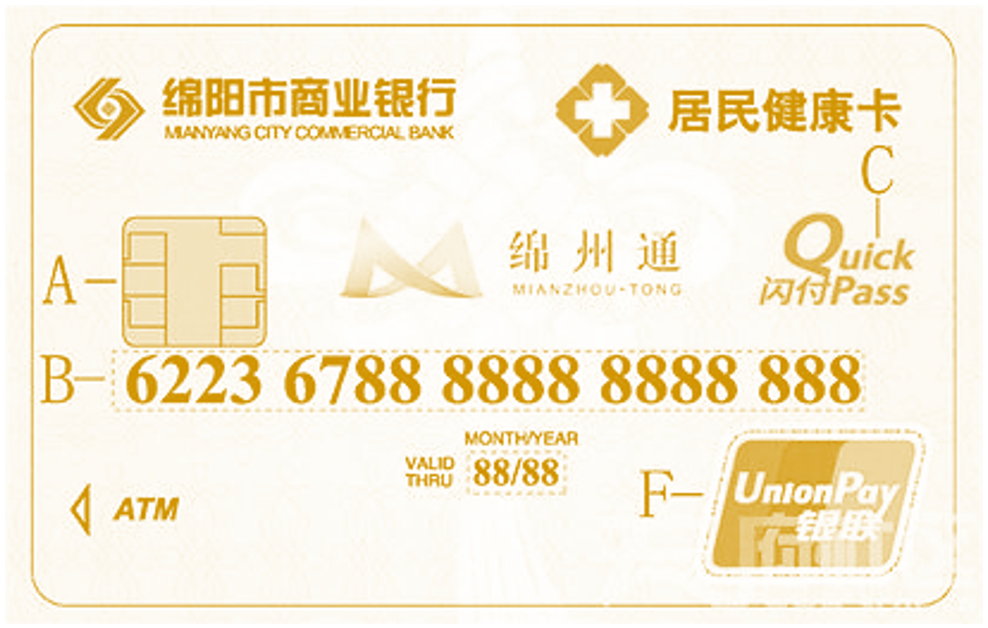
The health card is the same size as a standard bank card. It has been upgraded from a magnetic stripe card to a chip card, equipped with a health security key, and features a storage capacity of 128 KB.
The Sichuan Provincial Health and Family Planning Commission also plans to collaborate with WeDoctor to virtualize health cards, enabling real-time cloud storage of patients’ health information and achieving one-stop management for medical consultations, payments, and medical insurance. Following the standardization of hospital information systems, patient data are integrated, effectively reducing the need for repetitive submission of basic personal information. The “Healthy Sichuan” platform consolidates medical resources, significantly reducing the time and effort required for patients to access healthcare services. Currently, Phase I is officially operational, offering functions such as appointment registration, hospital navigation, health consultations, medical information inquiries, information subscriptions, and online training. Phase II will introduce personal health management and online diagnosis and treatment services, while Phase III will provide decision-support tools for administrators in the health and family planning system.
4.3.2 Inclusive Healthcare: Provincial Telemedicine Platform
The Sichuan Provincial Health and Family Planning Commission, Hisida Technology Development Co., Ltd., and Alibaba Cloud Computing Co., Ltd. are jointly building and conducting trial operations of the “Sichuan Provincial Telemedicine Cloud.” With Sichuan Provincial People’s Hospital serving as the clinical center, the initiative aims to fully migrate the health information systems of nearly 70,000 townships, villages, and communities across all 183 districts and counties in Sichuan Province to the cloud. This will enable Sichuan to flexibly implement tiered diagnosis and treatment and telemedicine services throughout the province.
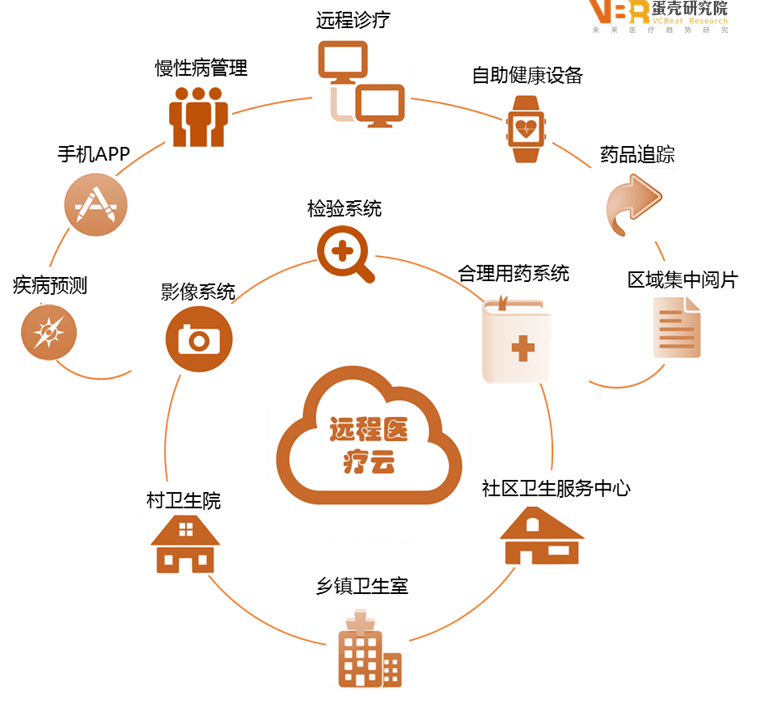
This platform leverages the internet to share high-quality medical resources from tertiary hospitals with resource-scarce regions. Currently, the first phase of the project has entered trial operation. The remote medical imaging systems (PACS), laboratory information systems (LIS), and rational drug use systems in 27 districts and counties across Sichuan Province have all been migrated to the cloud, enabling data interoperability among township health centers, village clinics, and community health service centers. As a result, residents in townships can receive diagnosis and treatment from provincial and municipal hospitals locally, effectively extending and amplifying the service capacity of healthcare institutions.
4.3.3 Determination of Internet Medical Service Fees
In line with the development of internet-based healthcare, Sichuan Province has followed Guizhou Province in incorporating telemedicine into its medical insurance scheme and clarifying pricing for internet-based medical services. The Notice on Setting Prices for Internet-Based Medical Service Items, issued by the Sichuan Provincial Health and Family Planning Commission, establishes regulatory frameworks from a policy perspective for service item pricing, medical insurance reimbursement, and fee standards for internet-based healthcare. Compared with Guizhou Province’s regulations, this notice marks the first time that pricing for remote consultation categories—including online consultations, remote monitoring, and other related services—has been standardized.
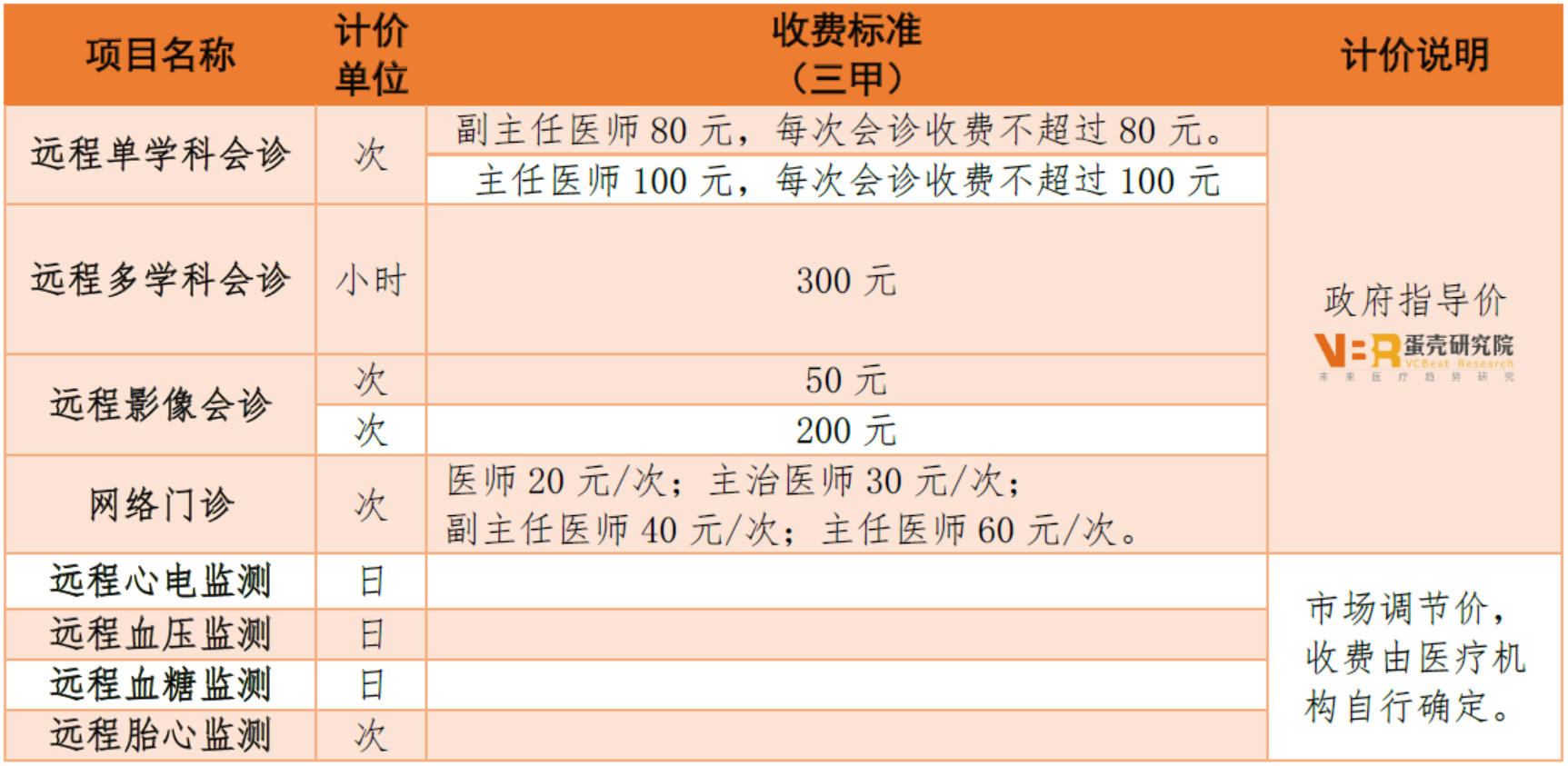
Sichuan Province categorizes internet healthcare into the following four major types:
I. Remote Consultation Services: Remote Single-Specialty Consultation, Remote Multidisciplinary Consultation, and Remote Imaging Consultation.
II. Remote Diagnosis Category: Remote ECG Diagnosis, Remote Imaging Diagnosis, Remote Laboratory Diagnosis, Remote Pathology Diagnosis.
III. Remote Examination Category: Online Outpatient Consultation.
IV. Remote Monitoring and Other Categories: Remote Fetal Heart Rate Monitoring, Remote Electrocardiogram (ECG) Monitoring, Remote Blood Pressure Monitoring, Remote Blood Glucose Monitoring, and Other Internet-based Healthcare Services.
Remote consultations, remote diagnoses, and remote examinations are subject to government-guided pricing, while remote monitoring and other services are subject to market-regulated pricing. In accordance with these regulations, internet-based healthcare offers significant cost advantages for patients compared to seeking treatment at tertiary hospitals, particularly for critically ill and those in remote areas.
Notably, the aforementioned price list does not include pricing for remote diagnostic services. According to the management guidelines outlined in the notice, fees for remote diagnostic services are determined by the tier of the inviting medical institution, and charged based on the prevailing prices for corresponding electrocardiogram, imaging, laboratory, and pathology services in each city (prefecture) as paid by the inviting party. This flexible yet relatively standardized approach will provide internet-based medical institutions with greater operational flexibility.
The notice explicitly includes internet-based healthcare within the scope of medical insurance coverage; however, the final determination of the value attribution of internet-based healthcare must await the issuance of specific payment rules and procedural guidelines by the relevant departments of the New Rural Cooperative Medical Scheme (NRCMS) and the Ministry of Human Resources and Social Security.
4.4 Time — Outcomes of Efforts to Address “Difficulty in Accessing Medical Care”
 According to information released by the Sichuan Provincial Health and Family Planning Commission, the average waiting time for outpatient registration at four provincial- and ministerial-level hospitals, including West China Hospital of Sichuan University, which are under key monitoring in Sichuan Province, has been reduced from 2 hours before the implementation of the tiered diagnosis and treatment system to 1 hour currently. The waiting time for major examinations has been shortened from 3 days to 2 days, and the average waiting time for hospital beds among patients requiring admission has decreased from 5.5 days to 1.5 days. Difficulty in accessing medical care is basically non-existent in non-tier-one hospitals, and the province-wide rate of patient visits within county-level jurisdictions has reached 87.72%.
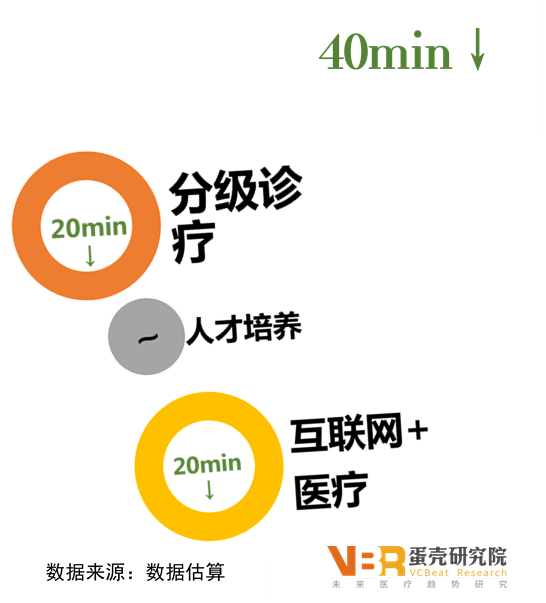
Overall, the tiered diagnosis and treatment measures implemented by Sichuan Province are the primary drivers behind these achievements. By guiding patient flow to achieve effective triage, we estimate that this initiative has saved 20 minutes per outpatient visit and reduced inpatient waiting times by 0.5 days.
Another initiative in Sichuan Province: The strategy of internet-based information management has also yielded remarkable results. Taking online appointment registration as an example, this service saves 15 minutes previously spent queuing for registration and converts the 20-minute post-registration waiting time into travel time. Meanwhile, real-time, on-site telemedicine effectively reduces waiting time to nearly zero. The “Internet + Healthcare” model not only shortens consultation time but also expands access points for medical care, achieving broad coverage of healthcare resources and benefiting the general population.
Based on comprehensive estimates, the combined implementation of multiple measures is expected to reduce patient visit time by approximately 40 minutes. We predict that in the near future, the entire process—from deciding to seek medical care at a hospital to receiving diagnosis and treatment—will likely be completed within one hour.
Summary: Sichuan’s healthcare reform model follows a conventional approach, largely aligning with national policy directions while piloting certain measures slightly ahead of schedule. It has already achieved notable progress in optimizing timelines and controlling costs. Compared to the more radical Sanming model, Sichuan’s approach entails less disruption and holds significant potential for broader adoption.
The hallmark of Sichuan’s healthcare reform lies in its full utilization of the internet wave to advance healthcare informatization, thereby standardizing the initial stages of the patient consultation process and achieving significant time savings.
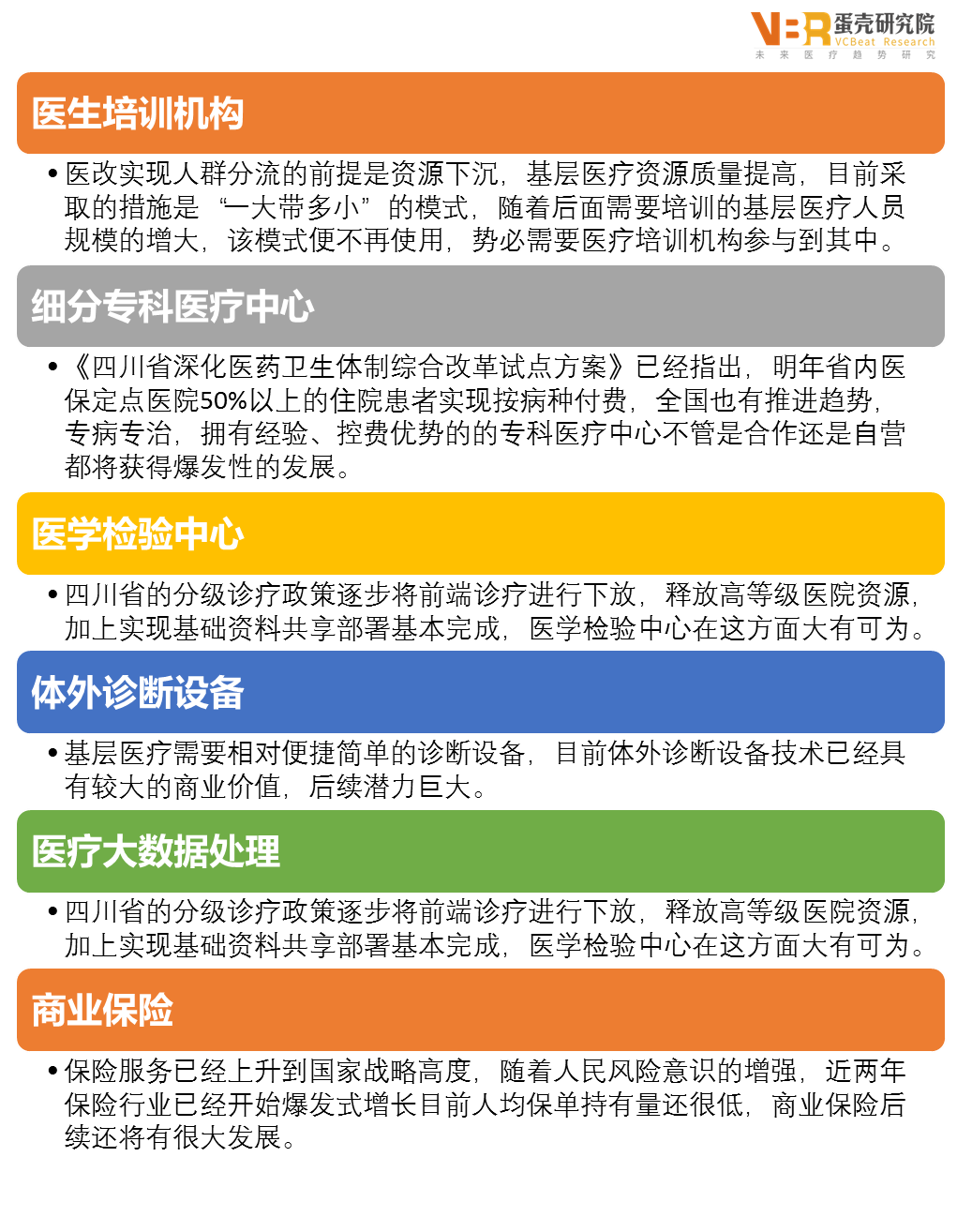
Under this model, the trend toward diagnosis-related group (DRG) payment is becoming increasingly evident, and the integration of “Internet+” will deepen further. Such reforms will create opportunities for the following industries:
To download the full PDF version, please follow the VCBeat official WeChat account and reply with the keyword “Sichuan Healthcare Reform"Get
Author: VCBeat. Please credit the WeChat Official Account when reposting.VBResearch2016