

IBM and Rice University Unveil Watson-Powered Caregiving Robot IBM MERA in IPO Filing
IBM’s Watson, the flagship of IBM’s cognitive computing, has gained global recognition. But can this technology transform elderly care? IBM believes it can. On December 8, IBM Research showcased the IBM Multi-Purpose Elderly Care Robot, jointly developed with Rice University.
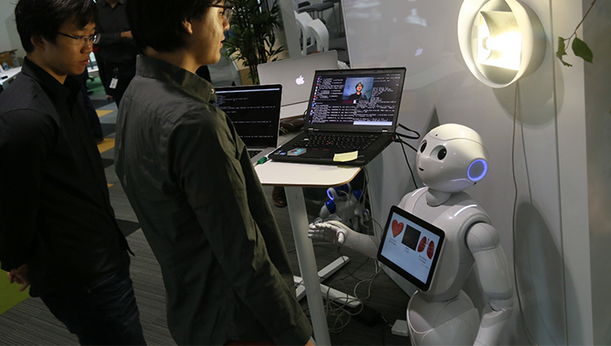
This robot is named IBM MERA. It features applications powered by IBM Watson and is primarily designed to assist the elderly and their caregivers.
According to United Nations data, the global population aged 60 and above is projected to increase by 56% by 2030. IBM executives have pointed out that healthcare for the elderly needs to be enhanced in response to global aging. Consequently, IBM Research has established a dedicated “Regional Aging” initiative at its Austin, Texas laboratory. By leveraging IBM MERA, the Internet of Things (IoT), and other cognitive computing technologies, IBM researchers aim to analyze data from atmospheric studies, motion and fall detection, as well as audio and olfactory sensors, and apply these insights to assist caregivers and improve healthcare delivery.
“It is time to invest in, care for, protect, and support older adults so that they can live more independently,” said Arvind Krishna, Senior Vice President of IBM Research, in a statement. “Our new research demonstrates how cognitive computing—integrating real-time data from sensors with cognitive computation—can provide effective recommendations to clinicians and caregivers, helping them make better patient-care decisions.”
The IBM MERA prototype was designed through a collaborative effort involving faculty and students from the Department of Electrical and Computer Engineering and the Department of Psychology at Rice University. It primarily serves three functions: facilitating research into innovative methods for measuring vital signs such as heart rate, heart rate variability, and respiratory rate; answering basic health-related questions; and detecting falls in elderly individuals by analyzing accelerometer data.
IBM MERA operates on IBM Cloud and the SoftBank Pepper robot interface, leveraging IBM Watson technology and CameraVitals technology (a technique developed by Rice University that calculates vital signs by recording facial video).
These technologies enable IBM MERA to rapidly and non-invasively measure patients’ cardiac and respiratory data. Integrated with IBM Watson’s speech recognition and Speech API, the camera can also detect falls and transmit alerts to caregivers.
IBM Research also plans to collaborate with Sole Cooperativa, a third-party healthcare service provider in Italy, to equip senior living facilities with sensors for monitoring residents’ daily activities and collecting related data. Specifically, by leveraging the Internet of Things (IoT) and IBM’s cognitive computing technologies, the system identifies anomalies in physical conditions or the environment and transmits continuously changing environmental data to caregivers. For example, by monitoring atmospheric parameters such as carbon dioxide and carbon monoxide levels, Sole can use IBM technology to determine which room a resident is in and how long they have stayed there, thereby gaining insights into the resident’s daily life patterns through IBM’s cognitive systems.
Source: Healthcare IT News