

China Future Healthcare 2016 Industry Report (Excerpt): Prospectus for the Future Healthcare 100
We believe that a powerful force is reshaping the future landscape of healthcare, inspiring numerous medical entrepreneurs in China to forge ahead with resilience, unburdened by the past and undaunted by the future.
Driven by technology, they have achieved a leap in service delivery; quietly transforming our lives through new models, they hail from the fiercely competitive realm of innovation, breaking down traditional barriers to establish new rules. They are the core force shaping the future of China’s healthcare industry—the Future Healthcare 100.
Medical practice is an art of benevolence, achieving great deeds without seeking profit. We hope this force will become a sharp arrow piercing through the storm, breaking the equilibrium, undaunted by the distance of time, and realizing a Healthy China in the truest sense.
The 2016 China “Top 100 Future Healthcare Companies” list highlights innovative Chinese healthcare enterprises that truly represent the future of medicine, identifying the core forces driving China’s future healthcare industry.
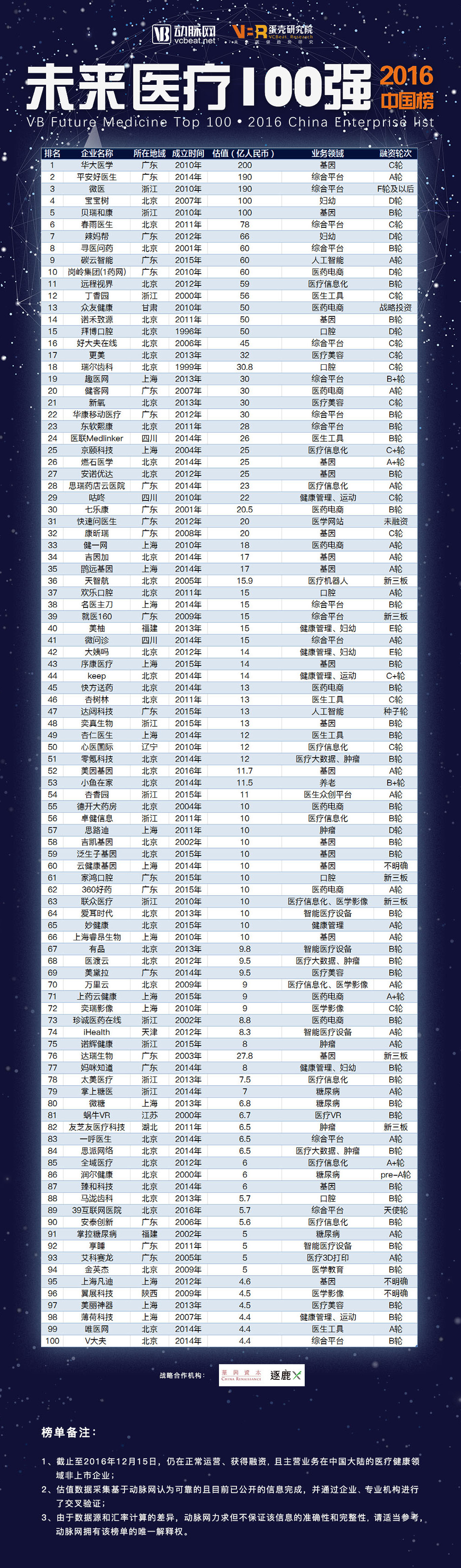
This list uses company valuations verified by VCBeat through comprehensive information from various sources as a key evaluation criterion. It selects 100 non-listed enterprises (including those listed on the New Third Board) in China’s healthcare sector as the “Future Healthcare” honorees. The ranking is ordered from highest to lowest based on market valuation, brand recognition, and industry influence.
Centered on “China’s Practices in Driving Transformation of the Healthcare Industry,” the 2016 Future Healthcare Top 100 Forum was held in Beijing. In conjunction with the annual “Future Healthcare Top 100 List,” VCBeat and VBInsight released the White Paper on China’s Future Healthcare Top 100 Enterprises 2016, conducting the first comprehensive overview of the top 100 future healthcare companies in China. The report analyzes the development trajectories of these leading enterprises from multiple dimensions—including founding date, financing rounds, corporate valuation, and specialized sectors—and outlines the development trends of the healthcare industry.
Compared to traditional entrepreneurship, startups in the future healthcare sector exhibit numerous distinctions. We require not only the integration of innovative technologies and the exploration of novel business models, but also proactive policy guidance. In addressing the challenges of conventional healthcare, which is more critical: the solution itself or disruptive technology? Amidst the vast landscape of medical specialties, which segments represent the most promising avenues for future healthcare? As the initial hype subsides and the industry matures, healthcare innovation and entrepreneurship have entered their second half. Let us return to the essence of medicine and jointly explore the path forward.
2016 China "Top 100 Future Healthcare" List
Interpretation of Listed Companies
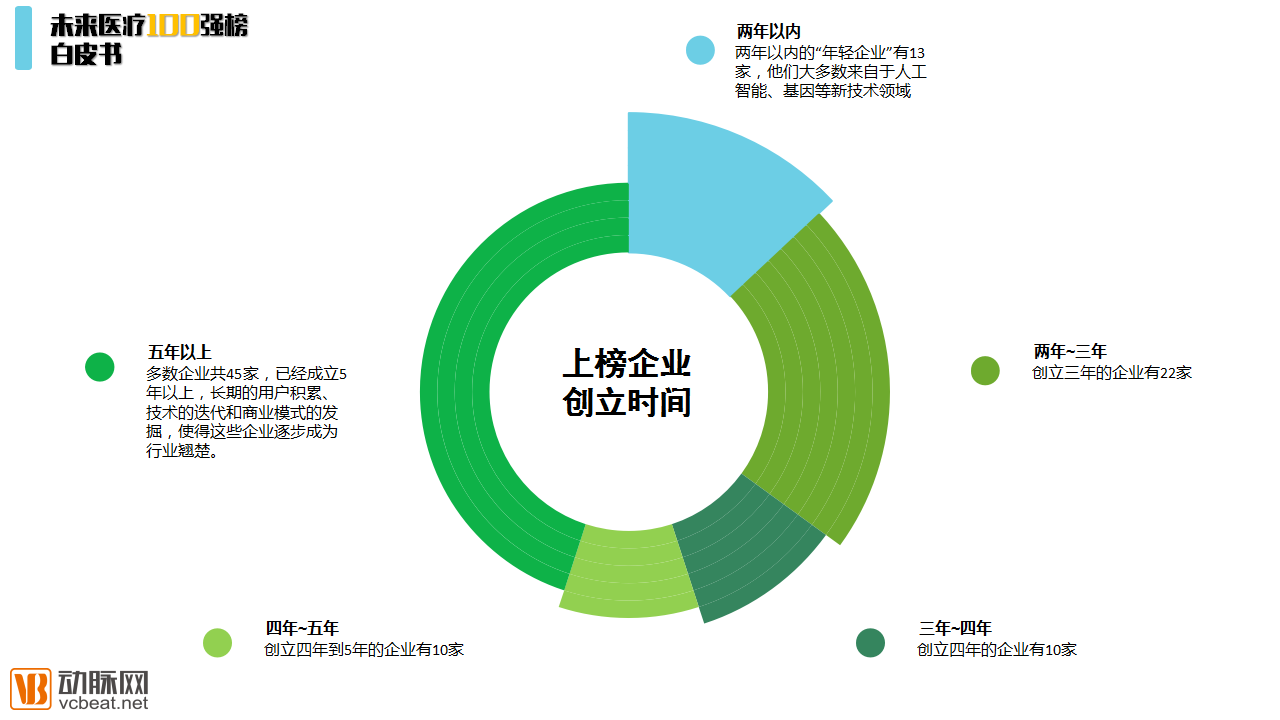
Most of the listed companies have been established for over five years. Through long-term user accumulation, technological iteration, and business model exploration, these enterprises have gradually emerged as industry leaders.The technological barriers in the healthcare technology industry can be either high or low. Companies operating in low-barrier segments, such as health management, medical consultation and referral, and specialized care, require time to mature. Their investment value becomes apparent only after they have accumulated a substantial user base and refined their business models; consequently, the majority of companies that have been in operation for more than five years fall into the low-technological-barrier category.
“Young enterprises” established within the past two years also accounted for 15%, with the majority hailing from emerging technology sectors such as artificial intelligence and genomics. Leveraging high technical barriers to entry, these new market entrants have achieved rapid growth, transforming the fundamental model of healthcare delivery.These companies are growing at an exceptionally rapid pace; some have attracted significant interest from numerous investment firms even before having mature products.
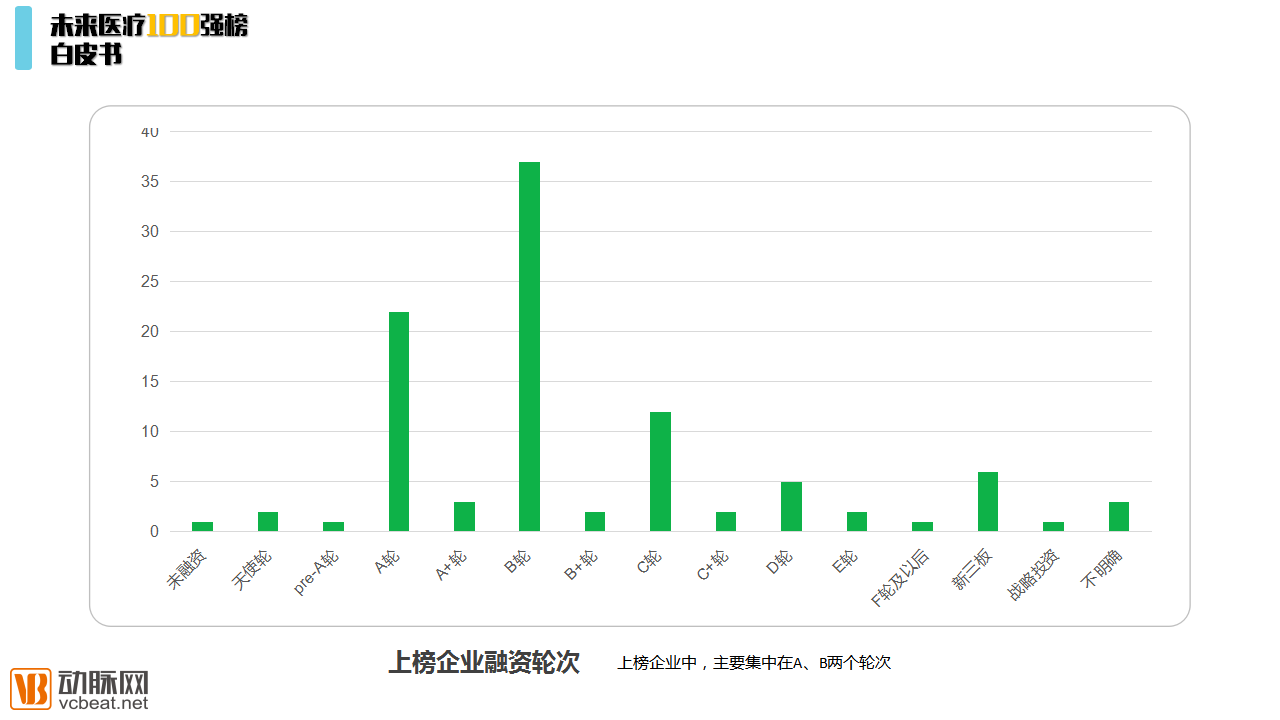
Among the listed companies, the majority are concentrated in Series A and Series B funding rounds.Only two companies from the angel and seed funding rounds made the list: CloudMinds, in the field of AI robotics, and 39 Internet Hospital, a comprehensive platform. CloudMinds was included due to its position at the convergence of two advanced technologies—artificial intelligence and robotics—and its robust cloud-based solutions. Meanwhile, 39 Internet Hospital has grown rapidly, backed by Langma Information and 39 Health Network, and driven by supportive policies.
There are 26 companies at Series A and 39 at Series B. Although Series A companies are still in the early stages of development, their inclusion on the list indicates that they have identified viable business models and secured substantial investment. In terms of business sectors, there is no particularly concentrated field among Series A companies; while gene technology, comprehensive platforms, and healthcare IT enterprises are slightly more numerous, they do not hold a dominant advantage.
A total of six companies have entered the New Third Board, spanning six distinct sub-sectors: medical robotics, comprehensive platforms, dentistry, healthcare informatics, genomics, and oncology. The market capitalizations of companies listed on the New Third Board are not necessarily large; indeed, these firms tend to rank relatively low in terms of market value.
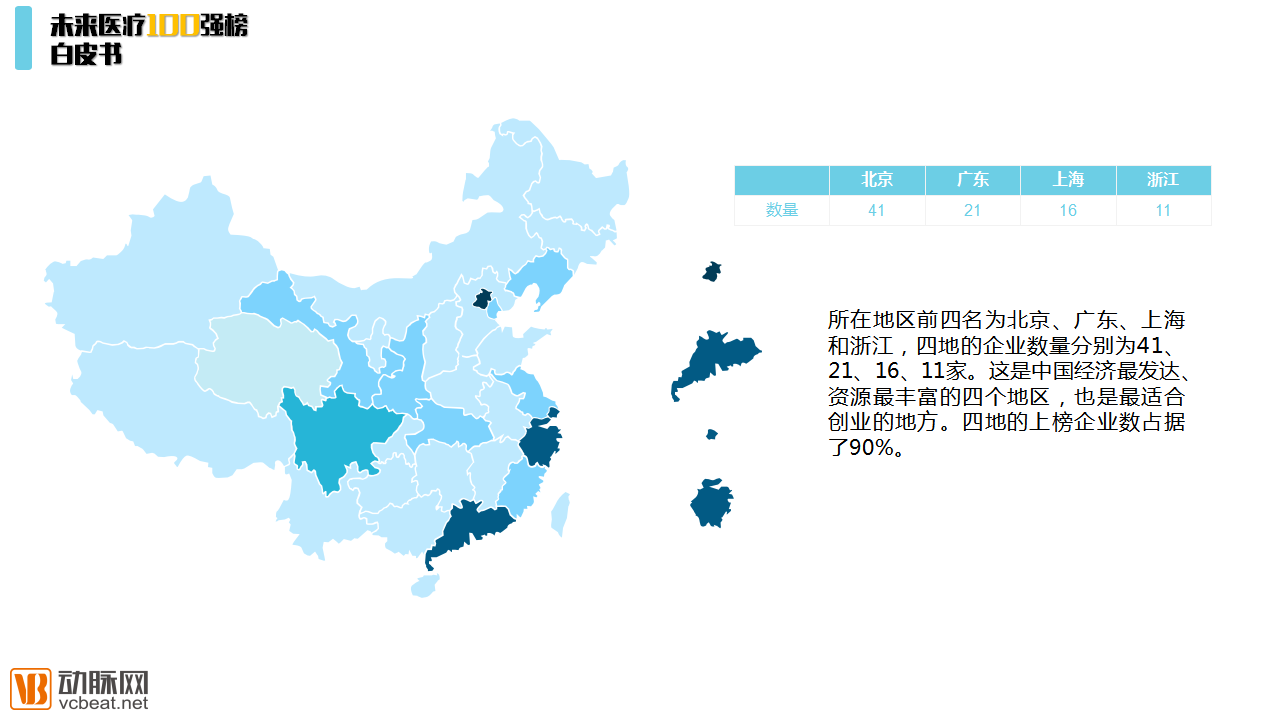
Undoubtedly, the top three regions for listed companies are Beijing, Guangdong, and Shanghai, with 41, 21, and 16 companies, respectively.These are the three regions in China with the most developed economies and the most abundant resources, making them the most suitable places for entrepreneurship.
As China’s political, economic, and cultural center, Beijing boasts a thriving internet industry, with its investment and financing scale ranking first nationwide and private equity investment amount leading the country. Consequently, most enterprises choose to launch their startups in Beijing. Shenzhen, as a special economic zone for reform and opening-up and an emerging startup hub, has a well-developed technology sector and is gradually trending toward becoming another center for innovation and entrepreneurship. The number of top-100 enterprises in Guangdong has surpassed that of Shanghai, ranking second nationwide.
Beijing, accounting for nearly 50% of the list, leads the first tier of the Top 100 rankings, far outpacing the second tier. In addition to Guangdong and Shanghai, Zhejiang Province has 11 companies on the list, highlighting its robust entrepreneurial ecosystem. Other regions in China have fewer listed companies, typically ranging from one to three.
By deconstructing the types of listed companies across different regions, we found that gene-related enterprises are primarily concentrated in Beijing and Shanghai, which is mainly attributed to the availability of professional talent. In Beijing, service-driven companies predominate, with eight firms focused on online medical consultation and appointment services, largely due to its developed internet industry, abundant internet talent, and the rapid iteration of new business models. Guangdong Province boasts a well-developed manufacturing sector, hosting a high concentration of technology-oriented enterprises, and has the largest number of pharmaceutical e-commerce platforms in the country.
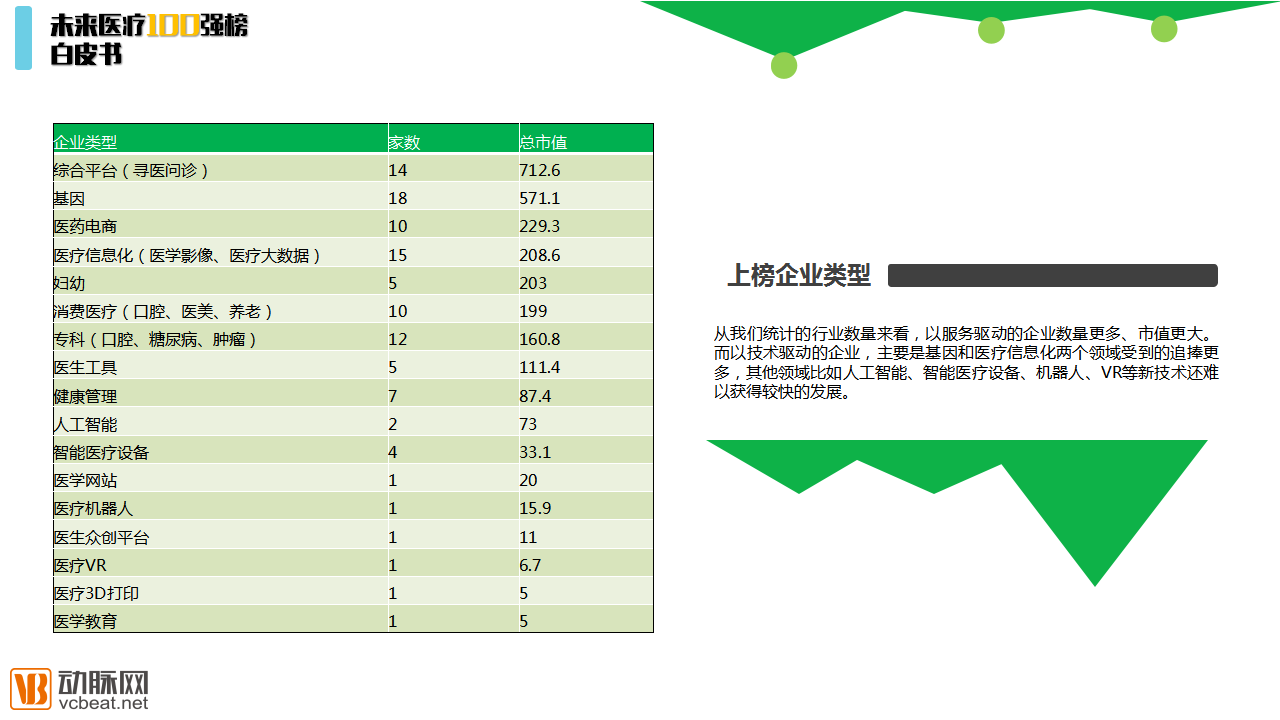
In modern medicine, the driving force of scientific and technological progress on medical development is quite evident. Within just over a decade, technology has significantly transformed our medical methods, processes, and models. VCBeat categorizes companies in the internet healthcare sector into two types. The first type consists of service-driven healthcare enterprises. Their common characteristic is that they are classified based on their target service populations and specific fields, such as maternal and child health, oncology, dentistry, diabetes, and medical aesthetics. Compared with traditional healthcare, internet healthcare companies have introduced innovations in these areas by incorporating technologies such as mobile apps, big data applications, smart hardware, and online social networking.The second type comprises technology-driven healthcare enterprises. Their common characteristic is the application of specific new technologies to serve the healthcare industry, such as genetic testing, artificial intelligence, smart medical hardware, healthcare informatization, robotics, and VR. These companies then apply these technologies to traditional medical processes, including precision oncology treatment, chronic disease management, surgery, and post-illness rehabilitation. For example, although a genetic testing company’s products primarily serve the oncology sector, it is still classified as a technology-driven enterprise in the genetics field. It can be considered that there is an overlap between these two types of enterprises (the total number of companies statistics in the table above exceeds 100). Therefore, the primary criterion for classification is the company’s emphasis in its business model.
Based on our industry count, service-driven enterprises are more numerous and have a larger market capitalization.Technology-driven enterprises have garnered greater attention primarily in the fields of genomics and healthcare informatics, while other emerging technologies—such as artificial intelligence, smart medical devices, robotics, and virtual reality (VR)—have yet to achieve substantial growth. The main reason for this disparity is that service-driven enterprises benefit from lower customer acquisition costs and higher customer retention rates. In contrast, most technology-driven companies target business-to-business (B2B) clients, making their development more challenging when the total addressable market cannot be expanded.
Policies Affecting Internet Healthcare
The internet has given rise to new healthcare models through technological means; however, the unique characteristics of the healthcare industry necessitate urgent policy-based regulation and management. At times, the rapid advancement of technology and innovation in service models may outpace regulatory frameworks, leaving macro-level policies fraught with uncertainty like a Sword of Damocles hanging over entrepreneurs. On the other hand, the state needs to reform policies governing traditional healthcare, continuously advancing grassroots medical reforms, health insurance payment systems, market-based mechanisms for drug pricing, and pharmaceutical sector reforms. These reforms also require the involvement of internet healthcare companies to drive innovation through technology.
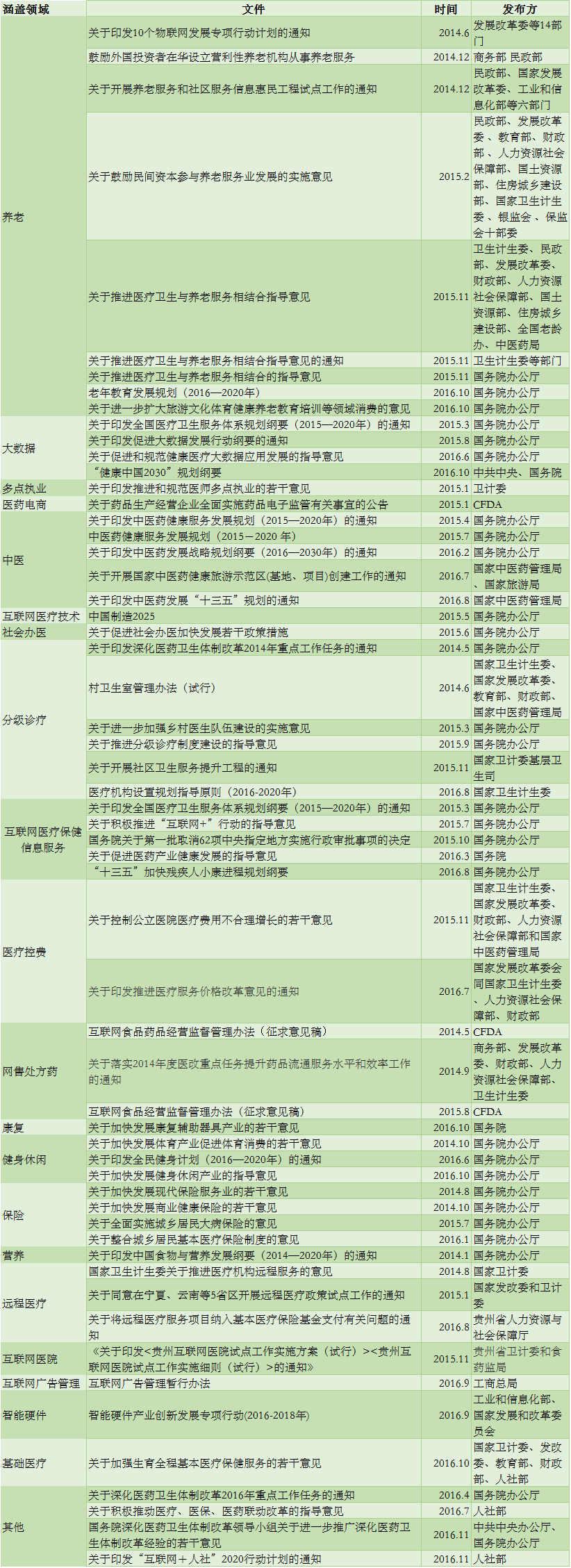
VCBeat has compiled the various policies issued by the state in recent years concerning internet healthcare and health technology, which have served as a catalyst for promoting the orderly development, rational allocation, and structural optimization of the internet healthcare industry.
January 2016, "Opinions on Integrating the Basic Medical Insurance Systems for Urban and Rural Residents"
Merge the Basic Medical Insurance for Urban Residents and the New Rural Cooperative Medical Scheme into a single system, rationally delineate funding responsibilities between the government and individuals, and appropriately increase the share of individual contributions while raising government subsidy standards. The integration policy proposes “Six Unifications”: unified coverage scope, unified financing policies, unified benefit packages, unified medical insurance catalogs, unified designated provider management, and unified fund management.
In February 2016, the "Outline of the Strategic Plan for the Development of Traditional Chinese Medicine (2016–2030)"
As a programmatic document guiding the development of Traditional Chinese Medicine (TCM) in China during the new era, it clarifies the direction and key priorities for TCM development over the next fifteen years. This national-level strategic outline for TCM proposes that by 2020, basic access to TCM services should be universally available, and the TCM industry should become one of the important pillars of the national economy; by 2030, TCM services should achieve full coverage, with significantly enhanced capacity for TCM-based healthcare, making greater contributions to economic and social development.
"Guiding Opinions on Promoting the Healthy Development of the Pharmaceutical Industry," March 2016
Develop smart medical services. Leverage the leading role of high-quality medical resources, encourage participation from social forces, integrate online and offline resources, and standardize the management of the Medical Internet of Things (MIoT) and health and medical applications (apps). Actively provide convenient services such as online health consultations, appointment scheduling for diagnosis and treatment, waiting reminders, price calculation and payment, and access to diagnostic reports. Strengthen the integration of regional healthcare service resources, encourage healthcare institutions to establish healthcare information service platforms, and actively deliver internet-based healthcare information services. Guide medical institutions in adopting informatized and intelligent technical equipment to provide telemedicine services—including remote pathological diagnosis, imaging diagnosis, expert consultations, monitoring guidance, and surgical guidance—targeting grassroots, remote, and underdeveloped areas.
June 2016, "Guiding Opinions on Promoting and Standardizing the Application and Development of Health and Medical Big Data"
Fourteen key tasks and major projects have been deployed across four areas: strengthening application foundations, comprehensively deepening applications, standardizing and promoting “Internet + Health and Medical” services, and enhancing the support system. These mainly include: building a unified, authoritative, and interoperable population health information platform; promoting the sharing and open access of health and medical big data resources; advancing the application of big data in health and medical industry governance, clinical practice, scientific research, and public health; fostering new business models for health and medical big data applications; researching and promoting digital intelligent health and medical devices; developing smart health and medical services that are convenient and beneficial to the public; comprehensively establishing a telemedicine application system; promoting the application of health and medical education and training; advancing the construction of a trusted network system; strengthening health and medical data security assurance; and enhancing the regulatory and standards framework as well as the development of interdisciplinary talent in health and medical informatics.
July 2016, "Guiding Opinions on Actively Promoting the Linked Reform of Medical Services, Medical Insurance, and Pharmaceuticals"
The Ministry of Human Resources and Social Security has deployed initiatives to promote the coordinated reform of medical care, health insurance, and pharmaceutical supply (known as “Three-Medical Linkage”) and to advance related healthcare reform efforts. Key tasks for healthcare reform in 2016 were outlined, explicitly emphasizing the foundational role of health insurance in healthcare reform and accelerating the advancement of pooled health insurance funds. Regarding the “Three-Medical Linkage,” the National Development and Reform Commission clearly proposed consolidating and improving the comprehensive reform of county-level public hospitals, expanding the number of pilot cities for comprehensive public hospital reform to 200; advancing reforms in the compensation systems for medical staff in public hospitals; and accelerating the establishment of a tiered diagnosis and treatment system, with pilots launched in approximately 70% of prefecture-level cities.
Notice on Issues Concerning the Inclusion of Telemedicine Services in the Basic Medical Insurance Fund Payment Scope, August 2016
To accelerate the development of telemedicine in Guizhou Province and further meet the medical needs of insured individuals, it has been decided to include telemedicine services within the scope of reimbursement by the Basic Medical Insurance Fund. This decision took effect on August 1, 2016, with a one-year trial period.
In September 2016, the “Special Action Plan for Innovation and Development of the Intelligent Hardware Industry (2016–2018)”
Centered on enhancing key technologies and product innovation capabilities in smart hardware, as well as strengthening the industrial foundation, and guided by optimizing the policy environment, fostering a vibrant industrial ecosystem, and improving public services, the plan specifies three-year development goals, five key focus areas, six categories of core critical technologies, and four priority application domains. The “Special Action Plan” aims to achieve a global market share of over 30% for Chinese smart hardware products and an industry scale exceeding RMB 500 billion by 2018. A primary objective of this policy in the healthcare sector is to promote the development and construction of healthcare informatization. Smart health and medical devices are primarily targeted at the healthcare industry, focusing on the development and large-scale commercial deployment of medical-device-grade smart hardware that meets the stringent requirements for data credibility, product quality, and safety in medical applications.
In October 2016, the "Outline of the 'Healthy China 2030' Plan"
By 2020, establish a basic medical and health system with Chinese characteristics that covers both urban and rural residents, ensure a sound and efficient health service system, guarantee universal access to basic medical and health services as well as basic sports and fitness services, and rank among the leading upper-middle-income countries in terms of major health indicators; by 2050, build a Healthy China commensurate with a modern socialist country.
“Several Opinions on Accelerating the Development of the Rehabilitation Assistive Devices Industry” (October 2016)
Adhering to the basic principles of “market-led and government-guided development, independent innovation and open cooperation, problem-oriented approach with focus on key areas, and overall planning for coordinated development,” by 2020, the industry scale exceeded RMB 700 billion, a well-structured industrial pattern with comprehensive categories and diverse products was basically formed, a number of well-known independent brands and competitive industrial clusters emerged, and the market share of mid-to-high-end products increased significantly.
November 2016, “Notice on Issuing the ‘Internet + Human Resources and Social Security’ 2020 Action Plan”
“Internet Plus Human Resources and Social Security” will leverage advantageous resources in the human resources and social security sector, such as social security cards and big data, to build an “Internet Plus” innovation capability system. It will focus on advancing three categories of sub-actions: enhancing foundational capabilities, innovating management and services, and fostering social collaboration, comprising a total of 48 action themes.
High-Value Niche Sectors
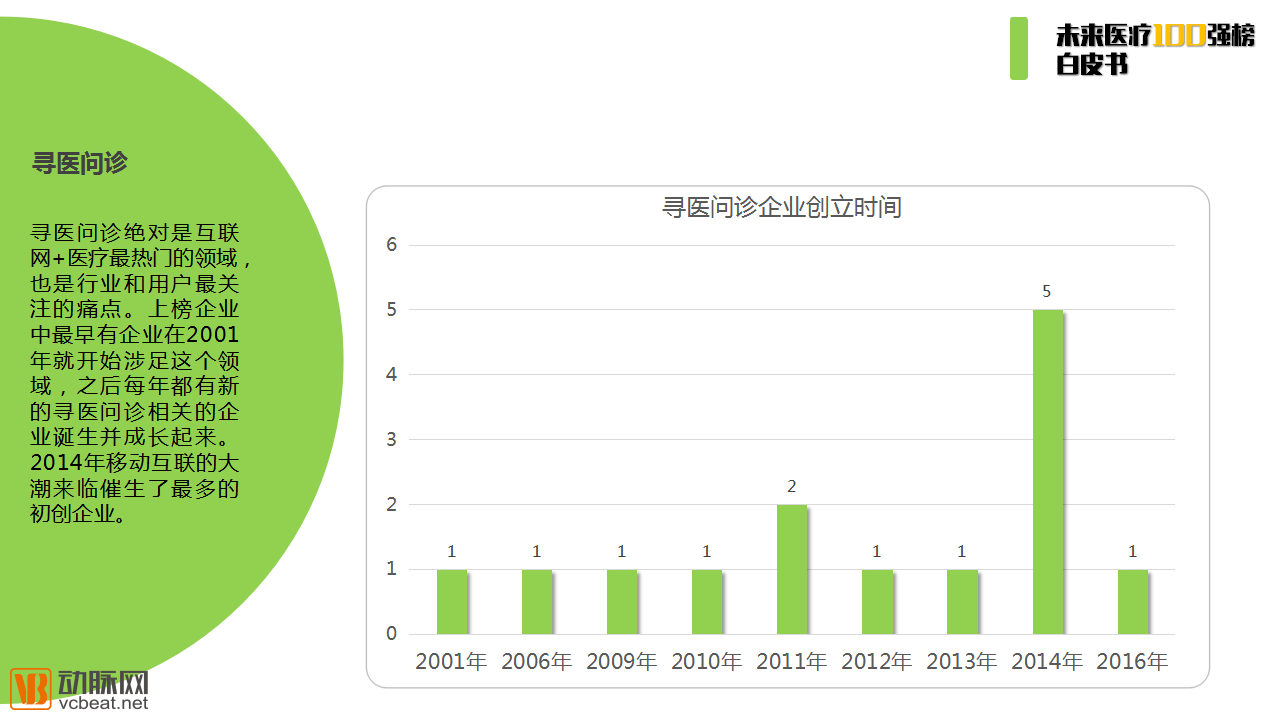
Online medical consultation is undoubtedly the hottest sector within the “Internet + Healthcare” landscape, addressing a critical pain point for both the industry and users. In the healthcare sector, the longstanding pain points have consistently revolved around three stages of the hospital visit process: difficulty in securing appointments before the visit, prolonged waiting times during the visit, and chronic disease management after the visit. With the rise of “Internet + Healthcare,” the primary issue addressed was online medical consultation (with specialty services also falling under this category). There are 14 companies operating in the online medical consultation sector, with a combined total market capitalization of RMB 71.26 billion, making it the sector with the highest total market value among those we have analyzed.
Although seeking medical consultations is the pain point that people are most eager to address, it is also the most challenging area to develop. Among the listed companies, some began venturing into this field as early as 2001, with new related enterprises emerging and growing every year thereafter. According to statistics from our "Internet Healthcare Survival Report," the surge of mobile internet in 2014 spurred the creation of the highest number of startups, and that year saw the largest number of newly founded startups making it onto the Top 100 list.
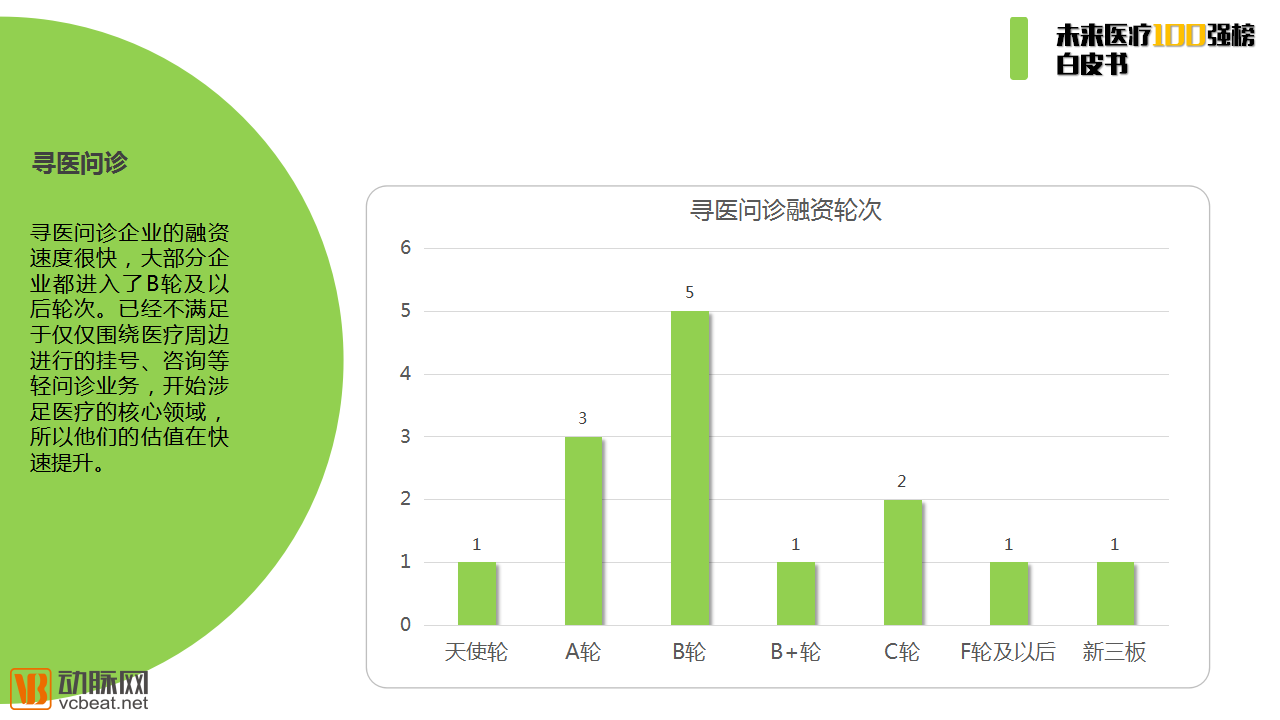
Corporate growth requires sustained capital investment and the gradual refinement of business models. In the integrated healthcare sector, fundraising has been rapid, with most companies having progressed to Series B financing rounds or beyond. Although the internet-based transformation of medical consultation services presents a lower financial barrier to entry than traditional healthcare startups, the pressure for funding is intensifying as projects advance and competition among homogeneous products grows. Naturally, after extensive exploration and upgrades to their business models, many online medical consultation firms are no longer content with merely offering light-touch services such as appointment scheduling and consultations centered around peripheral healthcare activities. Instead, they are venturing into core areas of healthcare, including participating in the development of internet hospitals and offline general practice clinics, thereby driving a rapid increase in their valuations.
With the completion of the Human Genome Project, human understanding and mastery of genetic information have advanced unprecedentedly. By analyzing DNA in samples for genetic information, gene testing technology can predict the likelihood of developing various diseases, as well as individual behavioral and personality traits. On the other hand, the cost of gene sequencing has dropped from $100 million in 2001 to just $1,000 today, further driving gene testing technology toward large-scale commercialization. In China, the field of gene testing has experienced explosive growth over the past two years, becoming a focal point for clinical diagnostics and scientific research. Gene testing has also expanded beyond its traditional scope of monogenic disorders to encompass complex diseases and personalized applications, such as targeted genomic panel testing, individual exome sequencing, and whole-genome analysis.
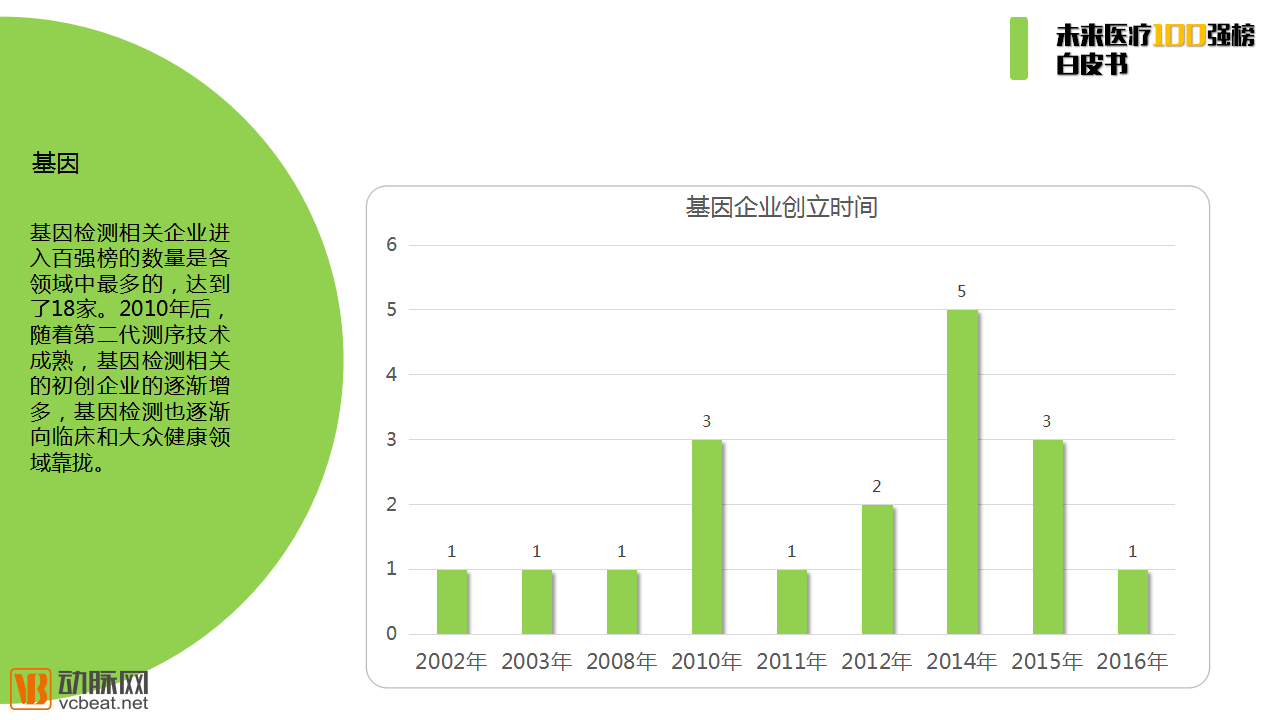
The number of gene testing-related companies on the Top 100 list is the highest among all sectors, reaching 18. Before 2010, high costs and outdated technology limited the application of gene testing in genetic analysis, and the number of gene testing companies was extremely scarce. After 2010, with the maturation of next-generation sequencing (NGS) technology, the number of startups in the gene testing sector gradually increased, and gene testing began to align more closely with clinical practice and public health. In 2014, Illumina released a new high-end gene sequencer capable of accurately determining whole-genome sequences, bringing sequencing costs into the “thousand-yuan era” and leading to a gradual increase in the number of gene-related enterprises.
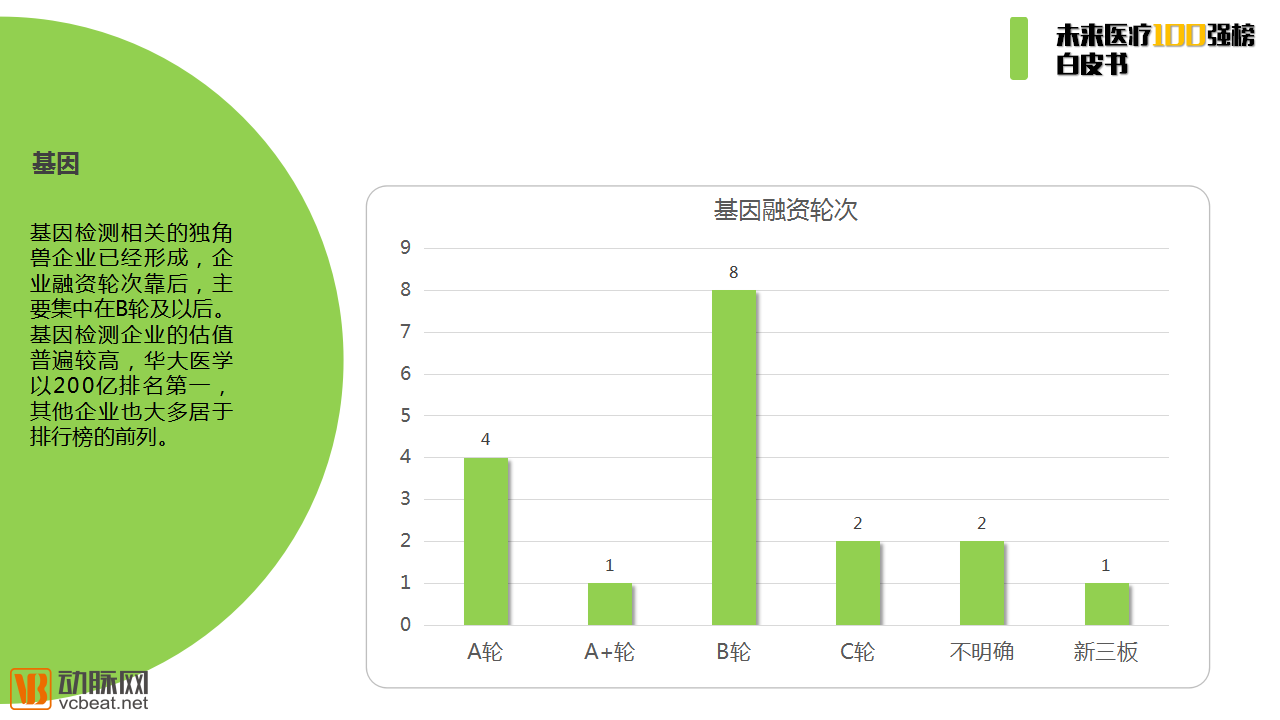
Cost control has further facilitated the popularization and promotion of genetic testing. In 2014, China’s genetic testing sector experienced a comprehensive boom, with substantial capital inflows driving up valuations of related companies. Although the industry is relatively young and the market is still being developed, some enterprises have entered stages of stable growth and maturity. Unicorn companies in the genetic testing space have emerged, with their financing rounds occurring at later stages, primarily Series B and beyond. Valuations of genetic testing firms are generally high; BGI Genomics ranked first among listed companies with a valuation of RMB 20 billion, while other genetic testing companies also predominantly occupied top positions on the ranking list.
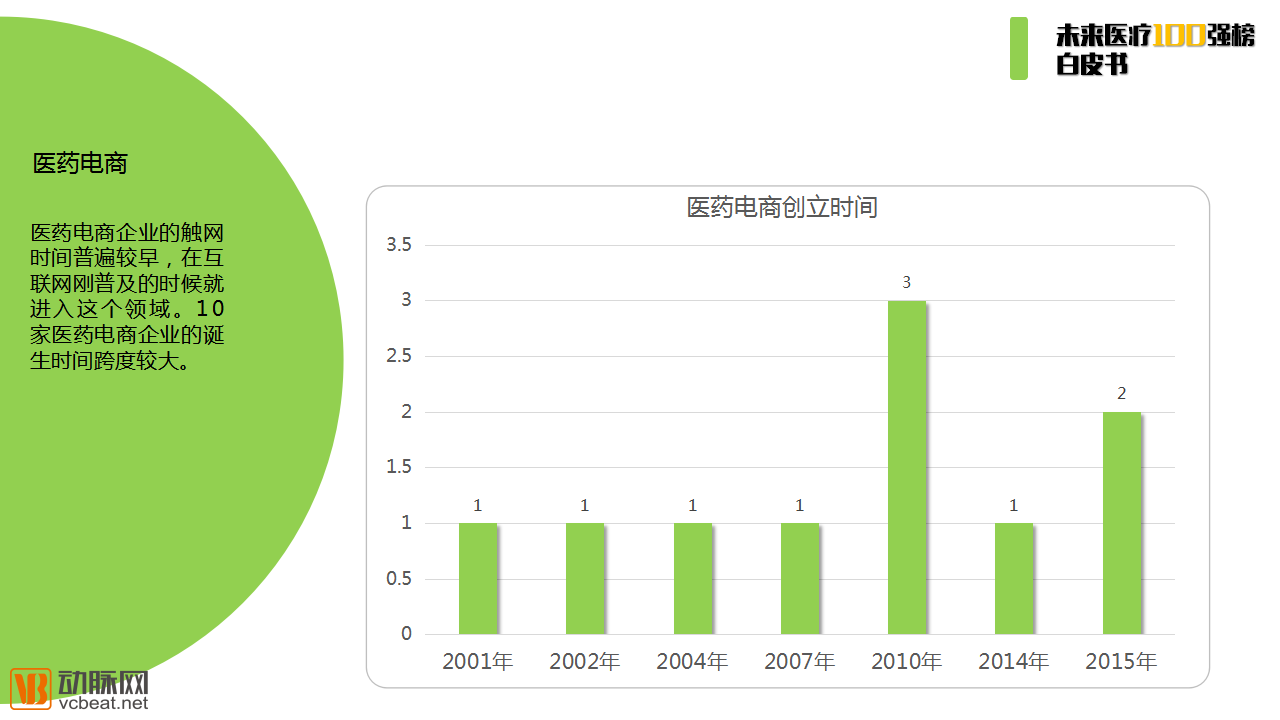
The pharmaceutical e-commerce sector ranks third in total market capitalization, with as many as 10 companies making the list. However, due to high entry barriers and significant policy influence, profitability remains a considerable challenge. Pharmaceutical e-commerce enterprises generally ventured online early, entering the field during the initial popularization of the internet. Nevertheless, it is widely recognized that China’s pharmaceutical e-commerce industry officially commenced in 2005, when the China Food and Drug Administration (CFDA) issued the Interim Provisions on the Approval of Internet Drug Transaction Services, thereby enabling pure online drug sales and distribution. Although the development of the pharmaceutical e-commerce sector has been fraught with twists and turns over the past decade and heavily influenced by regulatory policies, it has still given rise to numerous listed companies.
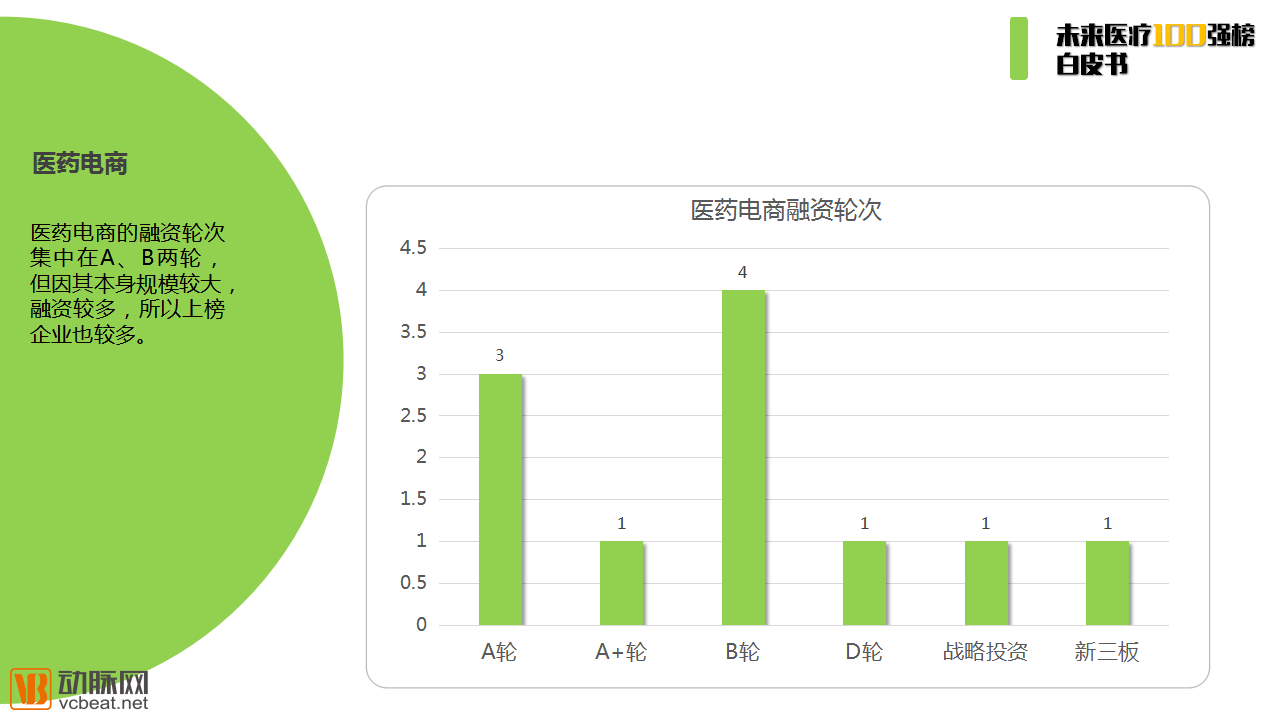
Financing rounds in the pharmaceutical e-commerce sector are concentrated in Series A and B. However, due to the large scale of these companies and their substantial capital raises, a significant number have made it onto the rankings. The overall pharmaceutical market is estimated at approximately RMB 1.5 trillion, with less than one-tenth of drugs distributed through online channels. This indicates, on one hand, that the development of pharmaceutical e-commerce has been slow, heavily regulated, and characterized by a low level of internet integration. On the other hand, it suggests that the sector is poised for explosive growth in the future, driven by gradual regulatory easing and the rapid expansion of internet hospitals.
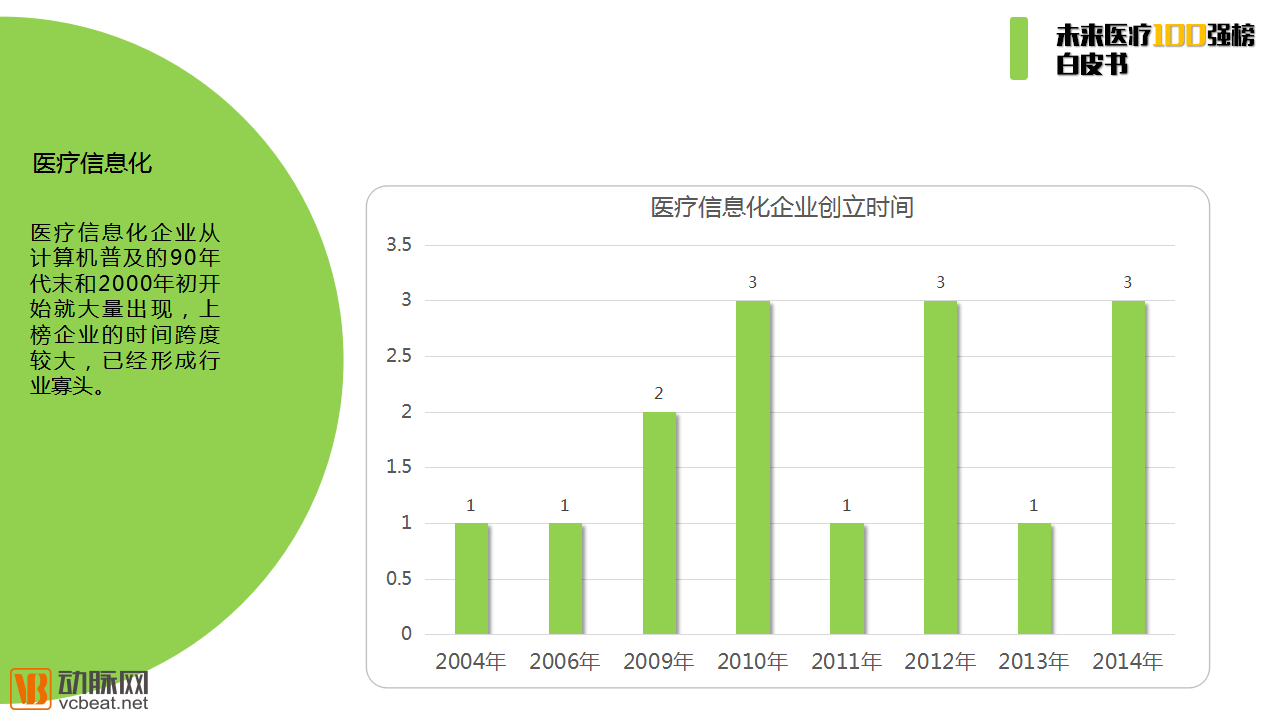
Healthcare informatization is a field that integrates healthcare services with IT technology, enabling the collection, storage, processing, retrieval, and exchange of patient and management information among hospitals and across various departments within them. As the foundational technology for digital healthcare, healthcare informatization companies emerged early and hold significant importance. Enterprises closely related to healthcare big data—including those specializing in hospital/regional healthcare informatization and medical imaging informatization—have become key investment focuses.
Healthcare IT enterprises began to emerge in large numbers from the late 1990s and early 2000s, coinciding with the widespread adoption of computers. The sector has undergone four stages of evolution, progressing step by step from basic hospital informatization, to internet-based healthcare informatization, then to the integration of medical insurance, medical services, and pharmaceuticals coupled with health management, and finally to healthcare big data. Many large healthcare IT companies have completed their initial public offerings (IPOs) and entered the secondary market. Meanwhile, among the leading healthcare IT firms remaining in the primary market, there is a wide span in their founding dates, and industry oligarchs have already taken shape.
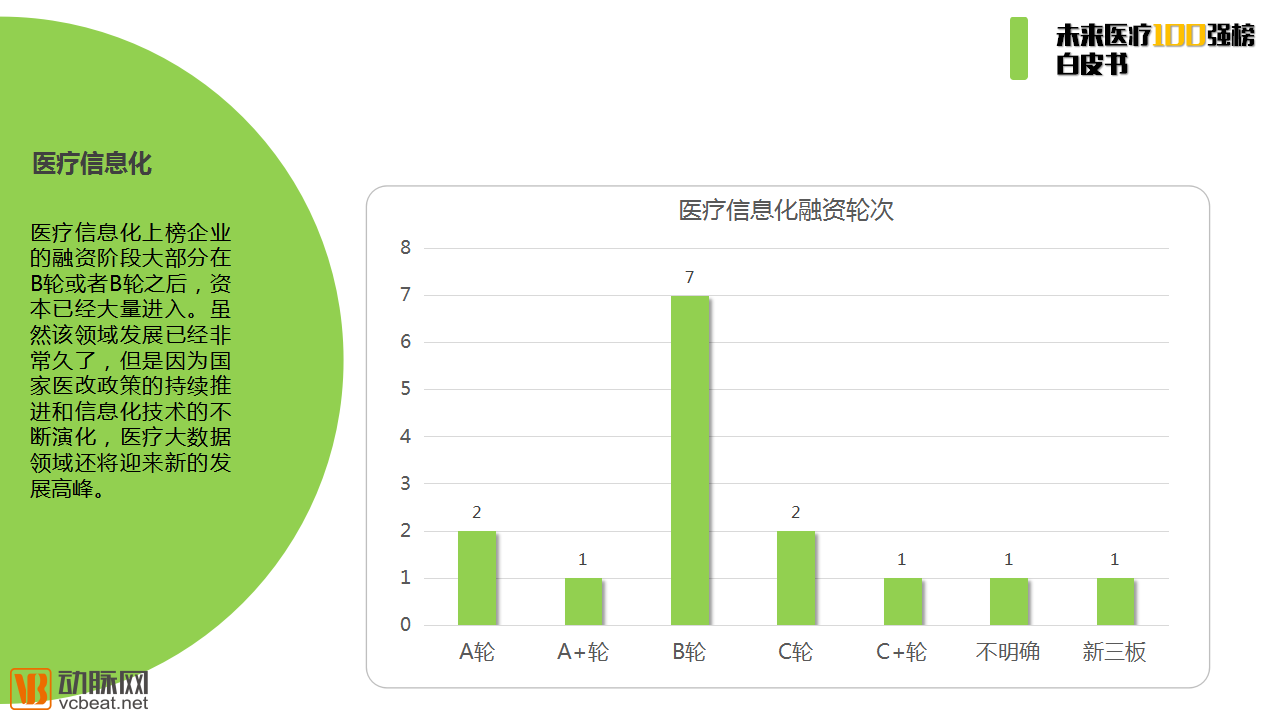
Most listed companies in the healthcare informatics sector are at Series B or later financing stages, indicating substantial capital inflow. Although this field has been developing for a long time, the continuous advancement of national healthcare reform policies and the ongoing evolution of information technology will drive medical big data to new heights of growth. Consequently, the business scope and corporate models of healthcare informatics enterprises are continuously evolving. From Hospital Information Systems (HIS) for hospital management, to mobile informatics, and further to telemedicine and medical big data, these companies have been constantly diversifying their business models and technological offerings.
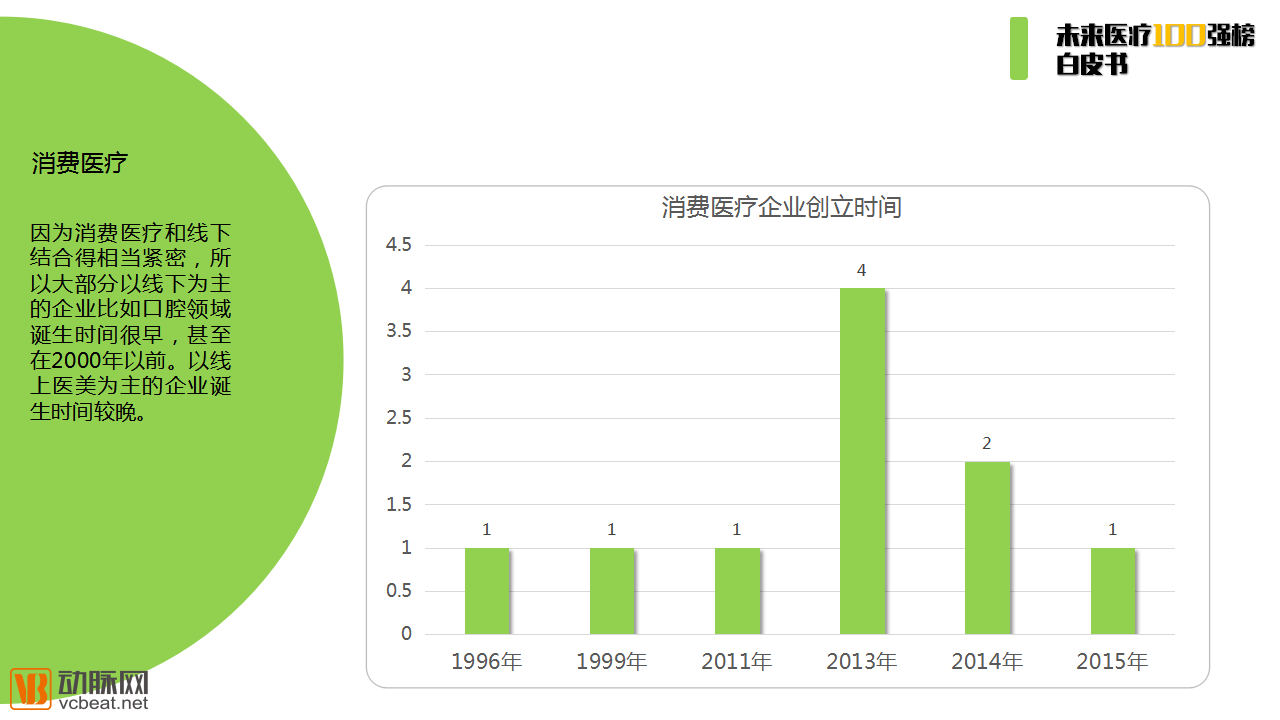
Consumer healthcare broadly refers to market-driven medical services that are not covered by public funding, are non-therapeutic in nature, and are voluntarily chosen by consumers. In our Top 100 ranking, it primarily encompasses the fields of dentistry, medical aesthetics, and elderly care. With the continuous rise in consumer spending power and aesthetic standards, the consumer healthcare sector has generated a substantial market. Consequently, amidst the transformation of internet healthcare, the consumer healthcare market has become a key area of focus.
A total of 10 companies in the consumer healthcare sector have made it into the top 100 list, with a combined market capitalization approaching RMB 20 billion. Consumer healthcare companies have tightly integrated their online and offline operations; some of these enterprises started with offline businesses, while others began online. Most companies primarily focused on offline operations, such as certain dental chains, were established early on, even before 2000, with online services serving as a supplement to their core business. In contrast, companies like Gengmei and So-Young, which focus mainly on online medical aesthetics, have emerged in recent years, leveraging the growth of the internet. They rely on the vast consumer healthcare market and have experienced rapid development.
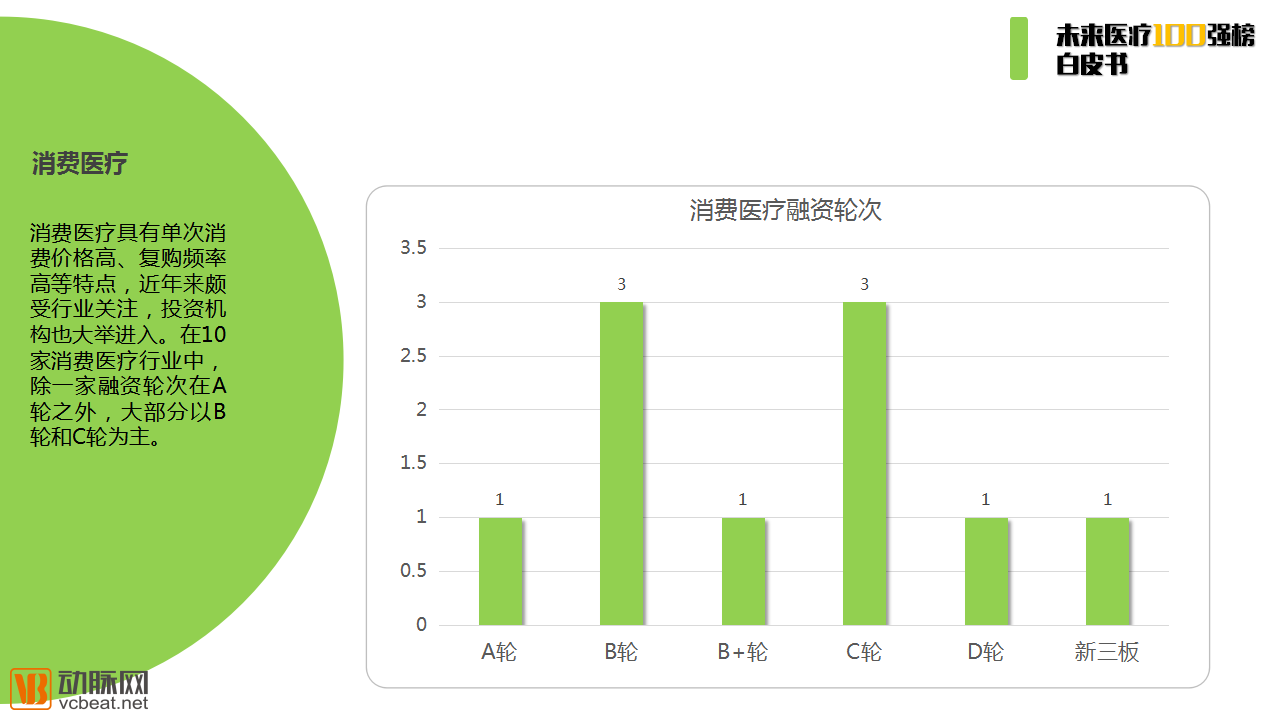
Consumer healthcare is characterized by high per-transaction costs and high repurchase frequency, attracting significant industry attention in recent years and drawing substantial investment from venture capital firms. Among ten consumer healthcare companies, most are at Series B or C funding stages, with only one company at Series A.
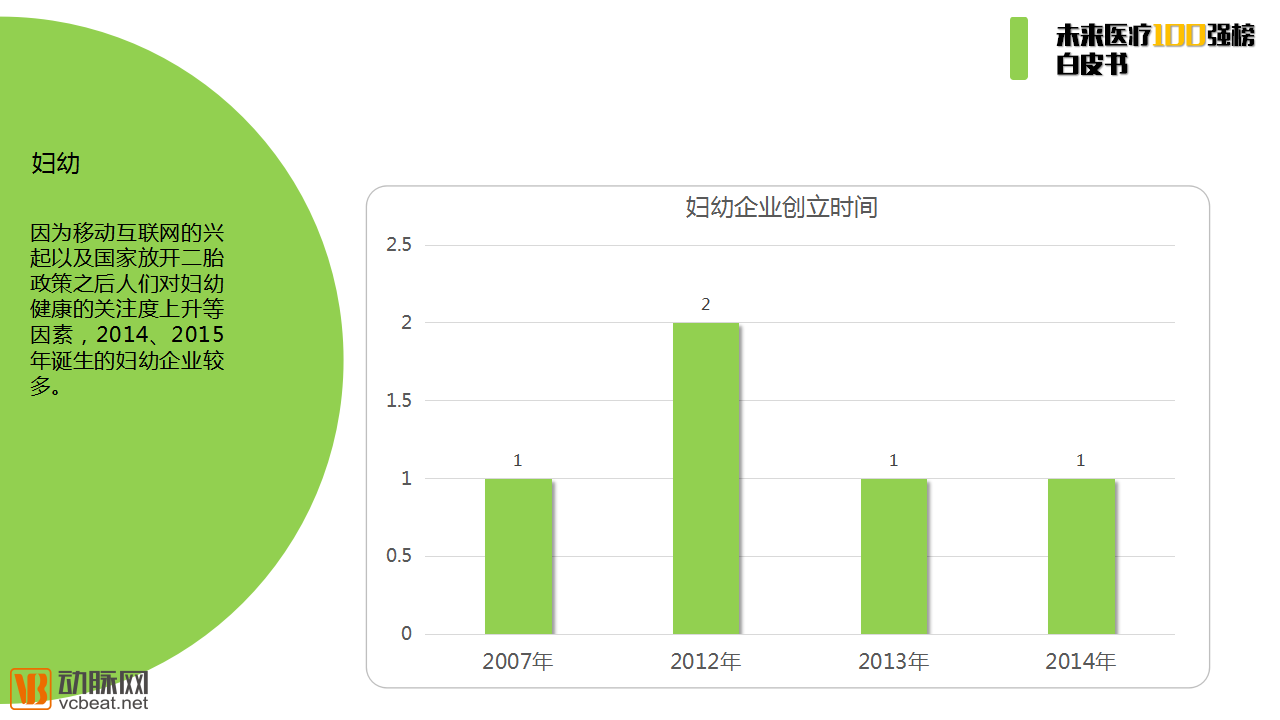
In the maternal and child health sector, commonly known as the mother-and-baby industry, numerous unicorn companies have emerged. In recent years, the state’s relaxation of the one-child policy to allow two children, consumption upgrading among middle-class households, and the entry of the “internet generation” (born in the 1980s and 1990s) into their childbearing years have all served as cornerstones for the rapid development of this field. Moreover, companies in the maternal and child health sector generally integrate concepts from healthcare, wellness, and e-commerce, attracting strong interest from investment institutions.
In the maternal and child health sector, companies featured in the top 100 rankings include both established players founded in 2007 and newer entrants launched in 2014. Driven by factors such as the rise of mobile internet and heightened public attention to maternal and child health following the national relaxation of the one-child policy to allow two children, a significant number of maternal and child health enterprises were established in 2014 and 2015. Although the number of companies from this sector on the list is relatively small, their combined valuation exceeds RMB 20 billion, making it one of the most investment-worthy segments within this high-potential industry.
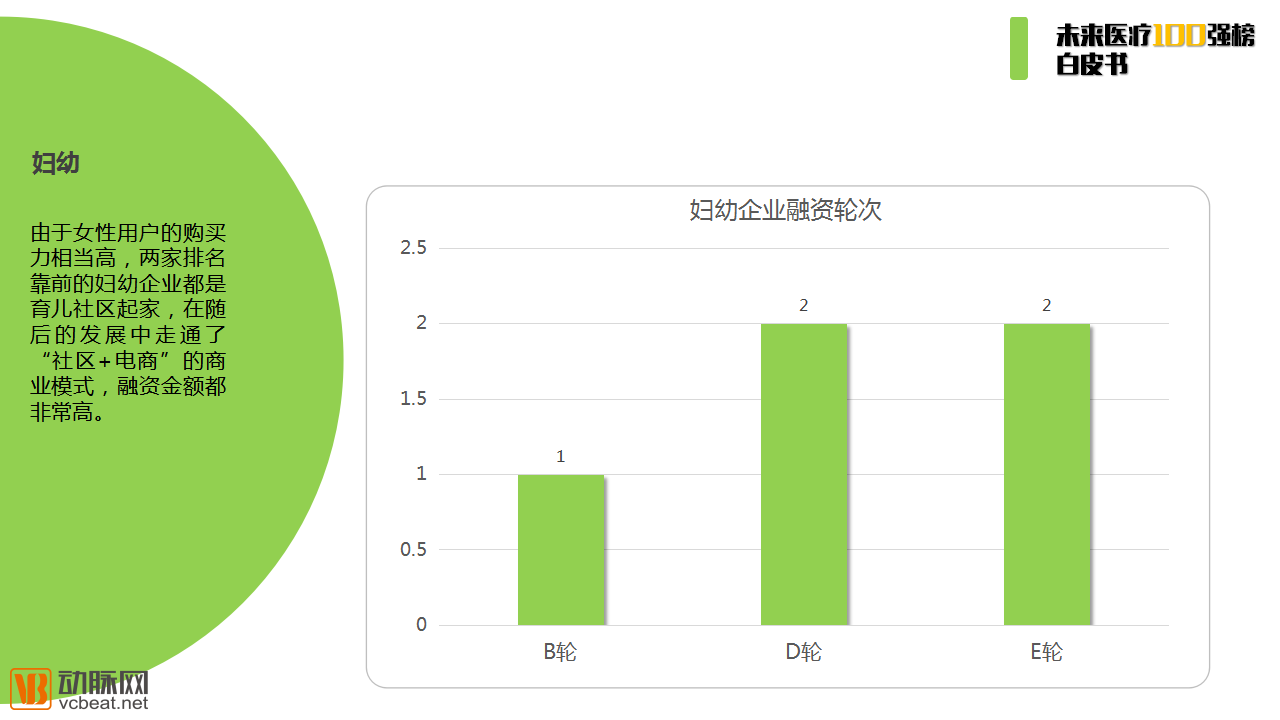
Due to the high level of attention in the maternal and child health sector, companies in this industry tend to reach later-stage financing rounds. Startups in this field are primarily focused on areas such as health management, O2O models, online consultations, mother-and-baby e-commerce platforms, and smart hardware. Given the substantial purchasing power of mothers born in the 1980s, the two leading maternal and child health enterprises both originated as parenting communities and successfully established a “community + e-commerce” business model during their subsequent development, securing significant amounts of funding.
Investment Firm Showdown
Among the 100 listed companies, many have garnered recognition from investment firms. Just as a swift horse cannot leap without a discerning eye to spot its talent, these investment institutions play a crucial role in facilitating corporate growth, while also achieving substantial investment returns.
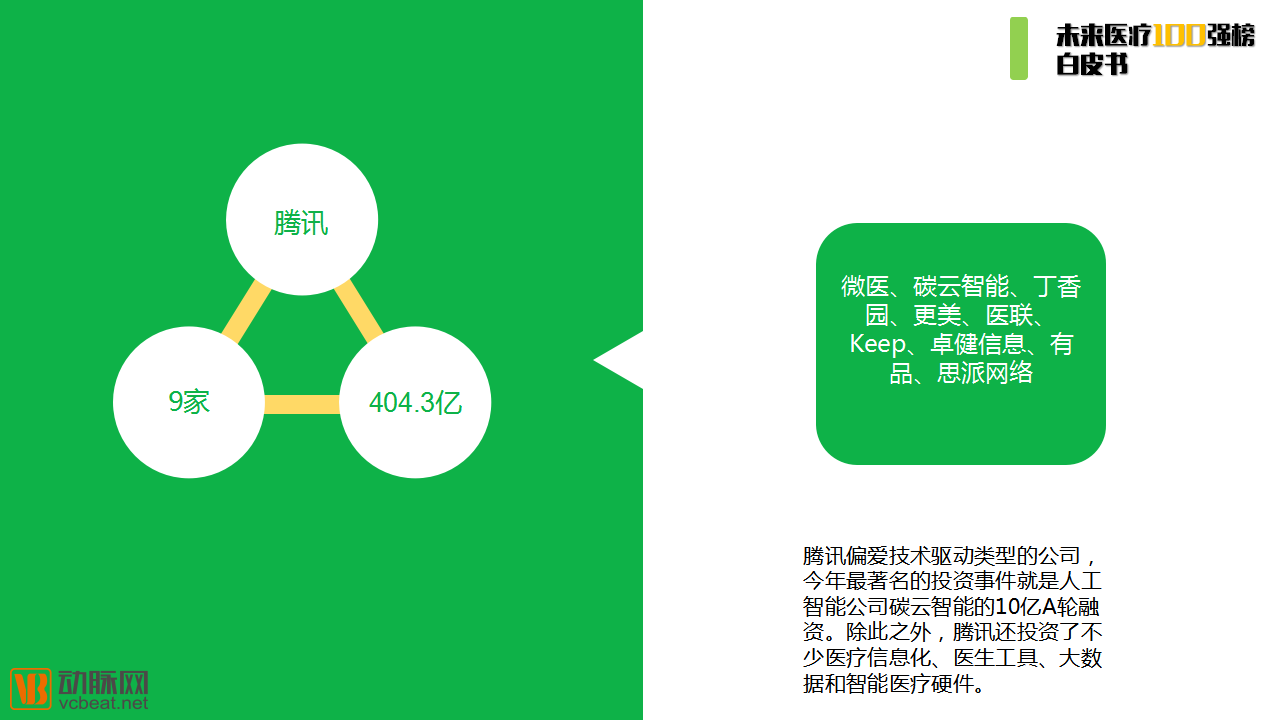
From the perspective of the types of companies invested in by Tencent, they favor technology-driven enterprises. The most notable investment event this year was the RMB 1 billion Series A financing round for iCarbonX, an artificial intelligence company. In addition, Tencent has also invested heavily in healthcare informatization, physician tools, big data, and smart medical hardware.
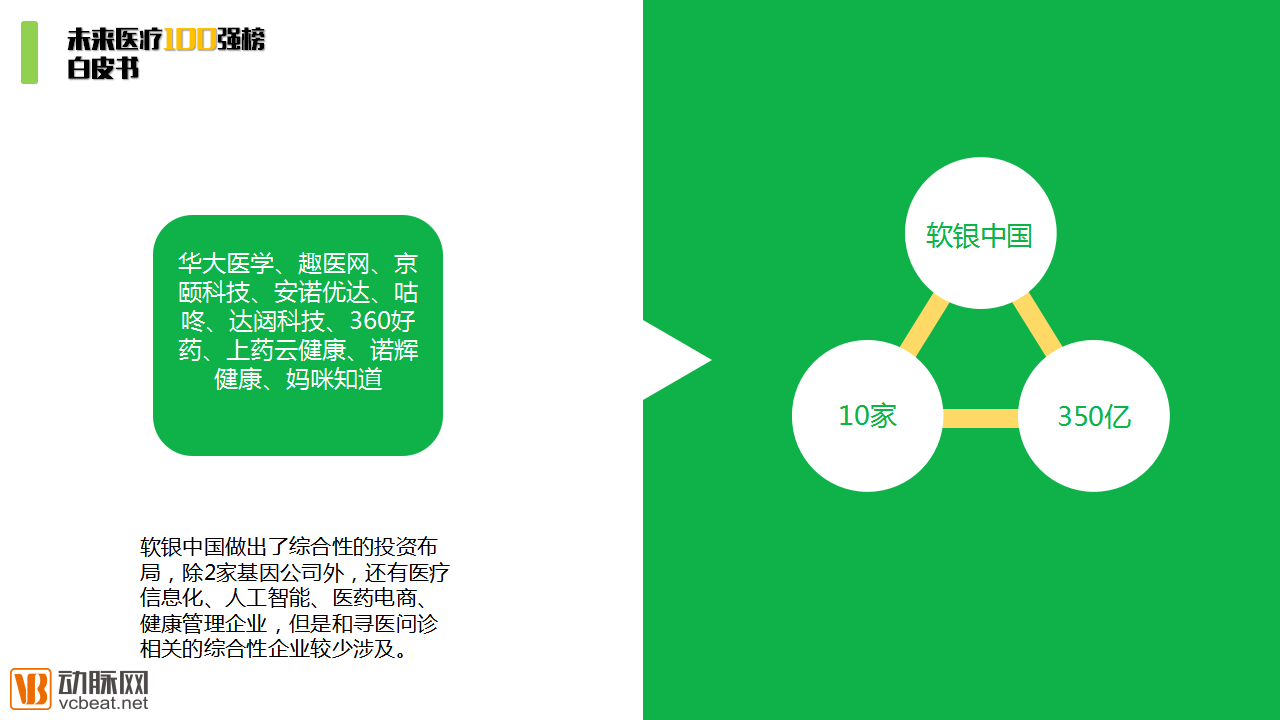
SoftBank China has established a comprehensive investment portfolio. In addition to two genetic companies, its holdings include enterprises in medical informatics, artificial intelligence, pharmaceutical e-commerce, and health management; however, it has limited exposure to integrated platforms focused on medical consultation and diagnosis services.
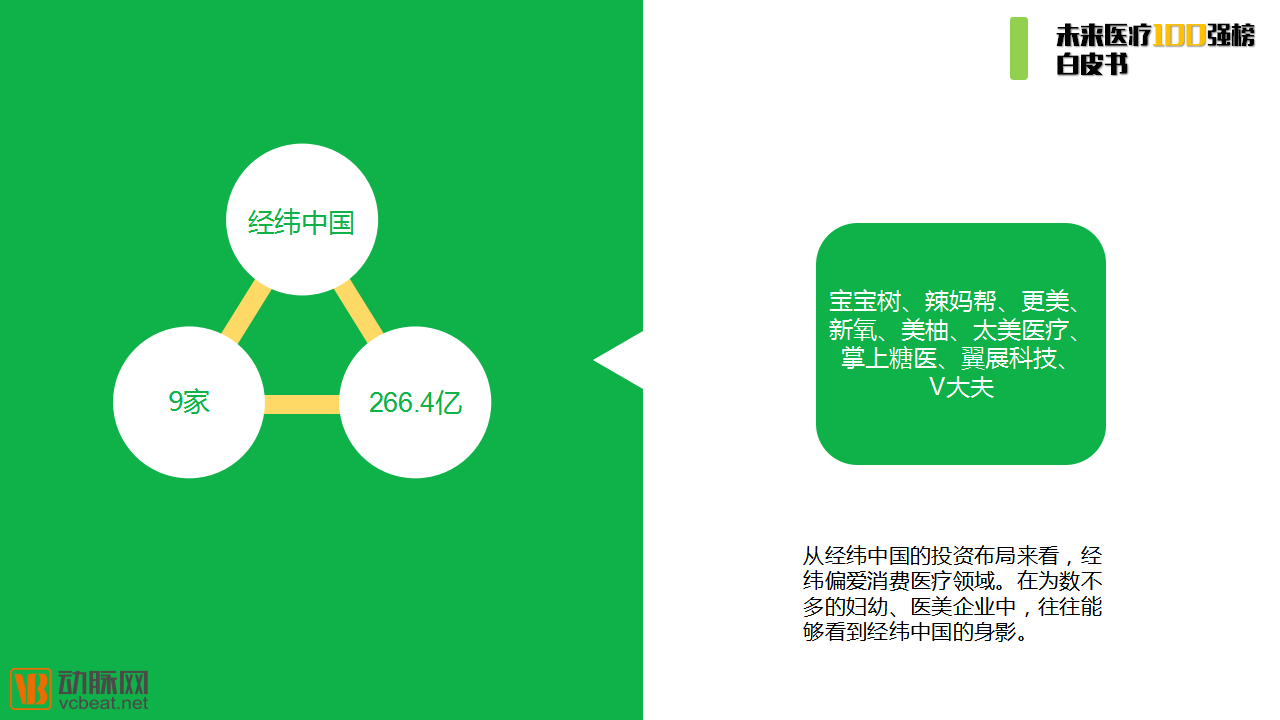
From Matrix Partners China’s investment portfolio, it is evident that the firm favors the consumer healthcare sector. Among the relatively few companies specializing in maternal and child health or medical aesthetics, Matrix Partners China’s presence is frequently observed.
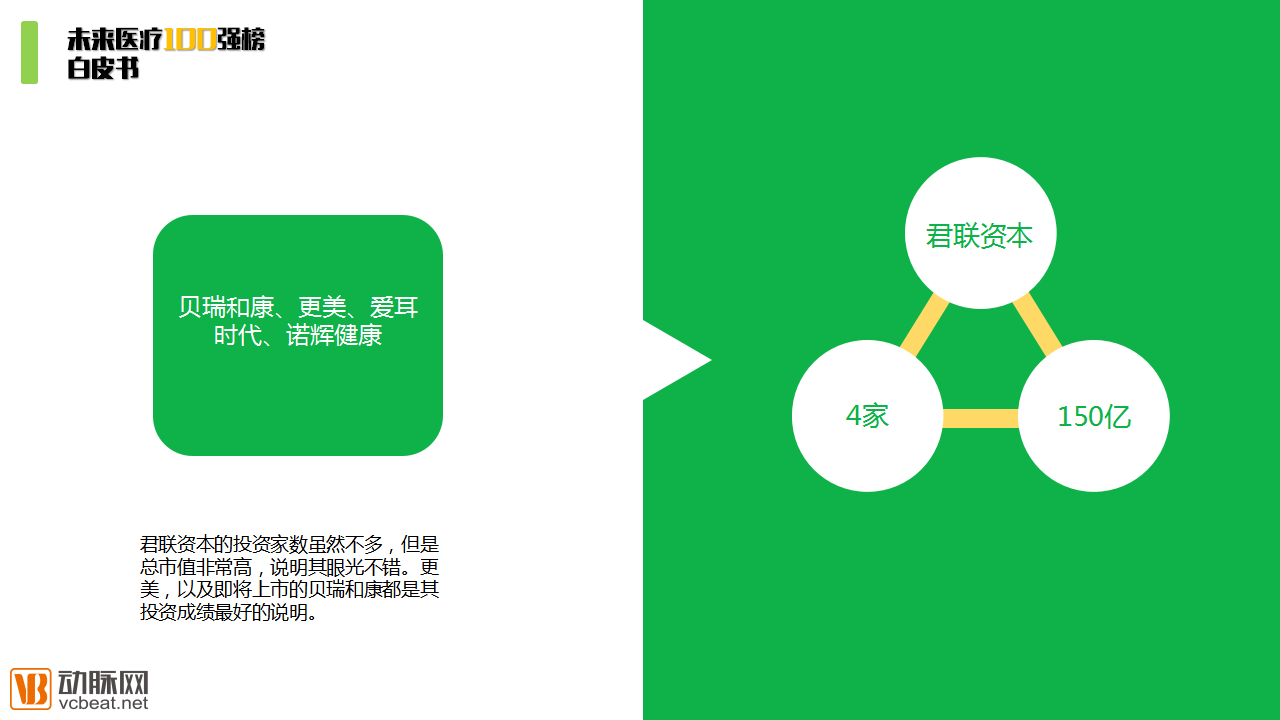
Although Legend Capital has invested in a relatively small number of companies, their combined market capitalization is exceptionally high, underscoring the firm’s keen investment acumen. Its successful investments in Gengmei and Berry Genomics, which is poised for an initial public offering, serve as prime testaments to its track record.
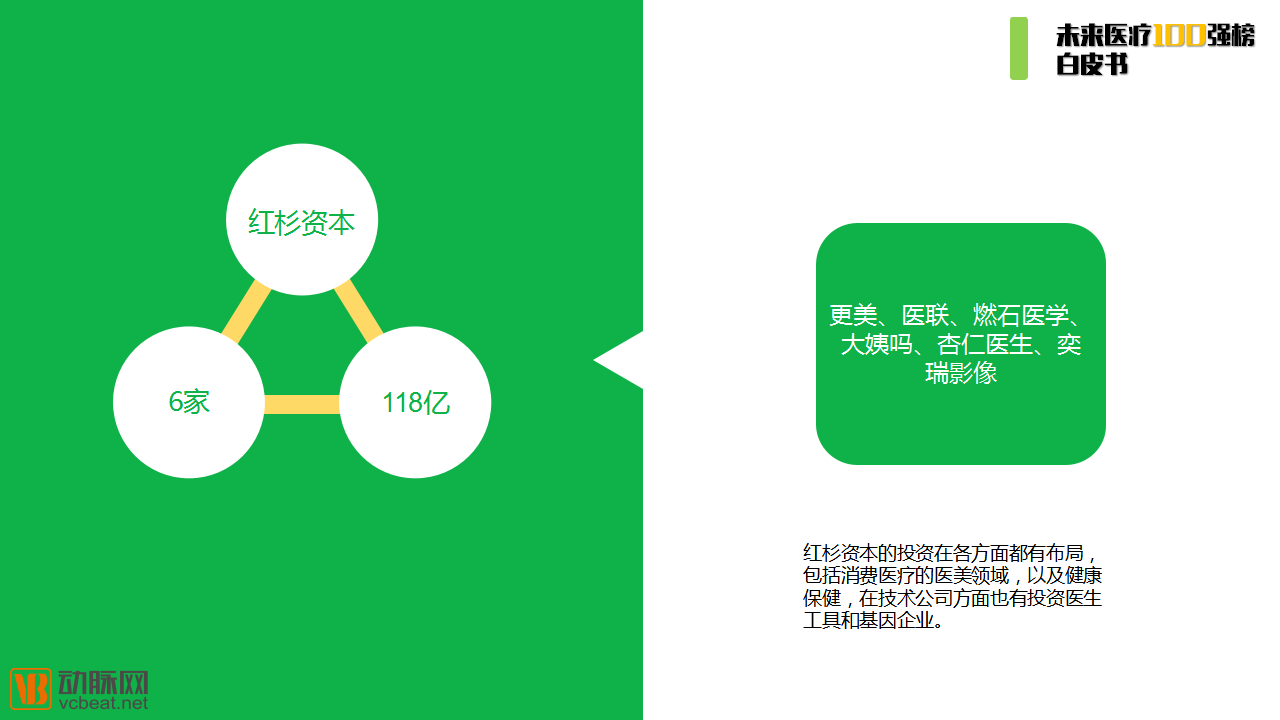
Sequoia Capital’s investments span a wide range of sectors, including the medical aesthetics segment of consumer healthcare, as well as general health and wellness. In the technology sector, it has also invested in companies developing physician tools and genetic technologies.
Outlook for 2017
After years of experimentation and pioneering, the landscape of internet healthcare has taken shape, with unicorns beginning to emerge. However, the advent of new technologies, the implementation of new policies, and the emergence of new business models can all disrupt the existing industry structure at any time. Compared with traditional medical entrepreneurship, internet healthcare ventures present numerous differences and greater uncertainty.
Under the triple resonance of organic industry growth, policy trends, and technological translation, the future healthcare industry is poised for long-term prosperity. Among these drivers, the growth trajectory of healthcare informatization primarily stems from increased penetration of products and services. Mounting pressure on medical insurance cost containment will directly spur demand for healthcare IT solutions related to cost control and regulatory compliance, while also likely stimulating greater direct government investment in these areas.
The primary technological transformations in future healthcare will focus on two closely interrelated areas: cloud services and big data. In terms of the cloud model, as the tiered diagnosis and treatment system is further implemented, informatization in primary healthcare institutions is gradually becoming an essential requirement. Due to budgetary constraints in building and operating medical IT systems, primary healthcare institutions—with relatively limited funds—have a significantly greater demand for public cloud-based medical information clouds compared to higher-tier hospitals, thereby creating better opportunities for related enterprises. Regarding big data, the next stage of innovation for imaging clouds and electronic medical record (EMR) clouds will inevitably trend toward big data integration. Recently, big data-based imaging cloud computing has garnered significant attention; it not only significantly reduces misdiagnosis rates associated with manual interpretation but also enables the identification and prediction of disease progression. Furthermore, advances in foundational research are expected to give rise to numerous new technologies and applications in future healthcare that are currently difficult to anticipate.
In technology-driven sectors such as genomics, artificial intelligence, imaging cloud computing, and electronic medical record (EMR) cloud computing, outstanding enterprises must almost invariably possess distinct characteristics of tech-oriented companies and robust R&D teams. This constitutes their core growth driver and formidable competitive barrier.
Among the top 100 enterprises of 2016 summarized by VCBeat, service-driven business model innovators dominated, marking the most prominent feature of the early stage of internet healthcare development. However, relying solely on business model innovation, or leveraging channel advantages established in hospitals through traditional information technology construction, is insufficient to sustain these companies in the long term. This is because innovations in business models are often easily replicated, and cash-burning strategies frequently lack a clear path to profitability.
In recent years, rapidly developing overseas health informatics companies often feature founding teams that include professors from prestigious institutions such as MIT and Stanford, as well as medical experts holding MD degrees with extensive industry experience. These teams possess strong scientific research backgrounds or substantial project experience—a core competency frequently lacking among China’s numerous internet healthcare innovators, which tend to prioritize business models. However, technology-driven healthcare enterprises represented by iCarbonX are now rising rapidly. Although artificial intelligence, genomics, VR, and 3D technologies are still in the phase of technological breakthroughs, they are poised to become the backbone of future transformations in healthcare delivery models.
Standing at the tail end of the Year of the Monkey, we have already caught sight of the giants. In the upcoming year of 2017, more segments of the healthcare industry will undergo technological transformation and upgrading. After approximately five years of rapid development, the key players in the mobile health sector have all taken their positions. However, the starting gun for the real competition has only just been fired.