

The Cloud Era Has Arrived in Healthcare IT: Industry Tracking Report

Cloud computing has become a globally recognized next-generation information technology. Compared with traditional standalone or networked application models, cloud services are characterized by virtualization, universality, massive scale, high scalability, high reliability, on-demand service, and extremely low cost. These features have made Software-as-a-Service (SaaS) a highly favored sector in the capital markets. Major international IT vendors, including IBM, HP, Microsoft, Cisco, Google, and Amazon, are all substantially engaged in cloud computing, with Microsoft once announcing that it would allocate 90% of its R&D budget to cloud computing initiatives.
However, compared to the cloud migration of IT services in other sectors, medical SaaS is currently only in its early stages, with significant potential for future development. Typical examples of medical information cloud products include Cloud HIS, Cloud EHR & EMR, Cloud PACS, and partially cloud-based medical information subsystems. The trend toward cloud adoption in medical IT is driven by at least the following objective needs and pain points.
1) The need for interoperability that arises after data accumulation reaches a certain stage, at least lies in:
A. The scale effects and big data value generated by data interoperability (with EHR and EMR as typical examples);
B. Consolidating data related to the same patient can provide stronger support for physicians in formulating more accurate diagnosis and treatment plans;
C. Cloud services can help address the issue of inconsistent informatization standards across many hospitals (for example, Practice Fusion, the electronic health record cloud service we will introduce below);
D. Once independent practice becomes a major trend for physicians, there will be a stronger demand for multi-point interoperability of medical data.
2) Against the backdrop of data explosion, large hospitals are demanding stronger data storage and processing capabilities from their IT systems. The advancement of informatization methods and diagnostic and treatment technologies has also accelerated the rate of data accumulation in hospitals, thereby imposing increasingly higher requirements on the data storage and processing capabilities of medical IT systems in large hospitals.
3) More convenient and powerful cloud services come at a lower cost, which is particularly valuable for small healthcare institutions with limited financial resources. The tiered diagnosis and treatment system will undoubtedly increase the demand for information technology infrastructure among primary and micro healthcare institutions, such as community outpatient clinics, health centers, outpatient departments, and private clinics. The unique pain points these micro institutions face in healthcare informatization make them more inclined to adopt medical information cloud services (rather than traditional project-based healthcare IT construction), thereby allowing cloud-based solutions to capture this market segment—
A. Limited financial resources for cost investment. Most small and micro medical institutions currently allocate the majority of their funds to constructing clinical environments and covering personnel costs. Developing information technology infrastructure would involve complex procurement, debugging, and deployment of hardware and software, as well as substantial ongoing operations and maintenance efforts—expenses that are currently unaffordable for these small and micro medical institutions.
B. Existing traditional healthcare information systems are better suited to the needs of large hospitals rather than those of small and micro medical institutions. Unlike large hospitals, small and micro medical institutions primarily focus on treating common diseases and providing daily health care services to community residents. Moreover, many such institutions still rely on manual handwritten processes for medical records, prescriptions, and billing statements, resulting in low efficiency and a lack of centralized management. However, most currently available comprehensive Hospital Information Systems (HIS) on the market are predominantly developed to meet the requirements of large hospitals.
4) In addition, cloud services have at least the following significant driving effects on industrial development:
A. Promoting the transformation of the healthcare informatics industry model from case-by-case project-based operations to relatively standardized product-based operations helps enterprises break through growth bottlenecks. After all, under the project-based model, the high degree of customization in products and services is one of the key factors constraining healthcare informatics companies that have already achieved a certain scale from maintaining rapid growth through quick replication of their business models.
B. Cloud-based niche systems are more likely to foster “small but beautiful” applications, creating opportunities for the emergence and rise of specialized companies in these fields. As discussed below, cloud-based Electronic Medical Records (EMR) and Picture Archiving and Communication Systems (PACS), which operate relatively independently from Hospital Information Systems (HIS), along with a few other cloud-enabled medical information subsystems, are typical examples of such “small but beautiful,” highly specialized niche applications.
Medical Information Is Shifting from “Broad and Comprehensive” to “Specialized and Refined”
The shift in the philosophy of hospital informatization, coupled with the rising importance of subsystems such as Electronic Medical Records (EMR) and Picture Archiving and Communication Systems (PACS), is driving healthcare informatization from a “broad and comprehensive” approach toward a “specialized and refined” one. Reviewing the development trajectory of China’s healthcare IT industry, hospital informatization initially centered on Hospital Information Systems (HIS) focused on cost and hospital management. Subsequently, whenever new subsystems emerged, healthcare IT vendors typically adopted an “HIS+” model—using HIS as the foundational framework and adopting a “fill-in-the-gaps” strategy to expand hospital information systems.
However, as the philosophy of hospital informationization evolves from being payment- and hospital management-centric to patient-centric, and with advancements in diagnostic and therapeutic technologies, the importance of major hospital sub-information systems such as Electronic Medical Records (EMR) and Picture Archiving and Communication Systems (PACS) has gradually risen to a level equal to or even surpassing that of Hospital Information Systems (HIS). These major subsystems, including EMR and PACS, are not only shedding their former subordinate status to HIS but also, driven by the continuous emergence of related sub-applications, have begun to demonstrate platform potential, thereby laying the foundation for more specialized development of these systems.
Figure 1. With the in-depth development of healthcare informatization, subsystems such as EMR and PACS are gradually shedding their subordinate status to HIS and evolving into independent systems with a trend toward platformization.
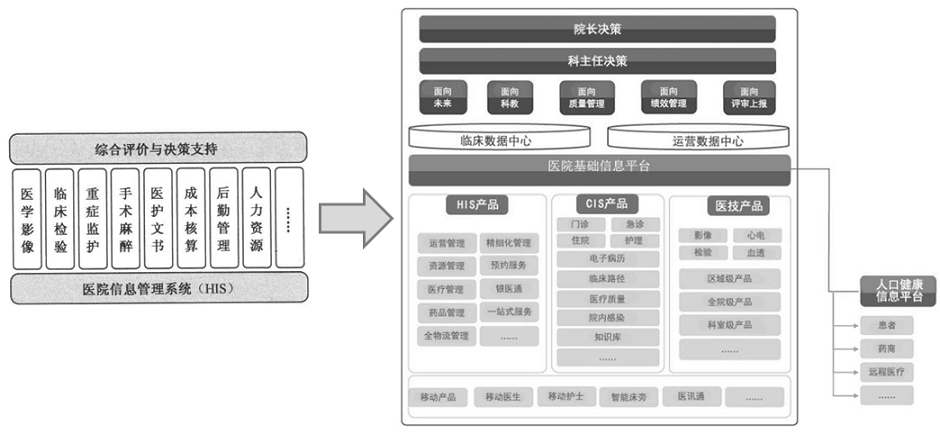
Source: Compiled by Donghai Securities Research Institute
HIS: Cloud Migration Is a Long-Term Trend, Poised to Break Through First in Primary Healthcare Institutions
Tiered Diagnosis and Treatment Brings Era-Defining Opportunities to Cloud-Based HIS
Figure 2: Fragmented Traditional HIS Systems vs. Centralized Cloud-Based HIS Platform
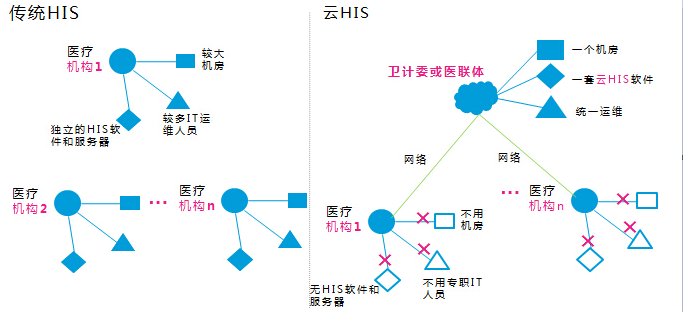
Source: Kyee Technology
Healthcare IT companies that proactively expand their cloud-based models are poised to be the first to capitalize on the opportunities brought by the migration of Hospital Information Systems (HIS) to the cloud. The shift of HIS toward the cloud aligns with the long-term technological evolution trends of the industry in the era of cloud computing. Compared to traditional HIS systems or private HIS clouds, which are limited to internal hospital use and can only facilitate information and resource sharing within a single institution, HIS cloud platforms enable integrated management of regional healthcare, disease prevention, public health, wellness, teaching, and research. Furthermore, they can significantly reduce hospitals’ IT expenditures. As we have previously analyzed this aspect, we will not elaborate further here; instead, we emphasize that cloud-based HIS solutions targeting primary care institutions are more likely than traditional HIS to benefit from the opportunities arising from tiered diagnosis and treatment. Consequently, the trend of HIS cloud adoption is expected to achieve initial breakthroughs primarily in primary care institutions.
1) Cloud-based HIS solutions targeted at primary care institutions are more likely than traditional HIS to benefit from the opportunities arising from tiered diagnosis and treatment.
A. The tiered diagnosis and treatment system has made the need for information technology infrastructure in primary healthcare institutions, as well as the need for interoperability between central hospitals and subordinate hospitals, more urgent. Currently, the implementation of tiered diagnosis and treatment has entered a substantive and comprehensive phase, with acceleration ongoing. In this context, on one hand, small, medium, and micro medical institutions are increasingly pressed to adopt IT solutions to interface with medical insurance systems, improve management, control medical quality, and enhance revenue levels; such adoption has become nearly indispensable. This trend has also spurred the emergence of numerous startups, such as Lingjian Information and Xinsheng Technology, that provide SaaS platforms and services tailored to primary healthcare.
B. Regarding HIS cloud services for primary healthcare institutions, they are more likely to benefit from the informatization construction of primary healthcare institutions driven by tiered diagnosis and treatment than traditional HIS. The financial pressure on primary healthcare institutions is more prominent, which is a key bottleneck restricting their informatization construction. The cost advantage of cloud services makes cloud-based HIS more attractive to primary healthcare institutions than traditional HIS, as small and medium-sized medical institutions cannot emulate large hospitals by investing substantial funds to build professional teams. Jiumingzhu’s HIS Cloud (Yunxing), launched for micro and small medical institutions, claims to reduce IT investment by approximately 80%, while Shangyi Network’s Shangyi Cloud claims to reduce IT investment by approximately 70%. Furthermore, the more significant cost-saving effect of HIS Cloud in primary healthcare institutions can also lower the switching costs for those primary healthcare institutions that have already established HIS systems to replace their original HIS with cloud services. In fact, according to public interviews with Jiumingzhu, a medical informatization company, over 3,000 existing users of traditional offline medical institutions are rapidly migrating to the company’s cloud-based medical information platform, Yunxing.
The demand for IT infrastructure in primary healthcare institutions has risen rapidly in the short term. However, the mismatch between mainstream Hospital Information System (HIS) products and the needs of these institutions will undermine the competitiveness of many traditional HIS vendors against cloud-based HIS providers in this market. After all, primary healthcare institutions and tiered hospitals represent distinct customer segments within the healthcare informatics industry. Mainstream HIS products are primarily designed to meet the comprehensive and complex requirements of large, tiered hospitals. In contrast, the daily operations of primary healthcare institutions focus more on treating common diseases and providing routine health care to community residents. Consequently, products from mainstream healthcare informatics vendors are less aligned with the needs of primary healthcare institutions compared to cloud-based HIS solutions specifically tailored for them.
2) The cloud migration of Hospital Information Systems (HIS) is likely to achieve initial breakthroughs in primary healthcare institutions. Although cloud adoption is also a long-term trend for information technology development in tertiary hospitals, and medical consortia and hospital groups serve as mechanisms to implement tiered diagnosis and treatment, the cost pressure on public tertiary hospitals is not as pronounced as that on primary care facilities. Furthermore, given the substantial investments already made in HIS by tertiary hospitals, the barriers to replacing existing systems are significant. Additionally, tertiary hospitals, which possess large volumes of data—particularly on complex and rare diseases—may exhibit potential resistance to data interoperability due to concerns over data security. These factors inevitably create greater obstacles to the promotion of cloud-based HIS solutions in tertiary hospitals.
Cloud-Based HIS Market Size Estimation
The objective data, assumptions, and simplifying conditions referenced in our estimation of the spatial scope of cloud-based HIS are as follows—
1) Based on the fact that Grade 3A hospitals allocate 1%–2% of their revenue to IT expenditures, while other hospitals allocate approximately 0.8%, we can directly estimate the annual upper limit of the hospital informatization market size from the hospitals’ revenue scale;
2) After adopting the cloud model, it is conservatively estimated that IT investment savings under normal operating conditions will range from 20% to 40%. (Public data on the proportion of IT expenditure savings achieved through cloud adoption is relatively scarce; while some publicly claimed figures suggest savings of 70%–90%, we have opted for a conservative estimate of 20%–40%.)
3) It is assumed that, in principle, a cloud-based Hospital Information System (HIS) should include not only the most basic hospital management information system but also other essential functions required by medical institutions, such as Electronic Medical Record (EMR) Cloud and Imaging Cloud. This applies regardless of whether these functions are developed in-house by the cloud-based HIS provider or integrated from partners (given the surge of innovative enterprises specializing in EMR Cloud and Imaging Cloud, which represent strong potential partners). After all, it is more convenient for public cloud-based HIS to extend additional functionalities compared to traditional on-premise hospital information systems.
4) Assuming that the significant cost savings make it less difficult for cloud-based HIS to replace traditional HIS in primary healthcare institutions under greater financial pressure, cloud-based HIS services will target all primary healthcare institutions outside of medical consortiums and physician group systems, regardless of the current stage of their traditional information technology development or whether they have already established their own IT systems;
5) It is assumed that the market for HIS Cloud will also include specialized hospitals, which are predominantly private and have stringent requirements for cost control;
6) If we assume that the annual IT expenditure of U.S. healthcare institutions, accounting for 3%-5% of hospital revenue, represents the “necessary proportion of IT investment at the mature stage of healthcare informatization,” then even the informatization construction of China’s Grade III Class A hospitals remains far from complete (with their medical IT investment accounting for only 1%-2% of revenue). Furthermore, if we assume that hospitals, when sufficiently funded, always strive to build IT systems that are as necessary and robust as possible, and if we further assume that revenue is a key factor currently constraining the proportion of IT investment relative to revenue in Chinese hospitals, then the successful promotion of tiered diagnosis and treatment—which would significantly redirect revenue from higher-tier hospitals to primary care institutions—would lead to a further increase in the proportion of IT investment by primary healthcare institutions compared to current levels.
Figure 3. Calculation Table of the Industry Ceiling for Cloud-Based HIS
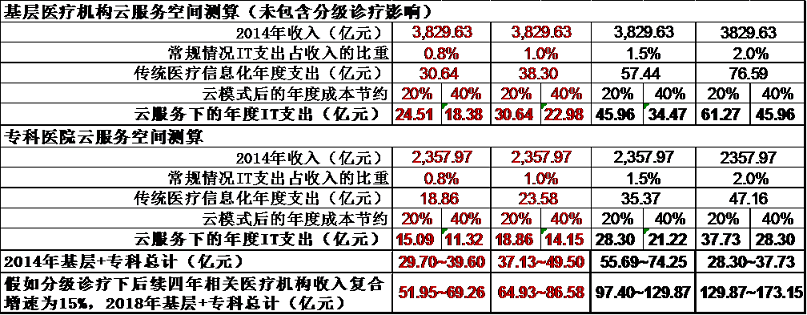
Representative Cases
Companies such as LinkCare, Fanmi Doctor, Xinsheng Technology, Jingyi Co., Ltd., Shangyi Network, and Jiumingzhu have all launched cloud-based Hospital Information System (HIS) products. Overall, these enterprises can be categorized into four types: those innovating for specialized hospitals; those innovating for primary healthcare institutions (without specific differentiation by disease type); those offering differentiated innovations simultaneously for primary hospitals, large hospitals, and hospital groups; and traditional medical information enterprises undergoing digital transformation. Among these, the informatization of specialized hospitals is particularly noteworthy. On one hand, the cloud-based informatization of specialized hospitals benefits from the entrepreneurial boom in this sector, driven by long-term healthcare reform trends such as the decoupling of doctors from established institutional affiliations, multi-site practice, and even freelance practice. In particular, private specialized hospitals in their early startup stages often have stronger needs for cost control, making them more inclined to choose lower-cost cloud services. On the other hand, companies engaged in the informatization of specialized hospitals are more likely to gain competitive advantages and barriers in niche markets—areas that even traditional industry leaders find difficult to penetrate—by mastering the highly specialized needs of these institutions. This allows them to become leading players in focused, high-value niche segments within the generally competitive medical informatics industry.
Given that extensive peer comparison is the fundamental approach to ultimately narrowing down a larger pool of comparable primary market investment opportunities to 1–3 target projects, we have summarized the basic profiles and representative products of selected companies in the table below. Screenshots of the design and appearance of typical products are appended after the table to illustrate the level of innovation achievable in this field, serving as a benchmark for peer comparisons during primary market investment decisions—
Figure 4. Hospital informationization clouds are currently broadly categorized into three segments: those oriented toward specialized hospitals, those serving unspecified primary care institutions, and those targeting large hospitals or physician groups.

Source: Compiled from information on the company’s official website, public interviews, and other materials.
PACS: In the short term, focus on increased penetration rates and process optimization innovations; in the long term, leverage big data mining in medical imaging.
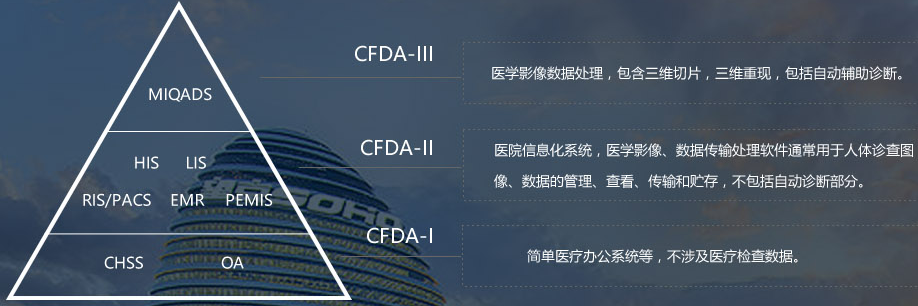
Technological advancements have propelled medical imaging from its initial status as a functional department within hospitals to an independent industry. A comprehensive PACS (Picture Archiving and Communication System) primarily involves three key components: image acquisition (including pure digital acquisition, video capture, and film scanning), data transmission and storage (with DICOM serving as the unified standard), and image analysis and processing. As HL7 standards and IHE profiles continue to improve, PACS has evolved from simple image storage and communication among a few radiology devices to interoperability across all imaging equipment within a hospital and even between different hospitals. This evolution has given rise to various types such as Mini PACS, department-level PACS, hospital-wide PACS, and regional PACS. Functionally, it is also extending toward big data analytics in imaging, which requires CFDA Class III certification.
Figure 5 PACS architecture (upper left) and interaction between PACS and clinical workflow (lower right)
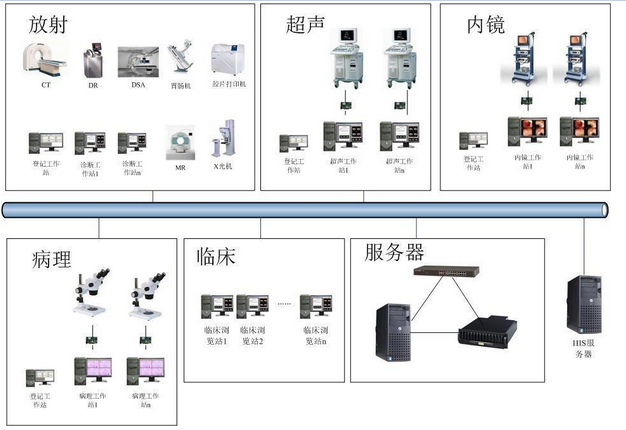
Figure 6 Overview of CFDA Certification Levels for Different Imaging-Related Applications
Source: Yasen Technology Official Website
The Real Needs and Pain Points of the Industry Remain the Foundation of Innovation
Overall, the strong clinical demand for imaging diagnostics has driven faster revenue growth in medical institutions’ imaging services compared to pharmaceuticals, objectively underscoring the significant market potential of PACS-related innovations.Medical imaging encompasses a variety of diagnostic imaging modalities* and serves as the largest source of clinical evidence. Currently, 90% of medical data originates from medical imaging, and 70% of clinical diagnoses rely on it. Revenue data from domestic tertiary hospitals also indicate that income from general medical imaging accounts for approximately 20% of total hospital revenue, with a growth rate significantly higher than that of pharmaceuticals (in 2014, the total revenue of tertiary hospitals in China reached RMB 1.2168 trillion; at a 20% proportion, this corresponds to RMB 243.36 billion in revenue related to medical imaging services). Looking ahead, driven by advancements in IT and clinical diagnostic technologies, the clinical importance of imaging will continue to rise. The emergence and widespread adoption of novel applications will further elevate the output value and potential ceiling of the PACS industry.
*Note: Medical imaging encompasses a variety of modalities and technologies, including diagnostic radiology, radiology, endoscopy, medical thermography, medical photography, and magnetoencephalography. Examples include X-rays, angiography, cardiovascular angiography, computed tomography (CT), dental radiography, fluoroscopy, mammography, gamma cameras using gamma rays, positron emission tomography (PET), single-photon emission computed tomography (SPECT), nuclear magnetic resonance imaging (NMRI), magnetic resonance imaging (MRI), medical ultrasonography, optical endoscopy, and hybrid techniques such as PET/CT and SPECT/CT.
1) The relatively underdeveloped state of PACS infrastructure presents a systemic opportunity for the entire PACS sub-sector (traditional and innovative).
China’s informatization in the PACS sector remains underdeveloped, presenting opportunities for greenfield deployments. According to CHIMA statistics, the penetration rate of PACS in tiered hospitals does not exceed 50% (60%-70% at the departmental level, 50%-60% for multi-department or hospital-wide systems, and 10%-20% at the regional level). From this, we can reasonably infer that PACS implementation in primary care institutions—which typically lag behind tiered hospitals in informatization—is even less mature. This indicates that opportunities exist in China both for deepening informatization in tiered hospitals and for advancing IT infrastructure in primary medical institutions driven by the tiered diagnosis and treatment model. These are visible and foreseeable opportunities in the current PACS informatization landscape. However, the traditional PACS market is crowded with numerous participants, mostly companies of limited scale, resulting in intense “red ocean” competition. Therefore, the most promising investment targets are likely leading enterprises poised to benefit from industry consolidation. In contrast, cloud-based PACS built on public clouds represent a relatively new niche within the sector. This model is particularly suitable for regional PACS deployments (which have significant growth potential), primary care hospitals with stringent cost-control requirements, and specialized hospitals focused on profitability and cost management. Participants in the public cloud PACS space include traditional PACS vendors expanding into cloud services and innovative enterprises entering the industry through cloud-based PACS offerings. Many of the representative innovations discussed later in this article adopt the cloud model.
It is worth noting that, similar to the HIS Cloud designed for specialized hospital needs mentioned earlier, PACS also presents opportunities for the emergence of specialized niche systems. After all, mainstream PACS often fall short in meeting the specific requirements of certain specialties (for instance, most ophthalmic devices do not comply with DICOM standards, and specialized equipment is difficult to integrate with traditional PACS). There is also an objective shortage of supply in the specialized PACS market. Potential specialized areas include at least cardiology, ophthalmology (e.g., the proprietary ophthalmic PACS developed by Zhejiang Eye Hospital), and dentistry.
Figure 7. Market Potential Estimation for Imaging-Related Applications—The Value of Big Data Far Exceeds That of PACS Itself

Source: Compiled from public data; we assume that PACS investment by healthcare institutions is proportional to imaging revenue. The 2015 PACS market size of RMB 2.7 billion is based on ACMR forecasts.
Pain points in traditional imaging applications and the inability of conventional systems to meet clinical needs have created significant opportunities for PACS innovation. These opportunities also indicate the direction of continuous functional expansion for PACS (e.g., automated lesion detection, severity analysis of conditions, and even treatment recommendation). Among these, the potential ceiling for big data-related applications remains difficult to predict at present. We summarize the pain points of traditional PACS, the unmet needs that conventional methods fail to address, and the corresponding targeted PACS innovations in the figure below—
Figure 8 Summary of Industry Pain Points and Needs Directly Addressed by PACS Innovations

Source: Compiled from public information
PACS Innovation: A Short-Term View on PACS Cloud and Process Optimization, a Long-Term View on Big Data Mining in Medical Imaging
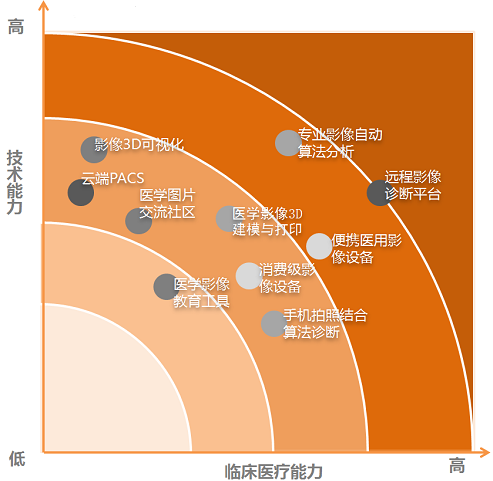
The further specialization of professional tools, coupled with advancements in medical imaging technology, is driving the PACS industry toward greater specialization and segmentation. Overall, the numerous innovations that have emerged in the PACS field in recent years are primarily concentrated in two areas directly linked to the diagnostic and treatment workflow: cloud-based tools for optimizing imaging diagnosis and treatment processes (storage, transmission, and visualization) and imaging-assisted diagnostic tools. (Here, we temporarily exclude other innovation areas involving image transmission—such as doctor-patient communication, physician communities, and education—that have a relatively limited connection to the imaging diagnosis and treatment workflow.) The core technologies involved include at least low-cost storage and rapid retrieval of large-volume data, fast and lossless image decompression, development of DICOM interface standards, and digital reconstruction of medical images. Application types encompass 3D imaging visualization, cloud-based PACS, automated algorithmic analysis of specialized images, and remote imaging diagnosis platforms. VCBeat has previously summarized the standardized imaging processing workflows involved in these applications—including acquisition, archiving, transmission, display, sharing, and diagnosis—as well as their coverage of various disease types, as follows:
Figure 9. Clinical Problems That PACS Innovations Aim to Address

Source: Compiled based on statistics from VCBeat and other public information. √ indicates directly targeted segments; * denotes segments that need to be streamlined or will be involved in addressing core issues.
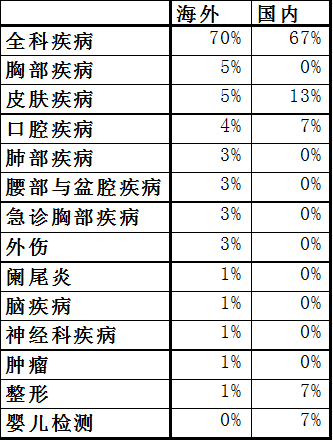
Figure 10 Scope of Major Disease Areas Covered by Innovations in the PACS Field
Source: Compiled based on data from VCBeat
Figure 11 Requirements of Various PACS Innovations for IT Technology and Medical Capabilities
Source: Compiled from VCBeat data
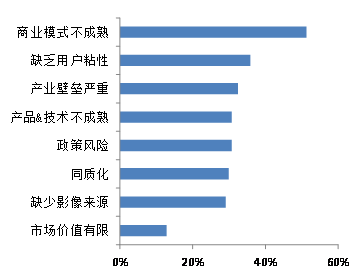
Figure 12 Major Risks Facing PACS Innovation
Source: Compiled based on data from VCBeat.
1) Optimization and innovation of imaging diagnosis and treatment workflows. Doctors, hospitals at all levels, government entities, and certain PACS vendors (specifically those with more integrated systems that require the procurement or subcontracting of various specialized PACS applications) are all potential customers for such innovative applications. Based on a synthesis of existing case studies, these innovations are currently primarily focused on addressing the following issues—
Optimizing the Basic Workflow of Imaging Diagnosis: This includes comprehensive paperless display of images, secure cloud storage, and convenient transmission, enabling physicians to access and review medical images instantly on mobile devices or PCs at any time. Physicians can also view images remotely immediately after patients complete their scans, thereby streamlining the patient care journey. Furthermore, such workflow optimizations meet the needs of triage, consultations, second opinions, and medical record management. Consequently, the accelerated implementation of tiered diagnosis and treatment systems and the surge in physician group startups have significantly heightened the urgency for hospitals and physicians to adopt applications that optimize imaging workflows.
Optimizing Image Display and Enhancing Information Utilization: PACS innovation not only minimizes diagnostic errors caused by factors such as image resolution and clarity through error correction and image quality enhancement, but also leverages computer-based image reconstruction to help physicians visualize details that conventional imaging cannot reveal. Furthermore, specialized imaging techniques can meet physicians’ needs in specific scenarios (e.g., specialty-specific surgical procedures), thereby expanding the application scope of medical imaging and driving PACS innovation toward deeper vertical specialization. For instance, the one-click dental implant placement feature required in 3D reconstruction represents a specialty-specific need well-suited for integration with specialty-oriented PACS.
We present below the typical outcomes achievable through imaging optimization innovations, which can serve as a benchmark for the quality of such innovative effects—
Figure 13 Computer reconstruction of images enables physicians to visualize structures and details on mobile devices that are difficult to discern with conventional imaging modalities
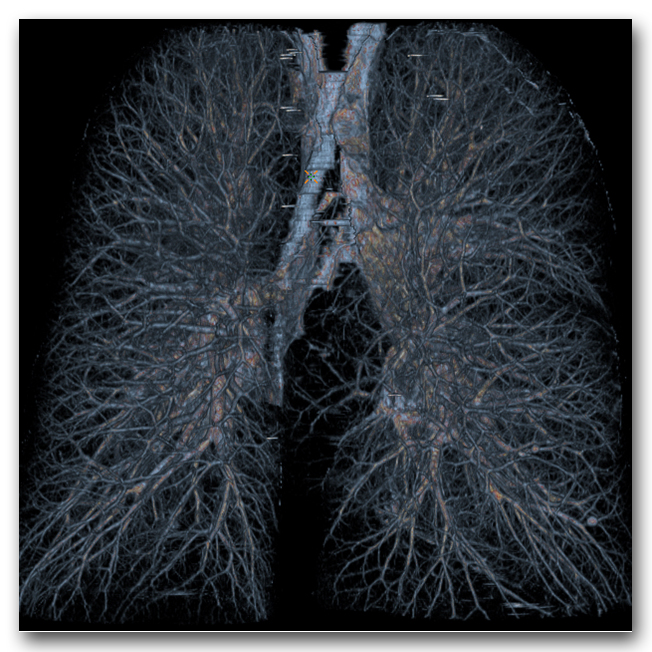
Source: Xi'an Yinggu. This image is a 3D rendering that can be freely rotated and scaled.
Figure 14. PACS Application: During 3D image reconstruction of organs, physicians can freely rotate and zoom the images to visualize desired details.
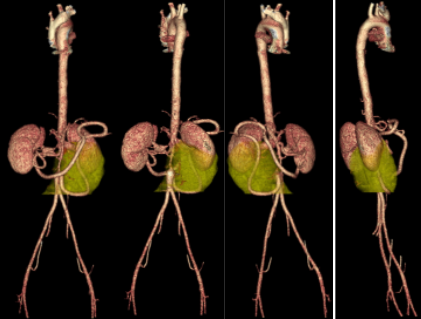
Source: Industry Interviews
2) Image-assisted diagnosis is a direction commonly explored by enterprises engaged in imaging cloud services and represents a highly promising avenue for future technology commercialization. Although transmission and workflow optimization remain the primary entry points for many imaging-related innovations, transmission is no longer the essence of imaging applications; rather, image computing constitutes the future of medical imaging applications. Rapid advances in radiology and informatics are opening new pathways for the diagnosis, treatment, and prevention of potential diseases such as Alzheimer’s disease, heart disease, and cancer, thereby emerging as a new hotspot for future technology translation. Based on an analysis of existing cases, current innovations in image-assisted diagnosis primarily focus on providing reference recommendations and achieving the following outcomes:
Reduce reading errors caused by the subjectivity of physicians in image interpretation. The individual subjectivity in image interpretation leads to diagnostic errors; data indicate that the average error rate among radiologists is approximately 30%, varying by disease type.
Enhance the utilization of medical imaging information to achieve capabilities that are difficult to attain through conventional manual interpretation. Medical images often contain visual information that is indistinguishable to the human eye but can be systematically recognized by computer algorithms; once extracted, this information can aid in determining disease types and assessing disease severity.
A. Assisting in the determination of disease types. For instance, the differential diagnosis of erythematous squamous skin diseases is a challenge in dermatology. This category includes six subtypes. One difficulty in differentiation lies in the many shared histopathological features among the different subtypes; another is that these skin conditions often initially present with features characteristic of other subtypes, with their specific manifestations appearing only in later stages. The differential diagnosis of related diseases involves 34 relevant features. Based on big data mining, a hybrid feature extraction model based on Support Vector Machine (SVM) can improve the accuracy of diagnosing erythematous squamous skin diseases (Expert Systems with Applications, 2011, 38(5):5). This method achieves an accuracy of 98.61% by classifying using 21 out of the 34 relevant features. Meanwhile, the AR-PSO-SVM diagnostic model developed by Abdi et al. (Engineering Applications of Artificial Intelligence, 2013, 26(1):603-608; 809-5815) achieved a classification accuracy of 98.91%.
B. As medical imaging gradually evolves from structural to functional imaging, it has become possible to predict disease onset and track disease progression. This is because structural imaging can only detect changes after lesions appear or undergo physical alterations, whereas functional imaging can generate diagnostic results based on factors such as organ metabolites and characteristics before structural changes occur. This holds significant value for the ultra-early detection and localization of many diseases. Such imaging modalities include MRI, PET, and SPECT. For example, the objectives of Alzheimer’s disease (AD) imaging—also a focal point of international research—include grading AD severity, monitoring disease progression, making prognostic assessments, and evaluating the efficacy of therapeutic interventions. Specific MRI-based diagnostic measurements for AD encompass a series of linear metrics (e.g., hippocampal height, temporal lobe width, sulcal-gyral spacing, and medial temporal lobe thickness), volumetric metrics (e.g., structures such as the hippocampus, amygdala, and entorhinal cortex), and other metrics (e.g., area of the parahippocampal gyrus, perisylvian cortex around the superior temporal sulcus, and cingulate gyrus). Furthermore, with advancements in data collection technologies and increasing complexity, many applications require processing heterogeneous data sources and acquiring data of different measurement types from multiple heterogeneous sources for analysis (e.g., MRI, PET, gene/protein expression data, and genetic information).
It is worth noting that, in terms of breakthroughs in research methodologies, there remains significant potential for the emergence of numerous new technologies in the future application of medical imaging. In April 2016, a landmark event occurred in the field of medical imaging: the launch of the world’s largest medical imaging study, funded by the Medical Research Council (MRC), the Wellcome Trust (the world’s largest research charity), and the British Heart Foundation. With an investment of £43 million, this initiative aims to scan and image samples from 100,000 participants in the UK Biobank, covering the brain, heart, bones, carotid arteries, and abdominal fat, thereby creating the most comprehensive collection of internal organ scans ever assembled. By integrating these imaging data with the extensive dataset already collected from 500,000 UK Biobank participants over the past decade—including information on lifestyle, weight, height, diet, physical activity, cognitive function, and genetic data derived from blood samples—large-scale data mining is expected to transform how scientists investigate a range of diseases, including dementia, arthritis, cancer, heart attacks, and stroke. This integration will also enable research that was previously nearly impossible. Given that research directions often serve as leading indicators for technological translation, and considering that this project aligns closely with clinical needs, it suggests that medical imaging is poised to give rise to many new fields and further enhance the clinical value of imaging. Consequently, the Picture Archiving and Communication Systems (PACS) sector is also expected to see the emergence of numerous new technologies tightly integrated with big data, becoming a hotspot for technological translation and demonstrating very optimistic long-term development prospects.
Common Characteristics of Representative PACS Innovation Cases
We have included basic information on some of the top representative innovative PACS companies covered in this report in the charts below. This can serve as a reference for peer comparisons (in terms of technology, certifications, team, industry standing, etc.) when identifying such enterprises or evaluating related companies undergoing transformation. From a peer comparison perspective, we can summarize certain common characteristics typical of innovative PACS enterprises, as follows:
1) For companies that prioritize PACS image recognition as their core breakthrough area, the key lies in their proprietary imaging databases, which are ultimately formed through the continuous refinement of core algorithms and corporate practices during actual use. It is particularly important to emphasize that not all images can be used directly. Images intended for modeling must first meet stringent quality and standardization requirements. Furthermore, factors such as disease types, gender, age, health status, and regional differences in lifestyle habits may serve as potential variables influencing the grouping and clustering of imaging data during modeling. Consequently, these factors may impose specific, unforeseen requirements on sampling methods prior to model development.
2) Having data ≠ being able to successfully develop excellent products. To create truly robust medical imaging data products, technology is a hard threshold. The strong characteristics of technology translation and technological exploration mean that truly powerful medical imaging big data companies must possess solid technical capabilities. Therefore, it is crucial to have individuals with very strong technical expertise in the founding team (reference factors include at least past project experience, the number and impact factor of publications in related fields, etc.). In fact, among typical PACS innovative enterprises, it is not uncommon for founders themselves to be IT professors from top American universities. Furthermore, considering that imaging big data is a frontier research hotspot, technologies with potential for future conversion may emerge in large numbers, and the artificial intelligence and machine recognition technologies, which are almost indispensable for realizing imaging big data, are also rapidly advancing with high barriers. Thus, enterprises that highly value original technological breakthroughs, position themselves as technology-driven companies, and place particular emphasis on achieving and steadily accumulating original technological breakthroughs deserve special attention (prioritized over those that focus more on short-term quick profits or model innovations that are easily copied). We do not believe that companies merely “sitting on data” but lacking the cultural characteristics of a technology-driven enterprise and true robust technical capabilities have the ability to truly maximize the value of their medical big data.
It is worth noting that medical big data ultimately belongs to patients and hospitals, not to medical IT companies that have entered hospital channels through healthcare informatization projects. Such companies merely obtain the authorization to construct hospital information systems. In principle, traditional healthcare IT companies that have access to all of a hospital’s operational data do not have the right to prohibit the hospital from licensing this data to other big data companies for use. Once prestigious tertiary hospitals license their big data resources to technologically advanced big data firms for product development, and these firms successfully create significant medical big data products that address critical pain points in clinical workflows, they can leverage their first-mover advantage derived from technological breakthroughs and the industry influence of their partner hospitals. Even as new entrants with far weaker channel advantages than traditional healthcare IT companies, these technology-driven big data firms can rapidly secure authorizations from more hospitals independently and establish their own channel advantages by virtue of their breakthrough products.
3) Traditional healthcare IT enterprises with prominent advantages in scale, distribution channels, and capital can acquire innovative startups of limited size to gain access to related innovative business lines.
Figure 15 Selected Representative Innovative Medical Imaging Companies – Part 1

Source: Compiled by Donghai Securities Research Institute
Figure 16 Selected Representative Innovative Imaging Companies—Part 2
 Source: Compiled by Donghai Securities Research Institute
Figure 17 Selected Representative Imaging Innovation Companies – Part 3

Source: Compiled by Donghai Securities Research Institute
EMR: EMR Innovation and Innovations Addressing New Pain Points Arising from EMR Adoption
Trends and Case Studies in the Innovative Application of Electronic Medical Records
* Note: EMR (Electronic Medical Record) refers to digital medical information documents generated during a patient’s diagnosis and treatment process. EHR (Electronic Health Record) is a digital health record centered on hospital-based EMRs with information sharing as its core. The distinctions between the two, as well as their differences from PHR (Personal Health Record), are illustrated in the figure below—
Figure 18 Differences Between EMR, EHR, and PHR
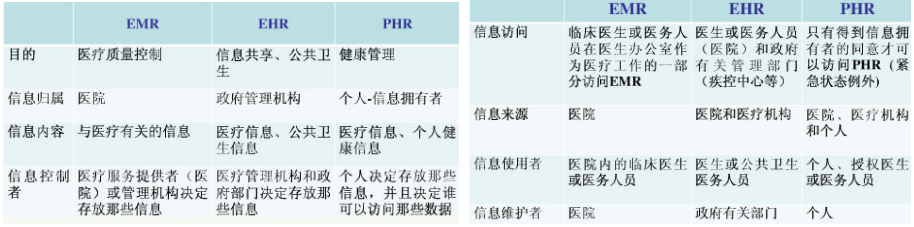
Source: hc3i.cn
EMR Currently Has at Least Two Types of Demands and Two Major Trends—
1) Two types of demand: the need for EMR coverage in tiered hospitals where EMR implementation remains inadequate, and the need to enhance EMR maturity in tiered hospitals that already have electronic medical records; as well as the need for EMR coverage among small and micro healthcare institutions with limited funding.
According to the CHIMA 2014–2015 Survey on Hospital Informatization in China, during the sampling period, the penetration rate of electronic medical records (EMR) in classified hospitals in China reached approximately 70%. This indicates that while EMR systems are relatively well-established in these hospitals, there remains room for further development. Furthermore, based on 2015 statistics from the China Healthcare Information Network Conference (CHINC), which covered 2,622 participating hospitals that provided feedback, only 6‰ had achieved an EMR application level of Grade 5 or higher. This suggests that even among classified hospitals with EMR coverage, there is significant potential for improving application sophistication. Given that classified hospitals typically impose high requirements on vendors’ integration capabilities, specialization, and backend services, and often demand more personalized customization, this market share is more likely to be captured by leading enterprises—either overall industry leaders or niche segment leaders—with stronger comprehensive strengths and higher rankings in the EMR field.
Given that Hospital Information Systems (HIS) have been relatively comprehensively deployed in tiered hospitals, yet there remains room for development in small and micro medical institutions; and considering the objective constraint of limited funding in such institutions, as well as the actual situation in Japan where the adoption of electronic medical records (EMR) has fallen short of expectations*, it is easy to infer that under the tiered diagnosis and treatment system, EMR coverage in China’s small and micro medical institutions is inevitably incomplete, thereby presenting corresponding industrial opportunities.
*Note: In 2001, Japan’s Ministry of Health, Labour and Welfare designated “cloud design for informatization in the healthcare and medical fields” and set a goal to achieve widespread adoption of electronic medical records (EMRs) by 2006. However, as of 2013, the nationwide EMR adoption rate among Japanese hospitals was only approximately 30% (with about 70% adoption in large-scale hospitals with more than 400 beds, and around 34% in medium-sized hospitals with 100–399 beds). The primary obstacle has been the “cost of implementing and operating EMR systems,” which poses a relatively heavy burden particularly on small- and medium-sized hospitals.
In terms of industrial space, considering that EMR is a component of hospital information systems, and based on the aforementioned scale estimation for hospital information systems, the annual value ceiling of electronic medical record (EMR) cloud services for primary care hospitals and specialized hospitals would not exceed the total value range of HIS cloud services, which was RMB 2.97 billion to RMB 3.96 billion in 2014. Assuming a compound annual growth rate of 15%, this figure would still not surpass RMB 5.195 billion to RMB 6.926 billion by 2018 (with similar issues of competition with and substitution of traditional EMRs existing in tiered hospitals). The greatest value of EMR cloud services lies in healthcare big data; the associated value will be discussed in the section on big data applications. For instance, based on an estimate using the proportion of value created by healthcare big data in the United States relative to its total national health expenditure for that year, the potential value generated by healthcare big data applications in China reached RMB 332.1 billion to RMB 498.2 billion in 2013.
2) Two Trends: The Cloud Migration and Mobile Adaptation of EMRs
The migration of electronic medical records (EMRs) to the cloud is driven by both technological and policy factors. Technologically, the rise of cloud computing represents an irreversible trend. From a policy perspective, national initiatives promoting tiered diagnosis and treatment systems and regional health information platforms have imposed requirements for EMR data sharing. In this context, cloud-based solutions offer inherent advantages and are more cost-effective for facilitating data sharing.
The trend toward mobile-enabled terminals for electronic medical record (EMR) access is directly reflected in market research findings from third-party consulting firms. A 2015 survey by Black Book of 6,000 physicians across multiple specialties in the United States revealed that 52% of outpatient physicians used mobile devices to access EMRs or for reference purposes, and 31% of respondents reported using smartphones to manage patient conditions. Furthermore, Black Book estimated that by the end of 2015, the frequency of physicians accessing electronic health records (EHRs) via mobile devices would rise to 70%. Notably, areas with a dense emergence of early-stage or pre-IPO projects, as well as new business expansion directions for traditional EMR companies, are increasingly concentrated in EMR-related niches characterized by cloud-based architectures and mobile accessibility.
The characteristics and market entry strategies of representative leading U.S. electronic health record (EHR) companies (including both traditional and innovative enterprises) can serve as clues for understanding emerging trends in China’s specialized EHR sectors (as summarized in the figure below). EHR solutions that integrate practice management represent an industry trend. High-quality EHR systems not only offer capabilities such as e-prescribing, electronic laboratory test ordering and results retrieval, and electronic scheduling, but also facilitate doctor-patient communication and interaction through online portals, enable the delivery of test results, and provide features such as SMS and alert notifications. Furthermore, most EHR applications have enhanced flexibility by further developing Software-as-a-Service (SaaS) models, thereby supporting multi-location management. Currently, nearly all U.S. EHR vendors provide core functionalities required by independent community-based physicians, including appointment scheduling, patient demographics, medical history, clinical documentation, e-prescribing, electronic connectivity with laboratories and imaging centers, billing systems integrated with insurance payers, patient communication tools, and various clinic management reporting functions aligned with “Meaningful Use” requirements. Moreover, almost every vendor is striving to deliver seamless services covering all workflow needs of an entire clinic, although each vendor may have different areas of emphasis.
Figure 19 Overview of Basic Features of Representative U.S. Electronic Health Record Vendors (Part 1)

Source: Compiled by Donghai Securities Research Institute
Figure 20 Overview of Basic Features of Representative U.S. EHR Vendors (Part 2)

Source: Compiled by Donghai Securities Research Institute
In China, Ping An Insurance’s “Portable Medical Record” health cloud service, publicly released on May 31 this year, is a cloud-based intelligent healthcare platform centered on the management of electronic health record (EHR) archives and designed for patients. Through this product, patients can organize their electronic medical records and provide detailed medical histories to physicians during consultations, thereby facilitating rapid and accurate clinical decision-making while minimizing duplicate testing, missed diagnoses, and misdiagnoses.
Innovations Addressing the Key Pain Points in Electronic Medical Record Development
Notably, in addition to the various electronic health record (EHR) applications themselves, the United States has seen innovations aimed at addressing new pain points arising from the widespread adoption of EHRs, with companies such as Healthfinch and Protenus being prominent examples.
1) The widespread adoption of Healthfinch EHR, which automates mundane tasks and optimizes electronic health record (EHR) workflows, has ushered in new hope for improving healthcare outcomes and comprehensively streamlining institutional operations. However, it has also exposed several intolerable issues. For instance, since the implementation of EHR systems, physicians have had to sacrifice a significant amount of their working hours to handle basic, repetitive, and trivial tasks, such as simple data entry and case management. In the United States, although an average daily caseload of 20 patients is already substantial, physicians must additionally spend four hours each day on routine, uncompensated, and repetitive administrative work. This drawback has been recognized by both regulatory bodies and technology proponents advocating for EHR adoption.
Healthfinch is a startup that leverages technology to help physicians complete repetitive, low-value tasks. The company aims to build a technological platform on top of Electronic Health Record (EHR) systems to automate mundane, repetitive workflows. Taking the optimization of prescription refill requests for patients with chronic diseases as an example, under traditional EHR processes, these requests are typically handled directly by physicians. The usual workflow is as follows: when patients requiring regular medication run out of their prescribed drugs, the pharmacy generates a prescription refill request and sends it to the physician via email. The physician then determines whether to approve the refill. Before making this determination, the physician often needs to answer a series of questions (e.g., When was the patient’s last visit? When were the last laboratory tests conducted? Were these tests routine?). However, the physician must answer these questions before being able to approve or deny the refill request, thereby adding a significant amount of repetitive, low-value work to their workload.After implementing Healthfinch’s solution (specifically, its product Swoop), healthcare institutions can choose to have prescription refill requests handled entirely by Healthfinch’s platform, or delegate tasks originally performed by physicians to pharmacists, nurses, or physician assistants. This effectively diverts low-value, highly repetitive tasks away from physicians, reducing the number of refill requests requiring direct physician attention by 70%. Shortly after its launch, Swoop was widely adopted by numerous healthcare institutions, demonstrating that automating repetitive, mundane tasks in the medical field is a future direction for healthcare service delivery. For Healthfinch, prescription refills are merely the starting point; their ultimate goal is to use technology to help healthcare providers “eliminate” all repetitive, trivial tasks.
Healthfinch currently faces at least two challenges: first, the depth of EHR coverage remains limited, and achieving integration is highly complex; second, developing additional automated solutions to address repetitive, mundane tasks requires a profound understanding and familiarity with the healthcare industry—both of which are difficult to achieve overnight.
2) Protenus: Committed to Protecting Electronic Medical Record Privacy
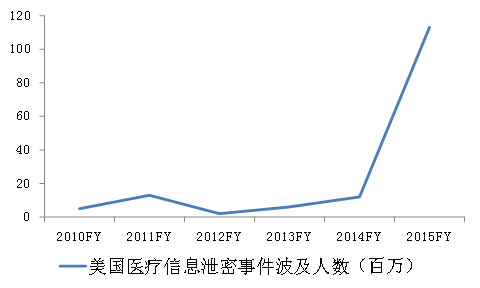
Although U.S. healthcare IT software represents a world-class standard, severe fragmentation both within and between healthcare institutions has left many security vulnerabilities, as most software was not originally designed with future interoperability-related security risks in mind. Surveys indicate that 41% of U.S. healthcare organizations do not encrypt medical data, and half are unable to effectively prevent or respond to information security breaches. Furthermore, against the backdrop of an industry increasingly focused on data sharing and experiencing exponential growth in healthcare information data, the rate at which the number of individuals affected by recent medical data breaches in the U.S. is increasing has far outpaced the growth in the number of breach incidents, becoming disconnected from the frequency of such events.
Figure 21. The Number of Healthcare Data Breaches in the United States Shows a Steady Overall Increase
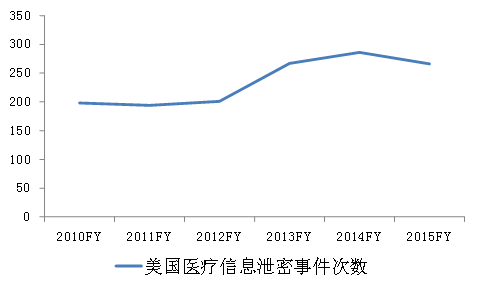
Source: hhs.gov & VCBeat
Figure 22. The number of individuals affected by healthcare data breaches in the United States has surged exponentially
Source: hhs.gov & VCBeat
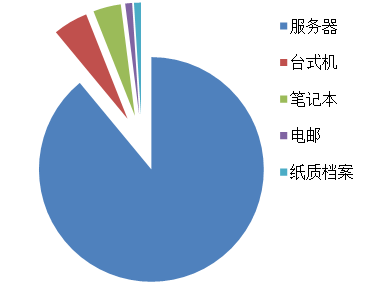
Furthermore, the methods of data breaches further indicate that servers are the primary channel for large-scale leaks of medical information, highlighting that information security risks in the era of data sharing are far more severe than in the past. According to statistics from Royal Jay, a U.S.-based software company, medical information breaches cause losses amounting to $6 billion annually for the entire healthcare industry. On average, each breach results in a loss of $3.5 million for hospitals and nearly $400 for individuals. Moreover, the cost of information security management per patient due to data breaches in the U.S. healthcare industry averages $233, significantly higher than the $78 in the retail sector, making it the highest among all industries.
Figure 23 Healthcare data breaches in the United States primarily occur through servers
Source: U.S. Department of Health and Human Services
Proteus, founded in 2001, is dedicated to developing digital health products and providing consumers with personalized health management tools. Over the past decade, Proteus has secured over $300 million in total investment. Proteus has developed a privacy service platform called “Privacy-as-a-Service,” which includes an analytics engine for monitoring unauthorized access and conducting continuous autonomous learning, as well as a next-generation forensics platform that provides essential information to privacy and security personnel. By shortening the cycle of search, testing, and resolution from months to minutes and eliminating noise that affects threat detection systems, Proteus’s services establish an immune system for patient data, capable of determining whether current medical records have been accessed inappropriately. Proteus’s services gain deep insights into why medical records are accessed and how they should be properly accessed, ensuring that viewing or using a specific patient’s medical or financial information complies with laws and regulations, ultimately helping to enhance the capabilities and standards of healthcare systems. Currently, the data exchanges facilitated by Proteus cover nearly all healthcare systems in the Maryland region.
Medical Big Data: The Ultimate Goal of Healthcare Informatics Innovation
The in-depth development of healthcare informatization has led to an unprecedentedly rapid growth in both the types and volume of medical data. According to IDC’s Digital Universe study, medical data is projected to reach 35 zettabytes (ZB) by 2020 (1 ZB = 1,024 exabytes), which is 44 times the volume recorded in 2009. This massive scale of data encompasses multiple layers, including electronic medical records (EMR), medical imaging, population behavioral health data, genomic data, and healthcare management data. It also involves a substantial amount of non-standardized data and dynamic data requiring real-time interaction, thereby imposing increasing pressure on hospital data storage, integration, and particularly rapid retrieval. These objective pain points and needs have, on one hand, spurred an explosion of research in related fields, while this surge in research has, in turn, laid an increasingly solid foundation for technological translation within the sector. From the perspective of industrial value (i.e., the industry’s market ceiling), McKinsey’s research indicates that the application of big data in healthcare could create value ranging from $300 billion to $450 billion for the U.S. healthcare system in 2013. Based on the proportion of this value relative to the total U.S. healthcare expenditure in that year, it is estimated that the potential value created by the application of medical big data in China would reach RMB 332.1 billion to RMB 498.2 billion in 2013. Furthermore, the future growth in total healthcare expenditure and the advancement of technological translation are expected to further elevate the value of the medical big data industry.
Given that a detailed exposition on the medical big data industry would far exceed the scope of this report, and considering our prior in-depth coverage of related fields (please refer to the previously published research on the medical big data industry by the signed analysts of this report at Sinolink Securities, titled “Sinolink Securities NEEQ Medical IoT Industry Special Report No. 2: Accelerated Technology Conversion and the Arrival of Strategic Timing for Industrial Capital Deployment”), we hereby provide only a summary of the basic landscape of medical big data applications and selected representative case studies, without further elaboration.
Figure 24 Overview of the Current Status of Relatively Well-Defined Potential Innovation Directions in Medical Big Data

Source: In addition to the bottlenecks listed in the table above, data sharing (resistance from hospitals to data sharing, resistance from hospitals and governments to data disclosure, lack of unified standards), data quality (unstructured data, issues with completeness, accuracy and quality problems, lag in static data), security and privacy (vague industry rules and standards, unclear data ownership, security concerns), and talent shortages remain overarching factors constraining the overall development of the industry.
Figure 25 Summary of Monetization Models for Medical Big Data Applications

Source: Compiled from public information
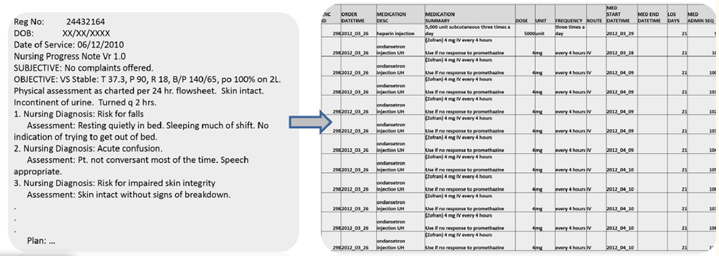
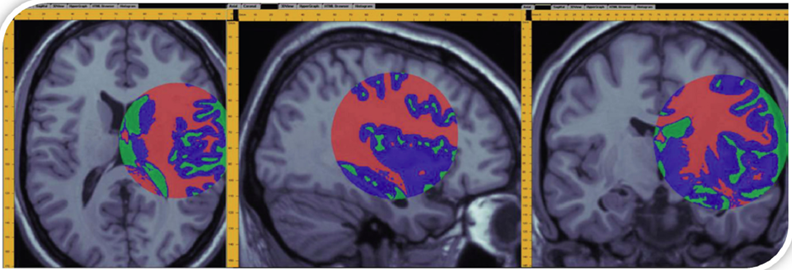
Figure 26 Example of Medical Big Data Application—Data Preprocessing—Machine Recognition and Structuring of Electronic Medical Records (Top) and Medical Imaging Data (Bottom)
Source: Dinov, GigaScience (2016)
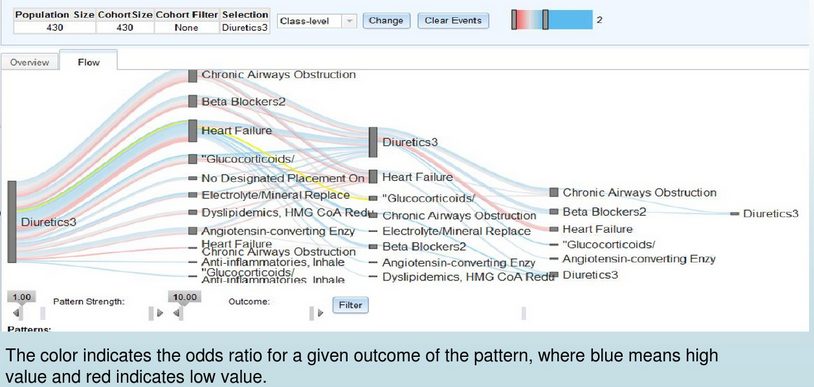
Figure 27 Example of Big Data Applications in Healthcare—Clinical Decision Support—IBM Fits Clinical Pathways for Heart Failure Patients to Optimize Interventions and Prognostic Predictions
Source: Industry Communications
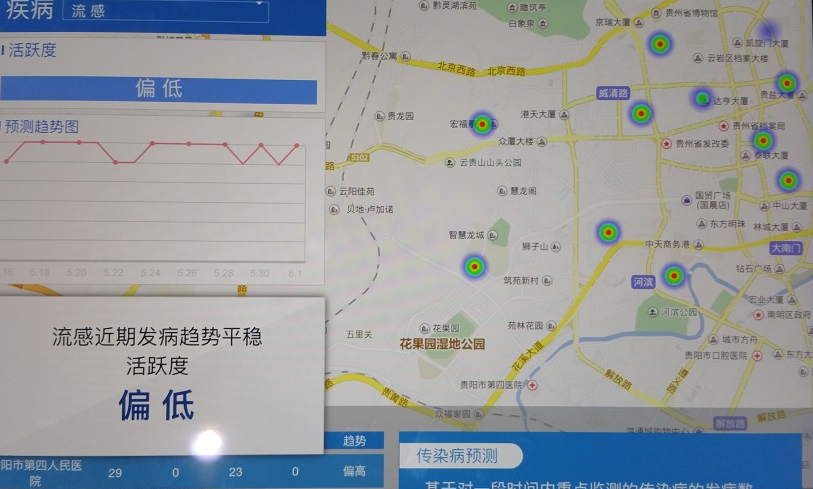
Figure 28 Example of Medical Big Data Application – Public Health – Influenza Outbreak Prediction in HPE’s Medical Big Data Application in Guiyang
Source: HPE (Hewlett Packard Enterprise)
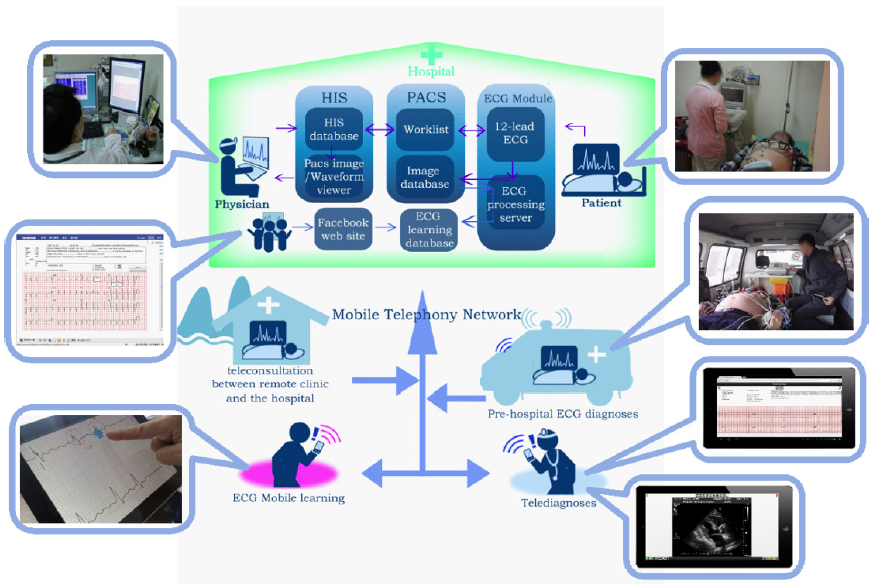
Figure 29 Example of Medical Big Data Application—Chronic Disease Management: A Case Study Enabling Real-Time Monitoring, Early Warning, and Necessary Intervention for Patients with Heart Disease
Source: Int. J. Environ. Res. Public Health
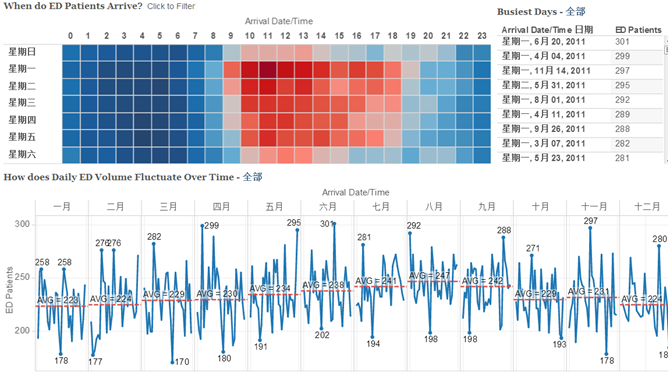
Figure 30 Example of Medical Big Data Application—Optimization of Diagnosis and Treatment Process—Tableau’s Prediction of Patient Visit Peaks Enables Scheduling of Appointment Times and Locations for Patients, and Provides Staffing Recommendations for Hospitals
Source: Internet
Figure 31 Example of Medical Big Data Application—Cost Control—Tableau can directly monitor healthcare insurance expenditure across different regions and compare the reasons for discrepancies
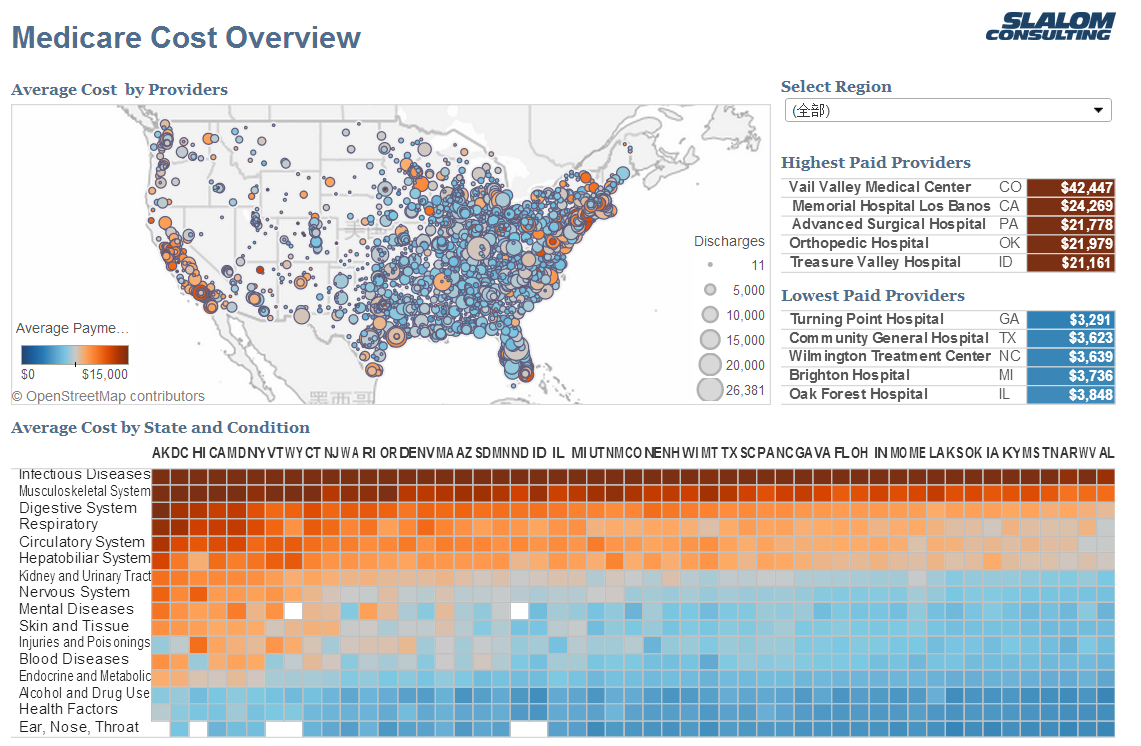
Source: Internet. The redder the circle, the higher the medical expenditure.
Figure 32 Example of Medical Big Data Application—Cost Control: Tableau Can Predict Individual Disease Risk and Expenditures to Provide Premium Recommendations for Health Insurance Companies
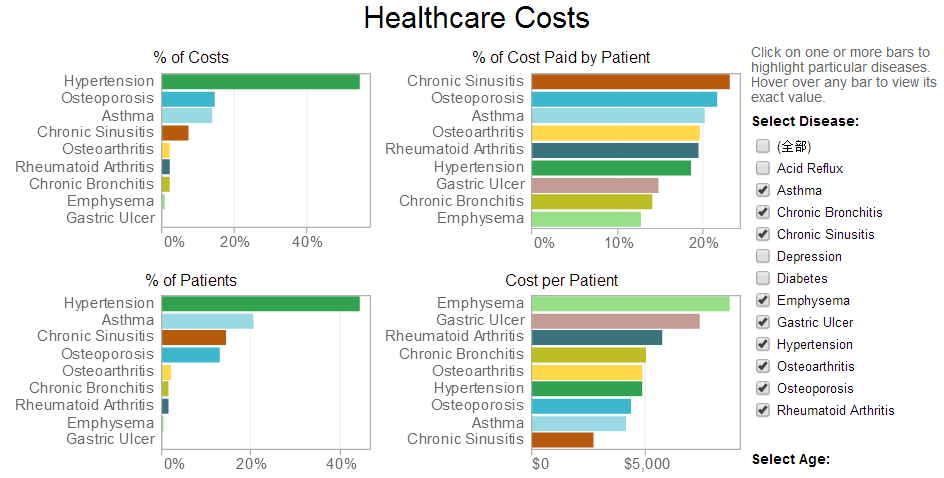
Source: Internet
This report is republished with authorization from Donghai Securities’ report “Tracking the Healthcare IT Industry: New Industrial Trends in the Wave of Technological Innovation” by Liu Chenchen.