

The Scientist Unveils 2016 Top 10 Innovations in Life Sciences
The renowned U.S. popular science magazine, The Scientist (The Scientist) is a monthly magazine widely recognized by readers and respected within the industry for its coverage of life sciences. The publication is dedicated to advancing life science research, providing researchers with comprehensive reporting on the latest developments, scientific breakthroughs, and other key updates. At the end of each year, the magazine presents awards for the Top Ten Innovative Products in life sciences.

Recently, The Scientist announced its list of the Top 10 Innovative Products of 2016. Generally, innovation merely constitutes incremental improvements to existing technologies, with truly disruptive breakthroughs being rare. This year’s list of top ten innovative products includes bold, disruptive designs that hold promise for yielding new discoveries in fundamental biology, drug development, and clinical trials. It also features innovations in the life sciences sector that, while already well understood, had previously been underestimated.
Geneticists may be captivated by a new single-molecule long-read sequencing platform, while synthetic biologists are eagerly anticipating advances in CRISPR-Cas9 technology, where the development of guide RNAs and nucleases facilitates more efficient and precise genome editing. As is often the case in biology, the impact of life science technologies frequently exceeds the sum of their parts.
It is worth noting that this year’s list of Top Ten Innovative Products features an increasing number of clinically relevant innovative technologies, such as 3D-printed human kidney tissue. These inventions remind us that when innovation and development occur, the benefits extend beyond manufacturers, developers, and scholars to all of humanity.
1ProteinSimple Milo Single-Cell Protein Expression Quantification System
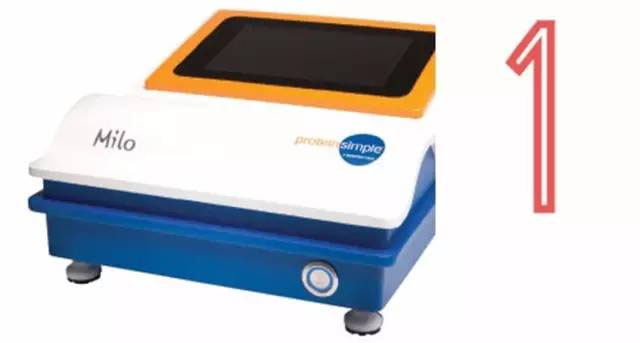
Milo, developed by the Amy Herr Laboratory at the University of California, is the first system for quantitative analysis of protein expression at the single-cell level. The Milo system employs a patented microfluidic Western blot chip. Through its single-cell microwell design, it captures individual cells, performs in situ lysis to release proteins, and conducts protein electrophoresis to separate proteins by molecular weight, thereby enhancing the specificity of immunological detection. Subsequently, proprietary technology is used for in situ protein capture. Validated antibodies and fluorescently labeled secondary antibodies are applied for direct hybridization following Western blot protocols. After scanning the chip with a scanner, the Scout software performs in-depth quantitative analysis of the scan results.
Researchers can identify specific proteins in approximately 1,000 single cells simultaneously. Users simply need to pipette the cell suspension onto a 1×3-inch glass slide coated with a 30-μm-thick gel layer dotted with 6,400 microwells. As the cells enter the gel, approximately 1,000 wells capture individual cells for analysis. Researchers then add reagents to chemically lyse the cells and denature the proteins; next, an electric charge is applied to draw the proteins into these void spaces, and UV light is used to activate photoactive chemicals within the gel, thereby immobilizing the protein bands.
“The traditional Western blot cannot reflect heterogeneity, whereas Milo can identify subpopulations,” said the Marketing Director of ProteinSimple. The company declined to disclose the exact unit price of Milo but stated that its cost is comparable to that of conventional benchtop flow cytometers.
2Organovo’s ExVive 3D-Printed Human Kidney Tissue
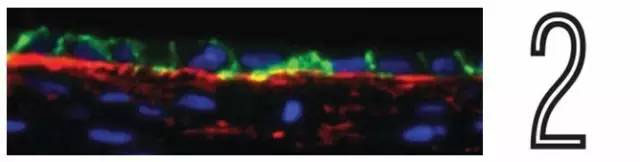
A relatively critical step in drug development is assessing whether candidate compounds cause kidney damage, but existing cell culture and animal models only approximate the human kidney. Organovo’s ExVive Human Kidney Tissue is a 3D bioprinted replica of renal proximal tubules, providing drug developers with a reliable tool for nephrotoxicity testing.
Currently, few drugs can be determined for toxicity prior to clinical testing, which exposes drug developers to significant risks when investing in such trials. Identifying nephrotoxicity early in the research and development phase could mitigate this risk. “More importantly, it ensures that what you are doing will not truly harm the patients who will participate in the clinical trials,” said Sharon Presnell, Chief Scientific Officer at Organovo.
Bioprinting works similarly to 3D plastic printing, Presnell explained: “Instead of polymer beads, small cell aggregates are loaded into the printer. This kidney tissue replica can also be applied in fields beyond toxicology, serving as an experimental platform for kidney tissue.” Organovo previously won the Top 10 Innovations Award in 2014 with its ExVive liver tissue.
“It appears to be completely identical to native kidney tissue,” said Caroline Lee, a researcher in metabolism and pharmacokinetics at Ardea Biosciences, who is assessing transporter expression in the engineered tissue. She found that the targeted transporters were accurately oriented along the membrane. “You can see the drugs moving in the correct direction, which is remarkable.”
To date, Organovo has received a substantial volume of commercial orders for this innovative product.
3Pacific Biosciences Sequel System
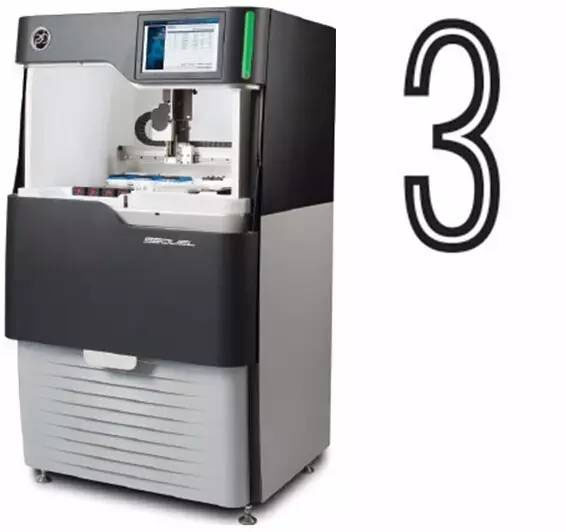
Pacific Biosciences’ newly launched Sequel system, a single-molecule real-time (SMRT) sequencer, is less than one-third the size and half the weight of the original long-read sequencer.
The Sequel system, launched by PacBio last fall, offers the same long read lengths and single-molecule resolution as the older SMRT sequencer, the PacBio RS II. “Compared with the RS II, it is a high-throughput version of the SMRT sequencer, delivering faster output and meeting the demands of larger genomes and greater molecular depth, such as in metagenomic samples,” said Robert Sebra of the Icahn School of Medicine at Mount Sinai in New York, which installed the instrument in December 2015.
Sebra worked at PacBio from 2007 to 2012, where he applied SMRT technology to various experiments, including de novo sequencing of the human genome. He stated, “It can be flexibly applied to both R&D and production-scale sequencing, with virtually no systematic errors, thereby integrating high-quality sequencing data with long read lengths to facilitate the discovery of novel genomic features.”
Jonas Korlach, Chief Scientist at PacBio and one of the inventors of SMRT sequencing, stated, “The Sequel System is also particularly useful in metagenomics and infectious disease research; it was recently employed in a study to generate a reference genome for a Korean individual.” This October, leaders of the Genome 10K (G10K) Consortium and the Bird 10,000 Genomes (B10K) Project announced their selection of SMRT sequencing as the primary technology.
The list price of the PacBio sequencer is $3.5 million, making it accessible to more laboratories.
4Axion BioSystems Lumos Optical Stimulation System
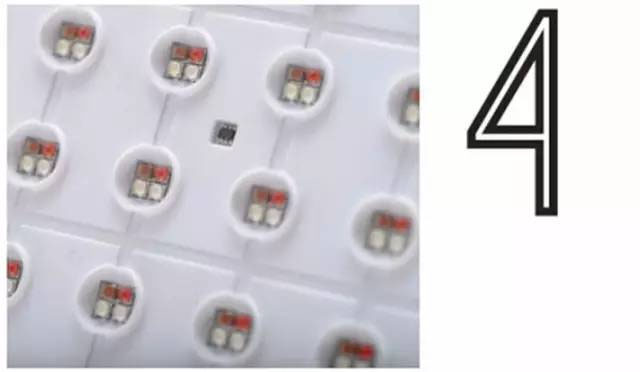
Axion BioSystems launched the Lumos Light Delivery System in December 2015, enabling more accurate and reproducible in vitro optogenetics research. The system features a 48-well format, with each well embedded with four independently controllable LED emitters capable of emitting blue, green, orange, and red light, respectively, with microsecond-level switching speeds. By placing this device onto a microelectrode array (MEA) culture dish, researchers can precisely stimulate, manipulate, and measure cultured cells.
Columbia University geneticist David Goldstein is preparing to use Lumos to study epilepsy in his laboratory. He stated, “We have spent a considerable amount of time seeking a precise pharmacological model for epilepsy—an in vitro model of intermediate complexity that offers sufficiently high throughput for compound screening. When artificial neuronal networks tend to synchronize with synaptic firing, the amount of information researchers can derive from their behavior diminishes. To elicit more complex behaviors that may reveal the effects of mutations, the Lumos system enables us to modulate specific channels within neural networks and monitor feedback signals, thereby allowing us to investigate the role of epilepsy-associated mutations within this complex system.”
Lumos is priced at $26,000.
5Thermo Fisher Scientific LentiArray CRISPR Library
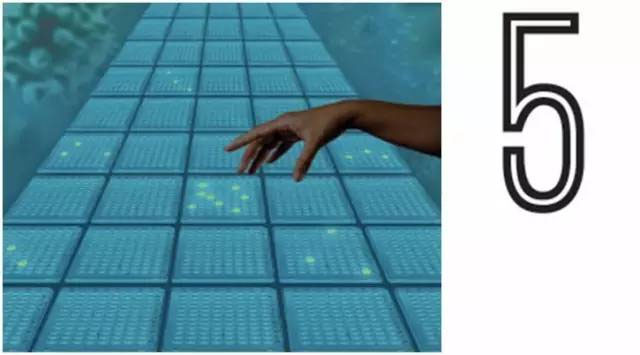
CRISPR-Cas9 technology, renowned for its ease of use, is hailed as the innovation that has democratized autonomous gene editing. Thermo Fisher Scientific’s LentiArray CRISPR Library, launched this September, simplifies the adoption of CRISPR technology in every laboratory. Reagents developed by Thermo Fisher enable researchers to perform gene editing across a wide range of human cell types, allowing for the systematic knockout of individual genes using CRISPR, from HeLa tumor cells to induced pluripotent stem cells (iPSCs).
Simone Sredni of Northwestern University is studying rhabdoid tumors, a malignant pediatric cancer. She used the LentiArray library to screen 160 mutated kinases in patient tumor cells, aiming to identify key enzymes affecting cell proliferation and growth. She obtained the raw data within three months, finding that impairment of several enzymes indeed slowed growth. She noted that the experimental process was remarkably fast; now, just over a year later, she is already testing the effects of these kinase inhibitors in animal models. She believes that without this screening experiment, she would not have been able to identify these specific enzymes.
This library offers multiple types. Customers can choose from 19 different gene combinations, customize chips, or screen approximately 18,000 genes. “This is not only the most efficient screening technology on the market, but also provides more options for our various experiments,” said the Director of Synthetic Biology R&D at Thermo Fisher Scientific.
Sredni believes that while a starting price of $10,000 per library is somewhat expensive, it is still worthwhile for laboratories conducting high-throughput screening.
6NanoString's nCounter Vantage 3D Platform
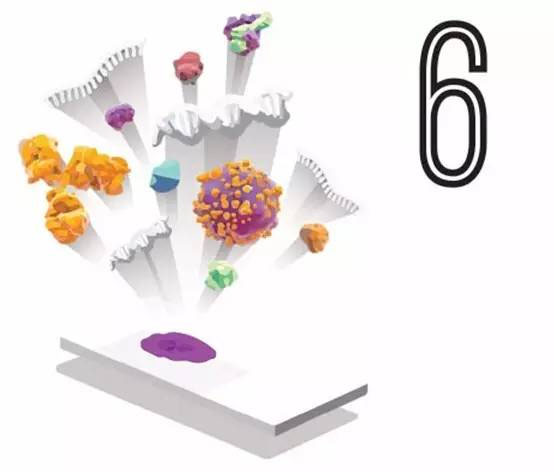
In 2008, NanoString Technologies launched the nCounter Analysis System, an automated microscope capable of counting color-coded barcodes bound to target molecules. Initially designed for the quantitative detection of mRNA, this technology has been progressively refined to enable the counting of DNA sequences and proteins, and even the analysis of protein phosphorylation status. This April, NanoString introduced its first Vantage 3D Platform, which enables digital quantification of mRNA expression in lung cancer and leukemia samples, as well as the detection of relevant proteins involved in solid tumor biology and immune cell signaling pathways, and single-nucleotide mutations in DNA.
Gordon Mills, Chair of the Department of Systems Biology at The University of Texas MD Anderson Cancer Center, participated in the development of the Vantage panels and has applied this platform to clinical practice. He stated, “While many platforms are available for analyzing human samples, none match the nCounter Vantage System in terms of robustness, ease of use, and the ability to simultaneously detect DNA, RNA, and proteins in patient samples.”
The nCounter analysis system is priced between $149,000 and $280,000, while the per-sample testing cost for nCounter Vantage 3D Panels is approximately $275. In the near future, NanoString and Mills’ laboratory plan to design a new Vantage platform that incorporates spatially resolved molecular profiling at the single-cell level.
7908 Devices' ZipChip
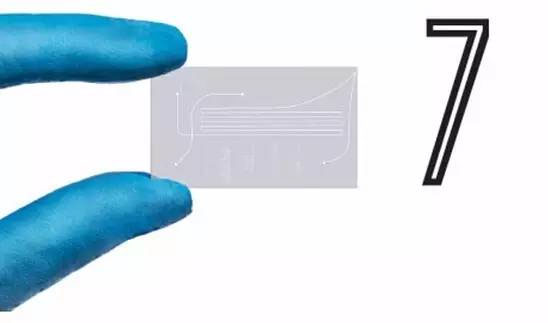
The ZipChip is essentially a microfluidic device that assists mass spectrometers by reducing sample volume and expanding the range of detectable analytes. Measuring less than one foot, this chip can be directly installed onto a mass spectrometer, thereby optimizing detection by routing samples through the microfluidic chip.
Generally, preparing samples for mass spectrometry is highly time-consuming and prone to errors. Chris Petty, co-founder of 908 Devices, revealed, “With this front-end interface, we can perform analyses with minimal sample preparation, even when the samples contain salts, detergents, or other impurities. The ZipChip leverages capillary electrophoresis to separate samples within 2–3 minutes, whereas liquid chromatography columns require at least one hour. This device also achieves superior separation of challenging analytes, such as proteins, antibodies, and antibody-drug conjugates.”
Michael Pacold, who conducts metabolomics research at New York University, stated that the ZipChip instrument in his laboratory has broadened the scope of his projects by enabling faster data acquisition from a wider range of sources.Pacold said:“Many clinical trials only allow you to obtain a few nanoliters of plasma from the biobank; without equipment like ZipChip, these experiments cannot be completed.”
The device is priced at $30,000, and the autosampler at $20,000.
8Horizon’s TurboGFP-Tagged HAP1 Cells
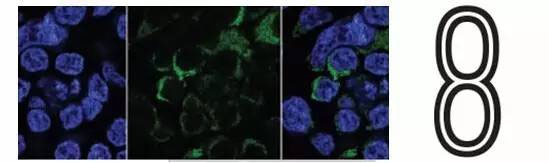
Horizon’s HAP1 cells have won The Scientist’s Top 10 Innovations award for three consecutive years. In 2014, CRISPR gene-knockout cell lines earned this distinction; in 2015, Horizon built on this foundation by launching customized gene-editing services tailored to customer requirements; last October, Horizon introduced Turbo GFP-tagged HAP1 cells, enabling visualization of gene expression via fluorescence, thereby securing Horizon’s place on this year’s list once again.
Horizon’s Cell Line Product Manager stated that one of the primary reasons for using these cell lines instead of antibody labeling is simplicity. Unlike antibody-based approaches, there is no need for screening and optimization, allowing you to directly observe the dynamic activities of these cells.
Emma Lundberg of the Royal Institute of Technology in Sweden recently led the Human Protein Atlas project. She was responsible for determining protein subcellular localization using laser scanning confocal microscopy, noting that overexpression can sometimes lead to artificial proteins or mislocalization of proteins. Ultimately, she chose to use HAP1 cells for this project, as they allow direct visualization of protein distribution within cells, facilitating convenient fluorescence imaging.
9Photometrics Prime sCMOS Camera
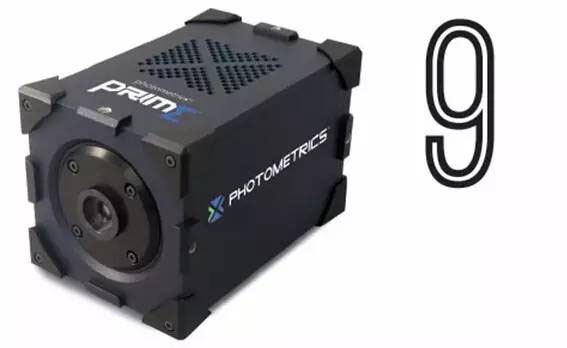
Researchers can now capture stunning images of specimens using powerful microscope cameras. “Camera technology improves every year, but the new 42-megapixel Prime sCMOS camera is nearly perfect,” said Mohindra, Product Manager at Photometrics. Launched in early 2016, this camera increases the signal-to-noise ratio by three to five times and reduces the required light intensity to just one-tenth of previous levels. This allows for lower fluorescence intensity during imaging, thereby extending cell viability and yielding higher-quality data.
Mohindra also stated, “You can maintain low illumination to keep cells alive longer and obtain better data.” The built-in algorithms of the Prime sCMOS camera also reduce the total volume of data collected by researchers, accelerating acquisition and analysis cycles. Offline processing takes 30 seconds per frame; if your camera captures 100 frames per second, it would require 50 minutes to process one second of valid data. With the Prime camera, researchers can complete data processing in real time.
The real-time filtering and high frame rate of the Photometrics Prime sCMOS camera can capture more super-resolution microscopy data, better distinguishing changes in chromosome structure. It is priced at $15,950.
10Thermo Fisher Scientific GeneArt Platinum Cas9 Nuclease
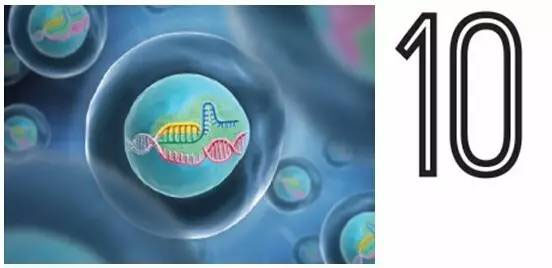
Thermo Fisher Scientific Makes the List Again! In addition to the LentiArray CRISPR Library, another Thermo Fisher Scientific CRISPR reagent has been named one of this year’s Top 10 Innovative Products: GeneArt Platinum Cas9 Nuclease. Developed from recombinant Cas9 protein extracted from Streptococcus pyogenes, GeneArt Platinum Cas9 Nuclease contains a nuclear localization signal that facilitates its entry into the nucleus of target cells.
“Quality, activity, and purity are the most critical attributes of this product, so we have conducted extensive testing to ensure a highly efficient extraction process,” said Potter, R&D Manager for Gene Editing at Thermo Fisher Scientific. A paper published by Potter’s team last year demonstrated that GeneArt Cas9 achieved an 85% cleavage efficiency across multiple cell lines.
Matthew Porteus, a stem cell biologist at Stanford University School of Medicine, has employed GeneArt Platinum Cas9 in his in vitro gene editing research on blood diseases. Currently using mouse cells, he has partnered with Thermo Fisher Scientific to advance toward clinical trials. Genome editing using the CRISPR/Cas9 system is highly efficient and specific. “Our challenge was that previously available commercial Cas9 proteins exhibited toxicity, making it difficult to proceed to clinical trials. GeneArt Platinum Cas9 has indeed become the key protein, achieving results unattainable with other reagents,” he stated.
A 25-μg tube of GeneArt Platinum Cas9 Nuclease is priced at $150; customers may inquire for details.Thermo Fisher Scientificexperts, providing consultation on experimental design and the entire experimental procedure.