

Online Consultation in 2016: Shift from General to Specialized Platforms and the Rise of Offline Clinics
As 2016 draws to a close, VCBeat has carefully curated a series of annual reviews focused on specific sectors. Targeting the hot medical sub-sectors of 2016, we will successively outline the current status of enterprises, major events, and development trends within these fields over the past year, presenting our readers with a rich and engaging feast of content.
With the rise of Chunyu Yisheng, an increasing number of entrepreneurs from non-medical industries have entered the niche sector of medical consultation and diagnosis, leveraging internet technology and policy guidance. This trend aims to address user challenges encountered during the pre-diagnosis, intra-diagnosis, and post-diagnosis phases, significantly enhancing patients’ healthcare experience and improving diagnostic and treatment efficiency.
Based on the screening of over 200 companies from the 2016 annual review, it is evident that, over time, an increasing number of entrepreneurs are shifting from large, comprehensive generalist platforms to specialized vertical platforms. These vertical sectors can be categorized into single-disease management and rehabilitation services. Single-disease management covers conditions such as diabetes, hypertension, and cancer, while rehabilitation services include elderly care and rehabilitative medical consultations.
However, companies enthusiastic about online healthcare have begun to experiment with offline clinics by the end of this year. Most entrepreneurs believe that online medical services are not closely aligned with core medical practice, resulting in low user engagement frequency. Consequently, they are actively establishing offline clinics, aiming to create an integrated online-offline closed loop, extend the healthcare service chain, and increase profitability. So, what stories will unfold between internet entrepreneurs and physical medical institutions in the process of connecting online and offline services?
This article reviews 235 primary-market companies (not listed on secondary markets) in industries related to medical consultation and diagnosis, with the hope of providing useful insights for relevant stakeholders.

1. Geographic Analysis of Startups
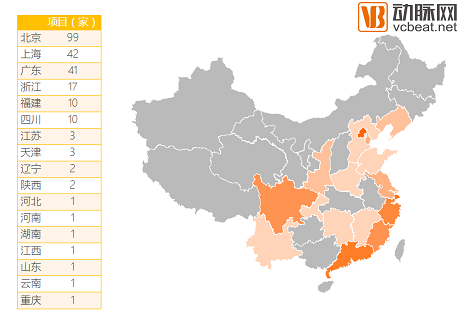
Among startups in the medical consultation and healthcare-seeking industry, Beijing and Shanghai have the highest concentrations, with 99 and 42 companies respectively. Guangdong and Zhejiang follow, with 41 and 17 companies respectively. The product offerings of these startups are predominantly focused on comprehensive medical health, nursing and wellness, dermatology and internal medicine, traditional Chinese medicine (TCM), and cross-border healthcare services. Driven by national policies promoting holistic health, an aging population, and rising domestic consumption upgrades, these startups have effectively met user demands. Coupled with strong capital investment, the sector has experienced rapid growth.
2. Scale of Startup Development
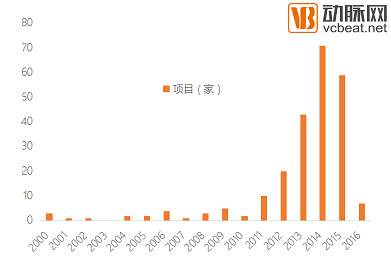
As shown in the chart, enterprises in the medical consultation industry grew at a relatively slow pace before 2011. The majority focused on comprehensive healthcare services, while a total of 32 startups specialized in niche areas such as cross-border healthcare, maternity care, hepatology, and diabetes management.
After 2011, online medical consultation gradually gained recognition among users. The pioneering companies in this field emerged as industry leaders, represented by comprehensive health management platforms such as Chunyu Doctor, Haodafu, Guahaowang (WeDoctor), and Jiuyi 160. With the widespread adoption of the internet and the rise of mobile internet, an increasing number of people began to accept online consultations. The period from 2013 to 2015 witnessed the most rapid growth for startups in the online consultation sector.
Users primarily choose online Q&A and telephone consultations as their main communication methods. Patients describe their symptoms, raise questions, and can attach images or examination report documents. Doctors provide basic diagnostic opinions and health advice based on the information from these materials.
3. Scale of Startup Development
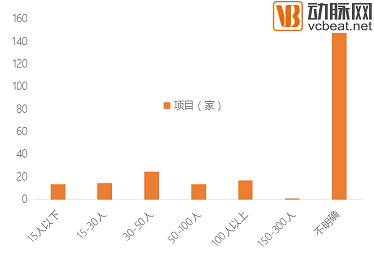
In the healthcare services industry, enterprise development is inseparable from team building. According to the statistics from this survey, startups most commonly have teams of 30–50 employees, with only a few companies exceeding 100 staff members. After all, for startups, the key priorities are minimizing costs, establishing operational stability, and achieving profitability.
4. Startup Financing Rounds
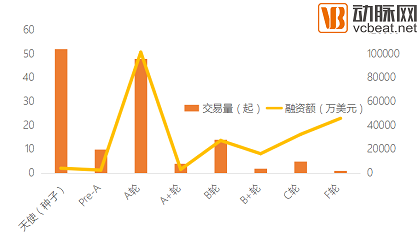
In terms of total financing volume, among the 235 startups included in our statistics, 135 have publicly disclosed investment and financing information. Of these, one company is listed on the National Equities Exchange and Quotations (NEEQ), one has completed Series F financing, five have reached Series C, 14 have secured Series B, two have obtained Series B+, 48 have completed Series A, four have achieved Series A+, ten are at the Pre-A stage, and 49 are at the angel investment stage. The total financing amount for these enterprises stands at USD 236,054, with USD 20,628 raised in 2016, accounting for 8% of their cumulative financing.
Most of these enterprises are still in the Angel and Series A funding stages, with only one listed on the National Equities Exchange and Quotations (NEEQ), operating as a comprehensive healthcare service platform.
Vertical specialty platforms in fields such as oncology and dermatology are still in their developmental stages, and such niche specialties may attract greater attention from entrepreneurs in the future.
5. Startup Sector Classification
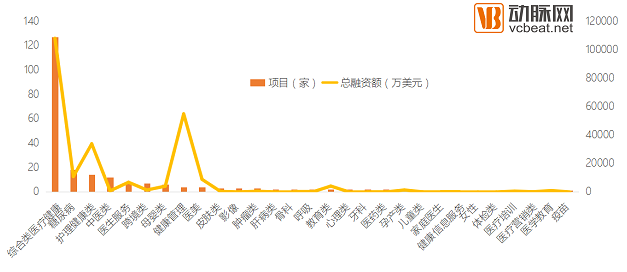
As can be seen from the chart,Comprehensive Healthcare and Medical ServicesThe online medical consultation sector secured the highest total financing amount, reaching $102,196, followed by diabetes care, general nursing and health, and traditional Chinese medicine.
6. Distribution of Startups by Sector
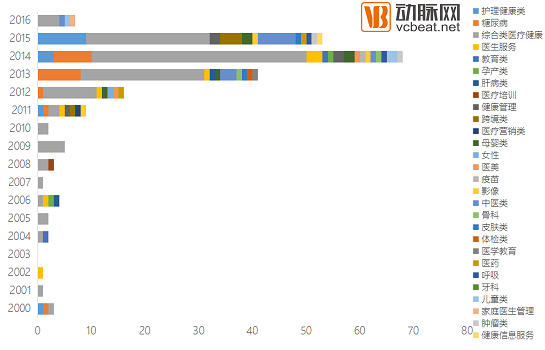
As shown in the table, 2014 was the peak year for the development of online medical consultation services. The main categories included Traditional Chinese Medicine (TCM), comprehensive healthcare, dentistry, nursing and health care, dental imaging, mental health, pregnancy and childbirth, maternal and infant care, medical aesthetics, health management, education, healthcare services, oncology, diabetes, vaccines, respiratory care, physician services, and orthopedics.
7. Financing Models for Online Medical Consultation Services
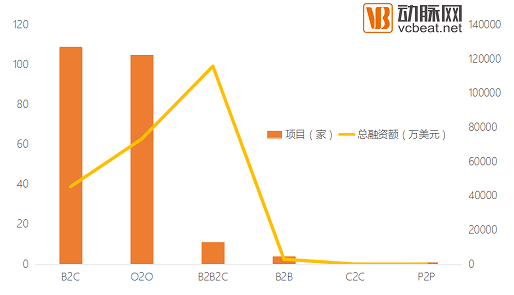
As can be seen from the table, the B2C and O2O business models in the medical consultation industry are more favored by capital.
1. Multi-site Practice for Physicians: Promoting the Mobility of Medical Resources
Since 2009, the former Ministry of Health has piloted multi-site practice for physicians in selected regions. In 2011, it issued the “Notice on Expanding the Scope of Pilot Programs for Physicians’ Multi-Site Practice.” On January 26, 2014, the National Health and Family Planning Commission released the “Several Opinions on Physicians’ Multi-Site Practice (Draft for Comment)” along with an explanatory interpretation. The overall direction of these policies is to promote the rational mobility of physicians, regulate multi-site practice, and ensure medical quality and safety. However, due to persistent constraints related to physicians’ professional status that have not been fully lifted, the results have remained unsatisfactory to date, failing to achieve the market-based allocation and circulation of physician resources commonly practiced in European and American countries.
In January 2014, the Beijing Municipal Health Bureau drafted a new plan to liberalize physicians’ multi-site practice, positioning Beijing at the forefront nationwide. This initiative represents one of the reform proposals in China that most closely aligns with the concept of free medical practice, as it no longer includes “approval from the primary employer” as a prerequisite for reviewing physicians’ multi-site practice applications.
On September 1, 2014, the National Health and Family Planning Commission issued the "Guiding Opinions on Promoting Telemedicine Services in Medical Institutions," which for the first time clearly defined the concept and scope of telemedicine services. It refers to medical activities in which one medical institution invites other medical institutions to provide technical support for the diagnosis and treatment of patients through communication, computer, and network technologies. The services generally include remote pathological diagnosis, remote medical imaging diagnosis, remote monitoring, remote consultation, remote outpatient services, and remote case discussions.
The “Opinions” further state that non-medical institutions are prohibited from providing telemedicine services, with an emphasis on geographic restrictions. It also specifies that medical personnel who directly provide telemedicine services to patients outside their own medical institution must obtain approval from the medical institution where they are registered to practice and must use the unified information platform of that institution. Meanwhile, institutional frameworks for online medical services provided by non-medical institutions remain under exploration as their development models stabilize.
Starting January 1, 2010, Guangdong Province began piloting a policy allowing physicians to practice at multiple locations. Licensed physicians holding an associate senior professional title and having worked continuously in that capacity for at least two years were eligible to register for multi-site practice at up to three locations. However, this policy appeared to bring little change to physicians’ practice patterns, with doctors responding rather passively to the multi-site practice initiative.
In December 2014, Professor Deng Kaibo established a studio at Beijing Cicheng Medical to pilot multi-site physician practice, causing a stir in the industry. In recent years, more than 30 “physician groups” (such as the Zhang Qiang Physician Group, Wan Feng Physician Group, China-Europe Physician Group, and WeDoctor Group) have emerged in China, becoming a freelance practice option for some physicians.
2. Electronic Prescriptions: The Prerequisite for Telemedicine and Online Sales of Prescription Drugs
Electronic prescriptions refer to medical electronic documents generated during diagnosis and treatment activities, where medication therapy information is entered and prescriptions are issued using information technology programming and transmitted via networks to pharmacies. These prescriptions undergo review, dispensing, verification, and billing by qualified pharmaceutical professionals, serving as the basis for medication dispensing at the pharmacy and clinical drug administration. According to Article 14 of the Electronic Signature Law of the People's Republic of China, reliable electronic signatures shall have the same legal validity as handwritten signatures or seals.
In July 2015, the General Office of the State Council officially released the Guiding Opinions on Actively Promoting the “Internet Plus” Action Plan, proposing to actively explore online medical and health service applications such as internet-based extended physician orders and electronic prescriptions.
On December 10, 2015, the “Wuzhen Internet Hospital” issued an electronic prescription, hailed as “China’s First Electronic Prescription,” which sparked considerable public attention and heightened external expectations for policies governing the online sale of prescription drugs. Subsequently, the “Internet Hospital,” a collaborative initiative between Alibaba and Wuhan Central Hospital, also began piloting electronic prescriptions. Patients can complete registration and upload medical records online, consult with physicians via video calls, receive electronic prescriptions from doctors, and have medications and invoices delivered directly to their homes.
3. Separation of prescribing and dispensing, along with the elimination of hospital drug markups, benefits online pharmacies
Specifically, this involves separating medical treatment from medication dispensing, altering the current situation where hospitals rely primarily on drug revenue, abolishing hospital drug markups, and simultaneously increasing the pricing of physicians' medical services.
Effective July 1, 2012, five municipal hospitals in Beijing—Beijing Friendship Hospital, Beijing Chaoyang Hospital, Beijing Tongren Hospital, Beijing Tiantan Hospital, and Beijing Jishuitan Hospital—implemented the separation of pharmaceutical services from medical services in three phases. This reform abolished drug markups, registration fees, and consultation fees, and introduced a medical service fee.
On February 26, 2016, Fang Laiying, Director of the Beijing Municipal Health and Family Planning Commission, proposed in his work report that the separation of pharmaceuticals from medical services would be fully implemented across Beijing within the year. This means that, in addition to hospitals under the municipal administration, public hospitals affiliated with central government agencies, the military, and state-owned enterprises will also undergo reform. Drawing on the experience of the five pilot hospitals, these institutions will adjust medical service prices and implement a zero-markup policy for pharmaceuticals.
Online pharmacies are poised to become significant beneficiaries. The separation of prescribing from dispensing means that pharmaceutical distribution channels will shift from hospitals to retail pharmacies. Data from a research report by the Ministry of Commerce shows that in China, 80% of drug sales are concentrated in hospitals, with only 20% occurring in the retail market. In contrast, in developed countries, 80% of pharmaceutical distribution takes place through pharmacies.
Therefore, the separation of prescribing and dispensing will be a significant boon to online medical consultations, which naturally includes online pharmacies. However, realizing this benefit requires supportive policies on electronic prescriptions and the online sale of prescription drugs.
4. Online Sale of Prescription Drugs
In May 2014, the China Food and Drug Administration released the “Measures for the Supervision and Administration of Online Food and Drug Operations (Draft for Comments),” in which Article 8 stipulated that online drug retailers were permitted to sell prescription drugs against prescriptions. Over the following year and more, relevant policies and opinions encouraging the online sale of prescription drugs were frequently issued; however, there was still no breakthrough progress in the online sales of prescription drugs.
In February 2016, the Hubei Provincial Food and Drug Administration approved “Hao Yaoshi,” a subsidiary of Jointown Pharmaceutical Group’s e-commerce arm, to pilot the remote sale and delivery of certain medications from the outpatient pharmacy of Wuhan Central Hospital, and authorized Hao Yaoshi to process related payments online. The specific workflow involves physicians issuing prescriptions, which are transmitted to the Hao Yaoshi system, followed by home delivery of the medications to patients by Hao Yaoshi.
For companies operating online consultation platforms, having physicians who can prescribe prescription drugs effectively means they possess the capabilities of an online hospital. Therefore, whether or not prescription drugs are sold online makes a world of difference and can significantly boost the platform’s revenue. Relevant data shows that in 2014, the market size for over-the-counter (OTC) drugs was RMB 178.3 billion, while the total annual sales volume of the pharmaceutical distribution industry exceeded RMB 1.3 trillion. Prescription drugs accounted for the vast majority of the pharmaceutical market share. Once restrictions on the sale of prescription drugs are lifted, pharmaceutical e-commerce is bound to experience explosive growth.
5.Internet Medical Insurance Payment: Boosting User Engagement on Telemedicine Platforms
In other words, after receiving medical services through internet-based channels, patients can settle payments and transfer funds using their medical insurance accounts. However, due to regional disparities in medical insurance policies and challenges in integrating the financial systems of internet platforms with those of hospitals, the application of medical insurance in online channels has not yet been fully opened up.
Currently, there are two primary solutions: direct medical insurance payment and the “pay out-of-pocket first, then seek reimbursement” model. In January 2015, Laobaixing Pharmacy in Haining, Zhejiang Province, became the pioneer by supporting online purchases paid through medical insurance. The payment process is highly technology-driven: consumers select medications online and choose medical insurance payment, which triggers a facial recognition step. The system captures a photo via the computer’s webcam and verifies it against the photo on the user’s medical insurance card. Only after successful verification is the payment deducted.
In April 2015, Shenyang launched the “Chengda Fangyuan” online platform for convenient medical purchases covered by health insurance. Insured individuals can opt for cash-on-delivery payment and then settle the transaction by swiping their social security cards via a mobile POS terminal.
In early 2016, Dalian Third People's Hospital enabled Alipay for settling medical consultation fees, including health insurance settlements. Patients first settle all medical fees via Alipay, then proceed to designated outpatient windows to complete health insurance settlement using their health insurance cards. Afterward, the reimbursable amount from the health insurance settlement is refunded to their Alipay accounts.
6. Tiered Diagnosis and Treatment
Diseases are classified based on their severity, urgency, and the complexity of treatment. Medical institutions at different levels assume responsibility for treating conditions corresponding to their tier, thereby facilitating initial consultations at primary care facilities and enabling a two-way referral system. This approach primarily aims to alleviate the difficulty of accessing medical care at large hospitals and to achieve a rational allocation of healthcare resources.
At the end of September 2015, a relevant official from the National Health and Family Planning Commission stated that the tiered diagnosis and treatment system would be gradually improved within two years, and that by 2020, a comprehensive model featuring initial consultations at primary care institutions, two-way referrals, triage between acute and chronic conditions, and coordinated care across different levels of medical institutions would be fully established. Currently, pilot programs for tiered diagnosis and treatment have been launched in 28 provinces and more than 1,000 counties, cities, and districts. On March 5 of this year, Premier Li Keqiang’s 2015 Government Work Report mentioned that pilot programs for tiered diagnosis and treatment had already been carried out in approximately 70% of prefecture-level cities in 2015.
WeDoctor Group, backed by Tencent, is also piloting a tiered diagnosis and treatment model. It facilitates regular academic exchanges and experience sharing between time-constrained specialists or renowned physicians and “capable and available” general practitioners and primary-care doctors. This initiative aims to transfer the expertise of leading specialists, as well as referral resources and consultation capabilities, to primary-care providers, thereby enhancing the service capacity of primary healthcare and achieving effective tiered diagnosis and treatment.
The tiered diagnosis and treatment system has created opportunities for the redistribution of benefits in the healthcare market, enabling online consultation platforms such as WeDoctor Group and Chunyu Yisheng to more legitimately establish tiered care platforms and alleviate the diagnostic and treatment burden on large hospitals. To a greater extent, however, it is internet healthcare companies that are driving the implementation and refinement of tiered diagnosis and treatment from the bottom up.
7. Eliminate the practice of doctors adding extra appointment slots to curb scalpers’ speculative activities
Earlier this year, the Beijing Municipal Health and Family Planning Commission, in collaboration with relevant entities, jointly introduced eight measures aimed at establishing a fair and orderly medical consultation system and cracking down on “appointment scalpers.” These measures emphasized the implementation of real-name registration for appointments and the elimination of doctors’ personal handwritten add-on appointment slips. Subsequently, West China Hospital of Sichuan University announced that, effective March 7, it would discontinue both doctors’ personal handwritten add-on appointments and on-site add-on appointments.
Overall, the elimination of doctors’ personal appointment add-on slips is a significant measure to crack down on “scalpers.” However, platforms specializing in online registration and appointment add-ons will be affected to some extent, particularly commercial entities that collaborate with individual doctors to provide such services, which now face considerable uncertainty.
In January 2016, Pai Yi Pai secured RMB 30 million in Series A financing from Redpoint Ventures and Yilian Capital.
In January 2016, PiFuBao secured RMB 24 million in Pre-A round financing from Longling Investment and Yang Xiangyang of Yuanzheng Investment.
On January 1, 2016, JiuZhenTong entered the market with a focus on doctor-patient communication, building a platform connecting micro-doctors and patients to provide condition-based advice rather than medical diagnosis or treatment. Through precise matching of doctors to patient needs via manual recommendations at a fee of RMB 99 per session, the company secured tens of millions of RMB in Series A funding from Boli Venture Capital and Huaying Capital.
In January 2016, Yuanbao Pediatrician secured an angel-round investment of several million RMB from Inno Angel Fund, continuing to focus on its mobile healthcare platform dedicated to children’s health and providing users with online pediatric medical services.
In January 2016, Soujibing Wen Yisheng secured tens of millions of RMB in Series A financing from GSR Ventures. This project is a mobile health application that enables users to quickly locate hospitals across China based on specific disease categories, engage in real-time, free online consultations with specialist physicians, and make free appointment registrations. It is a product under Qingdao Lianchuang Younei Information Technology Co., Ltd.
On February 1, 2016, Qingpingguo Health secured tens of millions of U.S. dollars in financing from DT Capital Partners and GSR Ventures.
In February 2016, Jinhua Tuo, a traditional Chinese medicine (TCM) consultation and conditioning platform dedicated to building physicians’ personal brands, customizing comprehensive health management plans for patients, and helping users quickly find qualified TCM practitioners, secured tens of millions of RMB in Pre-A round financing from Legend Stars, Angel Bay, and Qifu Capital.
In February 2016, Wenuan Doctor, a video-based medical and health consultation service platform primarily providing professional services for physicians from Grade IIIA hospitals, secured tens of millions of RMB in Series A financing from Chengcheng Investment.
On February 18, 2016, Jiahao Technology/QuYun secured RMB 60 million in Series A financing from BlueRun Ventures.
In March 2016, Ruyi Doctor secured tens of millions of RMB in Series B funding from Shengshan Assets. Previously focused on the oncology drug market, the company pivoted to mobile healthcare in 2013, becoming a medical consultation service provider based on mobile internet technology that supports intelligent diagnosis, automated medical record analysis, and follow-up consultations.
In March 2016, So-Young Inc. secured $50 million in Series C funding from Tencent and Youyipin. As a company specializing in healthcare and medical aesthetic services, it entered the market through a “community plus e-commerce” model. Users can book appointments with physicians on the platform and review evaluations posted by other users. The company is a subsidiary of Beijing Mingshi Youxiang International Travel Co., Ltd.
In March 2016, Mami Zhidao secured RMB 100 million in Series B financing from Fosun Kunzhong, Morningside Venture Capital, SoftBank China, and Hawthorn Capital. Affiliated with Shenzhen Easyhin Technology (Easyhin), it is a platform dedicated to providing mobile health management services for mothers and infants. Its offerings include the “Mami Zhidao” mobile app and the WeChat official account “Golden 1,000 Days.”
In March 2016, Youya secured RMB 5 million in Pre-A round funding from the Chaozhou Ceramic Industry Fund. Youya is a dental orthodontics consultation and treatment platform serving orthodontic specialists, general dentists, and patients, with the aim of enabling patients in medically underserved regions to access professional orthodontic care.
In April 2016, Yuemei.com secured RMB 110 million in Series B financing from SAIF Partners and Ceyuan Ventures. As a medical aesthetics O2O platform, it provides services such as consultation appointments and online transactions for beauty seekers. The platform integrates professional physicians, hospital certifications, doctor-patient interactive Q&A, medical aesthetics information, and the Yuemei Plastic Surgery APP. It is a website under Beijing Weikang Hengmei Information Technology Co., Ltd.
On April 20, 2016, Mingyi Zhudao secured RMB 150 million in funding from Yueyin Ventures and China Investment Hanfu (Hanfu Holdings).
In April 2016, Yi’an Health secured RMB 17 million in angel-round financing from Western Advantage Capital (West Securities).
In April 2016, Kuaiwen TCM secured RMB 10 million in Pre-A round financing from Zhixin Pharmaceutical.
In April 2016, Anhao Shidai secured tens of millions of RMB in Series A financing, with the investors undisclosed. The project primarily offers a range of products and services, including the software and hardware implementation of inter-hospital Hospital Information Systems (HIS), as well as the development and operation of mobile health applications. Its flagship mobile product, “Anhao,” which is currently operational, integrates features such as physician Q&A, medical consultation searches, hospital and pharmacy location services, a disease encyclopedia, and health management.
In May 2016, Gancao Yisheng secured tens of millions of RMB in Series A financing from Yanmucao Investment and Dingni Investment.
In May 2016, Yugu Doctor secured tens of millions of RMB in its Series A+ funding round from Zheda Youchuang. Yugu Doctor is a platform focusing on the maternal and infant services sector, specializing in high-end medical services and insurance consultation. It is currently the third-party user platform with the largest scale and the most extensive aggregation of target users. In 2014, it transitioned to become Yugu Doctor, integrating “doctor appointment scheduling, medical record retention, and payment network” into a single system.
In June 2016, Tie Xin Xiao Hu secured RMB 5 million in angel-round financing from Qifu Capital. As an O2O platform for medical accompaniment services, it provides patients with escort care, nursing assistance, and health management solutions. The platform aggregates professional on-duty nurses from major hospitals, leveraging their fragmented spare time and clinical expertise to deliver specialized nursing services—including triage and guidance, consultations, appointment scheduling, pre-visit reminders, in-hospital accompaniment, ticket collection, payment processing, and medication pickup—to patients at their respective institutions and nearby hospitals.
In June 2016, Suizhen Doctor (Weidong Weikang) secured RMB 30 million in Series A financing; the investors were not disclosed.
On June 13, 2016, Mingyi Guahaowang was acquired by Fosun Pharma for RMB 100 million or more.
In July 2016, Anxin Peizhen secured tens of millions of RMB in Series A+ financing from XYWY.com and Yuanmeng Health.
On July 22, 2016, the company listed on the New Third Board and secured RMB 74 million from Jiacheng Capital and Qifu Capital.
On July 9, 2016, 39 Internet Hospital secured an angel round of financing amounting to RMB 50 million, invested by Guiyang Langma Information, IDG Capital, and Guiyang Venture Capital.
On August 25, 2016, Qu Hospital announced that it had secured RMB 216 million in investment from SoftBank China, Honghui Capital, and Baidu.
In August 2016, Yi Liu Zhu Shou secured tens of millions of RMB in Series A funding from Puhua Capital (Puhua Guzhou Capital), Yarui Angels, and Fenxuan Capital. This mobile health tool, focused on the oncology sector and built around acquainted doctor-patient relationships, consists of a user-side app named “Yi Liu Zhu Shou” and a physician-side app named “Yi Liu Zhu Shou Doctor,” positioning itself as a comprehensive management service platform for oncology care.
In September 2016, Huiyi Online secured RMB 20 million in Series A financing from Zheyin Capital.
In September 2016, Tang Yisheng secured tens of millions of RMB in Pre-A round financing from Shanghai Jiazhen and Shanghai Tenghui. This smartphone application, designed specifically for diabetes patients, leverages a client-cloud database architecture and an innovative “app + service” model to facilitate self-management of diabetes, including blood glucose monitoring, data storage and analysis, remote consultations, and reminders for daily diet, exercise, and medication adherence.
In September 2016, Kangkang Blood Pressure secured two rounds of financing. The first was a Series A round amounting to tens of millions of RMB, invested by Zhongling Yanyuan Venture Capital; the second was a Series A+ round of RMB 30 million, invested by Yiling Health City and Yiling Pharmaceutical. Kangkang Blood Pressure is a smart blood pressure monitor that provides users with personalized, close-contact medical and health management services through an integrated hardware-software product, including intelligent diagnosis and physician consultations.
In October 2016, Youfu Doctor secured RMB 3 million in angel-round funding from Xiangyun Medical Investment. It is a mobile application focused on skin health management, built around the principles of prompt treatment for minor conditions, early prevention and minimal intervention for major diseases, and precise matching for severe cases, thereby providing users with high-quality medical consultation services.
On November 21, 2016, following its IPO, JiuYi 160 secured RMB 56.5 million in investment from Qifu Capital, Yashang Capital, and Jiacheng Capital.
In 2016, Chunyu International Medical secured two rounds of financing. In April, it raised RMB 20 million in Series A funding from Shanxing Capital. In August, it obtained RMB 30 million in Series A+ funding from Huayao Capital.
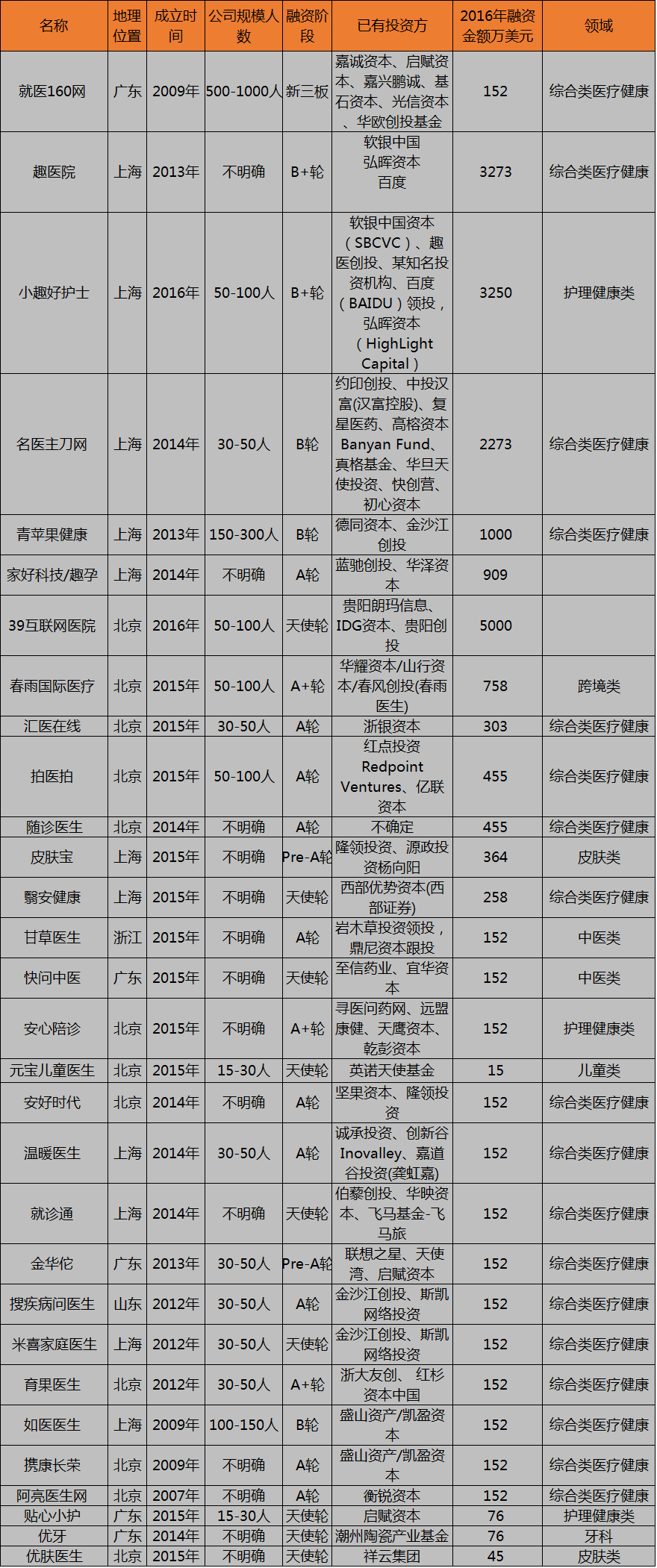
2016 Review of Funded Companies in the Online Medical Consultation Industry
1. Onboarding Hospitals and Pharmacies
As telemedicine startups continue to innovate, an increasing number of companies are exploring profitability models driven by patient referrals through collaborations with hospitals and pharmacies. Typically, after completing an online consultation, patients require additional services: some need to visit hospitals for in-depth diagnosis or treatment, while others may purchase over-the-counter (OTC) medications for self-care. This effectively segments users into two valuable groups post-consultation—those referred to hospitals and those directed to pharmacies. Consequently, guiding patients to appropriate medical facilities and pharmaceutical providers has become a key revenue strategy for online consultation platforms.
However, as healthcare reforms advance, medical resources will be reallocated. With the growing cohort of independent physicians, the rise of more high-quality private hospitals, and the entry of foreign-funded hospitals, online consultations will serve as an effective platform to help young doctors build their personal brands and assist private clinics in establishing their reputations.
In September 2014, Chunyu Yisheng (Spring Rain Doctor) and Haoyaoshi Online Pharmacy announced a strategic partnership. The Chunyu App will integrate Haoyaoshi’s online pharmacy via embedded pages, directing user demands to the nearest partner pharmacy for local delivery.
However, this revenue model requires strict measures to prevent malicious actors from posting online pharmaceutical advertisements that could harm consumers. How hospitals and pharmacies can be successfully integrated into medical consultation platforms remains an area for entrepreneurs to continue exploring.
2. Accumulate user data and mine users' potential value
As healthcare services continue to deepen, their integration with big data is attracting increasing attention from investors and entrepreneurs. This is because the analysis of personal health data can effectively enhance the efficiency of new drug development and facilitate better health management. Online consultation platforms have aggregated a vast population of health consumers, and the proper utilization of the massive volume of daily doctor-patient communication data holds the potential to unlock significant economic value.
The key lies in whether these data can be structured, scaled, and systematized. In the early stages of the online medical consultation industry, user acquisition typically begins with free services. However, “free” implies zero cost for users, which often results in the collection of information irrelevant to healthcare, thereby generating substantial noise. In contrast, paying users tend to provide more serious, authentic, and higher-quality content. Since technology is indispensable throughout the entire process of data collection, organization, and analysis, technological capability is also critical for data mining in the online medical consultation sector.
3. Sale of medical devices, health supplements, etc.
On December 21, 2016, Premier Li Keqiang of the State Council presided over an executive meeting of the State Council, which approved the “13th Five-Year” Plan for Health and Wellness and deployed tasks for deepening the reform of the medical and healthcare system over the next five years. The plan emphasizes strengthening the prevention and control of major diseases, conducting risk assessments for high-risk populations of chronic conditions such as hypertension, diabetes, and stroke, and promoting early diagnosis and treatment of key cancer types. Meanwhile, it aims to accelerate the development of the health industry, support non-governmental entities to participate in health services through various forms, promote the deep integration of healthcare, elderly care, tourism, and other sectors, and increase the effective supply of medical and elderly care resources.
It is foreseeable that, under policy guidance, internet-based startups focused on family physicians, chronic disease management, primary care, rehabilitation and nursing, tiered diagnosis and treatment, pediatrics, and maternal and infant health will experience rapid growth, gradually alleviating profitability challenges. This trend will also promote the adoption of home health sensors, wearable health devices, home medical monitoring equipment, and medical devices, thereby providing an additional revenue stream for platform-type startups in the online medical consultation industry.
Healthcare consultation service providers can establish partnerships with home medical equipment suppliers, integrating application programming interfaces (APIs) to jointly deliver more convenient and efficient services to patients. Remote home medical device companies offer online consultation services within niche markets, complementing their product offerings.
4. From Free to Paid Users: Identifying High-Value Users
Many medical consultation service providers tend to adopt a general practice model in pursuit of scalability. While the consultation fees may appear uniform, the ultimate value contributed by users varies across different medical conditions. Certain specialties are more effective at attracting high-value users through online consultations, whereas others are not. Some online consultation platforms segment their user base to identify high-value customers and design more targeted services tailored to their needs.
So, how can we identify high-value users? We can assess this based on the frequency of their usage. Over a relatively long period, those who have a continuous need for medical consultations, such as individuals managing chronic diseases, pregnant women, and people with mental health conditions, are considered high-value users.
5. From Online to Offline Clinics
Driven by policy initiatives, an increasing number of internet healthcare companies are expanding into offline operations by establishing clinics. This strategic shift brings them closer to the core of medical services, facilitates face-to-face interactions with patients, enhances user trust in platform-affiliated physicians, and enables deeper exploitation of user value.
According to media reports, on March 31, 2016, internet healthcare platforms such as DXY, Chunyu Doctor, and SoYoung successively launched offline clinics. On December 19 of the same year, WeDoctor’s first General Practice Center (in Hangzhou) was established. Built by a Chinese-American medical team in accordance with International Hospital Standards (JCI), it serves as a crucial component of WeDoctor’s closed-loop operations integrating online consultations, remote second opinions, and offline medical services, providing comprehensive health maintenance and medical care for individuals, throughout their life journey, and for entire families. This represents enterprises characterized by comprehensive healthcare services.
In addition, Mommy Knows, represented by maternal and child consultation apps, has also begun to expand into offline services. It has currently opened its first offline flagship pediatric clinic in Shenzhen to meet users' medical needs.
It can be seen that next year, perhaps more and more internet healthcare companies will venture into the offline sector, hoping to establish an online-offline closed loop, provide higher-quality services to users, build their own competitive barriers, and lead the market.