Beyond Coca-Cola: Emerging Healthy Beverage Trends and Market Opportunities
Preface
Since the Civil War era, Americans have enjoyed drinking soda water and sarsaparilla to quench their thirst; the latter is said to be a cooling beverage of indigenous Mexicans.In 1885, veteran John Pemberton invented a carbonated beverage containing cocaine and alcohol. The following year, due to Atlanta’s prohibition laws, Pemberton removed the alcohol from the formula, creating the first generation of Coca-Cola. Coca-Cola quickly became the leading carbonated soft drink in the United States and, over the next century, expanded globally, becoming an integral part of American culture.
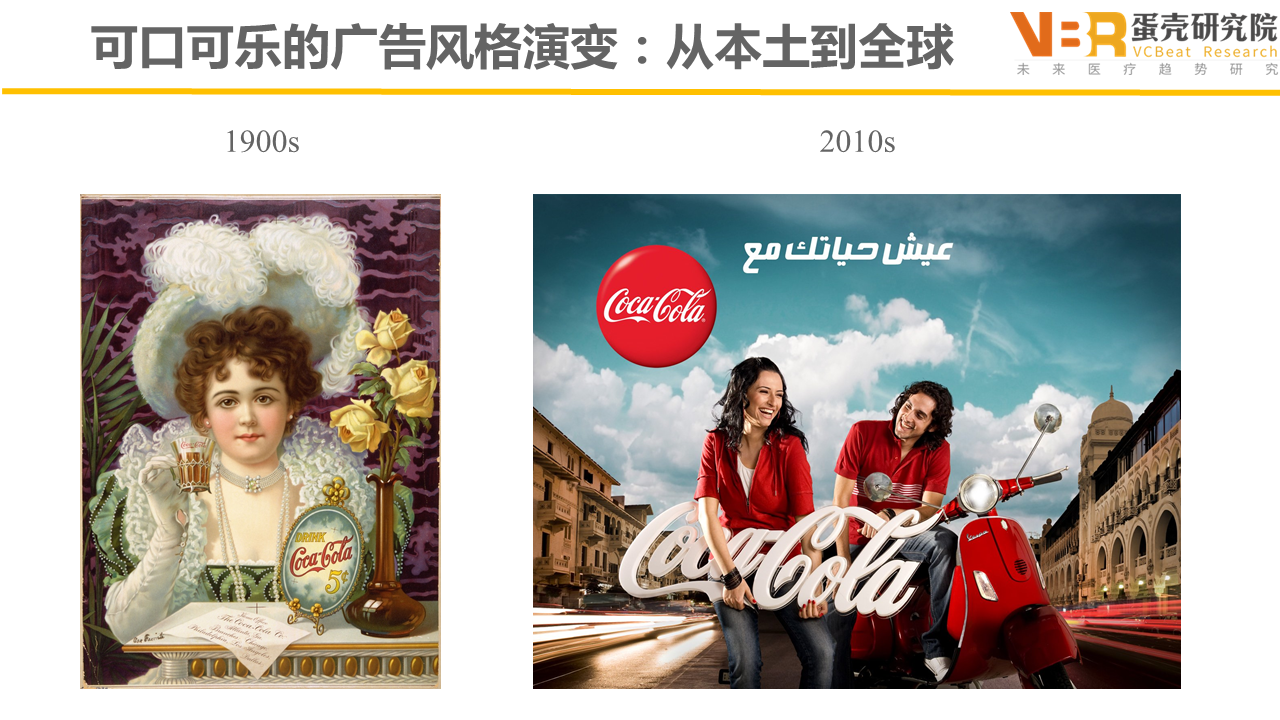 As the new century dawned, many things changed. Consumers became increasingly health-conscious and sought to reduce their sugar intake. The public came to understand that excessive sugar consumption, rather than fat intake, was the primary culprit behind obesity. Consequently, reducing daily carbohydrate intake became the most mainstream approach to weight loss, while traditional carbonated beverages like Coca-Cola experienced slowed growth in developed and emerging economies.
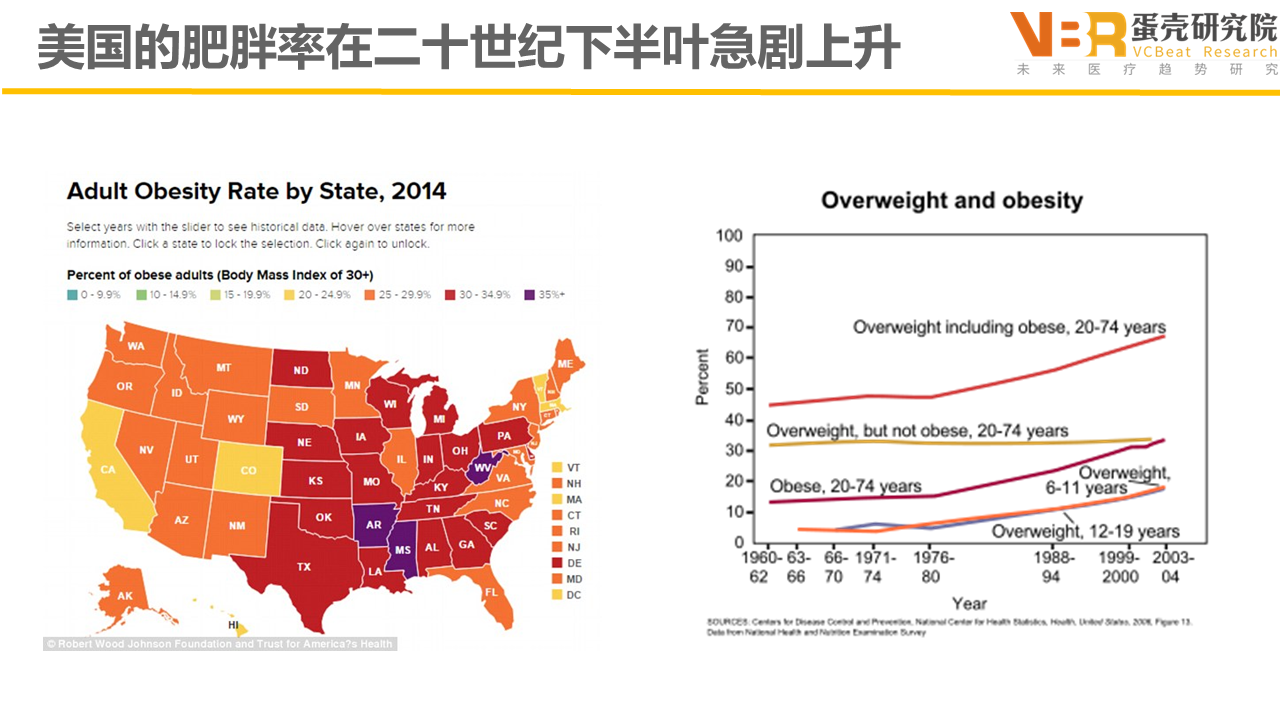 Given that many consumers have already shifted to other relatively healthier beverages, and no healthy drink has yet emerged to capture the market share Coca-Cola is gradually ceding, there likely exists a significant opportunity for beverage development that aligns with both consumption upgrading and the broader health and wellness trend.
This article will first briefly review the current predicament faced by Coca-Cola, as well as its attempts to transition toward healthier beverages. It will then categorize and explain several types of healthy drinks with substantial market sizes, focusing on three key categories:
(1)Sports Functional Beverage
(2)NFC Fruit Juice Beverages
(3) Sugar-freeTea Beverages
Undoubtedly, coffee will remain a popular mass-market beverage, and numerous successful companies have already emerged, such asStarbucks (NASDAQ:SBUX)and Blue Mountain Coffee (NASDAQ: GMCR),However, its use as a recreational beverage falls outside the scope of this article. Furthermore,SoylentMeal replacement powders and beverages, such as Ruofan, are also excluded from the scope of this article, as their characteristics as food products far outweigh those as beverages. The attributes of food and beverages are fundamentally distinct. To illustrate this point, we cite a perspective from Warren Buffett, which also underscores why we consider it crucial to identify healthy beverage options.
Buffett: In the food industry, you can never achieve the same level of certain dominance from any single product as Coca-Cola and Gillette have. People are more fickle when it comes to choosing what to eat; they may love McDonald's, but at different times, they will dine at different restaurants... There will never be a second Coca-Cola in the soft drink industry. It took Coca-Cola over 100 years to attain its current position. I recall that Coca-Cola was founded around 1886, giving it a history of 111 years. Therefore, in terms of invincibility, I do not consider McDonald's and Coca-Cola to be in the same league. On the contrary, decisions about what to eat are often influenced by what you see. Convenience is a significant factor; if you happen to be hungry while passing by McDonald's, Burger King, or other restaurants, or if you spot their signs while driving, you may simply stop at whichever one you notice. This raises the issue of loyalty; brand loyalty in the food industry is not as high as in the razor blade industry. Additionally, people enjoy varying their diets. While I am happy eating the same thing every day, most people prefer to change their tastes weekly, monthly, or annually. In the soft drink industry, people do not have such a strong desire to switch flavors. It is entirely different.
Source:Berkshire Hathaway1997 Annual Meeting
Coca-Cola's Dilemma and Its Transition to Healthy Beverages
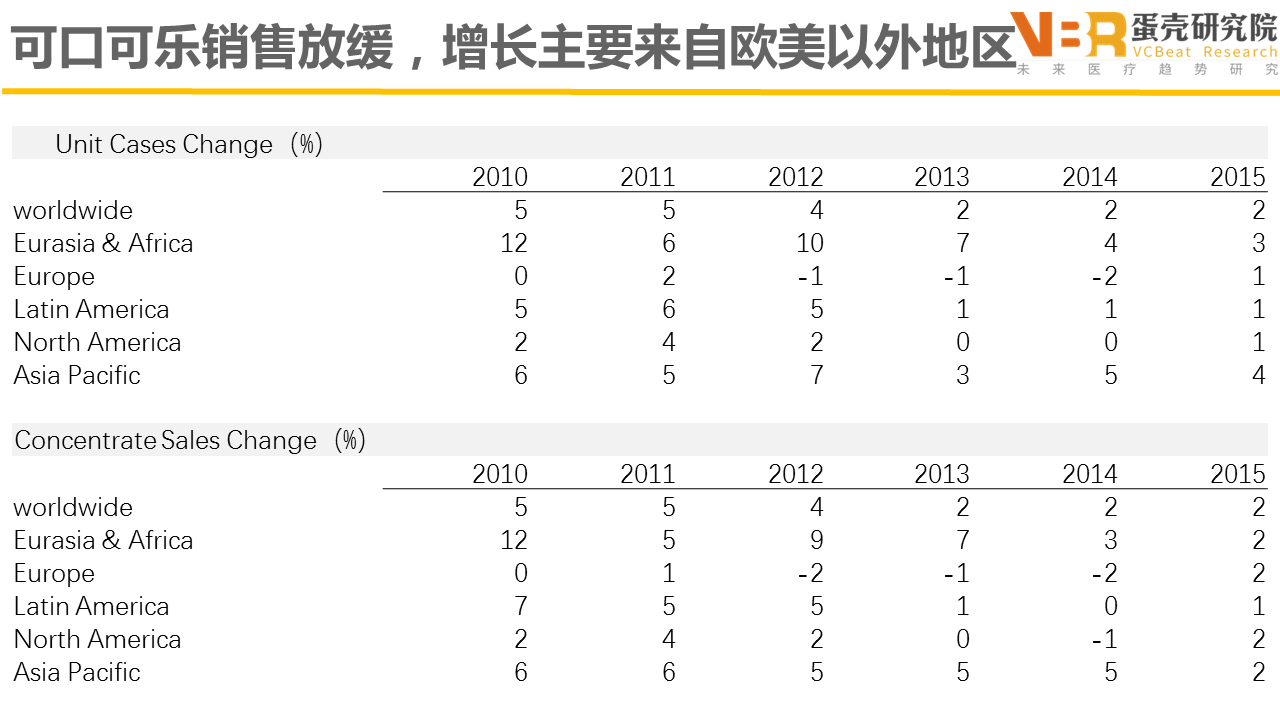
In recent years, Coca-Cola’s global sales growth has slowed, with its growth rate declining from 5% in 2010 to 2% in 2015. In Europe and North America, the company even experienced periods of negative or zero growth. In other words, Coca-Cola’s ability to maintain growth has largely been driven by sales in regions outside developed economies, particularly in Asia-Pacific, Eastern Europe, and Africa.
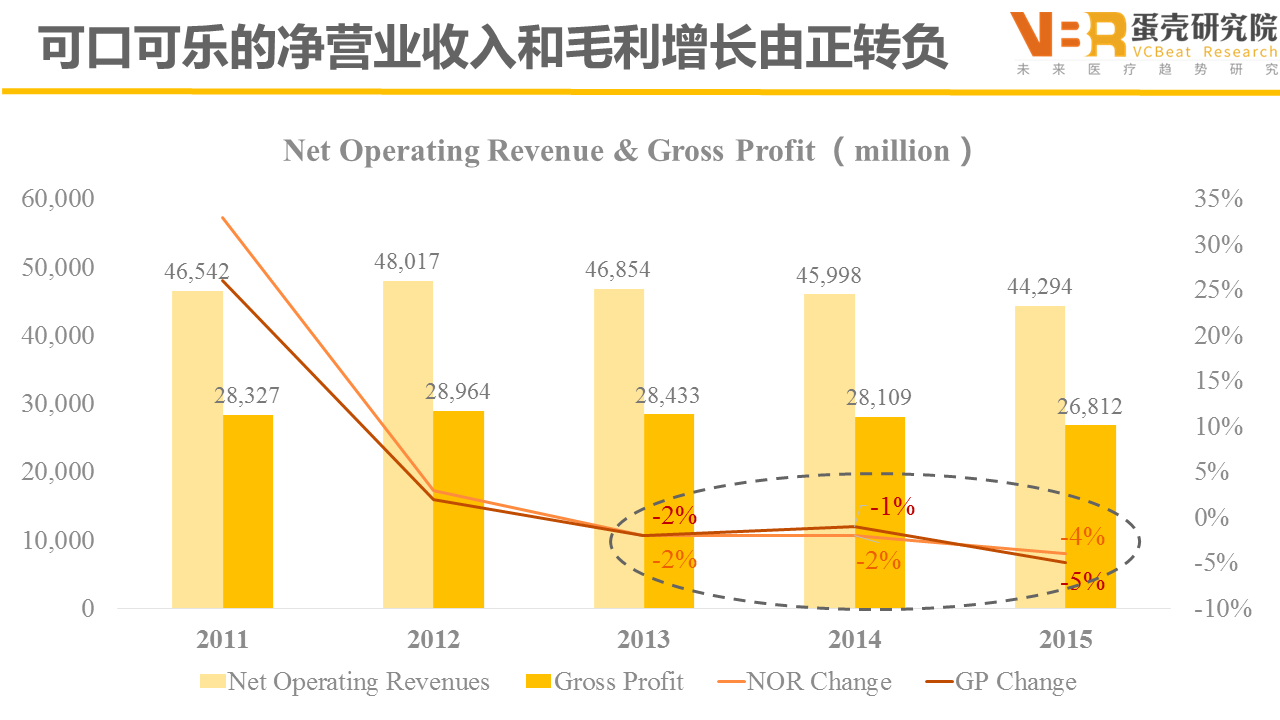
Weak sales were reflected in net operating revenue and gross profit, with both experiencing a slowdown in growth rates. In 2014 and 2015, The Coca-Cola Company’s net operating revenue and gross profit both registered negative growth, whereas as recently as 2011, both had maintained double-digit growth.
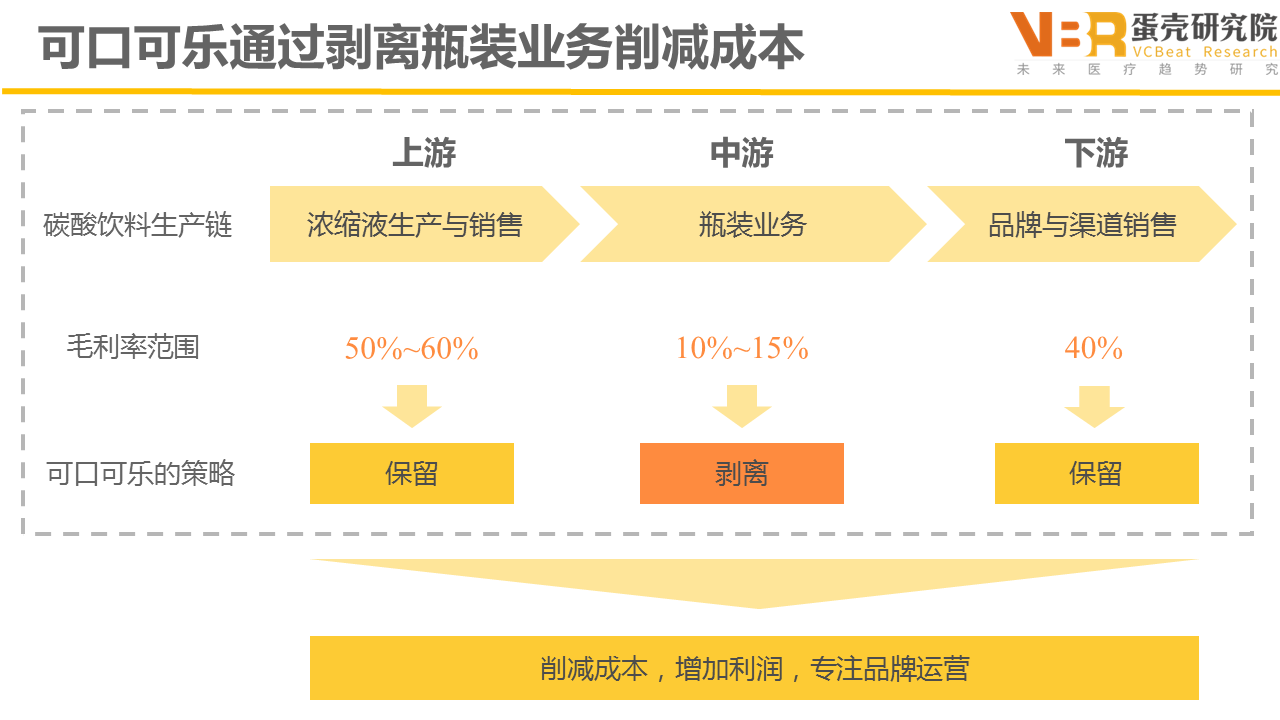
To boost profitability, The Coca-Cola Company is gradually divesting its bottling operations worldwide, including in regions such as China, North America, Germany, and South Africa. Within the carbonated beverage production chain, the upstream concentrate production and sales segment yields a gross profit margin of approximately 50%–60%; the midstream bottling business, while contributing around 60% of total revenue, operates with a much lower gross margin of only 10%–15%; and the downstream branding and distribution channels achieve a gross margin of roughly 40%. Production and sales are the most capital-intensive segments. By selling its bottling operations to franchise partners, Coca-Cola will no longer be responsible for equipment, materials, and logistics transportation in the future, focusing instead on supplying concentrate.
Coca-Cola has consistently sought to cultivate a healthy public image, not only by independently developing new products but also through substantial external investments. From 1997 to 2016 (as of December 9), the company completed over 400 outward investment deals. Categorized by sector, the target companies operate primarily in food and beverages, information technology, traditional retail, agriculture, and healthcare. Notably, investments in the food and beverage sector accounted for 177 deals. The beverage companies invested in were mainly those specializing in sports and functional drinks, juices, tea, yogurt, and coffee.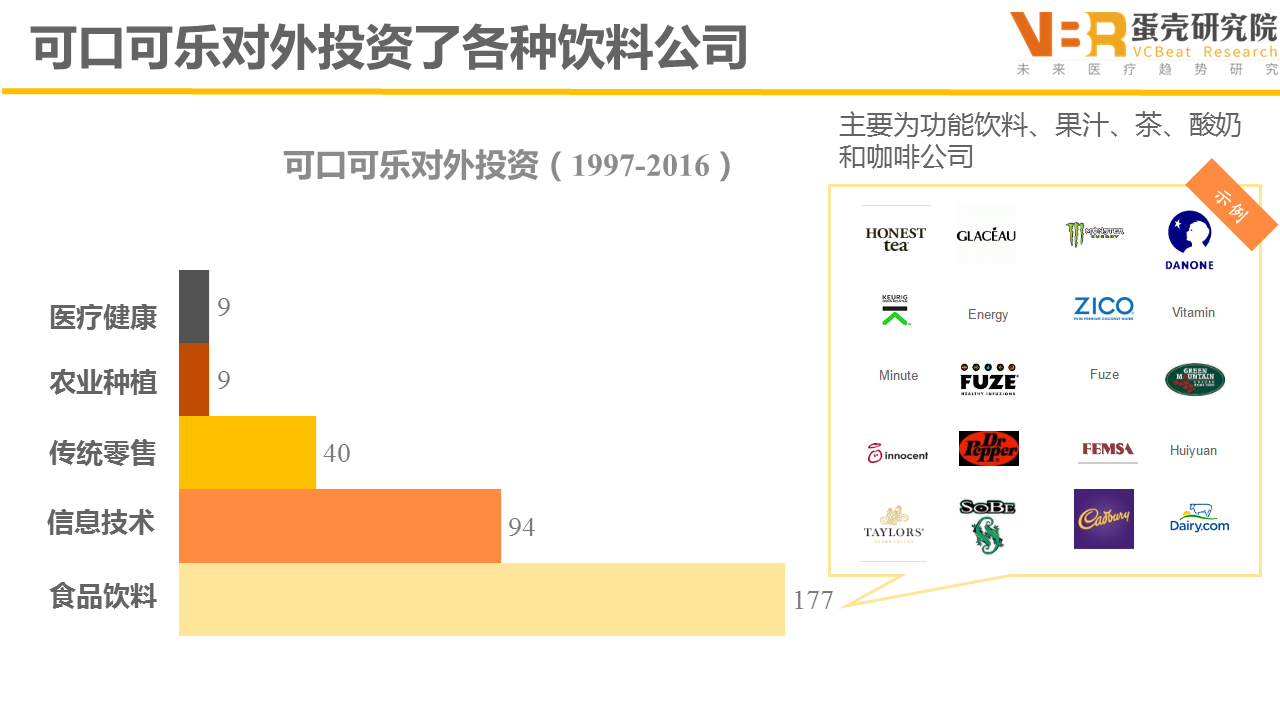
By examining the types of beverage companies invested in by Coca-Cola, we may uncover some interesting insights. In the following chapters, we will introduce sports and functional drinks, NFC (Not From Concentrate) juices, and sugar-free tea beverages, respectively.
Motor FunctionBeverages,“Monster”Rise
In 2002,Monster Beverage launched Monster Energy, a sports functional beverage. The can features an “M” logo that resembles claw marks slashed by a monster in the dark, helping the brand quickly capture the attention of young consumers who favor individuality and nonconformity. In addition to the “M” logo, the can’s size delivers strong visual impact. While competing beverages in the same price range come in 450-milliliter cans, Monster offers a substantial 960 milliliters.
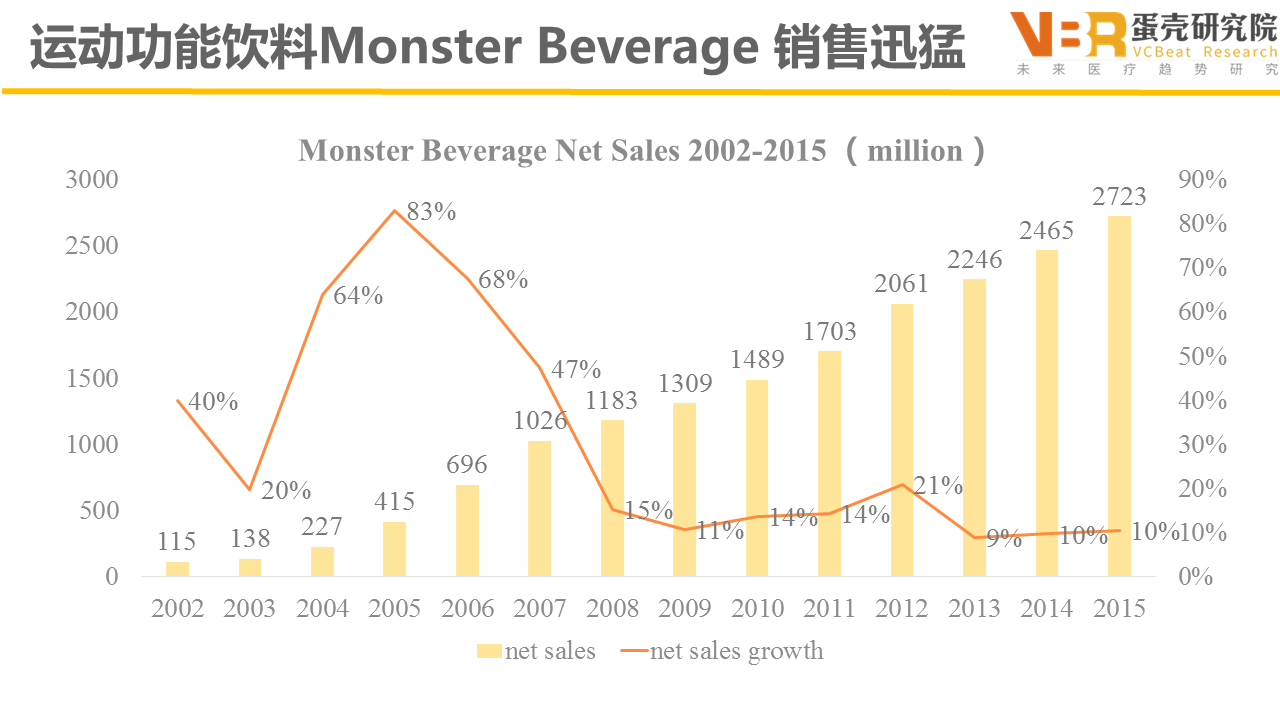
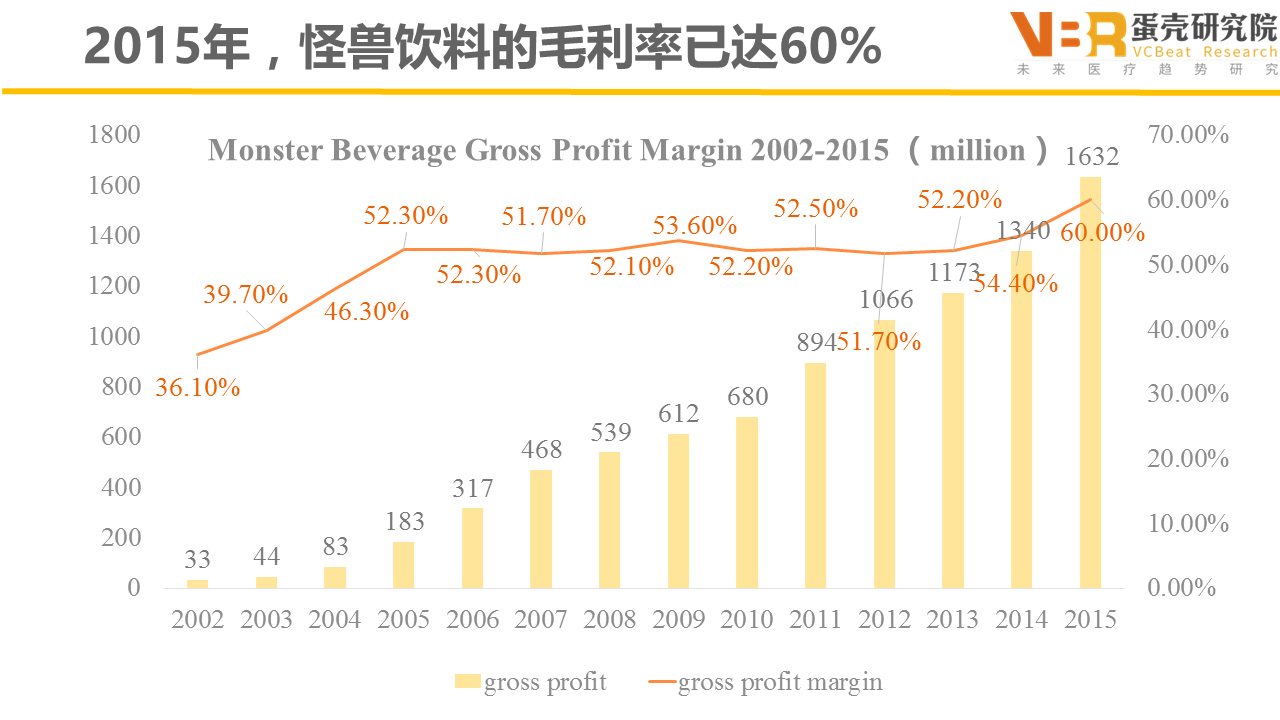
According to Beverage Digest, an industry publication for the U.S. beverage sector:“MonsterThe emphasis placed on the external appearance of the jar may far exceeditsResearch on Taste.”The highly recognizable shape of the beverage can makesMonster Energy rapidly closed the gap with its target consumer base. In the U.S. beverage market,Monster holds a 39% market share, second only to Red Bull’s 43%. From 2002 to 2015, Monster’s sales volume increased nearly 24-fold, with a compound annual growth rate (CAGR) of approximately 25.36%.
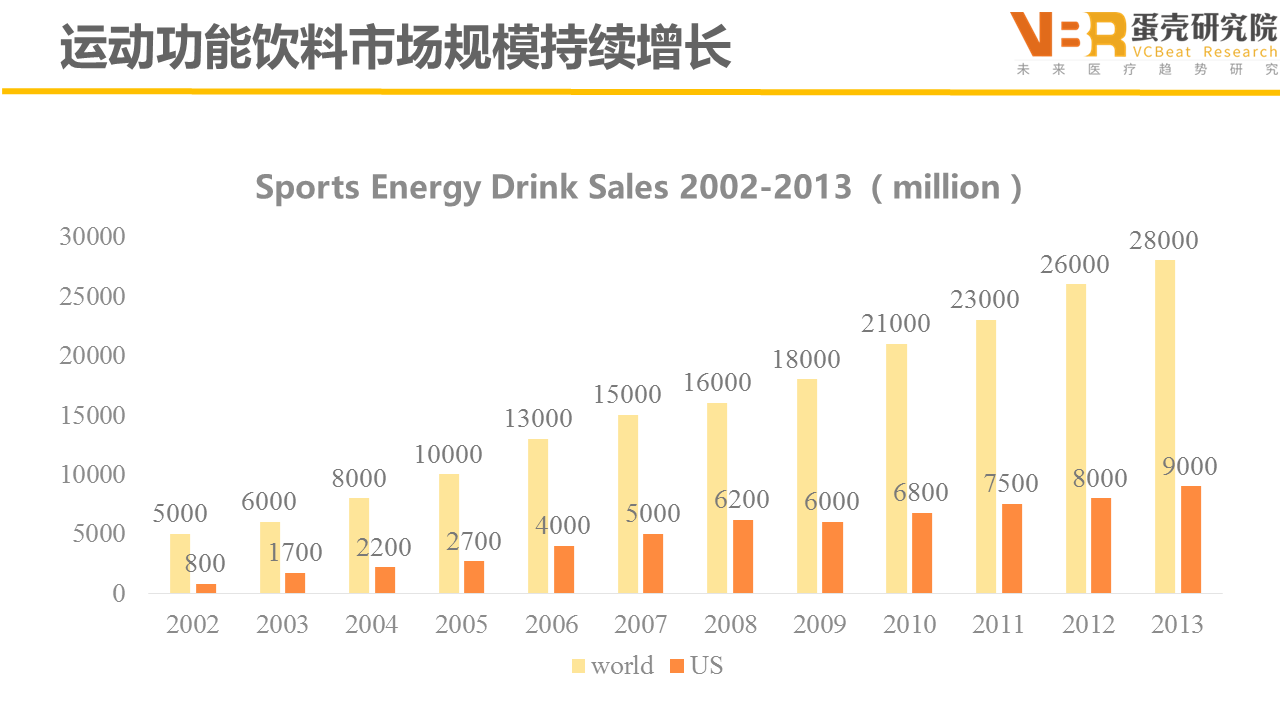
Monster Beverage’s surge is closely tied to the rapid growth of the sports and functional beverage market itself. Globally, sales in this sector rose from $5 billion in 2002 to $28 billion in 2013, an increase of approximately 5.6-fold. In the United States, sales grew from $1.6 billion in 2002 to $9 billion in 2013, representing a nearly ninefold increase. Monster Beverage targets young adults aged 18 to 30, who constitute the largest consumer base for functional beverages in the U.S.
Meanwhile,Monster Beverage's Gross MarginMaintained at a high level, year after year50%The above,2015The gross profit margin for the year even reached60%. Thanks to its high brand awareness and gross profit margin, distributors are more willing to stock it among the many sports functional beverages.Monster Beverage , which further facilitatedMonster Beverage Expand market share.
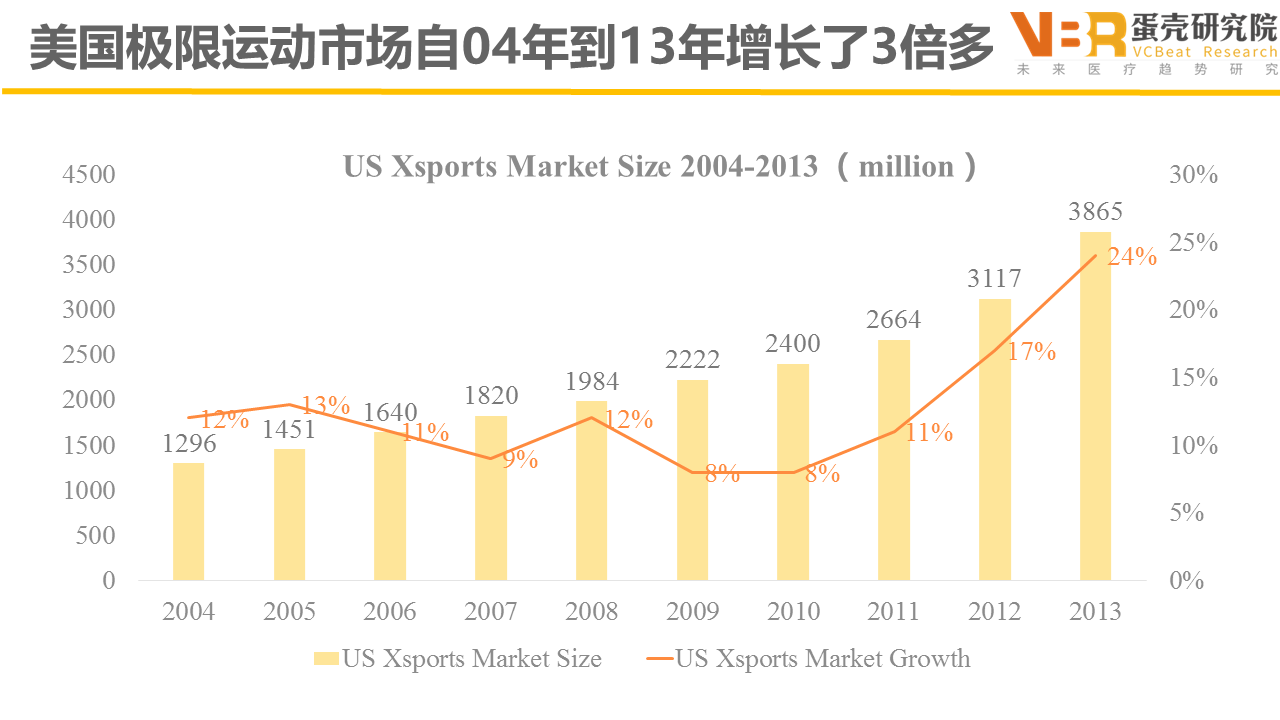
Whether it is Coca-Cola or Red Bull, the leading brand in sports and functional beverages, both are keen on sponsoring various sporting events, with their brands featured in everything from North America’s “Big Four” professional sports leagues to NASCAR. Interestingly,Monster Beverage It has largely avoided various television advertising channels, instead focusing long-term on relatively niche extreme sports such as motocross, surfing, skateboarding, and BMX.First, extreme sports events have long lacked major, well-known sponsors, resulting in less intense competition and making market entry relatively easier. Second, compared to mainstream sports, extreme sports are more avant-garde and thrilling, aligning more closely with Monster’s brand identity. Over the past decade, the market size of extreme sports has grown rapidly, with long-term deep cultivation in this sector byMonster Beverage Shared the substantial growth dividends.
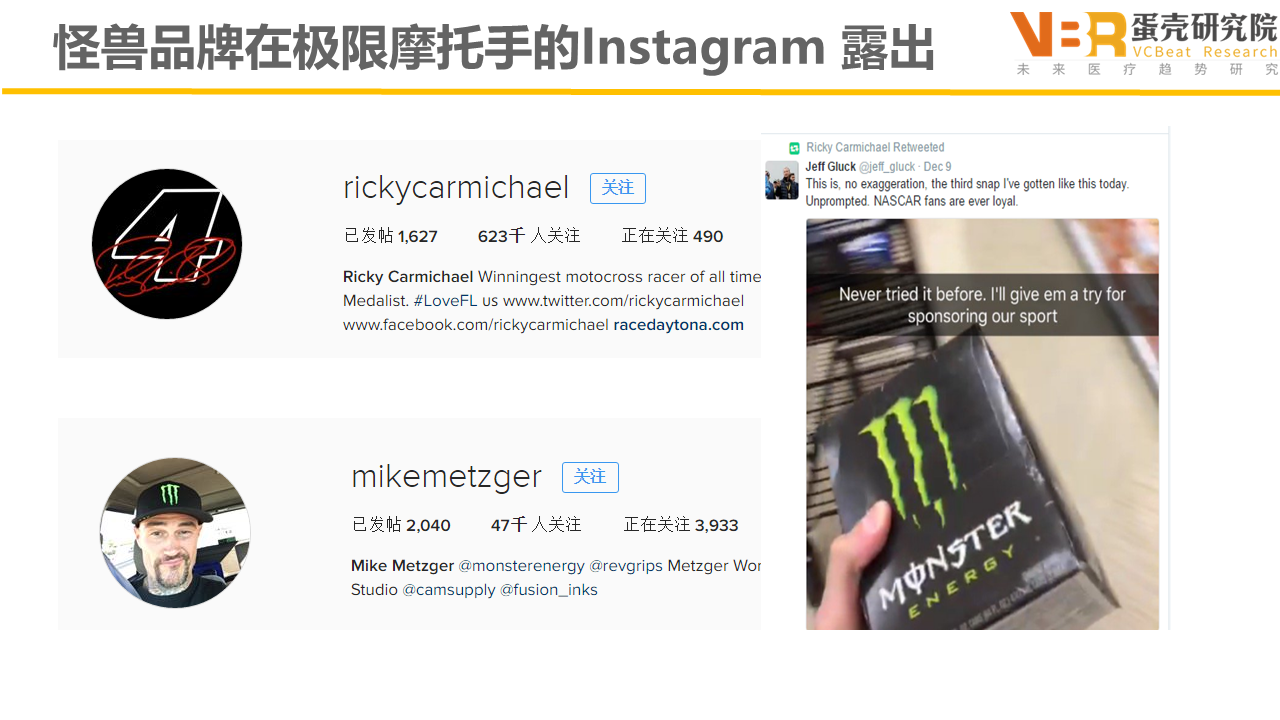
Extreme sports enthusiasts have their own cultural circle, akin to a subcultural community. Subcultural groups often differ in emotions, values, and identity; they resemble a tribe that treats a particular hobby as its totem. Once commercial brands successfully integrate with subcultural communities, consumer brand loyalty is typically high (a typical case is the remarkably strong sense of community identity among Bilibili users compared to users of other video platforms). Additionally, due to the widespread adoption of mobile internet, the dissemination power of subcultures is stronger than ever before.Monster Beverage secured a large base of loyal fans by sponsoring Mike Metzger, the godfather of freestyle motocross, and powerhouse rider Ricky Carmichael.
 China's sports functional beverage market is in a period of rapid development,From 2010 to 2014, the industry’s average annual growth rate reached 28.9%. By 2019, industry sales are estimated to reach RMB 69.2 billion. This presents significant opportunities for development.
With the shift in health consciousness among the Chinese public, rising enthusiasm for sports participation, and the upgrading of sports consumption concepts, the sports functional beverage industry is poised for favorable growth. While established market leaders enjoy significant first-mover advantages in R&D, manufacturing, distribution channels, and branding, new entrants can potentially overtake them by targeting less competitive niche segments, addressing consumer psychology, and delivering high-quality products with strong word-of-mouth reputation.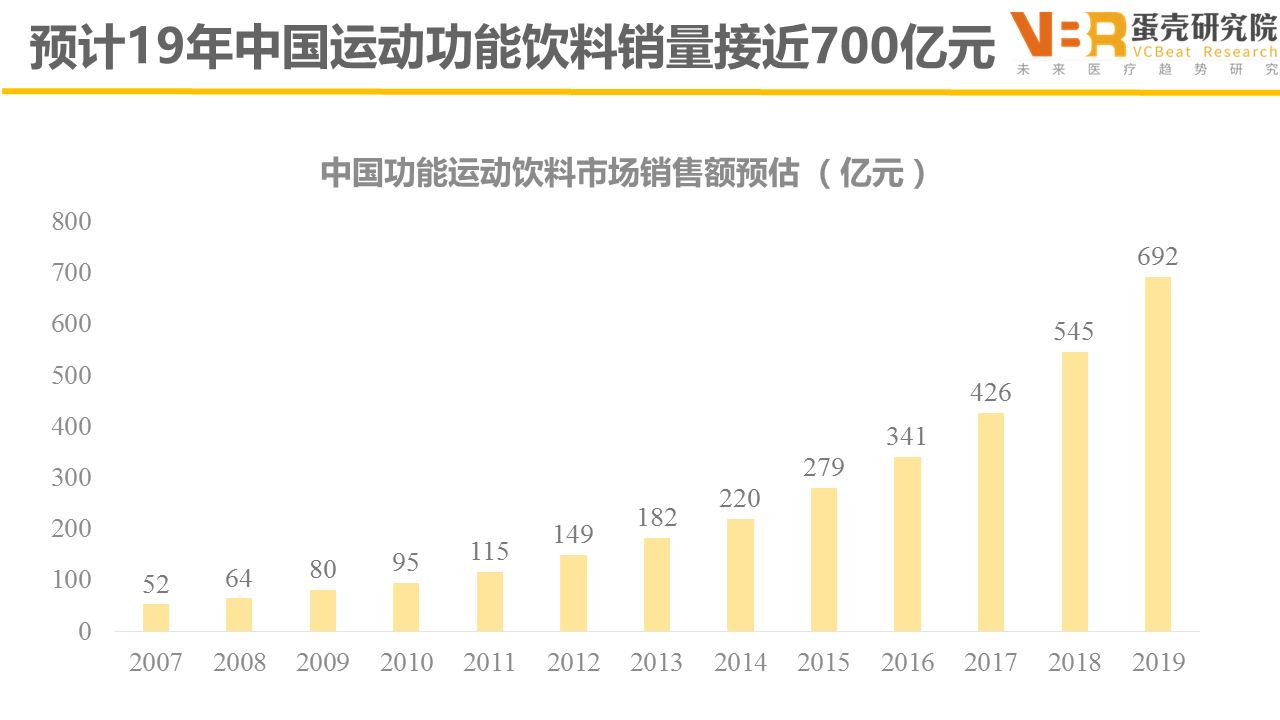
NFCFruit JuiceBeverages: New Flavors, New Ways to Enjoy
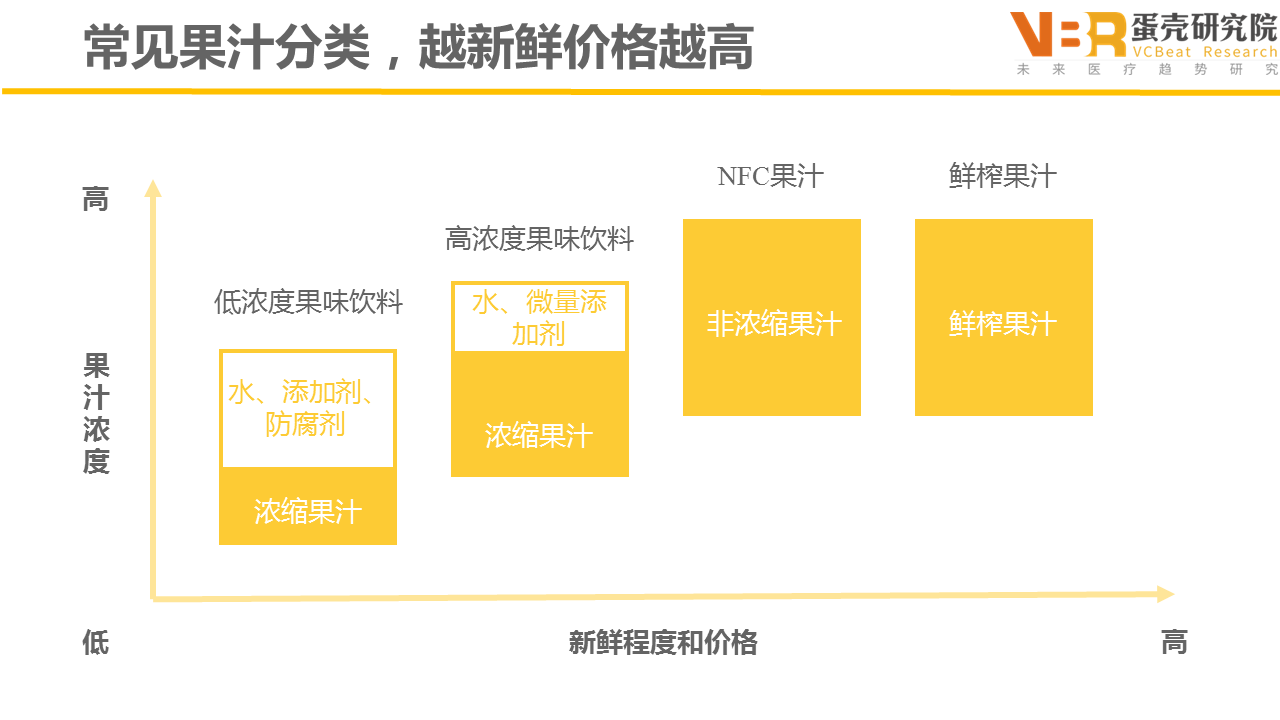
Fruit juice beverages can be classified into four categories based on their content:
(1) Concentration lower than15% Fruit-Flavored Beverage
(2) Concentration higher than30% FC Fruit-Flavored Beverage
(3) NFC juice (Not From Concentrate)
(4) 100% Freshly Squeezed Juice
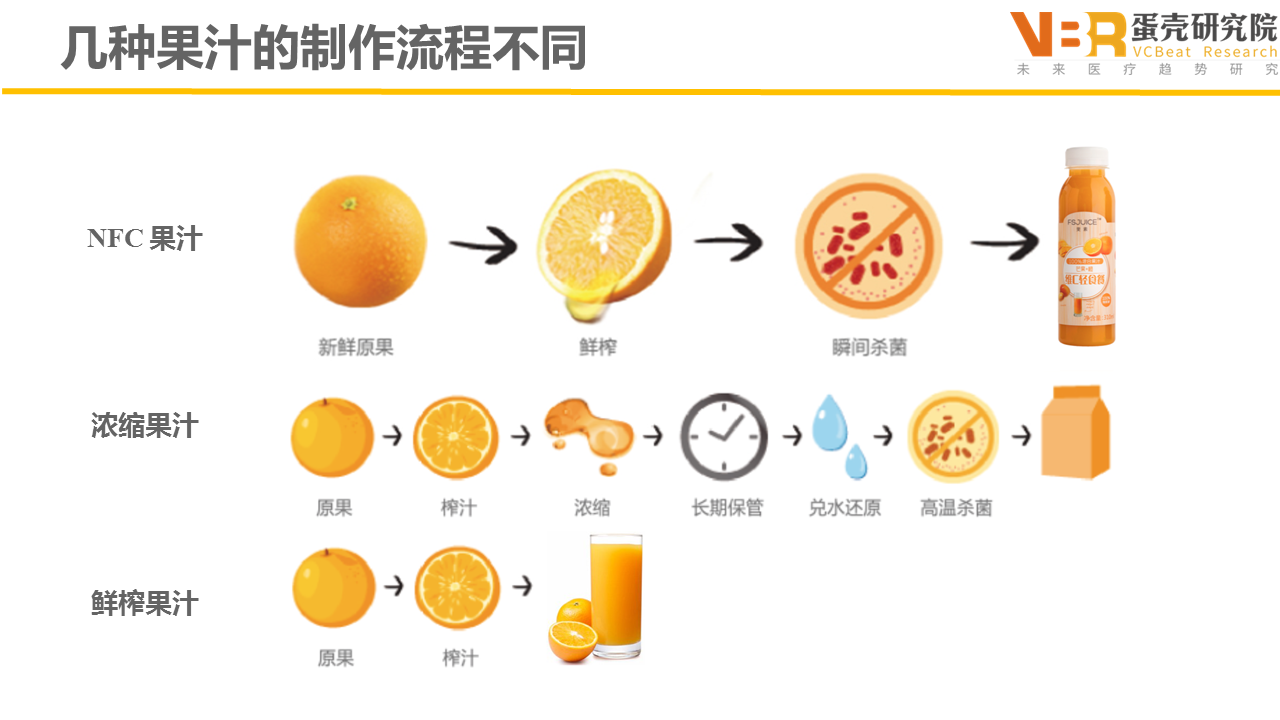
Among them, fruit-flavored beverages and high-concentration fruit juices (containing100% FC juice is produced by reconstituting concentrated juice with water, white sugar, and other additives, whereas NFC juice is made by pressing fresh fruit and refrigerating it without the use of any additives.
NFC juice differs significantly in its manufacturing process from the more common concentrated juices currently available on the market. The production of concentrated juice involves extracting juice from fresh fruit, concentrating it to a high degree, storing it for a period, reconstituting it with water, and then subjecting it to high-temperature sterilization before packaging. In contrast, NFC juice is flash-pasteurized immediately after extraction from fresh fruit and bottled right away.
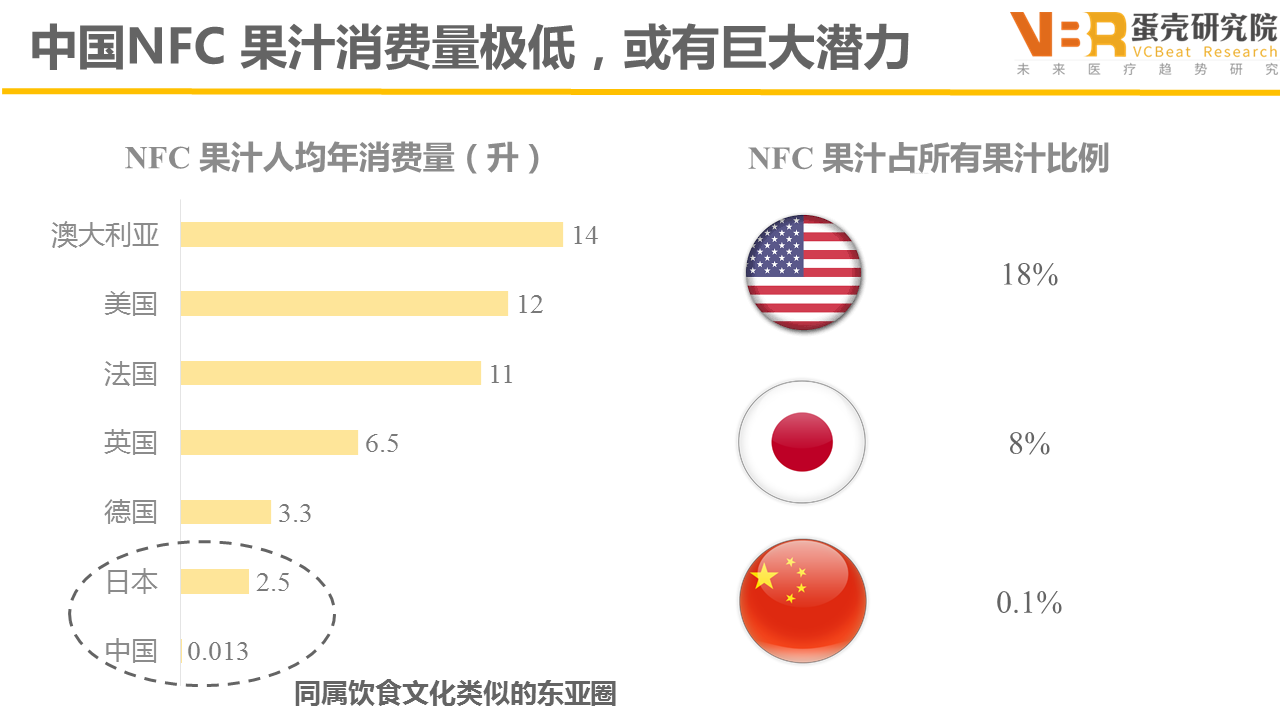
Given that common fruit-flavored beverages contain various additives, health-conscious consumers typically avoid such drinks and opt instead to purchaseNFC Fruit Juice. In the United States and Japan, NFC (Not From Concentrate) juice is favored by many consumers for its superior taste and high nutritional value due to the absence of concentration processes. In the U.S., NFC juice accounts for approximately 20% of total juice sales, a proportion that continues to rise. In Japan, where dietary culture is similar to China’s, per capita annual consumption of NFC juice stands at 2.5 liters, representing 8% of all juice consumed. By contrast, in China, per capita annual consumption of NFC juice is merely 0.013 liters, accounting for only 0.1% of total juice consumption. The NFC juice market in China thus holds significant potential for future growth.
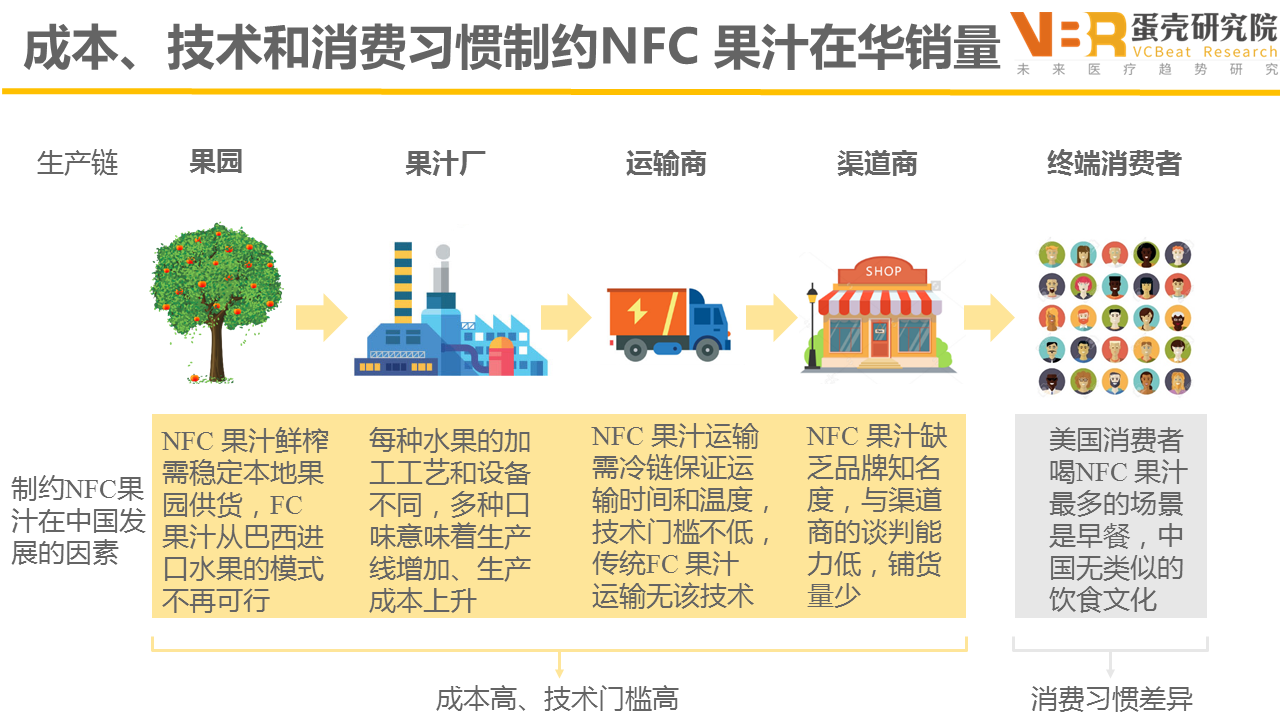
CurrentlyThe biggest hurdle for NFC juice in the Chinese market is its high price. Several factors contribute to this elevated pricing:
First, many juice manufacturers lack stable local orchards, whereas NFC (Not From Concentrate) juice production ideally requires a consistent fruit supply; if establishing proprietary orchards is not feasible, securing reliable partnership arrangements becomes essential. The previous model, wherein concentrated juice manufacturers imported fruits from Brazil, is no longer viable due to preservation challenges.
Second, the processing techniques and equipment for each type of fruit vary significantly. Introducing each new juice flavor necessitates adding a production line, which drives up manufacturing costs. If a production line is discontinued due to poor market response, the substantial upfront investment cannot be overlooked.
Third, NFC juice requires cold-chain logistics during transportation to ensure proper transit time and temperature control. This presents a significant technical barrier, whereas traditional concentrated juice transportation does not involve cold-chain technology.
Fourth, for distributors, NFC juice has low brand awareness, resulting in weak motivation for distribution.
Finally, consumer habits also affect the sales of NFC juice in China. After all, the most common scenario for American consumers to drink NFC juice is breakfast, while Chinese breakfasts tend to favor porridge and soy milk over fruit juice.
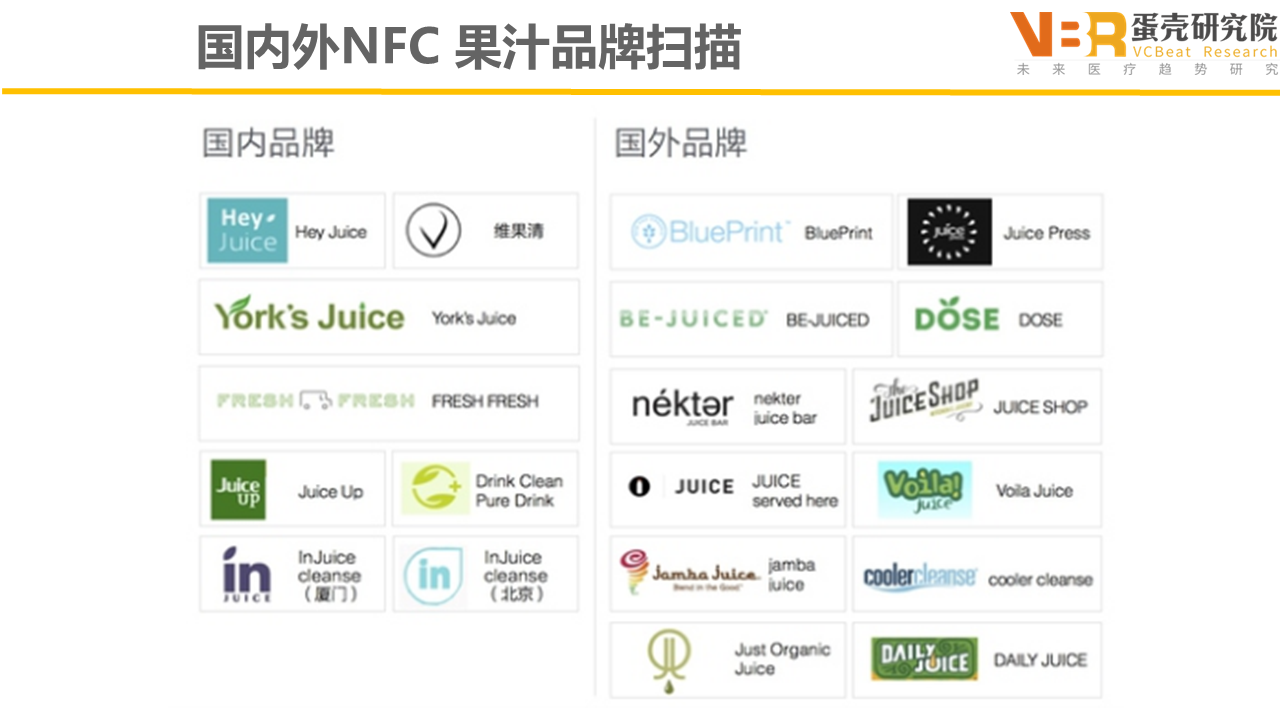
Although multiple companies have emerged in China's juice beverage industry,FC juice giants dominate, but there is no leading NFC juice company yet. We believe this presents an opportunity for startups to leapfrog competitors, provided they can control costs across orchards, manufacturing, transportation, and distribution channels, while developing flavors and brands that align with consumer preferences.
Sugar-freeTeaBeverages: The Evolution of Taste in the Era of Consumption Upgrading
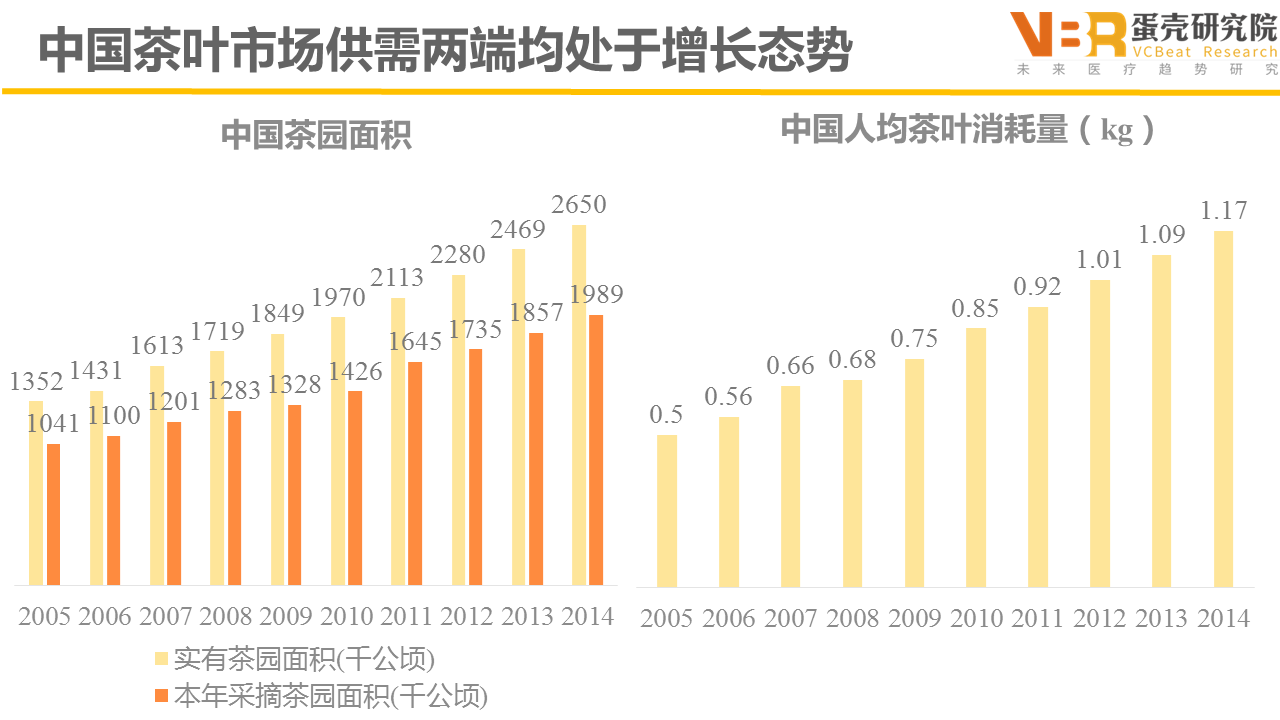
Tea is one of the traditional beverages in China, and in recent years, supply and demand in the tea market have been robust.From 2005 to 2014, China’s actual tea plantation area grew from 1,352 thousand hectares to 2,650 thousand hectares, and the harvested tea plantation area increased from 1,041 thousand hectares to 1,989 thousand hectares. During the same period, per capita tea consumption in China rose from 0.5 kg to 1.17 kg.
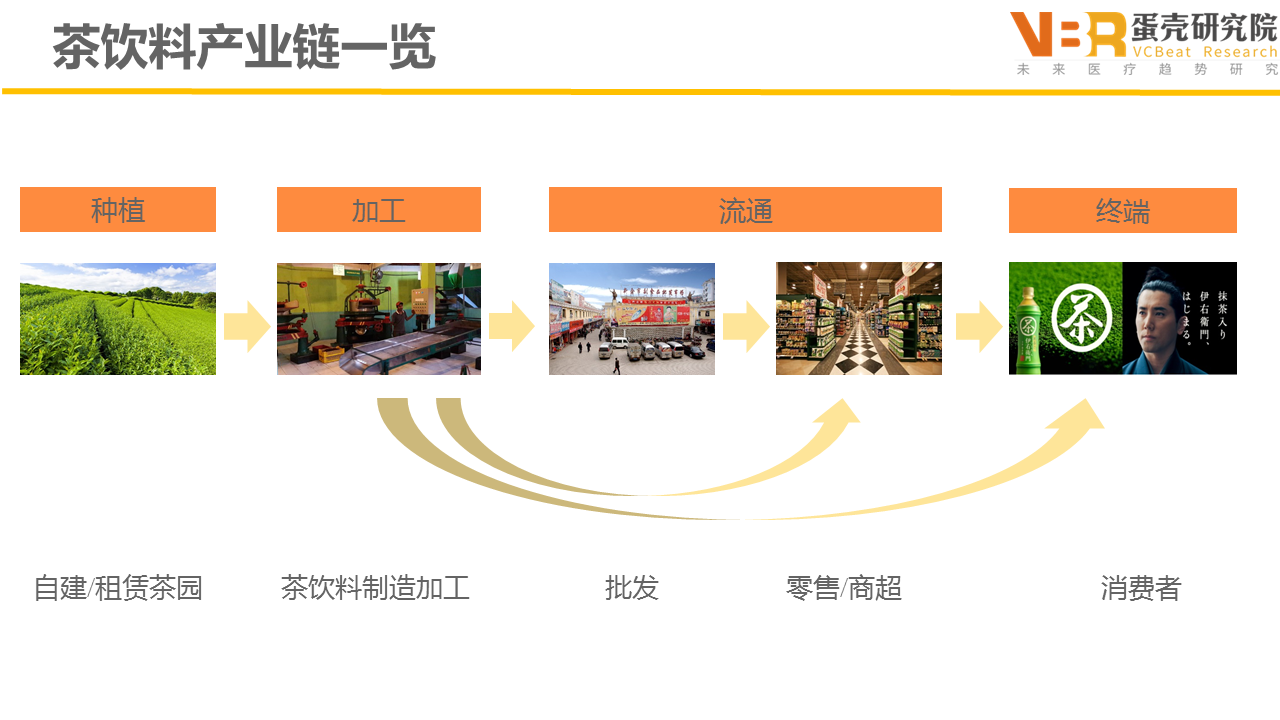
Driven by China’s long-standing tea culture, tea-based beverages, as derivatives of traditional tea, have gained significant popularity among consumers. The upstream segment of the tea beverage industry chain consists of tea plantations either owned or leased by manufacturing enterprises; the midstream comprises tea beverage processing and manufacturing facilities; and the downstream encompasses distribution channels, including wholesalers and retail supermarkets. In recent years, with the rise of e-commerce, the role of wholesale has been steadily diminishing, enabling tea beverages to reach retail outlets/supermarkets directly, and even end consumers.
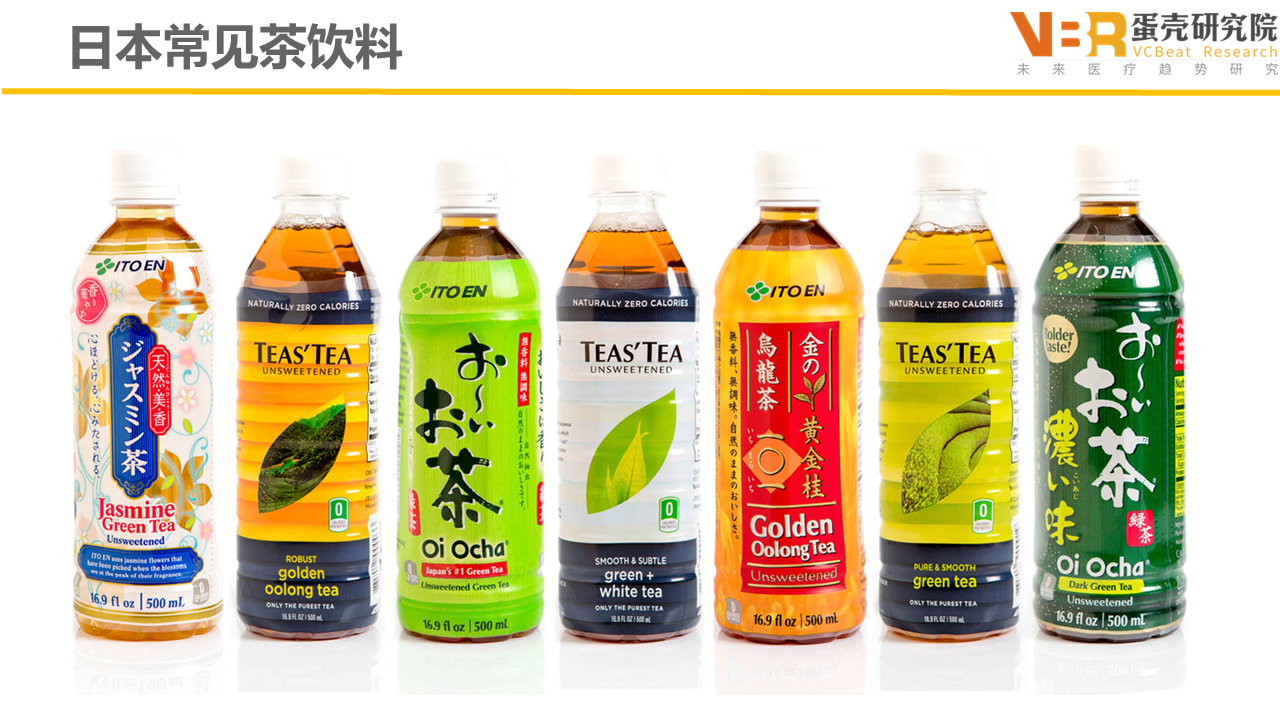
Currently, China’s tea beverage market is dominated by four major players: Master Kong, Uni-President, Wahaha, and Daliyuan. Their flagship tea beverages—whether black tea, green tea, or oolong tea—are all relatively high in sugar content and tend to taste quite sweet. This is related to the product positioning of tea beverages in China, where they are marketed as tea-flavored drinks rather than substitutes for traditional tea, thus emphasizing sensory appeal on the palate. In contrast, in Japan, where sugar-free tea beverages are most popular, tea drinks are seen as an extension of traditional tea consumption, designed for convenience without added sugar or with low sugar content.
However, the trend toward sugar-free Japanese tea beverages did not emerge in this way from the outset; inIn 1970, sugary products accounted for 65% of Japan’s tea beverage market; by 2010, this figure had dropped to just 7%. During this period, Japan saw substantial growth in per capita disposable income, leading affluent consumers to consciously reduce their consumption of sugary beverages—a trend mirrored by the decline in Coca-Cola’s sales in North America and Western Europe. In 2010, sugary products comprised a striking 98% of China’s tea beverage market. However, as China’s middle class expands rapidly, its health consciousness is gradually taking shape (whether through proactive or reactive measures). Throughout this process, consumers are actively managing their sugar intake. Therefore, in the foreseeable future, sugar-free tea beverages are likely to become the mainstream choice.
The primary reason why China’s four major tea beverage companies—Master Kong, Uni-President, Wahaha, and Daliyuan—maintain their industry leadership is their exceptional distribution capabilities. For instance, Master Kong’s iced black tea is even available in small convenience stores in county-level towns in western China. However, the target customers reached through these channels may not be the main demographic driving this round of consumption upgrades. Meanwhile, the entrenched brand images of these traditional companies may be perceived as unfashionable and unhealthy, akin to the decline in sales of instant noodles, which were once ubiquitous. In summary, in the sugar-free beverage sector, startups that focus on product flavor still have the potential to carve out a niche if they can innovate in distribution and branding.Compared with NFC juice startups, sugar-free tea beverage startups may face greater challenges to success, as they do not involve fruit sourcing or cold-chain technology.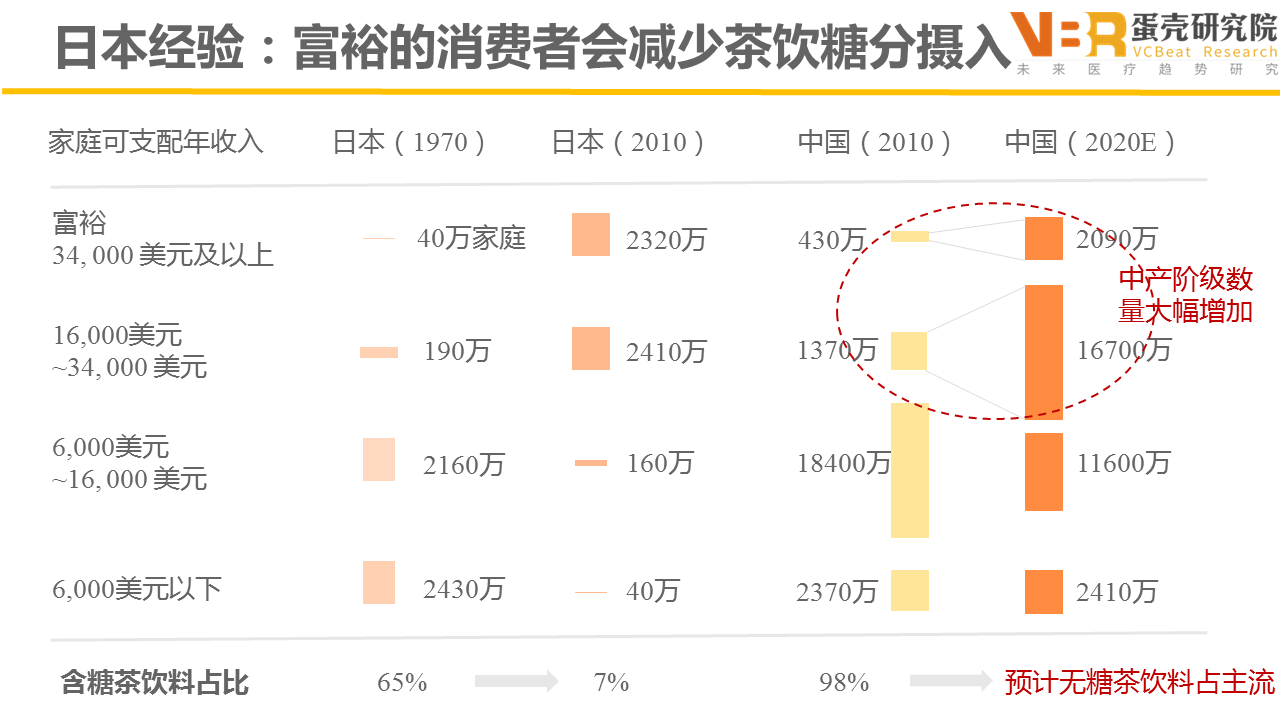
Postscript: Because I wrote this article, I have tried many beverages recently. If I had to say which one tasted the best, I thought of “Lost in Translation"Inside"Bill Murray That thing I’ve drunk countless times.