

China Enacts First Traditional Chinese Medicine Law, Sparking Industry Growth Prospects
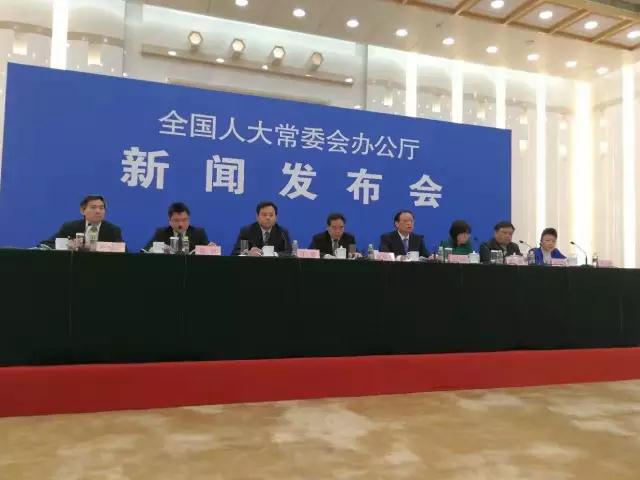
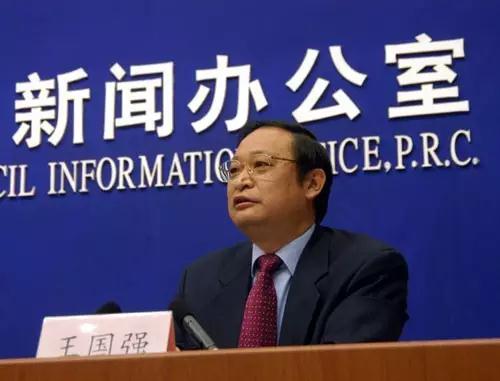
At 4:00 p.m. today, the General Office of the Standing Committee of the National People’s Congress (NPC) held a press conference in the Taiwan Hall of the Great Hall of the People. The conference addressed questions from reporters regarding the Draft Traditional Chinese Medicine Law, the Draft Law on Guaranteeing Basic Public Cultural Services, and the Draft Environmental Protection Tax Law, all of which were voted on and passed at the 25th Session of the Standing Committee of the 12th National People’s Congress. Heads of relevant departments, including the NPC Education, Science, Culture, and Public Health Committee, the Legislative Affairs Commission of the NPC Standing Committee, and the Ministry of Finance, attended the event. Wang Guoqiang, Deputy Director of the National Health and Family Planning Commission and Director of the State Administration of Traditional Chinese Medicine, and Huang Wei, Deputy Director of the Administrative Law Office of the Legislative Affairs Commission of the NPC Standing Committee, provided answers to questions concerning the Traditional Chinese Medicine Law. The press conference was moderated by He Shaoren, Director of the News Bureau of the General Office of the NPC Standing Committee.
At the 25th Meeting of the Standing Committee of the 12th National People’s Congress, 150 members attended, meeting the statutory quorum. The draft Traditional Chinese Medicine Law was adopted by a vote of 144 in favor, 3 against, and 3 abstentions.
“This is a major milestone for the traditional Chinese medicine (TCM) industry, and indeed a cause for celebration. Under the high regard and leadership of the CPC Central Committee, the Standing Committee of the National People’s Congress, and the State Council, and with the care, support, and joint efforts of all sectors of society, the TCM Law was just reviewed and approved at the 25th Session of the Standing Committee of the 12th National People’s Congress, and will officially come into effect on January 1, 2017,” said Wang Guoqiang excitedly.
Traditional Chinese Medicine (TCM) is a treasure of the Chinese nation, serving as China’s unique health resource, an economic resource with immense potential, a scientific and technological resource with original advantages, an excellent cultural resource, and an important ecological resource. However, the development of the legal framework for TCM has been relatively lagging, introducing significant uncertainties to the healthy, sustainable, and stable development of the TCM sector. As the first comprehensive law that fully and systematically reflects the characteristics of TCM, the TCM Law codifies the Party and state’s policies and guidelines on TCM development into legal provisions and embodies the public’s expectations and demands for TCM in legal form, marking a milestone in the development of the TCM industry.
Nowadays, it has long been the aspiration of the traditional Chinese medicine (TCM) industry to enact a TCM Law that is sound, practicable, and truly effective. During the legislative process, more than twenty departments involved in drafting and revising the law adhered to the principles of scientific and democratic legislation. They conducted repeated deliberations and in-depth investigations, extensively solicited opinions from all sectors of society, and applied a “craftsman’s spirit” to meticulously refine every clause and every word, striving for perfection and comprehensiveness. The journey of the TCM Law—from its inception to its initial formation and eventual maturation—has embodied the consensus and wisdom of all sectors of society.
The Law on Traditional Chinese Medicine is comprehensive and rich in content. Its specific institutional designs adhere to the developmental laws of traditional Chinese medicine (TCM), reflect the unique characteristics of TCM, align with the expectations of the industry and the public, and correspond to the actual realities of TCM development, thereby demonstrating strong guidance, standardization, and practicality.
The Law on Traditional Chinese Medicine aims to protect, support, and develop traditional Chinese medicine (TCM), focusing on its inheritance and promotion. It strengthens policy support and guarantees, emphasizes both standardization and support, and prioritizes innovation in systems, mechanisms, and institutions. To a large extent, it has addressed key and challenging issues that have constrained the development of TCM. This facilitates the inheritance and development of TCM, contributes to building a healthcare system with Chinese characteristics and advancing the Healthy China initiative, enables TCM to play a significant role in economic and social development, and helps maintain China’s leading position among major traditional medicine nations in the global development of traditional medicine.
Wang Guoqiang believes that the vitality of law lies in its implementation, and so does its authority. We will make every effort to study, publicize, implement, and enforce the Law on Traditional Chinese Medicine (TCM), formulate supporting regulations and systems for the TCM Law, strictly enforce the law, ensure its effective implementation, and provide a solid legal guarantee for the development of TCM. We hope that media friends will continue to support and pay attention to the development of TCM as always, promote and report on the TCM Law and related work, help the whole society better understand the TCM Law, and promote the effective implementation of its provisions. Let us work together to inherit, develop, and utilize well this precious legacy left by our ancestors—Traditional Chinese Medicine—and make due contributions to deepening the reform of the medical and health system, building a Healthy China, and realizing the Chinese Dream.
In China, the saying “folk experts exist, and folk remedies can cure serious diseases” has long been circulated. In fact, there have always been cases in grassroots communities where conditions that hospitals failed to treat were successfully cured by so-called itinerant folk practitioners. However, these practitioners have long operated in a state of “illegal” medical practice. The recent passage of the Traditional Chinese Medicine Law has introduced clear provisions for such itinerant folk practitioners who possess specialized skills or effective proprietary remedies.
Wang Guoqiang responded that the vast majority of non-institutional TCM practitioners possess certain clinical skills and experience, providing essential traditional Chinese medicine services to people at the grassroots level; however, the existing physician qualification examination is ill-equipped to accurately assess their true competence.
In light of the reality that traditional Chinese medicine (TCM) practitioners in non-state sectors are primarily trained through apprenticeship and family inheritance, and with full consideration of medical safety risks, the TCM Law has established a new pathway for individuals who have studied TCM through apprenticeship or have developed specific expertise through years of practice to obtain TCM physician qualifications by passing assessments of practical skills and therapeutic outcomes. Meanwhile, recognizing that licensed TCM practitioners from non-state sectors mainly practice in clinics, where services are conveniently delivered through traditional diagnostic methods such as inspection, auscultation/olfaction, inquiry, and pulse-taking, and in accordance with the spirit of the State Council’s reform of the administrative examination and approval system—emphasizing streamlining administration, delegating power, combining regulation with service, and optimizing services—the management model for TCM clinics has been shifted from the existing licensing system to a filing-based system. This change marks a departure from the long-standing model of managing TCM clinics through administrative approvals. It holds significant importance for further improving the accessibility of TCM services, enhancing grassroots TCM service capacity, strengthening the grassroots TCM workforce, and facilitating medical access for the public.
To prevent and control medical safety risks, the Traditional Chinese Medicine (TCM) Law also includes provisions for strengthening the regulation of TCM services. First, the State Administration of Traditional Chinese Medicine will formulate classified assessment measures for individuals who have studied TCM through apprenticeship or have acquired verified expertise in medical practice after years of practical experience, with an emphasis on assessing their practical skills and outcomes. Second, specific measures for the record-filing management of TCM clinics will be established, requiring that TCM clinics registered through record-filing shall not conduct medical activities beyond the scope of diagnosis and treatment specified in their filings, thereby reducing medical safety risks by limiting the scope of practice. Third, specific requirements are put forward to strengthen daily supervision and enhance oversight and inspection of TCM services.
Huang Wei stated that traditional Chinese medicine (TCM) is a medical science that has gradually taken shape and been continuously enriched and developed through the long-term production, daily life, and struggle against diseases among all ethnic groups in China. It also represents a distinctive feature and advantage of China’s healthcare system.
The passage of the Traditional Chinese Medicine (TCM) Law clarifies the important status and development guidelines for the TCM sector; establishes a management system tailored to the characteristics of TCM; increases support for the development of TCM; adheres to the principle of balancing support with regulation, strengthening oversight of TCM practices; and imposes stricter penalties for violations of TCM-related laws and regulations.
In addition, Huang Wei stated that the Traditional Chinese Medicine (TCM) Law has introduced institutional innovations in TCM management by establishing a regulatory framework tailored to the unique characteristics of TCM. The law strengthens government support and safeguards for the TCM sector, vigorously promoting its development, while adhering to the principle of balancing support with regulation. It enhances oversight of TCM practices to ensure the quality and safety of TCM medical services and herbal medicines, which is of great significance for inheriting and promoting TCM and fostering the healthy development of the TCM industry.
Secondly, Huang Wei believes that China is currently deepening its healthcare system reform, laying a solid foundation for advancing the Healthy China initiative and building a moderately prosperous society in all respects. Traditional Chinese Medicine (TCM) demonstrates definite clinical efficacy, unique preventive and healthcare benefits, flexible treatment modalities, and relatively low costs. Particularly with shifts in health concepts and the transformation of medical models, TCM is increasingly showcasing its distinct advantages and playing an ever more important role in China’s health and wellness endeavors. Enacting the Traditional Chinese Medicine Law to safeguard and promote the development of TCM in accordance with the law holds significant importance for deepening healthcare system reform and advancing the Healthy China initiative.
Finally, the enactment of the Traditional Chinese Medicine Law plays a significant role in promoting the international dissemination and application of Traditional Chinese Medicine (TCM) and enhancing the soft power of Chinese culture.
Reposted from: County Healthcare WeChat Official Account
Author: Huang Li