

Star-Led Healthcare 2016: Prospectus Featuring 15 Global Medical Influencers
With only 1% of 2016 remaining, we look back on a remarkable year in the healthcare industry. Global collaboration and advancements in biosciences and mobile health have intensified. From high-profile medical research initiatives to the surging popularity of next-generation genetic testing, gene editing, cell sequencing and mechanisms, and stem cell applications, as well as the use of big data and artificial intelligence to drive medical trials and practice, countless professionals have been working tirelessly to deliver better healthcare solutions for all humanity.
VCBeat (WeChat: vcbeat) has compiled the political developments, medical achievements, and corporate healthcare innovations of the past year. Drawing on Forbes and Time’s authoritative 2016 rankings, as well as annual person-of-the-year selections and notable events from prestigious academic journals such as Science and Nature, we have curated a list of 15 influential figures from various sectors who have made outstanding contributions to the global healthcare industry. Let us examine how they are shaping the future of healthcare.
Barack Obama
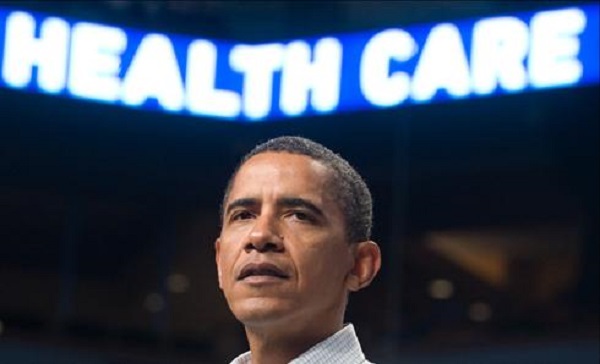
Domestically, the outgoing president has vigorously implemented the Affordable Care Act to address the current state of public healthcare; for the future of global medicine, Obama also introduced the 21st Century Cures Act, charting a course for the future of healthcare worldwide.
On December 13, President Obama signed the bill into law during the final stage of his presidency. On one hand, the FDA’s review and authorization processes for drugs and medical devices will be accelerated; on the other hand, emphasis is placed on basic medical research, with approximately $6.3 billion in funding allocated to initiatives such as the Precision Medicine Initiative, the Cancer Moonshot, and Alzheimer’s disease research.
Joe Biden

On January 12, 2016, President Obama announced the “Cancer Moonshot” initiative, led by U.S. Vice President Biden, in his final State of the Union Address.
Joe Biden’s eldest son, Beau Biden, died of brain cancer in May 2015 at the age of 46. The grief of losing his son led Biden to forgo a presidential run in 2016 and devote the remainder of his vice presidency to advancing the fight against cancer.
The “Cancer Moonshot” initiative has outlined strategic goals for the next five years: First, to “catalyze new scientific breakthroughs,” including several projects in ten key areas of cancer research proposed by a Blue Ribbon Panel convened by the National Cancer Institute (NCI) this past September. Second, to “unlock the power of data,” exemplified by the NCI’s Genomic Data Commons launched last year, which aggregates and annotates research data from numerous cancer patients into a centralized database. Third, to facilitate clinical trials to deliver new therapies to patients, such as enhancing patient–trial matching through the NCI’s clinical trials database.
Donald Trump

This newly inaugurated president has taken a highly assertive stance on U.S. healthcare. Repealing government health insurance subsidies and offsetting them with tax cuts, promoting cross-state insurance competition and liberalizing prescription drug imports, and advancing price transparency are all key components of this radical “businessman-style leader’s” new strategy for American healthcare.
Although Trump’s healthcare reform proposals have consistently sparked controversy, with concerns that his administration would cut funding for medical research and hinder advancements in life sciences both in the United States and globally, the new presidential administration is undoubtedly carefully strategizing new initiatives. Consequently, the global medical research community will undergo certain changes under his influence in the coming years.
Jennifer Doudna
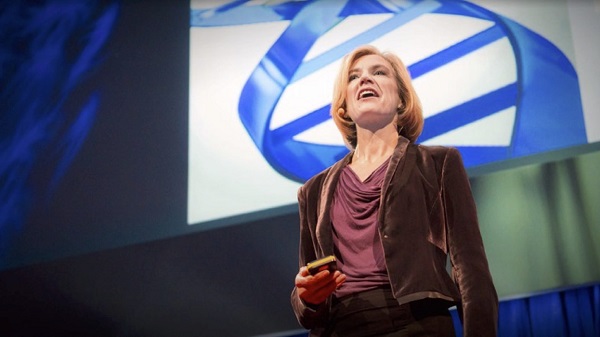
Revered as the “Goddess of Gene Editing,” Jennifer Doudna, an investigator at the Howard Hughes Medical Institute, is a renowned pioneer in the field of CRISPR. Together with Emmanuelle Charpentier and others, she initiated groundbreaking basic research on this technology prior to 2012, which drew widespread attention from the academic community to CRISPR technology.
In August 2012, the research team led by Doudna and Charpentier published a paper in Science, elucidating for the first time the potential of the CRISPR/Cas9 system as a gene-editing tool. CRISPR, found in the genomes of certain bacteria, expresses small RNA molecules complementary to invading viral genes. These RNAs bind to the viral genome and recruit CRISPR-associated (Cas) enzymes, thereby cleaving viral DNA and preventing viral infection. Consequently, this mechanism can also be harnessed to target and excise specific DNA fragments.
In 2016, the research group led by Doudna published more than twenty papers in journals such as Cell, Nature, Science, Nature Biotechnology, and Nature Methods. Currently, she and her team continue to conduct basic scientific research and are applying the CRISPR-Cas9 tool to immunotherapy for the treatment of genetic disorders. Meanwhile, she has called on the academic community to assume responsibility for the application of gene-editing technologies, to use with caution those technologies that affect human evolution, and to uphold scientific ethics.
Zhang Feng (Feng Zhang)
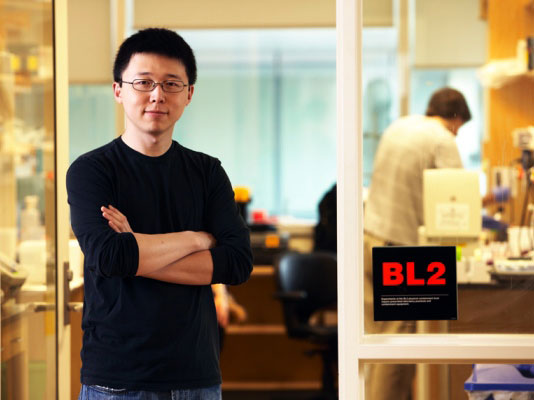
Feng Zhang is a core member of the Broad Institute of MIT and Harvard. His 2013 paper on editing mammalian genomes using the CRISPR-Cas9 system propelled him to stardom in the global CRISPR technology field and embroiled him in a patent dispute with CRISPR pioneer Jennifer Doudna. The prevailing view is that while Doudna and colleagues were the first to propose the concept of CRISPR-based editing of mammalian genomes, Zhang was the first to demonstrate that CRISPR functions in eukaryotic cells.
In April this year, Zhang Feng and Professor Osamu Nureki of the University of Tokyo jointly published a paper in Cell, revealing the crystal structure of the Cpf1/guide RNA/target DNA complex; in June, he collaborated with Eugene V. Koonin from the National Institutes of Health (NIH) to publish research on editing bacterial proteins using gene-editing technology.
In 2016, Zhang Feng received the HUGO Chen Award for Innovation in Human Genetics, the Canada Gairdner International Award, and the Tang Prize.
Yoshinori Ohsumi
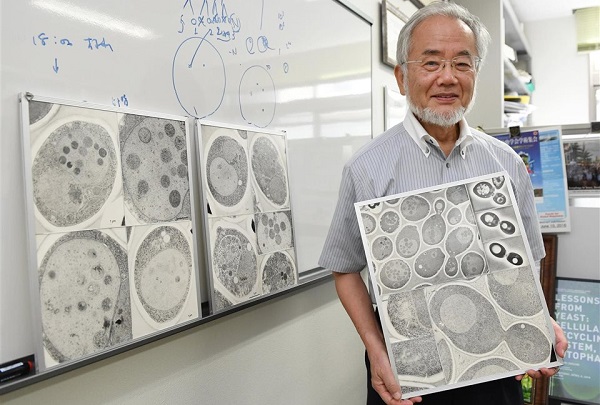
In October 2016, Japanese scientist Yoshinori Ohsumi was awarded the 2016 Nobel Prize in Physiology or Medicine for his discoveries and elucidation of the mechanisms of autophagy.
“Autophagy” is an intracellular metabolic process. Cells in all organisms eliminate harmful intracellular substances through autophagy to maintain their own health. In humans, the integrity of the cellular autophagy mechanism has been proven to be associated with certain refractory diseases, such as type 2 diabetes. There is also hope that therapeutic approaches for cancer, neurodegenerative diseases, and other conditions can be developed by modulating cellular autophagy.
Since 1992, Professor Ohsumi has been using yeast as an experimental model to study the mechanisms of autophagy. Yeast is similar to human cells yet relatively simple, significantly reducing the difficulty of researching autophagic mechanisms. Although the phenomenon of autophagy was discovered decades ago, its genetic mechanisms remained poorly understood. It was Yoshinori Ohsumi’s persistence that paved the way for new applications of autophagy mechanisms in pathology and medicine.
Zhang Jin (John J. Zhang)
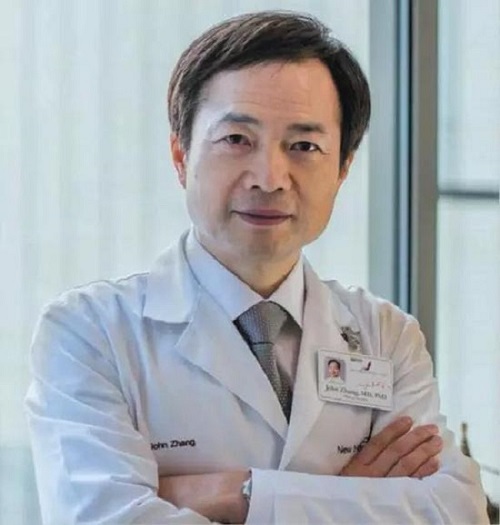
This September, the world’s first “three-parent” baby was born, thrusting Dr. John Zhang of the New Hope Fertility Center in New York into the spotlight.
In this case, the wife’s mitochondria carried the gene for subacute necrotizing encephalopathy, preventing normal fetal development. However, by creating a zygote through the combination of an enucleated egg cell from a healthy donor, the wife’s nucleus, and the husband’s sperm, mitochondrial defects present in the cytoplasm were avoided, resulting in the birth of a healthy baby. The majority of the child’s genetic material originates from the couple’s nuclei, with only a small portion derived from the donor’s cytoplasm.
Zhang Jin’s team employed advanced techniques to address the reproductive challenges faced by individuals with mitochondrial genetic defects, yet ethical and legal concerns have continued to emerge. The most heavily criticized aspect was the team’s bold decision to initiate these trials before the United Kingdom—the first country globally—had legalized mitochondrial replacement therapy. However, Zhang Jin maintained that only practical application could verify safety, thereby advancing life sciences for the benefit of humanity.
Douglas Melton
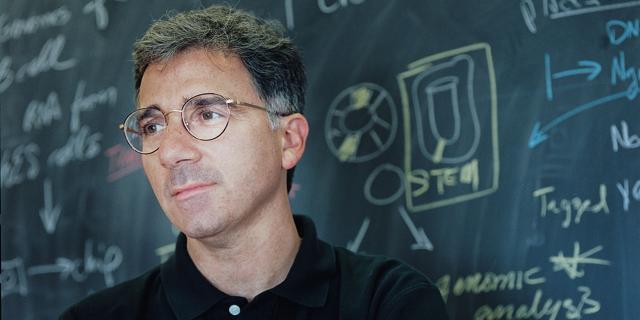
The global insulin market exceeds $30 billion annually. Current mainstream insulin injection therapy is not only inconvenient but also impacts life expectancy, creating an urgent need for a approach that addresses the root cause of insulin deficiency. After 15 years of research, Douglas Melton published findings in 2014 on the Semma Therapy, which converts embryonic stem cells into pancreatic beta cells, offering hope for a “natural cure” for diabetes.
This year, the Melton team successfully demonstrated that transplanting human pancreatic beta cells derived from stem cells into mouse models could maintain blood glucose control for up to six months. Melton’s dedicated pursuit in the field of stem cell therapy for diabetes also earned him the 2016 Shinya Yamanaka Stem Cell Prize.
Melton founded Semma Therapeutics specifically to research this therapy. Over the past two years, the company has secured nearly $50 million in total funding from several venture capital firms and the California Institute for Regenerative Medicine (CIRM), and has established strategic partnerships with Novartis and Medtronic.
Kelly Gardner
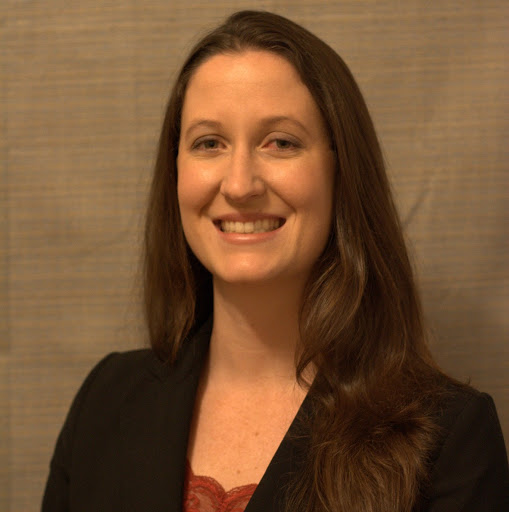
The heterogeneity of different cells is increasingly attracting researchers’ interest, with single-cell sequencing and imaging emerging as new hotspots. Kelly Gardner is a researcher and CEO in this field. Her former laboratory, the Amy Herr Lab at the University of California, Berkeley, developed single-cell Western blotting technology and commercialized it through Zephyrus Biosciences.
Measuring cellular protein levels plays a crucial role in disease diagnosis and treatment. However, due to the lack of protein amplification technologies and the limited sample availability, this has been a significant challenge. Gardner’s single-cell protein detection technology addresses this issue. Two years after its founding, Zephyrus was acquired by Bio-Techne, which subsequently launched Milo, the world’s first single-cell Western blotting platform. Milo was recognized by The Scientist magazine as one of the top ten innovations in life sciences in 2016.
Gardner’s approach is to directly address the commercial needs of laboratories, integrating scientific research with business operations to achieve agile development of biotechnology products. She stated that if a suitable technological breakthrough is identified, she will continue to seek further entrepreneurial opportunities.
Stephen Quake
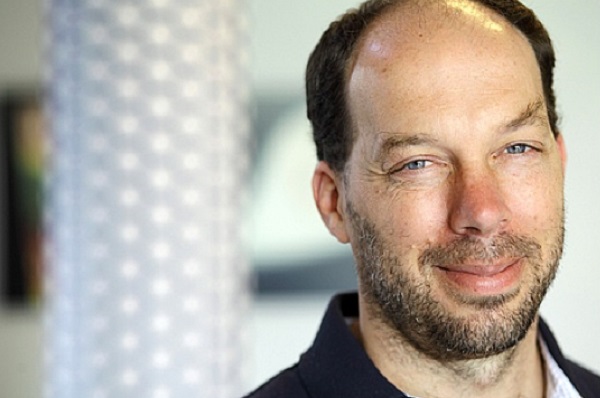
Unlocking the inner workings of cells means uncovering the roots of many diseases. In September, Mark Zuckerberg announced a $600 million investment in the Chan Zuckerberg Biohub, with Stephen Quake, a Ph.D. in single-cell genomics, serving as co-president. The initiative aims to create the first comprehensive human “Cell Atlas,” systematically mapping tens of thousands of cell types in the human body.
One of Dr. Quake’s most notable contributions to single-cell research technology is his involvement in the development of microfluidic devices for cell analysis, which can capture individual cells via microdroplets, thereby laying the foundation for such studies. They will also leverage the widely adopted CRISPR technology to investigate whether the activation or silencing of specific genes affects fundamental cellular functions and protein dynamics.
Meanwhile, Dr. Quake is also a key member of the International Human Cell Atlas Consortium, led by the Wellcome Sanger Institute in the UK, and is currently helping to formulate its “mapping” strategy. Quake believes that 2017 will be a landmark year for the Cell Atlas project.
Divya Nag

The key leader spearheading Apple’s push into healthcare, and the head of ResearchKit and HealthKit, is 25-year-old Divya Nag. With experience in product management and FDA regulatory review, as well as prior entrepreneurial ventures in biotechnology that fostered extensive collaborations with major healthcare players, Nag is well-positioned to help Apple transition toward professional medical devices, application platforms, and healthcare products.
Nag previously founded Stem Cell Theranostics, a company dedicated to researching the conversion of skin cells into cardiac stem cells, with the goal of securing FDA approval within ten years and making stem cell therapy for heart disease a reality. Furthermore, she established StartX Med, a non-profit medical innovation accelerator that has helped more than 35 medtech companies successfully define their strategic pathways and obtain FDA approval, while also raising over $10 billion to foster collaboration among Stanford Hospital, MD Anderson Cancer Center, and other partners.
Deborah DiSanzo
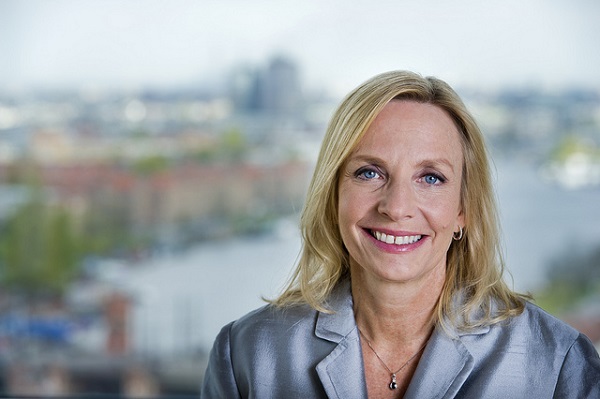
In 2014, Deborah DiSanzo stepped down as Vice President and CEO of Philips Healthcare due to poor performance. When she began serving as General Manager of IBM Watson Health in 2015, she embarked on a new journey in tech-enabled healthcare.
This year, DiSanzo has driven an expanding array of initiatives at IBM Watson Health: partnering with Medtronic to develop a diabetes monitoring app; collaborating with Apple and Bausch + Lomb on a cataract surgery app; acquiring healthcare data analytics firm Truven Health Analytics; working with Pfizer on a sensor system for Parkinson’s disease research; launching the OpenZika project to study the Zika virus in Brazil; and joining forces with Harvard and MIT to investigate cancer drug resistance, among other efforts. The breadth of these partnerships clearly reflects DiSanzo’s core belief: leveraging IBM’s big data technologies and the company’s extensive network influence to transform the healthcare industry.
Ginni Rometty, IBM’s Chairman and CEO, has described her as a driving force behind IBM’s transformation. DiSanzo is also involved in several women’s leadership organizations, providing support to female entrepreneurs with strong technical expertise in the healthcare sector.
Jay Flatley
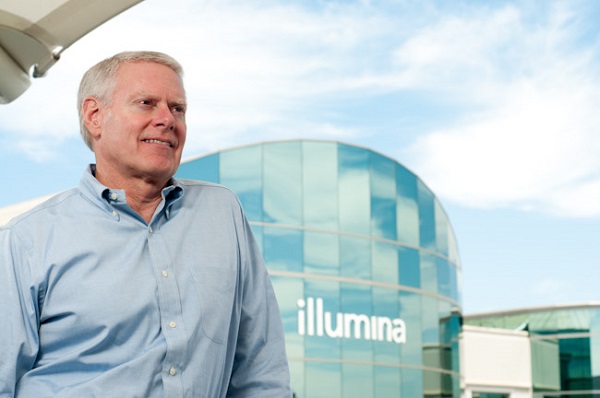
Jay Flatley is the undisputed leader in the commercialization of genetic testing. Under his leadership, Illumina has grown into a company valued at over $20 billion, with its supercomputers having processed 90% of all DNA sequencing data generated to date. Meanwhile, Illumina has dramatically driven down the cost of genome sequencing, from $100 million in 2001 to just $1,000 today. Nature magazine even remarked that “it has not only surpassed Moore’s Law but also silenced the once-skeptical prophets.”
Moreover, his newly launched Illumina subsidiaries, Helix and Grail, have pointed to new directions in genomics—namely, a gene application store and liquid biopsy for cancer screening.
After steering Illumina for 17 years and establishing it as the undisputed “behind-the-scenes powerhouse” in the genomics field, Jay Flatley stepped down this summer, announcing his resignation as CEO but continuing to remain active in the genomics industry as Executive Chairman.
In April this year, Flatley was named by Forbes as one of the 30 global market changemakers.
Anne Wojcicki
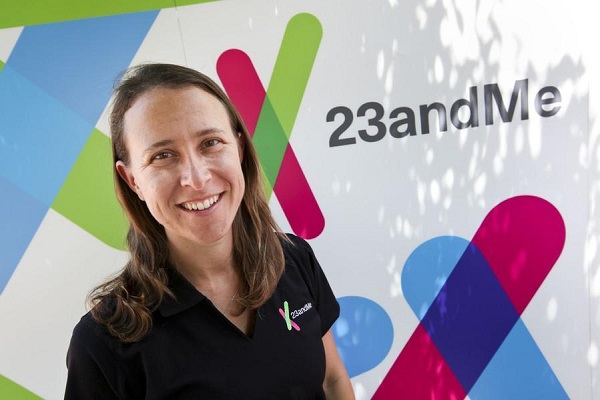
Anne Wojcicki is a pioneer in the era of personal genomics. As the head of 23andMe, a direct-to-consumer genetic testing company, she has brought genetic testing services—priced as low as a few hundred dollars—to the general public, driven by her vision to “clear the fog of medicine and empower everyone to feel ‘I am in control of my health.’”
In 2013, the FDA halted 23andMe’s genetic health guidance services due to the lack of relevant regulatory standards. In 2015, the company finally received approval to provide users with information on disease-causing genes. This year, the company chose to abandon next-generation sequencing (NGS) technology, pivoting instead toward consumer data accumulation and seeking data monetization. Under Wojcicki’s leadership, the company has navigated through repeated crises and transformations, and 23andMe has now become a shining genetic “unicorn” in Silicon Valley.
In addition, she co-founded the Breakthrough Prize, the largest award in the scientific community, providing scientists with a platform for self-presentation and greater opportunities.
Mustafa Suleyman
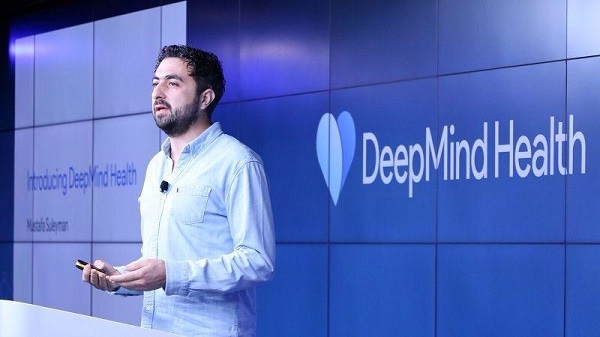
In February this year, Google DeepMind established DeepMind Health, officially entering the healthcare sector. Mustafa Suleyman, co-founder and head of DeepMind Health, will emerge as a leading figure spearheading the disruption of healthcare by artificial intelligence.
Google DeepMind is developing AI-powered software to help clinicians more accurately identify early symptoms of diseases, while leveraging blockchain technology to address medical privacy concerns. The company is currently collaborating with the UK’s National Health Service (NHS) to gain firsthand insights into the needs of patients and healthcare providers. DeepMind has already developed two healthcare apps, Streams and Hark, which are used in NHS collaborative projects for managing acute kidney injury and recording healthcare workers’ activities, respectively. Additionally, since July, the company has been partnering with the NHS on an AI-based project for screening eye diseases.
Suleyman stated that they will leverage artificial intelligence and information security technologies to transform outdated practices in the healthcare industry, making the entire system more open while simultaneously enhancing its security.