

Femtech Goes Mainstream: Capital Embraces Digital Health Devices and Innovative Service Models for Women
While the transition to value-based healthcare has driven the overall development of digital health innovation, the social progress brought about by technology does not necessarily reach all industries.In an industry still clearly dominated by men, digital tools developed for women are few and far between.However, the digital women’s health sector, dubbed “Femtech” by some entrepreneurs, may be at a tipping point.
This year, researchers have introduced more powerful tools, such as ovulation-tracking apps and wearable devices, along with digital marketplaces and supportive resources specifically designed for women seeking fertility services. This progress is attributable to increased funding, more conferences, media coverage, and collaborative research projects. Furthermore, a growing number of women are entering the technology sector and, as corporate leaders, are participating in investment decision-making. Most importantly, an increasing number of women are beginning to openly discuss topics that were once considered “private.”
In the realm of high-tech products, we have Celmatix, which leverages big data and genomics to improve assisted reproductive technologies, and Prelude, launched this October, which is dedicated to helping couples enhance fertility services through technology. However, over the past year, we have also witnessed the emergence of numerous consumer-centric digital tools for fertility and reproductive health. For instance, companies such as Bloomlife, Clue, Ava, OWHealth, and Progyny secured funding; Kindara and Progyny hired prominent new employees; the wearable fertility tracker Ava and its companion app were introduced; two home-based sperm testing kits became available; several new research partnerships were established; and plans were announced to integrate smart baby monitors or feeding devices with applications in related fields.
As this field gradually matures, we are seeing an increasing number of app developers and health product companies that started with entry-level products such as menstrual trackers evolve into key research partners in areas like fertility and women’s reproductive health. These apps and trackers not only help female users prevent pregnancy but also assist them in conceiving, thereby providing researchers with substantial amounts of reproductive health data.
Karin Ajmani, President of Medical Services at Progyny, a digital fertility concierge service provider, told MobiHealthNews in an interview: “Significant transformations are taking place across the country. The number of women in the workforce has reached a historic high, many women are delaying childbearing, and an increasing number of couples are making conscious decisions about when to have children. Meanwhile, mainstream media outlets are increasingly covering the challenges people face with fertility. This national conversation is having a subtle yet profound impact, as people begin to acknowledge and gain a deeper understanding of fertility as a highly natural biological process.”
It is not shameful for fertility services to develop into an industry.The global market size for assisted reproductive technology reached $22.3 billion last year and is projected to reach $31.4 billion in 2023.Although the World Health Organization has classified infertility as a disease, fertility services still face challenges related to cost and technology.
“The crux of the issue or opportunity lies in the fact that most health plans do not cover fertility treatments (80% to 85% of clinic revenue comes from out-of-pocket payments). In the absence of health plan support, and given that fertility care is an essential need, treatment costs will continue to skyrocket,” Halle Tecco, founder of Rock Health, wrote in an email to MobiHealthNews. “The cost of a single cycle of in vitro fertilization (IVF) exceeds $25,000. In fact, one of the most significant indicators of cost is the intensity of competition among clinics! This is why clinics in major cities are often more affordable than those in rural areas.”
People need digital tools that are more convenient, affordable, and informative, but not all applications meet this standard. Therefore, some entrepreneurs aim to create a user-friendly educational marketplace to help consumers access and understand fertility services.
Tecco wrote, “The appeal to venture capital is undeniable. One in six American couples (nearly one in five in metropolitan areas) are struggling with infertility. Their motivation to spend is very strong.”
Andrew Gershfeld, a partner at Flint Capital, stated that the widespread adoption of other digital health tools has also paved the way for development in this field.
Gershfeld, an investor in OW Health, a company focused on menstrual cycle tracking and women’s digital health, told MobiHealthNews in an email: “As enthusiasm for wearable technology continues to surge, more and more people are using it to track their health, sparking discussions on topics such as women’s health and lifestyle.. “For venture capital firms, this sector is truly hot.”
We have observed that this sector has garnered significant attention in recent months. Eleven years ago, the TechCrunch Disrupt conference featured its first all-female panel dedicated to discussing women’s health issues. A growing number of women are beginning to break free from the constraints of binary thinking,Integrating full-time professional lives with family life has necessitated complex tools for managing their lifestyles, leading many to recognize that research and innovation in reproductive health tools have lagged behind.。
Deborah Anderson-Bialis, co-founder of the IVF Manager app FertilityIQ, stated, “Many studies are truly outdated, so women or couples may not receive the most up-to-date information when learning about fertility.”
Given the high prevalence of fertility challenges in developed countries, there is a large population of consumers seeking information and assistance. However, women and couples pursuing fertility services often face a fragmented and complex market, lacking sufficient knowledge to identify appropriate care options.
“Opionato, a San Francisco-based online fertility consulting service company,” said Maja Zecevic, CEO of Opionato, told MobiHealthNews: “This is a highly emotional, stressful, and expensive service. Many women cannot even understand the services they receive.”
“Many women are willing to try in vitro fertilization from the outset, even though certain factors may lead to fertilization failure.”
Progyny aims to provide a comprehensive “consumer” experience, while Opionato seeks to deliver information to consumers through experts. By leveraging health records and personal information provided online by users, Opionato creates individualized fertility profiles to help them select appropriate fertility services. As a relatively new company, Opionato is considering partnerships with other similar service providers to expand its service offerings; however, the company has not yet announced any specific plans.
Zecevic also stated that the sheer volume of information can overwhelm single pregnant women, and that the success rates advertised by fertility clinics mislead many consumers.
“Building trust is critical to the success of every patient, so we provide extensive hands-on coaching and engage with clients through phone conversations,” she said.
Trust also determines whether consumers are willing to hand over their private data to service providers such as Opionato, or to applications like Ava, Flow, and Clue. This July, the fertility-tracking app Glow encountered a significant issue, forcing it to warn users of a privacy vulnerability that could expose personal data.
“In most cases, consumers readily agree to share information.”
“They place greater emphasis on the quality of service rather than quantity, which is a profound, innate biological desire,” she said. “When seeking assistance, they are willing to share their personal information.”
Progyny has been dedicated to providing fertility services to female clients and their partners, raising nearly $15 million this year. Early this year, Progyny launched a suite of benefit services and quickly established partnerships with other vendors. The company is currently collaborating with self-insured employers. In June, it introduced Progyny Mobile, a comprehensive application through which users can access all of the company’s services. A few months ago, Progyny expanded its business scope to offer premium services, including in vitro fertilization (IVF), egg freezing, adoption, and fertility benefits (along with website updates). Just this month, the company appointed David Schlanger, former executive at WebMD, as its new CEO. According to Ajmani, the company’s user base has nearly tripled compared to last year.
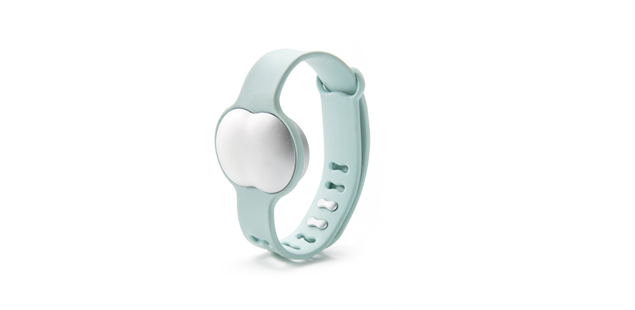
Ava, which maintains offices in both San Francisco and Switzerland, launched its wearable fertility tracking device this July and raised nearly $10 million in November. The Ava bracelet uses sensors to detect the fertile window in real time throughout a woman’s menstrual cycle, recording nine physiological indicators corresponding to hormone levels and indicating ovulation timing through rising hormone levels. Following the product launch, Ava promptly completed a clinical study at the University Hospital of Zurich. The results showed that the device accurately identified an average of 5.3 fertile days per cycle, with an accuracy rate of 89%. Building on these findings, the company has initiated a second, larger-scale study (involving approximately 200 participants) at the same hospital, which will help enhance the performance of its device.
Berlin-based Clue recently raised $20 million in seed funding. The company has developed a menstrual cycle tracking app and aims to enhance the software’s “intelligence” by continuously adding new detection categories. Initially, the company intended the app solely for tracking ovulation cycles, but many users have employed it to monitor other aspects of reproductive health. Consequently, Clue has had to strengthen its machine learning capabilities to provide female users with more comprehensive tracking data.
San Francisco-based digital health company OW Health, which focuses on women’s health, raised $1 million this month to expand the reach of its menstrual cycle tracking app, Flo. Launched in October 2015, Flo is designed to help women track and accurately predict their menstrual cycles, ovulation days, and fertile windows. Users set up calendar-based cycle reminders and input extensive health data, including mood, contraceptive methods, PMS symptoms, and sexual activity. Flo has approximately 2 million monthly active users, with nearly half located in the United States and Canada. Its user base also extends to countries such as Brazil, Germany, Italy, and Russia.
Furthermore, Planned Parenthood has launched a new menstrual cycle tracking app called Spot On to help women track their periods and manage contraception. Spot On users can track their menstruation; monitor symptoms such as fatigue, cramps, bloating, and stomach pain; record daily activities like walking, exercise, and eating; and log their moods. The app also provides strict contraceptive reminders and offers personalized advice when users make mistakes. Contraceptive methods recommended by Planned Parenthood include oral contraceptive pills, the contraceptive patch, the vaginal ring, contraceptive injections, intrauterine devices (IUDs), and implants.
San Francisco-based telemedicine company Nurx is providing prescriptions for contraceptive pills and the HIV prevention medication Truvada through a mobile application. The company raised $5.3 million in funding this year. Users can download the app or visit the Nurx website to select their preferred brand of contraceptive pills and answer health-related questions. Finally, licensed clinicians employed by Nurx review the information provided by users and send the prescriptions to partner pharmacies.
Of course, we also have fertility applications and devices designed for men. This June, Sandstone Diagnostics received FDA 510(k) clearance for its Trak system. Male users can complete fertility testing at home via the app. The Trak device aims to disrupt the current embarrassing and cumbersome methods of male fertility testing. The device has been classified as a Class II medical device and received over-the-counter clearance.
Recently, Medical Electronic Systems launched a new male fertility test kit and its companion app. The kit utilizes a commercial-grade automated semen analyzer, enabling men to test their sperm at home using a smartphone. Called YO, the test requires users to attach a clip-on micro-microscope to their smartphone and prepare a sample collection cup, test slide, plastic pipette, and special liquefaction powder.
First, users need to open the application and prepare the consumables, then collect the sample using a sample collection cup. Next, mix the materials and use a pipette to transfer them onto a slide for detection by the smartphone sensor, which generates a video of live sperm. The purpose of this process is to help men understand their fertility status while avoiding the sensitive and awkward testing procedures typically experienced in hospitals. With the YO test, users can complete the testing at home and share the results with their doctors.
Marcia Deutsch, CEO of Medical Electronic Systems, stated in a press release: “The explosive growth of fertility optimization apps and wearable devices indicates that people desire a deeper understanding of their reproductive health. Unfortunately, such new technological tools are primarily developed for female users. Apart from Medical Electronic Systems, no other company is addressing male reproductive health issues in this manner.”
It is believed that with the continuous efforts of application developers and fertility service providers, our understanding of reproductive health will deepen further.
When Apple launched HealthKit in 2014, it initially lacked menstrual cycle tracking capabilities, despite strong demand from female users of existing apps. Although Apple later added this feature, its initial omission sent a clear message to female researchers in the field: greater research efforts and attention must be directed toward women’s reproductive health. Meanwhile, these applications can provide researchers with an entirely new category of health data.
In an interview with MobiHealthNews, Lea von Bidder, CEO of Ava—a company specializing in wearable ovulation monitoring devices and accompanying applications—revealed, “The scale of research has finally reached the level it should have attained a decade ago. What is truly exciting is that we have arrived at a tipping point for intensifying scientific research efforts. We are doing more than just collecting data and enhancing our data-collection capabilities; we are also gaining greater knowledge.”
Von Bidder stated that his company found researchers were more willing to collaborate with them because itsLarge Datasets Collected by Wearable Devices and Applications Differ from Previous Research Data. Consequently, fertility research often receives less funding than many other medical specialties (for example, in 2015, the U.S. National Institutes of Health allocated only $72 million to infertility research, whereas scientific programs in areas such as infectious diseases and immunization received billions of dollars in funding).
“We are a small, young company, and researchers only collaborate with us when they need this type of information,” said Von Bidder. “Especially in the medical field, researchers never partner with small companies. But our technology can truly bring about a revolution.”
With the aid of these technologies, consumers can now easily participate in research. In the past, individuals had to keep extensive diaries, make frequent visits to physicians, undergo numerous temperature tests, and endure long waiting periods before they could determine a woman’s menstrual cycle or a couple’s fertility.
“Doctors always want to help patients, reduce the complexity of testing, and find satisfactory solutions. But for a long time, we did not achieve the expected results,” said Von Bidder. “The medical community has been very supportive of our research, and I believe they also recognize the scarcity of testing technologies.”
Furthermore, Von Bidder noted that companies in this sector tend to be more inclined toward collaboration and idea sharing. Entrepreneurs in the industry hold varying views on the scarcity of digital tools for fertility and women’s health.
“It seems that every entrepreneur has a different approach. They place great emphasis on their vision and have entered this field for personal reasons,” she said. “The large number of female professionals has also enhanced the potential value of this sector.”
Many entrepreneurs have also identified business opportunities in providing digital tools for health-related sectors such as pregnancy, infant monitoring, and breastfeeding. Investment interest in these related digital health industries has been steadily rising in recent times.
Ovuline is a developer of applications for women’s and family health. This October, after raising $10 million in funding, the company rebranded as “Ovia Health.” With support from clients such as Blue Cross Blue Shield of Massachusetts, Optum, General Electric, and Activision, Ovia Health has also entered its operational phase.
Bloomlife raised $4 million this August. The company has launched a smartphone-connected wearable pregnancy tracker designed for women in their ninth month of gestation. Users can attach the sensor to their abdomen using an adhesive patch, and an accompanying app displays the duration and frequency of contractions once detected. However, CEO Eric Dy told MobiHealthNews during the fundraising process that the device will provide customers with more information in the future, including features that require FDA approval.
This June, Naya Health, a startup developing smartphone-connected breast pumps, received FDA clearance for its pumping system. A few months later, the company raised $4 million in funding. Naya’s smart breast pump utilizes a hydraulic system rather than a pneumatic one during milk expression. Consequently, Naya Health claims that its pump offers greater comfort and operates more quietly.
In January this year, Thrive Feeding raised $500,000 to develop a series of smart baby feeding products. Its co-founder, Brian Wadsworth, toldMobiHealthNewsHe revealed that his purpose in founding the company was to address the “staggering” problem of infant feeding in terms of its scale and scope.
Furthermore, Owlet, the company developing smart baby socks and a companion app, has raised $15 million and joined an NIH study. Owlet’s product is a compact sock designed for infants during sleep. It tracks heart rate, skin temperature, blood oxygen levels, and sleep data. Once the data is uploaded to cloud servers, parents can access it via iOS or Android apps on their smartphones or through a web portal using any other device.
Recently, Daatrics, a company headquartered in the Czech Republic, has launched pre-orders for Neebo, its wearable device designed for infants and toddlers. This compact, egg-shaped wearable helps parents and guardians monitor their baby’s vital signs and ambient sounds, flagging any anomalies and sending notifications to parents via a companion app. Neebo can track heart rate, oxygen saturation, and body temperature, transmitting data via Bluetooth to both the smartphone companion app and a central hub placed in the infant or child’s room.
Despite the growing enthusiasm for digital innovation in fertility and women’s reproductive health, researchers face challenges that certain industry sectors need not contend with.Beyond privacy concerns, digital health applications in this field still lag behind other health sectors in terms of attention.This is because most technicians are male.
OW Health CEO and co-founder Max Scrobov told MobiHealthNews in an email, “It is clear thatThe competitiveness in this field still lags behind other sectors, such as fitness. Following substantial investments in several companies, public attention toward this industry is expected to gradually increase.“If several large-scale acquisitions prove successful, attention will continue to grow at an even faster pace.”
Flo’s developer, OW Health, aims to offer consumers features beyond menstrual cycle tracking. To realize its vision of becoming the “ultimate solution for women’s health,” the company is leveraging machine learning technologies to predict ovulation days and menstrual cycles, thereby providing users with comprehensive health reports.
“Women experience a recurring set of symptoms unique to them at specific stages of each menstrual cycle,” wrote Scrobov. “These may include headaches, increased appetite, or mood swings—whether positive or negative. The occurrence of any such symptoms is not unusual. If a user’s symptoms appear at relatively consistent times, our neural network can explore the correlation between cycle phases and symptoms, thereby refining menstrual cycle and ovulation predictions. We will leverage artificial intelligence to provide personalized recommendations, creating a dedicated ‘health’ assistant tailored specifically for female users.”
Scrobov stated that although companies have set ambitious targets, researchers in this field have been diligently conducting their work for many years.
“When we launched this project, we received considerable negative feedback from IT professionals. This is because the majority of engineers, programmers, CEOs, and investors are male,” he wrote. “They failed to understand the challenges faced by women and how our product addresses these issues. Clearly, if such misconceptions had been absent from the outset, we would have achieved an entirely different level of service.”
Gershfeld, a partner at Flint Capital, believes that another factor driving entrepreneurs into the femtech sector is the “huge market” for reproductive health insurance and large-scale commercial partnerships.
“Moreover, the audience for women’s health products is fully comparable to that of popular TV shows, and these companies can also acquire consumers through major brands such as Procter & Gamble or Johnson & Johnson,” said Gershfeld. “They can engage with users continuously, thereby saving on marketing budgets.”
Brian Levine, a reproductive endocrinologist and business director at Colorado Center for Reproductive Medicine in New York, believes that the role of digital health tools in fertility should be to educate consumers and provide clinicians with better insights.
In an interview with MobiHealthNews, Levine stated, “In the future, we will see more high-quality applications, more evidence-based devices, and more clinical-grade applications and services. I believe this will make my practice experience more rewarding. People will gain a deeper understanding of their fertility, access higher-quality data through their devices, better identify the services they need, and obtain these services at a lower cost.”
However, Levine, who also serves as an expert advisor to Opionato, warns that the quality of reproductive health and fertility apps and tools is uneven. Some information is inaccurate, and he doubts the accuracy of certain predictive applications.
“Sometimes I think some apps fail to recognize that patients are human beings,” he said. “I don’t believe in the magical effects claimed by certain apps or therapies, and most women have irregular menstrual cycles. Without leveraging machine learning, their data remains static, making it impossible to predict ovulation cycles accurately. Only highly personalized information can ensure precision.”
Levine also stated that anyone planning a family should learn as much as possible about statistical data and treatment options, and then use apps or tools as supplements to therapy. Furthermore, he cautioned consumers against blindly trusting the efficacy of apps or tracking devices.
“In fact, fertility care services have long been rather monotonous. What patients need are services that provide them with high-level clinical expertise,” he said. As this field gradually matures, some leading tech-savvy CEOs have found that the key to success lies in the impact of research outcomes.
“We need to increase R&D investment to achieve this. Challenges will be ubiquitous,” said von Bidder. “The industry scale is bound to continue expanding, and the core of all growth lies in this: while female anatomy remains unchanged, the solutions we provide will evolve.”
The views expressed in this article are drawn from MobiHealthNews’ latest report, “In-Depth: Digital health innovation in fertility and women’s health – not so niche anymore.”