

China's Outbound Healthcare Investment: Chinese Enterprises Going Global
Recently, the Investment Promotion Agency of the Ministry of Commerce and Deloitte China jointly released the "2016 Report on Investment Promotion in China's Pharmaceutical and Health Industry." The report primarily focuses on policy hotspots and investment operational conditions within the pharmaceutical industry. It compiles information from multiple perspectives, including industry performance, policies and regulations, and emerging trends, to analyze investment opportunities and potential risks in China's pharmaceutical sector. The report provides detailed statistical reviews and trend analyses of direct investment and merger and acquisition data related to foreign enterprises "coming in" and Chinese enterprises "going global." Furthermore, it interprets investment dynamics and innovative models in the pharmaceutical industry from the perspective of capital markets. We have selectedChinese Enterprises “Going Global”Partial content.
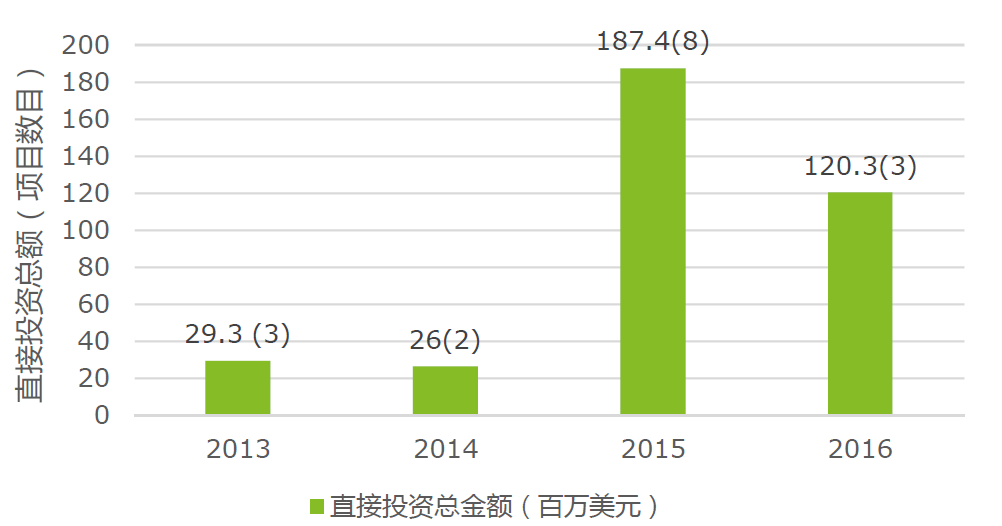
Chinese enterprises’ direct investment in the overseas pharmaceutical industry has shown a rapid upward trend, rising from USD 29 million in 2013 to USD 190 million in 2015, with a total of USD 363 million. The average size of individual projects has increased significantly, reflecting the strategic considerations of Chinese pharmaceutical companies in their outbound investments. Geographically, the United States and Europe have remained popular destinations, while direct investments have also been made in many developing countries. In terms of investment activities, the majority of funds were allocated to establishing overseas manufacturing facilities, with the remainder directed toward market promotion, research and development (R&D), and the establishment of overseas headquarters.
Outward Foreign Direct Investment in the Pharmaceutical Industry from 2013 to June 2016
Data source: fDi Markets
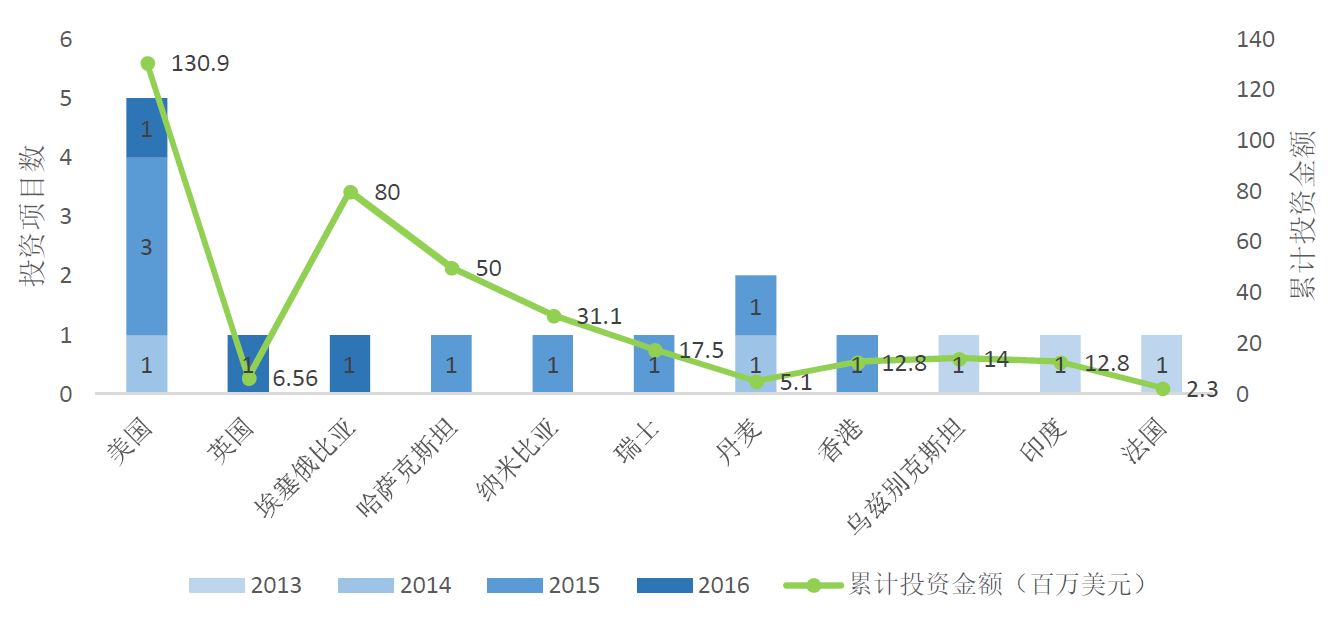
An increase in investment amounts is a characteristic of outward foreign direct investment. Since 2015, there have been six individual investment projects each exceeding USD 30 million; among these, three involved establishing manufacturing facilities and three were R&D investments. Regarding factory establishment in developing countries, the largest project was Humanwell Healthcare’s USD 80 million investment to build a plant in Ethiopia. This was followed by Kelun Pharmaceutical’s USD 50 million investment to establish a facility in Kazakhstan, and Jinyu Bio-technology’s USD 31.1 million investment to set up a plant in Namibia. The other three investments exceeding USD 30 million were all directed toward R&D activities in the United States, with the investors being Kunming Pharmaceutical Group, Frontage Holdings, and Pharmaron.
Deloitte’s research found that outward foreign direct investment (FDI) in 2015 increased significantly compared with 2014, driven by a rise in both the number and value of major investments. On one hand, as Chinese pharmaceutical companies matured, they began seeking new markets to expand their global footprint, establishing production lines in countries with large populations but scarce medical resources to capture overseas market share. On the other hand, advanced technologies in developed countries continued to attract Chinese pharmaceutical firms to set up overseas R&D centers to complement their product portfolios. Policy support encouraged enterprises to invest abroad more boldly. The revised “Administrative Measures for Outbound Investment” issued by the Ministry of Commerce clarified the status of enterprises as primary actors in outbound investment, safeguarded their autonomy in investment decision-making, allowed them to leverage their competitive advantages to engage in overseas investment cooperation, and permitted them to independently assume risks when freely undertaking engineering and labor service cooperation projects in various countries and regions. These measures reduced constraints and barriers for Chinese companies pursuing overseas investment activities. In addition, favorable policies toward foreign investment in target countries further stimulated Chinese enterprises’ outward FDI.
Distribution and Cumulative Amount of Overseas Investments from 2013 to June 2016
 Data source: fDi markets
From the perspective of investment direction, projects can be broadly categorized into three types. The first type involves establishing factories and production lines in developing countries, with the manufactured drugs sold in the local markets of those countries. Between 2013 and 2016, there were four such projects, located in Uzbekistan and Kazakhstan in Central Asia, as well as Ethiopia and Namibia in Africa. The products manufactured include tablets, capsules, injections, liquid formulations, and vaccines. Taking Humanwell Healthcare’s investment in Ethiopia as an example, the company’s primary objective was to expand into the East African market. Key factors influencing this investment included Ethiopia’s large population and supportive government policies. Investing in regions that are relatively less developed but densely populated allows companies to quickly establish a dominant position in the local market and capture potential demand. The second type involves setting up research and development (R&D) centers in developed countries. Between 2013 and 2016, there were five projects involving the establishment of R&D centers, four of which were in the United States and one in France. When evaluating such projects, investors primarily consider talent recruitment and the local R&D environment. For instance, Shanghua Pharmaceutical established a research institute covering over 2,000 square meters in California, USA. The company cited the presence of top-tier industry talent and a robust biopharmaceutical community in the region as the rationale for this investment. The first two types of investment directions require substantial capital outlays and create numerous jobs. The third type mainly involves establishing companies in the target countries for promotion and sales purposes. These projects involve smaller amounts of capital and fewer personnel.
Future Outlook: Continued establishment of manufacturing facilities in developing countries and R&D centers in developed nations. By setting up production in developing countries, products will be introduced to local markets for sale, thereby capturing local market share. Ideal target countries are those with large populations, underdeveloped pharmaceutical science and technology, and significant market potential. Establishing R&D centers in developed countries aims to attract high-skilled foreign talent, thereby facilitating the transfer of technology back to the domestic market. However, direct investment is expected to remain relatively limited, with mergers and acquisitions being the more prevalent mode of expansion.
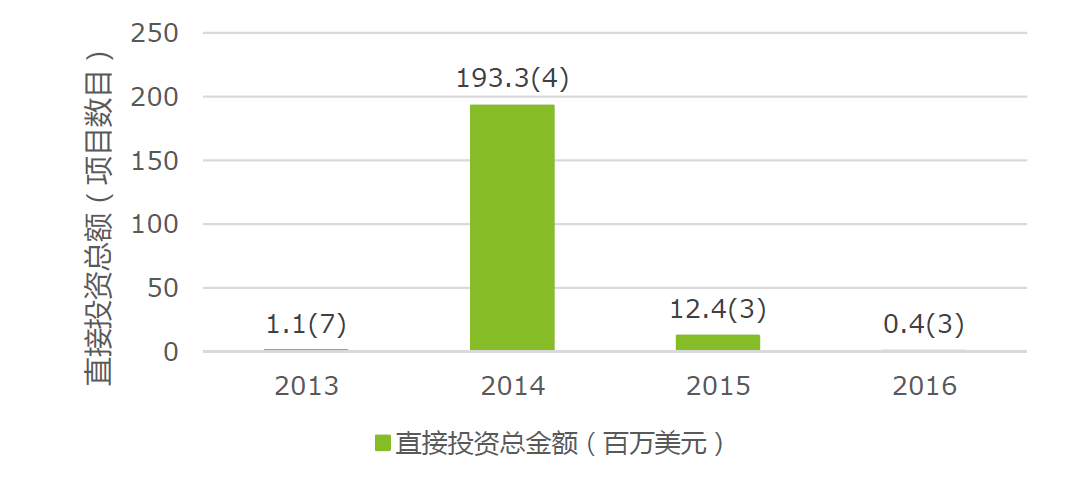
Outward Foreign Direct Investment in Medical Services and Equipment, 2013–August 2016
Data Source: fDi Markets
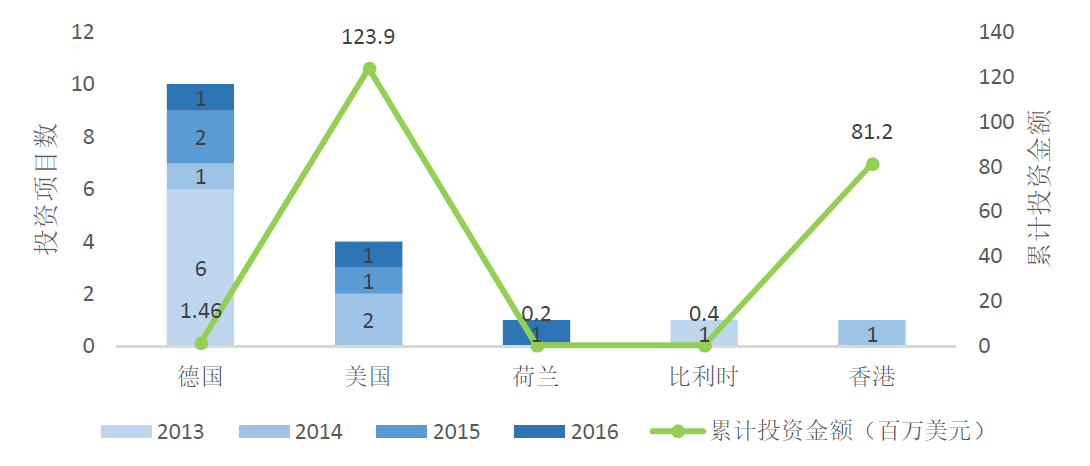
Deloitte’s research indicates that, in terms of geographic distribution, Germany has consistently been a popular destination, followed by the United States, with Belgium, Hong Kong, and the Netherlands also appearing as investment locations. In terms of investment activities, the majority of investments have been directed toward the medical device sector, primarily through the establishment of subsidiaries for sales, marketing, and support services; these investments typically involve relatively small amounts. The few projects that accounted for significant capital outlays were those involving the establishment of overseas headquarters, construction, and production facilities.A substantial peak in investment volume occurred in 2014. This was driven by MicroPort Scientific Corporation’s optimistic outlook on the orthopedic market prospects. In January 2014, MicroPort acquired the joint reconstruction business, OrthoRecon, from Wright Medical Group (U.S.). Subsequent integration efforts included establishing MicroPort Orthopedics’ U.S. headquarters and expanding production lines, thereby optimizing the organizational structure of its orthopedic division and integrating its supply chain. Additionally, Tongrentang decided to expand into overseas markets with Hong Kong as its starting point, building health and wellness centers. These major investments were significantly larger than other projects, resulting in an exceptionally pronounced spike in total investment amount in 2014.
From 2013 to the end of June 2016, Chinese enterprises made direct investments in a total of 17 overseas healthcare service and equipment projects, amounting to USD 207 million. Of this total, USD 193 million was invested in 2014 alone, with relatively little activity during the other periods. The largest single investment, valued at USD 100 million, was MicroPort’s establishment of a manufacturing facility in the United States in June 2014. Prior to this, MicroPort had already set up its U.S. headquarters in January 2014 with an investment of USD 12 million. The second-largest investment was Tongrentang’s opening of its first wellness center in Hong Kong, with an investment of USD 81.2 million. The center offers services such as Traditional Chinese Medicine (TCM) gua sha (scraping therapy), cupping, and massage. In terms of medical equipment and services, the largest investment amounts were directed toward the United States and Hong Kong. Although Germany had the highest number of projects, the investment amounts were relatively small. Considering the nature of these investments along with projects in the Netherlands and Belgium, it is evident that direct investments by Chinese medical device companies in Europe are primarily aimed at establishing subsidiaries for sales activities, serving as European sales hubs. In contrast, direct investments in the United States are mainly driven by the favorable research environment and easier access to talent.
Distribution and Cumulative Amount of Outbound Investments from 2013 to June 2016
Data source: fDi Markets
Currently, outbound investment in the medical device sector remains limited, with both scale and volume being relatively small. This stands in contrast to the vibrant M&A market, indicating that Chinese enterprises are still primarily in the stage of acquiring technologies and products. Outbound investments are mainly focused on expanding sales channels.
Cross-border M&A in China’s pharmaceutical industry has become more active than in previous years, with both the number of deals and transaction values rising. The number of outbound acquisitions increased from 5 in 2013 to 11 in 2016 (as of August 2016), while the total transaction value rose from USD 415 million to USD 3.87 billion, and the average deal size grew from USD 83.1 million to USD 351 million. The full-year outbound transaction value in 2015 was approximately USD 1.45 billion. The number of deals in 2015 was roughly double that of 2014, the total transaction value exceeded ten times that of 2014, and the average deal size was about six times that of 2014. As of the end of August 2016, there were 11 outbound M&A transactions totaling USD 3.87 billion, which is 2.7 times the full-year total for 2015. Acquirers are leveraging active M&A activity to expand their markets or enrich their product portfolios. The substantial increase in single-deal sizes indicates that Chinese buyers are pursuing more ambitious acquisition strategies, targeting larger companies with established market influence.
Deloitte’s research indicates that the level of activity in overseas mergers and acquisitions (M&A) has risen significantly since 2014, driven by a variety of factors. First, favorable policies and heightened national attention on the pharmaceutical and broader healthcare sector have motivated domestic companies to capitalize on policy dividends by acquiring advanced technologies and products from abroad. Second, influenced by the prevailing domestic climate in recent years, the fervor for M&A integration has led to a gradual depletion of high-quality targets, while valuations have soared. Consequently, Chinese enterprises are increasingly looking overseas for acquisition targets that offer high-tech, high-quality products at reasonable valuations. Additionally, against the backdrop of RMB depreciation, the appeal of acquiring overseas assets has strengthened for domestic companies.From an operational perspective, there are multiple reasons for Chinese companies to pursue M&A deals with foreign pharmaceutical firms, which can be broadly categorized as follows: First, to expand into markets outside China and achieve cross-selling through the acquired entities’ existing local channels. Accelerating internationalization and increasing global market share are key drivers for many enterprises. Second, to rapidly acquire relevant technologies and expedite the R&D process. Third, to horizontally diversify product portfolios and vertically extend into different segments of the industry chain. Beyond strategic acquisitions within the pharmaceutical industry, investment-oriented firms are also actively participating in overseas pharmaceutical M&A to secure higher returns.
Mergers and Acquisitions of Overseas Pharmaceutical Companies from 2013 to August 2016
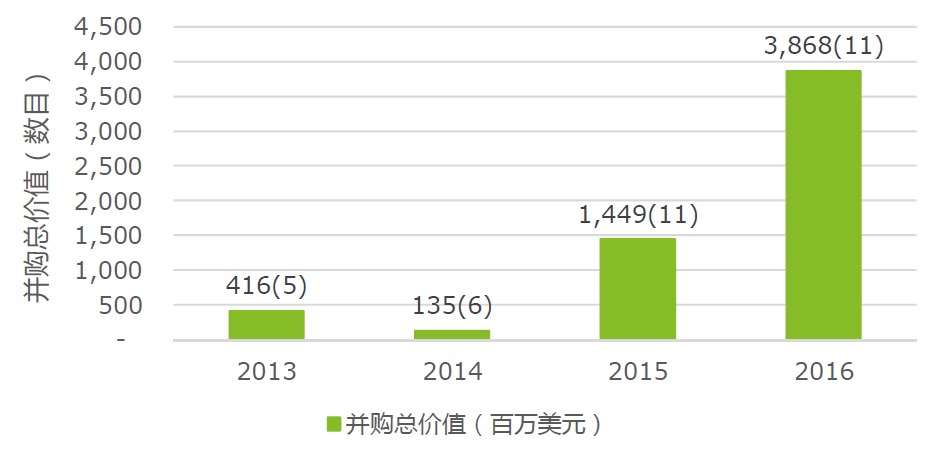
Data Source: Thomson Reuters, MergerMarket
In terms of transaction value, deals have evolved from small-scale mergers and acquisitions in the past to frequent large-scale acquisitions recently. Among the top ten largest transactions by value, except for one that occurred in 2013, all others were concentrated in 2015 and 2016.
In terms of M&A destinations, the United States has remained a popular region every year. The geographic distribution has evolved from an initial focus on the U.S. and Hong Kong to a global layout encompassing Europe, the Middle East, India, and Oceania. This shift is driven by Chinese buyers seeking new acquisition hotspots beyond their traditional targets. From a product perspective, M&A activities in 2013 focused on oncology, cardiovascular diseases, and anti-infectives. In 2014, the focus shifted to cardiovascular diseases, mucosal vaccines, injectable formulations, and health nutrition products. In 2015, key areas included generic drugs, oncology, cardiovascular and cerebrovascular diseases, in vitro diagnostics (IVD), and health nutrition products. From January to August 2016, the main targets were generic drugs, injectable formulations, health nutrition products, nephrology, and pain management. Historical M&A trends indicate that diseases posing significant threats to human health—such as cancer, along with cardiovascular and cerebrovascular diseases and diabetes, which have become increasingly prevalent with economic development—have consistently been prominent areas for acquisitions. Additionally, health nutrition products and generic drugs have emerged as new hotspots in recent years.
Distribution of Chinese Mergers and Acquisitions of Overseas Pharmaceutical Enterprises from 2013 to August 2016
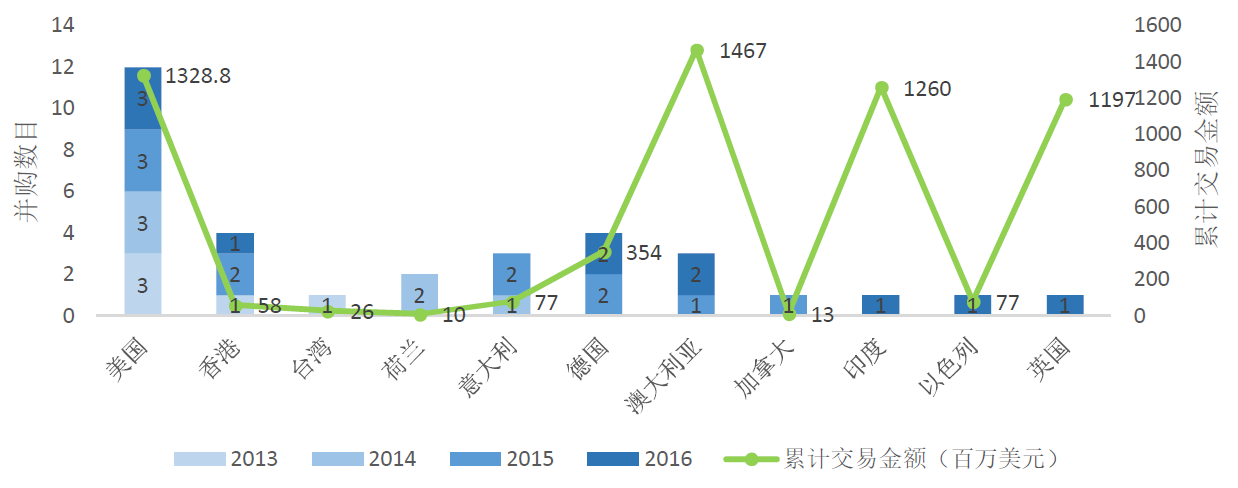
Data Source: Thomson Reuters, MergerMarket, Deloitte Research
Several acquirers have been particularly active in cross-border M&A, with significant transaction volumes, including Fosun Group, Kerui Group, Shenzhen Hepalink, and Guangzhou Biostime. Fosun has established a presence in the fields of generic drugs, mineral-based skincare products, and health and nutritional supplements through Fosun Pharma, Fosun International, and its invested industrial funds. Kerui Group acquired the UK-based plasma products company BPL. Shenzhen Hepalink, primarily a manufacturer of heparin sodium API—a biological drug—has strengthened its core business in recent years through acquisitions while expanding into other areas of large-molecule biologics, such as monoclonal antibodies and therapeutic protein drugs. Biostime acquired Swisse Wellness to enter the health supplement market.
Fosun Group: Fosun has remained highly active in mergers and acquisitions both domestically and internationally. In the pharmaceutical sector, Fosun acquired the U.S.-based health products company Nature’s Sunshine Products in 2014 and established a joint venture with it to enter the Chinese market. In 2015, Fosun, together with Houbu Investment, China Everbright Limited, and WuXi AppTec, jointly acquired Ambrx, a U.S. oncology drug company. In 2016, Fosun acquired AHAVA, an Israeli skincare brand specializing in Dead Sea mineral products, in April; in July, it invested in the U.S. company DiaMedica through a fund established in partnership with South Korea’s SK Group. DiaMedica’s primary products are currently used for the treatment of acute ischemic stroke and kidney diseases. Also in July, Fosun Pharma announced the acquisition of Gland Pharma, an Indian manufacturer of injectables and generic drugs, in a deal valued at up to $1.26 billion, marking the largest overseas acquisition by a Chinese pharmaceutical company to date.
Shenzhen Hepalink: Hepalink is a heparin active pharmaceutical ingredient (API) manufacturer. In 2013, it acquired SPL, a U.S.-based company in the same industry, to further refine and strengthen its layout in the heparin API sector. In August 2015, Hepalink acquired Cytovance Biologics, a U.S. contract development and manufacturing organization (CDMO) specializing in therapeutic protein and antibody drugs, thereby rapidly entering the field of biologic macromolecule pharmaceuticals and shortening the time required to build a biologic macromolecule industrial chain. In October of the same year, Hepalink acquired OncoQuest, a Canadian company primarily engaged in the clinical research and development of monoclonal antibody drugs. The two companies acquired in 2015 both have products related to cancer treatment.
Overview of Major Cross-Border M&A Cases in the Pharmaceutical Industry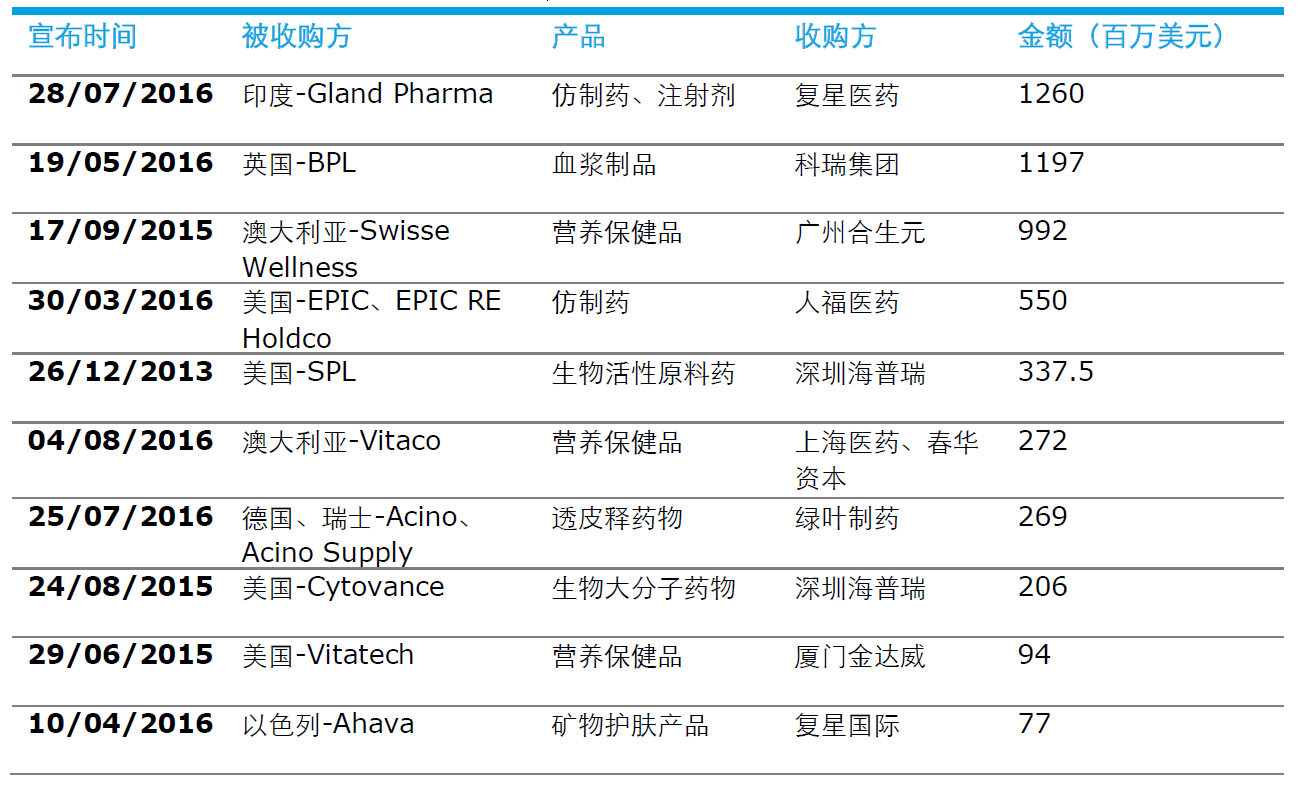 Data source: Thomson Reuters, MergerMarket, Deloitte Research
Chinese companies’ M&A activities in overseas medical equipment and healthcare services continue to heat up. The number of outbound M&A deals increased from 5 in 2013 to 19 in 2016 (as of August 2016), with the total transaction value rising from USD 180 million to USD 3.67 billion, and the average deal size increasing from USD 36 million to USD 193 million. In 2015, there were 25 outbound M&A deals throughout the year, with a total transaction value of approximately USD 2.47 billion. The number of transactions was about three times that of 2014, the total transaction value was five times that of 2014, and the average deal size was roughly twice that of 2014. As of the end of August 2016, there had been 11 outbound M&A deals, involving a total amount of USD 3.67 billion, which was 1.5 times the full-year figure for 2015. A significant upward trend is evident around the watershed period from 2014 to 2015.
The primary reason for the significant rise in M&A transaction values after 2015 is the increase in mergers and acquisitions of healthcare institutions. Amidst the current scarcity and uneven distribution of medical resources in China, national policies have encouraged private investment in the healthcare sector. Attracted by China’s potential market, both industry insiders and external buyers have targeted this sector to diversify their revenue streams. Lacking prior experience in this field, acquirers often choose to purchase advanced overseas brands, leveraging their brand appeal to establish a foothold in the market. Most of the acquired entities are leading healthcare institutions in their respective countries, which leverage the acquirers’ resources to enter the Chinese market. Currently, China’s medical standards and equipment in related fields are not yet fully mature, requiring time for development. By directly acquiring overseas healthcare service providers and medical equipment manufacturers with high-level capabilities, companies can rapidly capture market share and secure a leading position. Furthermore, the national treatment for investment granted under the China-Australia Free Trade Agreement has also facilitated M&A activities in Australia, thereby contributing to the overall growth in overseas M&A transaction values.
Mergers and Acquisitions of Overseas Medical Equipment and Service Enterprises from 2013 to August 2016
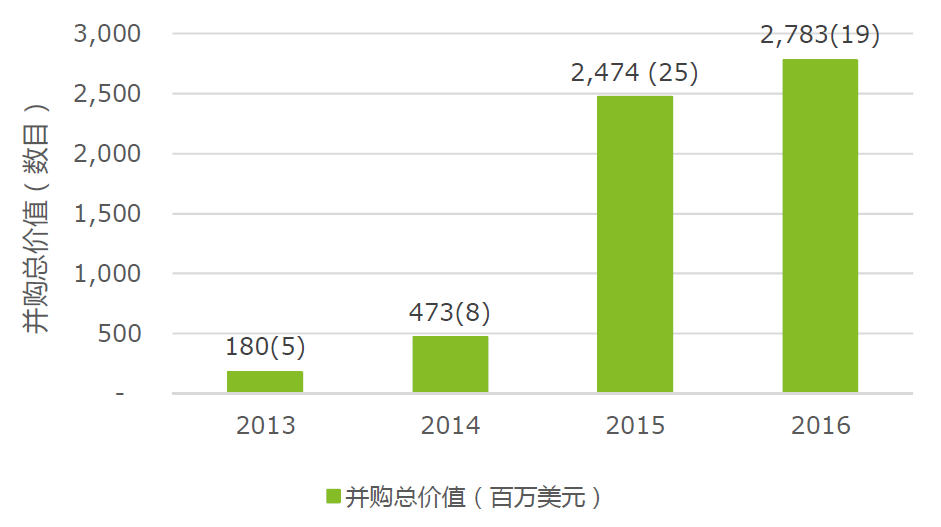
Data Source: Thomson Reuters, MergerMarket
The value of individual transactions has increased significantly. In terms of transaction amounts, the ten largest deals from 2013 to August 2016 were all valued at over $100 million, with nine of them occurring in 2015 and 2016.
An Increase in M&A Destinations. In terms of M&A destinations, the United States, Hong Kong, and Israel have remained popular regions every year. The geographic distribution has expanded from an initial focus on the United States, Hong Kong, and Israel to include Europe, South Korea, and Oceania, reflecting a trend toward global diversification.
M&A targets have become increasingly diversified. Among the five M&A deals in 2013, four involved companies primarily engaged in the agency and sales of medical devices, while the other was an Israeli company specializing in cultivating human cells using tobacco. In 2014, the business scopes of M&A targets began to diversify. In the medical equipment sector, this included blood glucose analyzers and surgical equipment; in the medical services sector, it covered ophthalmology hospitals and vaccine services. The number of M&A transactions increased significantly in 2015, with further diversification of targets spanning diagnostic analysis, ophthalmology, surgical equipment, and hospitals. As of August 2016, prominent target areas included cancer treatment equipment, diabetes-related diagnostic and therapeutic devices, and aesthetic hospitals. Notably, beyond traditional medical services and equipment, target companies also emerged in internet-enabled sectors such as telemedicine, medical data platforms, and medical data transmission and communication.
Distribution of Chinese Mergers and Acquisitions of Overseas Medical Equipment and Service Enterprises from 2013 to August 2016
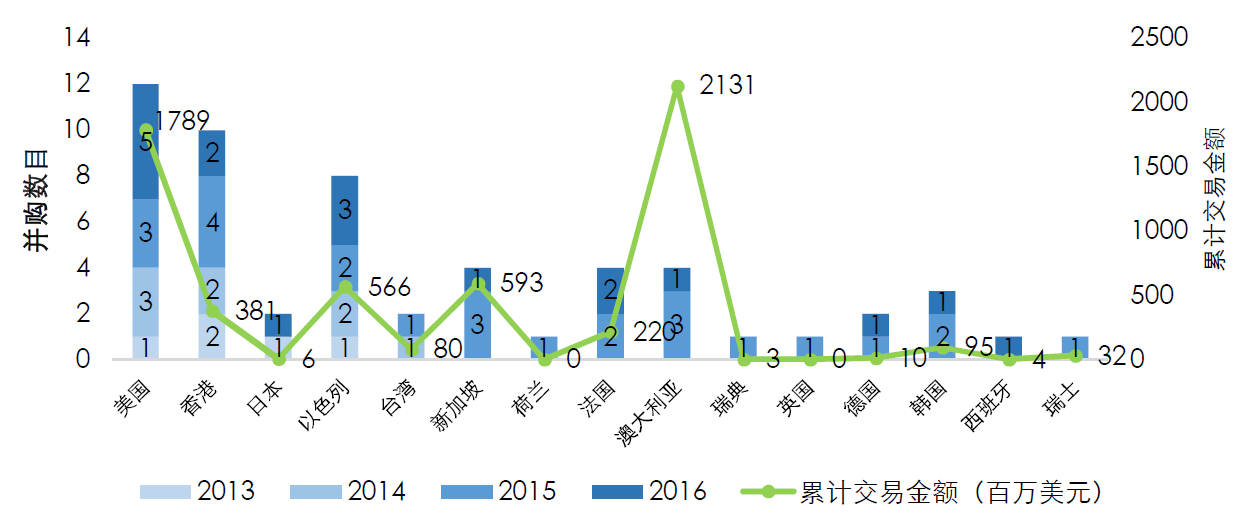
Note: The amount shown as 0 in the figure is because the transaction amount was not disclosed.
Data sources: Thomson Reuters, MergerMarket, Deloitte Research
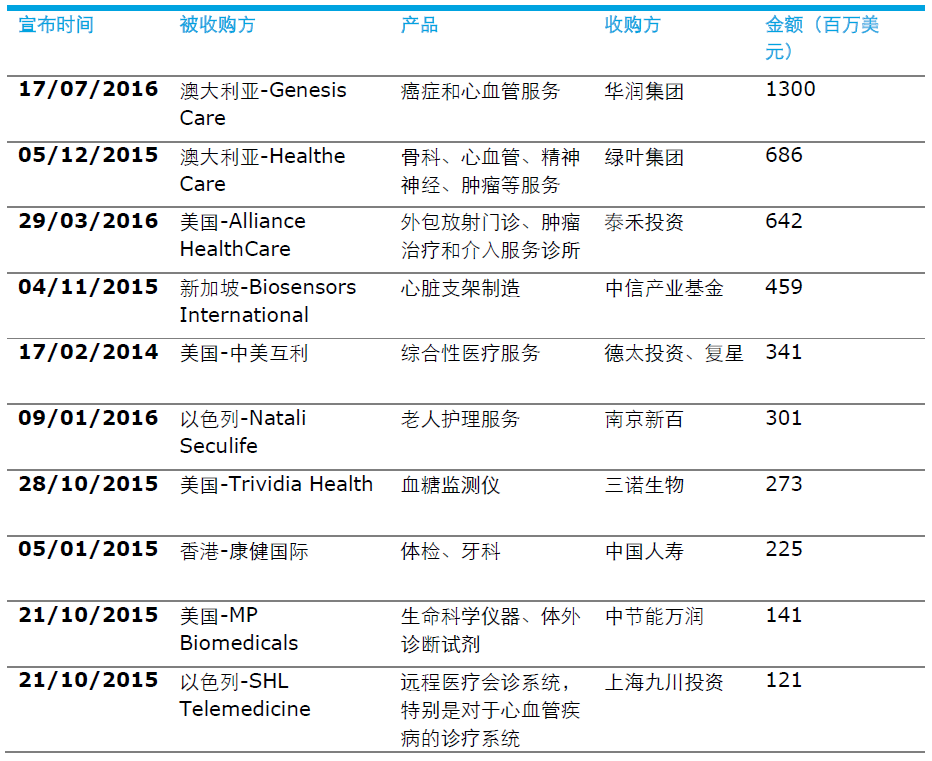
Taking recent major M&A transactions as an example, the acquisition targets are mostly institutions or companies providing oncology and cardiology treatment services or equipment. The main acquirers include Luye Group, Nanjing Xinjiekou Department Store, and Sinocare. Luye Group and Nanjing Xinjiekou Department Store have entered the healthcare service industry to expand their business scope. Sinocare has become one of the larger companies in its global industry sector through the acquisition of overseas peers.
Luye Group:Through its subsidiaries, including Luye Pharma and Luye Medical, Luye Group has undertaken significant mergers and acquisitions across the life and health industry. In July 2015, Luye Pharma acquired Vela Diagnostics, a Singapore-based gene sequencing company. That December, Luye Medical successively acquired Healthe Care Australia, the third-largest private hospital operator in Australia, and South Korea’s JC Health. The former primarily operates in orthopedics, cardiovascular care, neuropsychiatry, and oncology, while the latter specializes in obstetrics and gynecology, pediatrics, and plastic and cosmetic surgery. In July 2016, Luye Pharma announced the acquisition of the Swiss and German companies Acino AG and Acino Supply AG, which are engaged in the development, manufacturing, and distribution of transdermal drug delivery systems.
Nanjing Xinjiekou Department Store and Sanpower Group:In its corporate profile, Nanjing Xinjiekou Department Store Group (hereinafter referred to as “Nanjing New Bai”) states: “Currently, the Group is vigorously exploring a dual-core development strategy driven by ‘department store retailing + healthcare and elderly care,’ actively advancing capital market operations, and building an asset securitization platform. In the future, Nanjing New Bai will leverage its controlling shareholder, Sanpower Group’s forward-looking layout and resources in the big health sector, fully utilize the high-quality platform of the listed company, and explore profitable business models for medical and elderly care services, thereby making them new growth engines for the Group. Looking back at past transactions, in December 2014, Sanpower Group acquired Natali, an Israeli elderly care company. In January 2016, Nanjing New Bai first announced the acquisition of China Cord Blood Corporation, a Hong Kong-headquartered, U.S.-listed company, for USD 884 million. Subsequently, it acquired Natali from its controlling shareholder for USD 301 million. In March 2016, through Natali, it further acquired another Israeli nursing company, A.S. Nursing and Welfare. In July of the same year, Nanjing New Bai announced the acquisition of Singapore-based cord blood bank Cordlife Group.”
Sinocare Inc.:Sinocare is a blood glucose monitoring device company that seeks to strengthen its business through overseas mergers and acquisitions. In 2014, Sinocare proposed acquiring its Taiwanese peer Bionime Corporation but subsequently announced the termination of the plan. In 2015, it acquired Trividia Health, a U.S.-based competitor and the world’s sixth-largest blood glucose meter manufacturer. In 2016, Sinocare acquired PTS Diagnostics, a U.S. company whose main products are lipid profile and glycated hemoglobin (HbA1c) testing devices.
Overview of Major Cross-Border M&A Cases in the Healthcare Industry
Data sources: Thomson Reuters, MergerMarket, Deloitte Research
Cardiovascular and Cerebrovascular Disease Medications
With China’s aging population, urbanization, and economic development, the incidence of cardiovascular and cerebrovascular diseases has been rising steadily, making them one of the leading causes of death among residents. Consequently, investments in the cardiovascular and cerebrovascular sectors have remained a hotspot for cross-border mergers and acquisitions (M&A). From 2013 to August 2015, Chinese acquirers completed five overseas M&A deals involving companies specializing in cardiovascular and cerebrovascular drugs, with total transaction values amounting to approximately USD 1.8 billion. Notable transactions include Fosun Group’s acquisition of Gland Pharma, whose key product, heparin sodium, is an essential active pharmaceutical ingredient (API) used in the treatment of cardiovascular and cerebrovascular diseases. As population aging intensifies, the cardiovascular and cerebrovascular disease sector will continue to attract investment. On one hand, pharmaceutical companies producing APIs and subsequent finished drugs for these conditions will remain highly favored. On the other hand, since cardiovascular and cerebrovascular diseases are chronic conditions requiring long-term consultation and treatment, telemedicine systems that facilitate communication between doctors and patients and streamline follow-up visits will garner increasing attention. For instance, in 2015, Shanghai Jiuchuan Investment acquired an Israeli company developing a remote medical consultation system, driven by such considerations.
Cancer Treatment Drugs and Devices
Cancer is also a major disease threatening the life and health of Chinese residents. From 2013 to August 2016, overseas mergers and acquisitions in this field shifted from cancer therapeutic drugs to cancer treatment equipment and healthcare service providers. As a novel modality for cancer treatment, proton beam therapy is garnering increasing attention. Currently, there are two operational proton therapy centers in China, with nine additional projects under construction, most of which are expected to become operational after 2018. This will drive greater demand for proton therapy systems.
Diabetes Medications and Devices
According to the World Health Organization’s 2016 report, China had approximately 110 million diabetes patients, accounting for about 10% of the adult population, and this figure is projected to rise to 150 million by 2040. In terms of pharmaceuticals, recombinant human insulin, the flagship product of Gland Pharma (acquired by Fosun Group), is primarily used for diabetes treatment. Sinocare Inc. has aggressively pursued overseas mergers and acquisitions in the fields of blood glucose monitoring devices and test strips. With the growing demand for diabetes management and increased penetration of blood glucose meters, the demand for these devices and their accompanying test strips is expected to rise. Currently, the domestic blood glucose meter market in China is mainly dominated by Johnson & Johnson, Roche, Sinocare Inc., and Beijing Yicheng.
Nutraceuticals
As people place greater emphasis on personal health, consumption of nutritional supplements continues to rise. Since 2014, the cumulative value of acquisitions involving overseas nutritional supplement companies has reached $1.6 billion. The largest of these was Biostime’s acquisition of Australia’s Swisse Wellness. In the first half-year following the acquisition, Swisse Wellness contributed more than 40% of Biostime’s revenue.
In Vitro Diagnostics
With the advancement of biotechnology, in vitro diagnostic (IVD) products have enhanced the efficiency and accuracy of disease diagnosis. From 2013 to August 2016, there were 10 overseas mergers and acquisitions related to IVD. The diseases targeted by these products include HIV/AIDS, liver diseases, cancer, and cardiovascular and cerebrovascular diseases, with genetic testing also being a key area of interest for acquirers. With the emergence of the concept of precision medicine, more efficient diagnostic products are expected to gain greater favor.
Generic Drugs
As a large number of patented drugs face patent expiry, the generic drug market is poised for significant growth opportunities. On the other hand, the consistency evaluation of generic drugs imposes higher requirements on pharmaceutical companies’ R&D capabilities in this sector. Domestic pharmaceutical companies can enhance their technical proficiency and better position themselves in the generic drug market by acquiring overseas generic drug manufacturers. In July 2016, Fosun Group acquired Gland Pharma, an Indian generic drug company. In March 2016, Humanwell Healthcare acquired Epic Pharma and Epic RE Holdco, both U.S.-based generic drug companies.
Overseas Hospitals
National policies encouraging private healthcare investment have stimulated Chinese buyers to pursue mergers and acquisitions (M&A) of overseas hospitals. The Outline Plan for the National Healthcare Service System, released in 2015, encourages non-governmental entities to jointly establish new non-profit medical institutions with public hospitals, participate in the restructuring and reorganization of public hospitals, and supports the development of specialized hospital management groups. It also relaxes conditions for Sino-foreign joint ventures and cooperative medical practices. From 2013 to August 2016, there were 11 transactions related to the acquisition of overseas hospitals, involving approximately USD 3 billion. These acquisitions primarily targeted hospitals specializing in oncology and cardiovascular/cerebrovascular treatment, as well as ophthalmology and plastic surgery hospitals, positioning themselves in the mid-to-high-end medical services market.The drivers behind acquiring overseas hospitals are threefold. First, domestic medical resources are unevenly distributed, and although national policies have become more lenient, patients with critical illnesses mainly rely on domestic public Grade A tertiary hospitals. However, limited medical resources coupled with a large patient population have led to hospital overcapacity and a lack of personalized medical care. In this context, overseas hospital brands can offer more personalized services and facilitate overseas patient referrals. Second, the management systems of domestic private hospitals are still immature; acquisitions allow Chinese investors to learn from advanced hospital management systems and operational models. Third, these acquisitions enable the introduction of advanced foreign medical technologies and services. With an increasing number of people choosing to seek medical treatment abroad, acquirers can quickly establish a foothold in new market environments and meet growing healthcare demands through M&A. Looking ahead, amid a more favorable policy environment and rising demand for mid-to-high-end medical services, M&A activity targeting overseas private hospitals is expected to remain robust.
Healthcare Information Technology
The introduction of the “Internet Plus” concept has accelerated the application of information technology in the healthcare industry, prompting Chinese buyers to initiate cross-border mergers and acquisitions (M&A) in this sector. The primary products of the acquired companies include teleconsultation systems, medical data transmission and communication services, medical data platform software, and pharmacy automation products. These products are mainly designed to improve healthcare management efficiency, facilitate doctor-patient communication, and accelerate the automation of labor-intensive tasks. Deloitte’s research indicates that domestic health management systems are not yet mature. In terms of patient information, developed countries such as the United States have established sophisticated systems capable of transferring patient data between hospitals. In contrast, patient information in China is currently concentrated within public hospitals, with no interoperability or data transfer capabilities between these institutions. In the past, private enterprises’ attempts in this area received little active response or cooperation from hospitals. On the public sector side, Shanghai has purposefully collected and integrated patient data from various hospitals to build an information platform; however, the extent of data reuse remains low. We believe that information technology can enhance efficiency across various processes, including pre-visit appointments, consultation methods, post-visit medication pickup, medical record keeping, and follow-up scheduling. Although the process of healthcare informatization faces various obstacles, informatization and unified information management remain the direction of development, and M&A activities involving healthcare information technology companies are expected to become increasingly frequent in the future.
Australia
In June 2015, China and Australia formally signed the China-Australia Free Trade Agreement (ChAFTA), which entered into force in December 2015. The investment chapter of the agreement stipulates that both countries shall grant national treatment and most-favored-nation (MFN) treatment to investors from each other’s nations. Among the overseas M&A samples analyzed in this report, there were seven transactions involving Australian enterprises, covering five target companies with a cumulative transaction value of approximately USD 3.6 billion. All these deals occurred after June 2015, accounting for 31% of the total transaction value in 2015 and 2016. The acquired Australian companies include nutraceutical firms Vitaco and Swisse Wellness, the ophthalmic hospital group Vision Eye Institute, as well as large-scale healthcare providers Healthe Care and Genesis Care. Healthe Care primarily offers services in orthopedics, cardiovascular care, neuropsychiatry, oncology, rehabilitation, obstetrics and gynecology, and general medicine, while Genesis Care specializes in oncology and cardiovascular medical services. In Australia, nutraceuticals are classified as therapeutic goods and are subject to stringent regulations and oversight, resulting in industry-leading product quality that is highly favored by consumers. The hospitals included in the sample are also among the larger-scale medical institutions in Australia.
United States
The United States has consistently been a popular destination for Chinese overseas mergers and acquisitions (M&A), primarily due to the advanced technological capabilities of U.S. companies, the robust performance of the U.S. economy, and favorable valuation expectations. From 2013 to August 2016, there were 24 M&A transactions in the life and health sector, averaging six deals per year, with a total value of approximately USD 3.1 billion. The acquired companies spanned various fields, including non-pharmaceutical areas such as proton therapy equipment for cancer treatment, genetic analysis, blood glucose meters, in vitro diagnostics, surgical devices, and medical data platforms, as well as pharmaceutical segments such as generic drugs, nutritional supplements, and biologic macromolecule drugs. Meanwhile, the United States is also a primary destination for China’s outward foreign direct investment, mainly for establishing R&D centers. According to investors, the key attractions of the U.S. market are the ease of accessing talent and its superior scientific research environment. As the United States remains a global leader in cancer treatment, advanced medical equipment, and pharmaceutical R&D, investment enthusiasm toward the U.S. is expected to remain strong. However, the stance of U.S. regulatory authorities will have a direct impact on the feasibility of M&A and investment activities.
South Korea
As the economy grows and consumer spending rises, an increasing number of people are paying closer attention to their appearance, with many opting for cosmetic surgery. South Korea’s mature and technologically advanced medical aesthetics industry has attracted numerous Chinese patients to undergo procedures there. Meanwhile, the growing demand for medical aesthetics within China has drawn significant interest from domestic enterprises. In December 2015, Luye Medical acquired JC Health, a South Korean high-end healthcare management company that owns the Ellium brand. JC Health specializes in hospital management services for specialized fields such as obstetrics and gynecology, pediatrics, and medical aesthetics, and also operates postpartum care hospitals. In 2016, Suning Universal acquired ID Health Industry, a South Korean facial plastic surgery hospital renowned for its expertise in facial bone contouring and holding the global record for the highest number of facial surgical cases. The rationale behind these acquisitions lies in leveraging South Korea’s advanced technology while tapping into China’s vast market. As Chinese capital continues to flow in, mergers and acquisitions in South Korea’s medical aesthetics sector are expected to increase.
Israel
Israel is the country outside the United States that attracts Chinese investors with its advanced technology. From 2013 to August 2016, there were eight mergers and acquisitions in the life and health sector, involving amounts exceeding $600 million. The acquired product technologies included telemedicine consultation, specialized nursing services, surgical instruments, laser cosmetic devices, and more.
After Chinese healthcare and pharmaceutical companies “go global” through mergers and acquisitions (M&A) or direct investment, they need to adjust three key areas—corporate governance structures, local policies and regulations, and product production standards—to maximize synergies. First, companies must consider the post-acquisition arrangement of the target’s management team: whether to retain the existing leadership or make new appointments, and how appropriately to intervene in corporate strategy. It is also essential to ensure that the strategies of both companies are organically aligned. Second, cross-border investments require a thorough understanding of the legal and regulatory frameworks governing companies and industries in different jurisdictions, so as to fully leverage policy incentives while avoiding compliance violations. Third, due to differing regulations, standards for drug manufacturing, medical device production, and healthcare service delivery vary between regions. Post-acquisition, companies should carefully address how discrepancies in production standards may impact costs and operational efficiency.
In recent years, Chinese enterprises have become increasingly active in expanding globally through mergers and acquisitions (M&A). However, Deloitte’s research indicates that current outbound M&A activities by Chinese companies are primarily characterized by financial investments, with the acquired overseas firms maintaining relative operational independence. In past transactions, Chinese acquirers rarely replaced the management teams of the target companies or made significant changes to their corporate strategies. The primary reason for avoiding deep integration post-acquisition and instead maintaining relative independence is technical: the management teams of the acquired companies are typically top-tier talent in their respective fields, possessing a deeper understanding and grasp of the industry than the acquirers. Furthermore, the rationale behind the acquisition dictates the extent of post-merger integration. Beyond technology acquisition, another driver for overseas M&A is the attractiveness of overseas assets against the backdrop of a depreciating Renminbi and elevated valuations of high-quality domestic targets. Buyers motivated by this factor tend to preserve the independence of the acquired companies after the transaction and grant them operational autonomy in the Chinese market. For instance, Taihe, a domestic real estate developer, entered the healthcare sector to diversify its revenue streams. After acquiring Alliance in the United States in March 2016, Alliance was tasked with supporting the operation of medical services in the Chinese market.
Although the post-acquisition integration of Chinese healthcare enterprises “going global” remains at a relatively superficial stage, we can still observe that certain acquirers are actively pursuing comprehensive global strategic layouts by integrating acquired products into their existing product portfolios. For instance, following Fosun’s acquisition of United Family Healthcare (UFH) from Sino-US United Healthcare, it fostered collaboration in health insurance services and established Star Castle Senior Living through partnerships with foreign entities. This demonstrates that Fosun’s product portfolio spans both domestic and overseas upstream and downstream segments, effectively forming an integrated value chain.
“Going Global” Risks and Analysis
When Chinese enterprises implement their corporate strategies through “going global,” they face risks across various stages and aspects. Taking mergers and acquisitions (M&A) as an example, these risks can be chronologically categorized into “pre-M&A,” “during M&A,” and “post-M&A.”
Pre-M&A Risks: Valuation Risk, Legal Risk
Mergers and acquisitions (M&A) can generate synergies for the acquirer and drive corporate growth, but this is predicated on reasonable valuation. If a proper valuation and comprehensive financial analysis are not conducted prior to the transaction, resulting in an excessively high final purchase price, it will impose a heavy financial burden on the acquirer. Currently, M&A activity in the life and health sector is vigorous both domestically and internationally, with valuations of many companies deviating from reasonable ranges. For acquirers, even if post-merger integration and operations are successfully executed, it will take a considerable period to meet expectations and recoup the investment.
Furthermore, prior to a merger and acquisition (M&A), the transaction carries legal risks. Most of these risks stem from non-compliance with the laws and regulations of the target country, which may result in increased transaction costs, prolonged timelines, or even failure of the deal. For instance, if the acquisition target is a publicly listed company, the transaction will be subject to securities law regulation. Risks may arise if information disclosure fails to comply with securities laws, if takeover rules are not adhered to, or if the target company employs legal measures to resist the acquisition.
Moreover, antitrust laws also pose a significant barrier to mergers and acquisitions among industry peers. According to Deloitte’s research, Chinese companies in the life sciences and healthcare sector are increasingly tending to acquire large overseas firms, and future transactions may be constrained by such legal regulations.
Risks in Mergers and Acquisitions: Political Risk, Financial Risk
Political risks include government intervention in the host country of the acquisition target. As Chinese enterprises grow and expand, they enter the international market through overseas mergers and acquisitions (M&A). However, in certain industries, particularly high-tech sectors, Western countries represented by the United States frequently intervene in transactions on grounds of national security, leading to the eventual termination of deals. As a vital industry, the life and health sector may face obstacles when Chinese acquirers pursue overseas M&A. Additional risks in M&A include financial risks such as exchange rate fluctuations and financing challenges. Currently, the international economic performance is unstable, with financial markets often experiencing significant volatility. Exchange rate fluctuations can substantially impact the cost of overseas M&A for acquirers. For instance, the Brexit event led to a sharp depreciation of the British pound, while the US dollar appreciated amid interest rate hikes by the Federal Reserve. If Chinese acquirers fail to implement appropriate risk mitigation measures before or after such events, they may incur higher transaction costs or see reduced profits when repatriating earnings back into their home currency.
Post-M&A Risks: Integration Risk, Talent Risk
Post-merger, the two companies face risks in corporate culture integration and talent retention, which can impact the overall strategic development of the company. First, corporate culture influences employees’ mindsets and values. Chinese enterprises and overseas companies often exhibit significant differences in both lifestyle and corporate cultures. Such disparities may lead to poor collaboration or even conflicts between employees of the two firms after the merger, thereby undermining the overall interests of the merged entity. Furthermore, regulatory frameworks and production standards may differ between the two countries. Failure to conduct thorough research and make necessary adjustments post-merger could compromise product adaptability and compliance in different markets. Finally, mergers exert substantial pressure on employees of both companies, leading some talented individuals to depart during the process of cultural integration and transformation. Therefore, retaining talent and effectively integrating workforces from both sides will remain a major challenge following the merger.
Risk Response Measures:
To address the aforementioned risks, considerations and actions can be undertaken from the following aspects.
I: Make scientific decisions to avoid blind acquisitions and expansion. In terms of finance and valuation, engage professional financial institutions such as investment banks to conduct valuations. Perform thorough due diligence and ensure proper information disclosure prior to valuation, thereby reasonably determining the acquisition price of the target. Utilize appropriate financial instruments, such as forward exchange rate locks, to mitigate foreign exchange risk. Furthermore, fully leverage diverse financing channels to reduce financing costs.
II. In terms of legal and policy considerations, carefully study local laws and regulations. Relevant laws include securities law, company law, and anti-monopoly law prior to the merger and acquisition (M&A), as well as labor and intellectual property laws post-M&A. If the enterprise is unfamiliar with local laws and regulations, it may engage professional legal firms. Strict compliance with legal requirements for information disclosure and transaction execution will accelerate the deal process and reduce time and legal costs. Meanwhile, actively communicate with the host country of the investment, properly assess political risks associated with the transaction, and arrange post-acquisition management, shareholding structures, and production operations to alleviate concerns of the local government.
III. Post-Merger Integration Requires Detailed Arrangements and PlanningOnce the objectives of the transaction are clearly defined, corresponding integration arrangements must be established. Currently, most mergers and acquisitions (M&A) are primarily driven by financial investment. In such cases, it is inappropriate to excessively interfere with the management of the acquired company. If the acquirer is an outsider to the industry while the target is a domain expert, both parties should formulate a post-merger development strategy through active communication and planning. For strategic investments, integration planning should be conducted well in advance to prevent the loss of internal talent and external customers due to delayed integration. It is essential to fully understand the operating environment of the acquired company and the cultural differences between the two organizations, making practical adjustments and changes to achieve efficient collaboration. Unilateral planning and implementation of integration should be avoided.
Pharmaceutical Industry Investment Cases
Case 1:In July 2016, Fosun announced its plan to acquire an 86.08% stake in Gland Pharma, an Indian injectable pharmaceutical company, for $1.26 billion. Founded in 1978 and headquartered in Hyderabad, India, Gland Pharma is primarily engaged in the manufacturing and production of injectable pharmaceutical products.
Gland Pharma is the first Indian injectable pharmaceutical manufacturer to receive approval from the U.S. Food and Drug Administration (FDA). It has obtained Good Manufacturing Practice (GMP) certifications from major regulatory markets worldwide, with its revenue primarily derived from the United States and Europe. Currently, Gland Pharma mainly provides injectable generic drug manufacturing services to large global pharmaceutical companies through co-development and in-licensing arrangements. As one of the few companies specializing in the manufacture of injectable pharmaceuticals, Gland Pharma holds a leading position among its peers in the Indian market. Its key products include heparin sodium, enoxaparin sodium injection, rocuronium bromide injection, and vancomycin, commanding a significant share of global sales in these categories. Fosun believes that this transaction will help advance the industrial upgrading of Fosun Pharma’s pharmaceutical manufacturing operations, accelerate its internationalization process, and increase its market share in the injectables segment. Furthermore, by leveraging Gland Pharma’s R&D capabilities and the unique advantages of India’s generic drug policies, and integrating them with Fosun Pharma’s existing biopharmaceutical innovation and R&D strengths, the company aims to achieve product line integration and synergy, actively expand business in India and other markets, and thereby scale up its pharmaceutical manufacturing and R&D operations.
Case 2:In May 2016, Kerui Group acquired BPL, a UK-based global leader in plasma-derived therapeutics, for $1.197 billion.
Headquartered in Elstree, Hertfordshire, England, BPL is the UK’s sole and a top-ten global plasma products company with over 60 years of experience. It produces 14 plasma-derived therapeutic products across three major categories for the treatment of immunodeficiencies, coagulation disorders, and critical care, with an annual plasma fractionation capacity of approximately 650 metric tons. Its US division operates 34 plasmapheresis centers, collecting around 2,000 metric tons of plasma annually, ranking among the top five globally. As the world’s largest third-party plasma supplier, it provides source plasma and hyperimmune plasma not only to BPL for processing but also to other plasma product manufacturers such as Biotest. Kairui Group is one of the actual controlling shareholders of Shanghai RAAS Blood Products Co., Ltd., a company listed on China’s A-share market. According to Bloomberg, Kairui plans to inject its BPL assets into Shanghai RAAS. Following the capital injection, through the integration of international and domestic resources and targeting both markets, Shanghai RAAS’s annual plasma collection volume could soon exceed 3,000 metric tons. Kairui will make an additional £100 million investment in BPL to support capacity expansion, new product development, and entry into new markets.
Case 3:In September 2015, Guangzhou Biostime acquired an 83% stake in the Australian health supplement company Swisse Wellness for approximately $992 million, and in July 2016, it proposed to acquire the remaining shares.
Biostime is a domestic maternal and infant health product company, with its main products being probiotic health supplements and infant formula. Swisse’s primary business involves the research, manufacturing, and distribution of vitamins and nutritional supplements under the Swisse brand in Australia and New Zealand. Swisse is one of the market leaders in vitamins, herbal products, and mineral supplements in Australia, holding a market share of over 18.0%. Through this acquisition, Biostime has expanded its product portfolio, thereby diversifying its revenue streams and product offerings. According to Biostime’s 2016 interim report, in the first six months of 2015 prior to the acquisition, infant formula accounted for 86.5% of the company’s revenue. In the first six months of 2016 following the acquisition, the newly added product category “Adult Nutrition and Care Products” accounted for 42.7% of the company’s revenue, while infant formula accounted for 48.5%.
Investment Cases in the Healthcare Industry
Case 1:In July 2016, China Resources Group announced a joint acquisition with Macquarie Capital of GenesisCare, Australia’s largest provider of cancer radiation therapy and cardiology services, in a deal valued at up to US$1.3 billion.
GenesisCare operates 27 cancer treatment centers, 10 major cardiac centers, and 70 smaller cardiac centers in Australia. The company is also the largest private cancer care provider in the United Kingdom and Spain. Following the acquisition of IMOncology in Spain last month, GenesisCare now has 22 cancer centers across the UK and Spain, with an additional five under development. China Resources Group has stated that it will assist GenesisCare in developing the Chinese market and support its leadership team in advancing the company’s global expansion strategy.
Case 2:Greenleaf Healthcare acquired Healthe Care Australia, one of the largest private hospital operators in Australia, for $686 million in December 2015.
Healthe Care’s 17 hospitals fall into four major categories: tertiary hospitals, mental health facilities, specialty hospitals, and regional hospitals. Its areas of clinical excellence encompass orthopedics, cardiovascular care, neuropsychiatry, oncology, rehabilitation, obstetrics and gynecology, and comprehensive medical services. Equipped with cutting-edge diagnostic and therapeutic technologies and staffed by highly skilled specialists, Healthe Care offers both overnight and day-case surgeries. It provides innovative treatments in fields such as orthopedics and mental health, along with specialized rehabilitation services for postoperative patients, those with injuries, and individuals recovering from cardiac events or stroke.
Luye Group, founded in 1994, is committed to the mission of “serving human health with professional expertise.” Dedicated to investment and industrial development in the healthcare sector, the Group has its China headquarters in Shanghai and its international headquarters in Singapore. It operates three major business segments: Luye Pharma, Luye Medical, and Luye Investment. Luye Group began exploring the healthcare industry in 2011 and formally established its Healthcare Business Division in 2013, rapidly expanding its medical operations across China. Currently, Luye Medical has partnered with multiple internationally renowned specialized healthcare brands from countries such as South Korea and Singapore, and has built its own healthcare development network in cities including Shanghai, Chongqing, Yantai, and Wuhan. Looking ahead, the Group plans to establish therapeutic specialty platforms such as cardiovascular centers, orthopedic centers, and oncology centers, and gradually develop integrated healthcare complexes in key cities nationwide, striving to build world-class medical and healthcare centers.
Senior executives at Luye Group stated that this international acquisition holds significant importance for the exploration and growth of new businesses within Luye Medical Group in the future. It will strongly promote the development of Luye Medical’s operations in the Chinese market. This international acquisition marks a crucial step in Luye Medical’s global strategic layout. By joining forces with Healthe Care, Luye Medical will leverage Australia’s specialized clinical expertise and experience to establish a high-end hospital model tailored to China’s unique characteristics and targeting mid-to-high-end customer segments. In the future, Luye Medical’s primary clinical specialties will include orthopedics, oncology, cardiology, neurology, and ambulatory surgery centers.
Case 3:Taihe Investment acquired U.S.-based Alliance HealthCare Services in March 2016 for $642 million.
The target company is a leading outsourced healthcare services provider in the United States, serving hospitals and medical institutions nationwide. The company primarily operates freestanding radiology outpatient centers, oncology treatment and interventional service clinics, and ambulatory surgery centers (ASCs) that are independent of hospitals and other medical facilities. Through its imaging division, radiation oncology division, and interventional therapy division, the company provides patients with medical services including diagnostic radiology, radiation oncology, interventional procedures, and pain management. It is the largest mobile diagnostic imaging service provider in the U.S., an industry-leading on-site hospital imaging services provider, and a leading national provider of stereotactic radiosurgery.
Taihe Investment’s total assets exceed $13 billion, with business interests spanning real estate development, finance, securities, and biopharmaceuticals. Previously, Taihe Investment acquired Fujian Huitian Biopharmaceutical Company. The recent acquisition of Alliance Healthcare will help further expand its medical business in both mainland China and overseas markets. As the controlling shareholder of Alliance, Taihe Investment will not only help consolidate the company’s position in the U.S. healthcare market but also facilitate its entry into China’s healthcare sector. This move aims to introduce advanced radiation and oncology treatment services to China, providing Chinese patients with internationally leading medical care while contributing to the improvement of China’s overall healthcare standards. Currently, both parties are engaged in further negotiations and advancing collaborations with renowned hospitals in major Chinese cities.
Reprinted from: Deloitte China, “2016 Investment Promotion Report on China’s Pharmaceutical and Healthcare Industry”》