

Women's Health Umbrella: Five Innovative Technologies for Vital Sign Monitoring and Disease Diagnosis
The past year has not been particularly optimistic for women's health development.
First, a company launched Bluetooth-enabled “smart tampons,” devices that claim to track women’s menstrual cycles by monitoring changes in their eyebrows. However, the design of these devices is overly bulky and impractical. Moreover, this functionality raises significant security concerns; for instance, hackers could potentially access such private health data through mobile applications, even though these apps are intended to help women monitor their menstrual cycles and fertility.
We all hope that 2017 will be a better year. Fortunately, an increasing number of startups are recognizing that men and women have distinct health needs. As a result, more companies are now developing new products and services aimed at addressing women-specific health issues, such as childbirth and contraception. Below are some intriguing women’s health technologies currently in the pipeline.In the coming years, consumers will have access to the most innovative medical devices for testing female physiological indicators and treating female-specific diseases.
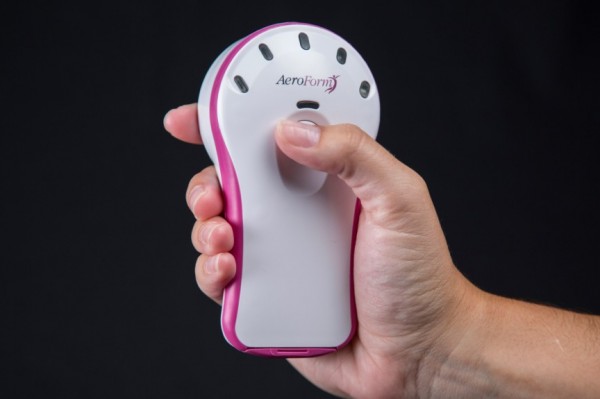
This handheld needle-free device gradually expands tissue using compressed carbon dioxide after mastectomy.
As the rate of bilateral mastectomy among women rises, an increasing number of women face the decision of whether to undergo breast reconstruction after surgery. For decades, breast implants have typically involved tissue expansion using needles, a process that is highly painful and inconvenient for female patients. Today, this needle-free device, which allows patients to self-control the expansion, uses small amounts of carbon dioxide to expand the tissue. The device has been tested in a large clinical trial at Columbia University and is currently awaiting FDA approval.
Dot Laboratory, based in San Francisco and led by Heather Bowerman, has now launched a test for diagnosing endometriosis. Endometriosis is a common painful condition in which tissue grows outside the uterus rather than inside, as it normally does. Approximately one in ten women worldwide is affected by this disease, and endometriosis is also a common cause of female infertility. Typically, the only way to diagnose the condition is through invasive surgical procedures. In the United States, women with endometriosis take an average of 11 years to receive a correct diagnosis. Heather Bowerman aims to change this status quo. Her company has developed a blood test for diagnosing the disease and plans to officially launch it in 2017.

Nurx is a highly popular startup this year that specializes in serving women.
Dubbed “Uber for contraception,” the startup Nurx aims to help women address their contraceptive needs, particularly when they realize they have not been using proper birth control and find themselves unable to obtain emergency contraceptive medications on short notice. Nurx customers can log in to the company’s web platform or download its mobile app, enter their personal health information, and select their preferred type of contraception. A Nurx physician then consults with the customer, after which the company sends the prescription to a pharmacy and arranges for delivery. Patients can place orders up to three months in advance. To date, Nurx offers delivery services in California, New York, Washington State, and Washington, D.C., and plans to continue expanding into other regions.
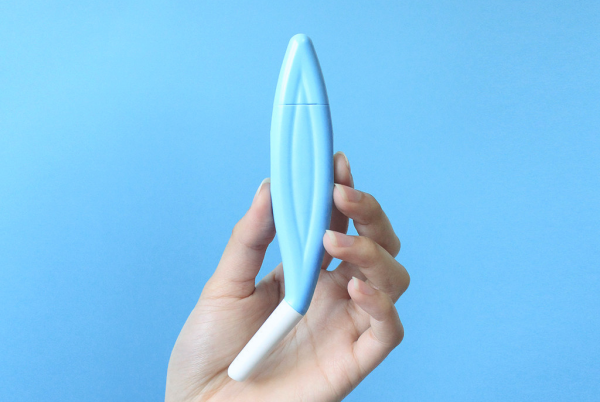
Eve Medical’s At-Home Pap Smear Enables Women to Self-Screen for Sexually Transmitted Infections and Mail in Samples for Analysis
Although most insured women have access to routine Pap smears for cervical abnormality screening, many still miss out on screening for various reasons, including the embarrassment associated with the test. Eve Medical, a Toronto-based company, has developed a self-testing kit that allows women to collect their own biological samples for testing against conditions such as chlamydia, gonorrhea, and human papillomavirus (HPV). After sample collection, customers simply mail it back to the company, where laboratory analysis is conducted. The company is currently offering these online testing services to residents of Canada.
Katie Brenner, a postdoctoral researcher at the University of Wisconsin–Madison, founded BluDiagnostics after becoming frustrated with existing fertility testing options during her own challenging journey to conceive. The company is developing a prototype saliva-based testing device that measures women’s hormone levels, enabling home-based ovulation prediction, pregnancy diagnosis, and identification of hormonal issues that may impair fertility. If clinical trials demonstrate the technology’s efficacy, this approach could replace traditional hormone testing, which typically requires blood draws in clinical settings.
The viewpoints in this article are derived from MIT Technology Review’s “Technology Trends to Watch in Women’s Health,” compiled and translated by VCBeat.