

Spotlight on Exceptional Innovators: Top 10 Medical Industry Figures of 2016
Following a period of unregulated expansion in 2014 and rapid growth in 2015, the internet healthcare sector entered a phase of transformation in 2016, with numerous industry giants shifting their focus to offline services and experiencing an explosive rise in internet hospitals. The wave of internet healthcare has swept across the globe. To date, governments, investment institutions, pharmaceutical companies, and entrepreneurs have all been exploring future models of healthcare delivery and making proactive attempts amidst this digital surge. Throughout the year, many domestic healthcare entrepreneurs pressed forward without dwelling on the past or fearing the future. These outstanding pioneers deserve to be remembered; to this end, VCBeat has compiled a list of representative figures in the field of medical innovation for 2016.
Medical Entrepreneur
Chunyu Doctor Zhang Rui
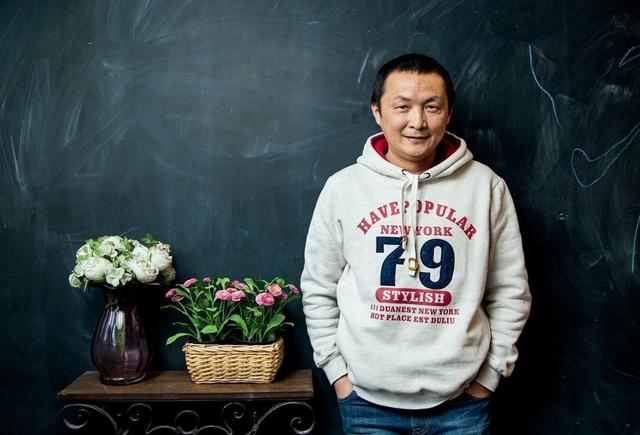
In November 2011, “Chunyu Palm Doctor,” a platform specializing in online lightweight medical consultations, was launched. In September 2012 and August 2014, Chunyu Doctor announced the completion of its Series B financing of $8 million and Series C financing of $50 million, respectively. In June 2016, it secured RMB 1.2 billion in Series D financing and prepared for an initial public offering (IPO).
Spring Rain Doctor has now been in operation for exactly five years. Today, it boasts 92 million active users and 490,000 professional physicians from public hospitals ranked at the Tier II Grade A level or above, with 330,000 medical inquiries answered by professionals each day. When people mention Spring Rain Doctor, they invariably think of its founder, Zhang Rui, as the platform bears his distinct imprint. As one of the true pioneers of mobile healthcare in China, Zhang Rui’s every step—from initial light consultations to the “Air Hospital” model and then to private physician services—has illuminated new frontiers for mobile health. With remarkable persistence and resilience, he has remained true to his original mission of saving lives and transforming doctor-patient relationships, gradually establishing Spring Rain Doctor as a benchmark in internet-based healthcare.
On the evening of October 5, Mr. Zhang Rui passed away due to a sudden myocardial infarction. News of his death is deeply regrettable; his ideals regarding care for the underprivileged and social responsibility lend an even more poignant tone to this entrepreneurial story.
To quote a line from “How Do Young People Earning Millions a Year Live?” to evaluate entrepreneurs like Mr. Zhang Rui: “In this world, one group of people keeps operating at high speed around the clock, while another group wakes up to find that the world has changed.”
Medical Entrepreneur
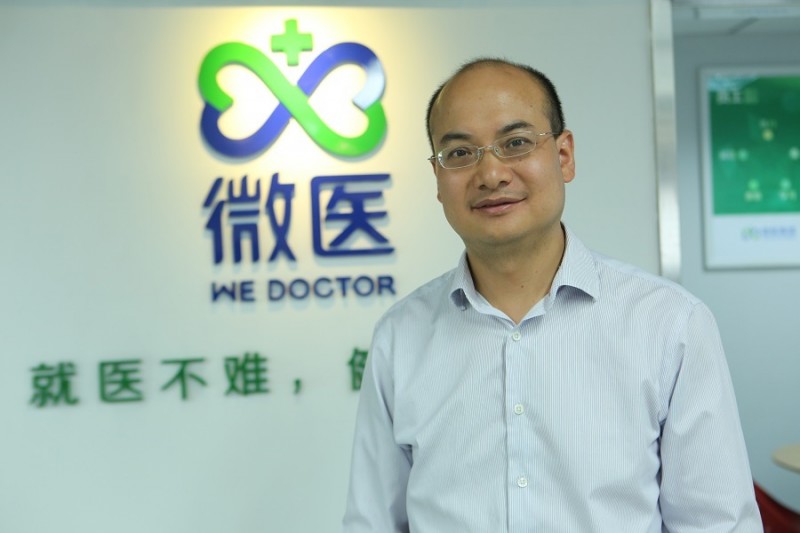
Liao Jieyuan, Chairman and CEO of WeDoctor, has a background in information technology. Before founding WeDoctor, he was a leading expert in China’s intelligent voice sector and held multiple invention patents in intelligent voice technology. After enduring the painful experience of his one-and-a-half-year-old nephew being misdiagnosed twice before undergoing surgery, he gained a profound understanding of the helplessness and frustration ordinary people face when dealing with healthcare issues.
In 2010, he ventured into the healthcare sector by founding “WeDoctor” (Guahao.com), dedicated to connecting hospitals, doctors, and patients via the internet to facilitate efficient information sharing among the three parties. With the mission of “making medical care accessible and health management systematic,” Liao Jieyuan cultivated deep expertise in the “Internet + Healthcare” industry over five years, building WeDoctor into a unicorn company in the digital health space.
As of October 2016, WeDoctor had expanded its coverage to 29 provinces, integrated with the information systems of more than 2,400 key hospitals, and amassed over 150 million real-name registered users and 260,000 specialists from these leading institutions. The platform had delivered more than 850 million cumulative consultations, saving Chinese citizens a total of 64 million workdays. Currently, 18 provinces and municipalities, including Sichuan, Gansu, Hainan, Heilongjiang, Guangxi, Henan, and Yunnan, have signed implementation agreements with the Wuzhen Internet Hospital. The daily patient volume at the Wuzhen Internet Hospital has exceeded 31,000 visits.
As 2016 draws to a close, internet healthcare has entered a competition of a different dimension. In 2017, we hope that Liao Jieyuan can lead the WeDoctor team to continue spearheading the internet healthcare sector, identify the ultimate closed-loop model for internet healthcare, and explore new frontiers in the future of medicine.
Healthcare Entrepreneurs
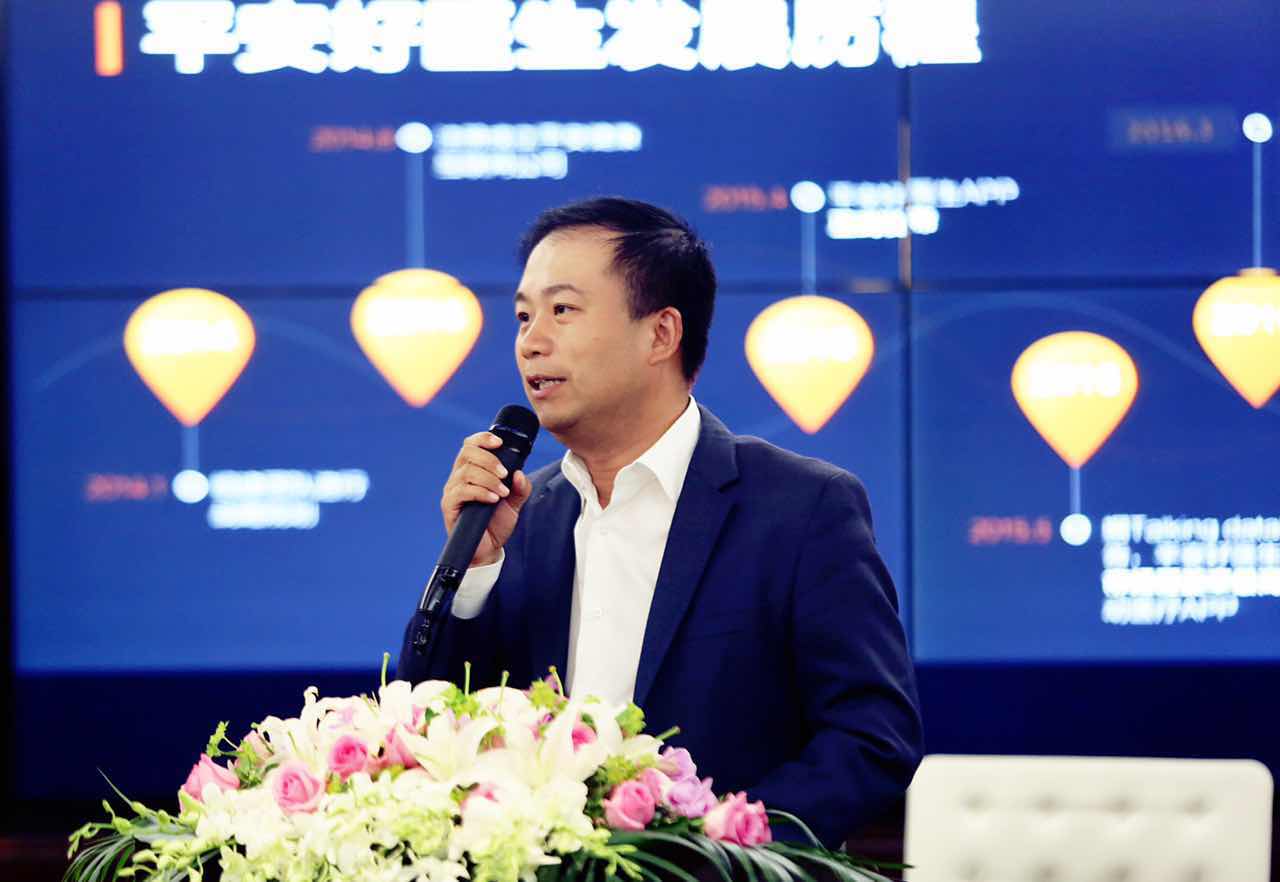
Wang Tao graduated from Texas State University in the United States. He has served as a senior executive at renowned IT companies such as Microsoft, Skyworth, and Kingsoft, accumulating over 20 years of multinational and local experience in the IT and internet sectors. From 2004 to 2009, he served as Senior Vice President of Alibaba Group and President of Alibaba Software. In 2013, at the invitation of Chairman Ma Mingzhe, he joined Ping An Group, serving as Chairman and Chief Executive Officer of Ping An Health Insurance. Meanwhile, he led an elite internet team to establish Ping An Health Internet Company Limited, where he also serves as Chairman and CEO.
At the end of 2015, a business plan circulated in the industry indicating that Ping An Good Doctor was seeking Series A financing. It was not until May this year that the matter was finally settled, with Ping An Good Doctor officially announcing the completion of a $500 million Series A funding round, valuing the company at $3 billion. With this round of financing, Ping An Good Doctor set two new records: the largest single funding amount for an internet healthcare startup globally and the highest valuation for a Series A round.
In August this year, Ping An Good Doctor announced that its registered users had exceeded 100 million, while Ping An Group declared its entry into the “Open Platform + Open Market” era of Ping An 3.0. By late August, Ping An Good Doctor expanded into the internet hospital sector by partnering with Southwest Hospital of the Third Military Medical University to create the innovative “Southwest Ping An Internet Hospital.” Wang Tao also led the Ping An Good Doctor team in continuous trials and explorations in areas such as smart medical hardware and medical speech recognition. Following its Series A financing, Ping An Good Doctor is preparing an ecosystem incubation fund, aiming to establish China’s largest healthcare ecosystem.
In just two years, Wang Tao not only revived the health insurance business that had been Ma Mingzhe’s biggest headache, but also turned Ping An Good Doctor into the largest unicorn company in the mobile healthcare sector, both domestically and internationally.
MedicalEntrepreneur
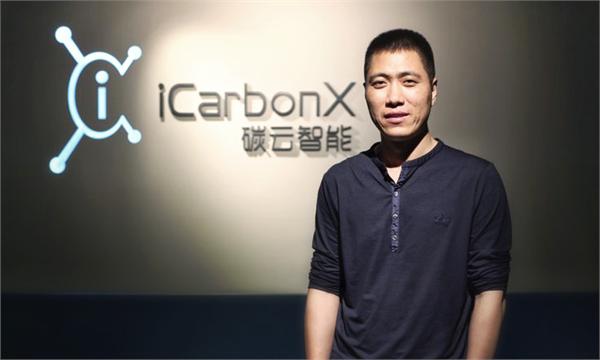
During his doctoral studies in 1999, Wang Jun participated in the founding of BGI. He later spearheaded three rounds of financing for BGI Tech, BGI Medical, and BGI Group, raising approximately $1 billion, and guided BGI Group onto the path to its initial public offering (IPO).
In September 2015, at the main forum of the second NetEase Technology Summit, Wang Jun, former CEO of BGI Genomics, made his debut as the founder of iCarbonX. In addition to Wang Jun, iCarbonX’s founding team boasted an all-star lineup, including Wu Chun, former Chief Operating Officer of BGI Genomics; Chief Scientist Li Yingrui; Chief Information Officer Li Hao; Qiang Yang, Chair of the International Joint Conferences on Artificial Intelligence (IJCAI); Gu Zhenglong, Professor at the College of Human Ecology, Cornell University; and Ai Cheng, founder of Aiwen Media.
On April 11, 2016, iCarbonX, founded by Wang Jun, former CEO of BGI Genomics, completed its Series A equity financing, raising over USD 100 million and achieving a post-money valuation of nearly USD 1 billion. In January this year, iCarbonX established iCarbonX (Malta) Ltd. in Malta, marking its first international base in the global rollout of its intelligent health management platform.
In September, iCarbonX acquired the Israeli visual technology company Imagu and established its overseas artificial intelligence research center, iCarbonX-Israel, in Tel Aviv. On September 22, iCarbonX officially announced that it had made a strategic investment of RMB 30 million in Banruo System, a company listed on the National Equities Exchange and Quotations (NEE), becoming the largest institutional shareholder of Banruo System aside from its founding team.
With a health management platform, an AI center also based overseas, and strategic investments in insurance big data, Wang Jun began his acquisition spree less than a year after the company’s founding, revealing early signs of his ambition to build a global health data platform.
Government Figures
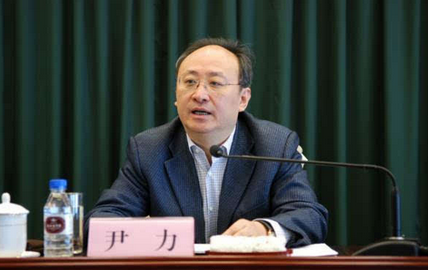
Yin Li is an undisputed professional in the field of health and one of the earliest returnees with a doctoral degree obtained abroad. He spent more than ten years studying in the medical and health sector. In 1980, Yin Li studied at the Department of Medicine, Shandong Medical University, and received his master’s degree in 1988. He then went to the former Soviet Union for further studies, where he earned his doctoral degree. In addition, Yin Li has a decade-long career in the health administration system, having successively served as Vice Minister of the Ministry of Health, Director of the State Food and Drug Administration, and Party Secretary.
On January 22, 2016, Yin Li was appointed as the Acting Governor of Sichuan Provincial People's Government. On January 29, Yin Li was officially elected as the Governor of Sichuan Province at the Fourth Session of the 12th Sichuan Provincial People's Congress. He subsequently spearheaded healthcare reforms in Sichuan Province.
In October 2016, the Sichuan Provincial Development and Reform Commission and the Health and Family Planning Commission issued the "Notice on Setting Prices for Internet Medical Services," which established detailed pricing for various specialties of internet hospitals and designated Sichuan Weiyi Internet Hospital as the first pilot program for inclusion in the medical insurance system.
On August 24, Yin Li, Governor of Sichuan Province, met with Ma Huateng in Chengdu. That afternoon, Tencent and West China Second University Hospital of Sichuan University signed a strategic cooperation agreement in Chengdu to jointly promote the development of smart hospitals. This marks Tencent’s first strategic cooperation agreement with a single hospital nationwide.
After assuming the office of Governor of Sichuan Province, Yin Li fostered a favorable policy environment for healthcare reform in Sichuan, vigorously promoting its exploration and implementation. By engaging in extensive collaboration with internet healthcare players such as Tencent and WeDoctor, he provided fertile ground for the growth of internet healthcare enterprises.
Government Figures
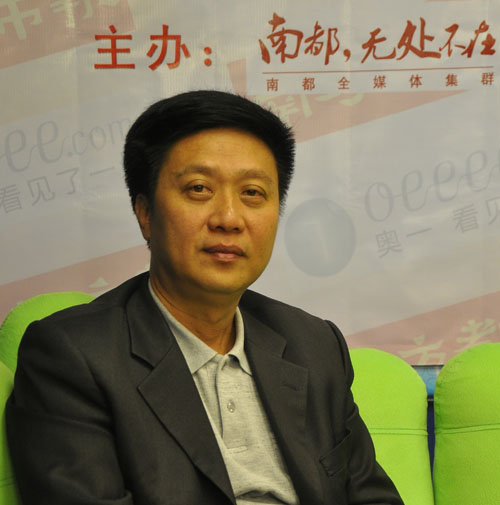
Aged 53, a native of Fengshun, Meizhou, he studied at Meixian Dongshan Middle School and Shantou University Medical College. He currently serves as the Secretary of the Shenzhen Municipal Committee’s Health Work Committee and Director of the Shenzhen Municipal Health and Family Planning Commission. In 2015, the healthcare reform in Shenzhen spearheaded by Luo Lexuan became a hallmark of the city.
Shenzhen has seen frequent healthcare reform initiatives this year. On August 25, the Regulations on Medical Services in the Shenzhen Special Economic Zone, which underwent four rounds of deliberation over two years, were approved and will take effect on January 1, 2017. As China’s first local basic medical legislation, these Regulations will pioneer the integration of healthcare reforms into the rule-of-law framework nationwide, using legal safeguards to support Shenzhen’s healthcare reforms as they enter “deep waters.” The Regulations specify multiple provisions, including uniform government subsidies for all institutions providing basic medical services regardless of whether they are public or non-public; the disclosure of medical records within six hours to protect patients’ right to information; and the legalization of electronic medical records. This series of reforms sets a national precedent for healthcare reform in China.
As the architect of Shenzhen’s healthcare reform, Luo Lexuan achieved remarkable results in 2016, with the city taking a national lead in advancing internet-based healthcare. Under his active promotion, major tech giants rushed to enter Shenzhen’s appointment registration and payment sector. Shenzhen became the first city in China to integrate mobile medical insurance payment processes, enabling patients to complete “hybrid payments” (combining medical insurance coverage and out-of-pocket expenses) with a single click on their smartphones, thereby completely revolutionizing the traditional experience of seeking medical care and making payments.
Entrepreneur
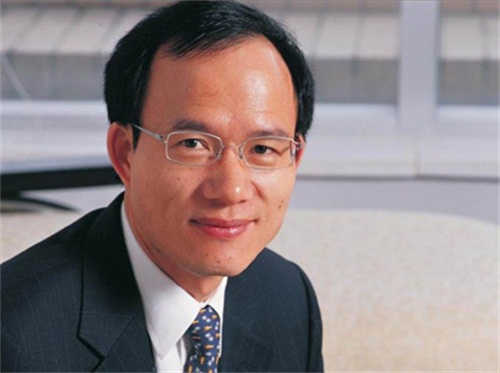
Guo Guangchang, born in Dongyang, Zhejiang Province, holds a bachelor’s degree and an MBA from Fudan University. As the founder of Fosun Group, he currently serves as Chairman of Shanghai Fosun High Technology (Group) Co., Ltd., Chairman of Shanghai Fosun Industrial Co., Ltd., and Chairman of Forte (Group) Co., Ltd.
As a major buyer in China’s healthcare industry market, Fosun Pharma’s expansion through acquisitions is certainly worth close examination. In April 2016, Fosun acquired AHAVA, an Israeli skincare brand specializing in Dead Sea minerals. In July, it invested in the U.S. company DiaMedica through a fund established jointly with South Korea’s SK Group; DiaMedica’s current main products are used to treat acute ischemic stroke and kidney disease. Also in July, Fosun Pharma announced the acquisition of Gland Pharma, an Indian manufacturer of injectables and generic drugs, in a deal valued at up to $1.26 billion, marking the largest overseas acquisition by a Chinese pharmaceutical company to date.
Guo Guangchang, Chairman of Fosun Group, once stated, “As an enterprise with investment in its DNA, the most common mistake we make is seeking shortcuts, under the illusion that simply making the right acquisitions is sufficient. In reality, investment is merely the beginning. Beyond capital allocation, it is more critical to devote energy, thoughtfulness, and patience to industrial operations. We must leverage investments to address our core pain points, establish a closed-loop ecosystem thereafter, and gradually nurture and strengthen these ventures.”
Under the leadership of Guo Guangchang, Fosun’s future healthcare strategy follows an innovative path that targets the Chinese market while leveraging global resources. Against the broader backdrop of precision medicine and the advancement of artificial intelligence, it integrates technologies from developed countries such as the United States with China’s market, focusing on therapeutic areas including oncology drugs, as well as cancer diagnosis and treatment.
Healthcare Practitioners
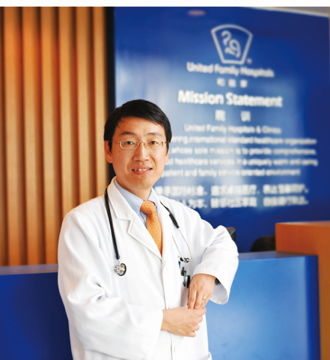
Dr. Cui Yutao graduated from Capital Medical University in 1986 and subsequently pursued graduate studies in pediatrics at the same institution. After graduation, he worked at the Emergency Center of Beijing Children’s Hospital, affiliated with Capital Medical University, where he primarily focused on neonatal emergency care in the Neonatal Intensive Care Unit (NICU). In 2001, he joined Beijing United Family Hospital, dedicating his practice to neonatal emergency care, monitoring infant growth and development, early intervention for infantile issues, and disease treatment. He possesses comprehensive knowledge and extensive practical experience in the field of neonatal and infant medicine.
Cui Yutao wields significant influence online. As of December 2016, his Sina Weibo account boasted over 5.73 million highly engaged and active followers. Since 2000, Cui has leveraged the internet and various other media platforms to disseminate popular science education on children’s health, earning widespread acclaim among young parents. Many celebrities are also his loyal adherents, leading to his moniker “Dr. Cui.” Over a decade of persistent public health education has enabled Cui Yutao to accumulate substantial social influence and build a strong personal brand.
In January 2016, YuXueYuan, founded by Dr. Cui Yutao, completed a $10 million financing round. Dr. Cui resigned from Beijing United Family Hospital on September 1, 2016. On October 31, the YuXueYuan Pediatric Clinic, established by Dr. Cui, will officially open, marking his first brick-and-mortar outpatient facility.
Cui Yutao is a major influencer in the field of parenting, having built a highly successful personal brand. For three decades, he has continuously dedicated himself to researching child-rearing knowledge, sharing his learning, reflections, and insights, and translating medical expertise into practical parenting common sense. His success hinges on consistently viewing issues from the patient’s perspective, implementing changes accordingly, communicating with patience and equality, and maintaining the compassionate heart of a physician. We look forward to him extending the benefits of his parenting expertise to more mothers, while also hoping to see more prominent male and female figures emerge across various medical specialties.
MedicalPractitioner
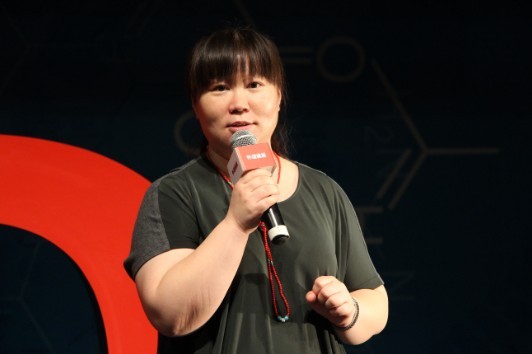
Yu Ying graduated from Peking Union Medical College in 2001, completing an eight-year combined bachelor’s, master’s, and doctoral program. She served as an emergency department physician at Peking Union Medical College Hospital. Since launching her Weibo account on October 7, 2011, she has daily shared amusing anecdotes from the hospital and awkward moments from everyday life, earning widespread admiration for her distinctive personality and affectionately earning the nickname “Sister Xiehe” among netizens. Within just three days, her follower count surged by 110,000. As of December 2016, Yu Ying had amassed over 3 million followers, with her audience continuing to grow at a remarkable pace.
In 2013, Yu Ying resigned from Peking Union Medical College Hospital. In 2015, she partnered with Amcare to establish the Amcare General Outpatient Center. On July 9, 2016, at the Legend Stars Conference, Yu Ying officially announced a collaboration with Lenovo, securing investment from Legend Stars and launching a general practitioner group—Yu Ying Medical.
While pursuing her entrepreneurial ventures, Yu Ying has also been actively engaged in live-streaming science popularization, setting an exemplary model for physicians. Known as the “Superwoman of the Emergency Department,” Dr. Yu Ying has not only built her own professional brand but also aims to help more doctors find their way out of confusion and realize their self-worth by establishing a physician group.
Medical Investor
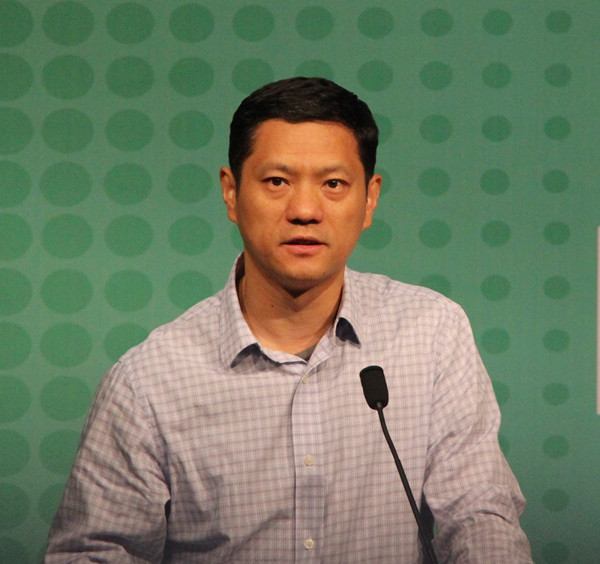
Mr. Ouyang Xiangyu joined Legend Capital, the predecessor of Legend Capital (now known as Legend Capital), as Managing Director in 2004. Since 2010, Mr. Ouyang has been responsible for establishing Legend Capital’s healthcare investment team and leading its investments in the healthcare sector. Over a decade of healthcare investing has yielded numerous notable successes for Legend Capital. To date, Legend Capital has invested in more than 50 healthcare projects, accounting for one-sixth of its total portfolio, thereby establishing itself as one of the leading funds in China with deep expertise in this field.
Under Mr. Ouyang’s leadership, Legend Capital’s key healthcare investments include Wuhan Asia Heart Hospital, Bonenghua Orthopedics, KingMed Diagnostics, Rich Medical Devices, ET Star Child, Berry Genomics, Ustar Biotechnologies, Jenavalve, Kailian Medical, Kangda Medical, Zhuhai Dier, and Kality.
Since 2016, Legend Capital has invested in more than 10 healthcare projects in China, establishing itself as the most influential and active investment firm in the medical sector that year. Its cross-border investments in healthcare were also strategically aligned with its overall layout in China’s medical industry. As of October 2016, Legend Capital had invested in seven U.S.-based projects related to gene technology, cardiovascular diseases, and other areas. Throughout the year, Legend Capital deepened its presence in the healthcare sector, continuously nurturing numerous entrepreneurial and innovative talents, thereby providing robust support for the future advancement of the medical industry.