

Hunting the Health-Tech Investment Circle: Data Insights into the Top 10 Most Active Healthcare Investors of 2016
Legend Capital
Early-stage venture capital and growth-stage private equity investment institutions
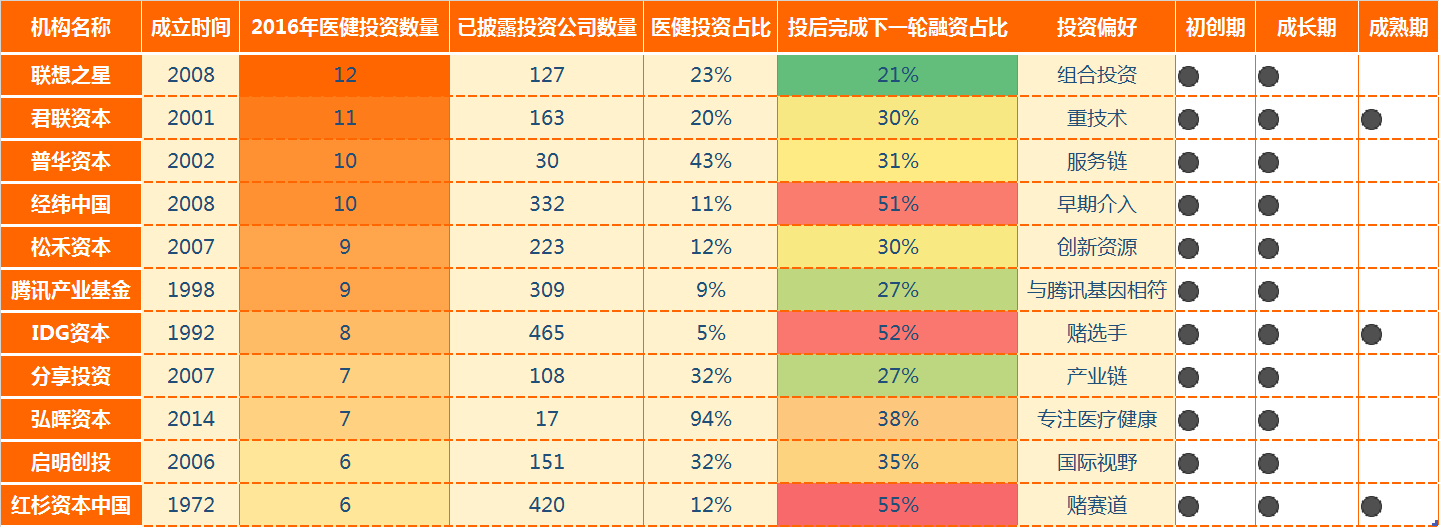
Entrepreneurship in the healthcare sector is fraught with challenges. You may encounter numerous obstacles, such as talent shortages, difficulties in monetization, and team disintegration. The most critical factor, however, is survival; survival is the fundamental prerequisite for development. Only by staying alive can you break through the encirclement and succeed. Therefore, the primary challenge facing startups is “capital.” Securing financing from investment institutions has become a significant test for entrepreneurs. While a high-quality product can alleviate fundraising difficulties, understanding your counterparties can help you better select partners. To this end, we have compiled data on major investment institutions in the healthcare sector from public sources, aiming to help healthcare entrepreneurs gain a clearer understanding of their “counterparts.” As the ancient wisdom goes, “Know yourself and know your enemy, and you will never be defeated in a hundred battles.”
Trends in the Number of Healthcare Investments
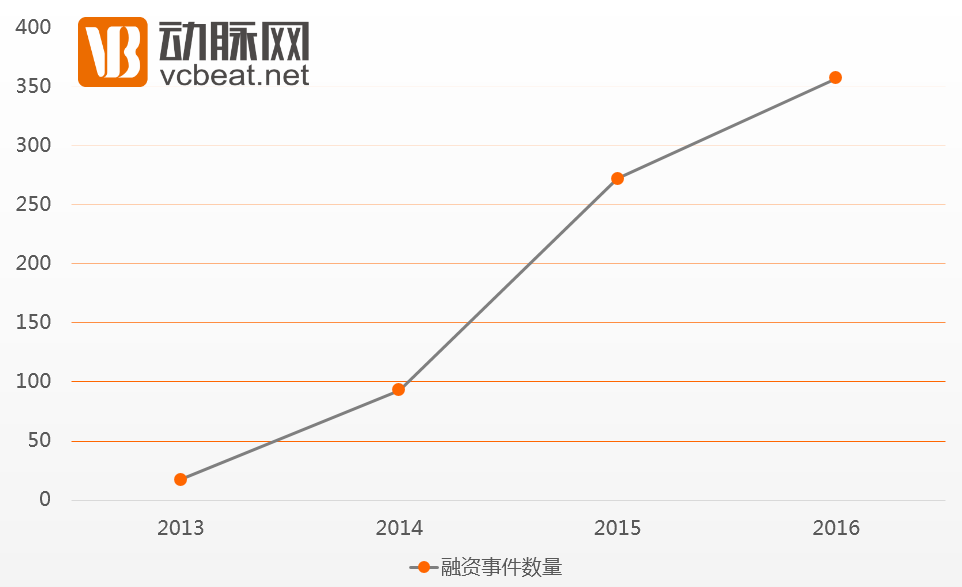
Overall, the number of healthcare investments has been on a continuous rise. In 2016, the number of investment deals in the healthcare sector reached nearly 20 times that of 2013 and more than three times that of 2014, indicating that capital market enthusiasm for investing in healthcare has not waned.
Change in the Number of Investment Institutions
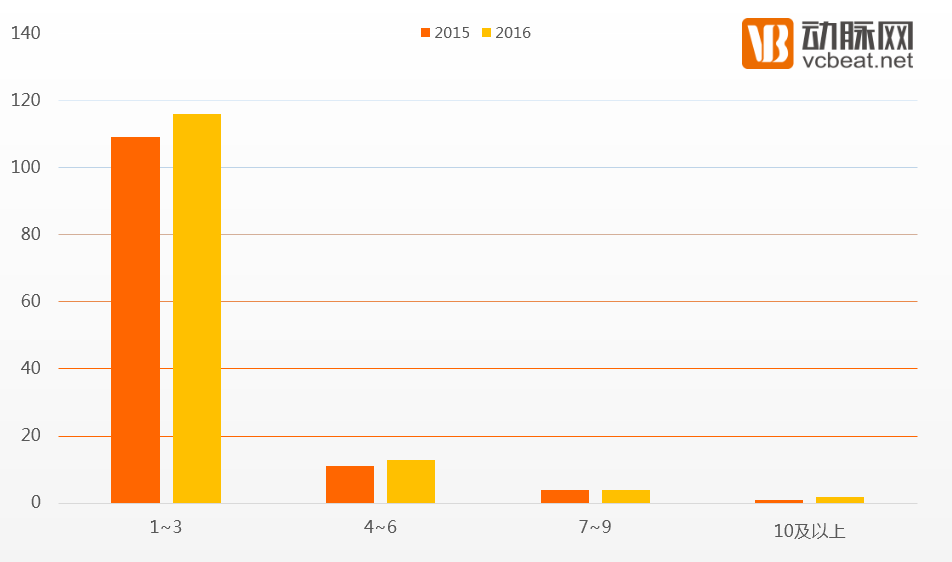
In 2016, the number of investment projects in the healthcare sector by well-known investment firms saw both increases and decreases, but the overall number rose. To identify the reasons behind this trend, VCBeat conducted a statistical analysis of all institutions investing in the healthcare sector. The number of institutions that invested in one to three healthcare companies increased in 2016 compared to 2015. Investments in other quantity ranges also saw a slight increase in 2016. Overall, there were 135 investment institutions active in the healthcare sector in 2016, up from 124 in 2015, indicating that a growing number of investment firms are entering the healthcare space. More investors have recognized the opportunities within the healthcare sector.
Comparison Table of Healthcare Investment Institutions
Distribution of Co-Investment Projects
![TVP_1JAR@T4P[$W0DOJ]A@W.png](https://cdn.vcbeat.top/upload/image/63/5e/98/14/26b68d4e3d17a81adec77a6495f8fba7.png "1483608674737014.png")
Legendstar
Legendstar Capital was founded in 2008 and currently manages two angel investment funds with a total capital of approximately RMB 1.5 billion. In 2015, it was ranked among the top three best angel investment institutions in China by Zero2IPO Group and CVSource. As the early-stage investment and incubation arm of Legend Holdings, Legendstar Capital leverages over 30 years of entrepreneurial experience and resource accumulation from Lenovo to provide entrepreneurs with distinctive services combining angel investment and in-depth incubation, serving as a “Super Angel” by their side.
In 2016, Legendstar Capital publicly disclosed a total of 12 healthcare investment deals, including five angel-round investments, five A*-round investments, and two Series B investments. The investments covered a broad range of sectors: four were in biology-related fields, encompassing materials, pharmaceuticals, and personal care products within the biological industry chain; other areas included oncology, physician tools, personal care, online medical consultation, healthcare informatization, and traditional Chinese medicine.
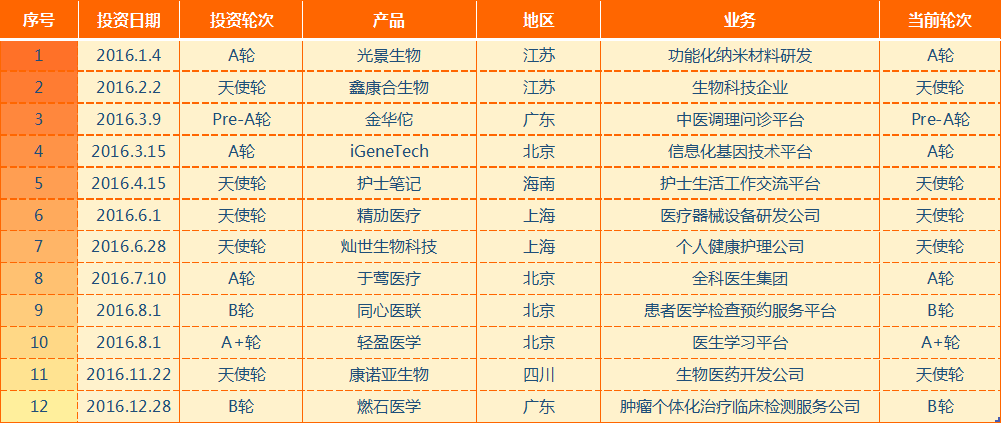
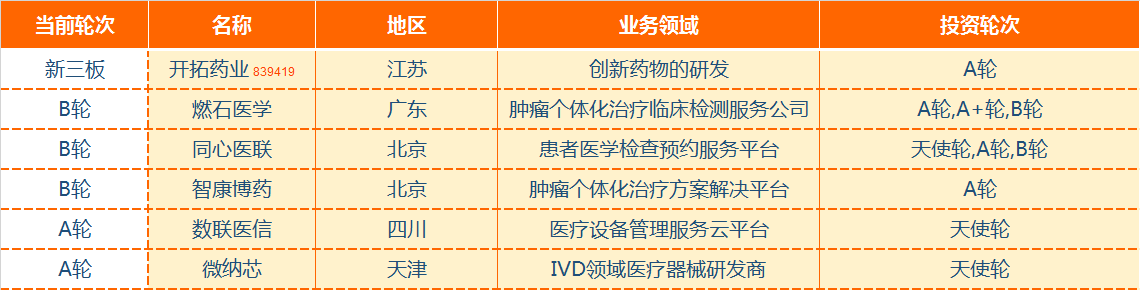
Currently, among the healthcare projects invested in by Legendstar Capital, those that have successfully advanced to the next funding round include Kintor Pharmaceutical, Burning Rock Biotech, Tongxin Medical Alliance, ZhiKangBoYao, Shulian Yixin, and Micro-Nano Core.
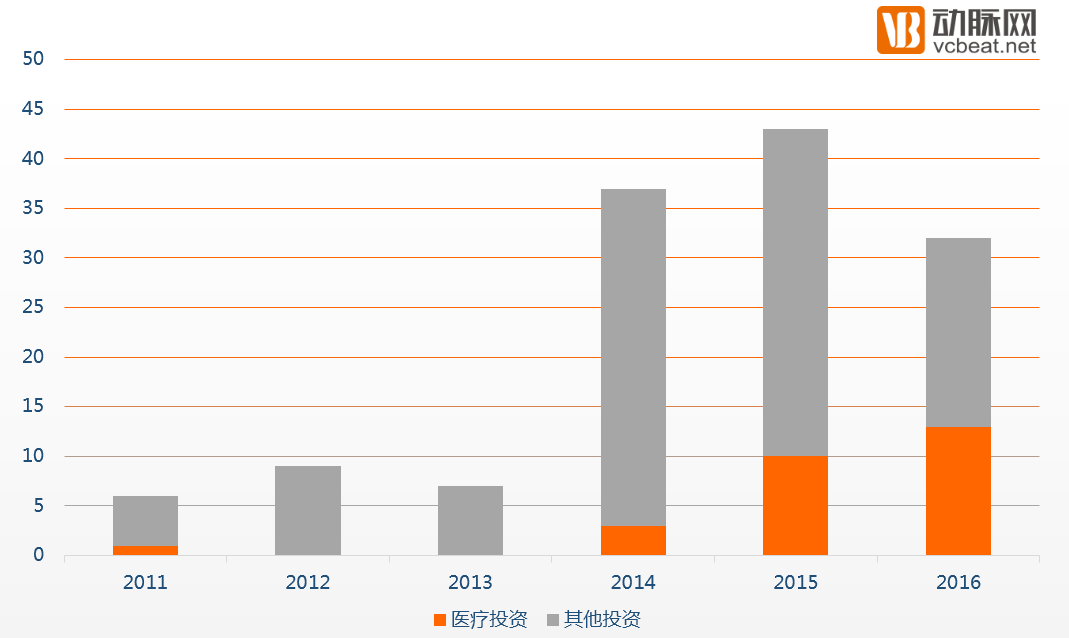
From 2011 to 2016, investments by Legendstar Capital in the healthcare sector showed an upward trend. Although capital investment tightened in 2016, leading to a significant decline in the number of investments across all sectors, the number of investments in the healthcare sector continued to grow against the trend.
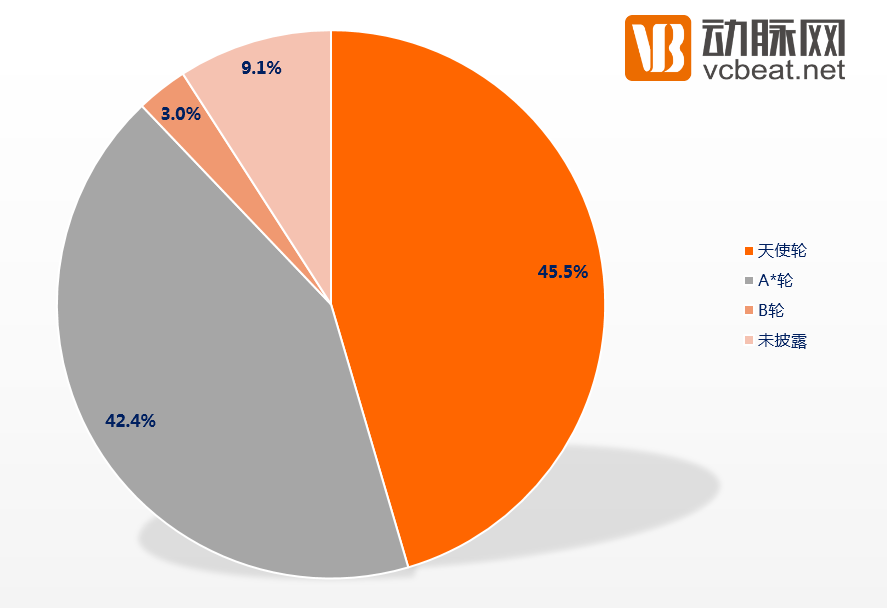
In terms of investment round distribution, angel and Series A rounds dominate, accounting for nearly 90%. Legendstar Capital’s investments in the healthcare sector are primarily focused on early-stage startups.
Legend Capital
Legend Capital (formerly Lenovo Investment) manages five U.S. dollar funds and two RMB funds, with total assets under management exceeding RMB 13 billion. The firm focuses on TMT, clean technology, healthcare, advanced manufacturing, consumer goods, and modern services, primarily investing in small and medium-sized enterprises at the startup and expansion stages, while also considering seed-stage projects.
In 2016, Legend Capital invested in a total of 11 healthcare projects. While these investments spanned a wide range of sectors, an analysis by business type reveals that Legend Capital placed greater emphasis on technology-driven companies with high industry barriers within the healthcare sector.
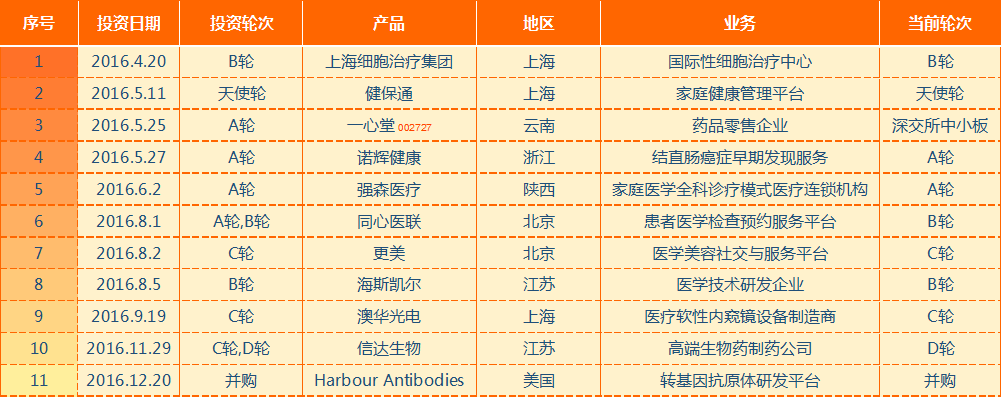
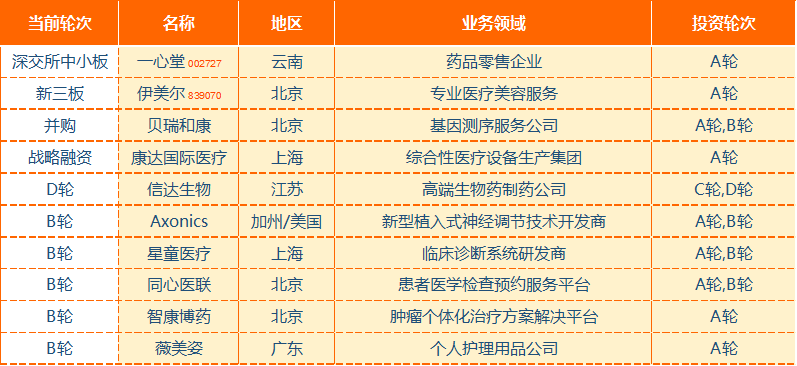
Projects that successfully advanced to the next round of financing include Yixintang, Yimei'er, Berry Genomics, Kangda International Medical, Innovent Biologics, Axonics, StarrySky Medical, Tongxin Medical Alliance, ZhiKangBoYao, and V-Miss. When viewed in conjunction with the investments made in 2016, Legend Capital primarily focused on cutting-edge medical technologies and consumer healthcare.
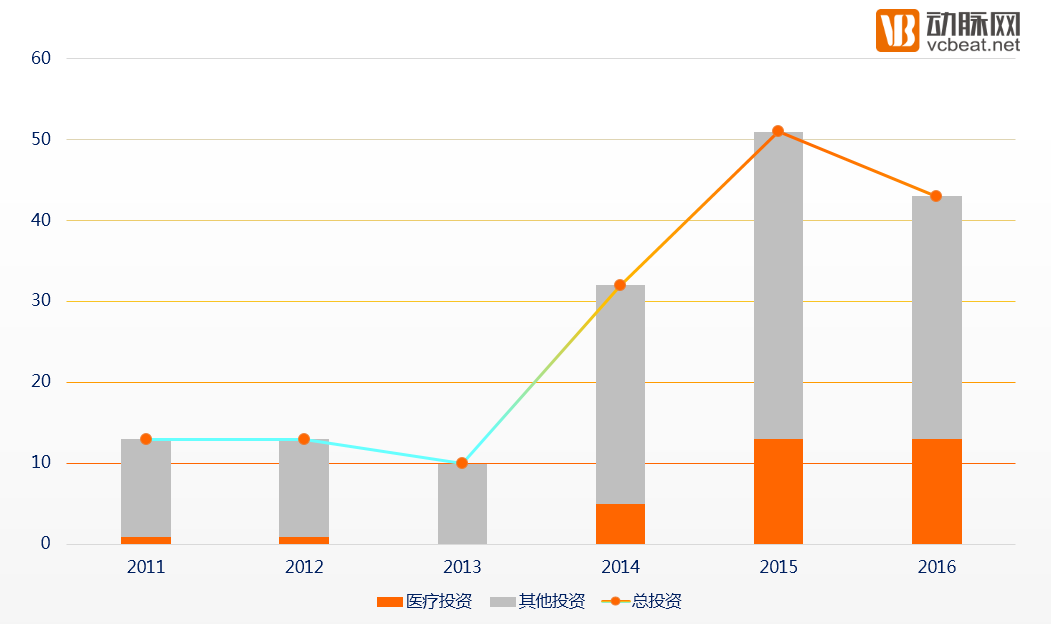
In 2016, the total number of investments made by Legend Capital declined, yet its investment activity in the healthcare sector remained on par with 2015 levels, with the proportion of healthcare investments showing an upward trend.
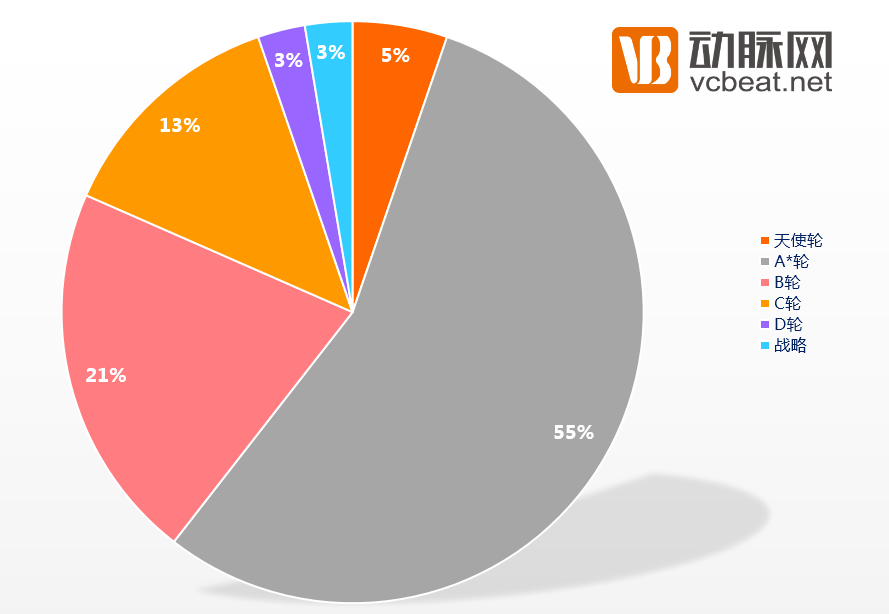
In terms of funding rounds, Series A*, Series B, and Series C account for nearly 90%, indicating that Legend Capital focuses on growth-stage investment targets in the healthcare sector.
Matrix Partners China
Matrix Partners China is a joint venture established by Matrix Partners in China. Founded in 2008 and headquartered in Beijing, it focuses on identifying investment opportunities across mainland China. The firm actively seeks investments in various sectors, including environmental technology, education, energy, financial services, healthcare, internet, and software.
In 2016, Matrix Partners China invested in ten projects in the healthcare sector, namely TopGene, HopeGen, Meiyou, Haoyayi, Tongxin Medical Union, Taimei Medical Technology, Peijia Medical, Jiaqi Biologics, e-Kanya, and Shulian Yikang. Among these, two companies operate in the genetics field, two in the dental field, and two are focused on health informatics and big data.
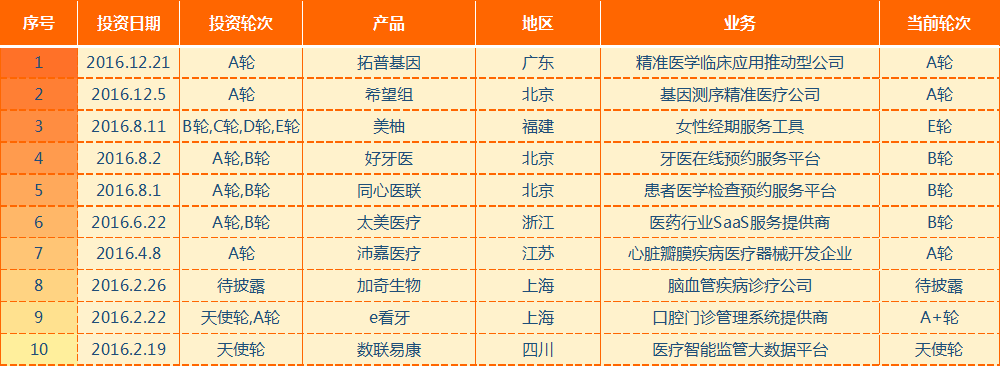
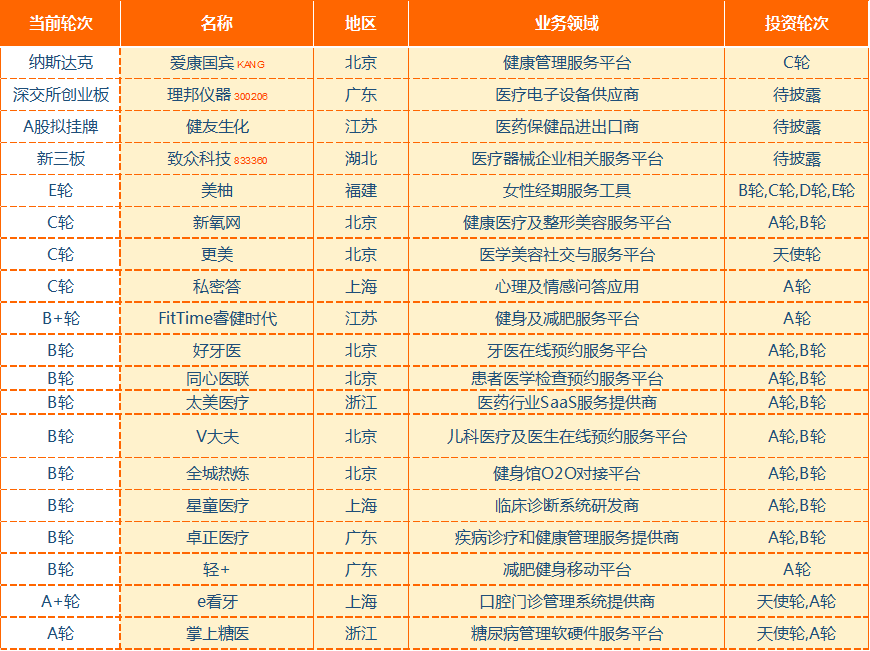
The portfolio companies that successfully secured subsequent funding rounds span a wide range of sectors. In terms of business types, Matrix Partners China has strategically focused on sports and wellness, health management, dentistry, medical aesthetics, and healthcare informatics, with more than two portfolio companies in each of these areas having advanced to the next financing round. Based on its 2016 investment activity, Matrix Partners China’s investment strategy is primarily characterized by a sector-focused approach.
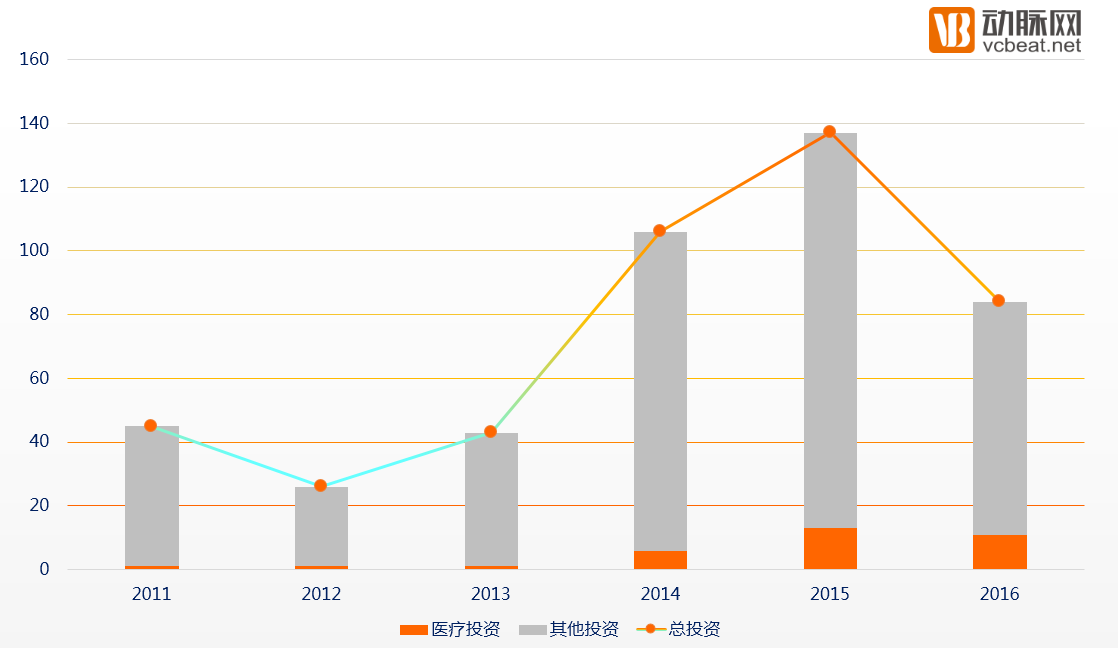
In terms of investment allocation in healthcare, Matrix Partners China’s share in the medical and health sector is not particularly high. Although the number of investments slightly decreased in 2016, the proportion of healthcare-related investments continues to show an upward trend.
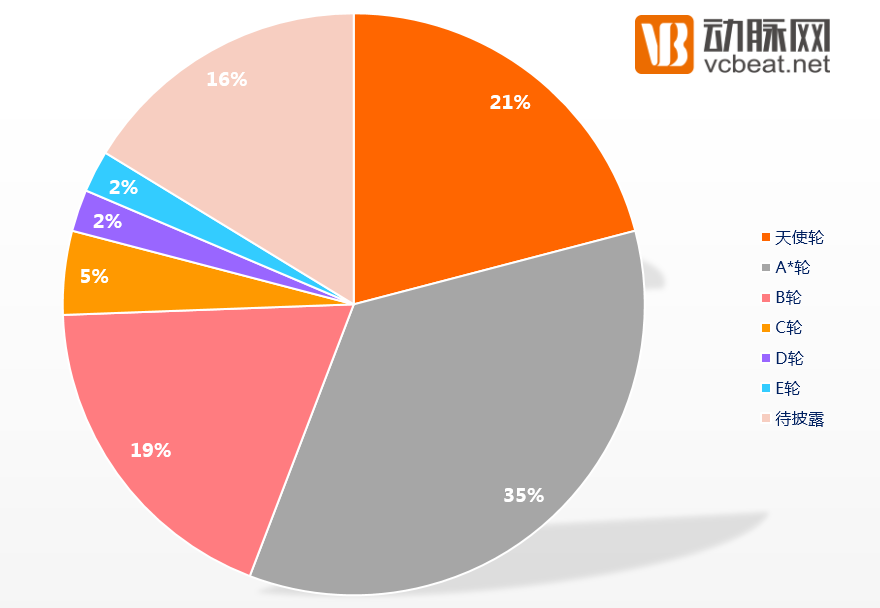
In terms of the distribution of investment rounds in healthcare, they are mainly concentrated in angel rounds, Series A, and Series B, accounting for 75%.
Tencent Win-Win Industry Fund
Tencent Industry Win-Win Fund is the corporate venture capital platform under Tencent, primarily focusing on sectors such as online gaming, social networking, wireless internet, e-commerce, and new media.
Tencent has invested in nine companies in the healthcare and wellness sector this year, but only four—iCarbonX, Sipe Network, Benchling, and Clear Labs—received direct financial investment. The other companies were supported through non-financial means, such as traffic assistance.
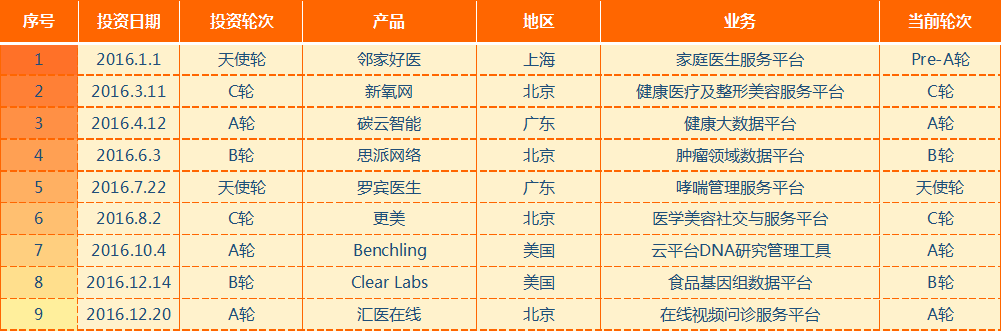
Among the healthcare companies invested in by Tencent, Mama.com, which focuses on the maternal and infant sector, has already been listed on the National Equities Exchange and Quotations (NEEQ), while WeDoctor Group, a unicorn in the online medical consultation industry, has reached its Series F financing round. An analysis of companies that have successfully advanced to subsequent funding rounds indicates that Tencent places significant emphasis on domestic digital health enterprises, particularly those in the sports and wellness sector and light medical services such as online consultations.
![DK{N[XK1BYRLK]EO715{661.png](https://cdn.vcbeat.top/upload/image/6b/9c/d0/b5/d6d2a0ec75395781b5928165bcae1a5c.png "1483666782612222.png")
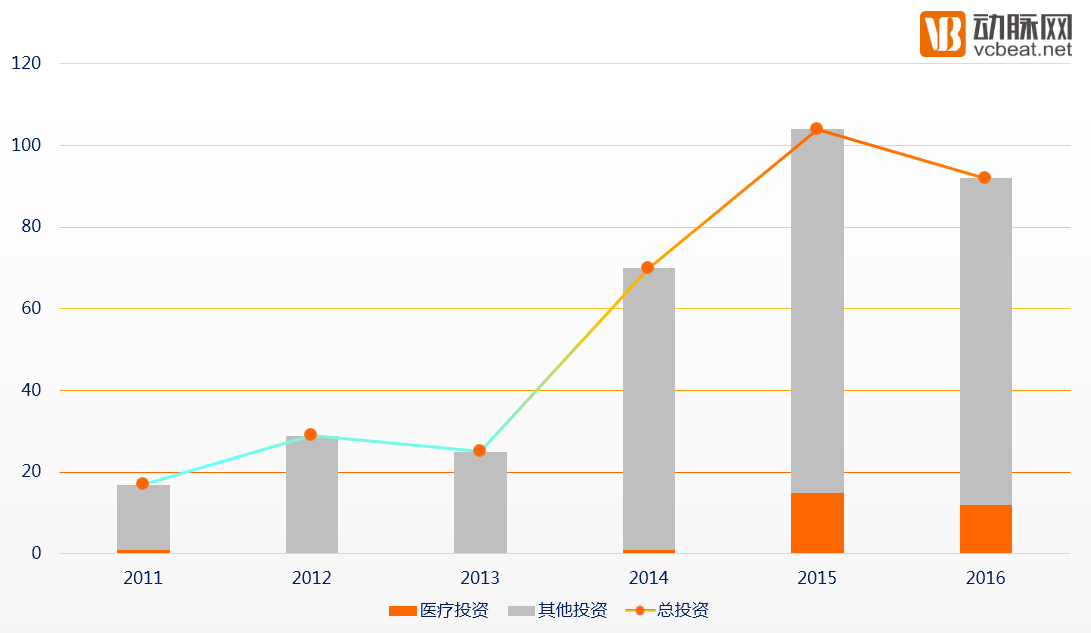
Judging from the trend in the number of investments, Tencent began to strategically focus on the healthcare sector in 2015, with a slight decrease in the number of investments in 2016.
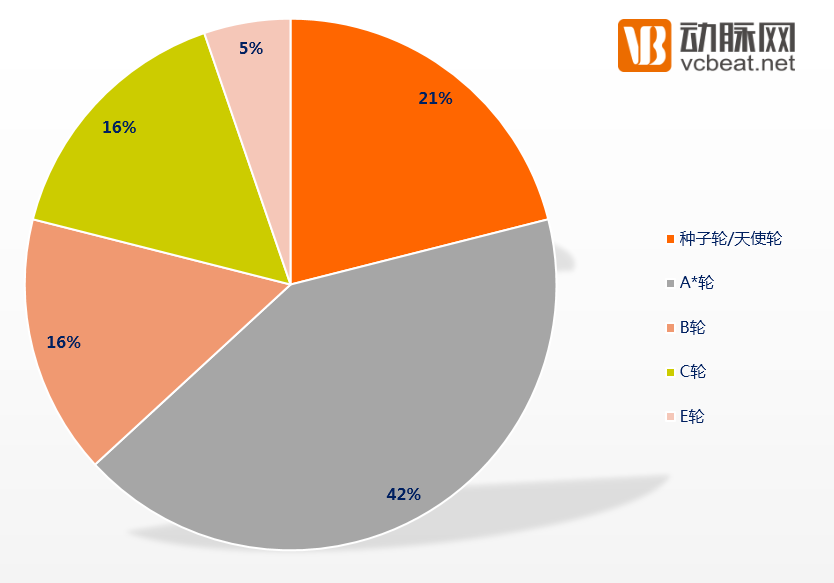
Tencent’s investments in the healthcare and wellness sector primarily target early- to mid-stage companies, many of which have emerged from Tencent WeCreate Space and become key enterprises supported under the “Double Hundred” Initiative.
Songhe Capital
Shenhe Capital Management Co., Ltd. is a specialized venture capital management firm established in 2007 by Shenzhen-Hong Kong Industry-Academia-Research Venture Capital Co., Ltd. The Shenhe Capital team boasts over 15 years of practical experience in venture capital, with extensive industry background and expertise in capital operations. Currently, Shenhe Capital manages assets exceeding RMB 9 billion and has invested more than RMB 4 billion. Its fund portfolio includes the Shenhe Innovation Fund, Shenhe Qiyi Fund, Shenhe Yuanwang Fund, and Shenhe Baofeng Fund, among others.
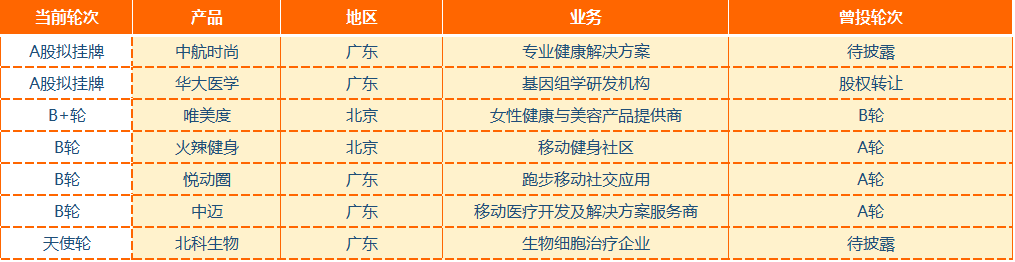
In 2016, Songhe Capital invested in nine healthcare projects, with a primary focus on precision medicine. Among these, four were precision medicine-related ventures: Genetron Health, GenePlus, Zhiben Medical Technology, and RayGene.
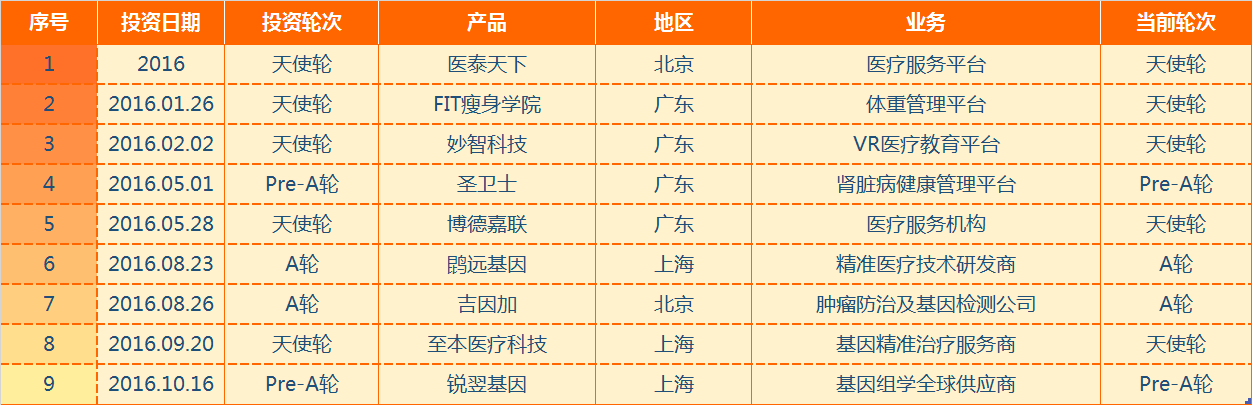
Healthcare projects that successfully advanced to the next round of financing include: AVIC Fashion, BGI Medical, VMDU, Hot Fitness, Yuedongquan, Zhongmai, and Beike Biotechnology. In light of its 2016 investment portfolio, Sinowood Capital primarily focused on two areas: precision medicine and sports health.
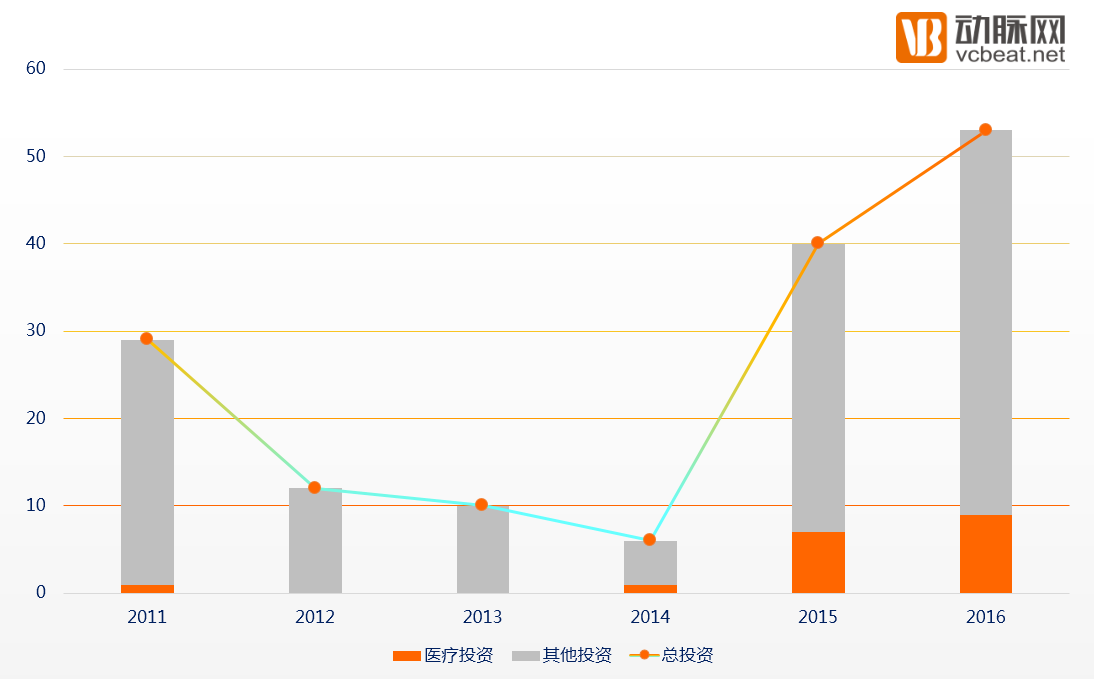
From 2011 to 2014, Sinovest Capital’s overall investment activity showed a downward trend; from 2014 to 2016, it exhibited an upward trend, with the number of investments in the healthcare and wellness sector also on the rise.
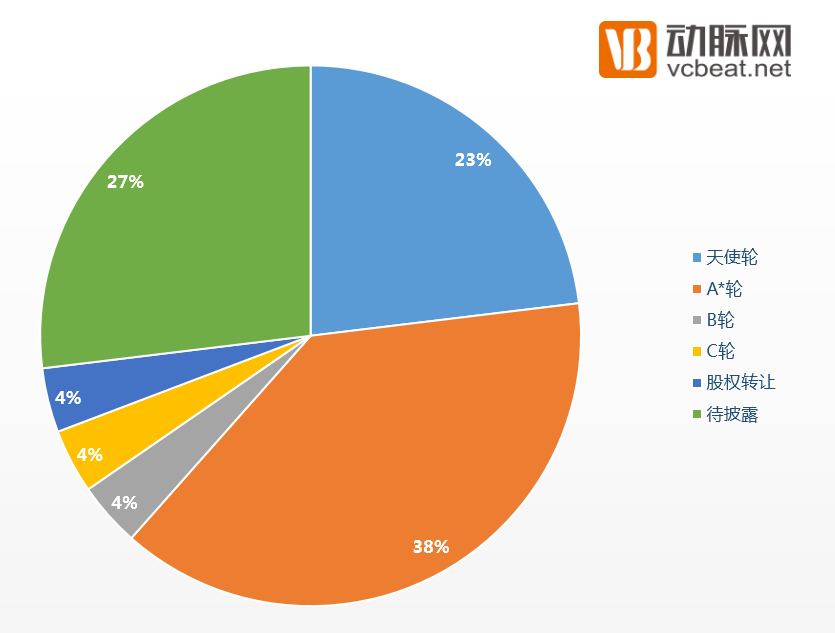
Songhe Capital’s investments in the healthcare sector primarily target early-stage and growth-stage companies, with angel and Series A* rounds accounting for over 60% of its investment distribution by round.
Honghui Capital
Honghui Capital, established in 2014 by former executives from CDH Investments, SoftBank, and Greenwoods Asset Management, is headquartered in Shanghai and serves as a premier investment platform for the healthcare industry. Managing dual-currency funds in both USD and RMB, Honghui Capital oversees total assets of RMB 4.2 billion. The firm focuses on investments in healthcare services, mobile health, medical devices (including imaging equipment, diagnostic reagents, and medical consumables), and biopharmaceuticals (covering chemical drugs, biological drugs, and biologics).
In 2016, Honghui Capital’s investments in the healthcare sector primarily covered medical services, traditional Chinese medicine (TCM), medical devices, and consumer healthcare.
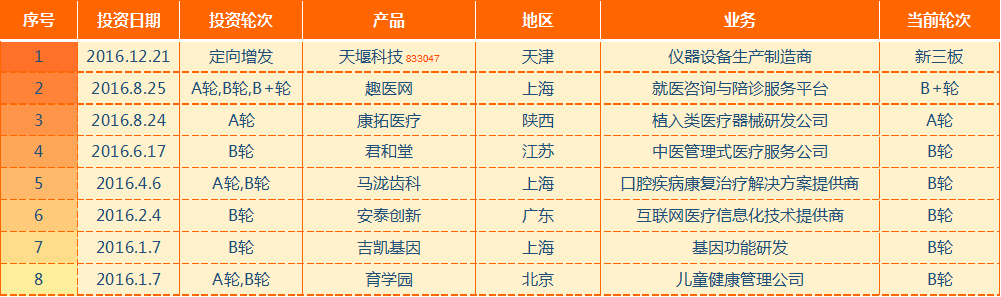
Projects that successfully advanced to the next round of financing include Yuwell Medical, Kintor Pharmaceutical, Jingyi Shares, QuYi Network, Yuxueyuan, and Malo Clinic. Among these, Yuwell Medical and Kintor Pharmaceutical are already publicly listed.
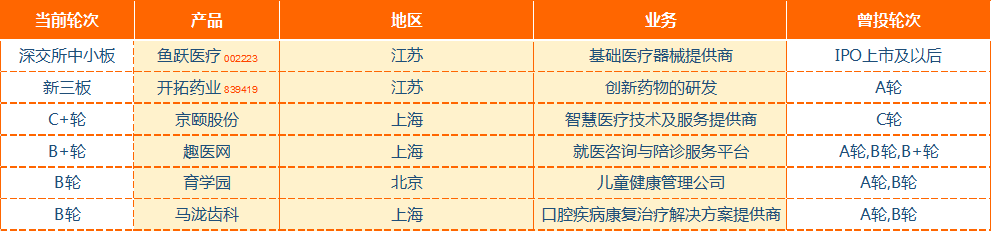
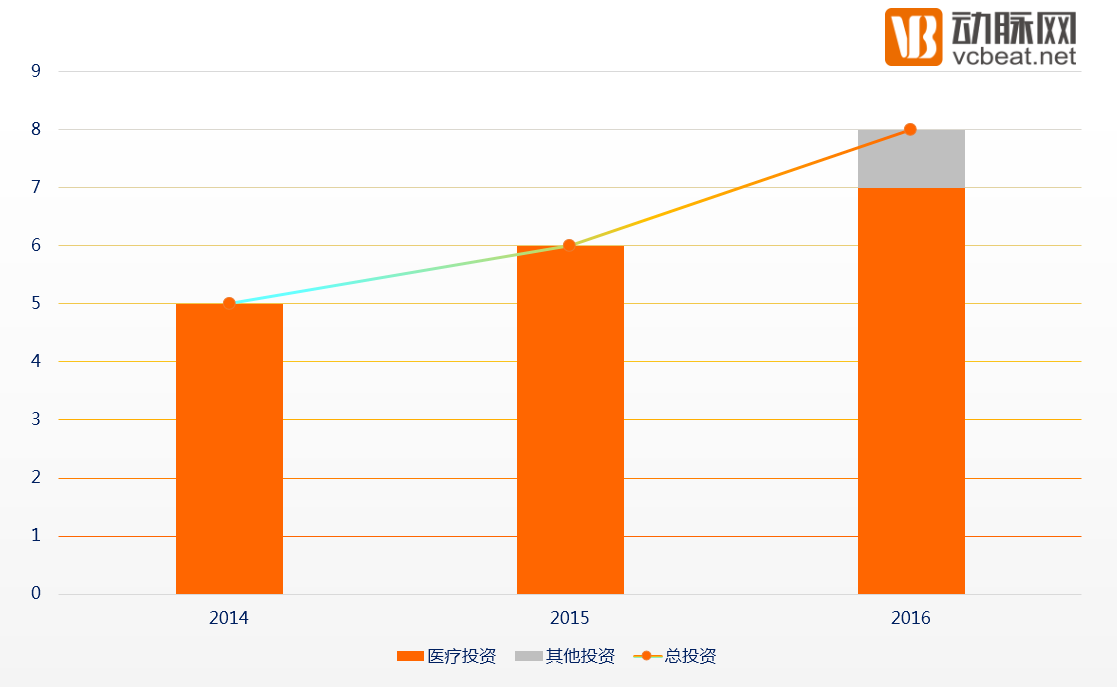
Honghui Capital was established in 2014, and its investments in the healthcare sector also began in that year. From 2014 to 2016, the firm primarily focused on investments in the medical and health sectors, with the number of such investments showing an upward trend.
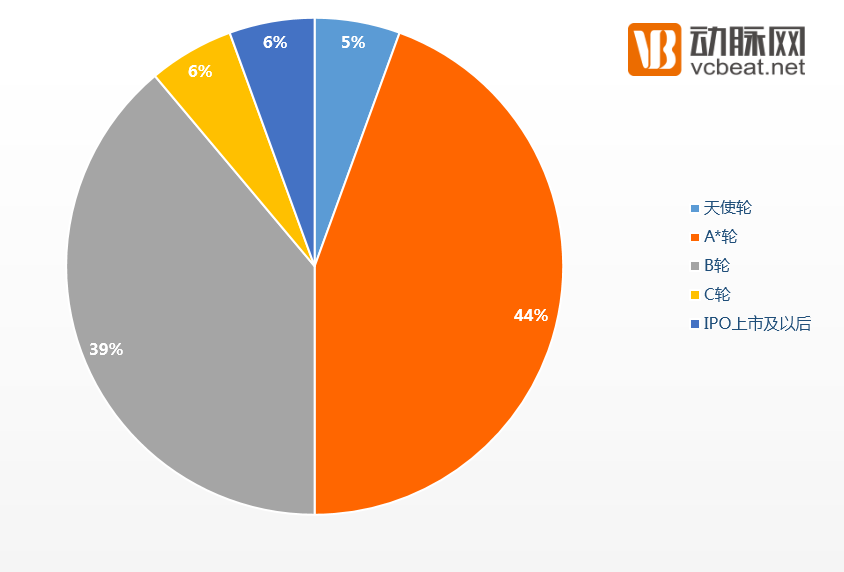
Honghui Capital’s investments focus on the growth stage, primarily targeting Series A* and Series B rounds, which together account for over 80% of its portfolio.
Puhua Capital
Puhua Capital is an equity investment firm specializing in early- to mid-stage projects. Currently managing over RMB 1 billion in capital, it focuses on promising leading enterprises in sectors such as TMT, consumer goods, services, energy conservation and environmental protection, modern agriculture, publishing and media, new energy, pharmaceuticals and healthcare, and advanced manufacturing.
In 2016, Puhua Capital invested in ten healthcare projects, including six at the A* round, two at the angel round, and two at the B round. In terms of company type, the investments were primarily in platform-based internet healthcare companies, mainly targeting consumer-end (C-end) users. The business areas covered sports and health, medical devices, medical services, and healthcare informatics.
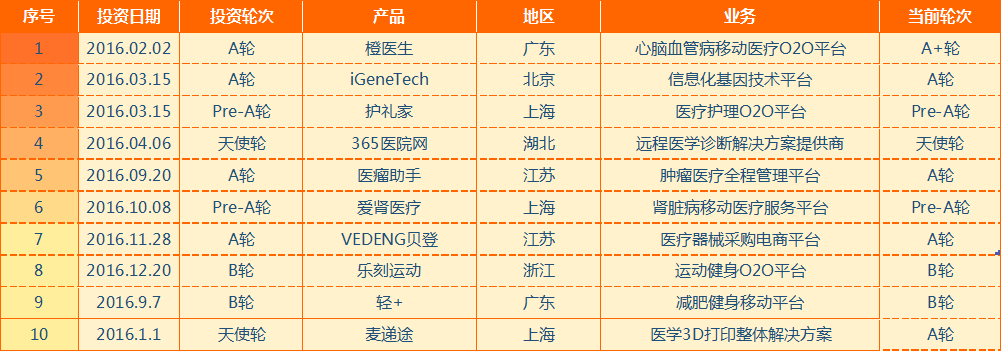
Among the healthcare projects invested in by Puhua Capital, four have advanced to their next round of financing: Cheng Yisheng, Li Dashi, Maiditu, and Diandian Hospital. In light of its 2016 investment portfolio, Puhua Capital’s investment focus leans toward internet healthcare companies with an O2O (Online-to-Offline) business model.

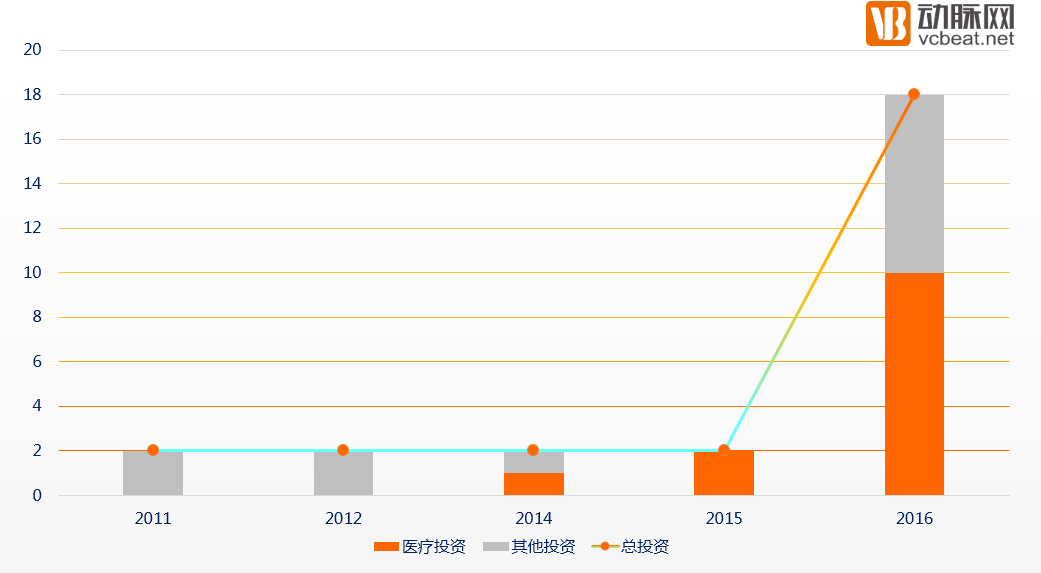
From an overall investment perspective, the number of investments was relatively low from 2011 to 2015, followed by explosive growth in 2016. Puhua Capital entered the healthcare and medical sector in 2014 and rapidly increased its investment activity, growing from just one healthcare investment in 2014 to more than ten by 2016.
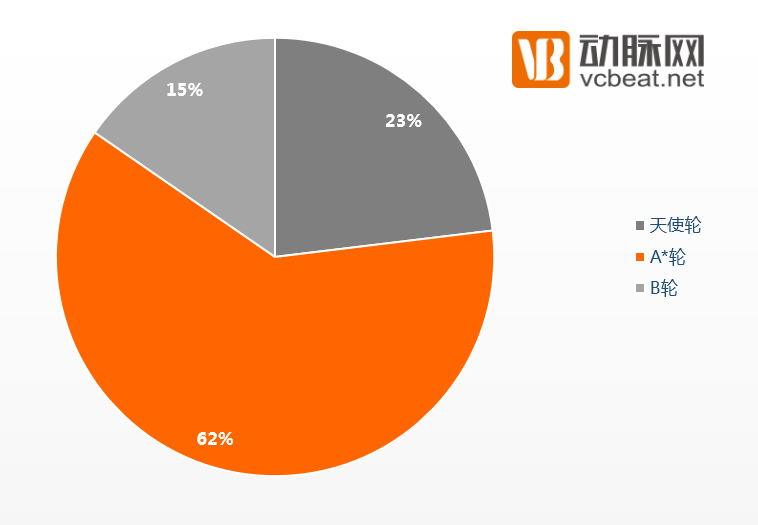
PuHua Capital focuses on early- to mid-stage investments in the healthcare sector, with its investment rounds primarily consisting of Angel, Series A, and Series B.
Share Investment
Founded in 2007, Fenxiang Investment focuses on investments in the internet and healthcare sectors, deploying approximately RMB 400–500 million annually. While its strategy emphasizes early- to mid-stage investments, it also extends capital to companies with exceptional value. To date, the firm has invested in nearly 100 companies, many of which have grown into industry leaders, with numerous exits achieved through IPOs or mergers and acquisitions.
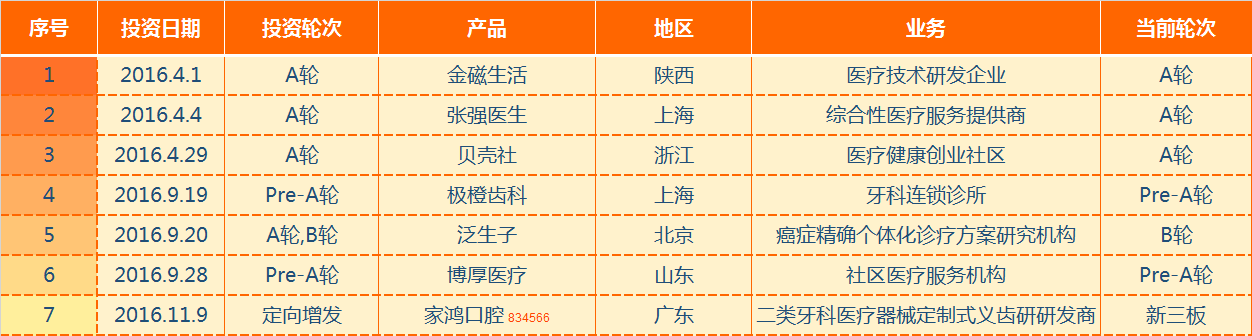
In 2016, Fenxiang Investment invested in a total of seven healthcare projects, including two at the Pre-A round, three at the A round, one at the B round, and one through a private placement. The portfolio companies included JinCi Life, Dr. Zhang Qiang’s Medical Group, Beike She, Jicheng Dental, Genetron Health, Bohou Medical, and Jiahong Oral Care.
Among the companies that successfully advanced to subsequent financing rounds, three are publicly listed: Meinian Onehealth, Buchang Pharmaceuticals, and Jiahong Dental. In conjunction with its 2016 investment portfolio, Fenxiang Investment has primarily focused on building a comprehensive presence across the healthcare industry chain, encompassing medical devices, pharmaceutical R&D and manufacturing, healthcare institutions, health informatics, precision medicine, and medical entrepreneurship communities.
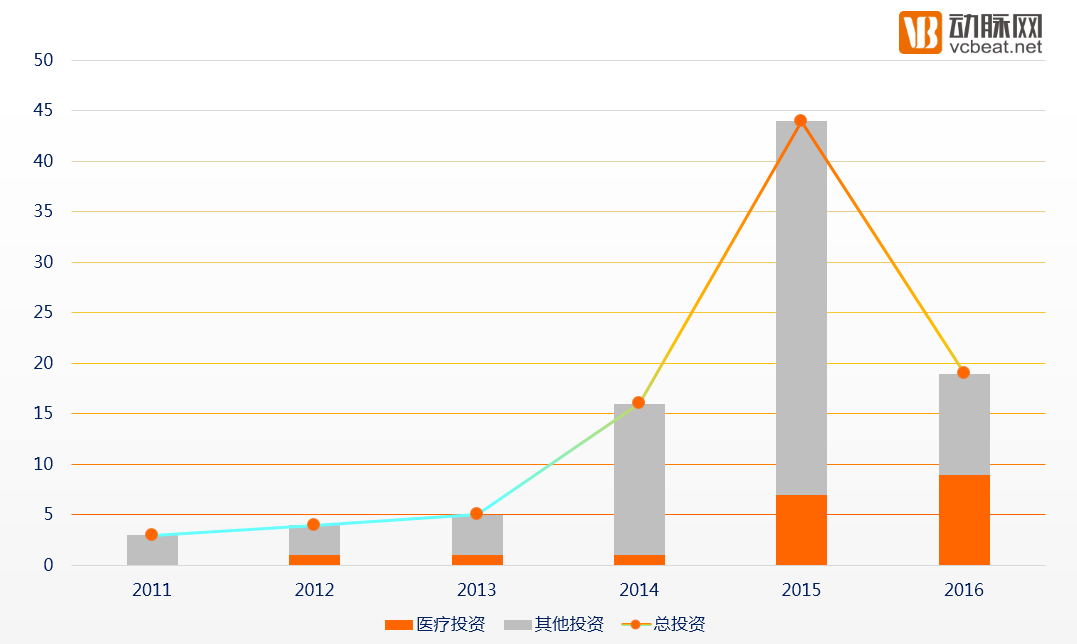
From 2011 to 2015, the number of investment projects by Fenxiang Investment increased year by year. In 2016, the overall number of investments dropped sharply. However, Fenxiang Investment’s investments in the healthcare sector did not decline.
The investment rounds of Fenxiang Investment are primarily Series A, accounting for 50%.
IDG Capital
IDG Capital focuses on VC/PE investment projects related to the Chinese market, with a particular emphasis on leading enterprises with first-class brands in sectors such as consumer goods, chain services, internet and wireless applications, new media, education, healthcare, new energy, and advanced manufacturing. Its investments span all stages from start-up and growth to maturity and Pre-IPO, with investment sizes ranging from millions to tens of millions of US dollars.
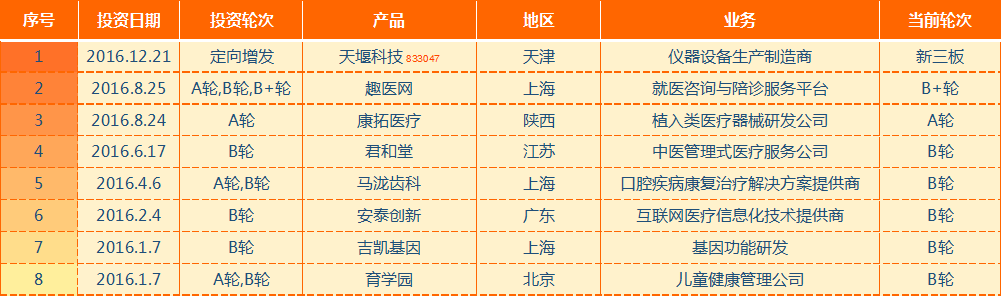
In 2016, IDG Capital invested in a total of eight healthcare projects, primarily focusing on growth-stage products. Among these, six were at the B* round, one was at the A round, and one involved a private placement on the New Third Board.
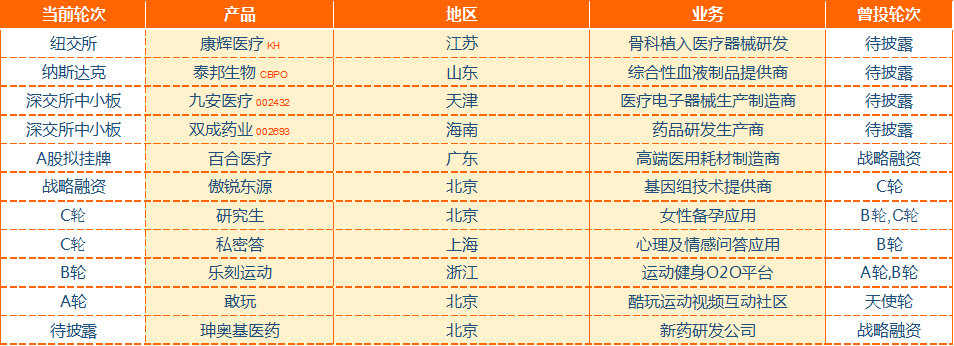
Among healthcare projects that successfully secured follow-on financing, Kanghui Medical, Taibang Biological Products, Andon Health, Shuangcheng Pharmaceutical, and Baihe Medical have either gone public or entered the IPO pipeline. From this perspective, IDG Capital has extensive experience in supporting upstream sectors such as medical device manufacturing and pharmaceutical R&D and production.
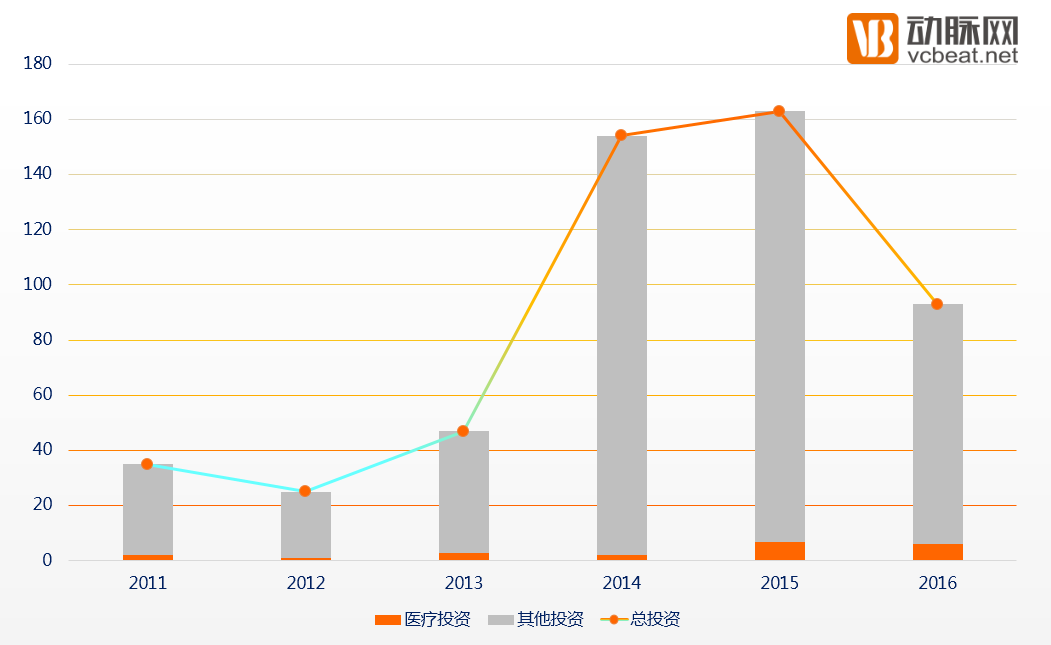
IDG Capital’s investment portfolio spans a wide range of sectors, with over 400 deals completed. Like other investment firms, it reduced its deal volume in 2016, but the healthcare sector was not significantly affected.
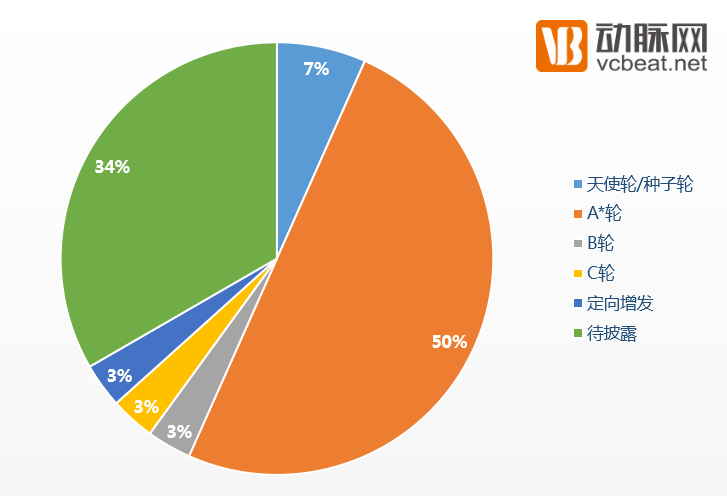
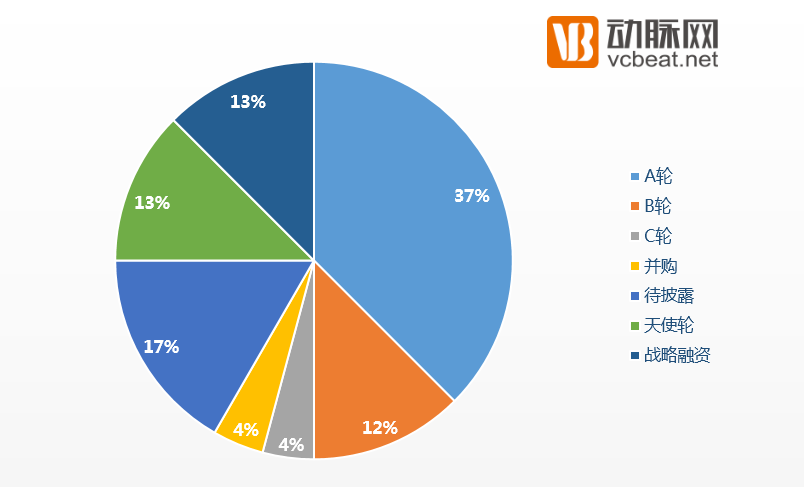
IDG Capital’s investments in the healthcare sector are primarily concentrated in angel, Series A, Series B, and strategic rounds, accounting for 13%, 37%, 12%, and 13%, respectively.
Qiming Venture Partners
Qiming Venture Partners, established in February 2006, is a leading venture capital firm in China. Since its inception, the firm has managed five US dollar funds and four RMB funds, with total assets under management reaching $2.7 billion. Qiming Venture Partners is committed to becoming the preferred investment partner for outstanding Chinese entrepreneurs. Since its establishment, it has focused on investing in high-quality early-stage and growth-stage companies in sectors such as Internet Consumer (Intersumer), Healthcare, Information Technology (IT), and Clean Technology. To date, Qiming has invested in more than 160 companies, over 30 of which have achieved investment returns through listings on the New York Stock Exchange, NASDAQ, Hong Kong Stock Exchange, Taipei Emerging Stock Market, Shanghai Stock Exchange (A-shares), and Shenzhen Stock Exchange, or via mergers and acquisitions.
In 2016, Qiming Venture Partners invested in six healthcare projects: Zai Lab, Junhetang, Aohua Optoelectronics, Huagen Anbang, DiMai Biotechnology, and MicroTech Medical.
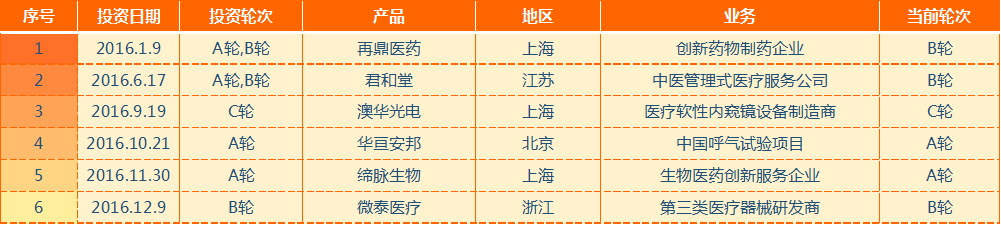
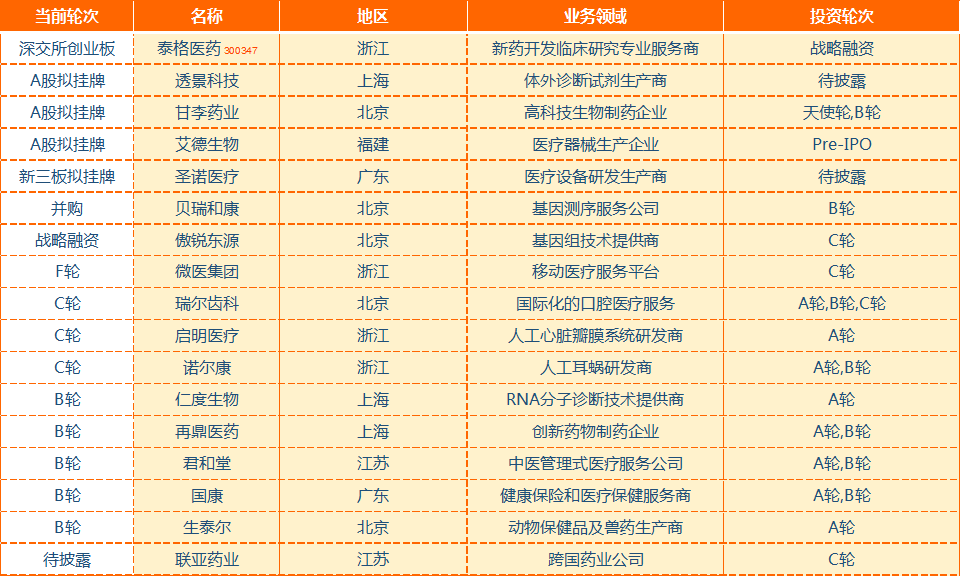
Based on the investment rounds in healthcare projects it has participated in, Qiming Venture Partners possesses extensive experience in investing in pharmaceuticals, medical devices, and genetics.
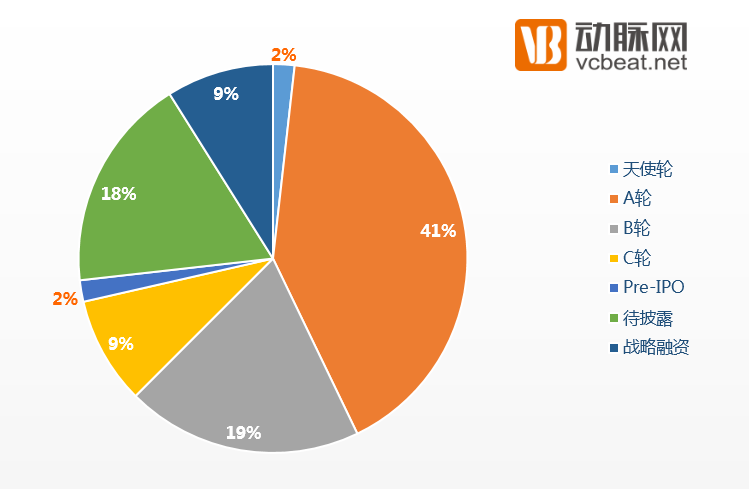
In terms of investment rounds, Qiming Venture Partners primarily focuses on Series A and Series B investments, with Series A accounting for 41% and Series B for 19%. Overall, Qiming Venture Partners places greater emphasis on growth-stage projects in the healthcare sector.
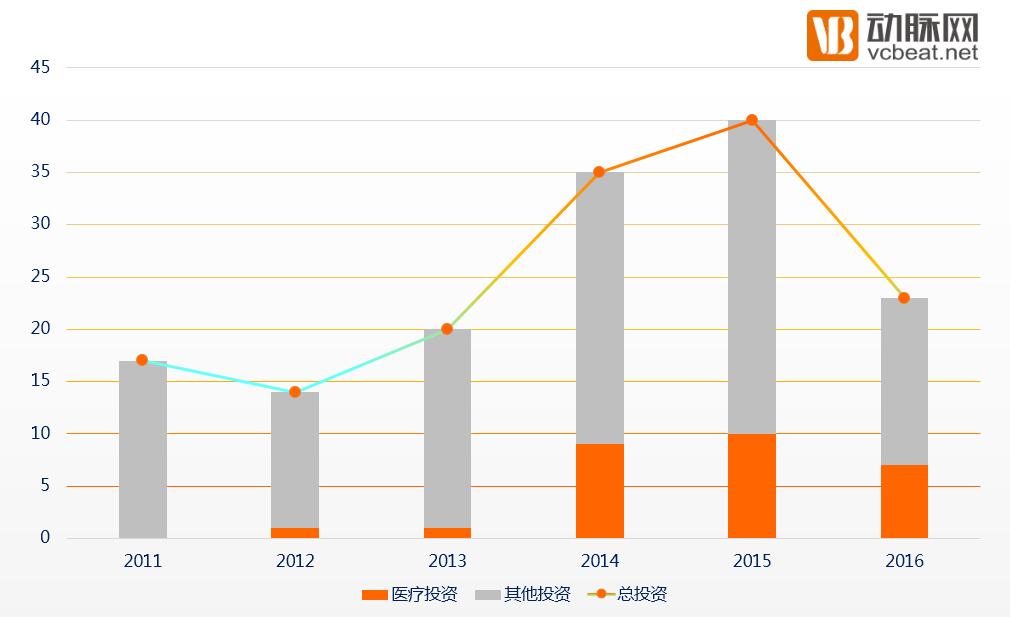
From 2011 to 2015, Qiming Venture Partners saw an overall increase in the number of investments. Between 2011 and 2013, investment activity in the healthcare sector was relatively limited, as it was not a key focus area. Starting in 2014, the firm began to make in-depth strategic allocations in the healthcare sector, before scaling back its healthcare investments in 2016.
Note: I am Wang Guanglong, an author at VCBeat. If you are an investor interested in the healthcare industry or engaged inHealthcareSeeking financing for startups: Feel free to reach out or submit your business plan. We also welcome leads on relevant companies. WeChat: touchlife1; Email: wang.gl@vcbeat.top
Copyright Notice
This report is produced by VCBeat. All text, images, and tables contained herein are protected by applicable trademark and copyright laws. Portions of the text and data have been sourced from publicly available information, with ownership retained by the original authors. No organization or individual may reproduce or distribute this report in any form without the prior written permission of our company. Any unauthorized commercial use of this report shall constitute a violation of the Copyright Law of the People's Republic of China, other relevant laws and regulations, and applicable international conventions.
Disclaimer
This research report is based on information that VCBeat considers reliable and currently publicly available. VCBeat strives to, but does not guarantee, the accuracy and completeness of such information. Due to limitations in research methodologies, sample sizes, and the scope of data collection, the data presented herein only reflects the basic conditions of the surveyed population during the survey period. It serves solely for the current research purposes and provides basic reference for the market and clients. Furthermore, VCBeat does not guarantee that the views or statements contained herein will remain unchanged. At different times, VCBeat may issue reports with information, opinions, and estimates inconsistent with those contained in this report.
VCBeat does not consider recipients of this report as its clients by virtue of their receipt thereof. This report is distributed only where permitted by applicable laws and regulations, solely for informational purposes, and shall not be construed as advertising in any way. Under no circumstances shall the information contained herein or the opinions expressed constitute investment advice to any person. Where permitted by law, VCBeat and its affiliates may hold equity interests in the companies mentioned in this report and may provide or seek to provide capital raising, financial advisory, or other related services to such companies.