

CES 2017's Top 32 Digital Health Innovations: A Comprehensive Showcase of Wearables, Sensors, and AI-Driven Solutions
Although the digital health sector was not as prominent at CES as other industries, there was still a considerable showcase of wearable devices, apps, and sensor-enabled tools. Below are 32 cutting-edge digital health technologies we collected from CES, along with tech companies that announced significant partnerships—cool and impressive.ProductBreathtaking. CES serves as the premier PR platform for manufacturers to showcase their technological prowess, positioning them as key forces driving the future advancement of healthcare through technology.
32 Cutting-Edge Digital Health Technologies
1. Smart Heart Rate Monitoring Apparel: Polar Team Pro Shirt
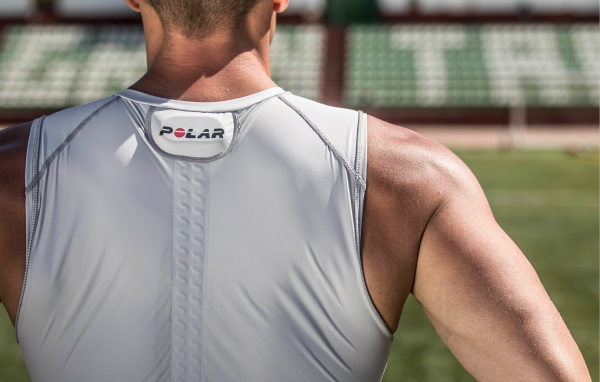
Polar, a fitness equipment company long renowned for its heart rate monitoring watches and chest straps, unveiled a new product at this year’s CES: the Polar Team Pro Shirt, a smart garment. This sleeveless base layer shirt is embedded with heart rate monitoring sensors that directly contact the wearer’s skin, eliminating the need for bulkier chest straps or wristbands. The system also includes a motion-tracking sensor “pod,” housed in a pocket beneath the collar, to monitor speed, distance, and acceleration. The shirt integrates with Polar’s Team Pro coaching platform, Polar Flow, and the company’s other wearable devices.
2. Sleep Number Launches Sensor-Embedded Mattress

Sleep Number’s smart mattress has won this year’s official CES Innovation Award. Capable of adjusting sleep positions, warming the feet, and gently nudging users when snoring is detected, it is dubbed the “360 Smart Bed” to deliver a more comfortable sleep experience. At its core is the Sleep IQ biometric sensor technology, which tracks heart rate, movement, and breathing patterns in real time and responds accordingly. All sleep data are synced to a mobile app, enabling users to monitor their sleep quality over time and review their “SleepIQ score.”
3. Bodytrak In-Ear Thermometer Earbuds
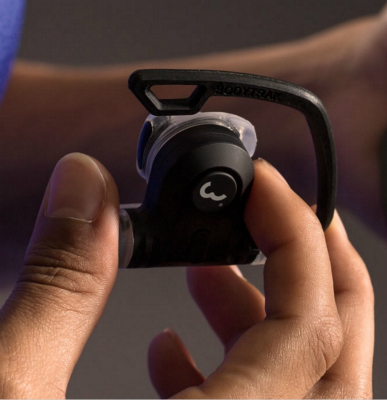
UK-based Bodytrak has unveiled its wearable device in development: a pair of earbuds equipped with in-ear thermometers, integrating core body temperature monitoring into sports headphones. Designed to measure core body temperature during physical activity, the device provides physiological feedback to users, including elite athletes, military personnel, and hospital patients. Data is transmitted wirelessly to the user’s smartphone, smartwatch, or web hub. While primarily targeted at athletes, the device distinguishes itself by measuring heart rate, VO2, speed, and distance while playing music, delivering real-time feedback to the user.
4. Ara AI-Embedded Toothbrush
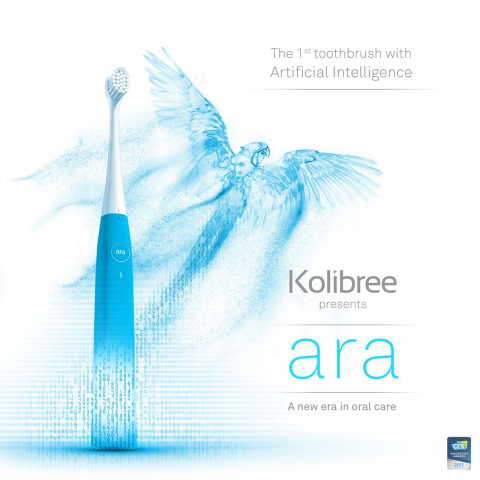
Smart oral care company Kolibree has launched Ara, an AI-embedded toothbrush that collects data via sensors each time the user brushes their teeth. When paired with its companion app, all brushing data—including frequency, duration, and brushed areas—is synchronized via Bluetooth Low Energy (BLE). Leveraging this data, Ara employs deep learning algorithms and sensor inputs to analyze individual brushing habits and help users develop more accurate brushing techniques.
5. Onitor Weight Loss Kit
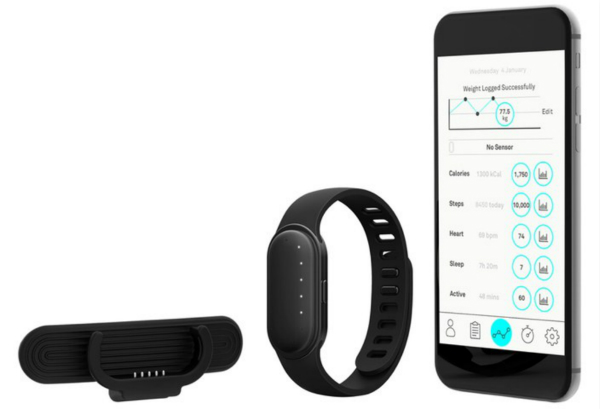
Wearable device manufacturer Onitor has launched a new weight-loss program kit, which includes a wrist-worn activity tracker, a chest strap or sports bra equipped with biometric sensors, and a mobile application. By integrating data from these two sources with weekly weight inputs provided by the user, the system generates personalized exercise plans and nutritional guidance that adapt to the user’s progress.
6. Motiv Titanium Wearable Bracelet
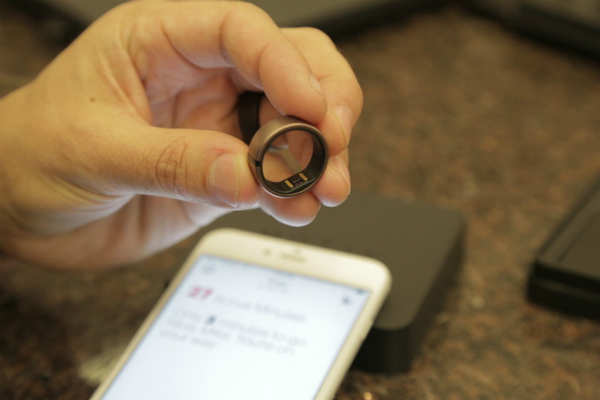
Motiv adopts a more compact approach to fitness tracking with a titanium wearable ring worn on the finger. It tracks sleep and fitness metrics around the clock, including steps, calories, distance, and heart rate, powered by a battery that lasts three to five days. The device is swim-proof and available in seven sizes. Priced at $199 for pre-order, it has received an Innovation Award at this year’s CES.
7. QuardioCore ECG Monitor
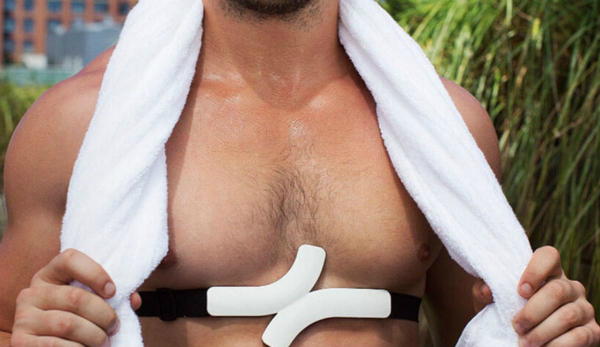
Digital health company Qardio has launched its wearable ECG (electrocardiogram) monitor, QardioCore. This medical-grade display device enables individuals to monitor their heart health. At its core is Qardio’s proprietary sensor technology, which records over 20 million data points and can be synchronized with a companion smartphone app. The data can be shared with medical professionals. Worn around the chest, the band continuously records electrocardiograms, heart rate, heart rate variability, respiratory rate, temperature, and activity data. The band is also compatible with other Qardio products, such as smart blood pressure monitors, wireless scales, and the QardioMD physician dashboard.
8. Garmin Product Updates
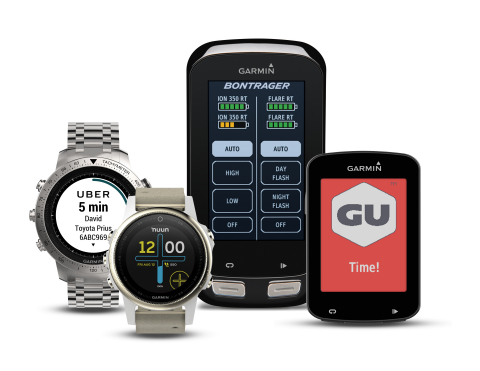
Garmin has updated its entire product line, encompassing both hardware and software. The most significant enhancement is the addition of numerous new apps and data fields, which users can conveniently download from third-party developers via Connect IQ, an open platform that enables developers to create content for Garmin products. New offerings include an ETA tracker from Uber that displays information on Garmin wearables; control functionality for Trek/Bontrager bicycle front and rear lights; and hydration and fueling reminders tailored for Garmin Edge users.
9. Seenso Health: The Dedicated Health Search Engine
Montreal-based Cogilex has launched Seenso Health, a health-specific search engine. As a guided health information platform, Seenso provides users with a “knowledge map” of critical information through a guided exploratory interface. This is Cogilex’s first dedicated search engine.
10. Flow Smart Air Quality Tracker

Plume Labs has unveiled Flow, a smart air quality tracker that understands the air we breathe and guides users on where to go. The compact sensor measures particulate matter, exhaust fumes, gases, and chemicals, displaying different colors to indicate the air quality surrounding the user. Data is synchronized with a mobile app, and Plume is currently creating a crowdsourced, real-time pollution map.
11. Sleep-Inducing Wearable Device RESPeRATE
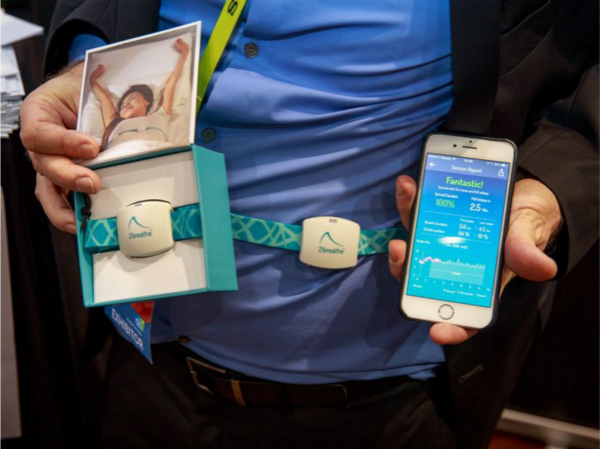
2breathe, a sleep-induction agent, was introduced by the father-son team Erez and Benjamin Gavish, who developed RESP eRATE, an FDA-approved wearable device for hypertension. Recognizing that their original wearable had successfully helped users fall asleep, they set out to create a new tracking module integrated into an elastic band worn around the torso. As users breathe, data on their respiratory rhythm is fed back to their app, which generates rhythmic melodies synchronized with their breathing, guiding them to slow their respiration and drift off to sleep.
12. PillDrill Launches Medication Adherence Platform
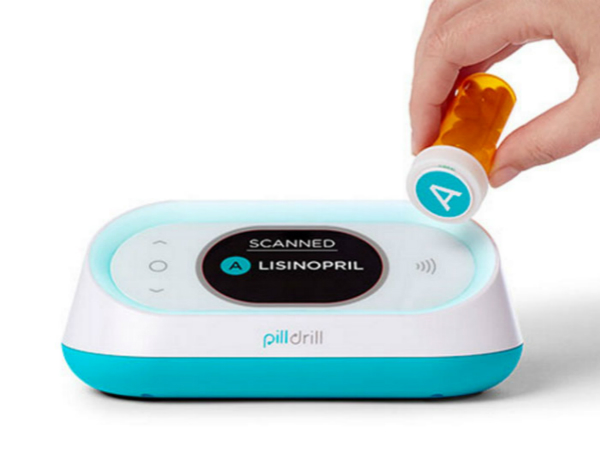
PillDrill Officially Unveils Its Medication Adherence Hub and App. Launched in April last year, the device features a compact scanning system called PillDrillHub. Users are required to affix scannable labels to their medication bottles or place the pills directly into a scannable, sorted pill organizer designed to sit beside the user’s medications. When it is time to take medication, the device emits audio-visual alerts. The user then shakes their medication container and aligns the pill organizer with the controller to perform a “shake-to-scan” action after taking the dose. This records the type and time of medication administered, notifying family members via the app to monitor adherence or updating other relevant parties.
13. HealthyMation Diabetes Prevention Program
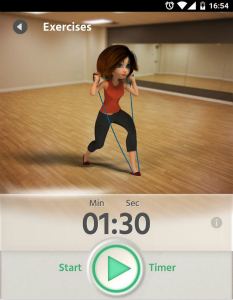
HealthyMation is a medical animation studio developed by experts from Harvard’s Joslin Diabetes Center. They recently launched the official demonstration of the Digital Diabetes Prevention Program, Why WAIT, which is currently undergoing clinical trials.
14. Misfit Vapor Touchscreen Smartwatch
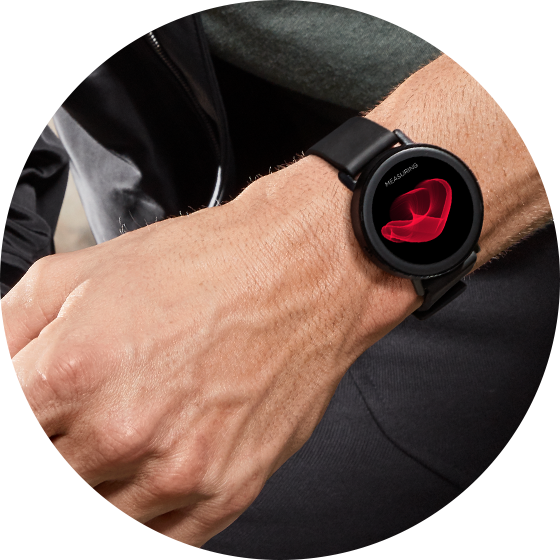
Wearable tech company Misfit unveiled the new touchscreen smartwatch, Vapor. The Bluetooth-enabled Vapor features music playback and GPS, along with activity and sleep tracking capabilities.
15. Johnson & Johnson and Rest Devices Baby Monitors
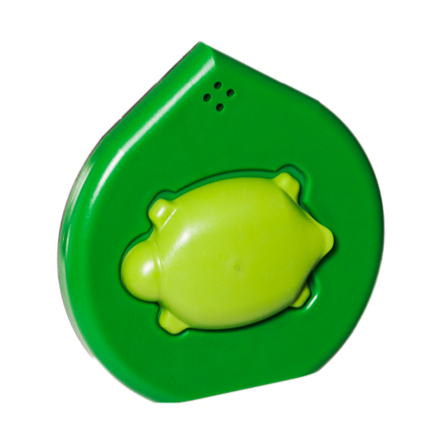
Johnson & Johnson and Rest Devices Announce Partnership on Infant Sleep Tracking and Coaching SystemJohnson & Johnson and Rest Devices have announced their collaboration on an infant sleep tracking and coaching system. The system, which will be fully launched next month, includes the Rest Mimo wearable baby monitor co-developed by both companies and an application named Nod.
16. Diabnext Diabetes Management Tool
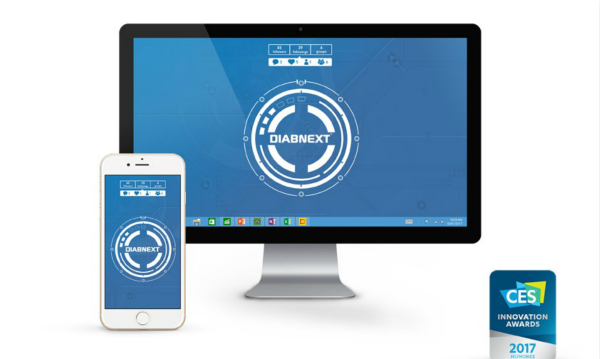
Diabnext Showcases Its AI Tools for Diabetes Management. The Diabnext AI Platform Connects Doctors and Patients via the J.A.R.V.I.S. Interface, While Clipsulin, a Smart-Connected Insulin Dose Logger Compatible with Mainstream Insulin Pens, Captures Injection Data and Saves It to the Diabnext AI System on Smartphones or Computers.
17. Gyenno Launches Tableware for Parkinson’s Patients
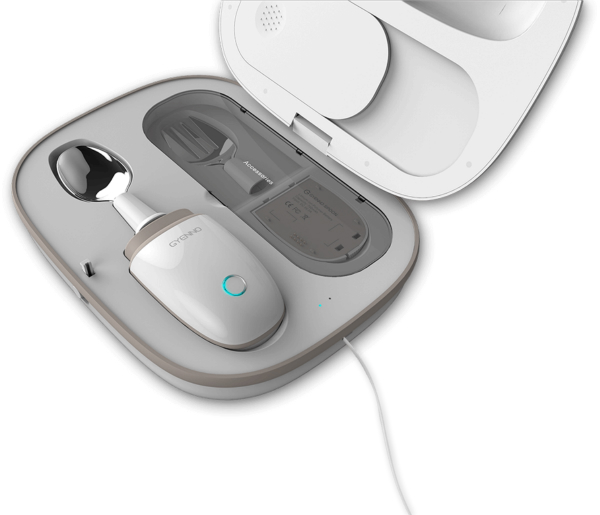
Gyenno has launched smart spoons and forks designed to counteract hand tremors and other instabilities associated with Parkinson’s disease. The device also collects tremor data, which is fed back to physicians and researchers to facilitate the development of more sophisticated algorithms and enhance its performance.
18. Doppel Emotion-Relaxation Wearable Device
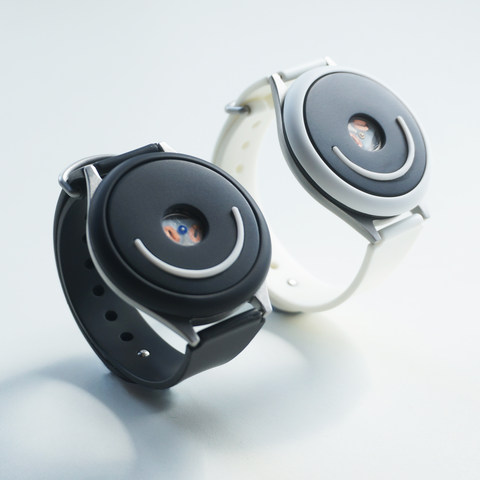
London-based Doppel made its debut at CES with its “mood-altering” wearable device. The device features a sensor placed on the inner wrist and syncs with a companion app. It emits heartbeat-like vibrations, allowing users to tap or press the device to adjust the rhythm—speeding it up or slowing it down—which reportedly helps increase alertness or induce calmness. The product will be available for pre-order and is set to launch within a few months.
19. TomTom Sports Platform
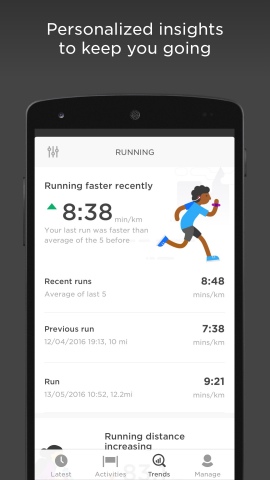
Navigation company TomTom has launched its new application: TomTom Sports. Paired with the company’s wearable trackers, the app can track up to 12 different activity types, create progress and competition dashboards, and sync with third-party platforms including Strava, Nike+, Endomondo, MapMyFitness, and Runkeeper.
20. New Balance and Intel Fitness Smartwatch RunIQ
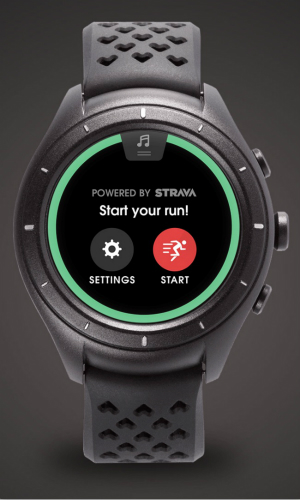
New Balance and Intel have launched the RunIQ fitness smartwatch, developed in collaboration with Google and Strava. Runners can upload and share workout data with a global community, and the watch features built-in GPS and heart rate monitoring. In terms of battery life, it is estimated to last 24 hours under typical usage scenarios, or 5 hours with continuous GPS and heart rate monitoring enabled. New Balance has also introduced PaceIQ, a set of Bluetooth wireless sports earphones manufactured in partnership with audio hardware provider Jabra. Both products will be available for pre-order within a few weeks, with the smartwatch priced at $300 and the earphones at $110.
21. Hear and Now Stress Relief Platform
UK-based BioBeats has launched the latest version of Hear and Now, an app designed to reduce stress and improve well-being. The app serves as a mindfulness coach, guiding users through personalized breathing exercises to alleviate stress.
22. DietSensor Chronic Disease Management App
DietSensor, a health and nutrition app company, has announced the launch of its application designed to improve the management of chronic conditions such as diabetes and obesity.
23. Changhong's First Molecular Recognition Smartphone H2
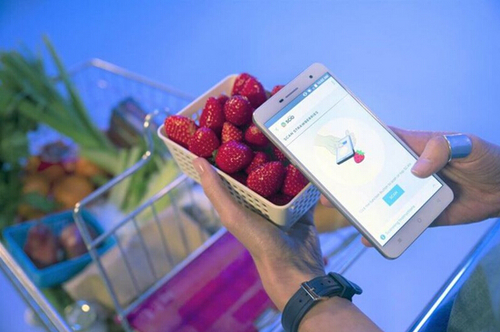
The Changhong H2 is a smartphone equipped with a miniaturized molecular SCiO spectral sensor, capable of rapidly identifying the molecular structure of substances and analyzing their molecular status through big data and cloud computing. By simply scanning fresh fruit with the Changhong H2, the phone’s screen displays the content of nutrients such as water, sugar, and vitamins, along with a composite index for user reference. This functionality enables monitoring of nutrition and health, while providing personalized nutritional and fitness guidance.
24. Benchmark Sensor System
Valencell Announces Launch of Two New Versions of Benchmark Sensor System: One Designed Specifically for Hearing Devices (the New Version Is More Compact, Enabling Faster Time-to-Market), and the Other for Wearable Devices Worn on the Wrist and Arm. Both New Modules Can Measure Data Such as Continuous Heart Rate, VO2 and VO2 Max, Resting Heart Rate, Calorie Burn, and Recovery.
25. Bloomlife Women's Fertility-Assist Wearable Device

Bloomlife showcased its wearable device and app for pregnancy tracking. Women can place the Belli sensor onto the accompanying adhesive Belli patch, which is then applied to the abdomen. The product detects uterine contractions and displays statistical data, such as contraction duration and frequency, within the user’s mobile app.
26. Philips Avent uGrow Digital Parenting Platform
Philips showcased its connected health toolkit: the Avent uGrow digital parenting platform, which includes an app paired with a smart baby monitor and ear thermometer; the Philips DreamStation Go portable CPAP device, designed for users to take anywhere; Sonicare toothbrushes; and the Philips Heart Health Program, an app-based behavior change initiative that pairs the Philips health watch with a mobile coach. Philips also announced a partnership with Daimler on the Mercedes-Benz Health Project, providing drivers with health information while driving.
27. EyeQue Personal Vision Tracker
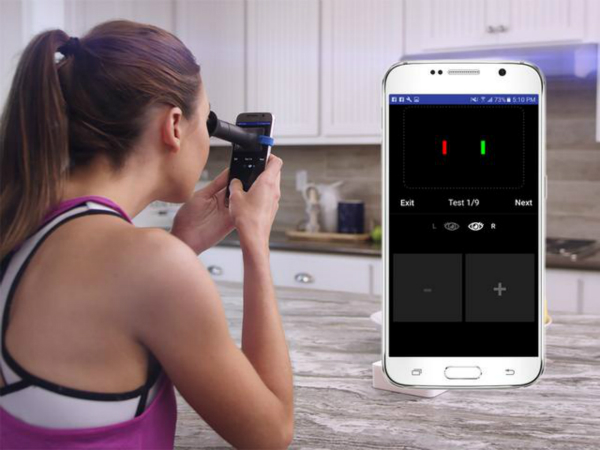
This product has won the official CES Innovation Award this year. You can connect this device to your smartphone and download the myEyeQue app for free from the Apple App Store or Google Play. This allows you to measure various ocular parameters at home, prescribe eyeglasses tailored to your needs, and place an order directly online. Your data is stored in the EyeQue cloud database, enabling long-term tracking of changes in your visual health.
28. K’Track G: A Blood-Free Diabetes Monitoring Device
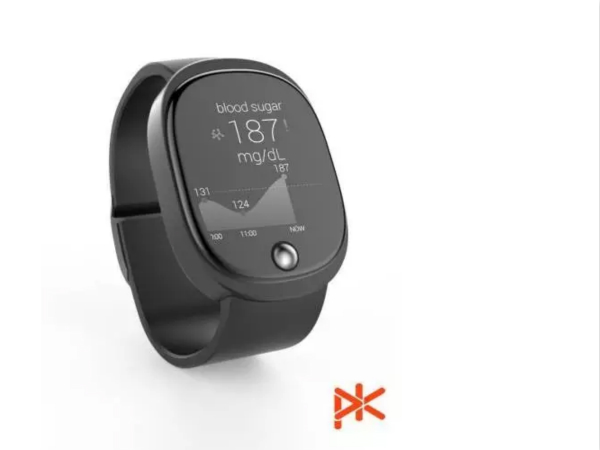
This is the world’s first wearable device capable of helping diabetes patients monitor their blood glucose levels in real time. It is worn on the wrist and requires no blood draws. It has received this year’s CES Official Innovation Award.
29. Willow Smart Breast Pump
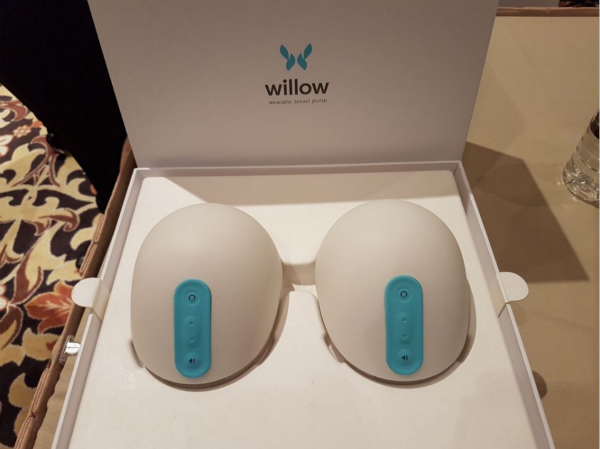
At CES 2017, a wearable breast pump was unveiled. Requiring no power cords or collection bottles, it can be discreetly concealed under clothing. The device consists of milk storage bags and an electric nursing bra, and connects to a mobile app via Bluetooth. It automatically detects and monitors the volume of expressed milk in real time, providing instant feedback to the user. This allows mothers to move around freely and comfortably, rather than having to remain seated and stationary for extended periods during pumping sessions.
30. HiMirror: A Beauty Mirror for Women
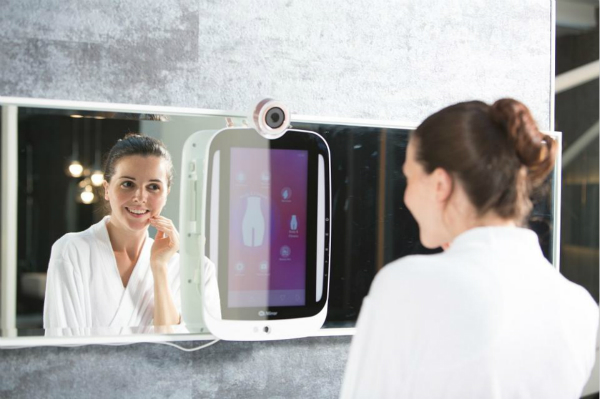
HiMirror, the world’s first smart beauty mirror, has just unveiled its new Plus version and the accompanying HiSkin device. The base model retails for $189. With its touch-free design, users can simply stand in front of the mirror to capture images for analysis of surface-level concerns such as skin tone, sun damage, pores, and wrinkles. The system then recommends products and routines to address each identified issue.
31. Samsung's S-Skin
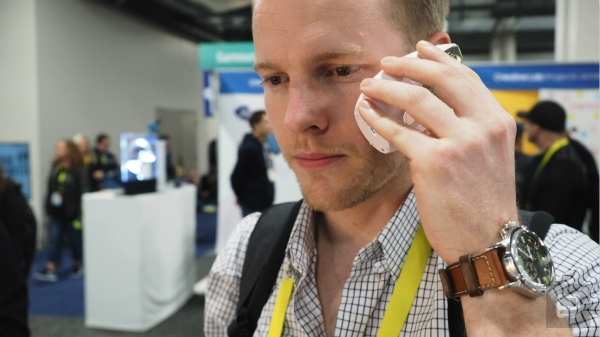
Samsung’s S-Skin analyzes and tracks skin conditions, offering a skincare solution that integrates hardware and software. Equipped with built-in sensors, S-Skin acquires relevant skin data—such as hydration levels and melanin content—and continuously records statistical measurements. The pod-shaped device then delivers various LED light settings to reduce dark spots and even out skin tone.
32. Quell Adds New Features
Neurometrix, the manufacturer of Quell, a wearable device for pain relief, has announced several new features for the device. Users can now calibrate their devices via the app, customize their treatment dosage, and track multiple health dimensions, including pain, activity, and gait.
Major Digital Health Partnership
Beyond the launch of numerous new devices, several digital health companies announced major partnerships at CES, offering insights into emerging trends in the digital health sector.
1. Wearable Unicorn Fitbit Continues to Forge Partnerships, Leveraging Its Data Collection Capabilities
Wearable unicorn Fitbit announced several partnerships and updated its app at CES. Fitbit also launched a new version of its Fitstar personal trainer app, along with new community and goal-setting features. First, UnitedHealthcare announced that its wellness program, Motion, will soon allow participants to use the Fitbit Charge 2 to track their activity, with customized integration into Motion’s Frequency, Intensity, and Toughness (F.I.T.) program. Using the device, participants can monitor their progress toward daily goals and earn financial incentives applicable to their healthcare plans.
Fitbit Announces Three Additional Partnerships: Habit, a personalized nutrition startup that uses data from genetic testing and individual health and fitness goals to create tailored diet and exercise plans, will now incorporate Fitbit biometric data into each user’s plan.
Indoor cycling manufacturer Peloton offers virtual cycling classes through its app—featuring fitness metrics, workout history, and opportunities for competition and group sessions—and can now sync cycling metrics directly to the Fitbit app, helping riders see how their cycling fits into their overall fitness goals.
Gaming company VirZoom is integrating Fitbit with virtual reality technology, allowing users to ride the company’s stationary bikes while wearing VR headsets through routes such as racing battlefields and countryside scenes. Each workout session is synced to the Fitbit app as an exercise record.
2. Samsung Launches $150 Million Fund, Potentially Becoming a New Accelerator in Healthcare
Samsung NEXT, the investment arm of the tech giant, has launched a new $150 million fund to support early-stage startups pursuing advanced innovations in software and services. Although the fund is not healthcare-specific, it is certainly open to investing in health companies; indeed, Samsung NEXT has already invested in the digital health firm BioBeats. The division also recently opened an office in Tel Aviv, which could serve as an accelerator for digital health innovation.
3. LifeQ Partners with Garmin, Analog Devices, and Medibio
LifeQ is a new digital health company that leverages computer simulations and continuous monitoring to study biological processes, and it announced several partnerships at CES. The company has collaborated with Garmin to launch a joint digital health solution, partnered with Analog Devices Inc. (ADI) to create more accurate wearable devices, and worked with Medibio to provide users with mental health diagnostic and management solutions through insurance and corporate programs. “We can now offer people incredible insights into their bodies, and potentially even predict heart attacks,” said Riaan Conradie, Executive Founder of LifeQ.
4. Publication of Data from Large-Scale Sleep Studies
SleepScore Labs, a joint venture announced this week by ResMed, Dr. Mehmet Oz, and Pegasus Capital Advisors, has released sleep data from 20,000 survey participants who tracked their sleep using ResMed’s S+ device. Key highlights from the report include: 79% of respondents slept less than the recommended seven hours; women averaged longer sleep duration than men (6 hours and 9 minutes for women versus 5 hours and 45 minutes for men); and 50% of respondents used mixed sleep aids, such as prescription medications, over-the-counter pills, or herbal/dietary supplements for sleep.
5. Mobile Health Meets Automotive
As health economist Jane Sarasohn-Kahn aptly predicted regarding the emerging concept of digital health integrated into smart vehicles, it is evident that mobile health is expanding beyond smartphones to automobiles. These new concepts include Hyundai’s stress-sensing vehicles, a research collaboration between Philips and Mercedes-Benz, and Nissan’s autonomous vehicles equipped with health reporting capabilities.
6. Amazon’s Alexa: Future Voice Technology May Infer Changes in Human Emotions
Amazon’s Alexa virtual voice assistant has stood out particularly this year. It primarily consists of Echo, a smart hardware device equipped with seven microphones and an independent speaker, along with the Alexa app installed on smartphones. Moreover, it is the first AI-powered voice assistant software driven by voice commands. At this year’s CES, Amazon’s team fully demonstrated how Alexa will permeate our future living spaces, with applications ranging from smart homes, home care, and smart offices to autonomous vehicles. To date, more than 7,000 manufacturers and products have integrated Alexa. Looking ahead, a key focus is on advancing the ability to infer human emotional changes from voice inputs.
The information in this article is sourced from MobiHealthNews, CNET, TechCrunch, etc.