

Japan's Pharmaceutical Distribution Industry: Enduring Under the Shadow of Cost Control
Following the official announcement of the “Two-Invoice System,” consolidation in the pharmaceutical distribution industry is likely to continue, with mergers and acquisitions, integration, and capital operations becoming the key themes for the next phase. Japan, our close neighbor across a narrow strip of water, has also undergone a path of multi-tier distributor consolidation. This article is part of Huachuang Securities’ series on observations of Japan’s pharmaceutical and biotechnology industry. VCBeat has obtained authorization to republish it, aiming to draw insights from Japan’s experience for Chinese pharmaceutical distribution companies.
As a vital component of the healthcare services industry chain, the development of pharmaceutical distribution is constrained by the top-level design of healthcare-related policies and remains inextricably linked to the mutual influences between upstream and downstream segments of the supply chain. This pivotal “connecting” position makes pharmaceutical distribution the sector most frequently cited and most readily targeted for reform during the advancement of healthcare reform policies. Japanese pharmaceutical distributors have evolved alongside Japan’s universal health insurance system for over five decades, witnessing both periods of prosperity and downturns, while playing a unique and irreplaceable role within Japan’s healthcare service framework. Through this issue’s examination of Japanese pharmaceutical distributors, we aim to provide strategic insights for Chinese pharmaceutical distributors, which are likewise facing transformative changes.
Key Viewpoints in This Issue
1. “Enduring Humiliation and Bearing Heavy Burdens”: Japanese Pharmaceutical Distribution Companies.
In any country, pharmaceutical distribution is a vital component of the healthcare service system. However, unlike medically advanced nations such as the United States, Japan’s unique universal health insurance system endows pharmaceutical distributors with a distinct mission. They serve not only as drug deliverers but also as conduits for pharmaceutical information, playing an indispensable role in the drug pricing mechanism. Yet, as an intermediate link in the healthcare service system, Japanese pharmaceutical distributors have borne the brunt of the reform pains as various cost-containment measures under Japan’s health insurance system have been implemented. Given the Japanese government’s determination to pursue healthcare reform, this period of adjustment is expected to continue.
2. The Future of Japanese Pharmaceutical Distribution Companies and Some Implications.
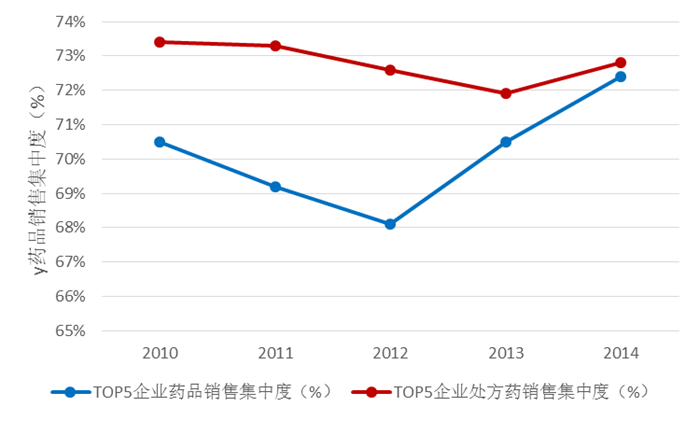
Japanese pharmaceutical distributors, which emerged alongside Japan’s unique universal health insurance system and inclusive medical service framework, have navigated over five decades of turbulent history. Having experienced both glory and downturns, their future ability to rebound from the bottom hinges on whether they can carve out a viable path amidst the constraints of policy and market forces. Constrained by the ceiling on health insurance reimbursement prices, these distributors, dancing to the tune of regulatory policies, have suffered successive blows from industry contraction and deteriorating financial conditions. They have managed to keep their net profit margins above the break-even point by relying on comprehensive, specialized, high-value-added services. However, as the Japanese government sets higher targets for the clinical usage rate of low-cost, high-priced generic drugs, the long-standing business model of Japanese pharmaceutical distributors—whose primary profit sources have been rebates on original drug sales and subsidies for sales activities—faces new challenges. As an integral component of the drug pricing mechanism within Japan’s health insurance system, the industry itself faces no risk of extinction. Nevertheless, we boldly predict that while upgrading their existing business models, Japanese pharmaceutical distributors may also witness another wave of mergers and acquisitions, the likes of which have not been seen since the 1990s. Of course, given that the top five companies already hold more than 70% of the market share, such consolidation is likely to focus more on improving industry margins.
For Chinese pharmaceutical distribution companies, policy challenges are equally prevalent. The introduction of medical insurance payment prices, along with the successive implementation of the “Two-Invoice System” and even the “One-Invoice System,” has imposed higher demands on the previously extensive business models. There is no doubt that China’s pharmaceutical distribution industry will undergo a process of rapid increase in market concentration through weeding out the weak and preserving the strong, as well as through mergers and acquisitions. During this process, leading enterprises will reap the high-growth dividends brought about by increased market concentration. Once concentration stabilizes at a high level, the refined optimization of business models will become the key to further performance improvement. The four major functions of Japanese pharmaceutical distribution companies should serve as a reference for Chinese enterprises. In particular, the Medical Service (MS) system, which partially replaces the role of pharmaceutical manufacturers’ Medical Representatives (MRs), holds significant reference value for China, which likewise faces the “Sword of Damocles” of medical insurance cost containment.
Main Text
I. Japanese Pharmaceutical Distribution Companies: “Enduring Humiliation and Bearing Heavy Burdens”
In any country, pharmaceutical distribution is a vital component of the healthcare service system. However, unlike in medically advanced nations such as the United States, Japan’s unique universal health insurance system endows pharmaceutical distributors with a distinct mission. They serve not only as drug distributors but also as conduits for pharmaceutical information, playing an indispensable role in the drug pricing mechanism. Yet, as an intermediate link in the healthcare service system, Japanese pharmaceutical distributors have borne the brunt of the reform pains as various cost-containment measures under Japan’s health insurance system have been implemented one by one. Given the Japanese government’s determination to pursue healthcare reform, such growing pains are expected to persist.
(I) Characteristics of Japan’s Pharmaceutical Distribution Industry
In our previous in-depth report on Japan’s drug pricing mechanism, we highlighted the indispensable role played by Japanese pharmaceutical distributors: The Japanese government reduces the prices of drugs listed in the National Health Insurance (NHI) Drug Price Standard every two years, with the reference price for such reductions based on the market wholesale prices negotiated between pharmaceutical distributors and over 157,000 medical institutions and prescription pharmacies nationwide. In other words, Japanese pharmaceutical distributors are the direct decision-makers in setting market wholesale drug prices and indirect participants in determining NHI reimbursement prices, a unique function characteristic of Japan’s pharmaceutical distribution sector.
Figure 1 United StatesSchematic Diagram of the Pharmaceutical Distribution Process
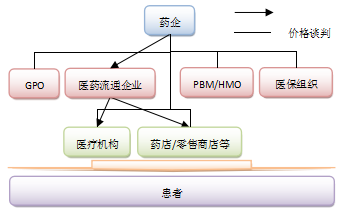
Chart2Schematic Diagram of Japan's Pharmaceutical Distribution Process
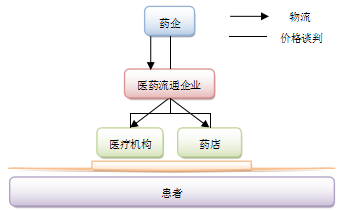
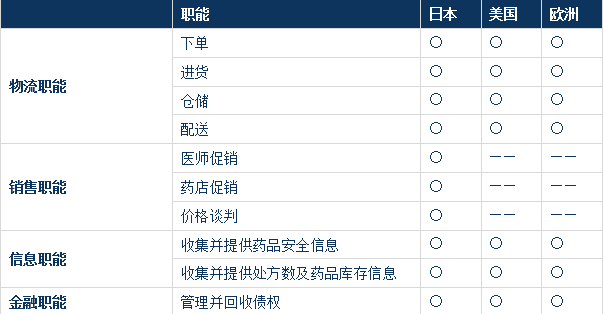
As shown in Charts 1 and 2, there are two distinct differences in the functions assumed by pharmaceutical distribution enterprises in the United States and Japan. First, Japanese pharmaceutical distributors hold pricing authority over the wholesale price of drugs in the market. Second, they monopolize the intermediate links of pharmaceutical distribution. These disparities stem from the different healthcare systems shaped by the respective national health insurance frameworks in the two countries. Japan’s universal health insurance system is one of the few globally where the government uniformly sets reimbursement prices for medical services and drugs. Although Japan has a large number of medical institutions and pharmacies, their market concentration remains low. For instance, chain pharmacies with fewer than 14 stores account for 84% of all pharmacies. Moreover, unlike the United States, Japan lacks group purchasing organizations (GPOs) within its medical institutions. Consequently, pharmaceutical distributors assume the responsibility of negotiating prices and managing drug distribution to all retail endpoints. In addition to these logistics and sales functions, Japanese pharmaceutical distributors also serve as central hubs for transmitting various drug-related information and undertake certain financial roles, such as accounts receivable management.
Figure 3 Differences in Functions Between Japanese and Western Pharmaceutical Distribution Companies
Source: Huachuang Securities
The driving force behind the execution of these fundamental and unique functions by Japanese pharmaceutical distribution companies is a workforce of nearly 18,000 sales personnel distributed across Japan, known as Marketing Specialists (MS). By maintaining close ties with three key stakeholders—pharmaceutical manufacturers’ Medical Representatives (MRs) as drug suppliers, physicians with prescribing authority as drug selectors, and pharmacy pharmacists as drug purchasers—MSs facilitate the seamless flow of medications throughout the upstream and downstream segments of the healthcare service industry chain. Notably, in terms of sales functions, MSs serve as a substitute for pharmaceutical manufacturers’ MRs. Data indicates that the close relationships between MSs and prescribing physicians influence approximately 70% of prescriptions issued, an impact beyond the reach of pharmaceutical MRs. Furthermore, MSs possess first-hand information on prescription volumes and drug inventory levels at medical institutions. This capability underpins the role of Japanese pharmaceutical distribution companies as the information hub of the healthcare service industry chain, enabling the Japanese government to respond effectively to various sudden disasters and emergencies, and playing an irreplaceable role in the prioritized allocation and distribution of emergency medicines.
(II) Current Status of Japanese Pharmaceutical Distribution Companies
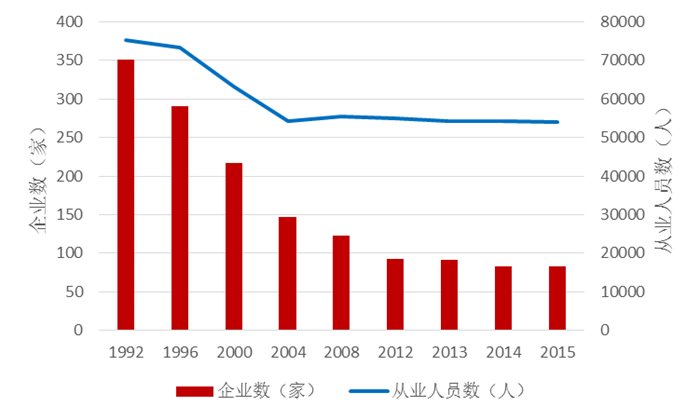
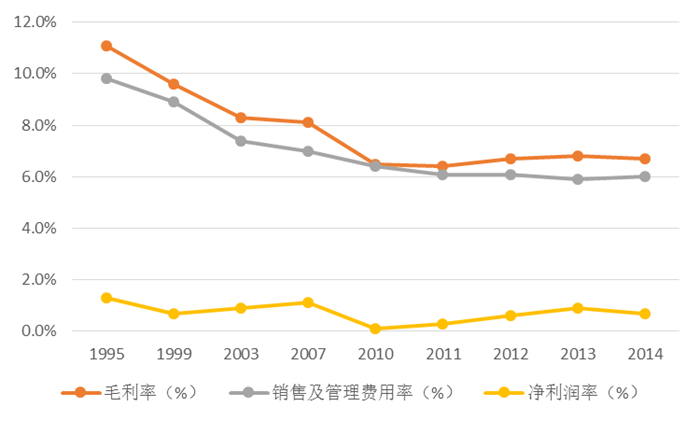
Despite the critical role played by Japanese pharmaceutical distribution companies as an indispensable intermediary within the overall healthcare service system, these enterprises have inevitably suffered significant setbacks amid the Japanese government’s reforms aimed at controlling health insurance expenditures. The number of companies in the industry shrank from 351 in 1992 to 85 in 2015, while the workforce decreased from 75,200 employees in 1992 to 54,000 in 2015. Meanwhile, the industry’s average gross profit margin declined from 11.1% in 1995 to 6.7% in 2014. However, as the core functions undertaken by these enterprises did not diminish, the industry’s average selling and administrative expense ratios did not decrease proportionally: the combined selling and administrative expense ratio stood at 9.8% in 1995 and fell to only 6.0% in 2014. Consequently, the industry’s average net profit margin has recently slipped to the brink of the break-even point, reaching just 0.7% in 2014. Compared with China and Western countries, although Japanese pharmaceutical distributors provide more high-value-added services, their revenue scale is mismatched with these efforts—a stark reality under the overwhelming pressure of health insurance cost-containment measures.
Figure 4 Changes in the Number of Pharmaceutical Distribution Enterprises and Employees in Japan
Source: Huachuang Securities
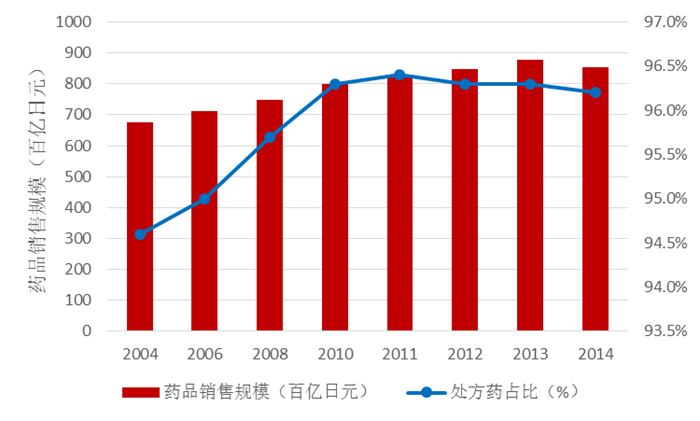
In terms of market concentration, the top five pharmaceutical distribution enterprises collectively account for approximately 70% of the entire pharmaceutical distribution market share, maintaining a stable position. When focusing specifically on the prescription drug distribution market, these top five companies hold a similar proportional share, largely because prescription drugs constitute over 95% of the sales revenue in the pharmaceutical distribution sector.
Chart5Market Concentration in Japan's Pharmaceutical Distribution Sector
Source: Huachuang Securities
The profit sources of Japanese pharmaceutical distribution companies can be divided into three distinct channels: profits from drug sales, rebates based on drug sales volume, and subsidies for drug sales activities. Influenced by the year-on-year increase in the proportion of generic drugs, those with high volume share, low turnover rates, and low unit prices have increasingly eroded profits from drug sales. Pharmaceutical distributors have barely maintained a break-even status by relying on rebates and subsidies provided by originator drug manufacturers.
Chart 6 Financial Data of Japanese Pharmaceutical Distribution Companies
Source: Huachuang Securities
From the perspective of drug distribution categories, the vast majority of prescription drugs and nearly half of over-the-counter (OTC) drugs are distributed through pharmaceutical circulation enterprises to various retail terminals, including medical institutions and pharmacies. Among these, as some OTC drugs have been removed from the drug classification list, the proportion of OTC drugs has slightly declined compared to previous levels and currently stabilizes at around 3.8%.
Figure 7 Sales Revenue Scale of Japanese Pharmaceutical Distribution Companies
Source: Huachuang Securities
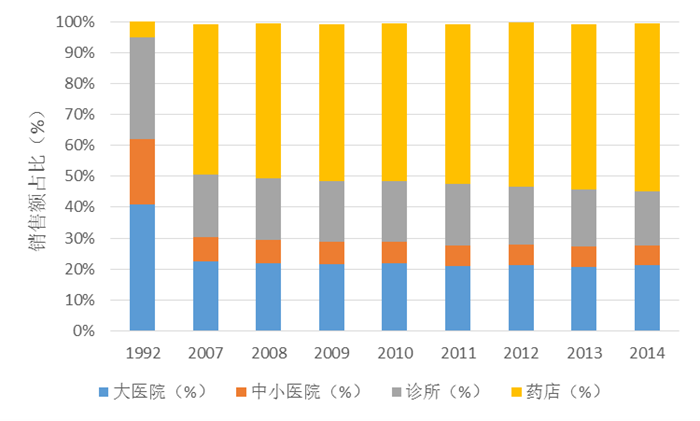
As previously mentioned, various healthcare reform measures aimed at controlling medical insurance costs have had a profound impact on the customer base and product portfolios of Japanese pharmaceutical distribution companies. Most notably, the separation of prescribing from dispensing has driven up the share of sales to pharmacies, while policies promoting the use of generic drugs have increased their proportional volume. In 1992, pharmacy sales accounted for only 5.2% of the total market. However, with the implementation of the separation of prescribing from dispensing policy, the separation rate rose from 14.1% in 1992 to 67.0% in 2013. Correspondingly, the share of sales by pharmaceutical distributors to pharmacies reached 48.7% in 2007 and continued to increase slightly in subsequent years, reaching 54.3% in 2014 (the latest available data). Meanwhile, the share attributable to small and medium-sized hospitals and clinics has continued to decline.
Chart 8 Overview of Sales Targets for Japanese Pharmaceutical Distribution Companies
Source: Huachuang Securities
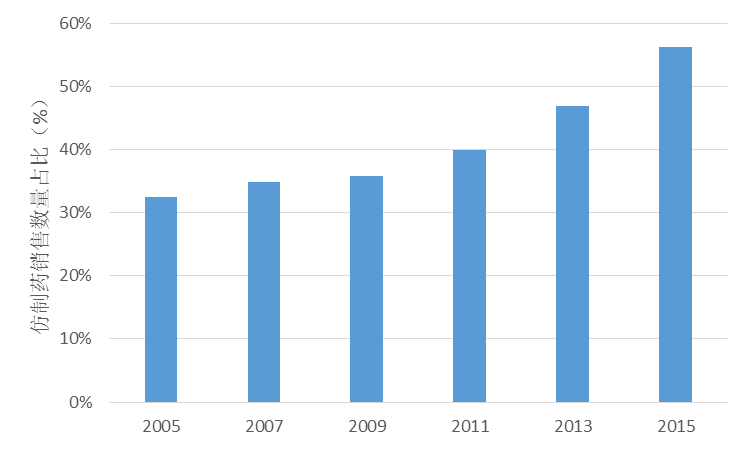
In terms of product structure, as the Japanese government has continuously set new targets and requirements for the proportion of generic drug sales volume across the entire market, the share of generic drugs in the total sales volume of pharmaceutical distribution companies in Japan increased from 32.5% in 2005 to 56.2% in 2015, accounting for more than half of the combined sales volume of generics and their corresponding originator drugs. With the Japanese government further proposing new targets—achieving a 70% share of generic drug sales volume by 2017 and reaching 80% as early as possible between 2018 and 2020—the sales volume of generic drugs will undoubtedly continue to rise, thereby exerting additional pressure on the operational performance of pharmaceutical distribution companies.
Chart 9 Sales of Generic Drugs by Japanese Pharmaceutical Distribution Companies
Source: Huachuang Securities
*Share of Generic Drug Sales Volume=Generic Drug Sales Volume/(Corresponding to the sales volume of the original research drug+Sales Volume of Generic Drugs)
(3) Issues Faced by Japanese Pharmaceutical Distribution Companies
The primary challenges confronting Japanese pharmaceutical distribution enterprises, as previously discussed, stem partly from institutional reforms in the healthcare service system and partly from inherent flaws in their existing business models.
Japan’s healthcare reforms, similarly driven by the primary objective of controlling national health insurance expenditures, are exerting sustained pressure on the revenue structures of pharmaceutical distribution companies that have long relied on sales rebates and subsidies from originator drugs. This pressure stems from the vigorous promotion of generic drug utilization in clinical practice. As the Japanese government further updates its multi-year targets for the sales volume share of generics, the revenue structures of these distributors are expected to deteriorate further. On the other hand, as discussed in our previous report, the Japanese government introduced an innovation premium system within its drug pricing mechanism to encourage R&D innovation. The eligibility criteria for this innovation premium primarily cover anti-tumor agents such as small-molecule targeted therapies and monoclonal antibodies, which require minimal marketing efforts. Sales activity subsidies for these high-priced drugs have consistently served as a stable profit source for pharmaceutical distributors. Moreover, to meet the eligibility requirements for the innovation premium, pharmaceutical manufacturers are often reluctant to lower ex-factory prices. To some extent, the introduction of the originator drug innovation premium system has delivered a double blow to the existing revenue structures of pharmaceutical distribution enterprises.
Meanwhile, as an intermediate link in the medical service industry chain, pharmaceutical distribution companies have inherent defects in their business models. As the revenue structure of these companies further deteriorates, these defects may become triggers that endanger their lifelines. First, Japanese pharmaceutical distribution companies have always adopted a "ship before contract" system for settlement, meaning they ship goods from a public interest perspective before determining the wholesale price of drugs in the market; only after six months or a year of negotiations can the pharmaceutical distribution companies recover the relevant drug costs. Second, for a long time, Japanese pharmaceutical distribution companies have negotiated with medical institutions and pharmacies using a bundled pricing model, which does not reflect the actual market price of individual drugs, placing higher demands on the category management of pharmaceutical distribution companies and their responsibility to provide feedback on the actual market prices of drugs. Finally, the logistics and delivery fees of Japanese pharmaceutical distribution companies are included in the wholesale price of drugs and are not charged separately. Although Japan does not have organizational forms similar to American GPOs, PBMs, or HMOs, it is common for chain medical institutions and chain pharmacies under the same controller to conduct centralized procurement. Centralized procurement often drives down the wholesale price of drugs, creating a dilemma where pharmaceutical distribution companies cannot cover their logistics and delivery costs. Moreover, when these sales terminals experience stockouts requiring urgent shipments, pharmaceutical distribution companies must make free allocations and deliveries from a public interest perspective, imposing additional burdens on these companies.
II. The Future of Japanese Pharmaceutical Distribution Companies and Some Insights
Japanese pharmaceutical distributors, having evolved alongside the country’s unique universal health insurance system and inclusive medical service framework, have navigated more than fifty years of tumultuous history. Having experienced both glory and troughs, their future ability to stage a rebound hinges on whether they can carve out a viable path amidst the constraints of policy and market forces. Constrained by the ceiling on national health insurance reimbursement prices, these distributors, dancing to the tune of regulatory policies, have suffered successive blows from industry contraction and deteriorating financial performance. They have managed to keep their net profit margins above the break-even point by relying on comprehensive, specialized, high-value-added services. However, as the Japanese government sets higher targets for the clinical usage rate of low-cost, high-volume generic drugs, the long-standing business model of Japanese pharmaceutical distributors—primarily driven by rebates on sales of originator drugs and subsidies for sales activities—faces new challenges. As an integral component of the drug pricing mechanism within Japan’s health insurance system, while the industry itself faces no risk of extinction, we boldly predict that Japanese pharmaceutical distributors will not only upgrade their existing business models but may also witness another wave of mergers and acquisitions (M&A) not seen since the 1990s. Given that the top five players already command over 70% of the market share, such consolidation is likely to focus more on improving industry margins.For Chinese pharmaceutical distributors, policy challenges are equally prevalent. The introduction of health insurance reimbursement price standards, along with the progressive implementation of the "Two-Invoice System" and even the "One-Invoice System," has imposed stricter requirements on the previously extensive mode of operation. The Chinese pharmaceutical distribution industry will undoubtedly undergo a process of rapid increase in market concentration through survival of the fittest and M&A consolidation; during this process, leading enterprises will reap the rewards of high growth driven by increased concentration. Once concentration stabilizes at a high level, the refined optimization of operational models will become the key to further performance improvement. The four major functions of Japanese pharmaceutical distributors should serve as a reference for Chinese companies. In particular, the Medical Specialist (MS) system, which partially substitutes for the role of pharmaceutical manufacturers’ Medical Representatives (MRs), holds significant reference value for China, which similarly faces the Damocles’ sword of health insurance cost containment.
(I) A Future Breeding Hope Amidst Adversity
“Walking to where the water ends, sitting and watching the clouds rise” may well be the most apt description of the current state of Japanese pharmaceutical distribution companies. Judging by both industry scale and financial metrics, the sector has largely bottomed out. Meanwhile, the prevailing business model, which derives most of its profits from originator drugs, is increasingly strained by the rising clinical adoption rate of generic drugs. Industry transformation is imminent.
We predict that industry transformation will manifest primarily in two aspects. First, industry concentration is likely to increase further, with the sector as a whole poised for its second wave of mergers and acquisitions since the 1990s. However, given that the market share of leading enterprises has already exceeded the high level of 70%, we believe this round of consolidation will serve more to improve the industry at the margins. Second, existing business models will undergo corresponding changes in line with institutional reforms. For instance, in response to the growing inventory and distribution demands for generic drugs characterized by low prices and high costs, the current percentage-based fee structure will shift to fees based on fixed amounts or specific items. Additionally, personalized fee-based services will be provided to address the customized pharmaceutical supply chain management needs of different medical institutions and pharmacies, thereby improving the existing profit structure.
(II) Implications for China’s Pharmaceutical Distribution Enterprises
Drawing on the development trajectory of Japanese pharmaceutical distribution companies, China’s pharmaceutical distribution sector currently remains characterized by a fragmented, extensive operational model, with enterprises operating in silos. However, as central government-led healthcare reforms—such as medical insurance payment pricing, the “Two-Invoice System,” and even the “One-Invoice System”—are progressively implemented, the industry is poised for a rapid increase in market concentration. Amidst this wave of mergers and acquisitions, leading companies are expected to experience a surge in performance growth driven by their rapidly expanding market share. Once market concentration reaches a certain level, pharmaceutical distributors, as intermediaries in the healthcare service supply chain, will inevitably face the sustained impact of cost-containment policies under medical insurance. At that stage, the refinement of operational models will become critical for continued corporate growth. We anticipate that the four core functions of Japanese pharmaceutical distributors should serve as a benchmark for Chinese enterprises. In particular, the Medical Service (MS) system, which partially replaces the role of pharmaceutical manufacturers’ Medical Representatives (MRs), holds significant reference value for China, which likewise faces the looming pressure of medical insurance cost containment—the “Sword of Damocles.”
Editor’s Note: This article is the second issue of Huachuang Securities’ Observation on Japan’s Pharmaceutical and Biotechnology Industry. We will continue to publish updates for our readers’ benefit. Your attention is appreciated.
Series Report Index
Episode 3: Traditional Chinese Medicine in Japan: Annual Output Value of Only RMB 10 Billion, with Just One Listed Company
Episode 4: Japanese Drug Prices Under Government Control: Strained Health Insurance Reimbursements and Constraints on New Drug R&D Pricing