

18 Healthcare Mini Programs Launch on WeChat: Key Players and Product Insights
In the early hours of January 9, after more than three months of preparation, WeChat Mini Programs were officially launched. Users can access Mini Programs provided by developers via QR codes or search functions. After upgrading to the latest version of WeChat, users can also access previously used Mini Programs through the “Discover” page. Unlike traditional mobile apps, WeChat Mini Programs are characterized by their installation-free nature, immediate accessibility, ease of use without lingering, and no need for uninstallation. In this article, VCBeat (WeChat ID: vcbeat) introduces how to use Mini Programs, compares the differences between Mini Programs and apps, and finally takes a look at which Mini Programs have already gone live in the healthcare sector.
How to Use the Mini Program
First, WeChat must be updated to the latest version 6.53 before Mini Programs can be used.
Second, after updating the WeChat version, Mini Programs are not visible. The "Mini Programs" entry will only appear in the Discover menu after you have opened a Mini Program for the first time by scanning a company’s Mini Program QR code or via a link shared by a friend.
How to Find Mini Programs?
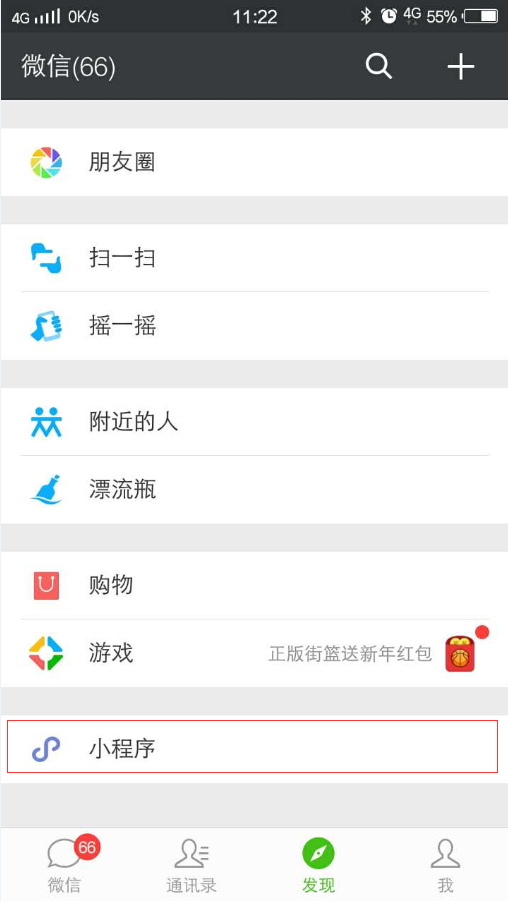
The Mini Program page lists all Mini Programs previously accessed by the user, featuring a search bar for lookup and adding new Mini Programs. However, this page does not provide entry points for categorization or rankings of Mini Programs. Currently known methods for opening new Mini Programs include: sharing via friends, scanning QR codes, and manual user search. The third method requires that the “Mini Programs” section already exists in the Discover menu before searching can be performed.
Mini Program does not support fuzzy search
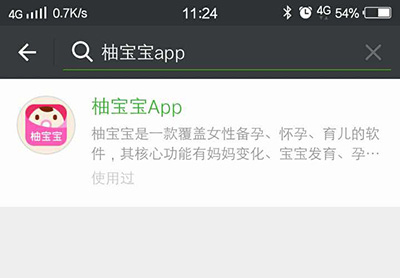
Unlike Official Accounts, Mini Programs do not support fuzzy search. Users must enter the complete Mini Program name to locate the corresponding enterprise’s Mini Program. While users can share Mini Programs with WeChat friends or group chats, sharing to Moments is currently unsupported.
Mini Program vs. App
WeChat Mini Programs are web-based applications that run on a platform and do not require download or installation on devices. In contrast, native apps are specifically designed for mobile devices and must be directly installed on smartphones, functioning as standalone applications. In terms of development, maintenance, and promotion costs, WeChat Mini Programs incur expenses similar to those of Official Accounts, which are significantly lower than the development and maintenance costs of native apps.
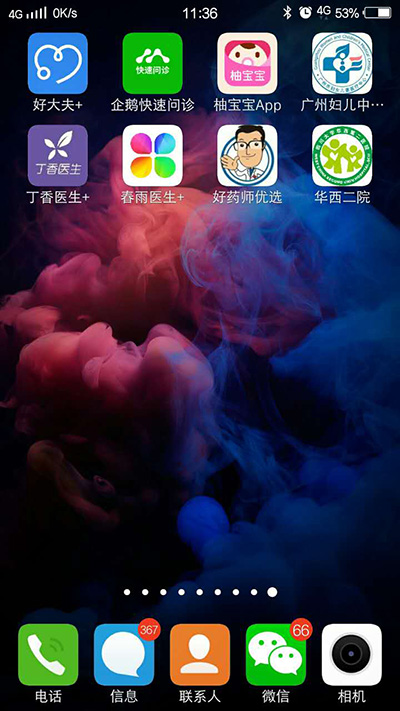
On Android, thanks to the system’s openness, mini-programs can be added to the home screen. Tapping the icon instantly navigates to the mini-program page; when WeChat is running in the background, the mini-program essentially launches in seconds. Even if WeChat has been closed, tapping the mini-program icon automatically relaunches WeChat and navigates to the mini-program page, albeit with a slight startup delay. In contrast, due to iOS’s closed ecosystem, users can only access mini-programs through the “Discover” section within WeChat, which is somewhat inconvenient.Through comparison, we find that although mini-programs require no installation and can be launched instantly, significantly reducing mobile storage consumption compared to native apps, they exhibit a heavier reliance on network connectivity.
Recommended Mini Programs Now Live in the Healthcare Sector
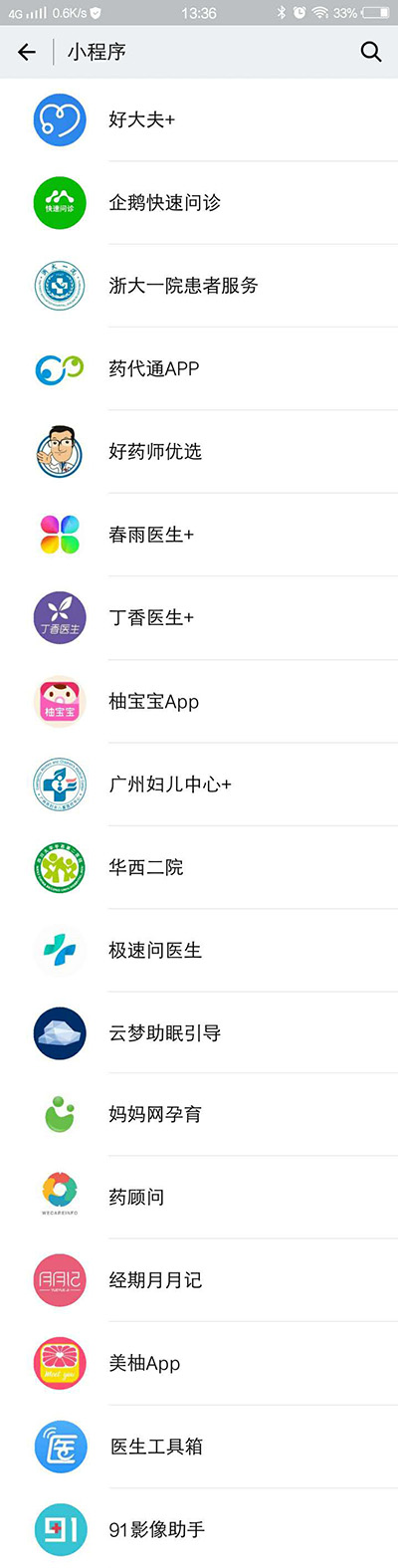
VBInsight Talk: Mini Programs
Chunyu Doctor (Chunyu Doctor+)
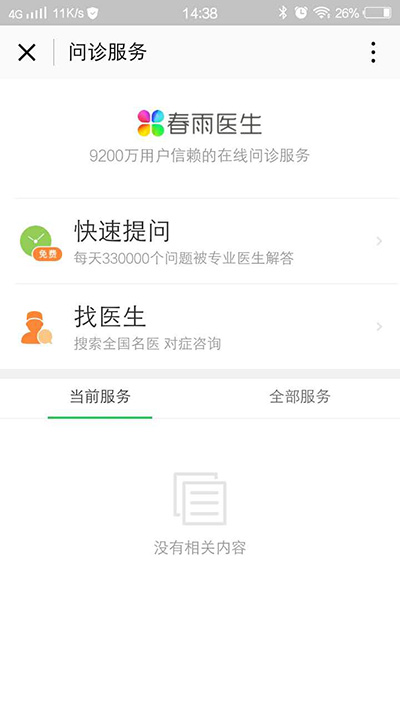
The “Chunyu Doctor+” mini-program essentially encompasses the core functions of Chunyu Doctor’s online consultation services, namely “Ask a Doctor” and “Find a Doctor.” According to Tan Wanneng, Director of Public Relations at Chunyu Doctor, compared to the Chunyu Doctor App, “Chunyu Doctor+” serves as an extremely streamlined service entry point. Adhering to the WeChat mini-program philosophy of “use and go,” “Chunyu Doctor+” focuses solely on connecting users with doctors, or more broadly, linking users to online medical services. Features available in the app, such as the health news channel, health management tools, self-assessment tools, and promotional campaign channels, are not currently included in “Chunyu Doctor+.”
The positioning of WeChat Mini Programs aligns closely with Chunyu Doctor’s online consultation open platform strategy, launched in August 2016, which centers on “connecting people with services.” The introduction of WeChat Mini Programs provides Chunyu Doctor’s open platform strategy with an additional strategic-level access point, thereby reducing technical barriers to using its services and making it more convenient for users to access and utilize Chunyu Doctor’s online medical services.
Tan Wannian believes, “The emergence of Mini Programs may spark a small wave of product-focused startups and give rise to a batch of ‘lightweight App products,’ enabling them to overtake certain overly heavy App products through disruptive innovation.” WeChat Mini Programs will rapidly traverse the developmental path that the Apple App Store and Android Play Store took several years to complete. Within at most six months, a distinct group of leading applications will emerge. Products that secure sufficient user attention during this window period will become the most widely used Mini Programs.
Haodf Online (Haodf+)
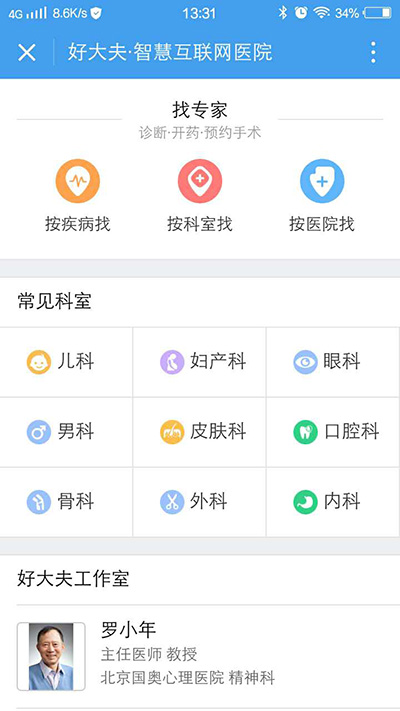
Wang Hang, CEO of Haodf Online, stated regarding the positioning of its mini-program: “Haodf’s mini-program addresses the lightweight needs of general patients.”The mini-program launched by Haodf Online is named "Haodf+." The first phase introduces search functionalities for doctors and hospitals. Compared to the Haodf Online app, it is merely a lightweight application with uncomplicated features. Online consultations and e-prescriptions are slated for future development.
The healthcare industry has a distinct characteristic: for most users, healthcare service apps represent a low-frequency need, making it challenging to persuade them to independently download large-capacity applications. Wang Hang believes that the lightweight, use-and-go nature of WeChat Mini Programs is well-suited for individuals who do not frequently utilize medical consultation services. However, when in-depth access to healthcare services and complex app functionalities is required, a standalone app remains necessary.
The lightweight nature of WeChat Mini Programs can attract more users to the healthcare industry, expand usage scenarios, and enhance user convenience.
Patient Services of The First Affiliated Hospital, Zhejiang University School of Medicine
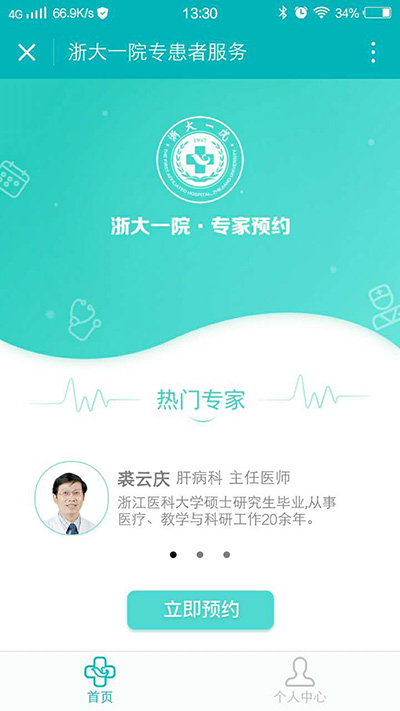
“Patient Services of The First Affiliated Hospital, Zhejiang University School of Medicine” is a registration and medical consultation platform provided by the hospital to patients, with its primary function being online appointment scheduling with specialists, and comprehensive end-to-end support features to be introduced in the future.
As Mini Programs advocate the “use-and-go” philosophy, this Mini Program is primarily designed to provide a lighter and more convenient solution to offline issues such as long queues for outpatient registration and in-clinic payments. For example, when a patient arrives at the hospital, they can access the Mini Program simply by scanning a QR code with WeChat, eliminating the need to queue at self-service kiosks or service windows, and avoiding the data consumption associated with downloading a dedicated app, thereby enhancing the on-site experience.
“‘Zhejiang University First Affiliated Hospital Patient Services’ mini-program and the ‘Palm Zheyi’ app have overlapping functionalities, but the former features a more streamlined process,” said Ren Yinhua, Assistant to the President of Zhuojian. Ever since Zhang Xiaolong proposed the concept of “application accounts” at the WeChat Open Class PRO a year ago, Zhuojian has been considering how this development would impact its future business operations and what adjustments would be necessary. Committed to making healthcare services readily accessible, Zhuojian believes that the advent of mini-programs will significantly enhance the breadth of product capabilities it offers horizontally to the healthcare industry among its six major product lines. In the future, mini-program development will go beyond providing hospitals with end-to-end solutions, giving rise to richer application scenarios, though specific details remain undisclosed for now.
Regarding the future of WeChat Mini Programs, Zhai Xuelian, Chief Strategy Officer at Zhuojian Technology, stated: “WeChat Mini Programs do not aspire to become an app distribution channel; their sole purpose is to provide users with a more user-friendly and seamless interactive experience. However, when product capabilities are optimized to the utmost, Mini Programs will be present in every non-online entry point in the future.”
Penguin Doctor (Penguin Quick Consultation)
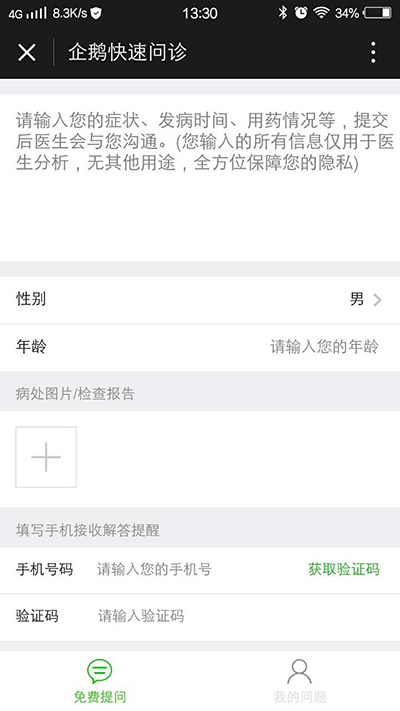
Penguin Doctor launched “Penguin Quick Consultation” today, with its primary feature being free online medical consultations. Previously, the platform for this service was not a standalone app but rather a lightweight application. Unlike WeChat’s closed ecosystem, Penguin Doctor’s online consultation service can be integrated into various application scenarios; for instance, it has already been embedded in the “City Services” section under Wallet in mobile QQ.
Penguin Doctor launched its free online consultation service on WeChat Mini Programs at the earliest opportunity, primarily driven by WeChat’s massive user traffic. Penguin Doctor viewed this as a critical window of opportunity that any tool-oriented Mini Program should seize. A second factor is that online consultations constitute a low-frequency yet essential service, aligning well with the positioning of WeChat Mini Programs. The “use-and-go” nature of Mini Programs allows Penguin Doctor to meet users’ needs for convenient, fast, and professional online medical consultations without disrupting their existing usage habits.
Wang Shirui, head of Penguin Doctor, believes that WeChat Mini Programs are not meant to replace apps but rather to complement them, fostering mutual development. It is worth noting that when WeChat Mini Programs were launched, it was stated that their goal was not to increase user stickiness. Therefore, certain low-frequency, utility-based apps may be significantly impacted by Mini Programs. The influence of a super-app like WeChat on the development of Mini Programs goes without saying.
Jiuyi 160 (Ask a Doctor Instantly)
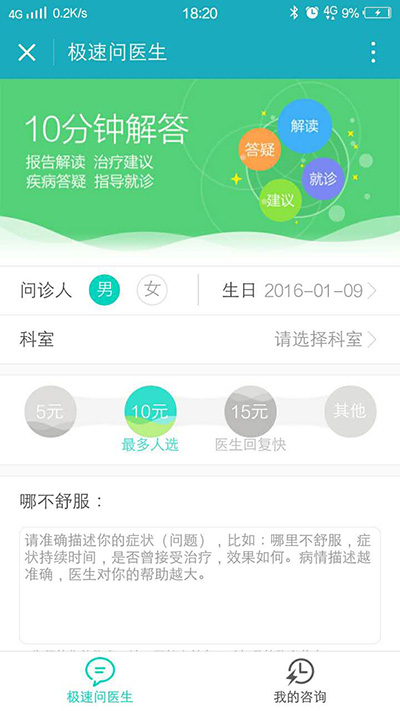
Jiuyi160 has launched a WeChat Mini Program named “Rapid Doctor Consultation.” Rather than being a direct replica of its mobile app, the product’s core design philosophy centers on enabling patients to quickly connect with the 470,000 doctors on the Jiuyi160 platform. Thus, “Rapid Doctor Consultation” was created, featuring primary functions such as rapid online physician consultations and timely synchronization of consultation records. With its concise, efficient, and fast-paced functionality, it addresses patients’ needs for lightweight medical inquiries and establishes the most convenient communication channel between doctors and patients. This approach aligns well with the WeChat Mini Program ethos of being compact, elegant, and designed for immediate use and exit.
A representative from Juyi160 stated that the Mini Program has activated more “weak ties,” meeting users’ fragmented needs and enabling a wider range of user application scenarios. By leveraging WeChat’s massive traffic gateway of hundreds of millions of active users, the company can expand its business sources and increase opportunities to reach users. While new business models may be explored by relying on WeChat in the future, this will depend on the extent of openness that WeChat Mini Programs adopt going forward.
MedRep Connect (MedRep Connect App)
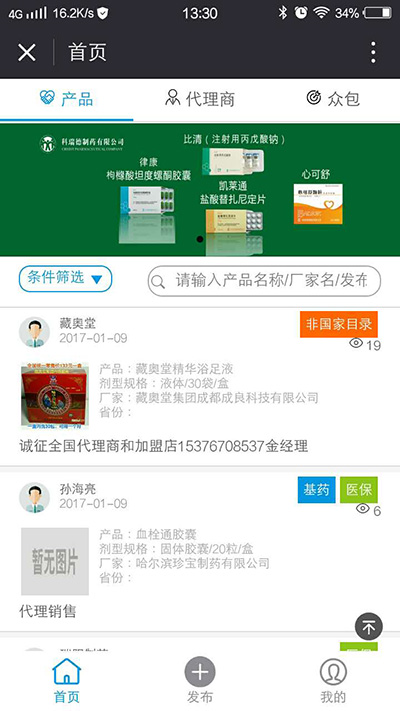
The Yaodaitong Mini Program, launched by Yaodaitong, primarily delivers four core functions. The first function enables pharmaceutical companies to post or search for drugs seeking distribution partnerships. The second function allows distributors to post or search for drug distribution opportunities. The third function is Yaodaitong’s proprietary crowdsourcing feature. The fourth function automatically matches and pushes relevant information based on users’ distribution needs.
Compared with the Yaodaitong App, the mini-program implements less than 20% of the original App’s functionalities. Due to constraints on storage capacity and technical requirements, the mini-program cannot support overly complex features. The original Yaodaitong App offered three core functions: first, drug information inquiry and social networking; second, relatively complex management functions for the pharmaceutical sales industry; and third, query capabilities for pharmaceutical sales data and bid-winning data. As a first step, the Yaodaitong mini-program focuses on the simpler functionalities of information inquiry and social networking, aiming to accelerate the dissemination of drug tendering information while leveraging WeChat’s social characteristics and viral reach to enhance the efficiency of drug tendering processes.
Feng Jun, founder of Yaodaitong, believes that the emergence of WeChat Mini Programs will usher in a third ecosystem for application services. The first is the traditional ecosystem based on websites and microsites; the second is the mobile ecosystem centered around native apps; and the third is the ecosystem built upon WeChat Mini Programs. The first two are considered “heavy” applications, whereas the third ecosystem leverages social advantages. These three ecosystems cannot completely replace one another, as each has its own strengths.
Meiyou (Meiyou App, Youbaobao App)
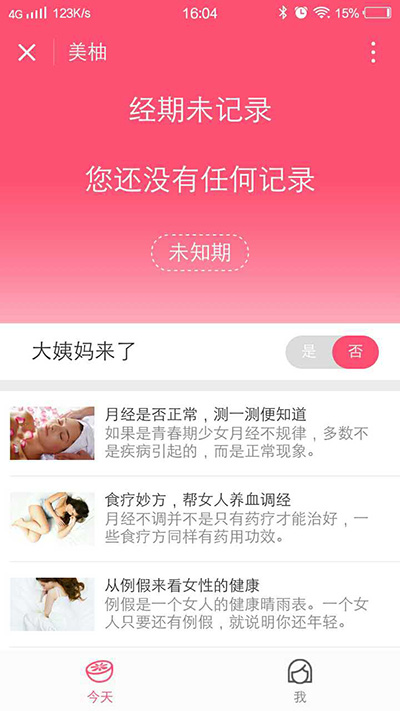
Meiyou has launched two mini-programs: the Meiyou App and the Youbaobao App. The Meiyou App mini-program is primarily designed for menstrual cycle tracking and provides access to educational content, while the Youbaobao App mainly offers preconception and prenatal care services for women. Currently, these two mini-programs only provide basic tracking and browsing functionalities; features such as community interaction, e-commerce, and menstrual cycle prediction have not yet been implemented.
Meiyou believes that the launch of mini-programs will have varying impacts on different types of enterprises. For instance, pure utility apps with low usage frequency may be replaced by mini-programs, especially in the Android environment, where mini-programs can directly create shortcuts on the home screen, thereby competing with native apps for user entry points. However, for community-based apps with high usage frequency and duration, as well as products with higher demands on user behavior, mini-programs can only deliver partial functionality, so their impact is likely to be limited.
Welcome to add the VCBeat mini-program — Dongmai Jia
VCBeat has compared the features of apps and mini-programs offered by numerous healthcare enterprises, revealing significant differences in their content and functionality. Currently, mini-programs launched by healthcare companies focus primarily on functional implementation, with lightweight applications such as appointment registration and inquiry services already available. However, since mini-program permissions are governed by the WeChat platform, there are still limitations for more in-depth, tool-oriented applications.
It can be argued that mini-programs hold an advantage in development and operational costs, but are at a disadvantage compared to native apps in terms of product experience.

Finally, a quick plug: VCBeat’s mini-program, “VCBeat Home,” is currently under review and will be launching soon. Stay tuned!