

FDA-Approved Digital Health Devices 2016–2017: Glucose Monitoring and Heart Rate Sensors Dominate
From January 2016 to January 9, 2017, MobiHealthNews reported on 37 health-related apps approved by the U.S. Food and Drug Administration (FDA). Apps for blood glucose monitoring and heart rate sensors dominated the list. As regulatory agencies refine and standardize their approaches to overseeing digital health tools, we are seeing more applications and software gain approval. In the new year, some devices will achieve deeper, clinical-grade applications. VCBeat (WeChat ID: vcbeat) has provided a detailed review.

Israeli startup Biogaming has received FDA approval for its YuGo Microsoft Kinect physical therapy system. Therapists can use the system to create personalized gaming routines for patients, who can then complete them at home using an Xbox or a computer connected to motion-sensing devices. The system tracks patients’ therapeutic activities and automatically generates records. During the wait for FDA approval, the company faced the risk of having to suspend operations.
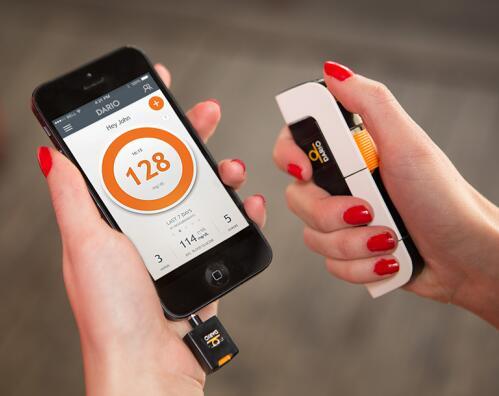
Also based in Israel, Labstyle Innovations has received approval for its smartphone-connected blood glucose meter. The device, named Dario, syncs with a companion app and is compact enough to fit into a pocket. Dario consists of a blood glucose meter, a cartridge of disposable test strips, and a lancing device. The companion app, available for iOS and Android systems, includes a nutrition guide, logging features, and monitoring tools. This app allows users to view all their data and obtain in-depth analysis based on data modeling.
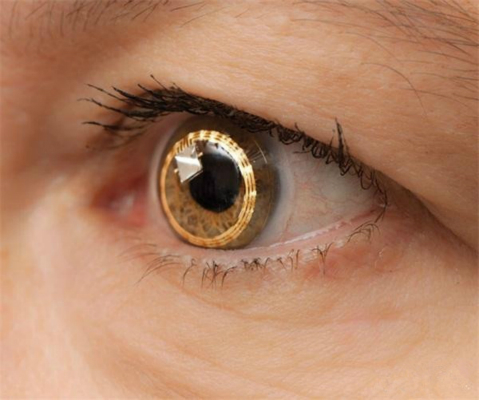
Switzerland’s Sensimed has announced that its Triggerfish connected contact lens has received re-examination approval from the FDA. This device helps physicians monitor disease progression in patients with glaucoma. The sensor-embedded contact lens continuously tracks and records changes in corneal curvature over a 24-hour period, wirelessly transmitting the data to a recorder worn around the patient’s neck. After the recording period ends, the data can be transferred via Bluetooth from the recorder to the physician’s computer, meaning patients must visit their doctor’s office to upload the data.
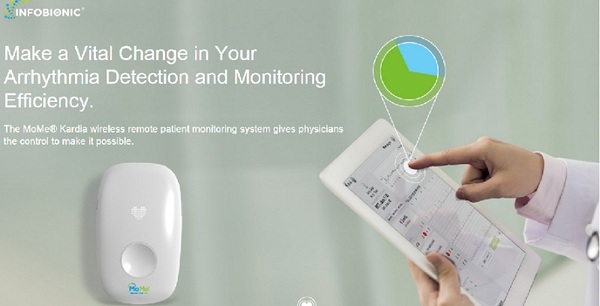
InfoBionic’s remote patient monitoring system, MoMe Kardia, based in Massachusetts, USA, has received FDA approval. It should not be confused with AliveCor’s products, which are now also branded under the name Kardia. MoMe Kardia is designed to monitor patients’ electrocardiograms (ECG), respiration, and movement to diagnose arrhythmias. This lightweight monitoring device can be worn around the neck or clipped onto a belt. The current generation of the product has obtained FDA clearance, but the device has not yet been commercialized.
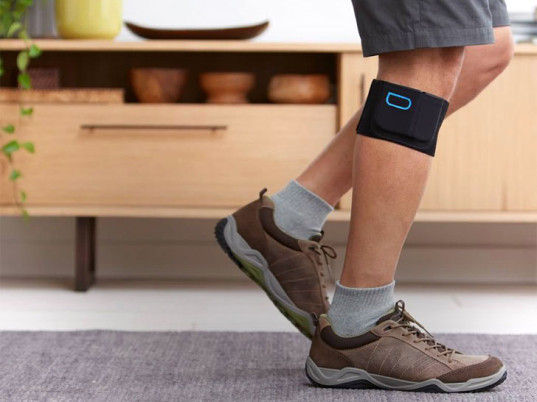
Neurometrix’s New Smartphone-Controlled Wearable Pain Relief Device, Quell, Receives FDA ApprovalLike its predecessor, the device treats chronic pain through neurostimulation. Quell delivers electrical currents to stimulate sensory nerves, which send pulse signals to the brain. In response, the brain releases endogenous opioids to produce an analgesic effect, thereby blocking the transmission of pain signals from the body to the brain. The device is worn on the calf. The new model allows users to directly control neurostimulation—they can turn it on or off, increase or decrease stimulation levels, and switch between different therapy modes: one providing constant vibration and the other delivering a sensation more akin to rapid pulses.
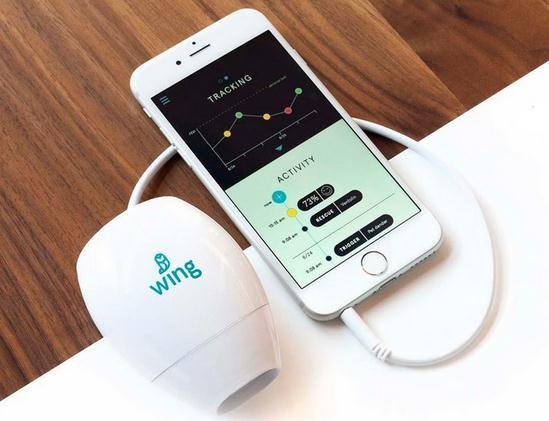
Sparo Labs, a company based in St. Louis, Missouri, has developed Wing, an app for measuring lung capacity that has received over-the-counter (OTC) certification. This clearance allows the company to sell the product directly to consumers, although it also places significant emphasis on distribution channels through hospitals and pharmacies. Wing is designed to help patients with asthma and other respiratory conditions—including chronic obstructive pulmonary disease (COPD) and cystic fibrosis—monitor their lung function using a pocket-sized sensor and its companion app.
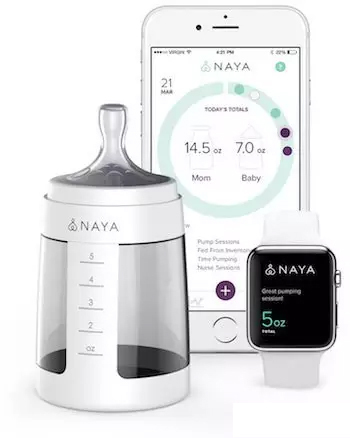
Naya Health, a startup based in Redwood City, California, has launched the Smart Pump, a smartphone-controlled smart breast pump that has received FDA approval, becoming the first breast pump ever certified by the agency. The Smart Pump utilizes a hydraulic system rather than an air pump system to express breast milk. The company states that this design offers greater comfort and quieter operation compared to traditional air pumps. Data collected by the pump, such as the frequency of pumping sessions, can be transmitted to the companion mobile app, Naya Health Tracker. This app also allows users to maintain pumping logs, track infant feedings, and provide dietary recommendations to help boost milk supply. The company is simultaneously developing an Apple Watch app.
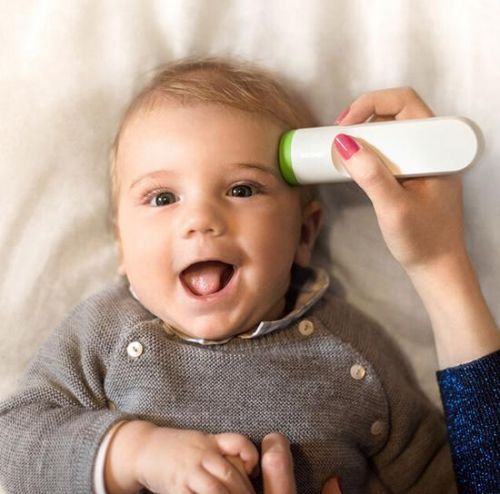
French connected device manufacturer Withings was recently acquired by Nokia. Its product, the Withings Thermo—a Wi-Fi-enabled thermometer—has received FDA clearance (which we have previously reported on). The product made its debut at the Consumer Electronics Show (CES) in Las Vegas this January. Replacing traditional oral or axillary temperature measurements, the Thermo measures body temperature by detecting the temperature of the temporal artery on the forehead. Users simply place the thermometer on their own or their child’s forehead, where 16 independent sensors measure body temperature via infrared technology. The reading is displayed on the side of the thermometer and can be transmitted directly to the corresponding mobile app. Users can maintain individual or multi-user profiles and add notes and comments.
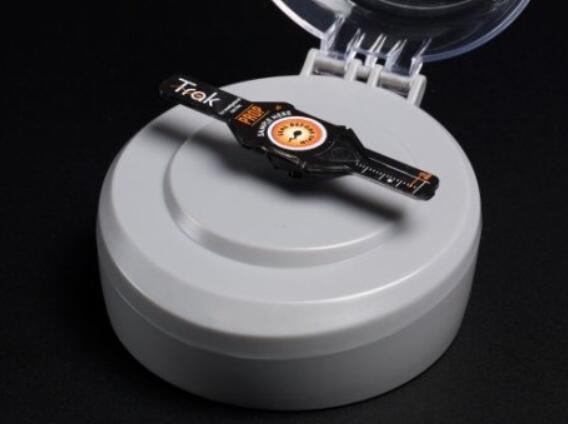
Sandstone Diagnostics’ Trak system has received FDA clearance. It is an at-home male fertility testing system connected via a mobile app. The Trak device aims to disrupt the current model of measuring male fertility, which many consider awkward and inconvenient. Cleared as a Class II medical device for over-the-counter use, the device separates sperm cells using a centrifuge within a specially designed kit. The results are then analyzed through the mobile app in accordance with World Health Organization (WHO) guidelines, informing users whether their sperm count is low, moderate, or optimal. In addition to reporting sperm count, the app allows users to compare their results against population averages derived from aggregated user data and provides personalized health and lifestyle recommendations that may help improve their fertility.
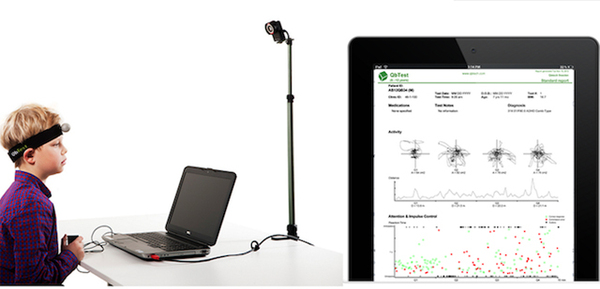
Swedish company Qbtech’s product, QbCheck, has received FDA clearance. This online tool provides decision support for the diagnosis and treatment of children with ADHD. According to the company, the conventional ADHD diagnostic process is highly complex, involving significant administrative costs and risks of bias. Qbtech’s workflow is designed to facilitate the identification, exclusion, and treatment of ADHD.
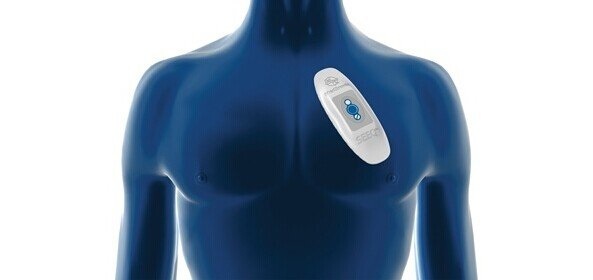
Medtronic’s AVIVO Mobile Patient Management System has received FDA clearance. This system continuously monitors and records data from cardiac patients and transmits the data periodically. The system utilizes a wearable sensor, while the data recorder is operated by the patient to transmit information to Medtronic’s servers.
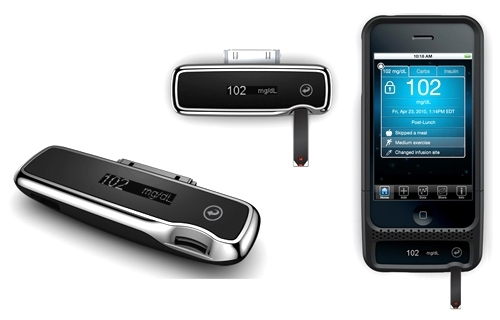
AgaMatrix, a company based in Salem, New Hampshire, has received FDA clearance for its wireless blood glucose monitoring system. The device and its accompanying app are named the Jazz Wireless Blood Glucose Monitoring System 2. This new product builds upon a previously FDA-cleared device and connects to iOS and Android devices via Bluetooth. Once testing begins, users can obtain results within five seconds; the data is simultaneously synced with the app and can be shared with family members or healthcare providers.
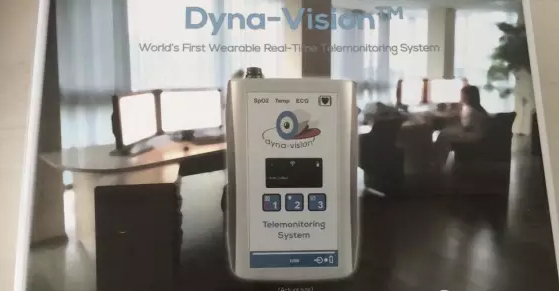
QServe Group’s Dyna-Vision Remote Monitoring System, Based in Amsterdam, Netherlands, Receives FDA Clearance. The system utilizes the Dyna-Vision device to monitor cardiovascular parameters and transmit data to a system server. This data can then be relayed via Wi-Fi or 3G to remote monitoring software and integrated with a mobile app.
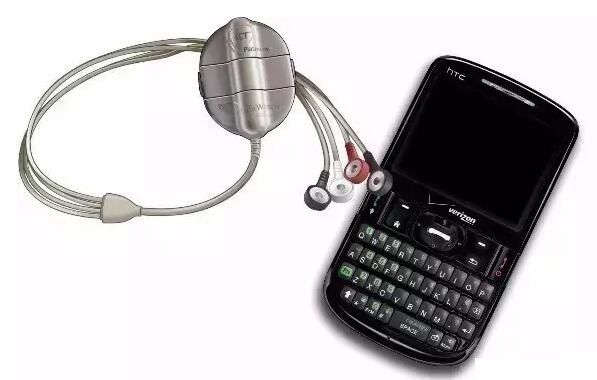
LifeWatch Technologies’ mini ECG monitor and arrhythmia detector received FDA clearance this January. Although the device does not connect to smartphones, this single-lead ECG patch can transmit data to a monitoring center via cellular connectivity. LifeWatch has also updated its Vital Signs Patch (VSP), another product that received clearance in December 2014.
This device is a disposable adhesive strip embedded with detection sensors, capable of measuring electrocardiogram (ECG), heart rate, respiratory rate, body temperature, blood oxygen saturation, and movement data. It also includes a battery that supports continuous data collection for 5–7 days. The system comes with a wirelessly connected blood pressure cuff and an Android app for data processing and transmission. The app can monitor patients’ health status and issue alerts when abnormal signals are detected. According to a summary document, this update enables the device to connect with clinical advisor tablets and adds a “patient posture sensor.”
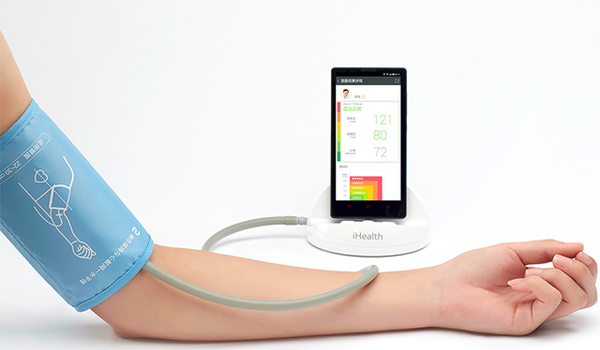
iHealth Blood Pressure Monitor, a product of Andon Labs (the parent company of iHealth Labs), received FDA clearance in February. This is a new type of blood pressure cuff that can connect to mobile phones. It is very similar to a previously cleared device. The report stated, “The differences lie only in appearance, storage capacity, power supply, measurement processing, average measurement function, and microcontroller, along with an additional software platform.”
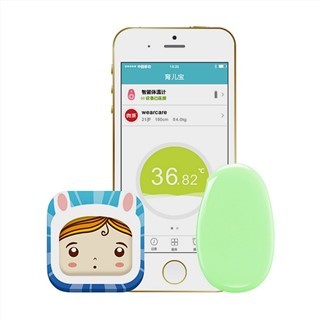
Shanghai Baolaite’s wireless connected thermometer received FDA clearance in January. This battery-powered handheld device measures body temperature via oral or axillary routes and synchronizes data via Bluetooth to the Temp Sitter app on iOS or Android devices.
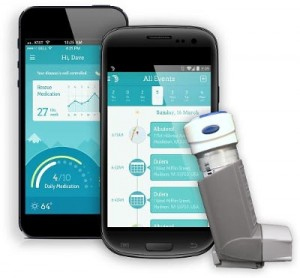
Propeller Health, a Wisconsin-based company and manufacturer of sensors for smart inhalers and their companion apps. The sensor compatible with GlaxoSmithKline’s Ellipta inhaler has received FDA 510(k) clearance.This device can bring great convenience to asthma patients.This marks the company’s eighth FDA clearance, following its partnership with GlaxoSmithKline established last December. As Propelle has become increasingly familiar with the regulatory process, the company stated that the timeline from research and development to approval was relatively swift.
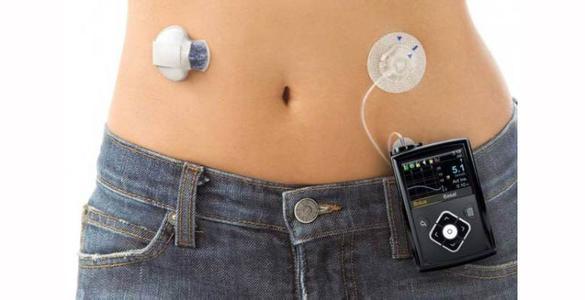
Medtronic Announces Two Developments in Diabetes Connectivity: FDA Approves Hybrid Closed-Loop Insulin Delivery System and Launches Sugar.IQ, the First Test Cohort Application Developed in Partnership with IBM WatsonThe FDA has announced its approval of Medtronic’s MiniMed 670G hybrid closed-loop insulin delivery system, marking it as the first automated insulin delivery system to receive FDA clearance.
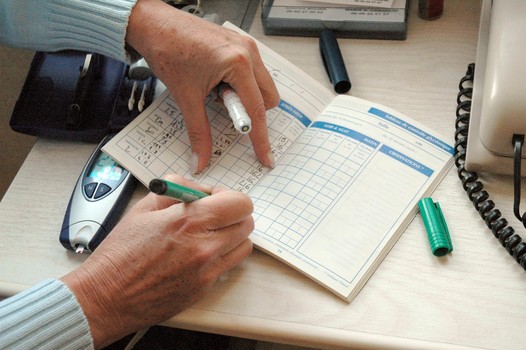
Medtronic has also obtained the CE mark for its continuous glucose monitoring (CGM) system and app. In the second quarter of 2017, the company will choose to begin selling this system in Europe, Asia, and Latin America, and expects to simultaneously receive U.S. FDA approval to market the device in the United States. The Dublin, Ireland-based company already has an FDA- and CE-certified CGM connectivity solution called Medtronic Connect; however, this system is designed for users who have both a Medtronic CGM system and an insulin pump.
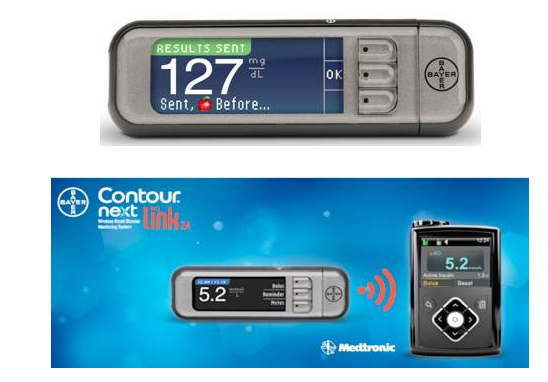
Ascensia Diabetes Care, a new business unit established after Panasonic Healthcare Holdings acquired Bayer’s diabetes care division earlier this year, has recently launched its FDA 510(k)-cleared Contour Next Link blood glucose monitoring system. Ascensia has introduced a range of connected and standalone fingerstick blood glucose meters. The Contour Next Link is a version that wirelessly transmits data to the Medtronic 630G insulin pump. According to Ascensia, it is the only FDA-cleared blood glucose meter capable of connecting with Medtronic’s insulin pumps.
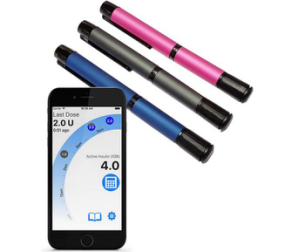
Companion Medical, a discreet company based in San Diego, California, received investment from Eli Lilly and Company last year. Its InPen smart insulin pen and accompanying app have obtained U.S. FDA 510(k) clearance.
“FDA approval of InPen and its associated mobile app represents a significant advancement in diabetes care,” said Sean Saint, CEO and a veteran engineer at Dexcom, Medtronic, and Tandem Diabetes Care, in a statement. “This product combines the advantages of advanced insulin pumps with the ease of use and affordability of insulin pens and syringes, thereby enhancing confidence for patients, physicians, and caregivers while optimizing diabetes management. We are excited to be the first to introduce this entirely new class of insulin delivery device.”
Abbott’s FreeStyle Libre Pro System Receives FDA Clearance. This is a significant milestone that has boosted sales of its continuous glucose monitors (CGMs) in the United States. Since September 2014, the system has held CE marking certification in Europe and is available in two versions: prescription-only and over-the-counter, with the latter being compatible with smartphones. The FreeStyle Libre Pro System is notable because it does not require fingerstick blood sampling for calibration and is less expensive than other CGMs on the market. Users need to wear a tiny insertable sensor and an applicator patch on their upper arm, with the entire process lasting up to fourteen days. The patch on the arm records glucose data every 15 minutes and transmits the data using NFC technology.
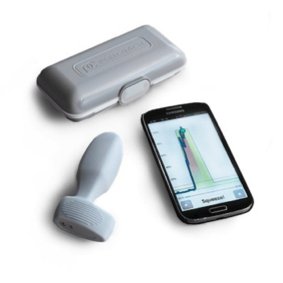
Analytica’s PeriCoach is a women-specific Kegel exercise trainer that connects to smartphones. The product has received its second FDA 510(k) clearance, allowing it to be sold over the counter. The previous approval, granted in March of last year, had permitted only prescription use. Analytica is an Australian company, and this device, also known as a pelvic floor exerciser, has already obtained over-the-counter sales authorization in Australia and the United Kingdom. The company states that PeriCoach can address bladder leakage, or stress urinary incontinence, which affects one in three women.
AirStrip is a company dedicated to developing integrated mobile monitoring applications. The web application version of its mobile interoperability platform, AirStrip ONE, has recently received FDA 510(k) clearance. Additionally, a feature of AirStrip ONE has been patented. This ECG waveform interpretation function serves as a visual caliper, assisting clinicians in measuring digital waveforms. Previously, the company’s AirStrip remote patient monitoring solution had already received approval, and its AirStrip OB was among the first medical applications in the App Store to obtain FDA clearance.
Philips’ Lumify ultrasound system’s additional sensors are FDA-cleared. This portable ultrasound device can connect to mobile devices as well as traditional PACS. The newly approved S4-1 transducer adds core functionalities to the platform, enabling physicians to perform focused assessment with sonography for trauma (FAST) or conduct rapid screenings using the device.
Biotricity, based in Redwood City, California, is dedicated to biometric remote monitoring devices, with its software components having received FDA clearance. The company’s first product is scheduled for launch later this year or early next year. Bioflux, a remote cardiac monitoring device, includes a wearable ECG monitor (worn on the torso) that uses AT&T’s cellular network to transmit the wearer’s cardiac activity data for third-party diagnosis and to connect with emergency response teams. Bioflux is designed for physicians seeking more comprehensive patient data; the duration of use and wearability will depend on each patient’s specific condition.
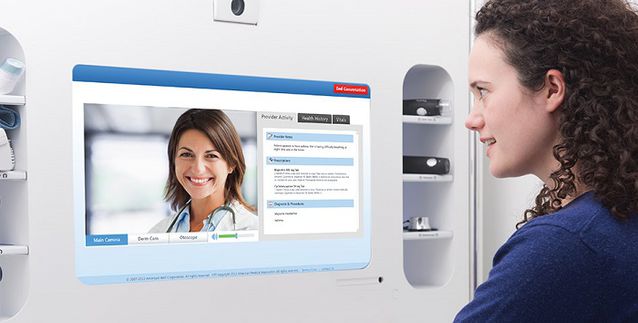
TytoCare, an Israeli medical device manufacturer, has received FDA 510(k) clearance for its digital stethoscope, adding it to the company’s ecosystem of connected telemedicine examination tools.
The Germantown, Maryland-based company went public this January and is conducting a long-term study on its implantable continuous glucose monitor. During the company’s third-quarter earnings call, President and CEO Tim Goodnow announced that the device had received FDA approval via the Premarket Approval (PMA) pathway. Additionally, the company is continuing to develop its second-generation device and has initiated Phase I pediatric clinical trials.
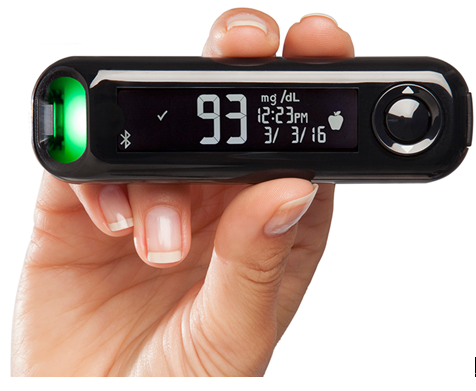
Ascensia Diabetes Care, a new business unit established after Panasonic Healthcare acquired Bayer’s diabetes care division earlier this year, recently received FDA approval for its product, Contour Next One—a connected blood glucose monitoring device. This marks the second product approved for the company this year; the first, Contour Next Link, was approved in August.
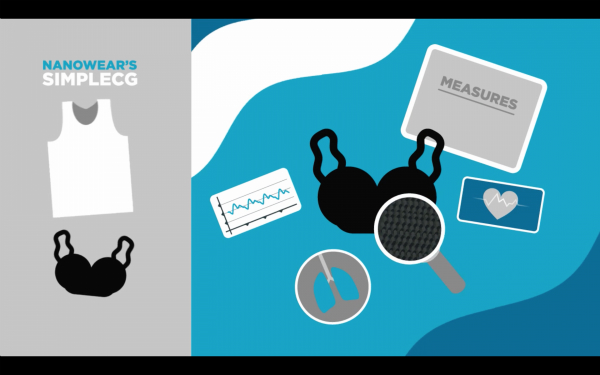
Nanowear’s SimpliECG, a “remote ECG monitoring undergarment,” has received FDA clearance. According to a press release, this is the company’s first product to obtain FDA clearance since it submitted its application in 2015.
Voluntis, with offices in Paris, France, and Cambridge, Massachusetts, primarily develops companion software for medical devices or pharmaceuticals. Its Type 2 diabetes management application, Insulia, has received FDA clearance and the European CE mark. Designed for patients using basal insulin, it is classified as a prescription medical device and will be made available to patients and healthcare providers in the first half of 2017.
New York-based One Drop’s mobile blood glucose monitoring system, One Drop Chrome, has received FDA clearance. The system comprises a lancing device, test strips, and a companion app. Users can now subscribe to the One Drop Premium service on a monthly basis via the official website. Subscription services have been launched in the United States, the United Kingdom, and the European Union at a price of $39.95.
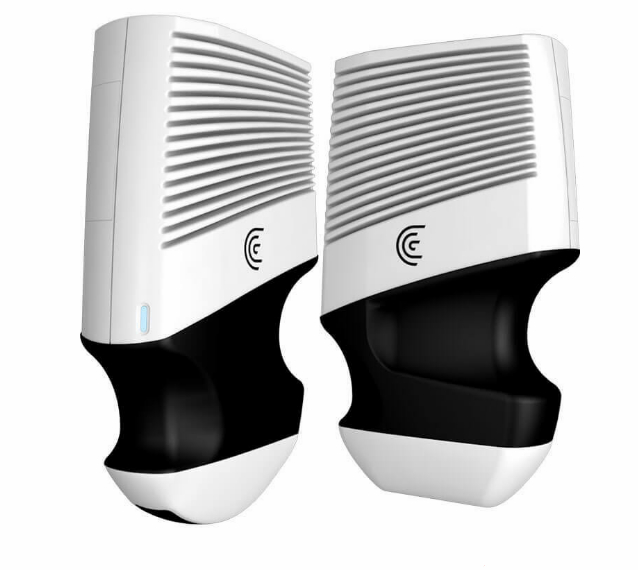
Clarius Mobile Health’s app-based wireless ultrasound scanner, developed by the Vancouver, Canada-based company, has recently received FDA 510(k) clearance. The device is primarily designed for clinicians to perform rapid point-of-care scans and facilitate brief bedside teaching sessions. It is compatible with iOS and Android smartphones and tablets. The device can be purchased from medical professionals via the Clarius website.
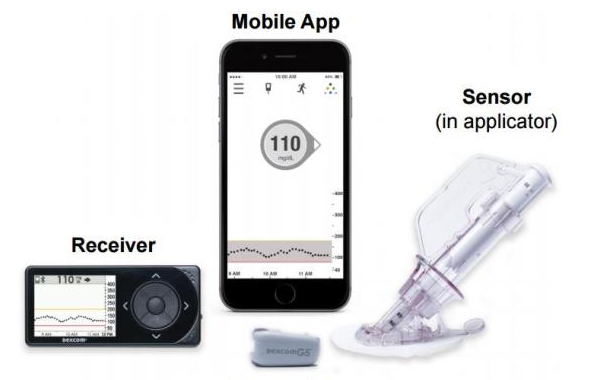
The FDA has officially certified Dexcom’s G5 Continuous Glucose Monitor (CGM) and determined that fingerstick blood glucose meters are no longer required, except for calibration. According to statements released by the FDA and Dexcom, the G5 had been approved for some time as a supplement to traditional blood glucose meters. This marks the first time such a product has been authorized for use as a non-adjunctive therapy.
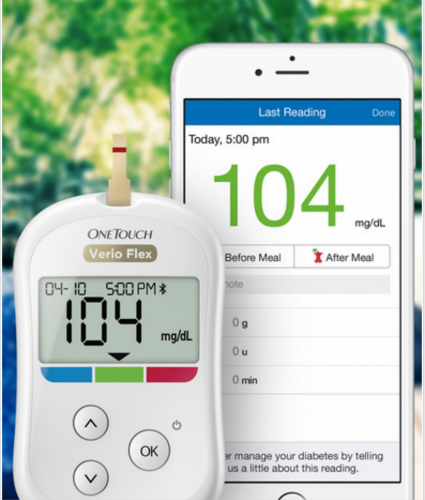
The FDA has approved the integration of Johnson & Johnson’s LifeScan wireless glucose monitoring system with WellDoc’s digital diabetes management platform for patients with type 2 diabetes. Leveraging OneTouch glucose data, the BlueStar platform identifies patterns and performs trend analysis, then sends the analytical results to the attending physician to facilitate discussions on disease management. It also provides virtual guidance tailored to the user’s specific care plan, with the entire system supported by the OneTouch Reveal mobile app.
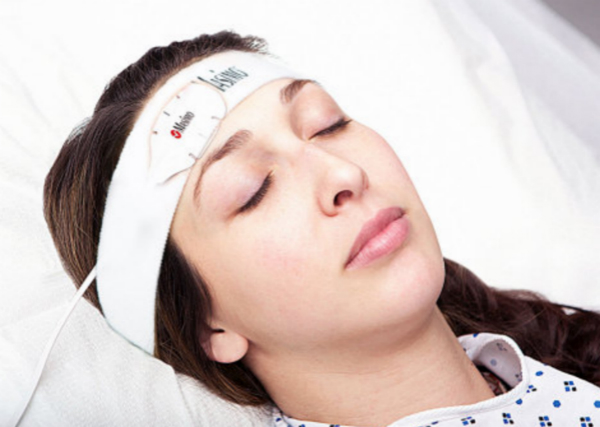
Masimo Technologies, based in Irvine, California, primarily manufactures non-invasive patient monitoring devices and sensors. Its forehead sensor has received FDA 510(k) clearance. The TFA-1 sensor, which adheres to the forehead, enables clinicians to monitor patients using pulse oximetry technology via a website rather than through a finger probe.
ResMed, based in San Diego, California, has developed AirMini, a compact and portable continuous positive airway pressure (CPAP) device that has received FDA 510(k) clearance. Designed for the treatment of sleep apnea, this miniaturized device is more convenient for travel than the first-generation full-sized CPAP devices approved by the FDA, occupying roughly the same amount of space as a pair of sunglasses.
Source: MobiHealthNews
Compiled by: Hu Zhongyi