

Arterial Network's 2016 Review of 18 Breakthroughs in Blood-Based Diagnostics Highlights Innovations Spanning Oncology, Neurology, and Precision Psychiatry
Blood, rich in valuable information, is the only liquid tissue that comes into contact with all organs. As a crucial tool for predicting and detecting disease onset and monitoring disease progression, blood testing is seeing increasingly broad applications. VCBeat has compiled the latest advances in 18 blood test studies from 2016 for learning and exchange.
Professor Carmine Pariante from the Institute of Psychiatry, Psychology and Neuroscience (IoPPN) at King’s College London led the teamScreening for Two Molecular Markers of Blood Inflammation to Evaluate the Efficacy of Antidepressant Drugs. Researchers collected blood samples from patients with depression to measure the concentrations of MIF and IL-1β in the samples.
These patients with depression had a history of medication use either before or after blood testing. When MIF and IL-1β concentrations exceeded normal thresholds, it indicated that conventional therapeutic drugs were ineffective, with an accuracy rate of up to 100%. When both markers fell below the thresholds, it suggested that first-line therapeutic drugs would be effective for treating the patient’s depression. Blood test results can accurately and reliably predict patients’ responses to medication.

Japanese researchers have recently discovered,The severity of depressive symptoms is correlated with certain metabolites in the blood. This finding holds promise for the development of methods to assess the severity of depression and for the research and development of related pharmaceuticals.。
Researchers from Kyushu University, Osaka University, and other institutions recently reported that they collected clinical data and blood samples from patients with depression at Kyushu University Hospital, Osaka University Hospital, and the National Center of Neurology and Psychiatry in Japan. Using high-precision analytical instruments, the researchers analyzed the patients’ blood to investigate the relationship between the severity of depressive symptoms and levels of more than 100 metabolites in the blood, while also taking into account the results of routine clinical interviews and assessments.
Researchers have identified 20 metabolites whose levels are associated with depressive symptoms, with five specific metabolites—notably 3-hydroxybutyrate and betaine—showing a significant correlation with the severity of depression. Furthermore, symptoms such as low mood and suicidal ideation were linked to variations in the levels of other metabolites. The researchers plan to conduct larger-scale studies in the future, aiming to develop blood-test-based methods for the diagnosis and treatment of depression.
Surgery is an important treatment option for prostate cancer, but its success depends on many factors. A new study from Milan now shows that for patients undergoing radical prostatectomy,Preoperative Prediction of Cancer Aggressiveness Through a Simple Blood Test
Researchers from Milan have found that patients with hypogonadism (very low levels of the sex hormone testosterone) tend to have higher Gleason scores, which indicates a high likelihood of adverse outcomes even after treatment.
Researchers reviewed data from 1,017 patients who underwent radical prostatectomy and analyzed the association between hormone levels and Gleason scores, with 118 patients exhibiting the highest Gleason score. After adjusting for age, the researchers found that levels of hypogonadism and sex hormone-binding globulin (SHBG) were strong predictors of patients reaching the highest Gleason score.
Researchers stated that this association could help patients predict outcomes prior to surgery and facilitate the preoperative identification of highly aggressive prostate cancer. However, it remains unclear whether hypogonadism increases the risk of high-grade prostate cancer through any specific mechanism. If this relationship were proven, treating hypogonadism might reduce the risk of high-grade prostate cancer. Nevertheless, substantial further research is required to confirm the existence of this association and to elucidate the role of hormones in the development of prostate cancer.
Recently,Researchers from the University of Toronto in Canada have identified prostate cancer biomarkers using non-invasive liquid biopsy methods, which can help identify aggressive prostate cancer prior to surgery.This four-year study collected urine samples containing prostatic secretions from approximately 300 patients, all of whom had undergone a digital rectal examination (DRE), the standard clinical test used to determine the need for further prostate evaluation.
Subsequently, researchers employed targeted proteomics to precisely quantify hundreds of proteins in patient urine samples, thereby identifying distinct signatures for liquid biopsy.
Researchers from Randox Laboratories stated that,They have developed a novel blood testing technology that can help identify individuals at high risk for Alzheimer’s disease. This biochip-based blood test enables multiple assays from a single blood sample and is as accurate and effective as current molecular biology techniques used for DNA analysis.
To validate the accuracy of this biochip detection technology, researchers analyzed 384 samples and compared the results with those of standard molecular diagnostic tests. In collaboration with scientists from the Medical University of Vienna, they found that the results of the two tests showed 100% concordance.
This biochip detection technology enables many clinicians and researchers to perform multiple rapid tests on a single blood sample. Compared with standard DNA testing methods, this technique is faster (delivering results within three hours) and more cost-effective, thereby helping physicians rapidly and accurately predict an individual’s risk of Alzheimer’s disease.

Researchers from institutions including Cardiff University have achieved a breakthrough in the development of blood tests for diagnosing early-stage Alzheimer’s disease. In the article, the researchers analyzed blood samples from 292 individuals exhibiting signs of early memory loss.The study identified a series of disease-predictive biomarkers that may help assess the risk of Alzheimer’s disease in specific individuals.
Researchers analyzed blood samples from individuals exhibiting common symptoms of memory loss, measuring the levels of numerous proteins that are part of the body’s immune system, drive inflammatory processes, and are involved in the pathogenesis of various brain diseases.
One year later, when these individuals were reassessed, approximately one-quarter had developed Alzheimer’s disease. Furthermore, compared with those who did not progress to Alzheimer’s disease, these patients exhibited significant differences in the blood levels of three measured proteins.
A research team from the Hebrew University of Jerusalem and Hadassah Medical Center has discovered that analyzing the methylation patterns of circulating DNA released by dying cells in the body can infer cell death in specific tissues. This approach enables highly sensitive and specific detection of various pathological processes, thereby facilitating the diagnosis of multiple diseases, including diabetes, cancer, and trauma.

In a new study,IBM Researchers Develop New Lab-on-a-Chip Technology Capable of Isolating Nanoscale Biological Particles for the First Time, Potentially Enabling Physicians to Detect Diseases Such as Cancer Before Symptoms Appear。
The results of this study demonstrate that this technique can separate biological particles based on size, with a lower diameter limit of 20 nanometers. This scale enables the isolation of important particles such as DNA, viruses, and exosomes.
Once isolated, these particles can be potentially analyzed by physicians to reveal signs of disease before any physical symptoms appear in patients, as well as to determine the optimal timing for treatment outcomes. Previously, the smallest biological particles that could be isolated using chip-based technology by size were approximately 50 times larger than circulating tumor cells isolated from other biological components.
IBM’s chip lab equipment can provide a simple, non-invasive, and affordable option for potentially detecting and monitoring diseases, even at their earliest stages, long before symptoms appear in the human body.
Research institutions, including the Orlando Health Medical Center in the United States, Virginia Commonwealth University, and Wayne State University School of Medicine, have foundBlood tests can be used to diagnose concussions, with the potential to replace radiation-based imaging scans.. The research team used GFAP (glial fibrillary acidic protein) and UCH-L1 (ubiquitin C-terminal hydrolase L1) as biomarkers to assess the severity of brain injury by measuring their levels.

Stanford University School of Medicine, Purvesh Khatri Research TeamDeveloped a blood test capable of rapidly and accurately distinguishing active tuberculosis from latent tuberculosis and other diseases.The research team identified three human genes with consistent expression patterns from among these abnormally expressed genes, which can detect active tuberculosis. This blood test is also applicable for tuberculosis screening in individuals with HIV infection. Importantly, the blood test can distinguish between active tuberculosis, latent tuberculosis, and the tuberculosis vaccine.
In a new study at the University of Washington, researchers demonstratedIt is possible to overcome the limitations of liquid biopsy by identifying the cell types that release cell-free DNA.“By performing deep sequencing of cell-free DNA in plasma, we generated a genome-wide map of nucleosomes within the organism and discovered that cell-free DNA fragments harbor imprints of transcription factors. Nucleosome occupancies in cell-free DNA are closely associated with chromatin architecture, gene structure, and gene expression in cells, and can reveal the cellular origin.”
“This test can help diagnose the type of unknown cancer and provide treatment guidance.” The research team believes that this method can be used to diagnose a large number of diseases, with an additional advantage: it also works in genetically identical cells. Since this method does not rely on genetic differences between different tissues, it can be widely used for non-invasive detection of clinical diseases.
Researchers from Stanford University School of Medicine recently stated through their study that,Assessing the Genetic Characteristics of Circulating Tumor Cells in Blood May Improve Cancer Treatment Strategies,First,, when tumors evolve to develop resistance to current drugs, adopt next-generation chemotherapy or targeted therapies;SecondlyCompared with current diagnostic methods, this novel blood-based assay for investigating the mechanisms of tumor evolution over time is highly safe, cost-effective, and rapid.
Researchers can detect and manage diseases, including cancer, by using blood-based assays; characterizing individual circulating tumor cells may more effectively aid scientists in disease prediction and management. Blood typically contains extremely low levels of circulating tumor cells, posing a challenge for scientists.One challenge is to isolate these cells from normal blood cells.
The novel technology developed by the researchers in this article enables the extraction of blood from lung cancer patients, followed by the effective adsorption of circulating tumor cells (CTCs) using antibodies. Once the cancer cells are labeled, magnetic nanoparticles can be introduced to bind to the labeled cells. Subsequently, the researchers can employ a magnetic sifter to isolate these magnetically labeled cancer cells.
A recent study indicatesGenomic and proteomic testing based on blood samples plays a crucial role in the diagnosis of lung cancer patients.
Non-small cell lung cancer (NSCLC) is a category of lung cancers that share common characteristics but exhibit distinct genetic profiles; these genetic differences lead to varied patient responses to specific therapies.
In this study, researchers confirmed that genomic and proteomic testing of blood samples can rapidly detect genetic mutations, helping to determine the optimal and most precise treatment regimen. Compared with conventional biopsy methods, blood testing not only provides critical diagnostic information more quickly but also significantly shortens the waiting time between diagnosis and treatment.
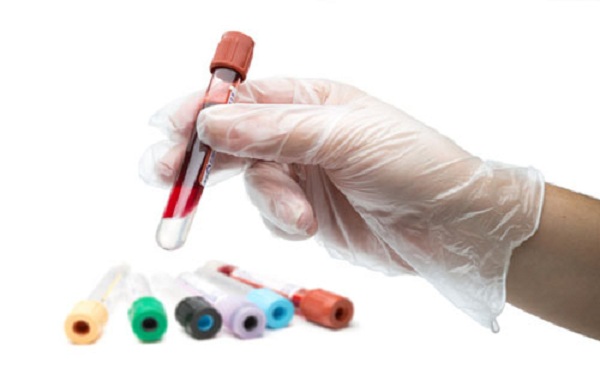
According to a report by the UK’s Daily Mail, scientists have discovered a method to predict individuals’ risk of death. They identified a blood marker capable of detecting the cumulative burden of cancer, chronic heart disease, and other serious conditions.
Experts point out,The latest blood test assesses mortality risk more accurately than previous testing methods.An international research team conducted blood tests on 6,545 participants aged 45–69 between 1997 and 1999, and continuously monitored them for mortality through 2015.
Observational analysis of inflammatory markers, including the novel marker interleukin-6, with the other two markers being C-reactive protein and alpha-1-acid glycoprotein.Previous studies have found that the latter inflammatory marker method can well predict mortality within five years. However, a latest research report published in the Canadian Medical Association Journal has found that interleukin-6 is a more precise measurement method. Based on this, scientists have developed a 5-minute online test that can accurately determine whether someone will die within the next five years.
Researchers reported at the 2016 ESMO Asia Congress in Singapore,Routine blood tests can predict survival time in cancer patients receiving palliative care.
“Patients with advanced cancer and their families must make decisions regarding treatment, including when to transition to end-of-life care and when to discontinue palliative chemotherapy,” the researchers said."Continuing ineffective treatment can endanger life, reduce quality of life, delay hospice referrals, and deprive patients of the opportunity to die in their preferred location. Accurate prediction improves lifelong care for cancer patients and their caregivers."
Survival assessment can determine whether pharmacological treatment should be administered. Due to unpleasant side effects, cytotoxic chemotherapy is rarely prescribed for patients with a life expectancy of only a few weeks. Sedative midazolam is used to alleviate symptoms in palliative care; however, tolerance may develop if administered for two weeks or longer. Therefore, chronic midazolam therapy should be reserved for patients likely to die within a few weeks and is contraindicated when the predicted survival exceeds one month.
U.S. Scientists Identify a Class of Tumor-Specific Genetic Markers Present Exclusively in Five Distinct Types of Cancer TissuesThis discovery could help develop a class of simple blood tests for the early diagnosis of cancer patients.。
In this latest study, Elnitski and colleagues employed PCR technology to extract and amplify DNA from various tumor tissues and normal tissues, and compared the differences in gene expression between them. Dan Kastner, Scientific Director of the National Human Genome Research Institute, stated, “This advance could help develop a class of simple blood tests for the early diagnosis of cancer.” Currently, scientists are investigating whether this marker can also be applied to the early diagnosis of other cancers, such as bladder cancer, pancreatic cancer, and prostate cancer. This scientific breakthrough provides a new tool for the early diagnosis of cancer onset.
According to Japan’s Asahi Shimbun, the National Cancer Center of Japan has developed a completely new cancer detection method. By using this method,Comprehensive testing of 60 cancer-related genetic markers can be performed using only a small blood sample.
Recently, a new paper by researchers in immunology, genetics, and pathology at Uppsala University demonstrated thatBy expanding molecules in the blood by 1,500 times and labeling them with fluorescence, it may be easier to identify signs of cancer and determine whether treatments are effective.“In the best-case scenario, the method could make it a reality to determine certain forms of cancer, such as leukemia or prostate cancer, through simple blood tests. For hospital staff and patients, it would make coping with cancer easier and, in some cases, cheaper than the methods used today.”
The innovation of the paper lies in her study of certain cells in the blood. The study of vesicles is also innovative. By understanding their origin, it is possible to locate potential tumors within the body.Researchers stated:“The aim of my research is to address critical challenges in current therapeutic practices using molecular approaches. My work has been conducted in close collaboration with physicians treating leukemia.”
(Content sourced from online platforms including Bioon, CAIVD, and China Chemical Instrument Network, compiled by VCBeat. For any copyright issues, please contact the author promptly.)