

Top Ten Global Traditional Chinese Medicine News of 2016
On January 9, 2017, entrusted by the Secretariat of the World Federation of Chinese Medicine Societies (WFCMS), the WFCMS New Media Professional Committee and the World Chinese Medicine Network invited relevant media outlets and experts to select the “Top Ten News Stories in World Chinese Medicine for 2016.” The details are as follows:
Traditional Chinese Medicine Embarks on a New Journey of Law-Based Development
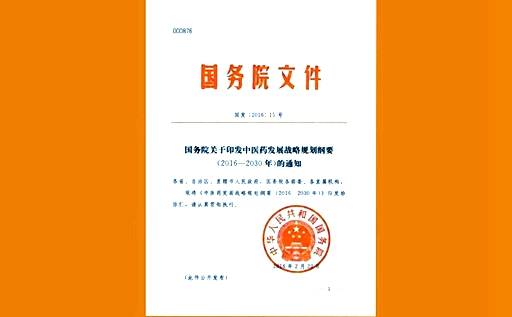
On February 22, the State Council of China issued the Outline of the Strategic Plan for the Development of Traditional Chinese Medicine (2016–2030). This document clarified the direction and key priorities for the development of Traditional Chinese Medicine (TCM) in China over the next fifteen years, proposing that by 2020, everyone should have basic access to TCM services, and by 2030, TCM services should achieve full coverage. The development of TCM has been elevated to a national strategy. In October, the State Council of China issued a series of important documents, including the Outline of the “Healthy China 2030” Plan, all of which made clear arrangements for the revitalization and development of the TCM cause.
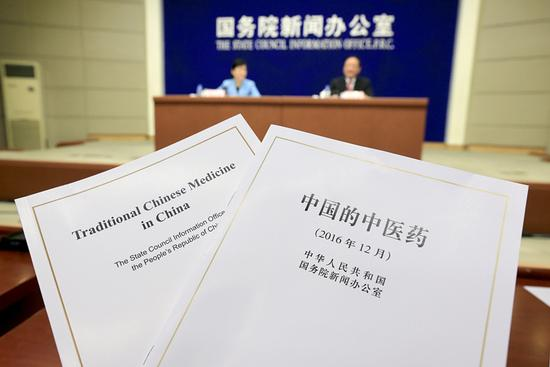
On December 6, the State Council Information Office of China released for the first time the white paper titled “Traditional Chinese Medicine in China.” The full text, approximately 9,000 words in length, was published in Chinese, English, French, Russian, German, Spanish, Japanese, Arabic, and other languages. It comprehensively articulated the Chinese government’s firm determination and confidence in revitalizing and developing the cause of Traditional Chinese Medicine.
On December 25, the Law of the People's Republic of China on Traditional Chinese Medicine was adopted at the 25th Session of the Standing Committee of the 12th National People's Congress of the People's Republic of China, and came into effect on July 1, 2017. Since then, the revitalization and development of traditional Chinese medicine has been safeguarded by national law.
The Olympics Ignite a Global Surge in Traditional Chinese Medicine Fever
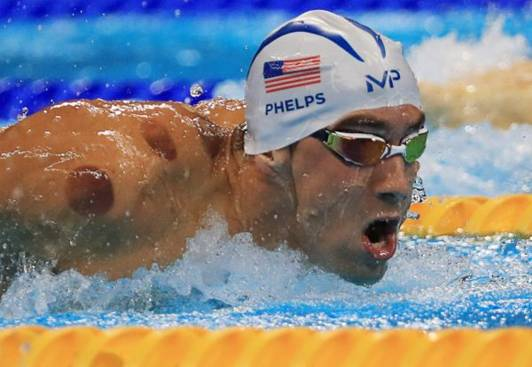
At the 2016 Rio Olympic Games, in addition to the awe-inspiring gold medals, the “cupping marks” on American swimming legend Michael Phelps captured the attention of billions worldwide. Cupping therapy, featuring Chinese cultural elements, instantly became a hot topic across major media outlets in both China and the West, reigniting a global surge of interest in Traditional Chinese Medicine (TCM) and Chinese traditional therapies.
According to the fourth Global Survey on China’s National Image conducted by the International Communication Research Center of the China International Communications Group last year, Traditional Chinese Medicine (TCM) was recognized for the first time as the most representative “Chinese element.”
More than 240 Confucius Institutes across 78 countries offer traditional Chinese medicine courses.
On December 9, at the “Symposium on International Exchange of Chinese Culture, Including Traditional Chinese Medicine and Tai Chi,” held in Kunming, China, it was reported that in response to requests from teachers, students, and the general public associated with Confucius Institutes worldwide, more than 240 Confucius Institutes in 78 countries offered courses on Chinese culture, such as Traditional Chinese Medicine (TCM) and Tai Chi, in 2016 alone. There were 35,000 registered students, and 185,000 participants engaged in related experiential activities, providing an important window for people around the world to learn about and understand TCM culture.
First-Ever Recognition of Renowned Masters in Traditional Chinese Medicine; Overseas TCM Pharmacist Titles Receive Initial Certification
On December 29, the State Administration of Traditional Chinese Medicine, the Ministry of Education, and the National Health and Family Planning Commission held a commendation conference for distinguished teachers in traditional Chinese medicine (TCM) at higher education institutions at the Great Hall of the People. Sixty faculty members, including Ding Ying, were awarded the honorary title of “Distinguished Teacher in TCM Higher Education,” marking the first time such an honor has been conferred in the history of the People’s Republic of China.
On April 16 local time, the first batch of Chinese materia medica pharmacist professional titles in the United States were certified by experts organized by the World Federation of Chinese Medicine Societies (WFCMS) in San Francisco. Meanwhile, the “WFCMS U.S. Training Base for Professional Technical Personnel in Chinese Materia Medica” was officially unveiled, serving as a model for further promoting the global integration of Chinese materia medica.
Chen Zhu, Inventor of Artificial Musk, and Others Receive the “Ernest Beutler Award”
On January 8, the achievement “Development and Industrialization of Artificial Musk” was awarded the First Prize of the 2015 National Science and Technology Progress Award of China. Since its market launch in 1994, artificial musk has been applied by 760 enterprises across China. Among the 433 proprietary Chinese medicines containing musk ingredients, 431 have completely replaced natural musk with artificial musk, achieving a substitution rate of over 99%. This has not only met the medication needs of a vast patient population but also ensured the preservation of nationally treasured, prestigious proprietary Chinese medicine varieties.
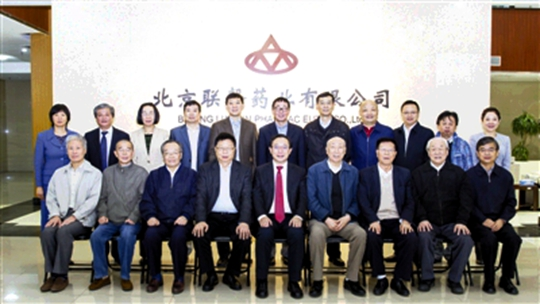
On December 5, the American Society of Hematology (ASH) awarded the 2016 Ernest Beutler Lecture and Prize to Professor Chen Zhu from the Shanghai Institute of Hematology at Ruijin Hospital, Shanghai Jiao Tong University School of Medicine, and Professor Hugues de Thé from Hôpital Saint-Louis in Paris. The award recognized their work demonstrating that targeted combination therapy with all-trans retinoic acid (ATRA) and arsenic agents enables more than 95% of patients with low- to intermediate-risk acute promyelocytic leukemia to achieve long-term disease-free survival without the need for chemotherapy. In his acceptance speech, Professor Chen Zhu particularly emphasized the significant inspirational role of Traditional Chinese Medicine in shaping concepts and practices in leukemia treatment.
“The 9th Global Health Promotion Conference” Establishes TCM Sub-forum for the First Time
From November 21 to 24, the 9th Global Conference on Health Promotion, co-hosted by the World Health Organization (WHO) and the National Health and Family Planning Commission of China, was held in Shanghai. For the first time, the conference featured a dedicated sub-forum and an experience zone for Traditional Chinese Medicine (TCM). Through in-depth exchanges, visits, and hands-on experiences, attending delegates from various countries enhanced their understanding of TCM and appreciated its unique appeal.
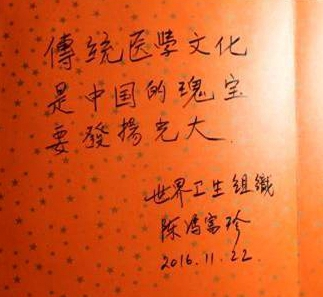
On November 22, Dr. Margaret Chan, Director-General of the World Health Organization, who was attending the 9th Global Conference on Health Promotion in Shanghai, visited the Shanghai Museum of Traditional Chinese Medicine and inscribed the following message on site: “Traditional medical culture is a treasure of China; it should be carried forward and promoted.”
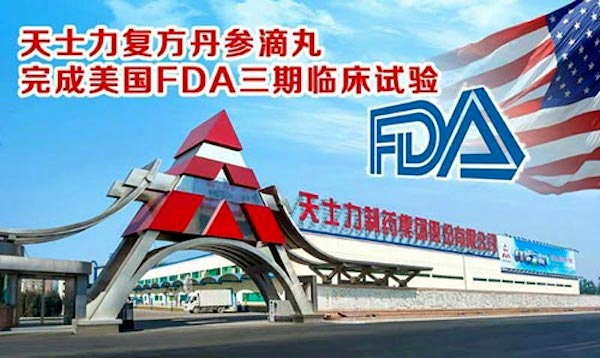
Compound Danshen Dripping Pills Complete FDA Phase III Trials; Tongrentang Expands Into Overseas TCM Market
On the afternoon of December 23, Tasly Pharmaceutical Group Co., Ltd. issued an announcement stating that its Compound Danshen Dripping Pills had completed a global, multicenter, randomized, double-blind, large-sample Phase III clinical trial under the U.S. FDA. The establishment of quality standards for Compound Danshen Dripping Pills and their evaluation in clinical trials offer hope for the entry of compound traditional Chinese medicine preparations into the U.S. market.
As of June 2016, the China Tongrentang Group system operated 115 retail outlets and 66 service centers across 25 countries and regions overseas, having provided medical consultations to over 30 million patient visits cumulatively. Since the second half of 2016, on the evening of July 22 local time, the Tongrentang Museum of Traditional Chinese Medicine was unveiled at the Confucius Institute in San Marino; starting from September 26, within one week, four stores, one cultural exhibition center, and one medical center were consecutively established in four landmark cities: New York, Los Angeles, and San Francisco in the United States, and Vancouver in Canada; on November 16, Beijing Tongrentang Africa Co., Ltd. was officially inaugurated; on December 16, the Tongrentang International Platform for the Global Expansion of Traditional Chinese Medicine (English Version) (
WWW.TRTMED.COM has been officially launched and is now operational. The Tongrentang trademark has been registered in more than 100 countries and regions.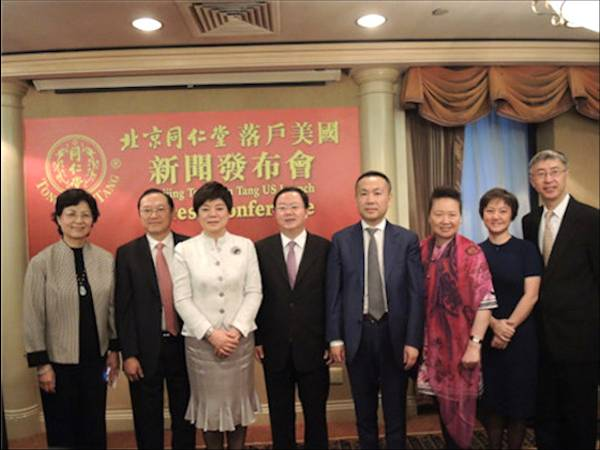
California Restores Coverage for Traditional Chinese Medicine and Acupuncture Healthcare Costs
According to the official website of the New York State Senate, New York has enacted legislation that includes traditional Chinese medicine (TCM) and other natural products within the scope of practice for licensed acupuncturists. The law expands the professional scope of acupuncturists to permit them to recommend dietary supplements and natural products, without restricting recommendations for foods, herbs, and other natural products. This not only provides a legal basis for acupuncturists in New York to use TCM but also signifies the growing acceptance of TCM in American society.
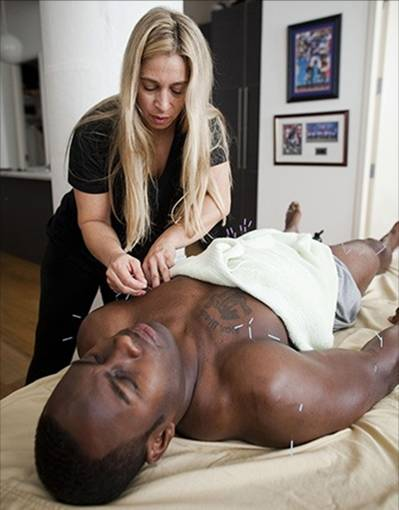
On June 28, California, USA, reinstated the inclusion of Traditional Chinese Medicine (TCM) acupuncture in Medi-Cal coverage, effective July 1. It is explicitly stated that patients seeking TCM acupuncture treatment in California may have their services covered by Medi-Cal.
Four International Standards for the Traditional Chinese Medicine Coding System Approved by ISO Vote
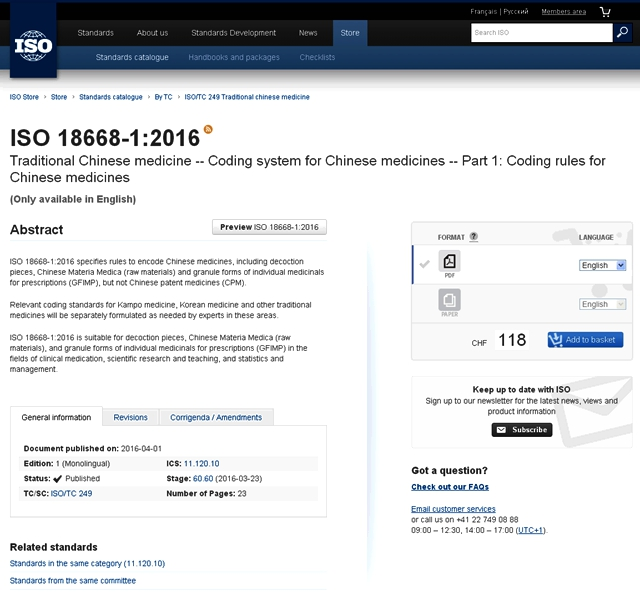
The “Traditional Chinese Medicine (TCM) Coding System” consists of four parts. Among them, “TCM Coding System—Part 1: Coding Rules for TCM” (ISO 18668-1) was officially released by the International Organization for Standardization (ISO) on March 23. The remaining parts—“TCM Coding System—Part 2: Coding for TCM Decoction Pieces,” “TCM Coding System—Part 3: Coding for TCM Medicinal Materials,” and “TCM Coding System—Part 4: Coding for TCM Formula Granules”—have recently been approved through ISO voting. This signifies that the digital coding of TCM products has been granted an internationally recognized “identity card.” This development holds significant importance for the import and export trade of international TCM medicinal materials, decoction pieces, and formula granules, as well as for optimizing a fair and impartial trading environment and maintaining a market order characterized by open and transparent information.
UK Trials Using Chinese Herbal Medicine to Replace Antibiotics
Scientists at the University of Southampton in the United Kingdom will test the efficacy of traditional Chinese medicine (TCM) in treating recurrent urinary tract infections (UTIs), aiming to determine whether TCM can replace antibiotics for managing such conditions. Funded by the UK National Institute for Health Research, this project marks the first time clinical trials of traditional Chinese medicine have been approved in the United Kingdom. The study will employ a double-blind, randomized controlled trial design, enrolling participants who have experienced at least three episodes of UTI symptoms within the past year. Participants will receive either “personalized” TCM prescriptions formulated by licensed TCM practitioners or “standardized” herbal prescriptions issued by primary care physicians, with a treatment and observation period of 16 weeks.
Emma Ferrent, Chair of the UK Herbal Medicine Registration Authority, stated that the issue of bacterial resistance is becoming increasingly severe, and Chinese herbal medicine may play a significant role as an alternative to antibiotics in treating certain conditions, such as recurrent urinary tract infections, acute coughs, and sore throats. She emphasized that conducting more rigorous clinical trials on Chinese herbal medicines is crucial, as it would help promote their integration into the “frontline” of primary care, reduce reliance on antibiotics among the British population, and prevent the emergence of broader antibiotic resistance.
(Image from related news reports)