

J.P. Morgan Healthcare Conference Sparks Major Deals: Where Is the 'Super Bowl of Biotech' Headed?
On January 9, San Francisco time, the new year’s J.P. Morgan Healthcare Conference kicked off. At this event, dubbed the “Super Bowl of biopharma,” massive biopharmaceutical technology deals are often struck amidst cocktail toasts and a series of handshakes and conversations. Here, VCBeat (WeChat ID: vcbeat) has compiled some of the events and insights already witnessed or likely to emerge at the conference.
Major News in the Making
J.P. Morgan will always be the period of the year with the most concentrated burst of top biotech news—many major players in the industry will"Release the real big news during this time slot.", but rather a deliberate attempt to generate news to boost stock prices. However, as biotech stocks have been on a downward trend in recent months, this year’s JPM conference has had a somewhat subdued tone, as reported by CNBC journalist Meg Tirrell:
“The atmosphere felt heavy, but not in a deathly way,” said Les Funtleyder, portfolio manager at E Squared Asset Management and author of the book Investing in Healthcare. “Typically, everyone is bullish at the JPMorgan Healthcare Conference, creating a lively atmosphere, but every few years there’s a year like this one with such low pressure.”
Background Supplement—Since last July, biopharmaceutical stocks have fallen 23% to date., perhaps due to uncertainty surrounding drug pricing trends, and the failure of several biopharmaceutical clinical trials at year-end also impacted stock prices.

Declining Stock Prices Dampen Atmosphere at This Year’s JPM Health Conference Compared to Previous Years (Image Source: Natural Society)
Even before the JPM conference week kicked off, a “mysterious announcement” from Illumina set the tone for the week: it promised to usher in “a major breakthrough in the healthcare industry,” which was later revealed to be its subsidiaryCompanyGrail has secured $100 million in Series B financing. Two years ago at the JPMorgan Healthcare Conference, Illumina issued a misleading statement claiming it had “broken the $1,000 barrier for genomic testing.” Fast forward to the present: during the 2017 JPMorgan Healthcare Conference, Illumina launched its NovaSeq sequencing system series, proclaiming the dawn of the $100 genome era. Meanwhile, Helix, another Illumina subsidiary besides Grail, is leveraging Illumina’s low-cost genetic services and is preparing to build an “App Store” for genomics, aiming to capitalize directly on the consumer genetics market.
Not long ago, Thermo Fisher announced its $1.3 billion acquisition of the gene chip company Affymetrix. This move, along with Illumina’s aggressive maneuvers, seems to foreshadow an intense competitive showdown. In fact, Thermo Fisher’s acquisition aims to strengthen its genomic analysis capabilities, thereby posing significant competition to Illumina, the current leader in the genomics industry.
In addition, the JPM conference saw a surge of positive news regarding collaborations, many of which marked first-time partnerships among the involved companies. Major pharmaceutical firms appear to be joining forces; leaders from Amgen, Celgene, GlaxoSmithKline, Merck, and NantWorks have united to establish the “National Immunotherapy Coalition.” This development may signal that open-source data could become a reality in the pharmaceutical industry.
Breaking News: Early Occurrence
Many companies choose JPM Week as the time to announce major deals and partnerships for the first time, but anxious entrepreneurs actuallyNews broke as early as the previous week.. Last year, Ron Leuty of the San Francisco Business Times reported that some companies deliberately released news before the 2016 JPM Conference began. “Many companies want to grab headlines early and get noticed before being buried by the wave after wave of news from JPM on Monday.”
The same holds true this year, as biotech news has exploded over the past week. Several companies have moved their initial public offerings (IPOs) onto the agenda, with gene-editing firm Editas Medicine drawing the most attention for its planned listing and $100 million fundraising target.
Many companies have also announced their latest financing rounds. For instance, Alector, which is researching immunotherapy for Alzheimer’s disease, raised $29.5 million in its Series D round; New York-based Petra Pharma secured an impressive $48 million in its Series A round; cancer diagnostics company Guardant Health raised $100 million; Pathway Genomics raised $40 million in its Series E round, with IBM Watson among its investors; Xeris Pharmaceuticals raised $41 million for a novel hyperglycemic hormone; and GlySens has completed a $20 million Series D round.
Vice President Biden Delivers Speech on the “Cancer Moonshot” Initiative
The J.P. Morgan Conference kicked off with a keynote address by Vice President Biden. As the driving force behind the “Cancer Moonshot” initiative, he shared his personal sense of helplessness and grief as a father who lost his son to brain cancer. It is precisely this experience that fuels his hope, expressed at the conference, for the pharmaceutical industry to actively advance cancer treatments. “I am trying to instill a sense of urgency in the medical community through the Cancer Moonshot initiative and to drive a cultural shift within the pharmaceutical sector.”
Biden seeks to unite available forces from all sectors to jointly accelerate the likelihood of success in conquering cancer. He noted that it was previously unimaginable for astrophysicists, oncologists, biologists, immunologists, and virologists to collaborate on a single project.
The vice president, who will step down within two weeks, also stated that he is likely to establish a company calledBiden Cancer Initiative(Biden Cancer Innovation) aims to achieve the same goals as the Cancer Moonshot initiative, namely, to accelerate progress that typically takes a decade into just five years by transforming cancer research and commercial development.
Guru Makes New Year Predictions
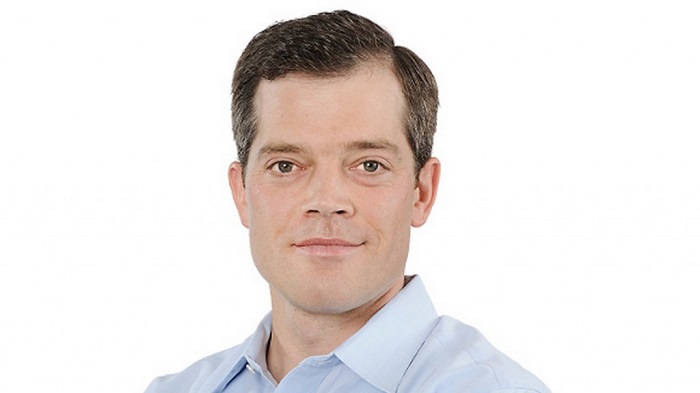
Early investor from Atlas Venture, Bruce Booth (Image source: Bostinno)
Renowned biotech venture capitalist Bruce Booth provided summaries and outlooks for the biopharmaceutical industry in 2016 and 2017, respectively. Listed below are his 12 predictions for the biotechnology investment landscape in 2017:
1. More than 30 life sciences companies will go public on the Nasdaq.
2. The trading performance of the more than 160 companies that announced their IPOs between 2013 and 2016 will remain unchanged.
3. Total M&A value will exceed $10 billion by year-end.
4. Over $7 billion in new capital will be injected into U.S.-based biotechnology companies.
5. The biotech sectors in Boston and San Francisco will continue to lead in capital and talent.
6. 100–120 new biotechnology companies will secure their first round of financing.
7. The number of startups will not increase significantly, but the funding level for each company will be twice the historical average.
8. The FDA will approve more than 30 new drugs.
9. New drug development remains arduous, and stock prices continue to be affected by clinical trial failures.
10. Drug prices will be the biggest factor driving industry volatility this year, but the government is expected to exercise appropriate control.
11. New stars in tumor immunotherapy continue to emerge, with more than 1,000 clinical trials set to launch before the end of the year.
12. Neither JPM17 nor the Nasdaq Biotechnology Index will experience a downturn.
New Trends Take Center Stage
Based on the JPM Conference, Biotech Showcase, Startup Health Festival, and other concurrent meetings, several topics have been repeatedly emphasized:Consumer Genetics, Digitalization of the Pharmaceutical Industry, Convergence of Biology and Technology, CRISPR Gene Editingthe application of popular technologies, and of course, there are alsoCapital Enthusiasm。
As CNBC reporter Tirrell noted, much of the discussion has centered on how the biopharmaceutical sector will navigate the period of sustained stock declines. At this time last year, there was still skepticism about whether the biotech bubble had burst.
With the appointment of a new commissioner at the U.S. FDA, there has been considerable discussion regarding changes to regulatory procedures—particularly concerningStrictly Manage the Approval Process for Medical Diagnostics(Thanks to the exposure of the fraud at Theranos, the blood diagnostics company).
(Partial information from http://medcitynews.com/)