

Union Life Insurance Makes Strategic Move in Elderly Care with $300 Million Acquisition of Seven Senior Living Facilities
According to VCBeat, in the last week of December 2016, Hezhong Life Insurance spent RMB 200 million to acquire seven nursing homes in the Yangtze River Delta region, including Shanghai Changchingteng Elderly Care Center, Shanghai Golden Apple Nursing Home, Nanjing Happy Times Senior Apartments, and Nanjing Zhenmeihao Chain Senior Apartments (including its Ruijin Beicun Branch, Hupo Garden Branch, Zhenjiang Road Branch, and Dongjingtian Branch). This move once again brought the topic of insurance capital’s strategic layout in the elderly care industry into the public spotlight.
Union Life's Pension Layout
In 2011, Hezhong Life Insurance invested RMB 8 billion to launch the Wuhan Caidian Hezhong Life Younian Living Senior Community project, covering an area of over 700 mu, thereby becoming China’s first high-end senior living real estate developer.
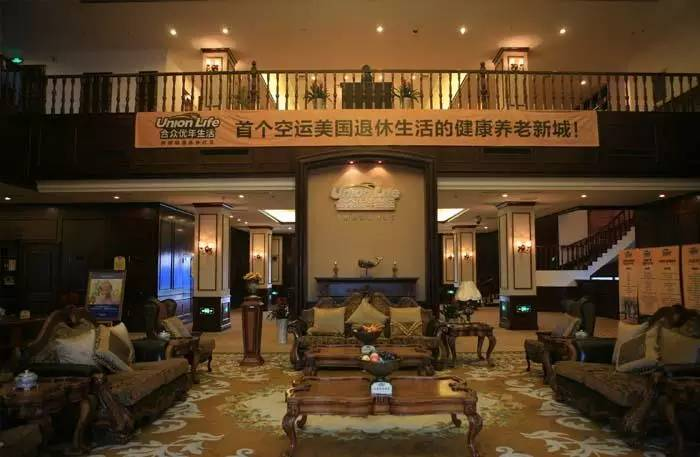
Union Life Insurance has had the idea of acquiring overseas retirement communities since 2014 and began searching for suitable community properties, identifying appropriate projects in 2015 and 2016, respectively.
Just one month ago, Union Life Insurance, in partnership with CINDAT and U.S. real estate investment trusts (REITs), launched a $930 million (approximately RMB 6.3 billion) investment to acquire 39 senior living communities across 13 states in the United States, including New Jersey and Massachusetts.
Currently, Hezhong Life Insurance is preparing elderly care community projects in Shenyang's Qipanshan, Nanning in Guangxi, Hefei in Anhui, and other locations.
Union Life Insurance stated that it would establish the Union Elderly Care brand at these seven elderly care institutions, continue to replicate its asset-light equity investment model, accelerate its expansion, and achieve chain operations through integration with its retirement communities in Wuhan, Shenyang, and Nanning. It is expected that by 2020, Union’s elderly care segment will have achieved nationwide coverage in China and established interconnectivity and interaction with the overseas elderly care industry.
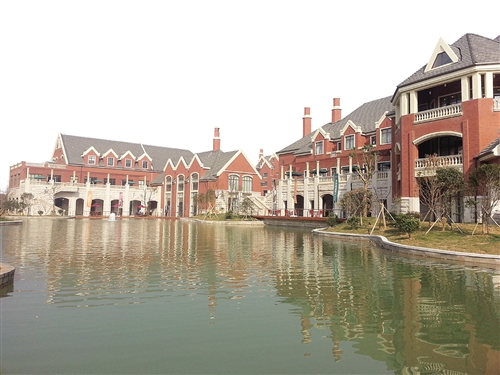
An insurance industry insider once stated, “Union Life Insurance’s aggressive expansion into the U.S. senior living community sector is driven not solely by asset appreciation; rather, it aims to introduce relatively mature international standards for senior living services and operational systems into its domestic elderly care projects.”
Insurance Capital Firms Rush to Position Themselves
In recent years, population aging in China has been accelerating, yet the development of the elderly care service industry remains severely lagging. Domestic senior living communities emerged very late, with less than a decade of development to date. The launch of such communities in China has primarily relied on a model that integrates pension insurance products with community-based care services.
In the realm of elderly care industry finance, banks lag far behind insurance companies, with few banks having truly entered this sector to date. This is closely related to the characteristics of the elderly care industry, such as its long industrial chain, broad scope of involvement, and specific return-on-investment profiles.
Following the release of the Interim Measures for the Investment of Insurance Funds in Real Estate in 2010, real estate projects have become a significant channel for asset allocation by insurance companies. Among these, senior living real estate projects, serving as a crucial link in the pension insurance value chain and featuring lower land acquisition costs, have emerged as a highly sought-after investment direction for many large insurance enterprises.
The following are several well-known insurance companies currently piloting initiatives:
China Life Pension Community
Ping An Elderly Care Community
New China Life Insurance Retirement Community
China Pacific Insurance Elderly Care Community
Taikang Life Senior Living Community
Union Life Senior Living Community
China Taiping Elderly Care Community
Development Trends in Senior Living Communities
The greatest challenge facing elderly care in China today is ensuring the sustainability of maintaining physical health and the accessibility of medical care. The elderly population will generate substantial demand for medical service resources, creating an urgent need to establish a comprehensive, continuous, and appropriate medical service system tailored to their needs. Looking ahead approximately five years, the increase in average life expectancy will drive up demand for elderly support services, long-term care, and specialized nursing. “Long-term care” and “professional caregiving” will serve as more effective entry points into the elderly care market.
Integrated medical and elderly care is a senior care model that combines medical treatment, nursing, rehabilitation, basic elderly care facilities, daily living assistance, and barrier-free activities. Its advantage lies in overcoming the traditional separation between medical services and elderly care, thereby providing timely, convenient, and precise medical services to the elderly. Ultimately, it integrates medical services, daily living assistance, health rehabilitation, hospice care, and other services into a unified system of integrated medical and elderly care, thus meeting the comprehensive care needs of the elderly. Compared to the more front-end developed “vacation-style” and “independent living” elderly care models, the integrated medical and elderly care approach offers a higher degree of concentration. As the structure of the aging population changes, elderly individuals place greater emphasis on comfortable experiences, leading to a significant increase in demand for integrated medical and elderly care. The latent demand for such services released by the gradually aging population will far exceed current levels.