

Onyx Health Solutions Files IPO to Scale AI-Driven Pharmacy Platform Reducing Hospital Readmissions
Excessively high patient readmission rates can overwhelm healthcare systems. Can pharmacies assume a different role within interconnected healthcare workflows? Pharmacists can not only provide more rational recommendations but also leverage feasible medication dispensing strategies to encourage patients to take an active role in managing their own health. Currently, USF Health at the University of South Florida has digitized its medication dispensing protocols by deploying Onyx medical-grade all-in-one computing systems powered by Intel® processors.
New-Generation Medication Preparation Protocol: Making Nursing Smarter
At USF Pharmacy Plus*, patients can conduct follow-up consultations with physicians via video calls and real-time screen sharing, leveraging cutting-edge Internet of Things (IoT) technology. Additionally, robotic arms automatically fill prescriptions, while pharmacists have on-demand access to medical records to prevent adverse drug interactions or allergic reactions. This next-generation dispensing model reduces patient readmission rates, enhances patient satisfaction, and elevates standards of care.USF Health Pharmacy Plus* is leveraging Onyx and Intel technologies to provide more rational recommendations and support, reshaping the pharmacy dispensing industry.
Lack of Pharmacy Access to Electronic Medical Records Increases Readmission Rates
In the United States, hospital readmissions impose substantial costs on patients, the healthcare system, and insurance companies. For medical patients alone, the annual cost of readmissions has risen to approximately $26 billion, with potential savings of $17 billion if better post-discharge care were provided. Beyond financial concerns, excessively high readmission rates trigger penalties from the Centers for Medicare & Medicaid Services (CMS), which reduces payments to hospitals as a sanction. Research indicates that medication-related issues—such as patient non-adherence, adverse drug events, accidental overdoses, and missing information—contribute significantly to readmissions. One study found that the 30-day readmission rate for patients with medication-related problems was as high as 14.3%, compared to only 6.1% for those without such issues.
As of 2014, three-quarters of hospitals in the United States had adopted electronic health record (EHR) systems that enable providers to access patient records in real time. However, most pharmacies do not have access to hospitals’ EHR systems. For professionally trained pharmacists, this lack of access directly results in an inability to avoid drug interactions or prevent allergic reactions during medication dispensing, while also missing opportunities to educate patients on health matters and mitigate other potential issues.
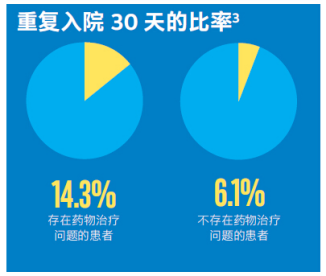
Figure 1. The probability of readmission for patients with medication-related problems is twice that of patients without such issues after discharge.
More Engagement, More Sound Advice
USF Health is currently at the forefront of innovation in digital medication dispensing. In 2015, the health system launched Pharmacy Plus, a new model designed to help pharmacists provide higher-quality counseling services, encourage greater patient engagement in the treatment process, and strengthen communication between patients and providers. Key equipment introduced as part of this initiative includes the Onyx medical-grade all-in-one workstation, mobile nursing workstations, patient information and entertainment terminals, and medical tablet PCs powered by Intel processors.
The Onyx solution helps USF Health integrate its electronic health record (EHR) system with Pharmacy Plus, enabling prescriptions to be automatically transmitted to the pharmacy and filled instantly. This not only accelerates patient service but also minimizes human errors and saves work time. More importantly, pharmacists can access EHRs directly from their physician workstations to review critical patient information, such as allergy history. This empowers pharmacists to provide more rational recommendations and suggest medication regimens that improve therapeutic outcomes.
To encourage patients to take a more proactive role in self-management, Pharmacy Plus has established a patient-education station equipped with the ONYX-BE182 Patient Information and Entertainment Terminal, providing interactive educational content on post-treatment care and rehabilitation guidance. Prior to receiving telemedicine services, patients can perform basic self-triage at the pharmacy reception desk using wearable devices integrated with the ONYX Venus Mobile Nursing Workstation and the ONYX-121/2112 Patient Self-Service Kiosk.
Patients Can Receive Medical Consultations at Pharmacies
Nowadays, hospitals, clinics, and pharmacies are expanding their service scopes under the influence of telemedicine technology. Driven by this trend, the global telemedicine market size is projected to grow at an annual rate of 14.3%. Traditional pharmacy chains, including CVS and Walgreens, have successively launched telemedicine initiatives aimed at providing patients with corresponding medical resources and promoting health education.
Leveraging computing devices specifically designed for the healthcare industry, Onyx helps pharmacies, clinics, and hospitals expand their operations more easily and enhance patient satisfaction. The comprehensive Pharmacy Plus solution includes two private consultation rooms, where patients can engage in remote consultations with physicians via the ONYX Smart Video Medical Station. Equipped with an integrated high-definition multi-purpose diagnostic microscope, this station captures images and collects readings under the assistance of on-site clinicians, supporting preliminary examinations in otolaryngology (ENT), ultrasound, and dermatology, thereby providing remote physicians with more detailed information about the patient’s condition. Additionally, pharmacists can hold remote meetings with physicians at any time to conduct real-time collaborative consultations on treatment plans.
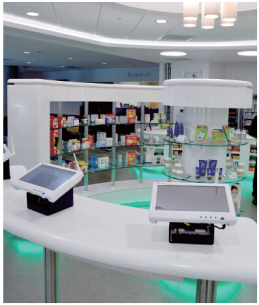
Figure 2 USF Health Pharmacy Plus* Reshapes the Roles of Patients and Pharmacists in Healthcare
Designed Specifically for Compounding Pharmacy
The Onyx series of medical-grade computing platforms, powered by Intel processors, comprises surgical workstations, medical tablet PCs, bedside infotainment terminals, medication cart PCs, medical tablets, mobile nursing workstations, and medical embedded motherboards.
1. ZEUS-227S Visual Intelligent Medical Workstation (Smart View Medical Station)
This 22-inch multi-touch medical workstation is connected to a robotic arm that can quickly pick up the correct medication bottle and automatically fill prescriptions. The medical workstation features a fanless design, is powered by an Intel® Core™ i7 processor, and is equipped with a barcode reader to enhance medication dispensing tracking and simplify infection control.
2. ONYX-2122 and ONYX-121 Slim Self-Service Kiosks
Two service terminals powered by Intel® Atom™ processors can serve as point-of-sale and information kiosks, enabling patients to communicate with the terminals via wearable health devices for initial self-triage.
3. ZEUS-247 Visual Intelligent Medical Workstation (Smart View Medical Station)
Pharmacy Plus’s teleconsultation platform, powered by Intel® Core™ i7 processors and featuring a fanless design, delivers robust performance. It utilizes DICOM-compliant displays to ensure clear visualization of clinical images. The platform captures medical images and interpretations, sharing this information with physicians through real-time screen sharing. Integrated webcams further enhance consultation efficiency.
4. Venus Series Mobile Workstations
The Onyx Mobile Nursing Workstation is powered by an Intel® Celeron® processor and features a built-in hot-swappable battery. With its mobility and telemedicine capabilities, it is well-suited for hospitals and elderly care facilities that require mobile workstations.
5. ONYX Patient Information and Entertainment Terminal
Equipped with an Intel® Celeron® processor, this terminal provides interactive patient health education and television entertainment programs, while also supporting access to medical records using security certificates.
Not Just Processors: Intel IoT Is Also Driving Healthcare Advancement
Currently, Intel is collaborating with the healthcare industry to develop innovative solutions that enable patients worldwide to access higher-quality, more convenient, and cost-effective medical services. Cutting-edge Internet of Things (IoT) technologies, such as Intel® processors and Intel® IoT Gateways, are helping to reshape remote patient monitoring, advance personalized treatment, improve clinical outcomes, and reduce healthcare costs.
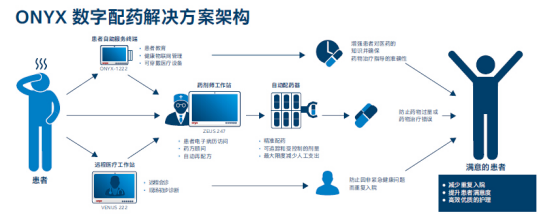
Figure 3 Onyx has developed a comprehensive series of medical computing devices based on Intel® processors
Leveraging intelligent computing devices designed specifically for the healthcare industry, next-generation pharmacies can help improve treatment outcomes and enhance patient satisfaction. Telemedicine and computing workstations connected to Electronic Medical Record (EMR) systems enable patients to understand their medication regimens and adhere to prescriptions, while also helping pharmacists mitigate side effects and prevent hospital readmissions.