

Vividion Therapeutics Secures $50M Series A to Advance Novel Chemoproteomics Platform
On February 1, this company calledVividion TherapeuticsThe company'sRaised $50 million in Series A financing.VividionPioneered a novel proteomics research platform, with its potential lying in the ability to study protein functions within living biological systems. The lead investor in this round of financing isARCH Venture Partners andVersant Ventures, byCardinal PartnersVenture capital firms co-invest.
Vividion, founded in 2013, has maintained a low profile since its inception. However, its recent filing of Form D with the U.S. Securities and Exchange Commission (SEC) earlier this month revealed its whereabouts—the company has just secured $50 million in financing.
Vividion’s technology originates from the laboratory of Ben Cravatt, a professor of chemical physiology at The Scripps Research Institute in La Jolla, California. Also members of this team are organic synthesis star Phil Baran and chemist Jin-Quan Yu.
The company will also benefit from a team of experienced executives. Tom Daniel, the former General Manager of Global Research and Early Development at Celgene, now serves as President of Vividion. Daniel also played a key role in facilitating the company’s Series A financing round.
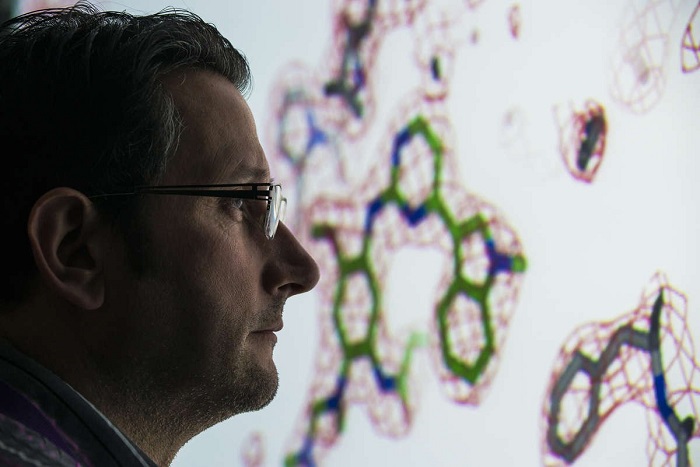
Former Celgene Executive Tom Daniel (FigureTabletSource:FierceBiotech)
“The research focus of the Ben Cravatt laboratory is what we call ‘chemical proteomics,’” said Tom Woiwode, Managing Director at Versant Ventures, the lead investor in the Series A financing. In a telephone interview, Woiwode stated that the platform enables scientists to examine the most biologically significant proteins within the vast proteome. He further noted that Ben Cravatt has developed an extraordinary toolkit for investigating protein function in their native contexts—such as within whole cells, tissues, and living organisms—using an integrated approach.
Currently, the mainstream approach to protein research involves isolating the target proteins and analyzing them using biochemical assay kits. This method has a significant drawback: the highly artificial research environment poses a substantial risk of poor translatability to in vivo studies.
In a related press release, Vividion explained that traditional targeted assay kits can only be applied to a very small fraction of the proteome, failing to encompass the full spectrum of proteins produced by an organism. The team believes that proteomics research should not stop there; their newly developed platform is dedicated to enabling protein studies within the native biological environment and aims to achieve broad application in the field of proteomics. Investor Woiwode commented, “The Ben Cravatt laboratory has expanded what we refer to as druggable proteomics.”
Vividion will conduct research in several pharmaceutical areas, but its core value lies in its highly versatile platform with broad application potential.
“What initially attracted us was the company team’s technology for detecting proteins in living organisms, especially since this technology can be integrated with next-generation chemical technologies. Research conducted through Vividion’s platform enables the rapid acquisition of a wide range of intriguing molecules,” said Kristina Burow, Managing Director at Arch Ventures.
This statement aptly explains why investors were willing to invest $50 million in a Series A biochemistry startup. Burow believes that, given the vast opportunities in chemical proteomics, this funding amount is not excessive. The key objective for investors is to help Vividion refine its “launchpad” for chemical proteomics research, rather than simply spending money to attract attention. Although Vividion currently possesses only a platform, the biological research potential enabled by this platform marks the starting point of a new research methodology. Burow is confident that Vividion’s proteomics technology could soon be applied to clinical diagnosis and treatment.
“The most successful drug developer I know once told me that biology serves chemistry, and chemistry likewise serves biology,” said investor Burow. “At Vividion, chemistry and biology have indeed formed a perfect marriage, mutually reinforcing each other and creating a robust feedback loop.”