

Comprehensive Market Analysis Report on Hospital Infection Control: Concepts, Regulations, and Leading Enterprises
By Hao Xueyang, Gao Daolong
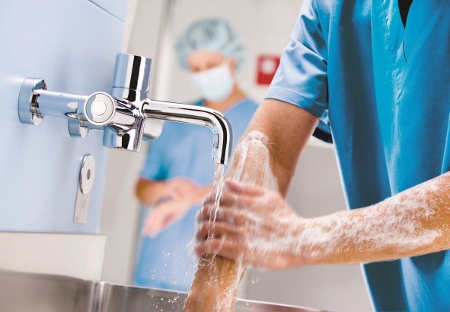
Hospital-Acquired Infections, fully known as "Healthcare-Associated Infections (HAIs)," refer to infections acquired by healthcare providers and patients within hospital settings. HAIs can be categorized into four types based on the route of transmission: surgical site infections, bloodstream infections, respiratory tract infections, and urinary tract infections. Among these, respiratory tract infections caused by ventilator use have the highest mortality rate, while urinary tract infections associated with catheter use are the most common. HAIs are not only relevant to hospitals but also concern everyone, including medical personnel, patients, and caregivers. Procedures such as surgery, puncture, acupuncture, vaccination, blood transfusion, dialysis, minimally invasive procedures, and injections can all lead to infections.Dental clinics, plastic surgery hospitals, and nursing homes all carry infection risks.。
VCBeat (WeChat:(VCBeat) This report provides an overview of the concepts, standards, and relevant laws and regulations pertaining to hospital infection control, while also highlighting leading enterprises in this field.
Current Status of Hospital-Acquired Infections Worldwide
In recent years, the widespread and extensive use of hormones, immunosuppressants, and broad-spectrum antimicrobial agents has led to the emergence of numerous drug-resistant and mutant strains. This has necessitated the use of increasingly advanced antibiotics at higher dosages, contributing to a year-on-year rise in global hospital-acquired infection rates.
According to relevant data, the United States experiences 2 million cases of hospital-acquired infections annually, resulting in economic losses of up to $7.5 billion; the United Kingdom reports 100,000 cases per year, causing losses amounting to $4.5 billion; and China records 4 million cases annually. The National Ministry of Health of China stipulates that the incidence rate of hospital-acquired infections should be less than 7% for primary hospitals, less than 8% for secondary hospitals, and less than 10% for tertiary hospitals, with an underreporting rate of no more than 20% across all hospital levels. According to 2015 data from the Chinese Journal of Nosocomiology, the direct economic loss per patient with a hospital-acquired infection in general hospitals in China ranges from RMB 11,229 to RMB 33,187.
At any given moment, 1.4 million people worldwide are suffering from healthcare-associated infections (HAIs). In fact, many hospital complications in patients are caused by infections, and 70% of HAIs can be prevented through infection prevention and control measures. Medical incidents resulting from inadequate hospital infection control occur frequently.
Epidemiological Characteristics of Healthcare-Associated Infections
The occurrence of healthcare-associated infections severely affects patient prognosis, increases patient suffering and the workload of healthcare personnel, and in severe cases leads to patient death. It also imposes a substantial economic burden on patients and adversely impacts the hospital’s economic and social benefits.
Multiple studies have shown that the top five pathogens causing hospital-acquired infections are Staphylococcus aureus, Pseudomonas aeruginosa, Acinetobacter baumannii, Klebsiella pneumoniae, and Candida albicans.
Hospital-acquired infections are predominantly lower respiratory tract infections, followed by upper respiratory tract and surgical site infections. The primary causes of respiratory tract infections are the use of various invasive procedures and the limited space in patient rooms, which makes it difficult to control droplet transmission and leads to cross-infection. This is also why respiratory tract infections rank first in the incidence of hospital-acquired infections.
Currently, there are significant differences in the incidence of hospital-acquired infections (HAIs) across various departments in Chinese hospitals. Studies have indicated that the departments with the highest susceptibility to HAIs, in descending order, are the surgical intensive care unit (ICU), hematology department, emergency department, respiratory medicine department, and neurology department. The age distribution of infected patients follows a V-shaped pattern, predominantly affecting infants under two years of age and elderly patients over 60 years old. Infants have immature immune systems, while elderly patients often present with critical conditions, relatively compromised immune function, frequent exposure to invasive procedures, and multiple comorbidities. Consequently, these two populations are currently considered at high risk for hospital-acquired infections.
Transmission Routes and Influencing Factors
Hand hygiene among healthcare workers is the most important, simplest, most effective, and cost-efficient method for preventing and controlling healthcare-associated infections (HAIs). Numerous studies have shown that microbial contamination on the hands of healthcare personnel is severe, often serving as a vector for infectious diseases. Infections caused by the direct or indirect transmission of pathogens via hands account for more than 30.0% of HAIs. Consequently, hand hygiene has received significant attention from the World Health Organization (WHO) and the Global Patient Safety Alliance. It has been established as a key performance indicator in HAI management, thereby strongly promoting the implementation of hand hygiene practices across medical institutions at all levels.
The use of antimicrobial agents is a critical component of clinical treatment; however, irrational use can lead to superinfections. A significant number of patients receive antimicrobials, particularly broad-spectrum agents, for blind prophylaxis, which increases pathogen resistance and renders infections more refractory at both the individual and population levels. Furthermore, such practices are a major contributing factor to secondary and fungal infections.
Furthermore, due to the unique circumstances of community hospitals, where the majority of patients are elderly, frail, and have compromised immunity, and many suffer from chronic diseases long-term, the risk of hospital-acquired infections is heightened.
Global Standards for Hospital Basic Operational Management Capabilities
When it comes to hospital infection control, the JC (known as JCI outside the United States) standards must be mentioned. It is a globally recognized standard for healthcare services, serves as the benchmark for hospital operations in the United States, and is an accreditation model endorsed by the World Health Organization.
As an affiliate of the Joint Commission on Accreditation of Healthcare Organizations (JCAHO) responsible for accrediting healthcare organizations, the institution is composed entirely of international experts in medicine, nursing, administrative management, and public policy. JCI’s consultants are senior hospital executives with an average age of over 50. To date, JCI has provided guidance and conducted evaluations for public and private healthcare institutions and government departments in more than 40 countries worldwide.
Regarding its functions, Zhang Kun, the operator of the medical vertical WeChat official account “Zhang Kun’s Essays,” provided a relatively simple and accurate explanation.He believes that JCI’s mission is to cultivate safety awareness among healthcare professionals and equip them with a range of management tools through a portfolio of activities, including education, training, publications, and online platforms.Accreditation serves as a credential of recognition, granted only after hospitals have achieved a certain level of management proficiency.
The core businesses of a hospital are medical services and the development of disciplinary capabilities. The scope evaluated by JCI is the hospital's fundamental operational management capabilities.It advocates a prevention-first approach, with proactive risk assessment conducted upfront and targeted monitoring following thereafter; quality indicators are continuously tracked and iteratively improved. In the event of issues, root cause analysis and Failure Mode and Effects Analysis (FMEA) must be performed.Process review and revision: Infection control training is a mandatory course and assessment for all employees. New hires must also undergo enhanced pre-employment training and pass assessments before assuming their duties.Laboratory personnel must complete biosafety training, pass the assessment, and sign an informed consent form before being granted access to the laboratory.
This includes a clear disciplinary system, categorized into verbal guidance, mandatory retraining, and admonitory interviews. Repeated failures in hand hygiene compliance may result in the hospital terminating the physician’s contract, reporting the incident to administrative authorities, and issuing industry-wide notifications.
It is important to note that, unlike China’s hospital accreditation system, JCI accreditation serves solely as an endorsement of quality and safety. It indicates only that a hospital’s medical service quality meets a certain standard, that its clinical processes are rigorous and well-organized, and that it has implemented numerous widely recognized measures to ensure patient safety.
In the United States, JCI and JCR operate as a single organization with two distinct brands. The “R” in JCR stands for Resources, referring to JC’s “knowledge resource repository.” Their core business revolves around organizing academic conferences and educational activities, as well as publishing hundreds of books and journals on hospital management.
For example, in Saudi Arabia, the hospital infection control curriculum and the medical quality system curriculum, developed in collaboration with the Ministry of Health, have become mandatory pre-employment training for hospital administrators. In the past, JCI did not deploy many resources or business operations in China beyond accreditation, creating the impression that JCI was merely an accreditation organization.
JCI accreditation is a rigorous system. The philosophy of JCI standards is to achieve the highest attainable standards, center on patients, and establish corresponding policies, systems, and processes to encourage continuous quality improvement while aligning with local culture. Its core focuses on healthcare quality and patient safety, fostering an atmosphere that promotes ongoing improvement in these areas. Across the entire hospital, no minor potential risks that could affect patient and staff safety are overlooked. The standards encompass 368 criteria (including 200 core standards and 168 non-core standards), each containing several measurement elements, totaling 1,033 sub-items.
JCI accreditation establishes management standards for hospitals and healthcare professionals from the perspective of patient interests. Its scope encompasses patient care, patient assessment, infection prevention and control, patient and family rights and education, facility management and environmental safety, staff qualifications and education, quality improvement, hospital governance and leadership, and information management. Among these, infection prevention and control is a critical evaluation factor. In addition to adequate infrastructure and systems, it requires close collaboration among all departments and staff members while fulfilling their respective duties, with the aim of providing patients with the best and safest care. Furthermore, the CDC plays a role in the oversight of infection control.
Scan of Policies Related to Hospital Infection Control and Management
1. "Measures for the Administration of Hospital Infection"
On July 25, 2006, the Ministry of Health issued the "Measures for the Administration of Hospital Infection." The policy stipulates:Medical devices used for invasive procedures such as injections, punctures, and blood collection must be sterilized after each use.Disinfectant products, disposable medical devices, and instruments used by healthcare institutions shall comply with relevant national regulations. Disposable medical devices and instruments shall not be reused.
Healthcare institutions shall formulate specific measures to ensure that hand hygiene of medical personnel, conditions of the diagnosis and treatment environment, aseptic technique, and occupational health protection comply with regulatory requirements, thereby controlling risk factors for healthcare-associated infections.
2. "Specifications for the Safety Management of Clinical Use of Medical Devices"
On January 18, 2010, the Ministry of Health issued the "Administrative Specifications for the Safety Management of Clinical Use of Medical Devices (Trial)." The policy standardizes the safety management of the clinical use of medical devices, covering the safety management of medical device products involved in medical services provided by healthcare institutions, as well as personnel, systems, technical specifications, facilities, and environments.
3. "Regulations on the Biosafety Management of Pathogenic Microbiology Laboratories"
May 27, 2014Adopted at the 69th Executive Meeting of the State Council《Regulations on the Biosafety Management of Pathogenic Microbiology Laboratories》
The Regulations stipulate that the collection of pathogenic microorganism samples shall meet the following conditions:
(1) Possession of equipment commensurate with the biosafety protection level required for the collection of pathogenic microorganism samples;
(II) Staff members who possess relevant professional knowledge and operational skills;
(3) Effective measures to prevent the spread and infection of pathogenic microorganisms;
Containers for highly pathogenic microorganism strains (viruses) or samples shall be sealed, and the containers or packaging materials shall also meet the requirements of being waterproof, breakage-resistant, leak-proof, resistant to high (low) temperatures, and pressure-resistant.
4. "Guidelines for the Control of Healthcare-Associated Infection Outbreaks WS/T 524—2016"
On August 2, 2016, the National Health and Family Planning Commission issued the 2016 Chinese Health Industry Standard—Guidelines for the Control of Hospital Infection Outbreaks (WS/T 524-2016). The Guidelines stipulate:
Healthcare institutions shall establish a responsibility system for reporting outbreaks of healthcare-associated infections (HAIs), designating the legal representative or primary person in charge as the first responsible party. They shall formulate and implement regulations, operational procedures, and contingency plans for the monitoring, reporting, investigation, and management of HAI outbreaks, and clearly define the responsibilities of all relevant departments within the hospital in the reporting and management of such outbreaks.
Establish a hospital infection surveillance system and implement measures to promptly detect outbreaks of healthcare-associated infections.
Conduct medical observation of other patients, hospital staff, caregivers, and visitors who have had close contact with infected patients, continuing until the end of the maximum incubation period for the disease or until no new cases of infection emerge. Discontinue the use of items suspected of contamination; such items may only be reused after undergoing rigorous disinfection and sterilization processes and passing relevant quality control tests.
If new cases of healthcare-associated infections continue to occur, the reasons for the failure of control measures should be analyzed, other risk factors that may lead to an infection outbreak should be assessed, and control measures should be adjusted. In particularly severe situations, the facility should independently take, or report to its supervising health and family planning administrative department before taking, measures to suspend patient admissions.
Specific Methods for Hospital Infection Management
1. Enhance healthcare workers' awareness of hospital-acquired infections
The occurrence of any healthcare-associated infection is directly or indirectly related to healthcare personnel. Within the hospital, physicians, nurses, medical technologists, as well as support staff, visiting scholars, and interns may all impact infection control efforts.
Despite extensive publicity and training efforts on healthcare-associated infection (HAI) control in China in recent years, the rapid modernization of hospitals, continuous updates and advancements in knowledge, and the emergence of various novel disinfectants, disinfection methods, and surveillance technologies have meant that most healthcare workers still lack a comprehensive grasp of chemical and physical disinfection techniques as well as HAI-related regulations and protocols.
Studies indicate that,80.0% of healthcare workers can perform hand hygiene before and after aseptic procedures and before and after rescuing critically ill patients, and wear masks during the rescue of critically ill patients; 60.0% fail to perform the six-step handwashing technique correctly.Wear a mask when entering the ward, and wash hands after handling medical records and patient belongings. In actual clinical practice, non-compliant operations exist among physicians, nurses, and medical technologists alike; therefore, healthcare workers should enhance their self-protection awareness and actively prevent and control hospital-acquired infections.
Additionally,Community healthcare workers generally have low awareness rates of occupational protection and hand hygiene knowledge., although most community hospitals have established organizational structures for hospital infection management, the intensity of management remains insufficient. To further reduce and control infections in community hospitals, it is essential to strengthen publicity and training on hospital infection knowledge for medical staff and enhance the efforts in infection management. Meanwhile, strict standardization of etiological specimen submission and antimicrobial susceptibility testing results can provide a scientific basis for the clinical diagnosis and treatment of infections, and also serve as the foundation for the selection of antimicrobial agents in hospitals.
Furthermore,Studies have also suggested that awareness of healthcare-associated infections increases with years of service, and healthcare workers with longer tenure demonstrate better mastery of relevant knowledge., indicating that the acquisition of knowledge regarding healthcare-associated infections (HAIs) primarily stems from continuing education after assuming one’s post. Therefore, it is essential to conduct regular educational training on HAI knowledge for all nurses in the hospital. In particular, HAI education should be incorporated as a key component of pre-service training for newly hired nurses.
2. Assisted control through hospital infection management software
The hospital infection control market mainly consists of two aspects: one is infection control consumables and equipment, and the other is infection control software. If viewed purely from an informatization perspective, the hospital infection control market would not be particularly large. This is because there are only over 10,000 hospitals at the secondary level or above nationwide in China.Tertiary hospitals invest the most in infection prevention and control (IPC) informatization, with an average expenditure of approximately RMB 300,000; secondary hospitals spend around RMB 150,000. However, when consumables and sterilization equipment are included, it becomes a market worth tens of billions of yuan.。
Early Warning and Intervention: The Two Key Entry Points for Healthcare IT Companies into the Hospital Infection Control Market
First is early warning. The earliest approach to informatization of hospital infection control involved staff retrospectively reviewing medical data, conducting statistical analyses, and then feeding the insights back to guide clinical practices, thereby preventing issues. The advantage of informatization lies in its real-time capability, enabling continuous collection of patients’ diagnostic and treatment data. Based on such data, early-warning models can be established to identify high-risk factors and sensitive indicators for hospital infection control at an earlier stage. Once these are detected, the system can promptly alert infection control physicians, prompting them to focus closely on specific patient populations.
The second aspect is intervention, where timely communication can be achieved through a mobile infection control app. Following alerts, data sharing facilitates communication and exchange between healthcare professionals in the Hospital Infection Control Department and clinicians, thereby enabling effective intervention.
Hunan Blue Dragonfly Network Technology Co., Ltd. is a leading domestic provider of professional healthcare IT solutions. As a high-tech enterprise, it integrates R&D, sales, and services in the field of healthcare informatization and is among the earliest companies in China to develop hospital infection control software. To date, Blue Dragonfly’s hospital infection control product series has been adopted by more than 5,000 users across China.
From the perspective of the development of information technology in hospital infection control, early efforts relied purely on statistical methods for retrospective monitoring. With industry advancement, between 2010 and 2015, hospitals’ demand for early warning systems for healthcare-associated infections (HAIs) further increased, as they sought to mitigate medical risks through real-time alerts.
Since 2016, hospitals have introduced new requirements for the entire patient diagnosis and treatment process. For instance, in the care of “three tubes” (such as urinary catheters and central venous catheters), these invasive devices are assessed during use. The Blue Dragonfly Infection Control Assistant APP enables real-time feedback of these assessment data and generates alerts based on predefined data indicators. This facilitates earlier detection of patient infections compared to previous practices.
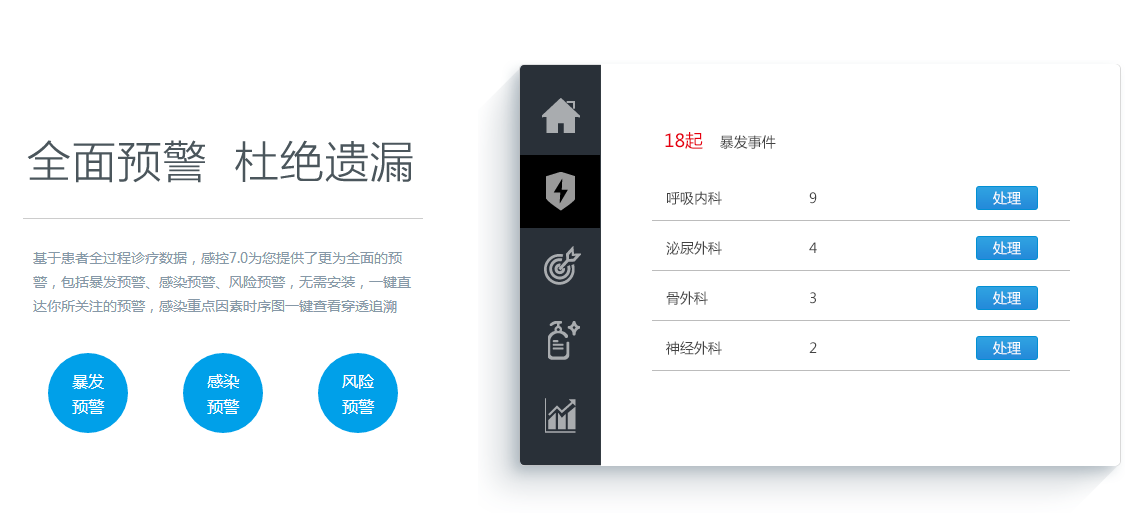
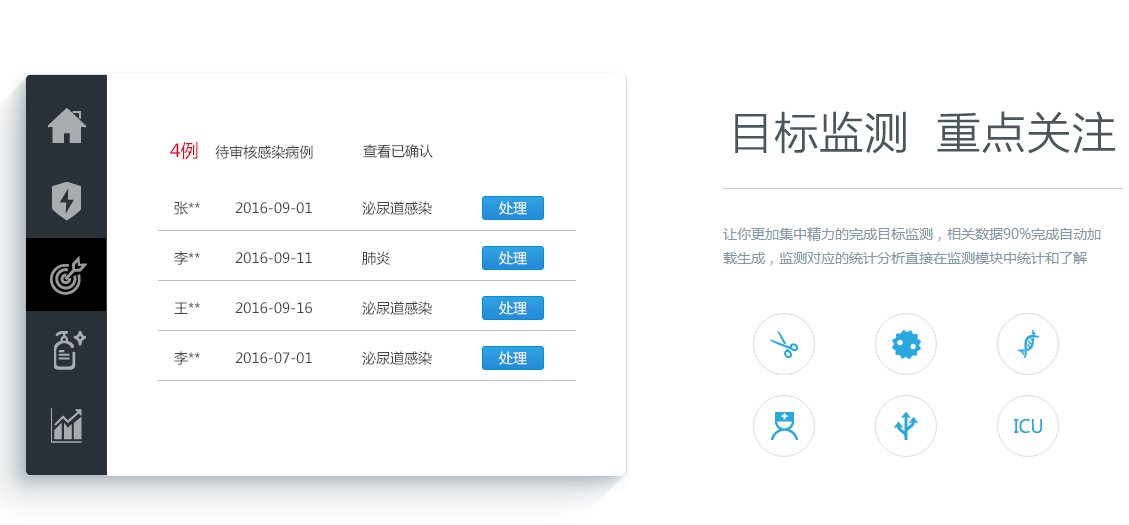
Blue Dragonfly Infection Control 7.0
Previously, the management of care for the "three tubes" (central venous catheters, urinary catheters, and endotracheal tubes) largely relied on a combination of paper records and PC-based software. The primary drawback of traditional PC-based systems with manual paper entry is the lack of timeliness. For instance, it was difficult to promptly verify whether a patient required intubation, whether the intubation technique performed by medical staff was correct, whether disinfection procedures were carried out post-intubation, and whether the "one patient, one tube, single-use" protocol was strictly followed. This type of process management was prone to falsification and last-minute compliance efforts. In contrast, Blue Dragonfly’s Infection Control Assistant sets specific deadlines and provides real-time notifications to departments regarding the completion status of three-tube care protocols. If tasks are incomplete, the system issues timely reminders and supervisory alerts.

Blue Dragonfly Infection Control Assistant
Of course, catheter care is only one aspect; another critical issue is the misuse of antimicrobial agents. The prevention and control of multidrug-resistant organisms (MDROs) constitute a vital component of hospital infection control. Throughout the patient’s journey from admission to discharge, the entire process—including the use of antimicrobials in the hospital and the results of bacterial cultures—requires supervision and oversight. This has been the focal point for Blue Dragonfly since 2016 and remains a key area of attention within the industry.
Throughout the hospital’s infection prevention and control (IPC) management process, Blue Dragonfly primarily focuses on collecting data from inpatients. By conducting comprehensive data analysis, it identifies and highlights high-risk populations, then feeds this information back to healthcare professionals—a workflow executed on the PC platform. On the mobile end, the system supervises key aspects of care for these high-risk groups, such as the “three-tube” nursing care and antimicrobial usage, and integrates with healthcare staff performance metrics to achieve effective management.
In the second half of 2016, Blue Dragonfly launched a mobile application named “Primary Care Infection Control,” which primarily facilitates the reporting of healthcare-associated infections (HAIs) in primary care hospitals and enables communication among infection prevention and control practitioners.

Blue Dragonfly Primary Care Infection Control APP
Currently, there is virtually no hospital infection control software available in primary healthcare institutions across China. Consequently, national statistical analysis in this area is lacking.
The Blue Dragonfly Primary Care Infection Control APP monitors specific regions or individual hospitals to determine whether nosocomial infection outbreaks have occurred. Provincial Centers for Disease Control and Prevention (CDCs) analyze the data reported by primary healthcare institutions and then conduct targeted education and training.
In addition to reporting healthcare-associated infections (HAIs), the most critical focus for grassroots HAI control at this stage remains training and education. To address this, Blue Dragonfly has launched a product called “Ganzhi Wang” (Perception Network). This platform provides HAI professionals across China with a space for communication and Q&A, and even offers HAI training and educational resources.
In addition to Blue Dragonfly, Hangzhou Xinglin Information Technology is also a representative enterprise in the field of hospital infection control informatics.
Xinglin Technology, established in 2009, is a high-tech enterprise leveraging the interdisciplinary strengths of Zhejiang University. It is the sole hospital infection control product vendor in China to have participated in the formulation of the “National Standards for Hospital Infection Information Systems” issued by the Ministry of Health, and it also serves as the exclusive designated supplier of hospital infection control software for military hospitals nationwide. As of March 2014, Xinglin had served more than 350 hospital clients across 19 provinces, municipalities, and autonomous regions throughout China.
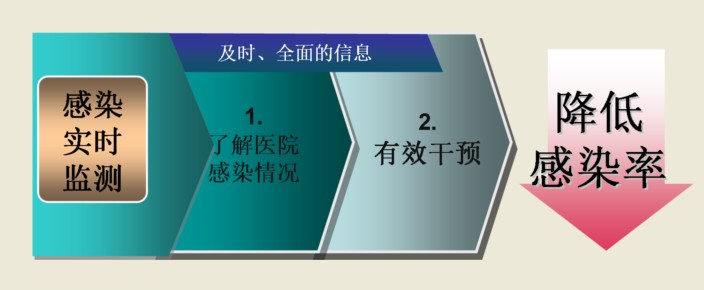
Prevention: Understanding the full spectrum of risk factors enables targeted preventive measures to prevent infection.
Control: Early detection of positive indicators of infection, timely implementation of control measures to prevent the worsening and spread of infection.
Continuous Improvement: The ongoing implementation of management practices, integrated with computerized information tools, enhances managerial efficiency and promotes the improvement of infection control, thereby effectively reducing infection rates.
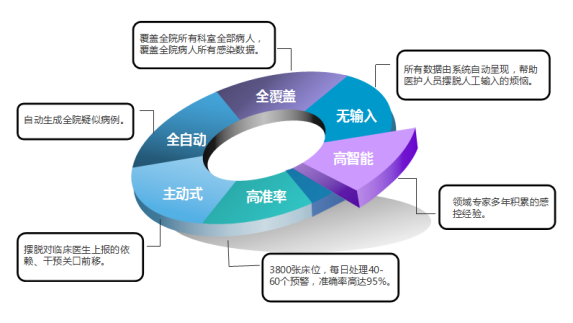
Comprehensive Coverage: Covers all patients across all departments hospital-wide, encompassing all infection data for the entire patient population.
No Input Required: All data is automatically presented by the system, freeing healthcare professionals from the burden of manual entry.
Fully Automatic: Automatically generate suspected cases across the entire hospital.
High Intelligence: Years of accumulated infection control experience from domain experts.
Active Approach: Eliminating reliance on clinician reporting and interventionAnterior displacement of the mouth.
1. A comprehensive hospital infection control business platform that supports the various functions of infection management departments, providing infection control-related data support for Tier 3 Grade A hospital accreditation, High-Quality Hospital creation, and JCI accreditation.
2. Full-Process Monitoring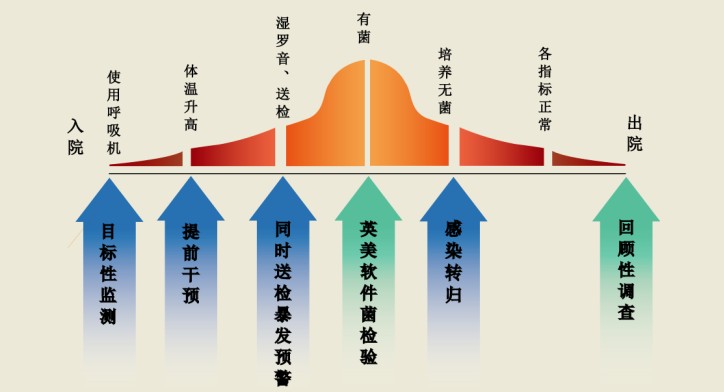
Full-Process Monitoring of Infection Cases: The system automatically generates case alerts, embodying the concept of tertiary prevention—shifting infection control and management checkpoints forward, prioritizing prevention, enabling intelligent monitoring, and facilitating proactive intervention.
3. High efficiency and high accuracy: The system automatically generates reports, eliminating reliance on clinicians' manual reporting of suspected cases, thereby significantly reducing the underreporting rate.
4. Robust Data Analytics Platform. A comprehensive hospital statistical analysis and decision support platform built on data warehousing principles; it provides holistic analysis of various operational business data, offering strong data support for refined management and executive decision-making.
5. Timely outbreak alerts. Dedicated hospital infection control personnel can promptly identify potential risk factors, trends in healthcare-associated infections, or early signs of outbreaks before they are reported by clinicians;
6. Powerful Targeted Surveillance Functionality. Designed targeted surveillance modules in accordance with the "Specifications for Healthcare-Associated Infection Surveillance," focusing on key departments, critical sites, and priority projects; features robust query capabilities to achieve comprehensive, end-to-end quality monitoring; establishes a subsystem for monitoring the rational use of antimicrobial agents based on physician order data; and develops a subsystem for monitoring hospital infection bacterial spectra and antimicrobial resistance through the Laboratory Information System (LIS).
7. Powerful statistical analysis capabilities. It provides various data for any time point, any time period, and any ward; including prevalence rate, dynamic prevalence rate, proportional distribution of infection sites, risk factors, distribution and trend analysis of multidrug-resistant organisms, antimicrobial susceptibility results and trend analysis, and usage of antimicrobial agents. The direct report export function facilitates online reporting by physicians and summarization of infection cases within the ward, thereby reflecting the proactive surveillance by the Department of Infectious Diseases to address underreporting issues.
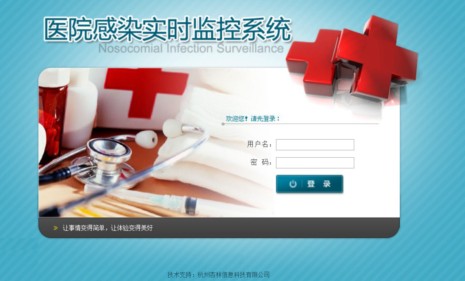
1. Automatically capture infection-related clinical data from systems such as HIS, RIS, and LIS on a daily basis through data access middlewareAutomatically monitor the prevalence of conditions across all wards and implement full-process monitoring for patients with infections.
2. Automatically monitor the current patient status in all wards,Automatic alerts for wards exceeding thresholds to detect early signs of departmental infection outbreaks, enabling early detection, early intervention, and early prevention.
3. The statistical analysis function of the Xinglin NIS system includes nine indicator datasets across three major categories.
4. Surveillance of healthcare-associated infections (HAIs) and their risk factors, targeting high-risk populations and common sites of infection, including HAI surveillance in intensive care units (ICUs) and neonatal wards, surgical site infection (SSI) surveillance, and monitoring of clinical antimicrobial use and bacterial resistance.
5. Communication Platform for Infection Control Specialists and Clinical Staff. Personalized, self-configured SOP protocols; provision of a hospital infection learning platform. Clinicians proactively report patient infections to the Department of Infection Management based on clinical symptoms or etiological diagnoses; physicians may also communicate with dedicated infection control personnel regarding patient infection status.
6. Manually enter monitoring results for selected keywords, and the system will automatically generate a monitoring report.
7. In accordance with the occupational protection standards of the Ministry of Health, needlestick injury incidents can be recorded, with scheduled reminders for follow-up examination and treatment, as well as documentation of follow-up visits.
8. Case Browsing and Favorites: Quickly access the 50 most recently viewed cases and your bookmarked cases of interest.
Analyze patient data based on hospital infection diagnostic criteria to generate case alerts for assessment by dedicated personnel.
3. Infection Control Consumables and Equipment—Laoken Medical
Laoken Medical Technology Co., Ltd., established in 1998 and headquartered in Chengdu, is a high-tech joint-stock company integrating the research, development, manufacturing, sales, and after-sales service of technological products such as air disinfection and purification, as well as instrument disinfection and sterilization. Its products and projects include air disinfection and sterilization equipment, medical instrument cleaning and processing equipment, medical instrument disinfection and sterilization equipment, and hospital Central Sterile Supply Departments (CSSD). After more than ten years of leapfrog development, Laoken Technology’s business network now covers all 31 provinces, municipalities, and autonomous regions in China, as well as dozens of countries and regions worldwide. It has become one of the largest manufacturers of medical disinfection equipment in China and a world-class comprehensive provider of healthcare-associated infection control services.
Laoken Medical offers a range of disinfection and sterilization equipment, including multi-functional air disinfectors and multi-functional laminar flow purification sterilizers, both holding national utility model patents, as well as the AJSJ series of sterilization cabinets. Its Laoken-branded product series is widely used in more than 70% of hospitals across China, serving over 20,000 medical institutions.
In terms of market presence, Laoken Medical has successively established after-sales service outlets in provinces and municipalities including Shanghai, Jiangsu, Zhejiang, Hunan, Hubei, Anhui, Guangdong, Fujian, Shaanxi, Xinjiang, Henan, Chongqing, Liaoning, and Guizhou, and has set up more than 100 sales agency companies across China.
Currently, Lao Ken Medical and its wholly-owned subsidiary (Guokong Medical) collectively hold 139 patents, including 23 invention patents, and possess multiple core technologies related to low-temperature disinfection and sterilization, air disinfection and purification, instrument cleaning, and high-temperature disinfection and sterilization.
From the development trajectory of LaoKen Medical, it is evident that the company’s R&D and technological innovation have continuously elevated its industry standing. In 2006, the company launched its low-temperature sterilization equipment, the first of its kind in China, achieving import substitution through technological advancement. In 2007, the company’s medical device disinfection and sterilization products obtained CE certification, opening up the European market; currently, its products are exported to 50–60 countries worldwide. Starting in 2013, the company began expanding into new business areas such as outsourced disinfection centers and pharmacy automation. On August 1, 2015, the company opened its disinfection and sterilization center in Chengdu, which is the largest, highest-standard, and most comprehensively serviced facility of its kind in China.
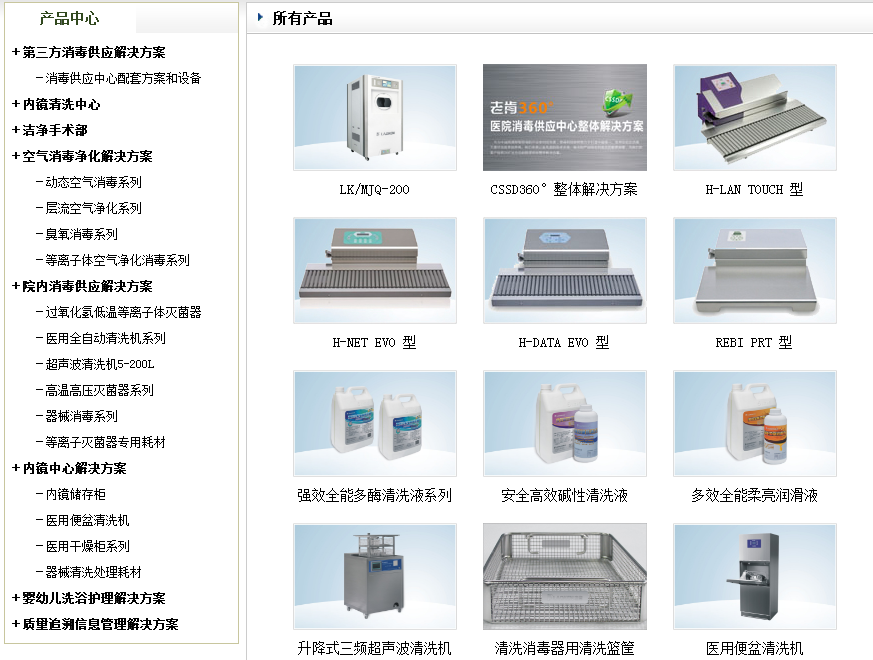
LaoKen Medical Product Categories
The growth in demand for hospital infection control equipment mainly stems from the following aspects:
(1) With the continuous increase in demand for medical services, along with new construction, renovation, and expansion of hospitals as well as increased national investment in primary healthcare institutions, market demand for hospital infection control equipment will continue to grow;
(2) The tightening of healthcare management and technical standards, along with the expanded scope of hospital infection control equipment usage, will drive significant policy-driven demand growth. According to the "Management Specifications for Hospital Central Sterile Supply Departments (CSSD)" issued by the Ministry of Health, the overall CSSD system has become a mandatory compliance requirement for hospitals, particularly those at Level II and above.
(3) The lifecycle of hospital infection control equipment (5–7 years), along with factors such as technological upgrades, drives the need for replacement and modernization.
Furthermore, outsourced hospital sterilization services represent a sector on the verge of rapid growth. These outsourcing services primarily target hospitals that have not established their own Central Sterile Supply Departments (CSSD), as well as those whose CSSDs require new construction, renovation, or expansion. The services provide specialized and centralized cleaning, disinfection, and sterilization of surgical instruments.
In recent years, the frequent occurrence of healthcare-associated infection (HAI) incidents in China has drawn significant attention from national and local governments as well as health authorities, leading to the implementation of a series of mandatory standards for Sterile Supply Departments (SSDs). Given factors such as instrument volume and cost control, outsourced regional SSD services are becoming an increasingly preferred choice for small and medium-sized hospitals and newly established medical facilities.
Currently,China's hospital sterilization outsourcing services are currently in the market introduction phase. Socialized outsourcing projects for sterile supply departments (CSSDs) in developed regions such as Shanghai and Jiangsu are gradually being launched, indicating a substantial market potential.。
Strong Demand for Outsourced Sterilization Services, While the Domestic Market Is Still in Its Infancy. The Central Sterile Supply Department (CSSD) is the hospital unit responsible for cleaning, disinfecting, and sterilizing all reusable instruments, devices, and items from various departments, as well as supplying sterile products. As a core component of the hospital’s sterilization system, it serves as the foundation for source control and prevention of healthcare-associated infections, thereby ensuring medical quality and safety.
Regionalized third-party sterile supply centers can effectively address many challenges facing the industry, significantly reduce hospital operating costs, and generate strong market demand in the context of medical insurance cost containment. Outsourced sterilization services are still in their early stages in China, offering substantial room for future growth.
Theoretical Scale Estimation: Based on a regional sterilization supply center with a radiation radius of 80 kilometers, covering an average of 5,000–8,000 beds, and considering the total number of beds in China was 5.34 million as of 2015, along with the overall development scale of domestic hospitals,Over the next decade, approximately 500 regional sterile supply centers will be needed. Based on an average annual revenue of RMB 30 million per center, the market size is estimated at RMB 15 billion.
Loken Medical’s technological advantages in the field of infection control equipment form the foundation for its transformation into a service provider. With over a decade of focus on the research, development, and manufacturing of infection control equipment, Loken Medical has accumulated extensive experience in production technologies and manufacturing processes for sterilization and disinfection equipment. Its robust capacity to produce high-quality equipment has laid the groundwork for the company’s transition into an outsourced sterilization service provider. The company’s headquarters has established the largest sterilization and disinfection center in China, which officially commenced operations on August 1, 2015, serving as a flagship demonstration project for Loken Medical.
4. Link to medical insurance to reduce the incidence of hospital-acquired infections
In the United States, each state has enacted corresponding legislation on infection control in hospitals based on local circumstances. To address the rising number of patients with hospital-acquired infections (HAIs) and the associated economic losses, the federal government has made efforts to link hospitals’ infection metrics to Medicare reimbursements.The Centers for Medicare & Medicaid Services (CMS) Expands the List of Hospital-Acquired Conditions for Which Payment Will Be Denied(Six items have been achieved to date.) Investment in infection prevention by healthcare institutions is aligned with the key priorities of governments, the public, and payers.
The Affordable Care Act, signed by former President Obama, included a provision to reduce Medicare reimbursements for hospitals with high rates of healthcare-associated infections (HAIs). Under this policy, an analysis by Consumer Reports found that hospitals across the United States have made significant progress in preventing HAIs. This improvement was observed in both large urban hospitals, such as Ochsner Medical Center in New Orleans and Johns Hopkins Bayview Medical Center, and rural facilities like Wuesthoff Medical Center.
For instance, to reduce hospital-acquired infection rates, hospitals in Pennsylvania have begun implementing measures such as correcting medication errors and preventing avoidable infections. As part of efforts to improve the quality of hospital care, Pennsylvania also requires hospitals with a primary focus on medical and nursing services to report annual data on the number of hospital-acquired infections.
In fact, as early as 2003, Consumer Reports began focusing on healthcare-associated infections (HAIs), urging states to pass legislation requiring hospitals to publicly disclose HAI data. Once such data is made public, it can be used to rate hospitals, with the aim of encouraging them to take corrective measures. Lisa McGiffert, Director at Consumer Reports, believes that the federal government should require hospitals to:
1. In the event of an outbreak or infection control issues, immediately report to state and federal agencies while simultaneously informing the public.
2. Not only should hospital infection issues be inspected, but the measures taken by hospitals to control infections also need to be supervised.
3. Establish an infection reporting system to track such incidents.
Currently, relevant data indicate that 32 U.S. states have enacted legislation, and the United Kingdom, Singapore, and Japan all publicly disclose hospital-acquired infection data for individual hospitals. In 2012, the U.S. federal government website published quarterly rates of central line-associated bloodstream infections (CLABSIs) in intensive care units (ICUs) for each hospital, marking the first time such information had been made publicly available in the United States.
According to data from the Centers for Disease Control and Prevention (CDC), approximately 650,000 healthcare-associated infections occurred in U.S. hospitals in 2011, resulting in 75,000 deaths. This made healthcare-associated infections the eighth leading cause of death in the United States, ranking just behind diabetes and surpassing both influenza and pneumonia.
What Should Be Done After a Medical Error Occurs? According to Global Times, in April 2001, the U.S. Department of Health and Human Services established a nationwide online medical error reporting system. Once implemented, this system allows all healthcare professionals and institutions to report medical errors to federal, state, and other relevant agencies via the internet, while enabling the public to access related information online at any time. Currently, at least half of the U.S. states require healthcare personnel to report medical errors to state authorities. The government also regularly collects data voluntarily submitted by hospitals each year for research purposes.
The United States does not have an institution such as a Medical Malpractice Appraisal Committee. In the event of medical malpractice, patients typically choose to file lawsuits through attorneys. Statistics show that over 50% of compensation awards in current U.S. medical malpractice cases exceed $1 million. These substantial compensations serve not only to reimburse patients for their losses and suffering but also to warn and penalize the liable physicians and hospitals. However, hospitals and individual physicians generally do not pay these amounts directly; instead, compensation is covered by insurance companies underwriting their medical liability insurance. Nevertheless, the costs are ultimately passed on: when renewing their insurance premiums the following year, hospitals and physicians involved in incidents will find their bills have increased by at least fivefold compared to the previous year.
It is evident that,At the legislative level, linking insurance to the control of nosocomial infection rates is an excellent strategy.。
5. Overseas Companies Specializing in Healthcare-Associated Infection Control
1. Xenex
Xenex, founded in 2009 and headquartered in San Antonio, Texas, has secured a total of $45.45 million in funding following three rounds of strategic investment. The company was co-founded by Dr. Julie Stachowiak and Dr. Mark Stibich, both of whom hold Ph.D. degrees in Epidemiology from Johns Hopkins University.
Xenex’s mission is to save lives and reduce suffering by destroying deadly microorganisms that can cause hospital-acquired infections (HAIs) through its pulsed xenon ultraviolet disinfection solutions. Since its market launch in June 2010, Xenex devices have become an essential component of infection control protocols in 300 hospitals across the United States.
Traditional UV disinfection methods primarily induce a single type of cellular damage. Pulsed-xenon disinfection robots broaden the germicidal UV spectrum, enabling four distinct mechanisms to cause cellular damage. Xenex robots contain no toxic substances, and multiple hospital customer reports as well as peer-reviewed published studies have documented very low infection rates.
2. Vioguard
Vioguard, founded in 2008 and headquartered in Washington State, is dedicated to addressing healthcare-associated infections (HAIs), a problem plaguing hospitals worldwide. The company secured $5 million in financing this January. The widespread use of antibiotics and disinfectants continues to foster highly drug-resistant “superbugs,” which the CDC identified as the top threat in 2014.
Vioguard’s solution eliminates these superbugs without generating new drug-resistant microorganisms. Its broad-spectrum, proprietary UV-C technology is an FDA-cleared, hands-free surface hygiene UV solution, developed in collaboration with industry professionals to enhance the effectiveness of infection control strategies. Vioguard is currently establishing relationships with key strategic partners to bring future innovative products to the global market.
3.Xanitos
Xanitos, founded in 2008 and headquartered in Pennsylvania, has raised a total of $2 million across three funding rounds. The company specializes in hospital management, patient transportation, and central laundry services. Its distinctive feature is the patent-pending XRO system for cleaning patient rooms. As an operator, the company prioritizes delivering the highest quality services. The results are evident: at hospitals it serves, including Shore Medical Center, Metro Health, and Upper Allegheny Health System, Xanitos has improved cleaning quality, increased HCAHPS scores, reduced the risk of healthcare-associated infections (HAIs), and significantly lowered costs.
Founder and CEO Graeme Crothall has 40 years of experience in hospital environmental services. During this period, he founded and led four successful companies with combined revenues currently exceeding $2.5 billion. In 2008, Graeme established Xanitos by acquiring two small companies—one of which owned the XRO patient room cleaning system—and continued to deliver high-quality services through excellent operational management.
4. Bio-Intervention Specialists
Bio-IS, founded in 2009 and headquartered in Colorado, has raised a total of $1.05 million in funding following its Series C round. Bio-IS is dedicated to saving lives and reducing costs by improving clinical outcomes in hospitals. By employing innovative bio-intervention processes to comprehensively disinfect environmental surfaces, the company enhances cleanliness in areas including patient wards and operating suites, thereby helping to reduce the incidence and costs associated with hospital-acquired infections (HAIs).
5. Hyginex
Hyginex was founded in 2008 and is headquartered in Los Angeles, California. The company secured investment as early as 2014, though the specific details of the funding remain undisclosed.
Hyginex is dedicated to improving hospital hand hygiene compliance and reducing the incidence of healthcare-associated infections (HAIs). Its core solution is a mature system that pairs with a patent-pending wristband to track hand hygiene compliance. The wristband vibrates to remind staff that they have not properly performed alcohol-based hand rub in accordance with correct hand hygiene protocols before entering patient areas. The Hyginex solution is one of the few hand hygiene monitoring systems on the market capable of eliminating false positives and accurately capturing all hand hygiene events in compliance with WHO standards.
Authors of this report: Gao Daolong, Hao Xueyang
I am Hao Xueyang, an author at VCBeat. If you are an investor interested in the healthcare IT sector, or a startup founder in healthcare IT seeking media coverage, please feel free to connect with me. We also welcome any leads on relevant companies. WeChat: hxy942416176; Email: hao.xy@vcbeat.top
I am Gao Daolong, a writer at VCBeat. If you are an investor interested in the consumer healthcare sector, or an entrepreneur in this field seeking media coverage, please feel free to connect with me. We also welcome tips on relevant companies. WeChat: lylonexiaohuhu; Email: gao.dl@vcbeat.top
References:
“Current Status and Progress in the Control of Hospital-Acquired Infections in China” — Ai Yuan, Zhang Tao, Ren Xiaohui
“Technology + Service + Innovation: The Resurgence of a Leading Enterprise in Hospital Infection Control Equipment” — Zhongtai Securities — Analysts Zhang Fan, Chen Kang
Special Acknowledgments: Peng Fang, General Manager of Blue Dragonfly.