

IBM's Next-Generation Healthcare AI Initiatives: Transforming Diagnosis and Treatment Through Advanced Hardware and Artificial Intelligence
Imagine chips that outperform the world’s best laboratories, rapidly delivering accurate disease diagnoses; miniature cameras capable of verifying the authenticity of pills at the molecular level; and systems that can detect mental illness solely from language patterns. IBM believes all three feats can be achieved within a few years, thanks to their game-changing combination: artificial intelligence plus new hardware.
IBM Research has begun working on transforming these three research initiatives into mature medical tools by integrating the company’s existing machine learning and artificial intelligence systems with silicon chips, millimeter-wave phased array sensors, and other technologies.
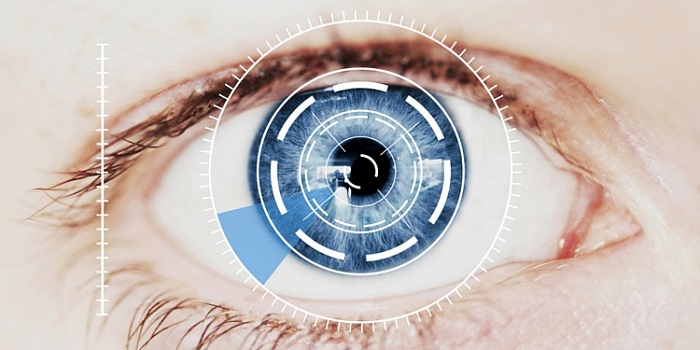
Image source: topnewspress
The first concept to mention is the “Hyper-Imaging System,” a broad-spectrum electromagnetic imaging technology that not only captures images formed by visible light but also simulates electromagnetic imagery beyond this range.
“By using high-performance cameras and other sensors, clinicians can determine whether a medication is suitable for a patient. ‘With this hyper-imaging technology, people are like having a third eye, able to detect clues that we often overlook in daily practice,’ said Rashik Parmar, IBM’s Technical Director.”
Although the hardware for hyperspectral imaging is already available, more work is needed to bring it to market. Instruments capable of broad-spectrum imaging are nothing new; however, IBM’s approach distinguishes itself by simplifying and miniaturizing the technology, reducing manufacturing costs, and employing cognitive algorithms for decoding and visualization, thereby enabling the technology to realize its full potential. Parmar further noted that while IBM currently has many “flashy” inventions, it can rapidly transform them into highly usable products. In medical applications, straightforward examples include using hyperspectral imaging devices for rapid dental examinations or providing richer information for standard medical radiological exams.
Possibly within the five-year timeframe outlined in IBM’s plan, such devices will become your personal experts in pharmacology and toxicology. Ultimately, this advanced imaging technology will be integrated into smartphones, allowing you to scan food or medications before consumption to detect harmful substances or allergens.
Similarly, IBM may also introduce a new AI analytics technology within the next few years: lab-on-a-chip. This device, about the size of a wallet, can analyze bacteria, viruses, or disease-indicating proteins from a single drop of blood or any other bodily fluid.
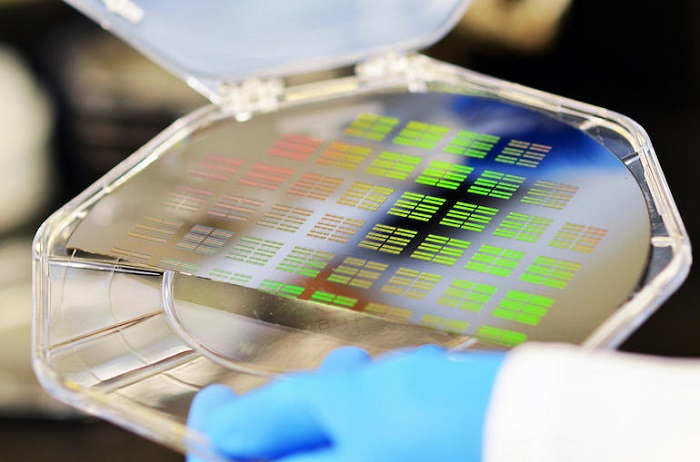
“Lab-on-a-Chip” (Image source: IBM Research)
Parmar stated that IBM began exploring the concept of “nanofibers” six or seven years ago, initially aiming to develop a tool capable of simulating smells. By combining nanofibers with other types of sensors, nanostructures can be used to examine bodily fluids—including saliva, blood, and liquid biopsy samples—to analyze potential diseases. Furthermore, by integrating technologies such as digital manufacturing and 3D printing, IBM can incorporate these sensors into customized probes to facilitate effective analysis.
Compared to blood tests that require weeks of waiting, lab-on-a-chip technology eliminates the time needed to culture viruses to detectable levels, instead directly tracking the most subtle biomarkers via sensors.
The most remarkable aspect of this technology may lie in its ability to inform individuals of their disease risk before symptoms manifest. Taking Alzheimer’s disease as an example, patients experience significant neurological changes long before obvious symptoms appear. Regular blood testing can detect biomarkers at an early stage of Alzheimer’s disease, enabling the prompt initiation of personalized treatment plans.
Although the technology capable of analyzing diseases from a single drop of blood poses a significant challenge to artificial intelligence, the true test for IBM in bringing this product to market lies in the silicon chips, which involve extremely high technical complexity. “The chip’s minimum measurement scale is 20 nanometers, enabling observation of substances such as viruses from a highly refined perspective. However, achieving this level of precision requires tremendous effort in material fabrication.”
Mental illness is another field that requires artificial intelligence technology to carefully digest large amounts of data and transform them into effective medical insights. Over the next two years, IBM will develop a prototype machine learning system capable of diagnosing mental illnesses from human speech.
In the diagnosis of mental disorders, patient speech has long been a critical factor for clinicians in assessing clinical conditions. Features such as speech rate, volume, and linguistic characteristics can all be used to evaluate mental illnesses. IBM has now delegated this analytical task to artificial intelligence, leveraging data from patient–clinician interactions or from text posted by individuals on social media platforms as material for analysis.
IBM can achieve this because it has spent years studying the correlations between psychiatric and psychological disorders and language, establishing a measurement system. “Our current research agenda aims to clarify whether specific word choices in a given passage can help us understand an individual’s mental state,” said Technical Director Parmar.
IBM has long attempted to build medical models: Watson, the “Blue Giant’s” cognitive computing system, made its earliest commercial foray as an assistant to oncologists. Today, the company continues to collaborate extensively with the healthcare industry, developing various prototypes of cognitive healthcare tools. For instance, IBM announced that Jupiter Medical Center, a regional healthcare facility in Florida, would adopt IBM Watson’s oncology clinical decision support technology. Additionally, IBM has partnered with Memorial Sloan Kettering Cancer Center (MSK) on a cancer treatment training program.
In addition to schizophrenia, bipolar disorder, and depression, IBM also acquires data from wearable fitness trackers and medical devices to assist in the diagnosis of neurological disorders such as Parkinson’s disease. Although healthcare professionals are already leveraging wearable data for diagnostic purposes, IBM aims to accelerate this process through machine learning while providing additional insights.
Parmar noted that while wearable data experiments have already been conducted in the United States and Europe, with some professors sharing their experimental data, no one has yet synthesized these datasets to investigate potential correlations or to derive deeper insights from the integrated data. “Leveraging machines to process and integrate this information is precisely the solution to this challenge.”