

Seven Quality-Centric Commercial Opportunities in Radiation Therapy: Medical Innovation Trends Report
Tumor radiotherapy is a local treatment modality that utilizes ionizing radiation to treat tumors. Radiation sources include alpha, beta, and gamma rays emitted by radioactive isotopes, as well as X-rays, electron beams, proton beams, and other particle beams generated by various X-ray therapy units or accelerators. According to data published by the WHO:Approximately 70% of cancer patients require radiation therapy during their treatment, and about 40% of cancers can be cured with radiotherapy.The role and status of radiotherapy in cancer treatment are becoming increasingly prominent, making it one of the primary modalities for treating malignant tumors.
In China, there were 4,292,000 new cancer cases in 2015, among which 3,004,400 newly diagnosed patients required radiotherapy. According to the “Survey on the Basic Status of Radiotherapy in Mainland China in 2015,” a total of 919,339 patient visits for radiotherapy were recorded throughout 2015, accounting for 30.5% of the newly diagnosed patients who needed radiotherapy.
According to statistics from the National Cancer Center, there are approximately 7.5 million prevalent cancer patients in China. Based on an average annual expenditure of RMB 70,000 per patient and a treatment penetration rate of 60%, the market size of China’s oncology medical services is estimated at approximately RMB 320 billion.
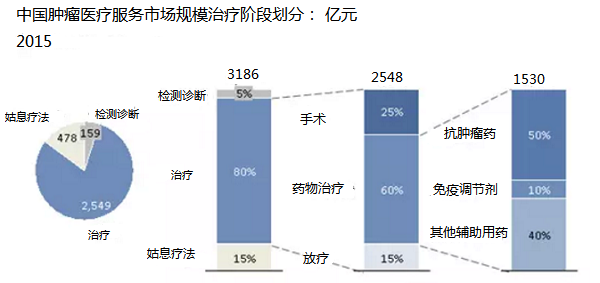
Data Source: National Cancer Center of China, IMS Database (2015)
The mid-stage tumor treatment market constitutes the main body of the oncology medical services market, accounting for 80% of the market share. Based on the three major treatment modalities for tumors,The treatment market can be preliminarily divided into surgery, radiotherapy, and chemotherapy (i.e., pharmacotherapy).Among these, the pharmaceutical therapy market is the largest, with a scale reaching RMB 150 billion. In addition to oncology drugs, immunomodulators and other supportive medications (such as antibiotics, antiemetics, and nutritional support agents) account for 50% of the pharmaceutical market share. In the radiotherapy market, linear accelerators are the primary equipment currently used in China, holding approximately 90% of the market share.
Compared with developed countries such as the United States, cancer treatment in China is characterized by a high proportion of pharmaceutical expenditures, along with low rates of surgery and radiotherapy.
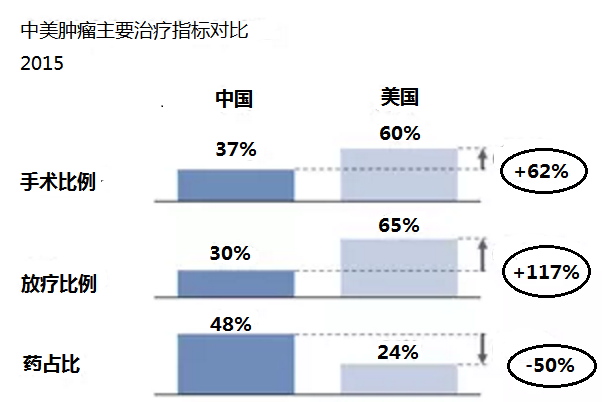
Sources: U.S. National Cancer Institute, California Cancer Registry, literature search
According to the “2015 Survey and Research Report on the Basic Status of Radiotherapy in Mainland China” released by the Radiation Oncology Branch of the Chinese Medical Association, as of January 20, 2016, the number of radiotherapy facilities in mainland China had increased from 264 in 1986 to 1,413 in December 2015.
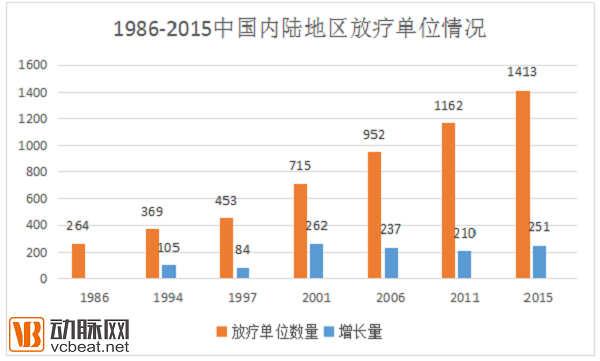
Data source: Survey on the Basic Status of Radiotherapy in Mainland China, 2015
In 2015, the total number of radiation therapy practitioners in China was 50,736, including 15,841 physicians (including oncologists in general hospitals), 3,294 medical physicists, 23,152 nurses, and 8,454 technicians. Compared with 2011, the number of radiation therapy practitioners increased by 63.74%, and the ratio of physicians to medical physicists decreased from 5.24:1 in 2011 to 4.81:1 in 2015 (The relationship between radiation oncologists and medical physicists is akin to that between surgeons and anesthesiologists. Effective anesthesia is a prerequisite for the successful execution of surgery, while medical physics ensures the accurate implementation of radiotherapy plans. Each party fulfills its distinct responsibilities, yet they complement each other and are both indispensable.In developed countries and regions such as the United States, the ratio of medical physicists to radiation oncologists is approximately 1:1.)
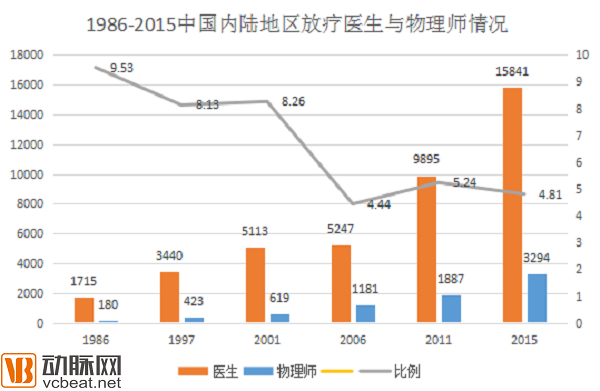
Data Source: Survey on the Basic Status of Radiotherapy in Mainland China, 2015
Data source: Survey on the Basic Status of Radiotherapy in Mainland China, 2015
Number of Accelerators per Million People in Inland Provinces
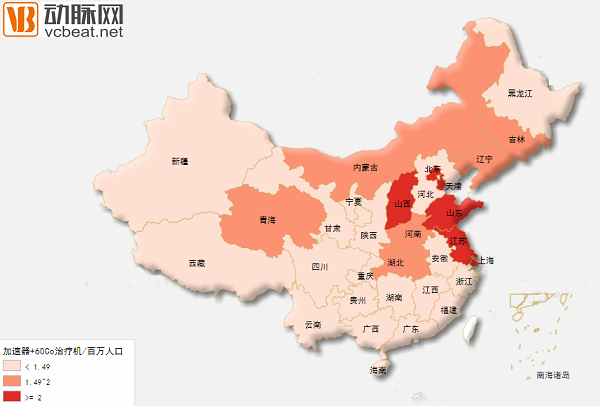
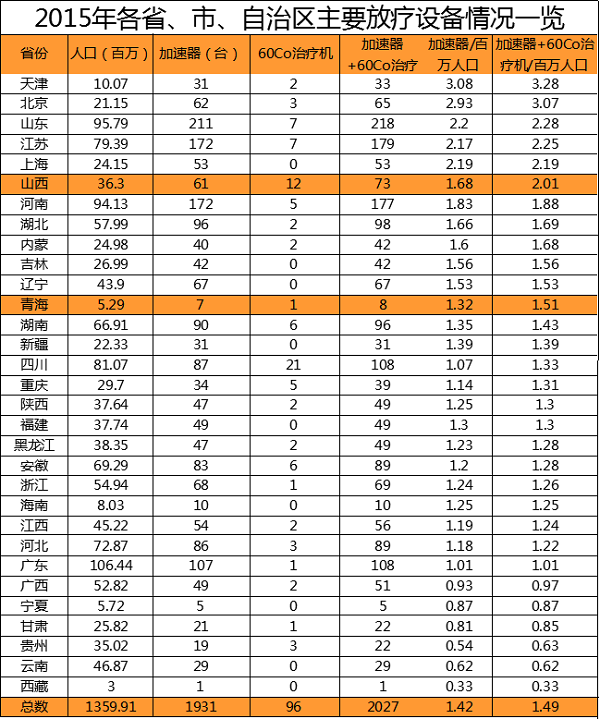
According to the WHO requirement of 2–3 linear accelerators per million people, China should have had 4,200 linear accelerators and 10,000 radiation oncologists by 2020. Currently, the number of linear accelerators per million people in each province is 1.49, with 19 provinces falling below the national average. Only Tianjin, Beijing, Shandong, Jiangsu, and Shanghai have reached the international standard for the number of linear accelerators per million people. In addition,Bottlenecks constraining tumor radiotherapy in China also include a shortage of specialized medical and technical personnel and relatively lagging treatment technologies, underscoring the urgent need to strengthen the systematic, standardized, and procedural development of the radiation oncology discipline.
Internet Plus Radiotherapy Creates New Opportunities
Currently, the linear accelerators used in hospitals across China are predominantly imported devices. While these systems are advanced, they come with a high price tag. It will take considerable time for domestic manufacturers to catch up with international vendors in terms of equipment capabilities, and this is not a sector where most entrepreneurs choose to compete. However, with the aid of the internet,By integrating data and leveraging healthcare informatics and internet-based medical services to enhance the efficiency of hospitals and physicians, ensure radiotherapy quality, and improve physician capabilities, we are exploring a viable approach to address the low rate of radiotherapy utilization in China.According to VCBeat, companies such as Shenzhen InnoCare, Quanyu Medical, Lianxin Medical, Purun Medical, and Yibai are currently employing innovative approaches to address certain challenges in China’s radiotherapy sector.
To succeed in “Internet + Radiotherapy,” one must have hospital resources and data; the utilization of resources depends on the operator’s capabilities,Integrating clinical data is a pressing need for these emerging companies.
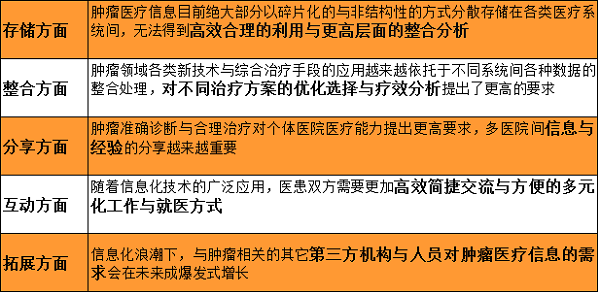
In China, Shenzhen Yinuo is currently the only company that has broken through the technical barriers imposed by foreign manufacturers and mastered the data interface technologies for accelerators of various brands. This breakthrough addresses a critical pain point in radiation oncology departments: the widespread existence of information silos among different accelerator networks, the lack of interoperability of treatment data between accelerators of different brands, the inability to share tumor radiotherapy data, and the difficulty in retrospectively analyzing clinical data.
Integrating Medical Data Across Different Levels
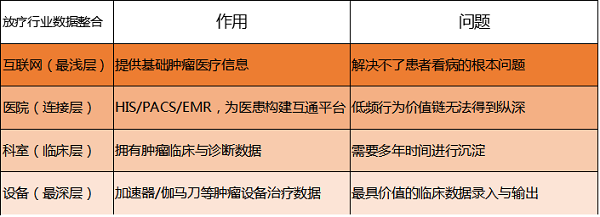
In the oncology radiotherapy industry, informatization can be divided into four levels based on the depth of its integration with medical care,The Superficial LayerAt the internet level, it provides reference and consultation on radiotherapy medical information for patients.Connection LayerIt is a hospital, including systems such as HIS, PACS, and EMR, to build an interconnected platform for doctors and patients.Clinical LayerIt is a department that possesses clinical and diagnostic data for tumor radiotherapy, which requires years of understanding of radiotherapy clinical practice and technical accumulation.
Deepest LayerEquipment refers to tumor radiotherapy devices such as accelerators and Gamma Knife systems, whose treatment data encompass the most valuable clinical data input and output. The collection and organization of data at the clinical and departmental levels are key to healthcare informatization; in particular, achieving interoperability and integration of medical data at the equipment layer presents significant technical challenges.
Given sufficient resources and data, relevant companies can provide services such as quality control, training, scientific research, collaboration, data structuring, and remote diagnosis and treatment.
Internal Momentum from the Demand Side
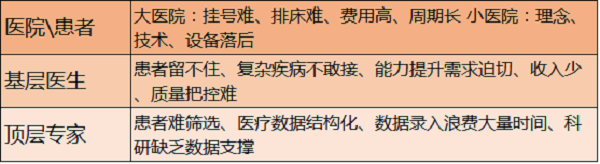
The surge in cancer patients, rising medical costs and the increasing difficulty of accessing care for serious illnesses, the desire of primary-care physicians to enhance their skills and income, and the need for top-tier specialists to improve work efficiency—these pain points have become the intrinsic drivers of industry innovation. As the saying goes, “where there is demand, there is a market.” Entrepreneurs and investors, recognizing these opportunities, are convinced that significant achievements can be made in the field of radiation therapy.
Pain Points in the Field of Tumor Radiotherapy: Hospitals, Patients, Primary Care Physicians, and Top-Tier Experts
Patients' and Physicians' Emphasis on Quality Control
When patients receive treatment within their own districts or counties, they can benefit from medical insurance subsidies and avoid the hardships of travel as well as the logistical inconveniences related to food, clothing, accommodation, and transportation associated with seeking care elsewhere. Nevertheless, why do some patients still choose to seek treatment at large tertiary (Grade 3A) hospitals? Patients prioritize peace of mind; they trust that physicians at major hospitals possess extensive experience and can effectively manage every aspect of their treatment, as their primary concern is the therapeutic outcome. Therefore, if physicians can ensure the quality of radiotherapy and provide precise treatment plans throughout the entire course of therapy, and if medical physicists can adhere strictly to standardized operational protocols, patients will not need to endure the burden of traveling back and forth for care.
High Healthcare Costs Drive the Implementation of Telemedicine
High healthcare costs drive the implementation of telemedicine; this is illustrated with an example below:
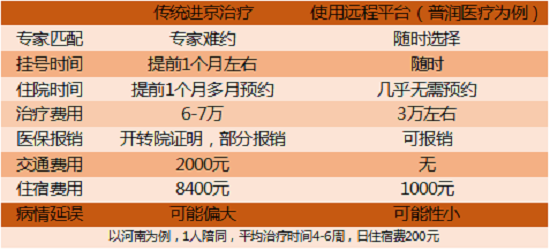
Based on the information provided by Purun, a comparison clearly shows that the cost of seeking medical treatment in Beijing is approximately RMB 80,000, with reimbursement uncertain. In contrast, using a remote consultation platform costs around RMB 30,000 and is eligible for reimbursement. This significant disparity drives the implementation of telemedicine.
The Importance of Structured Medical Data
In an era marked by the rapid advancement of artificial intelligence and robotics, structured medical data has become a highly sought-after asset. As data serves as the foundation for technological innovation, AI systems are effectively starved without it. Furthermore, IT companies, insurance providers, pharmaceutical firms, and hospitals all rely on structured medical data to support scientific research, drug development, and healthcare cost containment. Consequently, the acquisition of structured medical data, along with efforts to optimize and reduce data storage costs, has driven the adoption of big data applications within the healthcare industry.
Furthermore, the manual entry of data constitutes a waste of high-quality medical resources. The expertise of specialist physicians should be dedicated to patient care—specifically diagnosis and surgical planning—rather than being squandered on extensive data recording. However, in addition to teaching and administrative duties, physicians are required to input documentation into various hospital systems. Data entry accounts for approximately 60% of their working hours, leaving little time for clinical practice and scientific research.
Urgent Need for Physicians to Enhance Their Professional Competencies
On December 11, 2016, the inaugural National Workshop on Advances in Radiation Therapy Techniques and Target Volume Delineation concluded successfully in Qingdao. The three-day conference was fully attended at every session, with over 500 participants in person and more than 2,000 viewers watching the live stream online. This strong turnout clearly demonstrates the importance of target volume delineation and the urgent need among grassroots physicians to enhance their skills.Experts at major hospitals are overwhelmed by patient volumes, whereas physicians at primary-care hospitals see fewer patients. This disparity not only leads to income gaps but also serves as a motivator for professional growth, as most physicians aspire to advance their careers. Grassroots medical practitioners require a reliable platform to learn from expert specialists, improve their clinical expertise, and thereby gain both professional recognition and economic benefits.
Data Openness, Technological Maturity, and Policy Support Create Conditions for Innovation
In recent years, medical data from public hospitals has gradually migrated to public cloud platforms, signaling a trend toward greater openness of healthcare data. Meanwhile, artificial intelligence (AI) technology has become increasingly mature and is being applied across various sectors, with many of China’s major national science and technology initiatives strategically focusing on AI.
Furthermore, advancements in accelerator data interface technology, VR/AR, cloud computing, and natural language processing are playing a disruptive role in areas such as image display, data recognition, storage, transmission, sharing, and information security.
In the past two years, an increasing number of entrepreneurs have returned to China to start businesses, drawn by favorable developments such as the opening up of medical data, the maturation of various innovative technologies, and the introduction of supportive government policies.
Seven Major Business Opportunities Representing Innovation Trends
Driven by both internal and external forces, innovation in the field of radiation therapy is accelerating. Based on a review of startup projects in this sector over recent years, combined with market demands and technological trends, VCBeat believes that the industrial innovation trends and commercial opportunities arising from the integration of radiation therapy with internet healthcare will primarily manifest in the following areas:
Quality Control via the Radiation Oncology Department Information System
The process of radiation therapy isFormulation of Radiotherapy Plan -- Acquisition of Imaging Data -- Delineation of Radiotherapy Target Volume -- Calculation and Optimization of Radiotherapy Plan -- Verification and Implementation. In traditional treatment approaches, if patients are fortunate enough to work with skilled radiation oncologists and medical physicists, quality control throughout the entire treatment process is ensured by physicians; however, insufficient physician experience can be detrimental to patient outcomes. For instance, among radiotherapy-related startups, companies such as Lianxin Medical and Quanyu Technology have made quality control their core business focus.
A Radiation Therapy Information System integrates and interfaces data generated by various independent subsystems and stages throughout the radiotherapy process, enabling control and management of the treatment workflow while ensuring quality assurance in radiation therapy.This includes quality control of equipment, dose verification, and management of the treatment process.
Quality Control of Equipment: The Radiation Oncology Information System provides an equipment management module that can record and query daily monitoring reports, automatically log equipment failures and trigger alarms, and automatically publish information on treatment machine faults.
Dose Verification: This oncology information system also incorporates an independent third-party dose engine parameter verification mechanism to ensure the accurate transmission of irradiation parameters. Lianxin Medical employs an independent convolution-based algorithm to establish a rapid dose calculation algorithm for dose verification and control.
Management of Treatment Process: From the moment patients register at the hospital, tracking, monitoring, verification, and aggregation of their various treatment and billing information commence. A process audit mechanism is introduced to conduct reviews and confirmations at each stage of the radiotherapy workflow, ensuring that input and output information at every step is effectively safeguarded and that data transmission between processes is accurate and error-free.
There is also a physician collaboration system abroad: Oncora Medical, a digital health company based in Pennsylvania, USA, announced last year that it had completed a $1.2 million seed funding round.
The software platform developed by Oncora Medica, after collecting and utilizing data related to patients undergoing radiotherapy,Can assist physicians in tailoring treatment plans to individual patients, providing personalized care.Once all relevant patient data is automatically aggregated from the cancer center into Oncora Medica, it is seamlessly presented to physicians through clear visualization tools. Furthermore, each new patient’s data is matched with historical data from patients with similar profiles, thereby providing robust support for the formulation of treatment plans. Thus, the core value of the service launched by Oncora Medica lies in enabling physicians to leverage valuable past experience to enhance future quality of care.
Building a Radiotherapy Data Center
The low proportion of radiotherapy cases is partly due to a shortage of specialist physicians and partly because the informatization of radiotherapy departments has not yet been completed. Currently, radiotherapy equipment in hospitals is almost exclusively supplied by foreign manufacturers, primarily Varian Medical Systems, Elekta, and Accuray. Radiotherapy devices are expensive, and few domestic hospitals are willing to allow startups to experiment with this equipment for fear of disrupting normal operations the following day. Furthermore, China lacks core technologies related to radiotherapy equipment, making it difficult to master the data interface technologies of accelerators from various brands. Consequently, data integration remains challenging.
Currently, only one company in China—Shenzhen InnoCare—has broken through the technical barriers of foreign manufacturers and mastered data interface technologies for accelerators from various brands.
After mastering interface technology,Yinuo has achieved the recording and verification of treatment data for various therapeutic devices, such as linear accelerators, the automated collection and recording of clinical data, and the integration of healthcare data at the hospital level.. It contains patient diagnosis and treatment information, enabling structured electronic storage and management of comprehensive oncology medical records, optimization of radiotherapy workflows and quality control management, as well as comprehensive analysis, thereby improving the efficiency and quality of work for healthcare professionals and providing comprehensive data support and analysis for clinical practice, management, and scientific research.
Lianxin Technology’s Oncology Clinical Data Center also systematically and standardizes the collection of oncology data, converting various unstructured data into structured formats to facilitate big data analytics. This enables oncology professionals to collect and retrieve cancer patient data during treatment with the support of the oncology data cloud platform, thereby providing more robust data and technical support for research by oncology scientists and clinical cancer treatment by physicians.
Telemedicine Platform for Radiotherapy: Empowering the Enhancement of Primary Care Radiotherapy Capabilities
In 2017, spurred by supportive policies, primary healthcare is poised to enter a phase of rapid implementation and growth. Leveraging telemedicine to enhance radiotherapy capabilities at the primary care level represents the most expedient approach to elevating the overall standard of primary healthcare.
Currently, there are two models in China for radiotherapy telemedicine platforms among startups,One is Purun Medical’s business-to-consumer (B2C) model.: Through Purun Medical’s platform, once a patient is diagnosed with cancer, there is no need to seek treatment in major cities such as Beijing, Shanghai, or Guangzhou. Primary care physicians can use Purun Medical’s mobile app and web-based system to transmit the patient’s medical records and imaging data to radiation oncology experts. These experts determine whether radiotherapy is indicated, formulate the radiotherapy plan, and perform precise delineation of the target volume. The experts’ response time is within 24 hours.
Alternatively, physicians can facilitate real-time video consultations with specialists based on patient requests. Using the Purun Cloud Delineation Platform, every step of the specialist’s target volume delineation is demonstrated in real time on the screen of the primary care physician. Meanwhile, patients can also review the treatment plan or any modifications made to the target delineation. The response time for this service is 48 hours.
Another is Lianxin Medical’s remote therapy platform for B-side clients.: The platform can seamlessly integrate with various existing commercial linear accelerators to deliver more precise, automated, and rapid personalized clinical radiotherapy regimens for cancer patients. This aims to improve the curative rate of radiotherapy, reduce radiation-induced damage to normal tissues, and enhance the quality of life for cancer patients. For oncologists and researchers, the platform provides a comprehensive analytical framework that drives scientific advancement in radiotherapy.
Establishment of Online and Offline Training Systems
Radiotherapy equipment in large and medium-sized hospitals in China has reached the most advanced international level, but efforts are still needed to elevate the standard of radiotherapy to that of developed countries. Radiation oncologists and medical physicists bear the significant responsibility of improving radiotherapy efficacy, ensuring radiation safety, and catching up with and surpassing advanced international standards in radiotherapy. Their professional knowledge, skills, and perspectives require continuous updating to remain aligned with global advancements.
Currently, there are three training methods for physicians and medical physicists.One type is offline training sessions., convene personnel for training to provide grassroots physicians with opportunities to learn from experts. This approach is relatively traditional. Additionally,One is online training., with the popularization of internet live streaming, leveraging the internet for training represents a novel approach. Currently, Quanyu Medical has established a precision cloud radiotherapy training platform.
Platform training content includes: 1. Quality control of radiotherapy; 2. Quality control of measurement/verification tools; 3. Quality control of image-guided radiotherapy; 4. Quality control of TPS; 5. Quality control of radiological dosimetry; 6. Quality control of radiotherapy processes. The online live broadcast training plan for Phase I consists of 6 sessions, once a month, over a period of one year. After each session, there will be a 30-minute Q&A exchange online.
Among these two approaches, QuanYu Healthcare has established the most systematic framework to date and regularly conducts corresponding training programs.
Another model is exemplified by Purun: when experts delineate target volumes for primary-care patients through grassroots physicians, these physicians themselves undergo training and practical exercise. Although this approach lacks systematic structure, frequent interaction with experts naturally enhances the professional competence of grassroots physicians.
The Integration of Artificial Intelligence and Radiation Therapy
In 2017, artificial intelligence technology had gradually matured and began to be applied across various sectors of healthcare. AI possesses inherent advantages over humans in the field of image recognition, and with the continuous accumulation of data, AI-assisted treatment plans started to emerge.
Lianxin Medical Develops an AI-Assisted Treatment Plan: Using traditional algorithms, it takes doctors 4–5 hours to identify the target volume of a head tumor. Currently, Lianxin Medical’s artificial intelligence algorithm can automatically delineate the target volume in just 10 minutes, then automatically plan radiotherapy and surgical protocols, evaluate the simulated therapeutic efficacy of radiotherapy or surgical plans, and provide these results for physicians’ reference.
The Emergence of Third-Party Radiotherapy Centers and Physician Groups
The primary reasons for the establishment of third-party radiation therapy centers are:
1. The radiation oncology departments in traditional healthcare settings are unable to meet the growing demand from patients in China, particularly given the severe shortage of adequately qualified radiation oncologists and medical physicists at primary-care hospitals;
2. In recent years, as healthcare reform has accelerated and deepened, a series of favorable policies have been introduced, and the implementation of medical insurance has been strengthened; the time is ripe for the internet to enter the healthcare industry;
3. The development of mobile internet, the widespread adoption of smart hardware terminals, and the improvement of internet infrastructure have provided fertile ground for explosive growth in connecting healthcare providers and patients within the remote radiation oncology industry.
4. The relaxation of policies on physicians’ multi-site practice has enabled more high-caliber doctors to build their own brands. However, since clinical care requires physical medical facilities, this trend has also spurred the emergence of third-party radiation therapy centers.
VCBeat previously reported that Yibai Pharmaceutical recognized this opportunity and transformed to build an oncology treatment ecosystem centered on physician groups and third-party solid tumor centers. The physician group comprises three tiers:
Tier 1: National Physician Group, bringing together renowned oncology experts across China to provide technical support and treatment plans;
Level 2: Provincial Physician Groups—physician groups operating within individual provinces and municipalities, which are affiliated with the Physician Group and can provide technical and personnel support to the lower tier.
Level 3: Partnership enterprises, where individual physicians establish organizations and undertake business operations, also affiliated with the physician group.
Merely establishing a physician group holds limited value, as physicians must have a physical, asset-heavy healthcare system as their practice platform; otherwise, standalone physician groups will inevitably face constraints. However, pure physician groups generally struggle to secure sufficient capital to develop such asset-heavy medical infrastructure. Therefore, Yibai Pharmaceutical’s cooperative model for oncology physical centers addresses this challenge.
Yibai Pharmaceutical has acquired, taken trusteeship of, or partnered with oncology hospitals and treatment centers through various models to address the issue of practice locations for physicians. Under this model, physician groups can even engage directly in project trusteeship arrangements with hospitals. For instance, if an oncology department at a hospital is constrained by its own technical limitations, it may fully entrust its management and operations to a physician group, which then generates profits through revenue-sharing agreements.
In Vitro Monitoring of Radiotherapy Side Effects via Body Fluid Testing
DiaCarta’s RadTox QuantiDNA™: A Cutting-Edge Precision Testing Platform for Monitoring Radiotherapy Response in Cancer PatientsDiaCarta, a U.S.-based biotechnology company, offers the RadTox QuantiDNA™ platform, a cutting-edge precision testing technology and product suite designed to monitor radiotherapy response in cancer patients. This technology enables direct detection and quantification of nucleic acids from body fluids without the need for DNA or RNA purification. Leveraging its proprietary QuantiDNA™ technology, DiaCarta directly detects circulating cell-free DNA (cfDNA) in patient plasma to monitor radiation response and the extent of systemic tissue damage during radiotherapy.
This method enables direct monitoring of the severity of side effects and tumor response within days of initiating radiotherapy, thereby addressing an unmet medical need in the field of cancer radiation therapy.
Summary of Startup Financing in the Radiotherapy Sector: Domestic and International
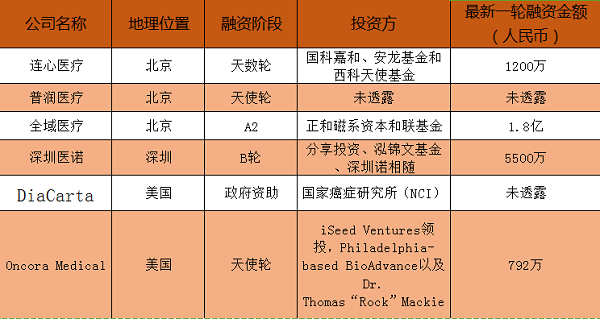
VCBeat has compiled a list of domestic and international radiotherapy startups that have recently disclosed their financing details. There are not many startups focused exclusively on radiotherapy, either in China or abroad:
1)Most projects are in the early stages of financing;
2) Most startups in the field of radiation therapy target business-to-business (B2B) clients;
3) Governments both in China and abroad provide strong support for the radiotherapy sector; Shenzhen Inno has received RMB 30 million in government awards, and the U.S. company DiaCarta has also secured government funding;
Among domestic startups, Quanyu Medical, backed by Taihe City, possesses extensive hospital resources and has achieved the fastest growth. In earlier articles published by VCBeat, Quanyu Medical stated its aim to cover 50% of radiotherapy units across China. As the only company in China that masters data interface technologies for accelerators from various manufacturers, Shenzhen Yinuo has accumulated 12 years of expertise in the field of radiotherapy and holds distinct technological advantages.
Lianxin Technology’s AI-assisted treatment plans will constitute its competitive advantage in the future. Purun Medical may appear to operate on an internet-based consultation model, but it is deeply integrated into the core of radiation therapy. Its goal is to assist primary-care physicians in target volume delineation; accurate delineation accounts for half the success of a radiation therapy plan.
Appendix to the Report
Having accumulated 12 years of expertise in the field of oncology radiotherapy, Shenzhen Inno has completed three rounds of financing, each amounting to approximately RMB 100 million:http://www.vcbeat.top/35431
Dedicated to building and delivering precise cloud-based radiotherapy systems and services, with comprehensive medical planning covering 50% of radiotherapy units:http://www.vcbeat.top/35406
[Exclusive] Lianxin Medical Secures RMB 12 Million in Angel Funding to Apply AI and Big Data in Tumor Radiotherapy:http://www.vcbeat.top/35279
Former Alibaba Health Executives Co-Found Purun Medical to Boost Radiotherapy Capabilities at the Grassroots Level:http://www.vcbeat.top/35438
In-Depth: Establishment of a Physician Group Marks the Initial Formation of Yibai Pharmaceutical’s Comprehensive Oncology Ecosystem:http://www.vcbeat.top/32049
DiaCarta Secures Innovative Funding from the U.S. National Cancer Institute, Paving the Way for In Vitro Detection of Radiotherapy Response:http://www.vcbeat.top/34991