

Four Breakthrough Medical Technologies from MIT Technology Review's 2017 List File for IPO
Four Medical-Related Technologies from the 2017 Top 10 Breakthrough Technologies List Published by MIT Technology Review
Recently, MIT Technology Review released its list of the Top 10 Breakthrough Technologies of 2017. The MIT Technology Review’s annual list of Top 10 Breakthrough Technologies has been published for over 16 years and is widely recognized for its significant global influence and authority. Each year, some of the technologies featured have already found practical applications, while others still require more time to mature. Nevertheless, their importance is undeniable; they are poised to exert a profound impact on our economic and political lives in the future, and may even fundamentally transform the cultural fabric of society as a whole.
VCBeat has compiled four breakthrough technologies related to healthcare from online content, anticipating that these new technologies will bring greater transformation to future medical care.
Gene Therapy 2.0
Technological Breakthrough: The U.S. is Set to Approve the First Gene Therapy, with More Gene Therapies in Development and Under Review.
Significance: Many diseases are caused by single-gene mutations, and novel gene therapies can provide a complete cure for these conditions.
Maturity Stage: Present
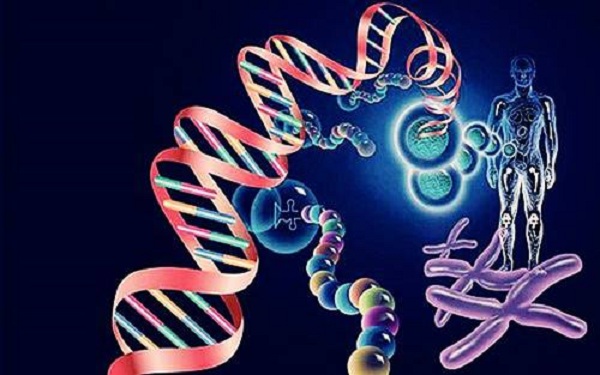
For decades, researchers have been pursuing the dream of gene therapy. The promise of gene therapy is compelling: using engineered viruses to deliver healthy copies of relevant genes into patients carrying defective genes. However, to date, gene therapy has brought more disappointment than hope. In 1999, Jesse Gelsinger, an 18-year-old patient with a liver disorder, died in a gene therapy trial, causing the entire field of gene therapy to stagnate.
The failures of early gene therapies were partly attributable to their delivery mechanisms, as the new genetic material (modified genes) and the viral vectors carrying them into cells were erroneously integrated into other locations within the genome. This misintegration could activate oncogenes in certain patients or trigger excessive immune responses, leading to multi-organ failure and brain death.
But now, some key challenges have been resolved, and gene therapy is poised to see the light of day. Researchers have employed more efficient viral vectors to deliver new functional genes into cells.
Currently, gene therapies for two genetic disorders—Strimvelis for the treatment of a form of severe combined immunodeficiency (SCID), and Glybera for the treatment of a disorder causing fat accumulation in the blood—have been approved by the relevant regulatory authorities in Europe.
In the United States, Spark Therapeutics is poised to become the first gene therapy startup to enter the market, having developed a gene therapy for progressive blindness. Many other gene therapies under investigation are targeting the treatment of hemophilia and epidermolysis bullosa, a hereditary skin disorder.
Although gene therapies have already been developed for several relatively rare diseases, it is more challenging to develop corresponding gene therapies for common diseases with complex genetic etiologies.
For diseases such as severe combined immunodeficiency (SCID) and hemophilia, scientists have clearly identified the precise genetic mutations that cause the disease. However, conditions like Alzheimer’s disease, diabetes, and heart failure involve multiple genes, and the corresponding genetic mutations are not identical across different patients with the same disease.
Currently, the major researchers in this field include Spark Therapeutics, BioMarin, GenSight Biologics, Bluebird Bio, and uniQure.
Cell Atlas
Technical Breakthrough: A Complete Catalog of All Cell Types in the Human Body.
Why It Matters: Ultra-precise human physiology models will accelerate new drug development and trials.
Maturity Period: 5 years
It is reported that scientists are constructing an ultra-detailed “Human Cell Atlas,” which defines living cells based on their intracellular contents. To accomplish the task of decoding the 37.2 trillion cells in the human body, an international consortium of scientists from the United States, the United Kingdom, Sweden, Israel, the Netherlands, and Japan is allocating responsibilities. These include characterizing the molecular profile of each cell and assigning every cell type a specific “zip code” within the spatial context of the human body.
The execution of cell atlas research is primarily carried out by top-tier research institutes, including the Wellcome Sanger Institute in the UK, the Broad Institute of MIT and Harvard, and a newly established “Biohub” institute in California funded by Facebook CEO Mark Zuckerberg. Last September, Zuckerberg and his wife, Priscilla Chan, designated cell atlas research as the first priority of their $3 billion donation for medical research.
Research Institutions: Broad Institute, Sanger Institute, Chan Zuckerberg Biohub
Curing Paralysis
Technical Breakthrough: Wireless Brain-Body Electronics Can Bypass Nervous System Damage to Restore Movement.
Significance: Millions of people worldwide are afflicted by paralysis, constantly yearning to be freed from the burden of this disease.
Maturity Period: 10 to 15 years

Curing Paralysis: The Breakthrough Lies in Wireless Brain-Body Electronics That Bypass Nervous System Damage to Restore Movement. Its significance is profound, as millions of people worldwide suffer from paralysis and constantly yearn for relief from this debilitating condition.
In addition to treating paralysis, scientists hope to use so-called “neural prostheses” to restore vision by implanting chips in the eyes, or to restore memory in patients with Alzheimer’s disease.
Compared to the highly mature cochlear implant, using “neural prostheses” to ameliorate paralysis poses greater challenges. In 1998, a patient used a brain probe to move a computer cursor, but this achievement lacked broader practical applications. The technology remains too rudimentary, too complex, and confined to laboratory settings.
“Although it is complex and progress has been slow, neural bypasses remain highly significant, and patients have strong expectations for them,” said Donoghue. “People hope to restore their daily lives.”
Major Research Institutions: École Polytechnique Fédérale de Lausanne (EPFL), Wyss Institute for Biologically Inspired Engineering at Harvard University, University of Pittsburgh, Case Western Reserve University
Beyond the three aforementioned technological applications in healthcare, 360-degree selfies can also be utilized in the medical field. Giblib, a startup based in Los Angeles, has developed a 4K panoramic camera specifically for medical use, enabling medical students to learn surgical procedures through the imagery it captures.
Content source: DeepTech, Huxiu.com, and other internet websites