

IBM Launches First Cognitive Imaging Product, Watson Imaging Clinical Review, to Aid Cardiologists in Identifying Missed Diagnoses
Recently, IBM launched its first cognitive imaging product under Watson Health—IBM Watson Imaging Clinical Review—at HIMSS17, and announced the expansion of its Watson Health Medical Imaging Partner Program to 24 organizations worldwide, incorporating clinical and industry expert expertise into global initiatives addressing ocular, neurological, thoracic, cardiac, and related conditions.
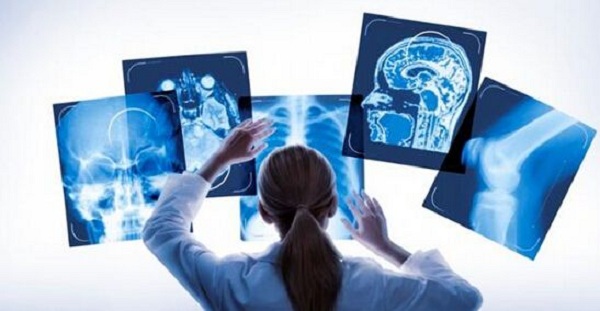
This product can analyze medical data, including images, to help physicians identify the most critical conditions requiring immediate attention.
of this productThe first application target is cardiovascular disease., beginning with a common condition known as AS—aortic stenosis. AS affects 1.5 million Americans and occurs when the heart’s aortic valve narrows, impeding blood flow to the rest of the body and causing shortness of breath, fatigue, and chest pain. A pilot study found that Watson Clinical Imaging Review can help healthcare providers identify potential AS patients who had not previously been flagged for follow-up treatment of coronary artery disease.
It is understood that IBM will add nine additional cardiovascular conditions to this version, such as myocardial infarction (heart failure), valvular heart disease, cardiomyopathy (diseases of the heart muscle), and deep vein thrombosis.
Second Application: Watson Imaging Clinical Review based on the patient's condition,Help hospital administrators identify patients requiring follow-up care and ensure the completeness of EMR data.It employs cognitive text analysis to read structured and unstructured information from cardiologists’ medical reports, integrates it with diverse data from other sources (such as EMR problem lists), and extracts relevant information to verify whether key data—including diagnostic findings—are accurately reflected in the health records.
The Watson Health Medical Imaging Partnership comprises leading health systems, academic medical centers, private radiology practices, mobile radiology service providers, and imaging technology companies that are exploring various ways to leverage medical imaging technologies to identify and predict the risk of cancer, diabetes, eye, brain, and heart diseases, as well as related conditions.
“For Watson to continuously train and develop cognitive imaging solutions to address urgent global health challenges, collaborations in medical imaging are essential,” said Anne Le Grand, Vice President of the Imaging Division at Watson Health. “Collaborating members designed and organized the data for Watson Imaging Clinical Review, which we announced today at the HIMSS17 conference.”
Nadim Michel Daher, Medical Imaging and Informatics Analyst at Frost & Sullivan, stated: “Watson Imaging Clinical Review is an AI-driven targeted tool., enabling providers to standardize treatment implementation across their organizations and gradually accumulate a substantial body of critical, reproducible outcomes within their patient populations. In this process,“It can help organizations implement a personalized treatment approach based on population health.”
Ricardo C. Cury, M.D., Director of Cardiac Imaging at Baptist Health of South Florida, and Chairman and CEO of Radiology Associates of South Florida, stated: “Overall, this cognitive tool offers significant benefits to hospitals and physicians by providing insights that are currently unavailable, and”“Its workflow aligns with our way of working.”
Watson Health Medical Imaging Collaboration Program members include:
Froedtert & the Medical College of Wisconsin, IDx LLC, Priva Cors Strategic Radiology, Sutter Health, Pacific Radiology Group, University of Michigan, and University of Virginia Health System are founding members, along with Agfa HealthCare, Anne Arundel Medical Center, Baptist Health South Florida, Eastern Virginia Medical School, Hologic, Inc., ifa systems AG, inoveon, Radiology Associates of South Florida, Sentara Healthcare, Sheridan Healthcare, Topcon, UC San Diego Health, University of Miami Health System, University of Vermont Health Network, vRad (a subsidiary of MEDNAX (NYSE: MD)), and Merge, an IBM company.