

Washington University's ErythroMer Artificial Blood: A Universal, Lyophilized Oxygen Carrier Poised for Clinical Trials
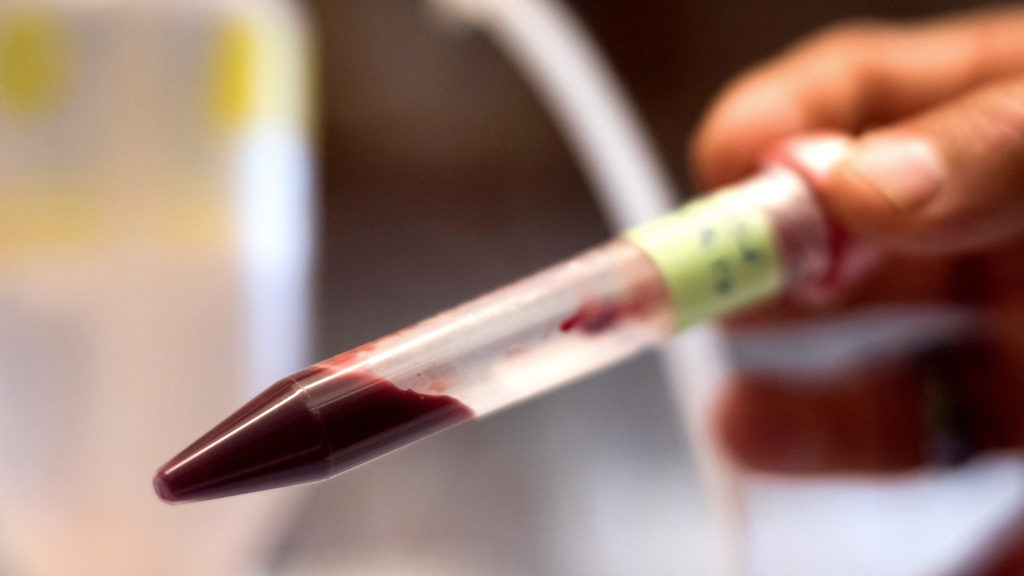
Artificial blood developed by Dr. Allan’s laboratory can be lyophilized into a powder and then reconstituted with sterile water for use when needed.
Due to insufficient blood donations and the threat of HIV and other pathogens, the shortage of blood products has long been a challenging issue. Thanks to the application of new technologies, artificial blood may be widely used in emergency surgeries and the treatment of hematological disorders within a decade, thereby addressing the longstanding shortage of blood products.
Scientists have been striving to develop artificial blood to replace some or all of the functions of natural blood.However, this seemingly simple red viscous liquid cannot be easily mimicked, let alone surpassed. Fortunately, scientists have become more resilient in the face of setbacks, and with the integration of emerging technologies, they may soon crack this major medical challenge. VCBeat (WeChat ID: vcbeat) provides you with a detailed analysis of the latest trends and developments in this cutting-edge biotechnology.
A scene from Dr. Allan’s laboratory in St. Louis—while injecting red blood cells into test tubes, researchers used micro-instruments to measure the response of rabbit aortas and calculate the intensity of aortic contraction. Dr. Allan and his team are working to ensure that the responses of the rabbits’ aortas remain consistent with pre-injection baseline levels after administration of their developed artificial blood.
The recent trials are not only part of the numerous studies conducted by the team but also signal that, following these preliminary experiments, they will proceed to test blood substitutes in humans. Furthermore, these efforts demonstrate the initial steps of their experimental concept, which, with good fortune, may help them emerge from the shadow of decades of failures in this field.
“People have been striving to develop blood substitutes for five or six decades, but to no avail,” said a pediatric intensive care physician who is also a researcher at Washington University in St. Louis.
The demand for this product is clear. Hemorrhage resulting from traumatic injuries causes thousands of deaths annually, and even among survivors, hypoxia can lead to permanent tissue damage. Fresh blood has a shelf life of only 42 days and remains viable for merely a few hours without refrigeration. Blood substitutes are therefore critical in settings such as battlefields or remote areas, where access to blood products is limited. These substitutes can temporarily sustain patients’ lives until they can be transported to a hospital.
However, researchers from academia and the biopharmaceutical industry have suffered significant setbacks in the development of blood substitutes. Several companies have abandoned this line of research, including Baxter, Northfield Laboratories, and Biopure.Researchers developing artificial blood are not aiming to create a true blood substitute, as it does not possess all the functions of natural blood; rather, they seek to provide a means of delivering oxygen throughout the body.。
A key question is: Hemoglobin is the protein in red blood cells that transports oxygen from the lungs to tissues requiring oxygen, but it can damage tissues and cause vasoconstriction. This is why hemoglobin must remain within cells, serving to isolate both hemoglobin and toxic iron.
Any successful blood substitute would deliver oxygen while avoiding the harms associated with hemoglobin. In past attempts, scientists sought to modify hemoglobin to make it safer,However, to date, no blood substitutes have been approved for use in the United States or Europe.. (Hemopure is a product of oxygen therapy and serves as a blood substitute, currently used in South Africa. A clinical trial based on stem cell substitutes is expected to be conducted in the UK this autumn.)
Dr. Allan and his colleagues did not modify hemoglobin; instead, they encapsulated it within a synthetic polymer designed by Dipanjan Pan, one of Dr. Allan’s collaborators from the University of Illinois at Urbana-Champaign.
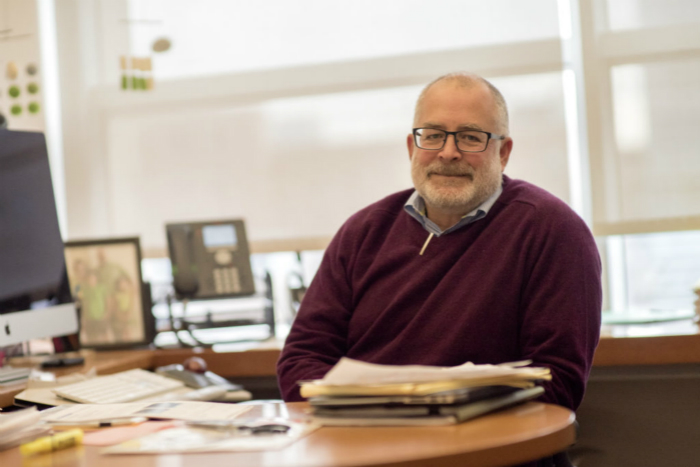
In his office at Washington University in St. Louis, Dr. Allan is working to develop synthetic blood that can be used in hospitals without relying on human blood donations.
They hope that the blood substitute known as ErythroMer will not cause vasoconstriction in this scenario. Vasoconstriction would increase the risk of heart attack and stroke. Meanwhile,ErythroMer detects where oxygen needs to be delivered based on blood pH levels, transporting oxygen from the lungs to the areas of greatest need.. It is like the electromagnet in a car scrapyard, lifting wrecked cars from one location and setting them down in another.
If successful, ErythroMer can be lyophilized into a powder for safe storage over multiple years and reconstituted with sterile water when needed. ErythroMer is “stealth-immune,” meaning it evades immune system attacks and is compatible with all blood types.
Other scientists believe that,ErythroMer appears to be superior to previous alternatives in certain aspects; however, encapsulating hemoglobin within various materials is not a novel innovation introduced by ErythroMer.To date, no one has been able to crack the challenges faced in the development of artificial blood, and the research team remains at a loss.
“It’s not as easy as it sounds,” said Dr. Ernest Moore, Vice Chair of the Trauma and Critical Care Research Division at the University of Colorado Denver, who has participated in clinical trials of other blood substitutes.
Mark Scott, a senior scientist at Canadian Blood Services, has raised concerns about the diminutive size of ErythroMer particles, each of which is approximately half the size of a normal red blood cell. Scott noted that this increases the risk of leakage from the bloodstream into surrounding tissues. He explained that when individuals experience significant blood loss and go into shock, their blood vessels become even more “leaky.”
“These are the issues you really need to focus on,” said Scott, who also works at the Centre for Blood Research at the University of British Columbia. “Could the size of ErythroMer cause extensive vascular leakage? As long as the hemoglobin within the cells remains stable, will it not induce acute or chronic toxicity?”
Both Dr. Scott and Dr. Allan noted that one advantage of the miniaturized structure of blood substitutes is their potential use in treating patients with sickle cell disease. During a sickle cell crisis, misshapen red blood cells can severely disrupt blood vessels; ErythroMer may be able to bypass these obstructions to deliver oxygen. Dr. Allan also proposed the idea of using it to oxygenate organs during transplantation surgery.
In addition to overcoming biological barriers,The ErythroMer team must ultimately persuade regulatory authorities that their product is safe for use in human clinical trials.Of course, this primarily hinges on the success of animal trials. Several scientists have indicated that the FDA appears hesitant to approve new rounds of trials for blood substitutes; given concerns over the safety of previous products, some argue that this caution is justified. Furthermore, clinical trials related to trauma treatment frequently encounter ethical issues surrounding informed consent.
In an email, an FDA spokesperson stated that although studies on such products indicate they are insufficiently safe and have suboptimal efficacy, the FDA acknowledges their “In situations where patients require blood transfusions but blood is unavailable or unusable, these products can be life-saving.”. She stated that future clinical studies “remain possible.”
However, research on humans still has a long way to go, researchers say. So far, Dr. Allan and his team have received support from the Department of Defense and presented their findings in rodents at a scientific conference. As they conduct ErythroMer trials in larger animals, they also have their own questions, starting with rabbits: Will ErythroMer damage other cells in the blood? Will it interfere with the coagulation process? Regarding the prospects for clinical application, Dr. Allan is rather cautious. They are applying for clinical trials, and if these proceed smoothly, this instant-dissolve artificial blood is expected to be widely used in clinical practice within the next decade.
The team has established a company named KaloCyte (Greek for “good cell”) with the aim of conducting further research.Dr. Allan likened the company’s establishment to the transition from a craft beer brewery to a Budweiser factory producing St. Louis-style blends, marking a leap forward in both scale and standards.Dr. Allan stated that the handcrafted beer is “produced with care, batch by batch, by graduate students.”
In addition, stem cell-based hematopoiesis and bovine hemoglobin-based blood substitution technologies have played a significant role in the development of artificial blood; a brief overview is provided below.
Stem Cell-Derived Artificial Blood: Still a Hot Topic
The use of stem cells to treat human diseases has become a hotspot in life and health research. In the process of developing artificial blood, scientists have naturally not overlooked the nearly “omnipotent” stem cells.
For over a decade, scientists from multiple countries have leveraged their respective expertise to mass-produce red blood cells with oxygen-binding capabilities using human hematopoietic stem cells, embryonic stem cells, and induced pluripotent stem cell technologies. Their goal is to eventually develop artificial blood capable of replacing normal red blood cells. While numerous preliminary studies suggest that it is not particularly challenging to mass-culture functionally normal red blood cells in vitro using stem cell techniques, there remains a widespread lack of effective clinical trials to verify whether these lab-grown red blood cells can effectively bind and release oxygen within the human body.
In June 2015, the UK National Health Service (NHS) announced that it would launch clinical trials of artificial red blood cells later that year. These artificial red blood cells are differentiated and cultured in the laboratory from hematopoietic stem cells, which are isolated from umbilical cord blood donated by pregnant women or bone marrow donated by healthy individuals. The research institution plans to use clinical trials to compare differences between artificial and normal red blood cells in terms of survival time in the human body and oxygen-carrying capacity. Researchers hope that these artificial red blood cells can be used to treat conditions requiring long-term transfusions, such as sickle cell anemia and thalassemia, and ultimately for emergency transfusions.
Stem cell-derived artificial red blood cells offer a significant advantage in that they do not carry viruses such as HIV or hepatitis B. However, both hematopoietic stem cells and embryonic stem cells require healthy donors, and their extraction procedures are complex, often involving surgical intervention, which can lead to immune compatibility issues and infection risks. In contrast, induced pluripotent stem cell (iPSC) technology, which has advanced in recent years, holds promise for better addressing these challenges.
According to The Telegraph, a research team from the Scottish National Blood Transfusion Service and the University of Edinburgh has cultivated artificial red blood cells using induced pluripotent stem cell (iPSC) technology. They also plan to conduct clinical trials on three patients with thalassemia early this year. Initially, approximately 5 milliliters of artificial red blood cells will be injected into the patients to observe their survival time in the body and assess whether they perform normal oxygen-transport functions. If the clinical trials are ultimately successful, O-type artificial blood produced through this stem cell technology is expected to benefit nearly all patients requiring blood transfusions.
Natural hemoglobin is the primary material for artificial blood, encompassing both human-derived and bovine-derived hemoglobin. Among these, Hemopure, a bovine hemoglobin-based artificial blood product developed by a U.S. pharmaceutical company, has become one of the few products approved for clinical use.
Researchers first utilized patented purification technology to isolate high-purity, pathogen-free bovine hemoglobin from cattle blood, which was then polymerized using glutaraldehyde to enhance the performance of this artificial blood product and reduce its side effects. To date, more than 20 clinical trials involving over 800 patients have been conducted in the United States, South Africa, Europe, and other regions. The results of these trials indicate that the product has a shelf life of more than three years at room temperature, exhibits high compatibility with all blood types, and demonstrates oxygen-carrying capacity comparable to that of normal blood; however, the incidence of side effects is approximately 5% higher than that associated with standard blood transfusions.
As an artificial blood product, Hemopure was approved by the South African government in 2001 for the treatment of surgical anemia. This decision was primarily driven by South Africa’s status as one of the regions with the highest HIV prevalence rates. According to data from UNAIDS, there were 7 million people living with HIV in South Africa in 2015, accounting for approximately 13% of the total population. Given the significant risks associated with blood donation in this context, the use of artificial blood as a substitute for human blood may represent a preferable alternative.
Given that Xuechun still carries certain side effects and poses risks of animal-derived viral infections, such as bovine spongiform encephalopathy (mad cow disease), the U.S. Food and Drug Administration has not yet approved this product. Nevertheless, research institutions such as the U.S. Navy Medical Research Center are optimistic about its application prospects and plan to conduct clinical trials in the United States for treating life-threatening severe anemia, with the aim of facilitating the product’s market entry in the U.S.
According to a report by The Daily Telegraph, Hemopure was used in the treatment of an Australian woman who suffered severe injuries in a car accident. The 33-year-old patient sustained multiple serious traumas resulting in massive blood loss and near-total cardiac failure. Due to her religious beliefs, she could not receive standard blood transfusions but was eligible for blood substitutes. Her attending physician, who was familiar with Hemopure, facilitated extensive coordination to airlift the product from the United States to the University of Melbourne. After administration, the patient was successfully rescued from the brink of death. This case has undoubtedly bolstered the confidence of Hemopure’s developers and increased the likelihood of its approval as a blood substitute in Europe, the United States, and other countries.
Despite their immense application potential, these artificial blood products face several common challenges. In addition to safety and efficacy requiring validation through clinical trials, current production scales must be significantly expanded and manufacturing costs substantially reduced to meet future demand for artificial blood. It is only a matter of time before scientists overcome these technical hurdles; within a decade, artificial blood may see widespread use in emergency surgeries, the treatment of hematologic disorders, and other areas.
The data in this article is sourced from STAT.com and infzm.com, and compiled by VCBeat.