

Zhongjing Electronics to Acquire Fuda Medical for RMB 790 Million, Entering the RMB 320 Billion Oncology Market
790 Million Leverages a 300 Billion Oncology Market: A Cost-Effective Deal.
On March 1, Zhongjing Electronics disclosed its revised restructuring plan and resumed trading. The company proposes to acquire 100% equity interest in Guangzhou Fuda Medical Co., Ltd. (hereinafter referred to as “Fuda Medical”) for RMB 790 million, while raising matching funds of no more than RMB 280 million. In accordance with the latest regulatory policies, all shares issued for the matching fund raise will be subscribed by Yang Lin, the actual controller of Zhongjing Electronics.
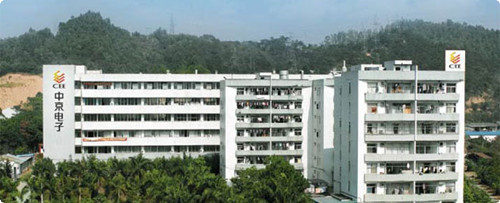
Zhongjing Electronics, officially known as Huizhou Zhongjing Electronic Technology Co., Ltd., was established in 2000. It is a Sino-foreign joint venture specializing in the production and sales of high-density printed circuit boards (PCBs). With a registered capital of RMB 73 million, the company operates a 30,000-square-meter modern PCB manufacturing facility and has an annual production capacity of 600,000 square meters. Its products are widely used in computers, telecommunications, power supply instruments, automobiles, home appliances, and other fields.
The RMB 790 million investment to acquire a controlling stake in Fuda Healthcare signals that its business scope has further expanded into the healthcare sector.
Fuda Medical is a national Grade III specialized oncology hospital integrating medical care, teaching, and scientific research. It has pioneered minimally invasive surgical techniques in China, including argon-helium cryoablation, vascular intervention, and nanoknife therapy, accumulating extensive treatment experience, with certain oncology treatments leading the nation. Its subsidiary, Fuda Oncology Hospital, is also a national Grade III specialized oncology hospital. Its wholly-owned subsidiary, Fuda Pharmaceutical, engages primarily in the distribution of blood products and other pharmaceuticals, having established stable cooperative relationships with numerous public hospitals and their affiliated pharmacies within Guangdong Province.
Fuda Medical has committed that its net profits after deducting non-recurring gains and losses for 2017, 2018, and 2019 shall be no less than RMB 38 million, RMB 52 million, and RMB 68 million, respectively.
It is understood that Zhongjing Electronics’ current core business involves the research and development, production, and sales of printed circuit boards (PCBs). Upon completion of the transaction, Zhongjing Electronics will add oncology medical services and pharmaceutical distribution to its portfolio, creating new growth drivers and achieving a transformation from a manufacturing-oriented enterprise to a dual-core business model spanning both electronic information and healthcare.
Yu Xiangbin, Board Secretary of Zhongjing Electronics, stated that this acquisition marks the company’s initial strategic entry into the healthcare industry and will lay a solid foundation for its future expansion in this sector upon completion of the transaction.
According to statistics from the National Cancer Center, there are approximately 7.5 million prevalent cancer patients in China. Based on an annual per-capita expenditure of RMB 70,000 and a treatment penetration rate of 60%, the market size of China’s oncology medical services is estimated at around RMB 320 billion. Generally, cancer patients undergo three stages: initial screening and diagnosis, intermediate treatment, and late-stage palliative care.
In 2015, the cancer incidence rate in China was approximately 312 per 100,000 population. The five most common cancers were lung cancer, gastric cancer, esophageal cancer, liver cancer, and colorectal cancer. Meanwhile, liver cancer, pancreatic cancer, lung cancer, esophageal cancer, and gastric cancer had the highest case fatality rates (case fatality rate = annual mortality rate / annual incidence rate).
With societal development, the ranking of incidence rates for various types of cancer has also changed. For instance, in recent years, improved economic conditions have led to increased consumption of high-fat and high-protein foods, resulting in a continuous rise in the incidence of colorectal cancer. Conversely, reduced intake of pickled foods and increased consumption of fruits and white vegetables can lower the risk of gastric cancer.
Currently, China’s cancer screening and diagnosis industry is still in its early stages of development, accounting for only about 5% of the oncology healthcare services market, valued at approximately RMB 16 billion. In terms of primary screening and diagnostic methods, there are no significant differences between China and the United States; both primarily rely on endoscopy, blood tests, and imaging examinations. However, the screening penetration rate in China remains far lower than that in the U.S. It is expected that the market share of screening and diagnosis will increase in the future, driven by heightened public awareness of cancer prevention, strengthened efforts in cancer control and prevention, and supportive national policies.
Furthermore, with the advancement of genetic technologies, bioinformatics, and big data, new platforms for early cancer prediction have emerged. Corresponding tumor databases have been established, enabling risk prediction for early cancer screening in populations. These predictions are based on a comprehensive analysis ranging from lifestyle habits and clinical signs to blood biochemical indicators, micro-level changes in tumor markers, and genetic and molecular alterations.
The mid-stage cancer treatment market constitutes the main body of the oncology medical services market, accounting for 80% of the market share. Based on the three major cancer treatment modalities, the treatment market can be preliminarily segmented into surgery, radiotherapy, and chemotherapy (i.e., pharmacological therapy). Among these, the pharmaceutical therapy market is the largest, with a scale reaching RMB 150 billion. In addition to anti-cancer drugs, immunomodulators and other supportive medications (such as antibiotics, antiemetics, and nutritional support agents) also account for 50% of the pharmaceutical market share. In the radiotherapy market, linear accelerators are the primary equipment currently used in China, holding approximately 90% of the market share.
As the oncology market enters a new phase of explosive growth, Zhongjing Electronics’ acquisition of Fuda Medical has secured its entry ticket!