

What NPC Deputies Say About Primary Healthcare: Key Proposals from the Two Sessions
The Two Sessions have been underway for several days. VCBeat has compiled a selection of proposals from delegates regarding primary healthcare, offering insights into the key issues they are prioritizing in this sector.
Upgrading the Primary Healthcare Network to Address the “Two-Child Baby Boom”
This year marks the second year of the universal two-child policy. The National People's Congress deputy and president of Guizhou Provincial Children's HospitalShu XiaomeiIt is believed that since the full implementation of the two-child policy, shortages in medical resources have become evident, and the establishment and development of primary healthcare networks should be upgraded.

Shu Xiaomei pointed out,The patient load has always been heavy, and the allocation of high-quality medical resources has long been insufficient. With the full implementation of the universal two-child policy, neonatal beds have become even scarcer, with obstetric wards facing such severe shortages that securing a single bed is extremely difficult.
Shu Xiaomei suggests that efforts should begin with the training of pediatricians and strengthened education for primary care providers, encouraging patients to seek treatment for minor illnesses at local grassroots hospitals. “I believe the most critical factor is the establishment and development of a robust primary healthcare network. Common and frequently occurring diseases should be managed at the primary level, under a tiered diagnosis and treatment system comprising primary, secondary, and tertiary care. This would enable grassroots institutions to handle a significant portion of medical services, thereby improving the overall situation.”
Reforming the Training and Compensation Systems for General Practitioners
On March 5, at the Shaanxi delegation’s deliberation session on the Government Work Report, Chen Zhu, a deputy to the National People’s Congress (NPC), former Minister of Health, former Vice Chairperson of the Standing Committee of the 12th NPC, and Chairperson of the Central Committee of the Chinese Peasants and Workers Democratic PartyChen Zhustated that without building a strong team of general practitioners, family doctor contract services cannot be effectively implemented.
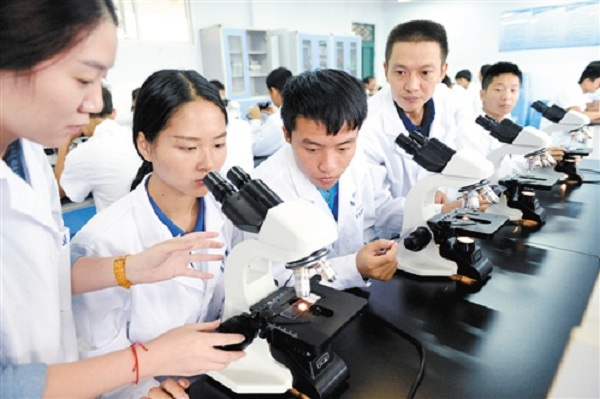
Currently, China has only about 180,000 general practitioners, with fewer than 80,000 registered GPs. This falls far short of the target of having 2–3 GPs per 10,000 people by 2020.
Chen Zhu suggested deepening the reform of medical education, establishing general practice as a major in all medical schools and supporting it as a key discipline, while strengthening postgraduate and continuing education for general practitioners.In addition, general practice departments must be established in hospitals at Level II and above, reforms to the compensation of general practitioners must be implemented, remuneration standards no lower than those for specialists must be set, and a professional title promotion system aligned with the occupational characteristics of general practice must be developed.
Addressing the Issue of "Low Pay and Lack of Benefits" for Rural Doctors
The renowned “Zip-line Doctor,” Deputy to the National People’s CongressDeng QianduiThis year, I submitted two proposals concerning village doctors: addressing the pension issues of rural doctors and formulating policies and regulations tailored to their needs.

Village doctors are a large-scale grassroots medical service workforce in rural areas with distinct Chinese characteristics. Deeply rooted in the countryside for many years, they travel across fields and farm paths to provide basic medical services to 800 million farmers.
However, this group currently facesPoor working conditions, low income and benefits, and lack of pension security have led to a severe shortage of healthcare professionals in rural areas.
Although the compensation for rural doctors has improved significantly compared to the past, overall remuneration remains low. VCBeat learned that around 2010, Deng Qiandui’s monthly salary was RMB 154. Currently, he receives a fixed subsidy of RMB 600, plus performance-based incentives tied to workload, bringing his total monthly income to RMB 1,300. However, this level of income holds little appeal for young people, especially when migrant work in urban areas can yield monthly earnings of RMB 3,000–4,000.
Fang Lianying, a deputy to the National People's Congress from Yunnan Province, is also a village doctor with a monthly income of just over 700 yuan. Due to the small population in her village, patient visits are few, resulting in even lower earnings.
Beyond compensation, Deng Qiandui and Fang Lianying, both in their fifties, are more concerned about retirement security. VCBeat has learned that there are over 300 village doctors in the county where Deng Qiandui practices, with an average age exceeding 50, all facing the challenge of being “unable to continue working.” However, after dedicating their lives to serving as village doctors, they do not receive the benefits they deserve upon leaving their posts.
The shortage of medical personnel and medicines at the primary care level is a reality.
Deputy Director, Hospital Management Institute of the National Health and Family Planning CommissionCao Lianyuanstated: Although there have been improvements in the shortage of medical personnel and medicines at the primary care level over the past few decades, the issue has not been fundamentally resolved. Cao Lianyuan stated, “13“If hundreds of millions of people flock to Beijing, Shanghai, and Guangzhou for medical care, how many doctors would it take to handle the load?” He argued that the only way to address this phenomenon is through a tiered diagnosis and treatment system. Regarding the shortage of medications at the primary care level, Cao Lianyuan stated that the public needs pharmaceutical companies to produce essential drugs that are high-quality, affordable, and meet basic healthcare needs.
Tiered Diagnosis and Treatment Relies on Breaking Down Hospital “Information Silos”
Deputy to the National People's Congress, Chairman and Chief Executive Officer of Tencent Holdings Ltd.Ma HuatengHe put forward five proposals, including the “Proposal on Leveraging Emerging Technologies Such as the Internet to Advance the Healthy China Initiative.” Ma Huateng believes that fully utilizing emerging technologies like the internet can help optimize the allocation of medical resources, improve the quality of healthcare services, and enhance the public’s health outcomes.
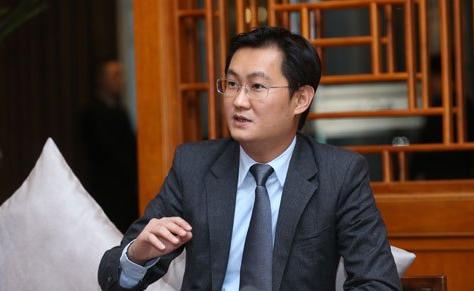
Pony Ma has recommended that regulatory authorities actively support and summarize the innovative and pilot experiences of the tiered diagnosis and treatment system, and encourage various social forces, including internet and technology companies, to participate in the exploration and improvement of this system across different regions through effective policy measures. This aims to break down the "information silos" within hospitals.We must fully leverage mobile internet technologies to establish and improve the system of personal electronic health records, thereby achieving the accessibility and interoperability of relevant information.