

Galaxy Biology Turns Around with Medical Acquisition Strategy After Three Years of Losses, Reports 59.24% Revenue Growth
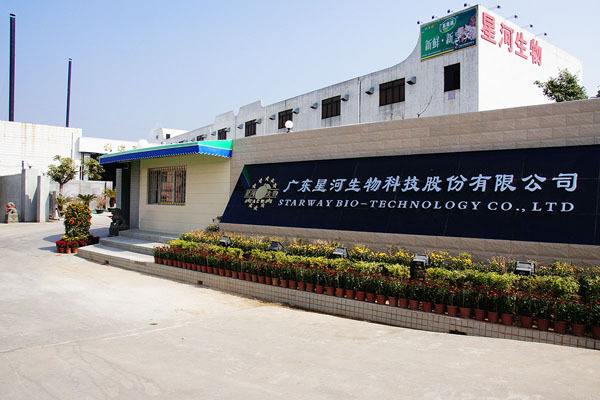
It must be said that Galaxy Biotech made the right bet this time.
On March 7, Xinghe Biology, hailed as the “first mushroom stock,” passed a board resolution to amend its business scope, removing “R&D and cultivation of edible fungi and other agricultural by-products in smart greenhouses, and sales of self-produced products.”
The project was excluded because, since 2012, Xinghe Bio has faced increased competition in the mushroom industry and incurred losses for three consecutive years. To revitalize its assets, Xinghe Bio sold its edible fungi subsidiary in January 2017. The revised business scope no longer includes the research and development, cultivation, and sales of agricultural by-products such as edible fungi, marking a comprehensive transformation into a medical and healthcare enterprise.
According to Xinghe Biotech’s 2016 preliminary earnings announcement, the company achieved total operating revenue of RMB 446 million in the previous year, representing a year-on-year increase of 59.24%. The net profit attributable to shareholders of the listed company amounted to RMB 56 million, marking a year-on-year surge of 435.40%.
According to the flash report, the primary factor impacting Star River Biology’s performance was the inclusion of its wholly-owned subsidiary, Masep, in the consolidated financial statements starting from January 2016. The contribution from the healthcare industry led to a significant increase in the company’s overall profitability compared to the same period last year.
“Losses at sunrise may be gains at sunset; for Star River Biology, who is to say this is not a blessing in disguise?”
Since its listing in December 2010, Xinghe Bio has basked in the spotlight as the “first mushroom stock,” setting a new record for the ChiNext board with an IPO price-to-earnings (P/E) ratio of 138.46 times and enjoying immense prominence at the time. The company’s main products included fresh edible fungi such as enoki mushrooms, beech mushrooms, and white jade mushrooms. In the years following its IPO, its annual net profit once exceeded RMB 50 million.
No Flower Blooms Red for a Hundred Days. According to the China Edible Fungi Business Network, the number of industrialized edible fungi production enterprises across China doubled from 2009 to 2011, intensifying industry competition and turning the market into a “red ocean.” Statistical data from the China Edible Fungi Association shows that the selling price of industrially produced enoki mushrooms has declined continuously since 2011, with an average annual drop of approximately 15%. After deducting transportation costs and distributor profits, profit margins have become razor-thin.
Although Xinghe Biology was the “first mushroom stock,” it could not remain unaffected amid the fierce competition characterizing the entire edible fungi industry. In 2011, Xinghe Biology reached its peak performance, reporting operating revenue of RMB 208 million, a year-on-year increase of 23.60%, and net profit of RMB 58.8496 million, a year-on-year increase of 39.44%. By comparison, its annual net profit in 2009, the year prior to its listing, was only RMB 17.59 million.
Amid industry-wide pressures, Star River Bio’s rapid internal expansion has also placed significant strain on the company. It first expanded westward into Sichuan Province, investing over RMB 50 million to acquire a controlling stake in Xichong Fulian Edible Fungi Co., Ltd. Shortly thereafter, it injected RMB 80 million in additional capital into its subsidiary, Shaoguan Star River. The company then made a substantial investment of several hundred million yuan to build a new large-scale production base in Henan Province. According to plans, once the Xinxiang project in Henan becomes operational, production capacity will increase by 2.6 times, with a strategic focus on the northern Chinese market.
During this period, Xinghe Biology also attempted other strategies, such as changing its corporate name and expanding into business-to-consumer (B2C) operations through supermarkets and e-commerce platforms. However, the losses in its mushroom business became uncontrollable. Starting in 2012, Xinghe Biology shifted from prosperity to decline, with its performance deteriorating steadily. Affected by the dual pressures of a sharp decline in gross profit margins for its core products and significant impairment charges related to its Henan project, the company incurred substantial net losses for two consecutive years in 2013 and 2014, amounting to RMB 160 million and RMB 293 million, respectively. Among its product lines, Beech Mushrooms, the second highest-selling variety, experienced the most severe decline in gross margin, which dropped by 21.58 percentage points.
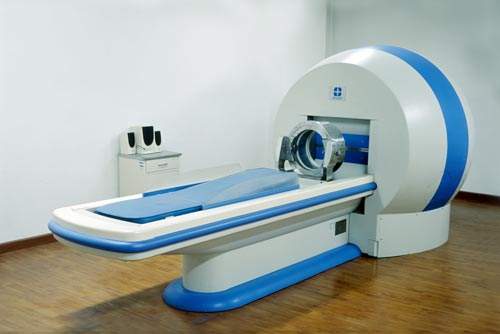
Plagued by consecutive losses, Xinghe Biology had no choice but to pivot toward an aggressive acquisition strategy. Tragically, its two major M&A attempts in previous years both failed, ultimately forcing the company to make painful cuts in 2014 by decisively shutting down three factories. It was not until 2015, when it acquired Masip, a company specializing in Gamma Knife systems, that Xinghe began its transition into the medical device business.
For traditional industries seeking to enter the healthcare sector, mergers and acquisitions are indeed a viable pathway.
To achieve business transformation, Xinghe Biotechnology accelerated its pace of external expansion. On the evening of August 7, 2015, the company announced that it would acquire 100% equity interest in Masep for approximately RMB 1.125 billion, thereby expanding its core business into the field of Gamma Knife therapeutic equipment.
According to the acquisition plan disclosed by Xinghe Biotech, Masipu’s unaudited net asset value as of June 30, 2015, was approximately RMB 44.45 million. Intermediary agencies employed the income approach to estimate the total equity value at around RMB 1.125 billion, representing a nearly 24-fold increase. Xinghe Biotech plans to issue approximately 86.54 million new shares at a price of RMB 13 per share to seven individual investors, including Ye Yunshou, the company’s actual controller, in order to acquire their combined 100% equity interest in Masipu.
In addition, Xinghe Biology plans to conduct a concurrent fundraising by issuing approximately 48.4 million shares via private placement at RMB 14.05 per share to four investors, including Guohua Tengda, Ye Yunshou, Liu Yuejun, and Huo Changying, raising no more than RMB 680 million. Of this amount, RMB 600 million will be allocated to the Masep Integrated Supplier Project for Stereotactic Radiosurgery Equipment, with the remainder used to supplement Masep’s working capital.
According to reports, the Gamma Knife series produced by Masep are specialized medical devices. The downstream sector of the Gamma Knife treatment equipment industry primarily serves the diagnosis and treatment of tumors, cerebrovascular diseases, and other functional disorders. The company’s first- and second-generation head Gamma Knives have obtained U.S. FDA clearance; its second-generation head and body Gamma Knives have also received EU CE certification and achieved commercial sales and clinical application. Currently, Masep has installed nearly 70 Gamma Knife systems worldwide, ranking among the leading providers in China.
To safeguard the interests of the listed company, the counterparties to this acquisition have made corresponding performance commitments, namely that Masip’s net profit attributable to shareholders after deducting non-recurring gains and losses for the three fiscal years from 2015 to 2017 shall be no less than RMB 60 million, RMB 102 million, and RMB 130 million, respectively. Should these targets not be met, the counterparties shall provide compensation in cash and/or shares.
Regarding this acquisition, Xinghe Biology also stated that the listed company will leverage Masip’s existing customer base and product manufacturing processes, combined with the listed company’s capital platform, to expand the sales reach and volume of Masip’s products, thereby rapidly enhancing the company’s operational performance. Meanwhile, Xinghe Biology will also utilize this asset restructuring to achieve a business transformation from the traditional food biotechnology sector to the high-tech specialized biomedical field.
According to Galaxy Biotech’s 2016 preliminary earnings announcement, the company achieved total operating revenue of RMB 446 million in the previous year, representing a year-on-year increase of 59.24%. The net profit attributable to shareholders of the listed company amounted to RMB 56 million, a year-on-year surge of 435.40%. This growth was primarily driven by the inclusion of Masep, a wholly-owned subsidiary, in the preliminary financial results.
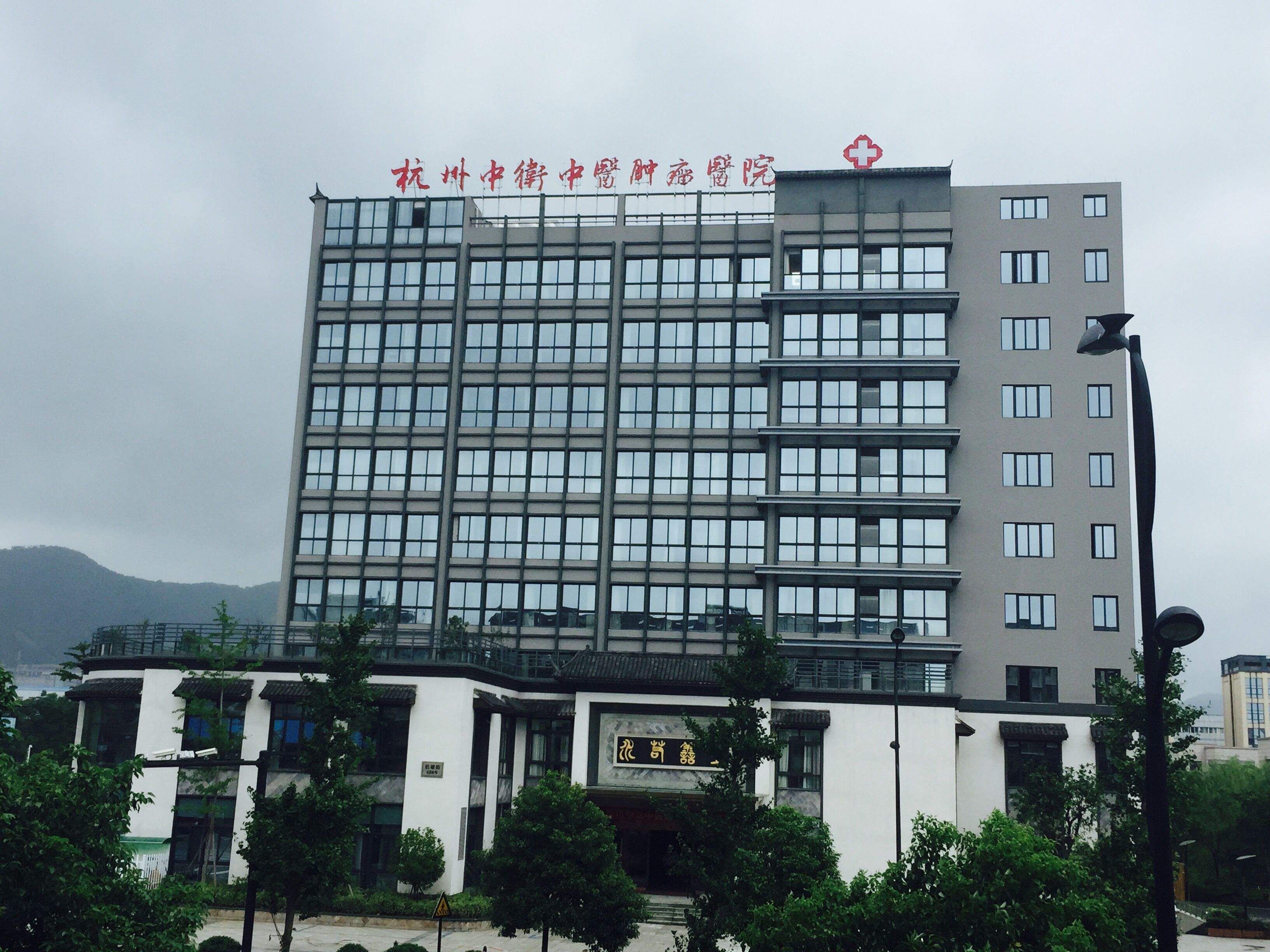
As can be seen, Xinghe Biotechnology reaped the benefits from its initial foray into the medical and healthcare sector. Consequently, on January 18, 2017, it signed a formal “Equity Transfer Agreement” with the shareholders of Hangzhou Zhongwei Traditional Chinese Medicine Oncology Hospital Co., Ltd. The company acquired 100% equity interest in Hangzhou Zhongwei Hospital for RMB 52.8 million using its own funds, making Zhongwei Hospital its first wholly-owned subsidiary in the medical services field since its transition into the medical and healthcare industry.
Hangzhou Zhongwei Traditional Chinese Medicine Oncology Hospital Co., Ltd. was established on June 12, 2015. It is a Level II traditional Chinese medicine hospital approved and registered by the Market Supervision Administration of Xiacheng District, Hangzhou, and the Health and Family Planning Bureau of Xiacheng District, Hangzhou. The hospital boasts advantageous geographical location, comprehensive medical practice qualifications, and a solid foundation in medical services.
Since its establishment, the hospital has undergone a period of operational integration and is now demonstrating strong momentum for growth. Leveraging its technological and equipment advantages in the field of radiotherapy devices, Star River Biology can implement the “Integrated Supplier of Stereotactic Radiosurgery” project at Zhongwei Hospital by investing in relevant medical equipment and expanding its radiation oncology department. This initiative will facilitate Zhongwei Hospital’s expansion from traditional Chinese medicine-based oncology treatment to radiosurgical oncology treatment, transforming it into a specialized oncology hospital with distinct competitive advantages and unique features, thereby enhancing the company’s brand influence in the healthcare services market in Hangzhou and East China.
In addition, in 2016, Galaxy Biotech invested in Protom International Holding Corporation, a U.S.-based company specializing in advanced proton radiotherapy equipment, through indirect shareholding. In the future, the Company plans to introduce Protom’s miniaturized proton therapy system to Zhongwei Hospital and establish China’s first Protom Proton Therapy Center, striving to make Zhongwei Hospital a demonstration base for the Company in the fields of radiosurgery and oncology treatment.
This acquisition of Hangzhou Zhongwei Traditional Chinese Medicine Oncology Hospital by Xinghe Biology constitutes a substantive step in implementing the company’s dual-pronged strategic policy of “leveraging its advantages in high-end radiotherapy equipment and actively expanding into the medical services market.” As the company’s first implemented project in China’s medical services sector, it holds significant importance for Xinghe Biology’s future industrial layout and strategic planning.
According to publicly available data from the World Health Organization (WHO), the global number of cancer patients is increasing year by year. It is projected that over the next 20 years, the annual number of new cancer cases worldwide will rise from 14 million in 2012 to 22 million. The WHO recommends that there should be 2–3 radiotherapy units (such as linear accelerators) per million people. Currently, the United States has 8.2 units per million people and France has 4, whereas China has only 0.24 units per million people, even when combining cobalt-60 machines and linear accelerators.
This indicates that the current market status of radiotherapy equipment in China is relatively underdeveloped. Currently, radiotherapy has long been established as one of the three core modalities for cancer treatment, alongside surgery and chemotherapy. From a medical perspective, approximately 70% of cancer patients require varying degrees of radiation therapy. Compared with surgical oncology, modern precision radiotherapy offers a series of advantages, including fewer side effects, better therapeutic outcomes, and lower overall costs.
With the continued improvement of living standards among Chinese residents, further advancements in radiotherapy technology, and heightened patient awareness of radiotherapy, the utilization of radiotherapy equipment is set to increase. Consequently, both the manufacturing of radiotherapy equipment and the downstream medical services sector are poised for new growth.
As a wholly-owned subsidiary, Masep’s core business involves the R&D, production, and sales of stereotactic radiotherapy equipment, with Gamma Knife as its flagship product, offering substantial growth potential in the future. This is further bolstered by the Chinese government’s increasing support for the domestically developed medical equipment manufacturing industry in recent years.
The company is currently the market leader in China’s Gamma Knife sector and has obtained regulatory approvals to enter mainstream markets such as the United States and Europe. It is poised to benefit from relevant national support policies, thereby expanding its sales in both domestic and international markets and enhancing its financial performance.
Although the number of listed companies in the factory-based edible mushroom production sector has been gradually increasing in recent years, the industry is expected to undergo intensified consolidation, with more fierce market competition and a general trend of stable or declining prices. Meanwhile, certain categories within the edible mushroom industry will experience regional imbalances between supply and demand.
However, the industry continues to present both opportunities and challenges. Going forward, the Company will maintain stable production scales in its existing edible mushroom business and strive to enhance product profitability by increasing yield per unit and reducing costs through measures such as variety improvement, quality control, and rational sales market planning.
Following the implementation of its industrial transformation, Xinghe Biology has preliminarily established three core business segments: the edible fungi industry, the medical and health industry, and investment operations.
The Company will stabilize its existing edible fungi business by tapping into internal potential to enhance efficiency; prioritize the development of the medical health industry, leveraging Masep to continuously optimize its business structure and industrial model, while exploring and implementing expansion into medical services; actively engage in investment activities, leverage the platform advantages of a listed company, and flexibly employ various capital operation methods to ensure that the capital platform serves industrial layout and value chain integration. Ultimately, the Company aims to evolve into a platform-based listed company with an international perspective and global resource allocation capabilities.