U.S. State-by-State Telemedicine Disparities Report: Seven States Lead the Way, Texas Ranks Lowest
This Chinese version of the report was jointly produced and released by VCBeat and Global Doctors Organization.
In February 2017, the American Telemedicine Association (ATA) released the report “Gap Analysis of Telehealth Across All 50 States,” presenting detailed data on telehealth coverage and reimbursement policies in each U.S. state. Although progress has been slow in some states, the overall implementation of telehealth across the nation is improving. VCBeat (WeChat ID: vcbeat) has provided a full translation and compilation of the report, offering readers an in-depth look at the current state of telehealth in the United States.
The American Telemedicine Association (ATA), founded in 1993, is a non-profit membership association based in Washington, D.C. As a leader in telemedicine, the ATA aims to improve healthcare by enhancing the quality, equity, and affordability of medical services worldwide. It boasts a network of more than 10,000 industry leaders and healthcare experts. The ATA hosts premier telemedicine conferences, as well as trade exhibitions focused on technological innovation and networking.
The report released by the ATA amended two state government policies, identifying gaps in telehealth coverage, reimbursement, physician practice standards, and licensure.
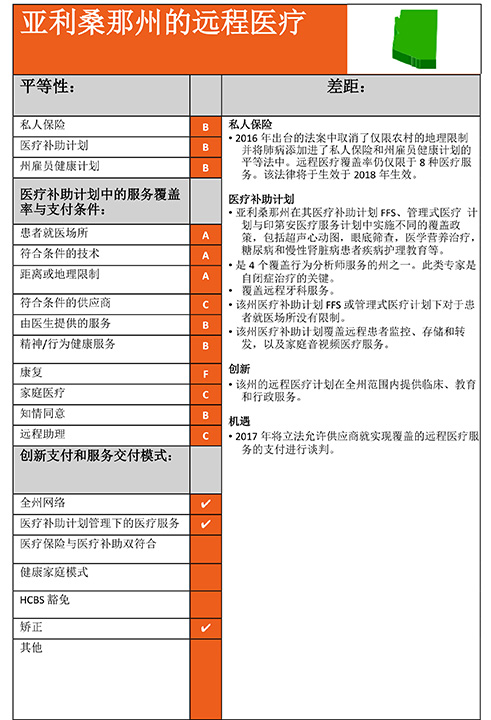
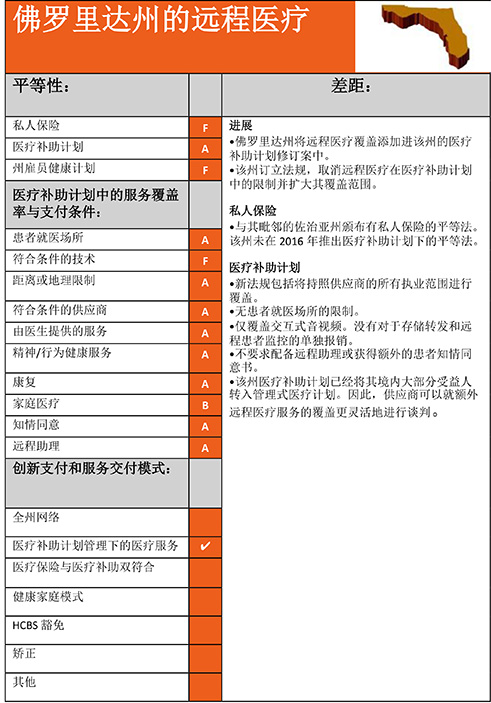
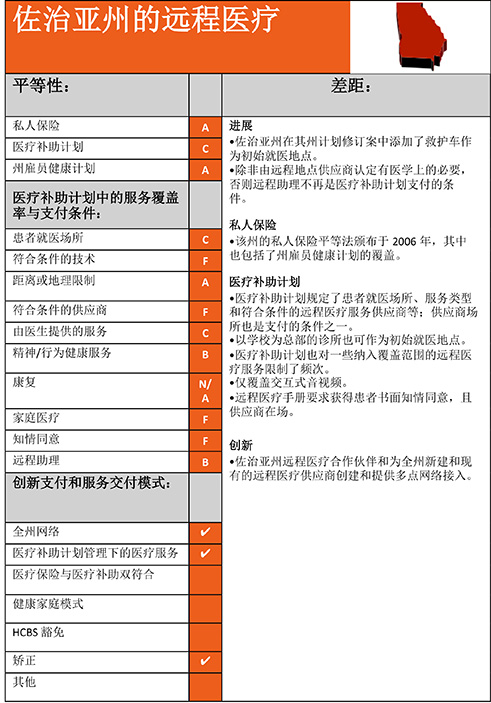
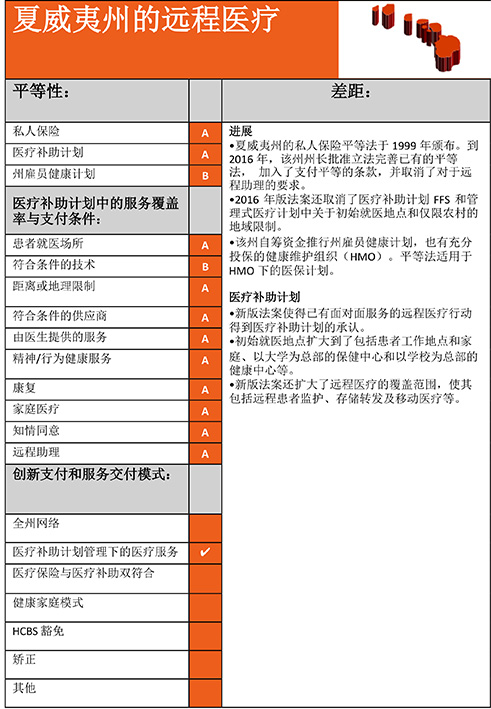
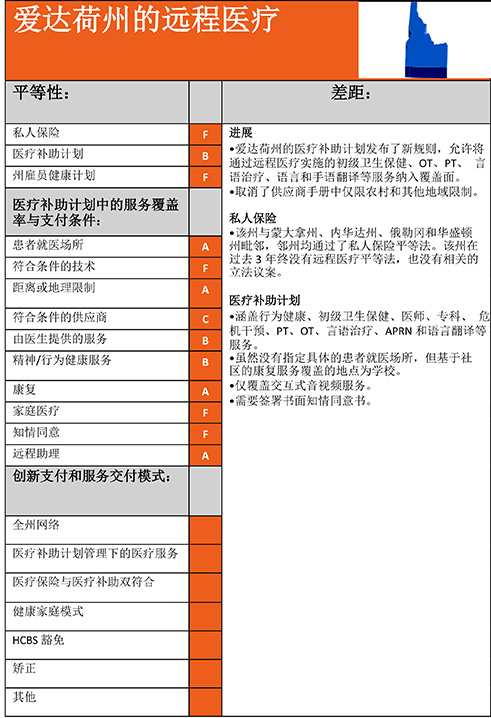
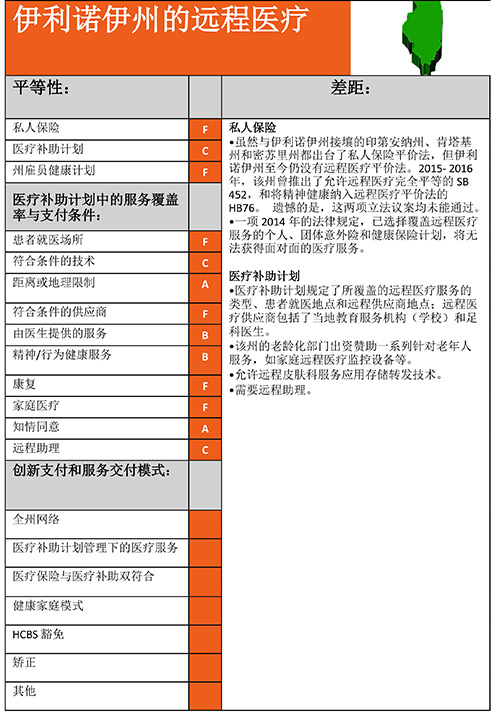
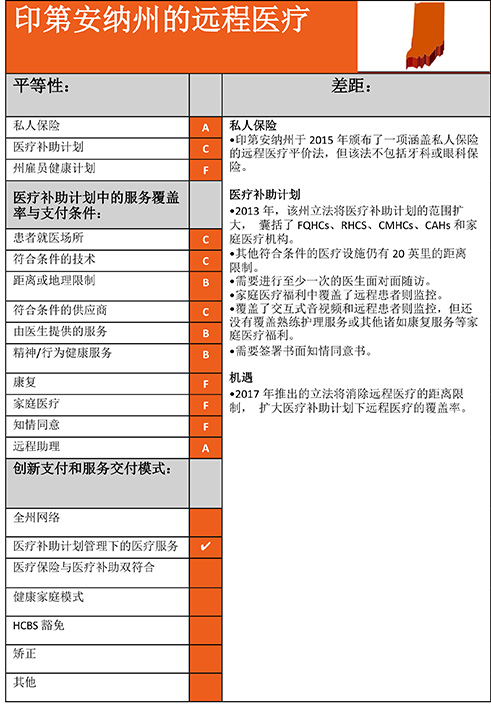
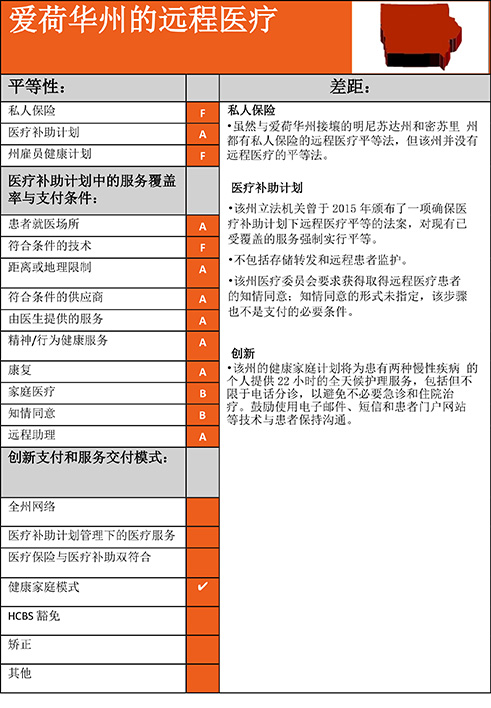
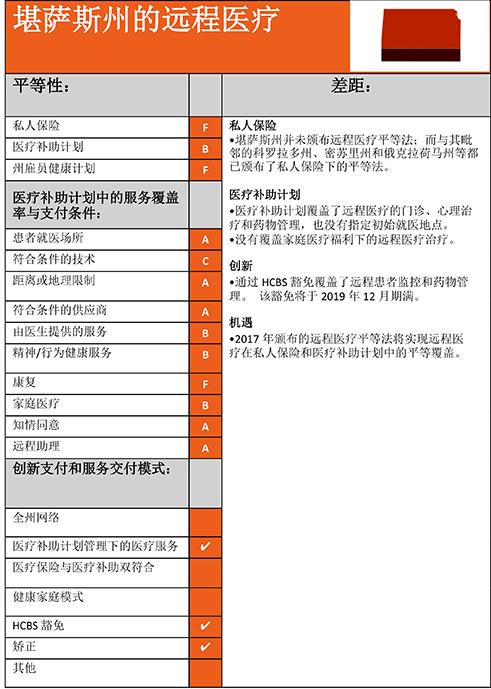
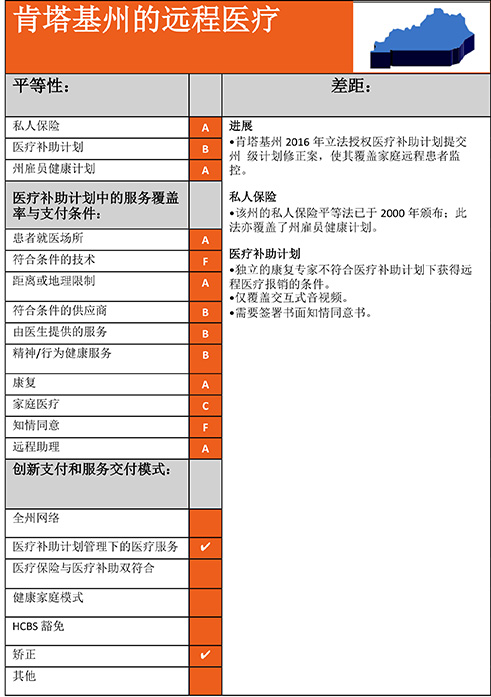
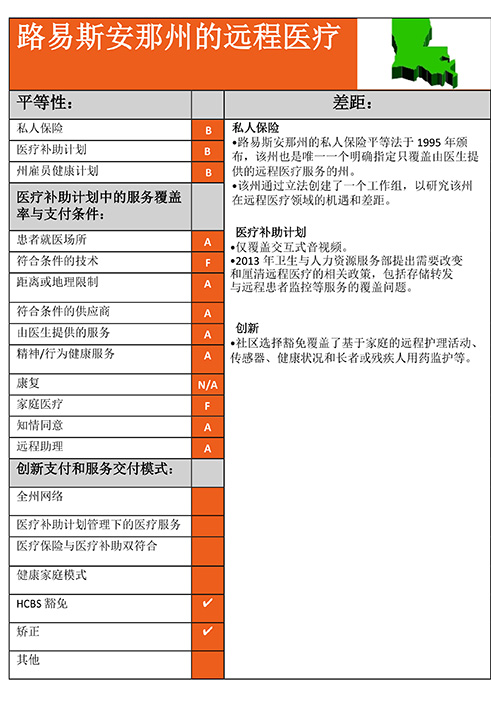
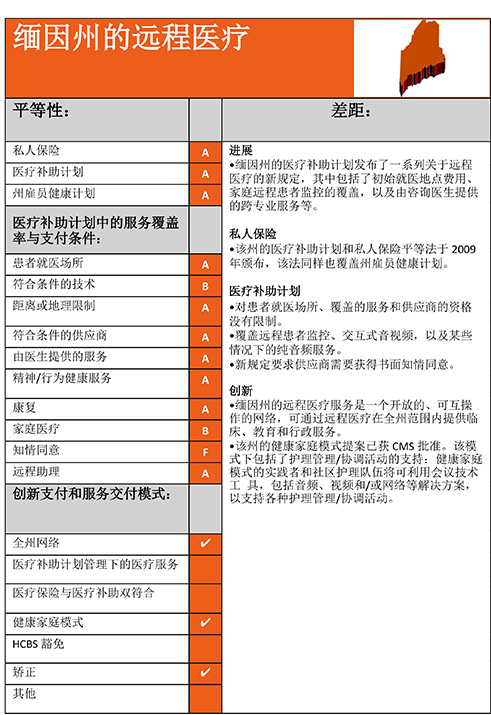
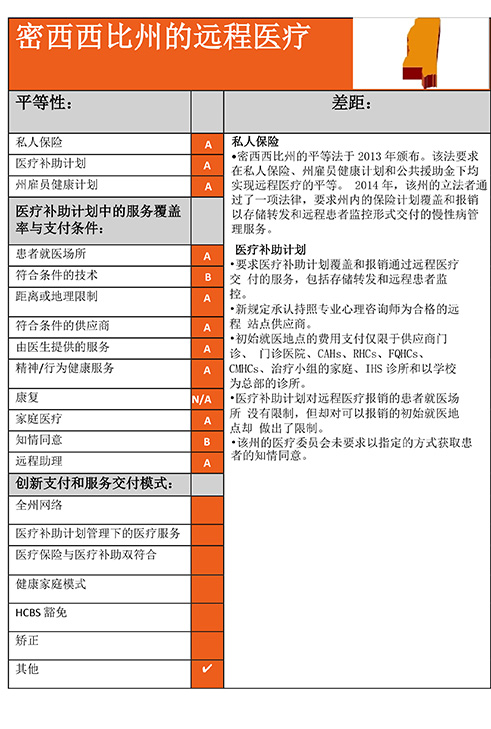
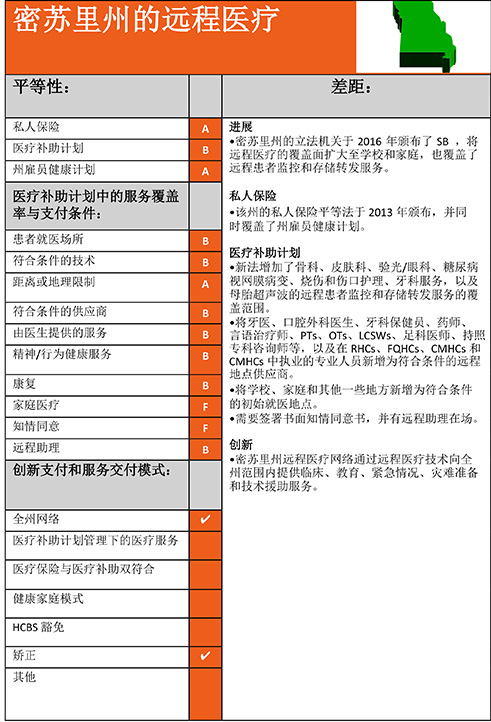
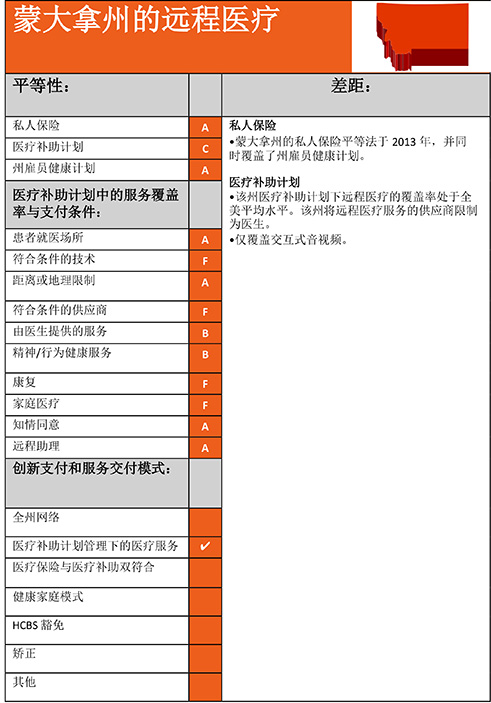
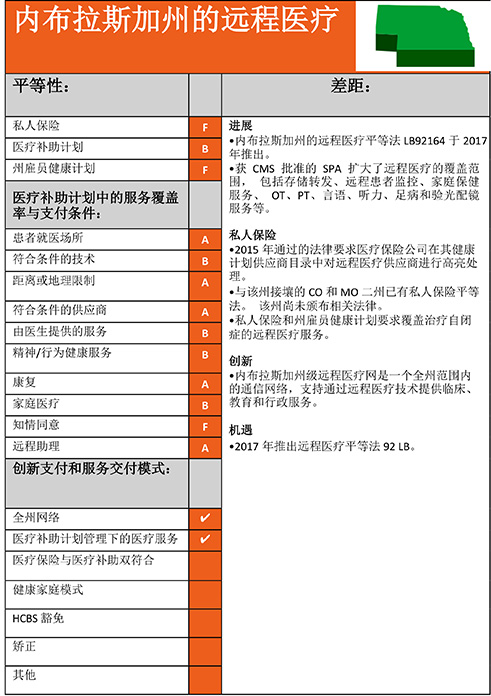
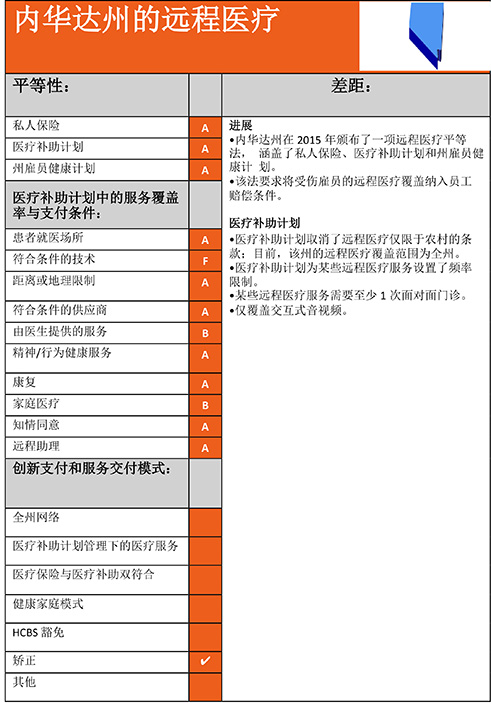
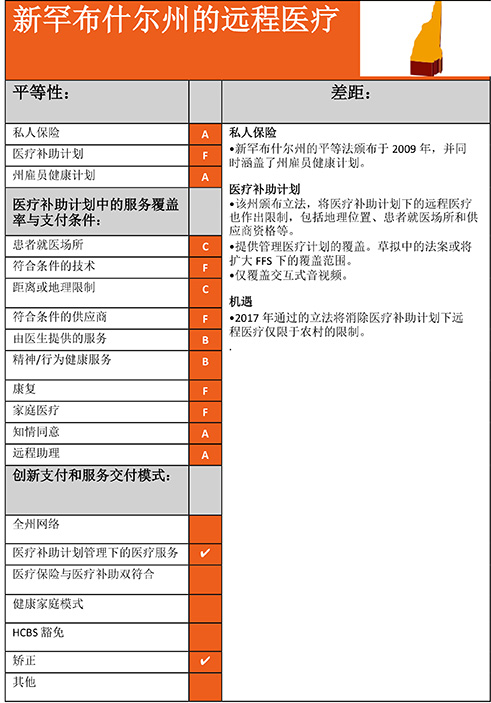
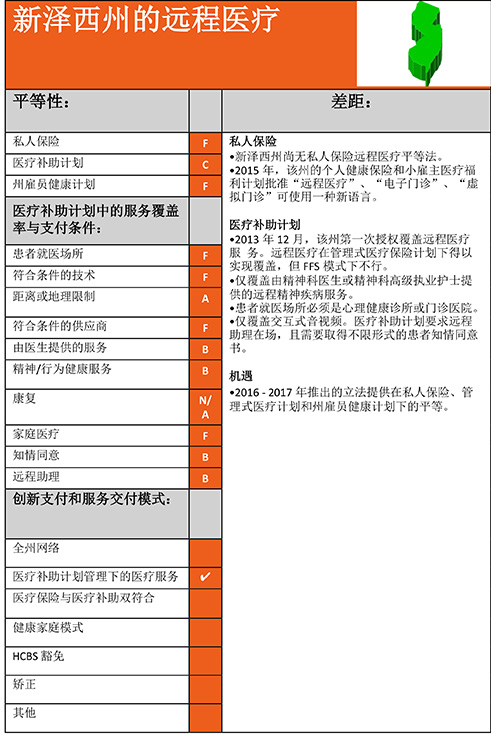
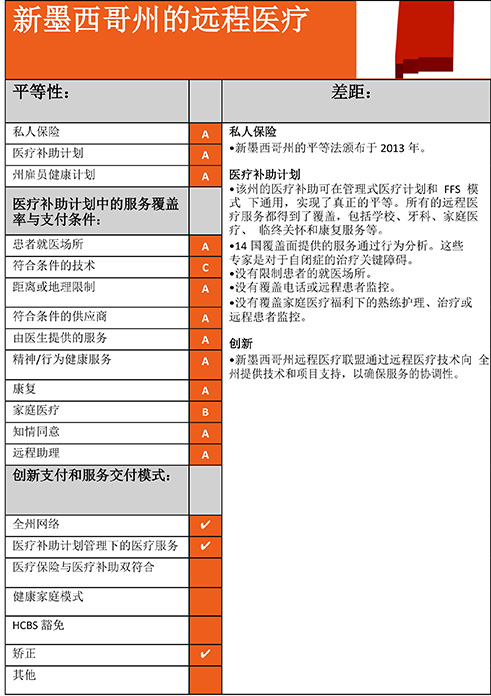
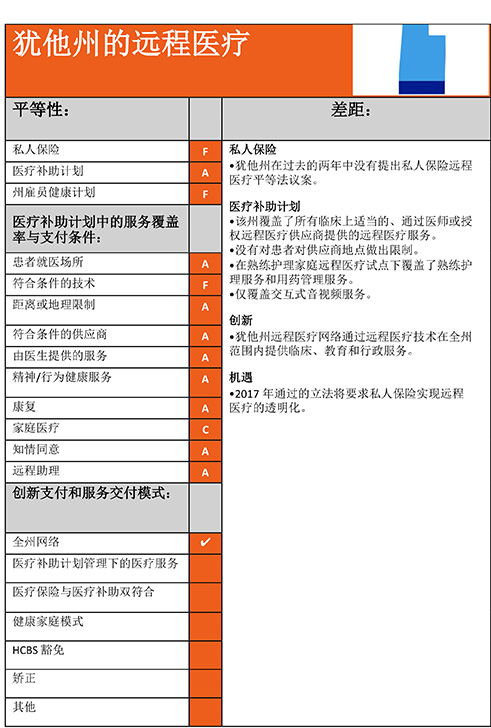
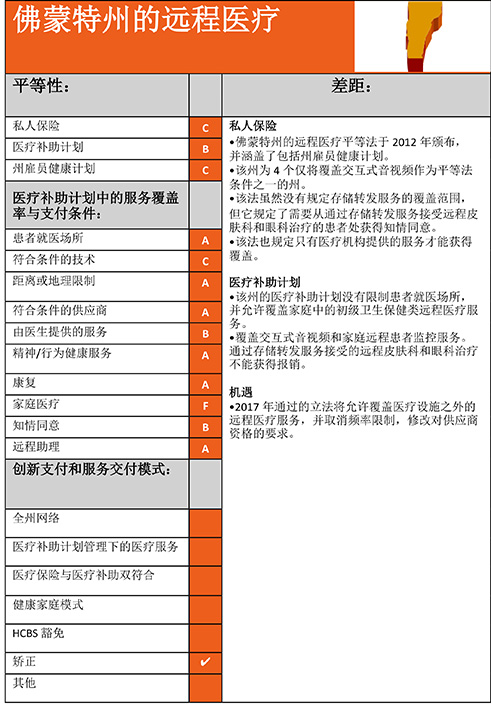
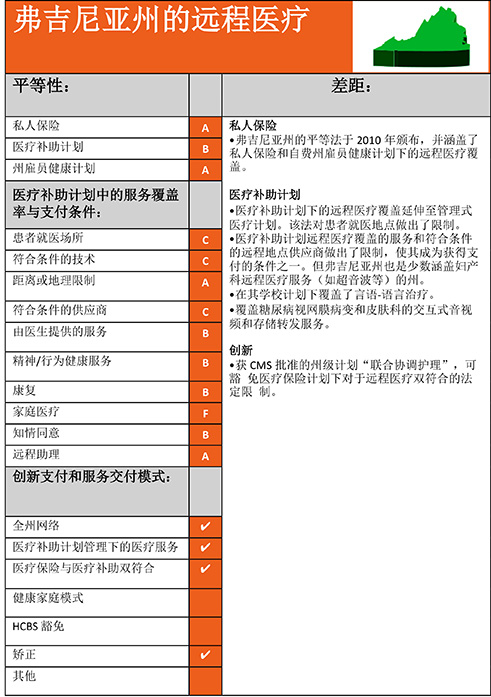
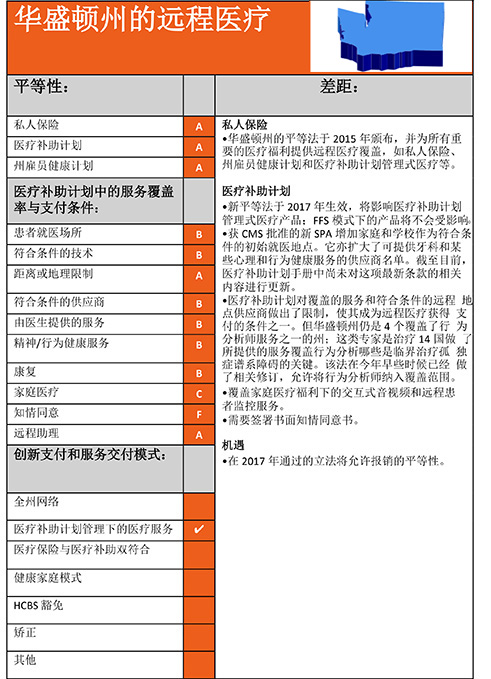
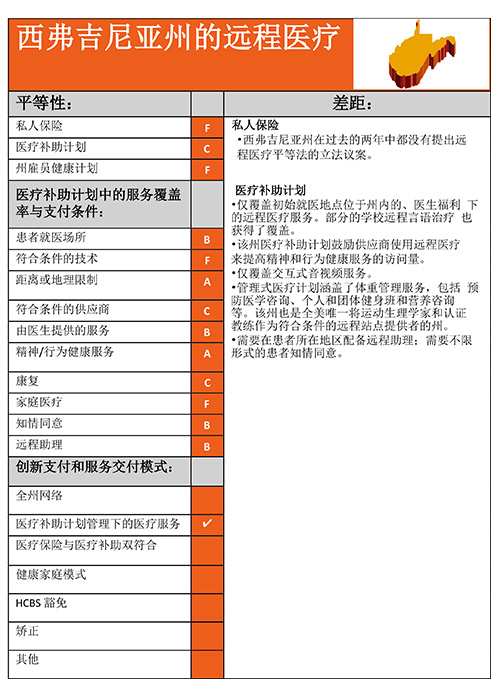
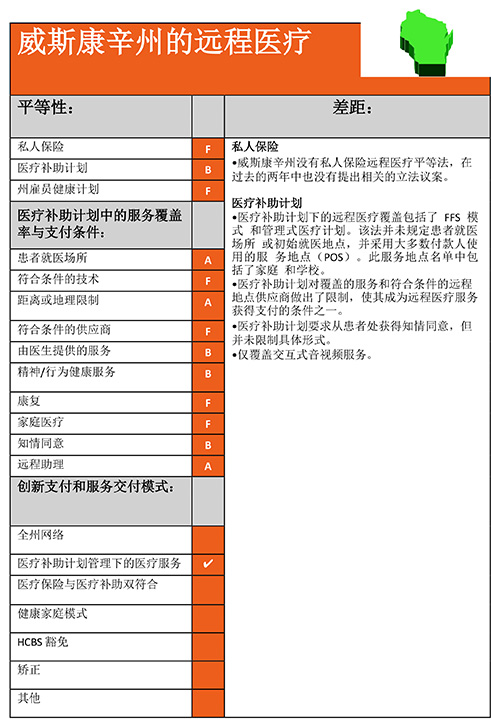
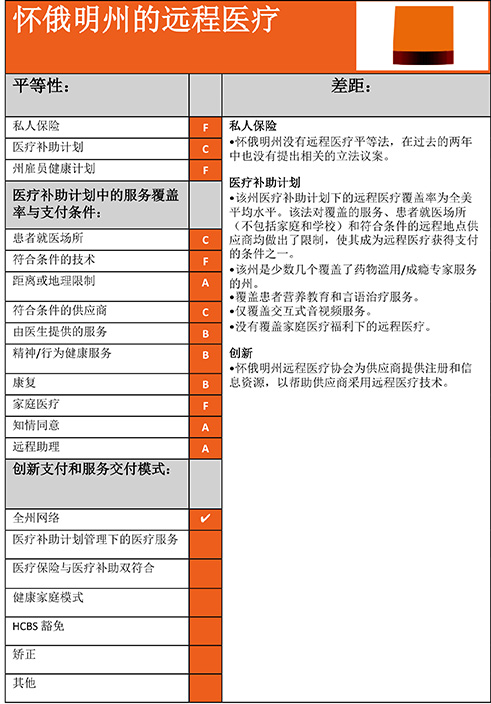
The report utilized 13 metrics related to coverage and reimbursement, noting that “despite decades of positive and significant findings from clinical empirical studies and increased utilization of telemedicine, national healthcare policies remain unstable.” The following is a detailed analysis of telemedicine across all 50 states:
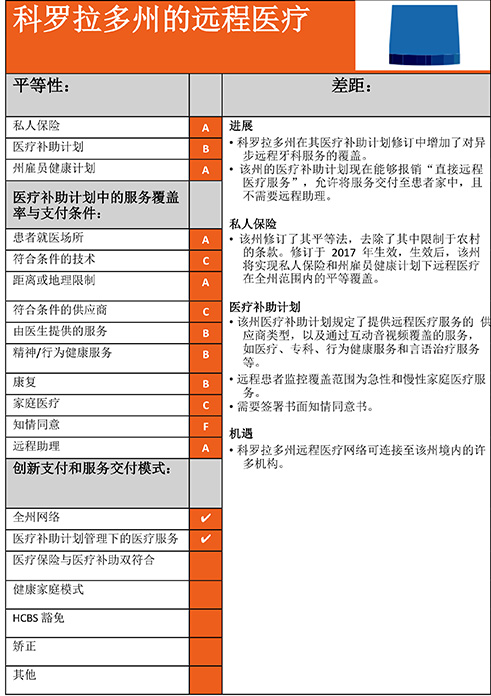
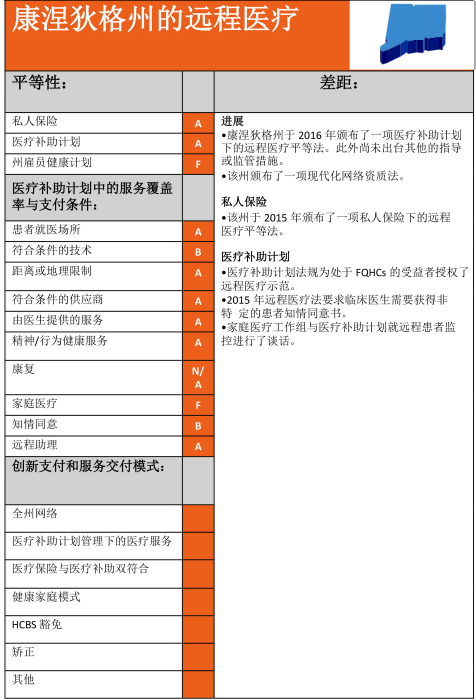
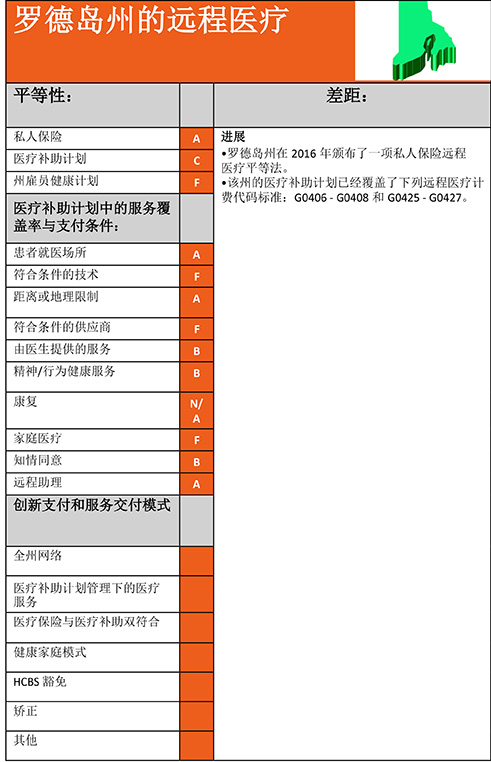
Many states have seen significant improvements in their scores, with seven states implementing policies to expand telehealth coverage and reimbursement after last year’s results were released (Connecticut and Rhode Island even made dramatic leaps, rising from an “F” to a “B”). Since the ATA began its ratings in 2014, ten states have enacted telehealth parity laws applicable to private insurers.
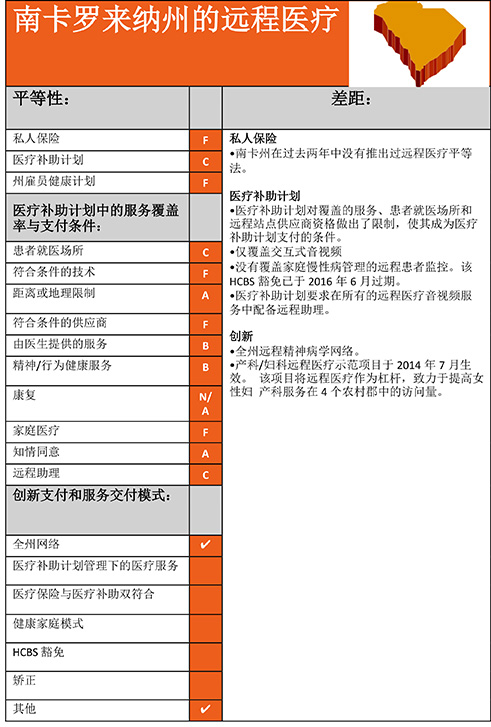
Overall, performance in the United States was quite strong.As of 2016, all states permitted telemedicine coverage to some extent.Furthermore, since the ATA guidelines were developed for the “Coverage and Reimbursement” report,For the first time, all medical assistance institutions are required to provide certain forms of telemedicine services.。Twenty-six states have considered incorporating certain types of telehealth coverage into their employee health plans, while more states are pursuing patient care oversight through legislation or by seeking federal waivers.(15 remote services are enabled through store-and-forward technology).
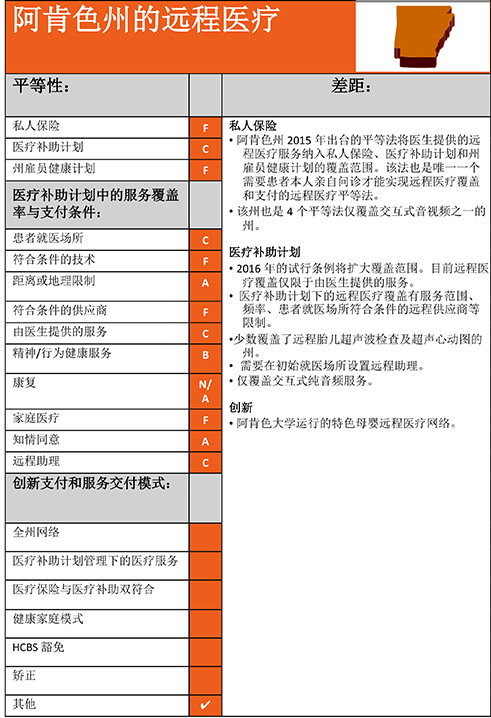
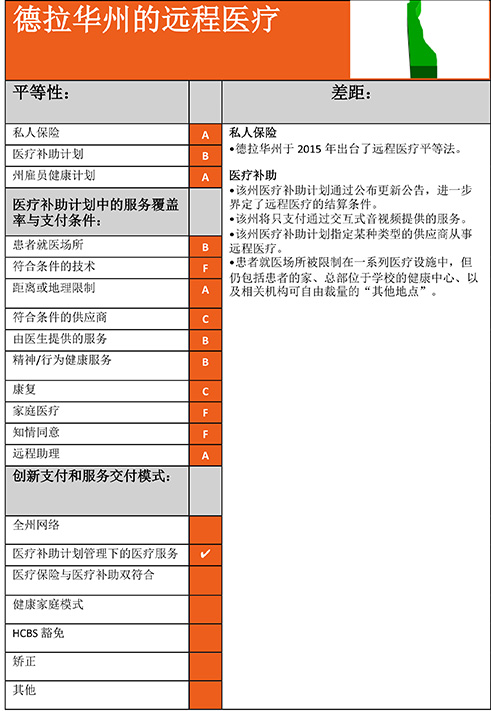
However, not all states saw an improvement in their scores. Over the past five years, although the number of states enacting affordable telemedicine laws has doubled,However, some states, such as Delaware, Washington, and South Carolina, saw their scores decline due to the shortened duration of the remote patient monitoring waiver period.. Arkansas’s score remains failing because it is the only state that requires patients to have in-person visits under its parity law, although the recent deregulation of telemedicine at the national level has done little to help.
The report states that “patients and healthcare providers have benefited from policy improvements to the current Affordable Care Act, expanded service coverage, and the removal of regulatory barriers.” “Although some states have enacted model telehealth policies, supplier participation has lagged due to a lack of enforcement power and broad attention. Ultimately, these pioneering telehealth reforms have failed to realize their full potential.”
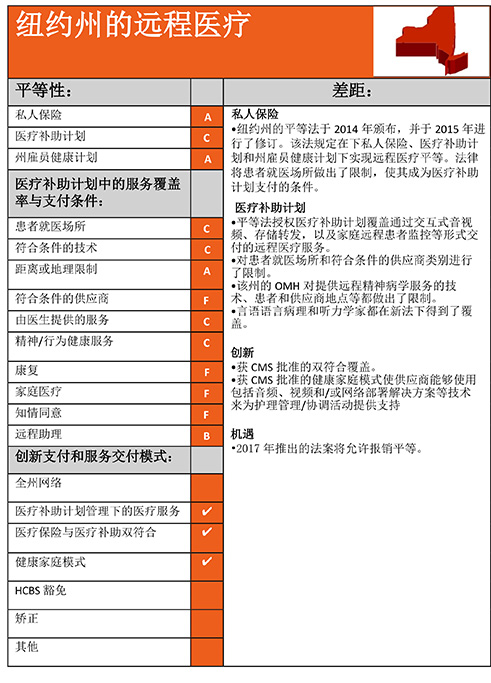
More states are committed to providing specialized services, such as mental health and rehabilitation, to meet people's needs.. Fifteen states scored high in coverage for mental and behavioral health, while other states with low scores, such as New York, have enacted regulations restricting services.
This report focuses on physicians' practice standards and licensure, pointing out thatMedical boards have adopted telemedicine to establish distinct regulatory and guidance measures for medical practice, which is an inevitable trend.. They also eliminated regulations on remote monitoring, but adopted a more prescriptive approach regarding the types of models approved. The report states, “Compared with in-person visits, an increasing number of states have improved their scores since the 2016 report was released, due to changes in telehealth guidance and regulation.”
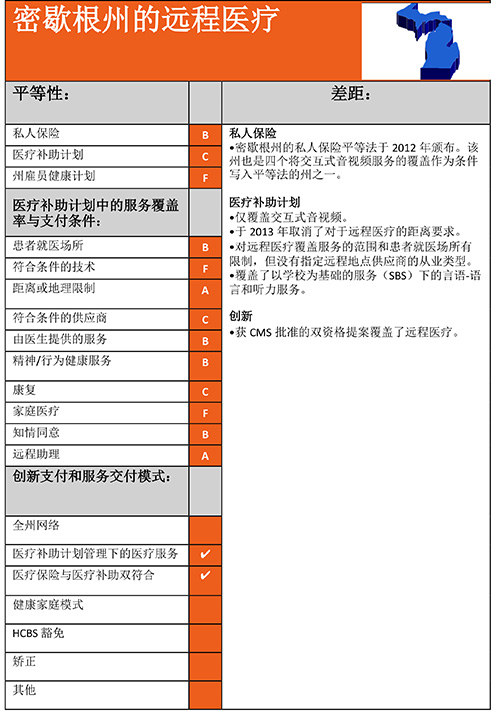
After comparing the state laws and amendments across China against the standards of the Medical Council,21 states have reached the average level of “highest composite rating,” indicating that telemedicine is highly acclaimed.Ultimately, Arkansas has made significant progress in allowing licensed physicians to establish connections with patients through interactive video conferencing. Two other states, Florida and Louisiana, scored higher, while Michigan’s score dropped by one tier.
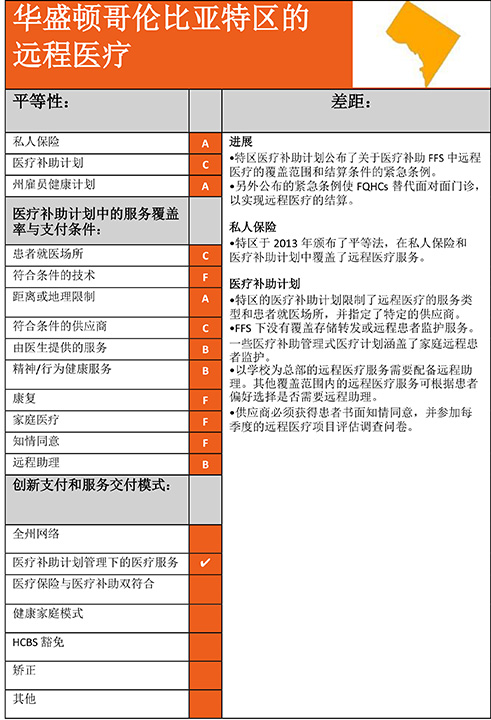
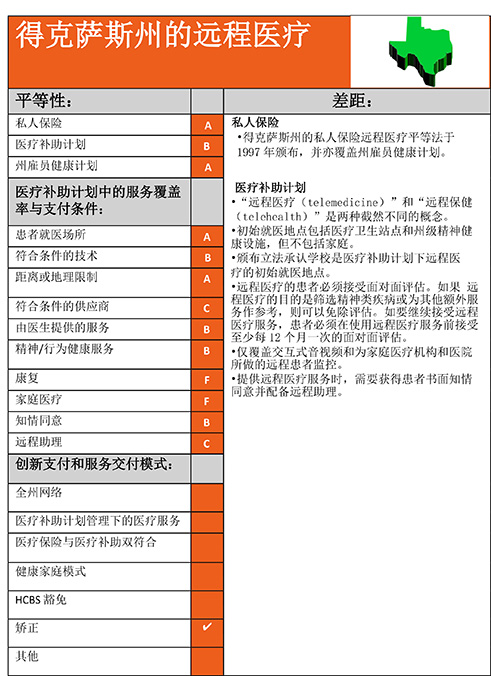
Most states and the District of Columbia are making progress along their path forward,But Texas still has the lowest average composite score.“This indicates that the path forward for telemedicine is fraught with difficulties.” However, people should trust the Texas government. According to a report by the Houston Chronicle, the long-standing saga of telemedicine appears to be finally fading, as the American Medical Association and industry players such as Teladoc announced that they had reached an agreement.
Charles Schwertner, a Republican and chairman of the Texas Senate Committee on Health and Human Services, will introduce legislation that represents a compromise to existing regulations.
The bill is expected to be released later this month, allowing doctors and patients to conduct initial consultations via video link. Over time, physicians will diagnose or treat patients based on medical records or imaging studies.
Teladoc provides telemedicine services. In April 2015, it filed a lawsuit against the Texas Medical Board in state court, alleging that the board was composed of practicing physicians who financially benefited from suppressing telemedicine and that its anti-telemedicine regulations violated antitrust laws. The Medical Board moved to dismiss the lawsuit, arguing that it was subject to state supervision and legally constituted a state agency, thereby enjoying immunity from suit. After the judge denied this motion, the Medical Board appealed to the Fifth Circuit Court of Appeals. In October 2016, the Texas Medical Board withdrew its appeal in the Teladoc case.
Although compromise represents progress, only legislation can address the root cause; groups supportive of telemedicine remain optimistic.
“This is important; everyone will be a winner,” Nora Belcher, executive director of the Texas e-Healthcare Alliance, a telehealth trade association, told the Houston Chronicle. “It will provide us with a fair and open telehealth market in Texas.”