

DarioHealth Reports Record Hardware Revenue in Q4 2016, Annual Revenue Reaches $2.8 Million
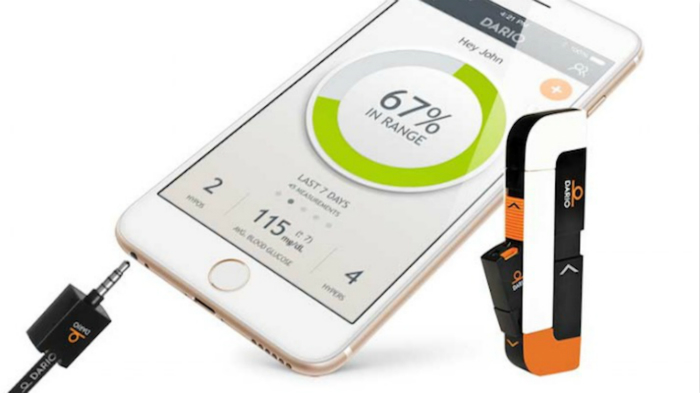
In 2016, Dario™, the flagship smartphone-connected blood glucose meter launched by DarioHealth, a leading player in diabetes management in Israel, received FDA approval, enabling users to utilize its product on Apple devices. A year later, financial reports indicated strong revenue performance and steady growth in the user base. The company also planned to expand its payer network to secure insurance reimbursement for its products, explore new markets and partnerships, and diversify its revenue streams.
Hardware Revenue as the Primary Source of Income
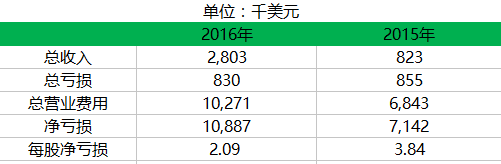
Currently, DarioHealth offers a B2C sales model in the United States, Canada, and Australia. As of 2016, its total revenue reached $2.8 million, representing a 241% year-over-year increase, with a net loss of $830,000. Although the user base for DarioHealth’s comprehensive diabetes management platform continues to grow, the majority of its revenue is derived from device sales.
Dario™ is a comprehensive digital diabetes management solution launched by DarioHealth. The system, compact in size, comprises both hardware and software components, including a blood glucose meter, single-use blood glucose test strips, a lancing device, and a companion smartphone application. Patients with diabetes simply need to prick their finger and apply the blood drop to a test strip inserted into the meter; the blood glucose data is then transmitted to the smartphone, where the DarioHealth app reads the results, which can subsequently be shared with physicians or healthcare systems.
In 2013, the company obtained EU CE Mark certification, and subsequently entered the Canadian and U.S. markets in 2015 and 2016, respectively. Erez Raphael, CEO of DarioHealth, told investors that after largely completing its coverage of the European market, the company focused on expanding into the U.S. market in the fourth quarter of 2016. According to data from Research2Guidance, the blood glucose monitoring system (BGMS) market is projected to reach approximately $24.6 billion by 2020.
From a competitive standpoint, four companies currently dominate the blood glucose monitoring system (BGMS) business, controlling over 90% of the market: Roche Diagnostics (Hoffmann-La Roche), LifeScan (a subsidiary of Johnson & Johnson), Bayer Healthcare, and Abbott Laboratories. These industry leaders have offered a diverse range of BGMS products and have maintained their market leadership since the late 1990s. Numerous second- and third-tier competitors, including several based in Asia, account for the remaining 10% of market share. However, the growing global adoption of mobile phones is creating opportunities for new entrants offering mobile health solutions (commonly referred to as mHealth) in the BGMS market.
“We believe mobile solutions are the trend. We are enhancing software performance, focusing heavily on innovation, and leveraging extensive data management to deliver more features,” said Raphael. “In the final quarter of 2016, we managed to expand our user acquisition channels. It is evident that big data is highly valuable for users’ health management and directly drives revenue.”
Global Expansion: Seeking More Insurance Reimbursement Partners
Financial reports show that DarioHealth sold 8,500 devices in the U.S. during the fourth quarter, a 55% increase from the previous quarter. To date, the company has approximately 19,000 customers, but this figure remains far from sufficient. Erez Raphael stated that DarioHealth’s user base will continue to grow and that the company is working toward obtaining FDA clearance for its Android-based system in 2017.
“The application documents have been submitted to the FDA, and the approval process has begun. In the future, both Android and iOS versions will be available,” said Raphael. “Once we achieve this, it can increase our market entry opportunities as well as reimbursement from insurance companies.” VCBeat has learned that DarioHealth has already begun collaborating with two insurance companies that declined to disclose specific details.
Overall, DarioHealth aims to onboard as many payers as possible and formulate a more aggressive B2B strategy within the next 6–9 months.
The report indicates that in 2017, DarioHealth will compete directly with major pharmaceutical and medical device companies, including but not limited to: Abbott Laboratories, Bayer HealthCare, Johnson & Johnson Life Sciences, Roche Diagnostics, and Sanofi. Although market competition is intense, Dario™ holds significant comparative advantages over other devices on the market. Some of these devices are now available as connected devices for smart mobile platforms, such as Sanofi’s iBGStar, Medisana GlucoDock, Philosys Gmate Smart, One Drop, and iHealth Align.
The Dario™ smart meter offers an integrated glucose monitoring system, delivering functionality comparable to or superior to that of other products (such as the Sanofi iBGStar, Gmate Smart, and iHealth Align), while featuring a more compact form factor than existing compact meters on the market (such as the Abbott FreeStyle Lite and OneTouch UltraMini). This design will appeal to patients with diabetes.
Of course, although there are many continuous glucose monitoring technologies on the market, they are expensive to use and therefore mainly used for temporary purposes and in medical facilities (such as hospitals) or for a limited high-risk population with hypoglycemia. There have been numerous attempts at non-invasive glucose monitors, but it is currently unknown which ones are available on the market or expected to have a significant market share in the coming years.
“We need to achieve this step by step. In the mobile diabetes management market, we have already captured approximately 20%–25% of the market share, largely because we currently offer only an iOS version and portable devices. Once we begin reimbursing and settling payments for Android users, capturing as much as 60%–70% of the market share will not be difficult,” said Raphael.
In addition to strong growth in the U.S. market, Raphael also highlighted the company’s ambition to build a global presence. The $3 million investment from the equity crowdfunding platform OurCrowd provides capital security for this global expansion. This means that, in the future, opportunities for revenue generation will increase significantly through channels such as expanded device sales (including reimbursement-covered sales), pursuing strategic partnerships worldwide, and leveraging big data to deliver health management solutions. However, if third-party payers fail to provide adequate reimbursement policies, DarioHealth’s revenue could be negatively impacted.
“In the field of chronic disease management, data can generate direct revenue. We have already collected a substantial amount of data and possess 100% data capture capability; therefore, global coverage is critically important for DarioHealth’s development,” said Raphael.