

Sichuan Province Achieved CNY 42.1 Billion in Online Medical Procurement in 2016, Saving Nearly CNY 4 Billion in Drug Expenditures | A National Benchmark for Healthcare Reform
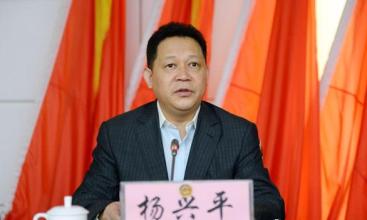
According to VCBeat, on March 28, at the national teleconference on healthcare reform work held in Beijing, the Vice Governor of Sichuan Provincial People's GovernmentLongYang Xingping,It highlights how to control the costs of pharmaceuticals and medical devices through the internet, with significant results.The prices of regulated drugs decreased by 10.6% year-on-year, with an estimated reduction of nearly RMB 4 billion in drug expenditure.
Also attending the meeting were Liu Yandong, Vice Premier of the State Council and Head of the State Council Leading Group for Healthcare Reform; Li Bin, Director of the National Health and Family Planning Commission and Deputy Head of the State Council Leading Group for Healthcare Reform; as well as leaders from Fujian Province, Zhejiang Province, Sichuan Province, Shenzhen City of Guangdong Province, and Tianchang City of Anhui Province.
How does Sichuan Province regulate pharmaceuticals and medical devices? How do healthcare institutions participate? What outcomes have been achieved?
Yang Xingping addressed these concerns at the national teleconference on healthcare reform held in Beijing. At the outset of the meeting, he presented the achievements:
Currently, the procurement and transaction activities of pharmaceuticals and medical devices by 6,160 public healthcare institutions in Sichuan Province have been brought under regulatory oversight, covering all public healthcare institutions except village clinics. More than 8,000 pharmaceutical and medical device manufacturers and distributors conduct transactions online, with the total online procurement amount reaching RMB 42.1 billion in 2016.
In practice, Yang Xingping has adhered to using an information technology platform as the foundation, focusing on key areas such as pharmaceuticals, medical consumables, medical equipment, diagnostic reagents, and Category II vaccines, thereby promoting standardized, orderly, and efficient supply assurance for medicines and medical devices.
1. Implement centralized, categorized procurement of pharmaceuticals for public hospitals.In accordance with the procurement methods determined by the state, the new round of centralized and classified drug procurement tasks was fully completed by the end of last year.Drug prices decreased by 10.6% year-on-year, with an estimated reduction of nearly RMB 4 billion in pharmaceutical expenditures. More than 37,000 products were procured through direct online listing, and the average price reduction for drugs subject to online listing price caps reached 16.1% compared to the previous year.
Second, promote provincial-level online sunshine procurement for medical consumables.Pioneered nationwide in 2014, the provincial online procurement platform now covers 10 major categories, 41 subcategories, and 56,000 products, basically achieving full-scope procurement of medical consumables, with the average price across the province decreasing by 9.4% year-on-year.Meanwhile, we are actively negotiating inter-provincial collaborative procurement of medical consumables.
Third, promote transparent registration-based procurement of medical devices.Building on the online listing of 20 categories and over 200 types of large and medium-sized medical equipment conducted the year before last, an additional 17 categories and more than 80 types of equipment were added to the registration system last year, achieving comprehensive regulatory oversight of the procurement and use of all categories of large and medium-sized medical equipment.
Fourth, implement provincial-level online transparent procurement for diagnostic reagents.Since its launch in August 2016, the platform has completed the online listing of over 35,000 products across 6 major categories and 458 types. The remaining listing work for 796 additional product types will be fully completed in the first half of this year.
5. Implement provincial-level online transparent procurement for Category II vaccines.In March 2016, it took the lead nationwide in issuing implementation plans and achieving province-level centralized online listing. Currently, the construction of information systems has been completed, realizing provincial online listing for all categories and 122 products. Price negotiations at the provincial level have been conducted for 120 products, with the results announced and implemented. All county-level Centers for Disease Control and Prevention (CDCs) have achieved online procurement.
Overall, following the implementation of centralized and classified drug procurement, the average price reduction for drugs with the same generic name was 42% compared to ten years ago (with a maximum reduction of 94%). Within three years of implementing transparent procurement of medical consumables, the average annual price reduction was 7.4%, resulting in nearly RMB 320 million in annual procurement savings.
Following Yang Xingping’s initiatives, the results of Sichuan’s healthcare reform have indeed been remarkable. However, these achievements were not solely due to effective methods; more critically, they stemmed from the consistent forward-shifting of regulatory oversight while establishing procurement mechanisms for pharmaceuticals and medical devices.
In other words, the model has shifted from retrospective supervision to timely early warning and immediate correction during the pre-event and in-process stages, achieving real-time regulation of the entire procurement and usage lifecycle of pharmaceuticals and medical devices. Regulation is primarily implemented through the following three major measures.
First, establish a comprehensive procurement supervision platform.The platform, following its system upgrade and transformation, now covers all parties involved in pharmaceutical procurement and sales, including manufacturing and trading enterprises, medical institutions, and health and family planning administrative departments. It has achieved comprehensive supervision through process oversight, data monitoring, outcome evaluation, and information inquiry, serving as the integrated information management platform for online procurement of pharmaceuticals and medical devices by public medical institutions at all levels across the province.
Second, establish a price early-warning management mechanism.Key monitoring was conducted on abnormal procurement practices where the purchase prices of medical consumables exceeded the province-wide lowest procurement price by 50% or surpassed the provincial average procurement price. Risk notification letters for abnormal procurement pricing were issued in a timely manner (in 2016, 1,391 notification letters were sent to 405 medical institutions), effectively curbing non-compliant procurement activities.
Third, establish a management mechanism for corporate adverse records.Non-compliant practices, such as failure to supply pharmaceutical and medical device products as required and failing quality spot checks, are recorded in adverse credit records and publicly disclosed on the Provincial Pharmaceutical Procurement Platform. This measure aims to urge enterprises to ensure product quality and safety, reasonable pricing, and timely supply (in 2016, a total of 62 pharmaceutical and medical device companies were listed in the general adverse credit records, and 221 non-compliant products had their online listing qualifications revoked). Fourth, establish a regulatory mechanism for medical institutions. The procurement and usage behaviors of medical institutions regarding essential medicines, domestically produced drugs, drugs with low winning bid prices, and high-value drugs are included within the scope of supervision. Corresponding assessment indicators are defined, and a points-based assessment management system is implemented, featuring monthly notifications, quarterly interviews, deadlines for rectification, and follow-up implementation.